
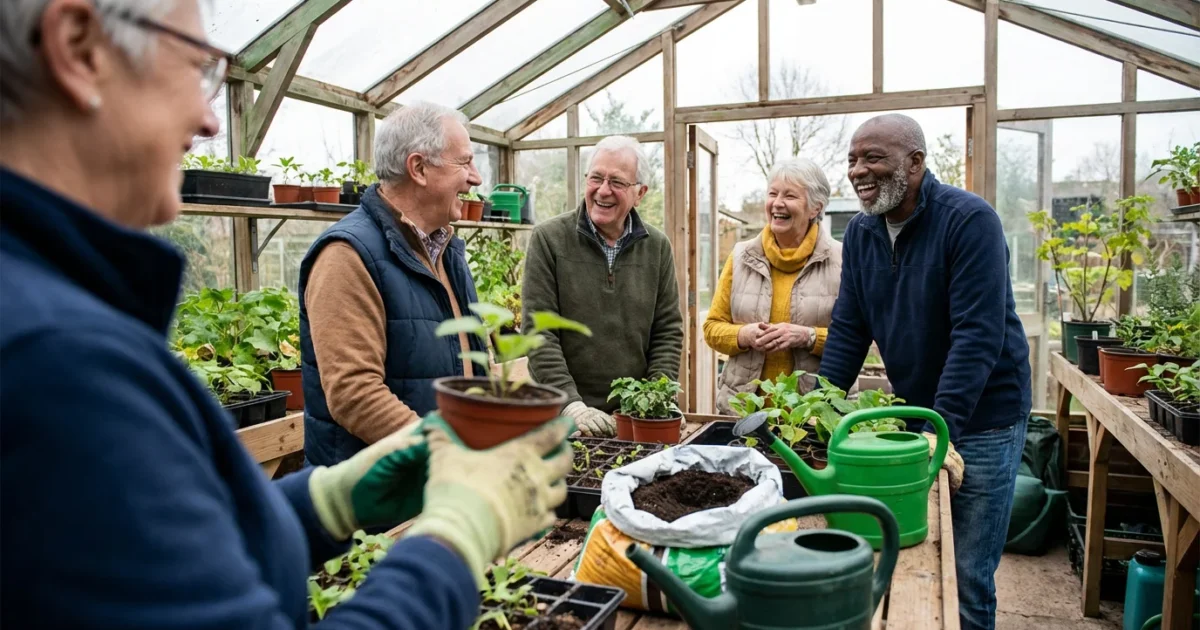
Retirement marks a profound transition, a time when the rhythm of daily life shifts, opening new vistas for personal growth and fulfillment. While the newfound freedom often brings joy, it also presents a unique challenge: maintaining robust social connections. For many, the workplace served as a primary hub for interaction, and its absence can leave a void. Embracing this new chapter with intention involves actively seeking opportunities to nurture relationships and build community. Retirement clubs offer an elegant and effective solution, providing structured pathways to engagement, camaraderie, and purpose.
You have dedicated years to your career, family, and responsibilities. Now, you hold the unique opportunity to redefine your social landscape, enriching your life with meaningful connections. These connections bolster your well-being, fuel your passions, and ensure your golden years shine brightly with shared experiences and mutual support. Discovering the right senior group can transform your retirement into an era of unparalleled social vibrancy.

The Profound Value of Connection in Retirement
Human beings are inherently social creatures. Our brains thrive on interaction, shared experiences, and the feeling of belonging. As you navigate retirement, the importance of maintaining strong social bonds becomes even more pronounced. These connections serve as a vital antidote to isolation, a common challenge many retirees face when daily routines change.
Research consistently highlights the positive impact of social engagement on overall health and longevity. The National Institute on Aging emphasizes that social isolation and loneliness in older adults correlate with serious health conditions, including heart disease, stroke, dementia, and premature death. By actively cultivating your social network, you invest directly in your physical and cognitive well-being. Think of your social life as another pillar of health, as crucial as diet and exercise.
“Age is an issue of mind over matter. If you don’t mind, it doesn’t matter.” — Mark Twain
Retirement offers the perfect opportunity to deepen existing friendships and forge new ones, free from the constraints of work schedules. This period allows you to choose your companions based on shared interests and values, leading to more fulfilling and authentic relationships. How do your current social connections truly nourish your spirit?

Unlocking a World of Possibilities: Diverse Retirement Clubs Await
The landscape of `retirement clubs` is as varied as the interests of the individuals they serve. You can find a senior group for almost any passion or pursuit, ensuring you discover a community that resonates with your unique spirit. Exploring these options helps you pinpoint where your contributions and interests align best. Here are just a few categories of `social activities` available:
- Hobby-Specific Groups: Immerse yourself in a passion with fellow enthusiasts. These include gardening clubs, book clubs, birdwatching societies, photography groups, or knitting circles. These groups offer a focused way to share skills and learn from others.
- Wellness and Fitness Clubs: Stay active and healthy with groups dedicated to physical well-being. Options range from walking clubs, hiking groups, gentle yoga or tai chi classes, to senior swimming leagues. Many community centers offer age-appropriate fitness programs.
- Learning and Educational Groups: Continue your intellectual journey by joining groups focused on lifelong learning. Consider history discussion groups, current events forums, foreign language conversation clubs, or groups that attend lectures and cultural events together.
- Volunteer and Service Organizations: Find purpose by giving back to your community. Groups like Rotary, Kiwanis, or local chapters of organizations supporting specific causes allow you to make a tangible difference while connecting with like-minded individuals. Encore.org, for instance, champions older adults engaging in purpose-driven work.
- Travel and Adventure Clubs: Explore new horizons with companions who share your wanderlust. These clubs organize day trips, weekend getaways, or even international tours, providing a safe and social way to experience new places.
- Card and Game Groups: Enjoy friendly competition and mental stimulation. Bridge clubs, mahjong groups, poker nights, or board game gatherings offer structured social interaction and cognitive benefits.
The key lies in identifying what truly excites you. Do you long to learn something new, revisit an old hobby, or contribute to a cause you believe in? Your answer points you toward the perfect `senior group`.

Beyond Friendship: The Myriad Benefits of Joining a Group
Joining a `retirement club` offers far more than just social interaction. These groups act as catalysts for overall well-being, enriching your life in profound ways. The `benefits of joining group` activities extend across your physical, mental, and emotional health, creating a holistic positive impact.
Participating in these shared activities can be a powerful step toward finding your ikigai, that sweet spot where your passion and community meet.
- Enhanced Mental Acuity: Engaging in discussions, learning new skills, or playing strategic games keeps your brain active and sharp. Regular social interaction challenges your cognitive functions, helping maintain mental agility. Harvard Health Publishing highlights how social engagement can protect against cognitive decline.
- Improved Physical Health: Many clubs incorporate physical activity, whether it is a walking group, dance class, or gardening club. Even social outings often involve gentle movement. This sustained activity contributes to better cardiovascular health, increased mobility, and improved mood.
- A Renewed Sense of Purpose: Retirement can sometimes lead to a feeling of aimlessness. Contributing to a club, taking on a leadership role, or participating in service projects provides a vital sense of purpose and accomplishment. You feel valued and needed.
- Reduced Stress and Loneliness: Being part of a supportive community acts as a buffer against stress and the isolating feelings that can arise in retirement. Shared laughter, empathy, and mutual support significantly boost emotional well-being.
- Opportunities for Personal Growth: Clubs provide a safe space to explore new facets of your personality, develop new talents, or even step outside your comfort zone. You might discover a hidden talent or a new passion you never knew you possessed.
Consider the ripple effect of these advantages. A more active social life often leads to better sleep, improved dietary habits, and a generally more optimistic outlook on life. What new facet of yourself are you ready to explore?

Finding Your Tribe: How to Join a Retirement Club
Embarking on the journey to find your ideal `senior group` is an exciting step. The process of `how to join a retirement club` is often simpler than you might imagine, with numerous resources available to guide you. Taking the first step requires a bit of curiosity and a willingness to explore.
When considering retirement relocation, investigating local social clubs is a great way to evaluate a potential new neighborhood’s community spirit.
If you have recently moved, you might also find value in revitalizing your social life as you settle into a new environment.
Here are practical steps to connect with a thriving community:
- Start Locally: Your local senior center or community center is an excellent first stop. These hubs often host a diverse range of clubs and activities, specifically designed for older adults. They frequently publish newsletters or maintain bulletin boards listing current offerings.
- Leverage Online Resources: A quick online search using terms like “retirement clubs near me,” “senior activities [your city],” or “social groups for seniors” can reveal a wealth of options. Websites like Meetup.com also feature groups for various interests and age ranges.
- Connect with Libraries and Community Boards: Public libraries often serve as community information centers, displaying flyers for local clubs and events. Check notice boards at grocery stores, coffee shops, or community halls.
- Ask Your Network: Speak with friends, neighbors, or former colleagues. They may already belong to groups they enjoy or know of clubs that align with your interests. Personal recommendations often lead to the best matches.
- Explore Faith-Based Organizations: Many churches, synagogues, and other religious institutions offer robust senior programming, including social groups, volunteer opportunities, and educational activities.
- Attend Open Houses or Trial Meetings: Some clubs offer introductory meetings or allow you to attend an event as a guest before committing. This provides a low-pressure way to gauge if a group feels like a good fit.
When you explore potential groups, consider asking questions about their typical activities, the size of the group, and how often they meet. This helps you determine if the club aligns with your expectations and availability. Do you prefer a large, active group, or a smaller, more intimate setting?

Cultivating New Interests and Learning New Skills
Retirement offers a unparalleled canvas for self-discovery. You now possess the gift of time, allowing you to explore interests you once deferred or to delve deeply into entirely new subjects. `Retirement clubs` often serve as vibrant learning environments, fostering intellectual curiosity and personal development. This pursuit of new knowledge keeps your mind stimulated and engaged, contributing significantly to your overall quality of life.
Embracing the art of lifelong learning can turn every day into a rewarding intellectual adventure.
Imagine yourself:
- Mastering a new language with a conversation group.
- Unlocking the secrets of classical literature in a dedicated book club.
- Developing artistic talents in a painting or pottery class hosted by a senior group.
- Understanding current global affairs through an active discussion forum.
- Learning the intricacies of digital photography from fellow enthusiasts.
These experiences do more than just fill your calendar. They challenge your perceptions, expand your worldview, and provide a continuous sense of accomplishment. The joy of learning alongside others, sharing discoveries, and celebrating milestones creates bonds that transcend mere acquaintance. What skill have you always wanted to acquire, or what topic has always fascinated you?
Embracing Leadership and Giving Back
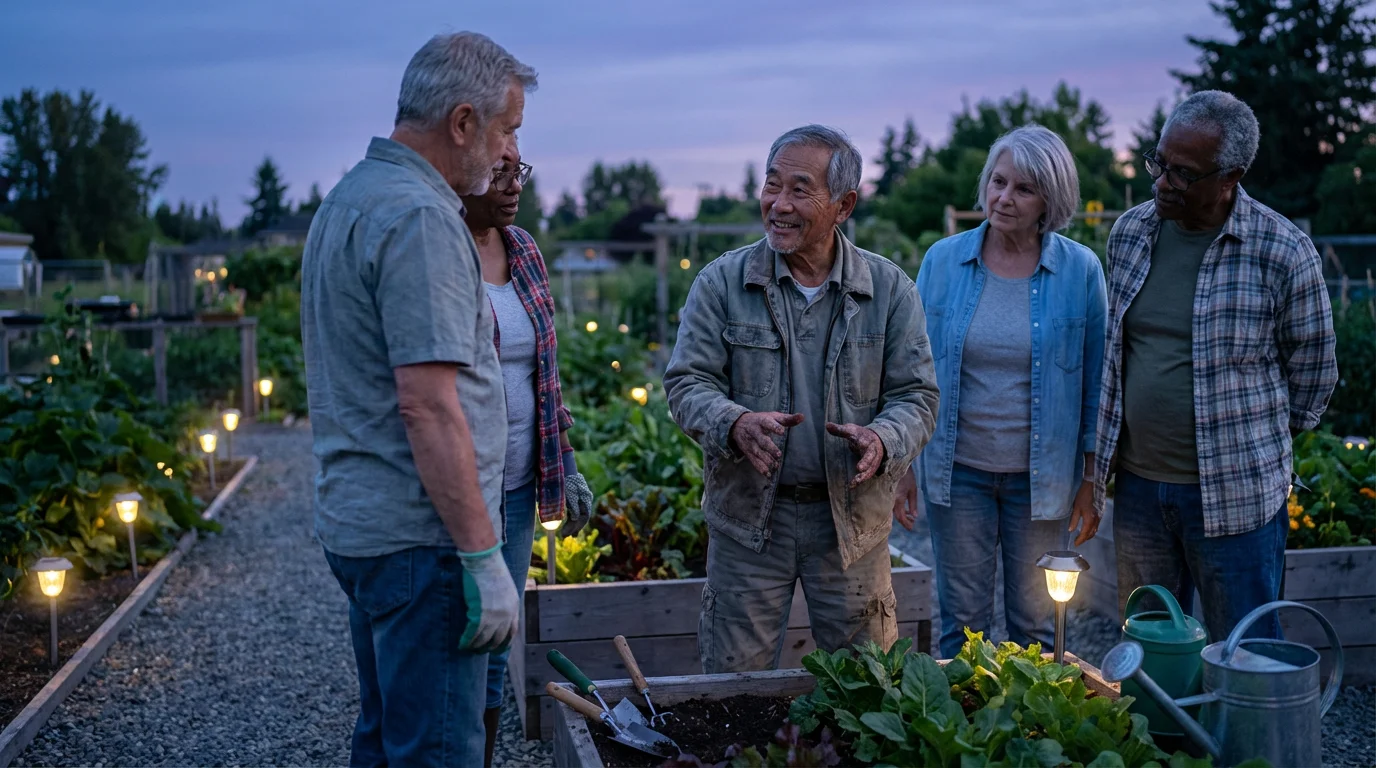
Your lifetime of experience and wisdom represents an invaluable asset. `Retirement clubs` provide fertile ground for you to apply these qualities, not only for your benefit, but for the enrichment of your community. Taking on leadership roles within a `senior group` or dedicating time to volunteer projects offers a profound sense of purpose and continued relevance.
Consider these avenues for contribution:
- Committee Membership: Help organize events, manage finances, or recruit new members. Your organizational skills can greatly benefit a club.
- Mentorship: Share your professional or life experiences with newer members, offering guidance and support.
- Project Leadership: Spearhead a specific initiative, such as a fundraising drive for a local charity or the planning of a community garden.
- Teaching or Facilitating: If you possess a particular skill, offer to lead a workshop or a discussion group, sharing your expertise with others.
- Advocacy: Engage with groups that advocate for issues important to seniors, lending your voice and experience to create positive change. Organizations like the National Council on Aging (NCOA) offer numerous avenues for advocacy and engagement.
Stepping into a leadership or service role demonstrates that your contributions remain meaningful and impactful. It reinforces your self-worth and solidifies your place within the community, fostering a deep sense of belonging. Your legacy continues to unfold through these purposeful actions.

Overcoming Obstacles to Social Connection
Despite the clear benefits, you might encounter certain hurdles when seeking to expand your social circle in retirement. Acknowledging these challenges empowers you to navigate them effectively, ensuring you do not miss out on the rich rewards of connection.
- Initial Shyness or Apprehension: Feeling nervous about joining a new group is perfectly normal. Remember that most people in retirement clubs actively seek companionship. Start by attending a single event, observing from the periphery, and gradually engaging when you feel comfortable.
- Logistical Challenges: Transportation, scheduling conflicts, or physical limitations can sometimes pose difficulties. Explore clubs closer to home, investigate ride-sharing options with other members, or look for groups that offer virtual participation. Many community centers offer transportation services for seniors.
- Finding the Right Fit: Not every group will immediately feel like home, and that is acceptable. Do not feel discouraged if your first attempt does not yield instant camaraderie. Continue exploring different `retirement clubs` until you find one where you genuinely feel comfortable and stimulated.
- Financial Concerns: Some clubs or activities involve membership fees or costs for excursions. Research free or low-cost options through libraries, senior centers, or public parks and recreation departments. Many communities offer subsidized programs.
Persistence and an open mind serve as your greatest assets. Every new connection represents an opportunity for growth and joy. What small step can you take today to move closer to a more connected retirement?
Frequently Asked Questions
What are the primary benefits of joining retirement clubs?
Joining retirement clubs offers numerous advantages, extending beyond simple companionship. You gain opportunities for mental stimulation through new learning, maintain physical activity with shared hobbies, and cultivate a sense of purpose by contributing to a community. These clubs also provide a vital support network, enriching your emotional well-being and combating feelings of isolation.
How can I find retirement clubs or senior groups in my local area?
You can discover local retirement clubs through several avenues. Begin by checking with your community’s senior centers, public libraries, or parks and recreation departments. Online searches using terms like “senior groups near me” or “retirement clubs [your city]” often yield results. Word-of-mouth from friends, neighbors, or local bulletin boards also provides valuable leads. Many churches and synagogues also host robust social programs for their senior members.
Are retirement clubs only for people interested in specific hobbies?
Absolutely not. While many retirement clubs do focus on shared hobbies like gardening, book reading, or card games, a wide array of options exists. You can find clubs centered on fitness, volunteer service, continuing education, travel, or general social interaction. The diversity ensures there is a group to match almost any interest or desire for connection, supporting various forms of engagement.
What if I feel nervous about joining a new senior group?
It is entirely natural to feel apprehensive about stepping into a new social environment. Start by researching clubs that genuinely align with your interests, which reduces initial pressure. Consider attending an event or meeting as a visitor if that option is available. Many groups are welcoming and understanding of new members, offering a gentle introduction. Remember, everyone started somewhere, and most people are eager to connect with others who share their desire for companionship.
Disclaimer: This article is for informational and inspirational purposes. Life decisions are deeply personal, and we encourage readers to consult with appropriate professionals—whether healthcare providers, counselors, or financial advisors—for guidance specific to their circumstances.








Leave a Reply