
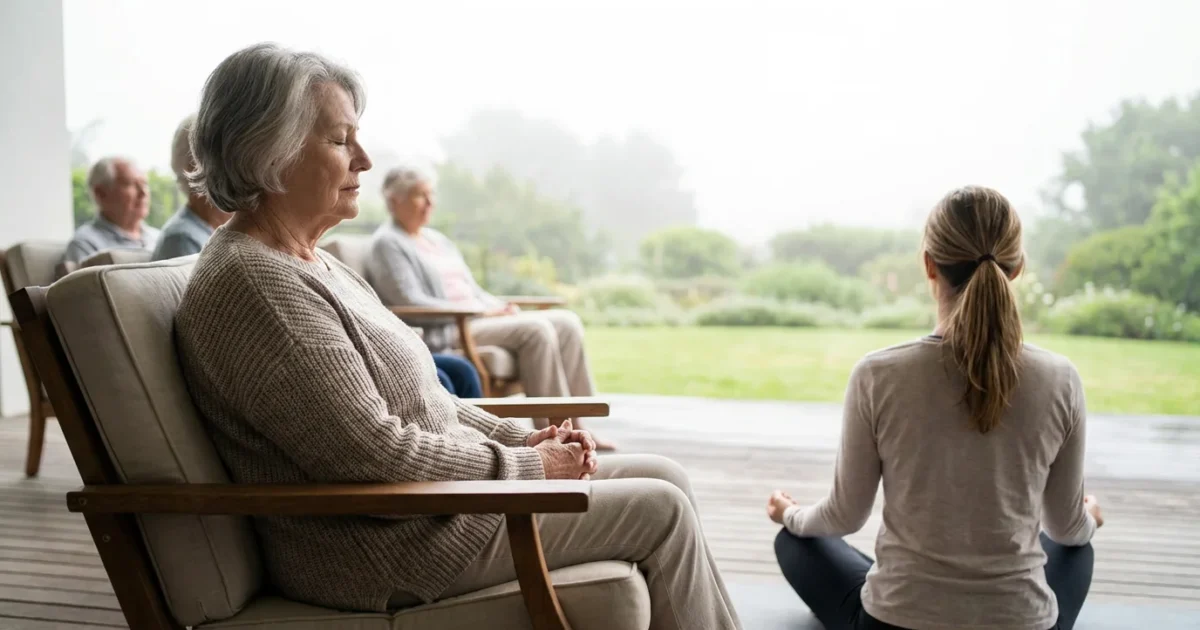
The golden years offer a unique opportunity for introspection, growth, and cultivating deeper peace. You have earned a season of life rich with possibility, where intentional living can transform everyday moments into profound experiences. Embracing mindfulness and meditation provides a powerful pathway to unlock this potential, allowing you to live with greater clarity, joy, and grace.
These ancient practices offer more than just fleeting relaxation. They provide practical tools to navigate the complexities of aging, enhance well-being, and discover renewed purpose. By cultivating presence, you can truly savor each moment and connect more deeply with yourself and the world around you.
Embracing the Golden Years with Presence: What is Mindfulness?
Mindfulness, in its essence, means paying attention to the present moment without judgment. It involves noticing your thoughts, feelings, bodily sensations, and the world around you, observing them with a gentle curiosity. This practice anchors you in the here and now, preventing your mind from dwelling on past regrets or future anxieties.
For seniors, this concept holds particular relevance. Your accumulated life experiences provide a rich tapestry, yet sometimes the mind can become entangled in memories or worries. Senior mindfulness offers a way to step back from this mental chatter, creating space for peace and clear awareness. It allows you to appreciate the richness of your current reality.
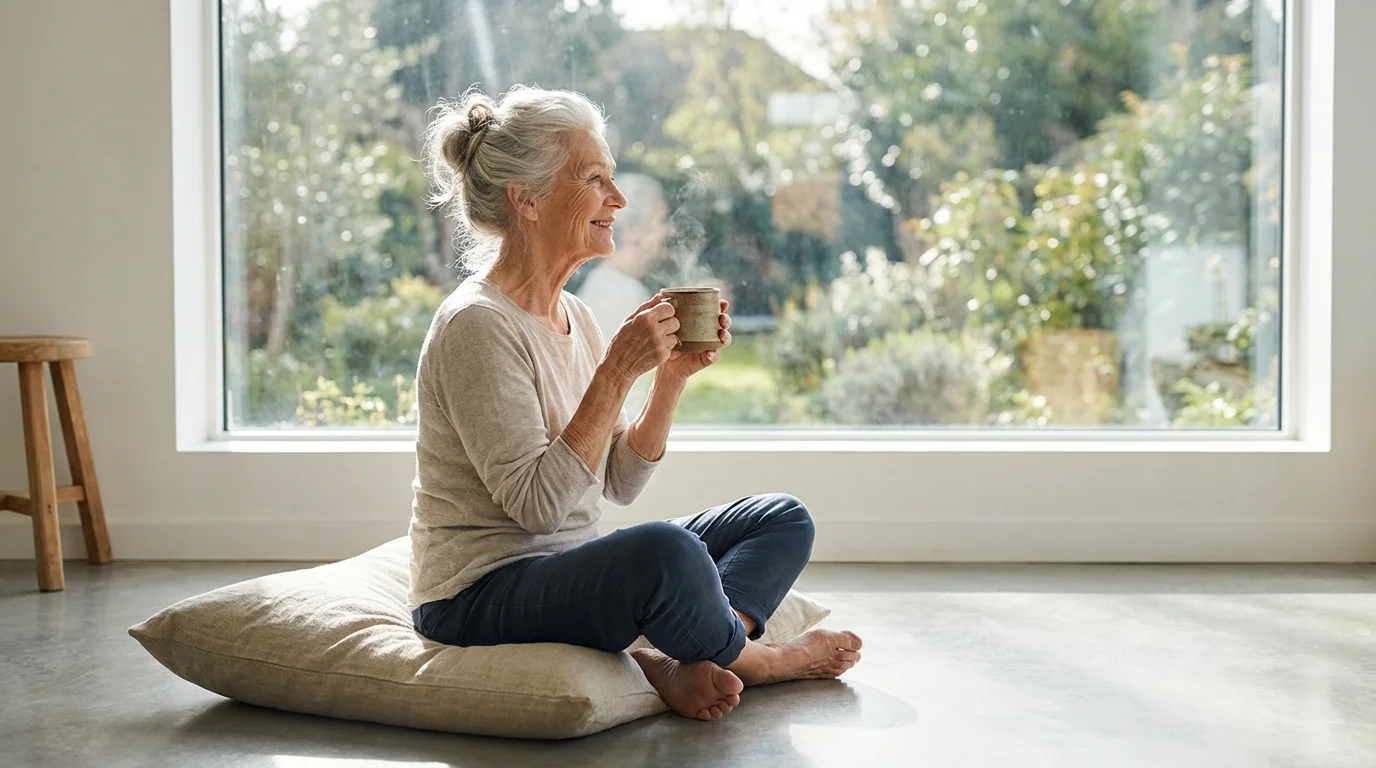
Imagine noticing the warmth of your morning coffee, the texture of your sweater, or the sound of birds outside your window, truly experiencing these sensations without distraction. This simple act of present awareness is the heart of mindfulness. It transforms the mundane into moments of profound connection and appreciation.
The Profound Benefits of Mindfulness and Meditation for Seniors
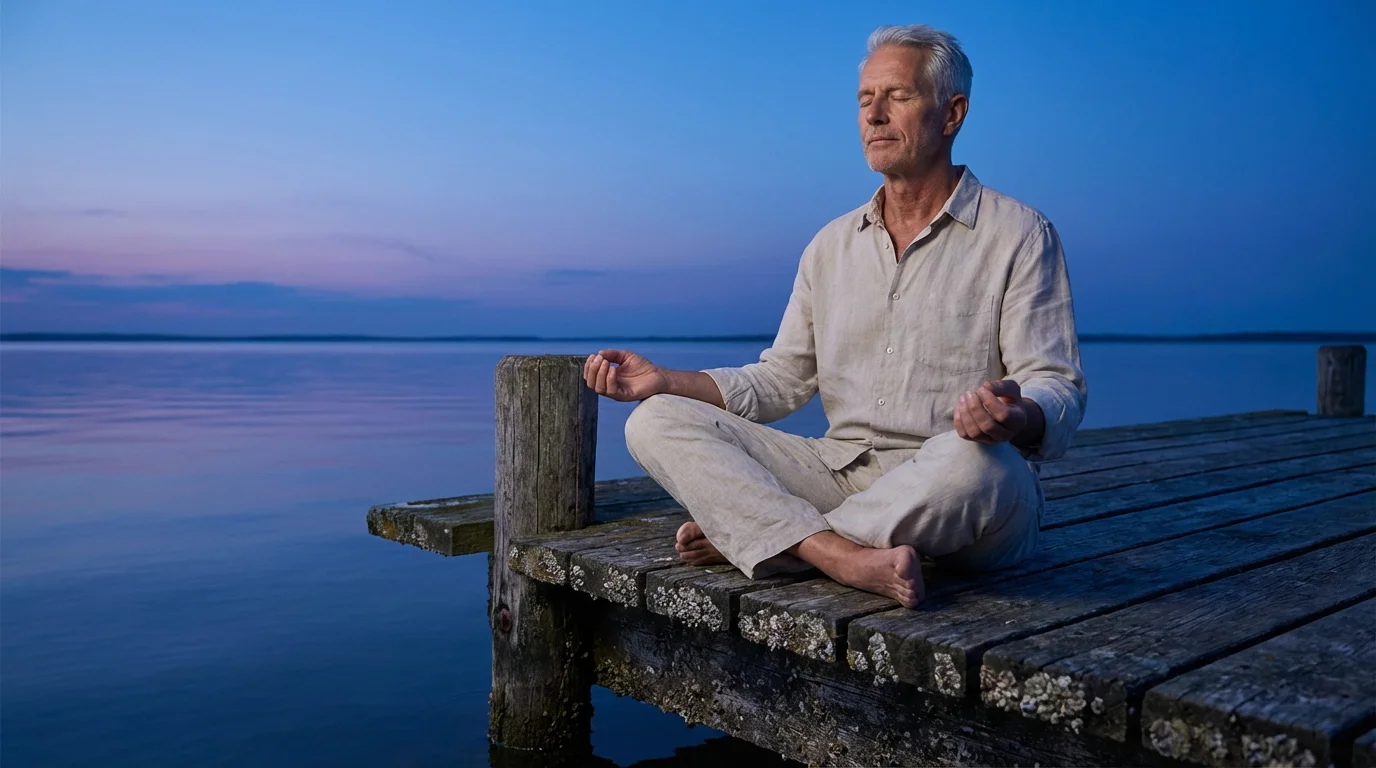
Engaging in regular mindfulness and meditation practices offers a spectrum of remarkable advantages for older adults. These benefits extend across mental, emotional, and physical dimensions, significantly enhancing your quality of life. Embracing these practices actively supports a graceful and vibrant retirement.
Here are some of the key meditation benefits you can experience:
- Enhanced Mental Clarity and Emotional Resilience: Mindfulness strengthens your ability to focus and maintain cognitive sharpness. It helps you navigate emotional challenges with greater calm, reducing reactivity and fostering a sense of inner stability. You become better equipped to handle life’s ups and downs with equanimity.
- Significant Stress Reduction: Chronic stress adversely impacts overall health. Mindfulness and meditation are powerful antidotes, actively lowering cortisol levels and promoting relaxation. Research from institutions like Harvard Health highlights meditation’s effectiveness in reducing psychological distress, which contributes to improved well-being for seniors.
- Improved Physical Well-being: Beyond mental benefits, these practices can influence physical health. Many individuals report better sleep quality, reduced chronic pain perception, and even a bolstered immune system. By lessening stress, you reduce its detrimental effects on the body.
- Deeper Relationships and Connection: When you are more present, you listen more attentively and communicate more genuinely. Mindfulness helps you engage fully in conversations and interactions, strengthening bonds with family, friends, and community members. This fosters a profound sense of connection and belonging.
- Renewed Purpose and Meaning: By quieting the external noise, you create space to listen to your inner wisdom. Mindfulness can illuminate your passions, values, and what truly brings you joy. This introspection often leads to a clearer sense of purpose, guiding you towards activities and contributions that feel deeply meaningful.
“The best way to capture moments is to pay attention. This is how we cultivate mindfulness. Mindfulness means to be awake. It means to know what you are doing.” — Jon Kabat-Zinn
Simple Steps to Cultivate Daily Mindfulness
Integrating mindfulness into your daily life does not require hours of dedicated practice. Begin with small, consistent steps, gradually weaving moments of presence into your routine. This approach makes the practice sustainable and enjoyable, allowing you to discover `how to practice mindfulness daily` without feeling overwhelmed.
Consider these practical approaches to infuse your day with mindfulness:
- Start with Mindful Breathing: Choose a few moments each day, perhaps while waiting for coffee to brew or sitting at a red light. Close your eyes if comfortable, or simply soften your gaze. Bring your attention to the sensation of your breath entering and leaving your body. Notice the rise and fall of your chest or abdomen. When your mind wanders, gently bring it back to your breath. Even 60 seconds makes a difference.
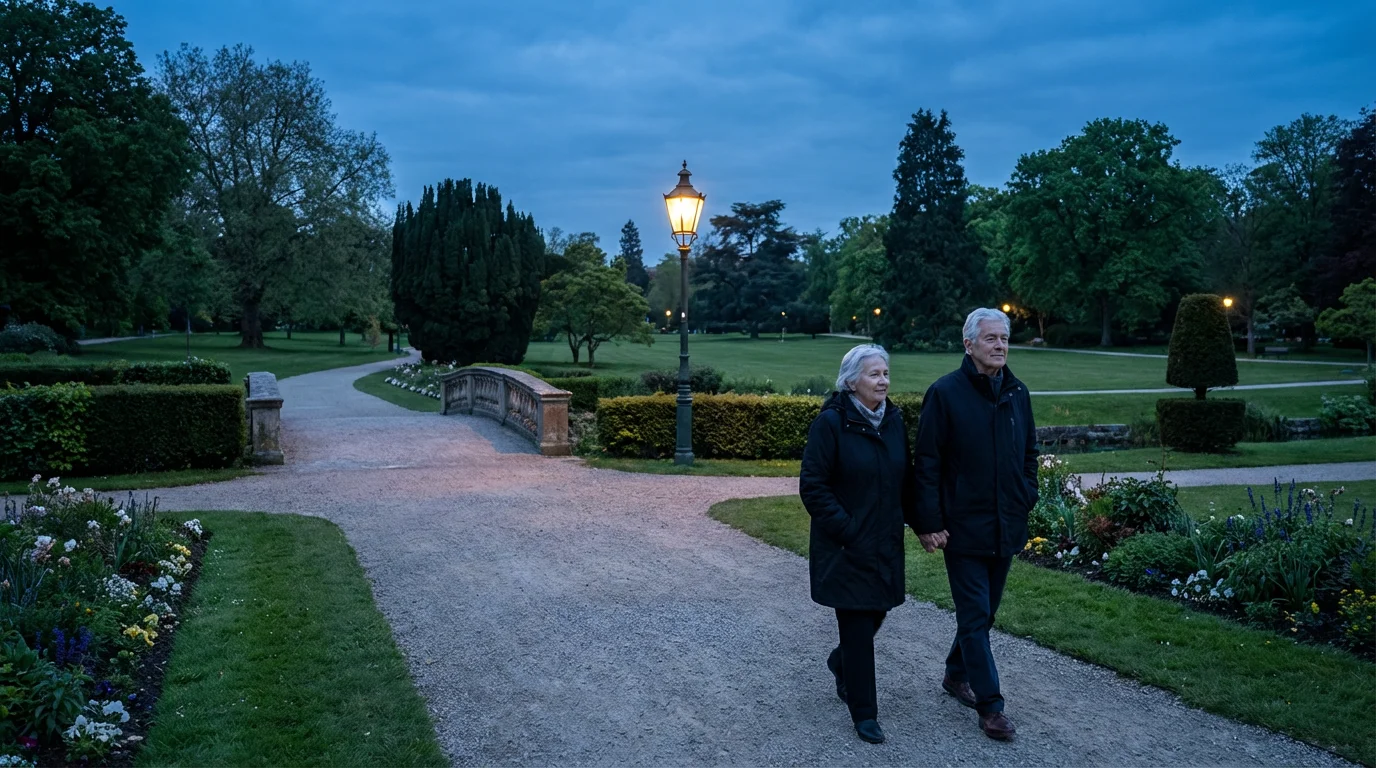
- Practice Mindful Walking: When you walk, rather than rushing to a destination, pay attention to the act of walking itself. Feel your feet making contact with the ground, observe the rhythm of your steps, and notice the sensations in your body. Observe the sights, sounds, and smells around you without judgment.
- Engage in Mindful Eating: Before your next meal, take a moment to look at your food, appreciating its colors and textures. As you eat, chew slowly, savoring each flavor. Notice the sensation of the food in your mouth and the feeling of satiety. This practice transforms eating into a richer, more satisfying experience.
- Cultivate Mindful Listening: In conversations, make a conscious effort to truly listen to the other person without mentally formulating your response. Give them your full, undivided attention. This deep listening strengthens your connections and enriches your relationships.
- Integrate into Daily Chores: Transform mundane tasks, such as washing dishes or gardening, into opportunities for mindfulness. Pay attention to the water’s temperature, the soap’s scent, or the soil’s texture. Approach these activities with full presence, turning chores into contemplative moments.
Remember, the goal is not perfection, but consistent, gentle effort. Each moment you bring awareness to your experience is a success. Over time, these small practices accumulate, leading to a profound shift in your overall outlook.
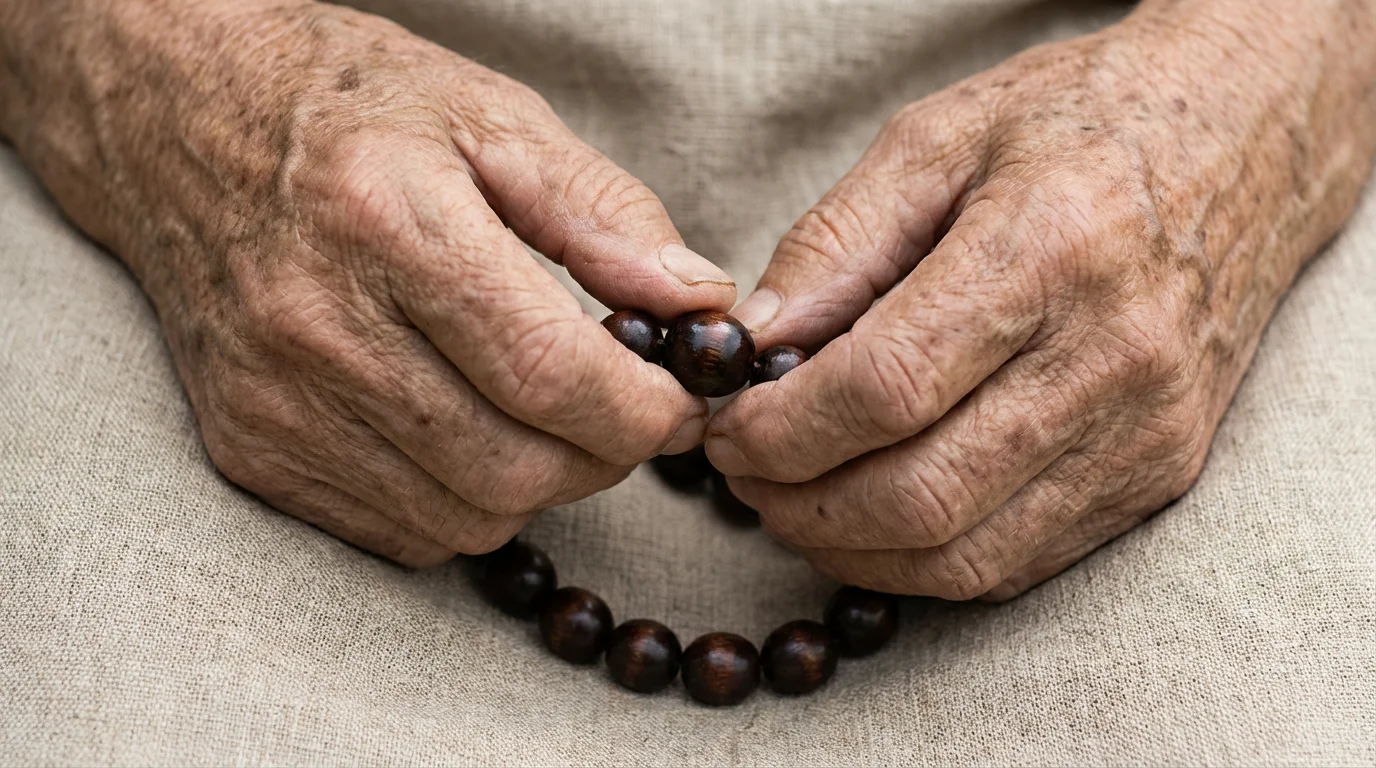
Beginning Your Meditation Journey: Practical Approaches
Once you have a grasp of basic mindfulness, you might feel ready to explore formal meditation. Meditation is simply extended mindfulness, a dedicated period to train your attention. You do not need to sit in complex postures or achieve a blank mind. A simple, consistent practice offers profound rewards.
As you embark on this path, you may find that mastering mindful meditation becomes a cornerstone of your daily routine, offering profound serenity.
Use these practical approaches to start your meditation journey:
- Find Your Quiet Space: Identify a peaceful spot in your home where you can sit undisturbed for a short period. This does not need to be elaborate; a comfortable chair in a quiet room works perfectly. The consistency of location helps establish a routine.
- Choose a Comfortable Posture: Sit upright but relaxed, allowing your spine to be straight without stiffness. You can sit on a cushion on the floor if that feels natural, or simply in a chair with your feet flat on the ground. Place your hands gently in your lap. The key is to be alert yet at ease.
- Start with Short Durations: Begin with 5-10 minutes of meditation each day. Consistency is far more important than length. As you grow comfortable, you can gradually increase your meditation time. Even a few minutes of focused presence can reset your mind.
- Utilize Guided Meditations: Many resources offer guided meditations, which are excellent for beginners. A gentle voice leads you through the process, instructing you where to place your attention. This support helps you stay focused and understand the practice.
- Embrace Your Wandering Mind: Your mind will inevitably wander. This is normal, not a sign of failure. When you notice your thoughts drifting, simply acknowledge them without judgment and gently bring your attention back to your chosen anchor, whether it is your breath or a guided voice. Each time you return your focus, you strengthen your “mindfulness muscle.”
Regular meditation cultivates a profound inner stillness. It equips you with the capacity to meet life with greater calm and clarity, enriching your retirement experience. This consistent practice allows you to develop a deeper relationship with your inner self.
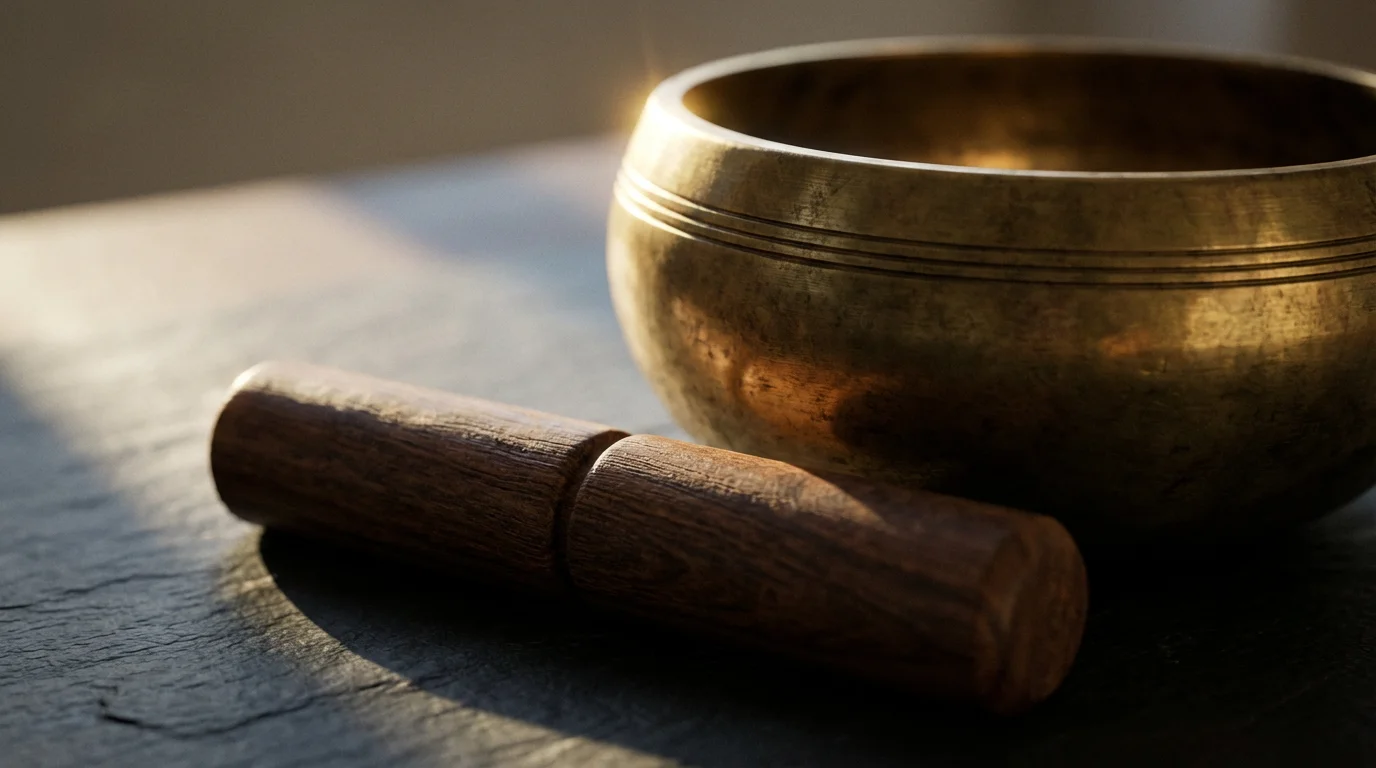
Resources and Tools to Support Your Practice
The accessibility of mindfulness and meditation resources has expanded dramatically, making it easier than ever to begin or deepen your practice. You can find numerous tools designed specifically for `best mindfulness apps for seniors` and other helpful aids. These resources provide structured guidance and support, ensuring you never feel alone on your journey.
Consider exploring these valuable tools:
- Guided Meditation Apps:
- Calm and Headspace: These popular apps offer extensive libraries of guided meditations for various purposes, including sleep, stress reduction, and focus. Many offer senior-friendly programs or free introductory content.
- Insight Timer: This app provides thousands of free guided meditations from various teachers, allowing you to explore different styles and lengths. It is an excellent resource for diverse practices.
- Online Courses and Websites: Many reputable organizations offer online courses specifically tailored to mindfulness for seniors. Websites like Mindful.org provide articles, exercises, and free guided meditations. These platforms often break down complex concepts into manageable lessons.
- Books and Audiobooks: A wealth of literature exists on mindfulness and meditation. Look for introductory books by authors such as Jon Kabat-Zinn or Sharon Salzberg. Audiobooks allow you to absorb wisdom at your own pace.
- Local Senior Centers and Community Programs: Check with your local senior center or community organizations. Many now offer mindfulness workshops or meditation classes tailored for older adults. These provide a wonderful opportunity for in-person instruction and community connection.
- Yoga and Tai Chi Classes: While not exclusively meditation, these practices inherently incorporate mindfulness through movement and breath. They offer physical benefits alongside mental calming and can be a gentle way to introduce mindful awareness. The Stanford Center on Longevity often highlights the benefits of such integrated practices for healthy aging.
Leveraging these resources helps you establish a consistent and supported practice. Find what resonates with you and allow it to guide your path to inner peace.

Integrating Mindfulness into a Graceful Retirement
Mindfulness extends beyond formal meditation sessions; it is a way of life. Integrating `senior mindfulness` into the fabric of your retirement enhances every aspect of your experience. It transforms your daily existence into a canvas for presence, gratitude, and purpose. This conscious approach empowers you to embrace your later chapters with profound dignity and joy.
Consider how to weave mindfulness into your purposeful retirement:
- Nurture Relationships with Presence: Make eye contact, listen deeply, and offer your full attention to loved ones. Mindful interaction strengthens bonds, allowing for genuine connection and understanding. You give the gift of your presence, which is invaluable.
- Find Purpose Mindfully: Whether you volunteer, pursue a new hobby, or spend time in nature, approach these activities with conscious awareness. Let your values guide your choices, and fully immerse yourself in the experience. This mindful engagement amplifies your sense of fulfillment.
- Embrace Change with Equanimity: Aging brings inevitable changes. Mindfulness equips you to meet these transitions with greater calm and acceptance. You learn to observe challenges without being overwhelmed, finding strength and adaptability within yourself.
- Cultivate Gratitude: Regularly pause to acknowledge the simple blessings in your life. A mindful gratitude practice shifts your perspective, fostering appreciation for your health, relationships, and surroundings. This practice significantly boosts overall happiness.
- Connect with Nature: Spend time outdoors, mindfully observing the natural world. Notice the intricate details of a flower, the texture of tree bark, or the vastness of the sky. Nature offers a powerful pathway to presence and inner peace.
Your retirement years present a precious opportunity to live with intentionality. By embedding mindfulness into your daily rhythms, you not only enrich your own life but also inspire those around you. You demonstrate that aging is a journey of continuous growth, profound wisdom, and boundless grace. What moments today can you imbue with more presence? How can mindfulness deepen your connection to your purpose?
Frequently Asked Questions
Is mindfulness suitable for everyone, regardless of age or physical ability?
Yes, mindfulness is highly adaptable. You can practice it seated, lying down, or even during gentle movement. The core practice involves directing your attention, which remains accessible even with physical limitations. Many resources specifically cater to seniors, offering modified techniques and guidance.
How long does it take to see benefits from mindfulness and meditation?
Many individuals report feeling calmer and more focused within a few weeks of consistent practice. Significant, lasting benefits, such as reduced stress or improved emotional regulation, often emerge with continued dedication over several months. Like any skill, it improves with regular engagement.
Do I need special equipment to start meditating?
No special equipment is necessary. A comfortable place to sit and an open mind are all you truly need. Some people enjoy using a meditation cushion or blanket for added comfort, but these are optional. The most important tool is your willingness to be present.
What if my mind races during meditation? Is that normal?
A racing mind is a very common experience, especially for beginners. It is entirely normal. The practice of meditation is not about stopping thoughts, but rather noticing them without judgment and gently guiding your attention back to your anchor, such as your breath. Each time you do this, you strengthen your focus.
Can mindfulness and meditation help with managing chronic pain?
While mindfulness and meditation do not eliminate pain, they can significantly alter your relationship with it. By teaching you to observe pain sensations without becoming overwhelmed by them, these practices can reduce the emotional suffering associated with chronic pain. This can lead to a greater sense of control and an improved quality of life, as noted by research from institutions like the National Institute on Aging.
The journey of aging offers a unique invitation to cultivate inner peace, wisdom, and profound joy. Embracing mindfulness and meditation provides the compass and map for this enriching path. You possess the inherent capacity to live each moment with grace, purpose, and vibrant presence. Begin your exploration today, and discover the transformative power of a mindful heart.
Disclaimer: This article is for informational and inspirational purposes. Life decisions are deeply personal, and we encourage readers to consult with appropriate professionals—whether healthcare providers, counselors, or financial advisors—for guidance specific to their circumstances.




Leave a Reply