
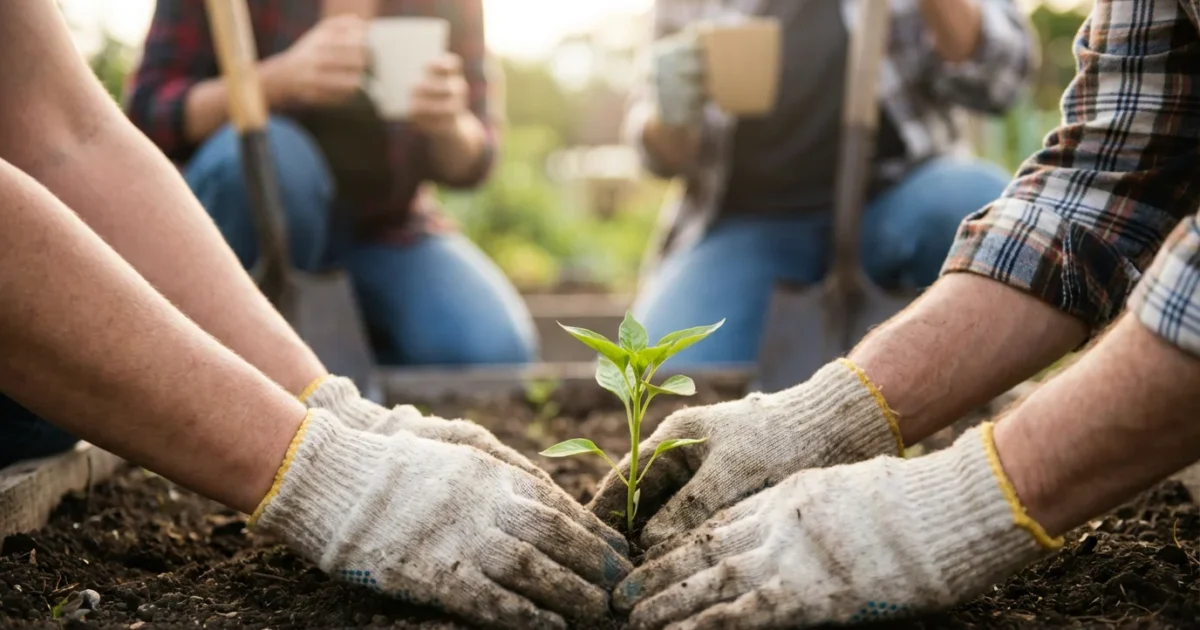
Moving to a new community in your golden years offers an incredible opportunity for renewal. This fresh start allows you to curate a life rich with new experiences, adventures, and most importantly, meaningful connections. As you embrace this new chapter, consider the profound impact a vibrant social life has on your overall well-being and sense of purpose. It is a chance to redefine “home” by establishing a supportive network of friends who share your interests and values.
Navigating a new social landscape can feel daunting, but with intention and a proactive approach, you will build a fulfilling social circle. This guide provides actionable strategies to help you connect with others, cultivate friendships, and thrive in your new surroundings. You are not alone in this journey, and the rewards of a revitalized social life are immeasurable.

Embracing the Adventure of a New Beginning
Relocating in retirement is more than just changing addresses. It is a profound life transition, an invitation to redefine your daily rhythms, explore new passions, and forge new bonds. Approaching this change with an open heart and an adventurous spirit is paramount. Your mindset shapes your experience, transforming potential challenges into exciting opportunities for growth.
This transition is also the perfect time for reinventing yourself in retirement as you explore a new environment and new possibilities.
Consider this move an intentional step toward a life more aligned with your current desires and aspirations. Many individuals find that a new environment provides the perfect catalyst for shedding old routines and embracing a more vibrant existence. This is your chance to write a new chapter, free from past expectations.
Reflect on these questions as you settle into your new town:
- What aspects of your previous social life did you cherish most?
- What new types of connections or activities do you hope to explore now?
- How can you leverage your past experiences to enrich your present social endeavors?
Understanding your personal readiness and perspective forms the foundation for successfully establishing social connections anew. This preparation empowers you to step out with confidence and grace.

Understanding Your Social Needs in a New Community
Before diving into activities, take a moment to understand your specific social needs. Not everyone thrives in the same social settings, and your preferences may have evolved over time. Do you seek a few deep, intimate friendships, or do you prefer a broader network of acquaintances and group activities? Recognizing this helps you focus your efforts effectively.
Research from the National Institute on Aging consistently highlights the importance of social connection for healthy aging, impacting everything from cognitive function to emotional well-being. Knowing what type of social engagement genuinely nourishes you ensures that the connections you build are truly fulfilling. Quality often outweighs sheer quantity when it comes to social satisfaction.
Consider the following points:
- Introvert or Extrovert: Understand your natural inclination. Introverts might prefer smaller, more intimate gatherings, while extroverts often thrive in larger group settings.
- Interests: Identify your hobbies, passions, and intellectual curiosities. Shared interests form a natural bridge to lasting friendships.
- Support System: Reflect on whether you are looking for emotional support, companionship for activities, or both. Your new social circle can fulfill various roles.
This self-awareness guides you toward environments and people who resonate with your authentic self, making the process of making friends more natural and enjoyable.

Strategic Reconnaissance: Mapping Your New Social Landscape
Effective planning makes the process of building your social life significantly smoother. Before even unpacking all your boxes, or shortly after, begin to map out the social landscape of your new community. This involves exploring local resources, community hubs, and digital platforms that serve as gateways to connection.
If your move involves moving to a smaller, more manageable space, following a guide for downsizing your home can simplify the transition and leave you with more energy for socializing.
Start with the basics. Your local community center, library, and senior centers are often treasure troves of information about local groups and events. Many communities offer welcome packets or new resident guides that list various organizations, clubs, and volunteer opportunities.
Practical steps for mapping your new social landscape include:
- Visit Your Local Library: Libraries are community hubs, offering book clubs, lecture series, and often host flyers for local groups.
- Explore Community Centers and Senior Centers: These facilities typically provide a wide range of classes, workshops, fitness programs, and social gatherings specifically for older adults.
- Consult Local Publications: Local newspapers, online community calendars, and neighborhood newsletters often list upcoming events, festivals, and group meetings.
- Leverage Online Community Groups: Platforms like Nextdoor or Facebook groups dedicated to your new town can provide insights into local happenings and interests.
- Visit Places of Worship: If spirituality is important to you, connect with local churches, synagogues, or other places of worship. They often have active social groups and volunteer programs.
By systematically exploring these avenues, you gather a rich understanding of where potential connections might reside, laying the groundwork for establishing social connections anew.
Active Engagement: Proactive Steps for Making Friends
Once you have identified potential avenues for connection, the next step is active engagement. Friendships do not typically materialize without effort. You must put yourself out there, even if it feels a little uncomfortable at first. Remember, most people are open to new connections, especially in community settings.
Start by attending events or joining groups that genuinely interest you. Your enthusiasm for a shared activity makes conversations flow more naturally. Do not wait for invitations; actively seek out opportunities. This proactive approach significantly accelerates your process of making friends.
Here are concrete strategies for active engagement:
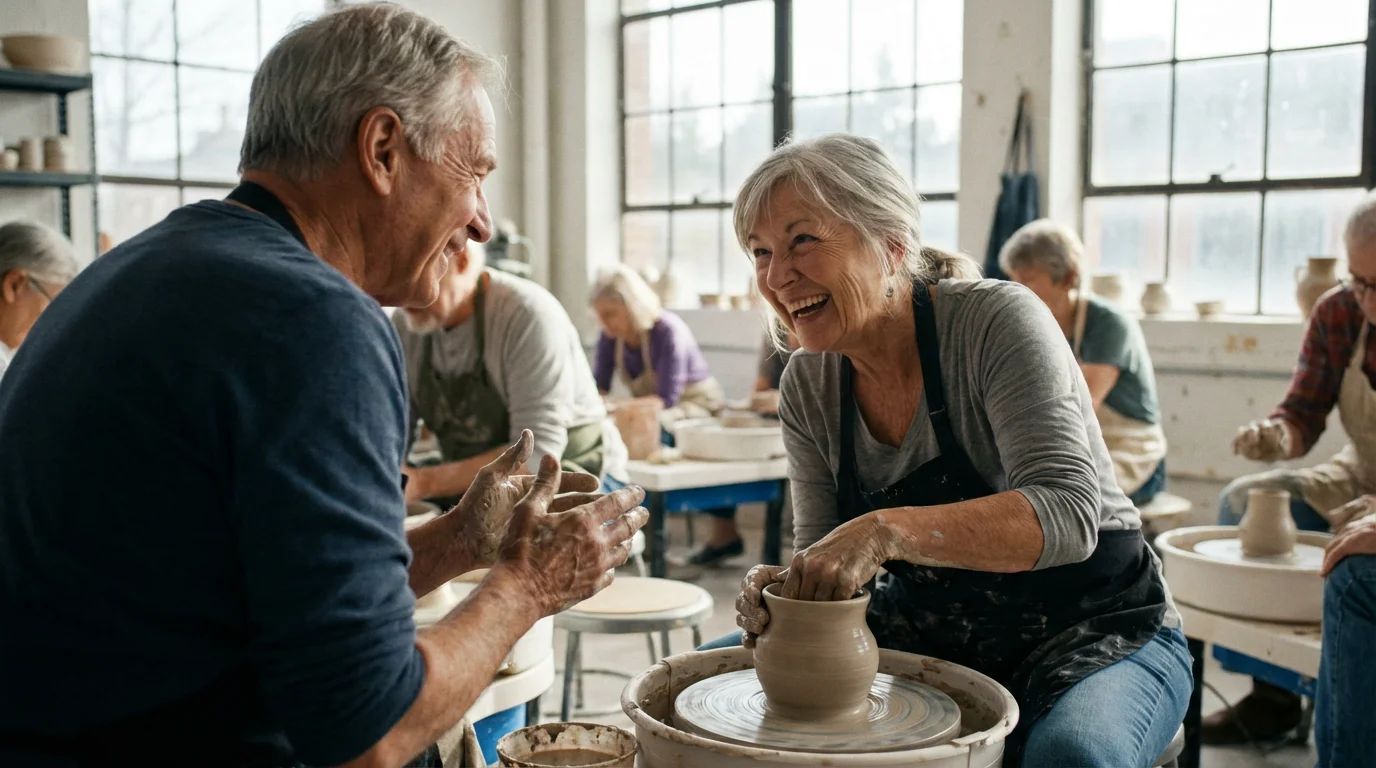
- Enroll in Classes: Take an art class, learn a new language, join a cooking workshop, or participate in a fitness class. Regular attendance provides repeated exposure, a cornerstone of friendship formation.
- Volunteer Your Time: Contributing to a cause you care about not only provides purpose but also introduces you to like-minded individuals. Organizations like Encore.org celebrate the power of purpose-driven engagement in later life, connecting individuals with volunteer roles that create social impact and foster community.
- Attend Local Events: Farmers markets, concerts in the park, town hall meetings, and local festivals are excellent places to mingle and strike up conversations.
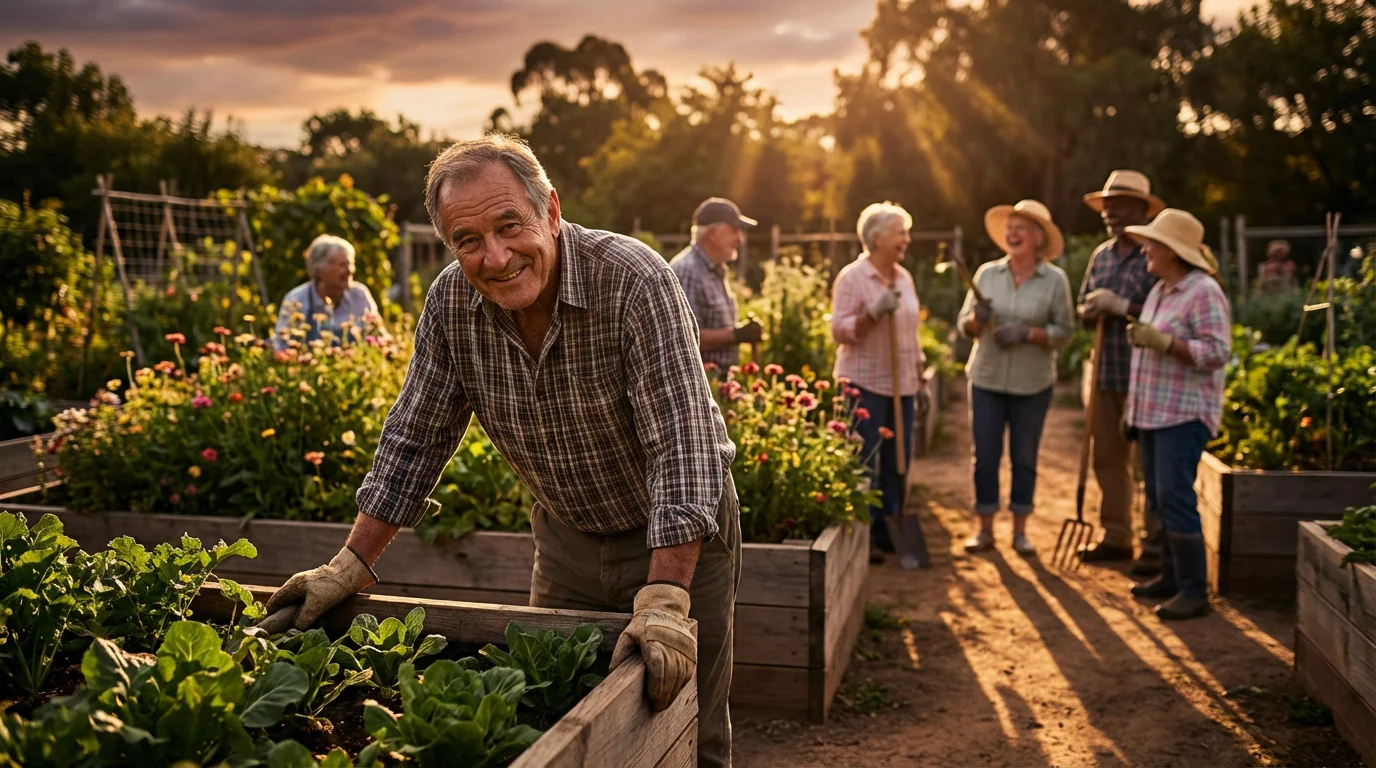
- Join Clubs: Whether it is a book club, a hiking group, a garden club, or a bridge group, joining a club centered around a shared interest offers structured opportunities for interaction.
- Frequent Local Spots: Become a regular at a local coffee shop, bakery, or park. Familiar faces often lead to friendly nods, then conversations, then connections.
Remember that consistency matters. Showing up regularly to the same activities allows you to build rapport and move beyond superficial interactions.
Starting a conversation can feel awkward. Here are some simple, low-pressure conversation starters:
- “I’m new to the area, and I’m really enjoying [this activity/event]. Have you been coming here long?”
- “What brought you to this [class/group]? I’m trying to explore new interests.”
- “This is my first time at [local landmark/event]. What are some of your favorite things to do around here?”
- “I love your [bag/hat/book]. Is there a story behind it?” (Be genuine and observant).
These openings invite interaction without putting pressure on either party. The goal is simply to initiate a friendly exchange.
Nurturing New Relationships: From Acquaintance to Friend
Meeting people is the first step, but nurturing those initial connections transforms acquaintances into genuine friendships. This stage requires consistent effort, vulnerability, and a willingness to invest your time and energy. Think of it as cultivating a garden; it requires regular watering and tending to flourish.
One of the most effective ways to deepen a connection is to follow up after an initial meeting. A simple gesture can make a significant difference. If you connected with someone at a class, suggest meeting for coffee afterward. If you shared a laugh at a community event, exchange contact information and propose a future activity.
Steps to nurture new relationships:
- Exchange Contact Information: Do not hesitate to ask for an email address or phone number if the conversation flows well. State your intention clearly: “I’ve really enjoyed talking with you. Would you be open to exchanging numbers so we could perhaps grab coffee next week?”
- Initiate Follow-Up: Send a quick text or email within a few days to reiterate your enjoyment of the meeting and suggest a specific activity. Specificity works better than vague invitations.
- Invite Them to Your World: Once a comfort level is established, invite new friends to your home for a casual meal, a game night, or to join you for an outing you already planned. This creates a sense of inclusion.
- Be a Good Listener: Show genuine interest in others’ lives, stories, and opinions. Ask open-ended questions and remember details they share.
- Offer Support and Kindness: Be there for your new friends, offering a listening ear or practical help if needed. Reciprocity strengthens bonds.
- Be Patient: Deep friendships take time to develop. Do not be discouraged if some connections do not evolve into close bonds. Focus on those that naturally feel reciprocal and fulfilling.
Remember, every meaningful connection begins with one person extending a hand and another accepting it. Be that person who extends the hand gracefully and consistently.

Leveraging Technology for Connection and Community
While in-person interactions are crucial, technology offers powerful tools for supplementing and enhancing your social life in a new community. Do not overlook the digital realm as a resource for discovering groups, communicating with new acquaintances, and even participating in virtual communities that align with your interests. This is about using tools smartly to bridge gaps and create opportunities.
Many local community groups, clubs, and organizations maintain active online presences. Websites and social media pages provide up-to-date information on events, meeting schedules, and contact details. This can be your first port of call when researching potential social outlets.
Ways to leverage technology for social connection:
- Local Facebook Groups: Join groups dedicated to your new neighborhood or specific interests like “Hiking Enthusiasts of [Your Town]” or “Book Lovers of [Your Town].” These groups often organize in-person meetups.
- Nextdoor: This neighborhood-focused social media platform helps you connect with immediate neighbors, share information, and learn about local events.
- Meetup.com: Explore groups in your area based on a vast array of interests, from walking groups to photography clubs to discussion forums. Many groups are specifically geared towards older adults.
- Online Forums and Discussion Boards: If you have a niche hobby, seek out online forums. While not always local, these can provide intellectual stimulation and a sense of belonging around shared passions.
- Video Calls: Use platforms like Zoom or FaceTime to maintain connections with friends and family who are far away. This keeps existing bonds strong as you build new ones.
While technology is a fantastic facilitator, aim to use it as a bridge to real-world interactions. The most enriching friendships typically flourish through shared physical presence and experiences.

Overcoming Challenges and Maintaining Resilience
The journey of making new friends in a new community is rarely linear. You might encounter moments of shyness, feelings of awkwardness, or even the occasional perceived rejection. These are normal parts of the process, and understanding how to navigate them with grace and resilience is key to your success. Do not let minor setbacks deter you from your goal of a revitalized social life.
Proactively addressing loneliness and overcoming isolation is a vital part of staying resilient during this life transition.
Patience is a virtue in this endeavor. Forming deep, meaningful connections takes time and consistent effort. It is not always an instant click. Give yourself, and others, the space and time for relationships to evolve naturally.
Strategies for overcoming common challenges:
- Manage Expectations: Not every person you meet will become a close friend. Some will remain acquaintances, and that is perfectly fine. Appreciate each connection for what it is.
- Embrace Vulnerability: Sharing a little about yourself, your hopes, and your challenges can help others connect with you. Authenticity is magnetic.
- Deal with Shyness: If you are naturally shy, start with activities that have a built-in structure, like classes or volunteer roles, where conversations are less pressured. Practice small talk.
- Persistence Over Perfection: Do not let a lukewarm interaction or an unanswered invitation discourage you. There are many wonderful people waiting to connect; keep trying.
- Focus on What You Can Control: You cannot control how others respond, but you can control your attitude, your openness, and your willingness to engage.
- Seek Professional Support if Needed: If feelings of loneliness or difficulty connecting become overwhelming, consider talking to a counselor or therapist. They can provide strategies and support.
Cultivating a robust social life at any age requires a degree of courage and an unwavering belief in the value of human connection. Every effort you make is a step toward a richer, more connected life.
“The afternoon knows what the morning never suspected.” — Robert Frost
This timeless wisdom reminds us that later life brings new perspectives and opportunities, including fresh social beginnings.

Finding Purpose Through Shared Passions
One of the most powerful catalysts for making friends and establishing social connections anew is to pursue activities that bring you a sense of purpose and joy. When you engage in something you are passionate about, you naturally gravitate towards others who share that enthusiasm. This shared foundation makes forming friendships organic and deeply satisfying.
Retirement is an ideal time to rediscover old hobbies, explore new interests, or dedicate yourself to a cause that resonates with your values. This pursuit of purpose not only enriches your personal life but also provides a natural pathway to meaningful social interaction. The Stanford Center on Longevity emphasizes the importance of purpose for well-being throughout the lifespan, and social connection is often a byproduct of purposeful engagement.
Consider how your passions can become bridges to new friendships:
- Revisit Past Hobbies: Did you love painting, playing an instrument, or woodworking in your younger years? Find local groups or classes that cater to these interests.
- Learn Something New: Always wanted to learn photography, gardening, or a second language? Enroll in a beginner’s class. The shared learning experience fosters camaraderie.
- Volunteer for a Cause: Dedicate your time and skills to a local charity, hospital, school, or environmental group. Working alongside others for a common goal creates strong bonds. This fulfills a deep human need to contribute.
- Join a Discussion Group: If you enjoy intellectual stimulation, seek out groups that discuss current events, philosophy, or literature.
- Participate in Active Lifestyles: Join a walking club, a senior sports league, or a dance class. Physical activity often leads to lighthearted social interaction and shared achievement.
By aligning your social efforts with your passions, you ensure that the people you meet are genuinely compatible, leading to more profound and lasting friendships. Your journey to revitalize your social life becomes an enriching quest for purpose and connection.
Frequently Asked Questions
Is it really possible to make close friends later in life?
Absolutely. While it may require more intentional effort than in younger years, many people successfully form deep and lasting friendships in retirement. Your life experiences and wisdom can enrich these new connections, making them particularly profound. Focus on authenticity and shared interests, and you will find wonderful companions.
What if I feel shy or awkward approaching new people?
Many individuals share this feeling. Start small by attending structured activities like classes or group tours where interaction is less pressured. Practice simple conversation starters and focus on listening actively. Remember, most people are open to a friendly face, and with practice, your confidence will grow.
How long does it typically take to establish a new social circle?
There is no fixed timeline, as it varies greatly depending on your personality, the community, and your level of engagement. Some people connect quickly, while for others, it takes several months to a year to build a comfortable network. Patience and persistence are your greatest allies in this journey.
Should I prioritize quantity or quality in my new friendships?
Focus on quality. A few genuine, supportive friendships that bring you joy and meaning are far more valuable than a large number of superficial acquaintances. Invest your time and energy in connections that feel reciprocal and truly nourish your spirit.
What if my new community doesn’t seem to have many opportunities for older adults?
Look beyond formal senior centers. Explore general community groups, local colleges offering continuing education, volunteer organizations, and places of worship. If you find a gap, consider starting a small interest group yourself. You might be surprised how many others are looking for the same thing.
Disclaimer: This article is for informational and inspirational purposes. Life decisions are deeply personal, and we encourage readers to consult with appropriate professionals—whether healthcare providers, counselors, or financial advisors—for guidance specific to their circumstances.







[…] you have recently relocated, focusing on revitalizing your social life is an essential step before diving into the dating […]