
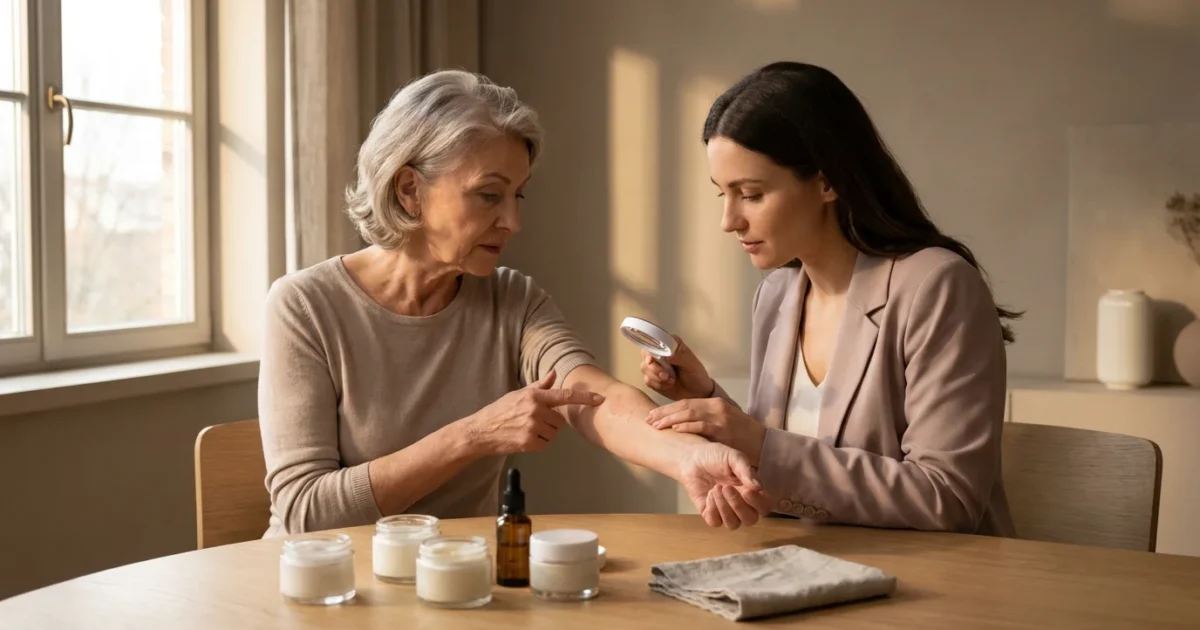
Your skin tells a remarkable story, a beautiful tapestry woven with every laugh line and sunbeam encountered. As you gracefully navigate your golden years, your skin continues its vital work, protecting you and reflecting your journey. Understanding its evolving needs empowers you to nurture it with wisdom and care, ensuring it remains healthy and vibrant.
Learning to nurture your changing body is one of the 7 habits of highly effective agers who thrive during their golden years.
Embracing your skin at every age involves both appreciation for its resilience and a proactive approach to its well-being. This guide offers practical insights into common senior skin concerns and provides actionable treatments, helping you maintain a luminous glow that truly radiates from within.
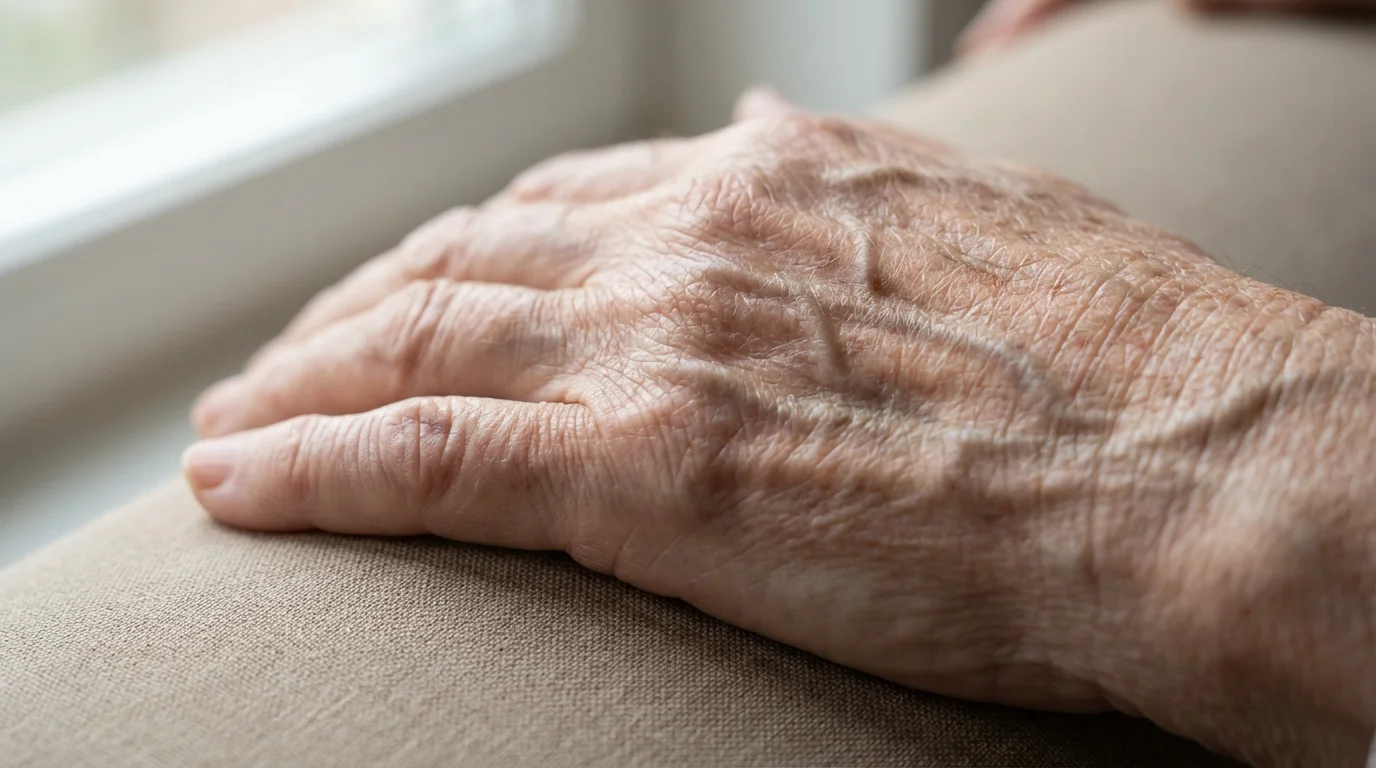
The Ever-Changing Canvas of Aging Skin
Your skin, the body’s largest organ, undergoes significant transformations as you age. These changes are a natural part of life, influenced by a combination of intrinsic factors, such as genetics and hormone shifts, and extrinsic factors, like sun exposure and lifestyle choices.
Cultivating a resilient mindset by dealing with ageism is just as important as the physical care we provide to our skin.
Maintaining healthy skin provides the perfect foundation for dressing with confidence after 60, allowing your inner style to shine.
Understanding these underlying processes helps you approach senior skincare with informed intentionality. The skin’s ability to repair itself diminishes, and its structural components, like collagen and elastin, become less robust. This leads to visible changes that are unique to later life.
Consider how your skin has supported you through decades of experiences. What memories does its texture evoke? This reflection deepens your appreciation for its continuous function and resilience.
Unveiling Common Skin Concerns in Later Life
As your skin matures, you may notice distinct changes that require specific attention. Addressing these concerns proactively supports your overall skin health and comfort. Recognizing these common skin problems in seniors allows for timely and effective care.
Because thinner skin is more susceptible to bruising and tearing, preventing falls becomes a vital part of protecting your body’s outer barrier.
For conditions that involve more than just skin-deep irritation, managing chronic pain effectively is essential for your long-term comfort.
Just as we monitor our skin for subtle shifts, it is equally important to stay aware of age-related vision changes to ensure total well-being.
Here are some of the most frequently encountered skin conditions:
-
Dryness and Itching (Xerosis): The skin naturally produces less oil over time, leading to increased dryness, flakiness, and persistent itching. This often worsens in dry climates or with frequent hot baths.
-
Thinning Skin and Easy Bruising (Senile Purpura): Your skin becomes thinner and more fragile as collagen and elastin decrease. Blood vessels also become more delicate, leading to easier bruising, often appearing as purplish spots.
-
Age Spots (Solar Lentigines): These flat, dark spots typically appear on sun-exposed areas like the face, hands, and arms. They are a direct result of years of sun exposure and accumulate over time.
-
Actinic Keratoses (AKs): Rough, scaly patches, typically red or brown, these are pre-cancerous lesions caused by chronic sun exposure. They require medical evaluation, as some can progress to squamous cell carcinoma.
-
Skin Tags (Acrochordons): Small, soft, flesh-colored growths that often appear in areas of friction, such as the neck, armpits, or groin. While harmless, they can be bothersome.
-
Shingles (Herpes Zoster): Caused by the reactivation of the chickenpox virus, shingles manifests as a painful, blistering rash. Older adults are at higher risk, and vaccination is recommended.
-
Varicose Veins and Spider Veins: These are enlarged or visible blood vessels, often appearing on the legs. While sometimes a cosmetic concern, they can also indicate underlying circulatory issues.
Each of these conditions, while common, warrants your awareness. Your skin offers vital clues about its condition, prompting you to respond thoughtfully to its signals.

Proactive Steps for Nurturing Your Aging Skin
Taking a proactive approach to senior skincare is paramount for maintaining its vitality and function. Your daily habits and lifestyle choices significantly influence your skin’s resilience and appearance. These steps extend beyond topical treatments to encompass your overall well-being.
A holistic strategy considers hydration, nutrition, and environmental protection. For example, research supported by the National Institute on Aging emphasizes the importance of a balanced diet and sun protection in maintaining skin health as you age. Cultivating these habits empowers your skin from within.
Consider these essential proactive measures:
-
Prioritize Hydration: Drink ample water throughout the day to support skin elasticity and prevent dryness. Aim for clear urine as an indicator of adequate hydration.
-
Maintain a Balanced Diet: Consume a diet rich in antioxidants, vitamins, and healthy fats. Foods like berries, leafy greens, nuts, and fatty fish contribute to skin health and repair.
-
Manage Stress Effectively: Chronic stress can impact skin health by increasing inflammation. Incorporate stress-reducing activities into your routine, such as meditation, gentle exercise, or hobbies you enjoy.
-
Get Adequate Sleep: Your skin undergoes repair and regeneration during sleep. Aim for 7-9 hours of quality sleep each night to support cellular turnover and a refreshed complexion.
-
Avoid Smoking and Excessive Alcohol: Both smoking and heavy alcohol consumption accelerate skin aging, contributing to wrinkles, dullness, and a compromised skin barrier.
These foundational practices lay the groundwork for healthy skin, making your daily skincare routine even more effective. They are an investment in your long-term comfort and confidence.
“Age is an issue of mind over matter. If you don’t mind, it doesn’t matter.”
— Mark Twain
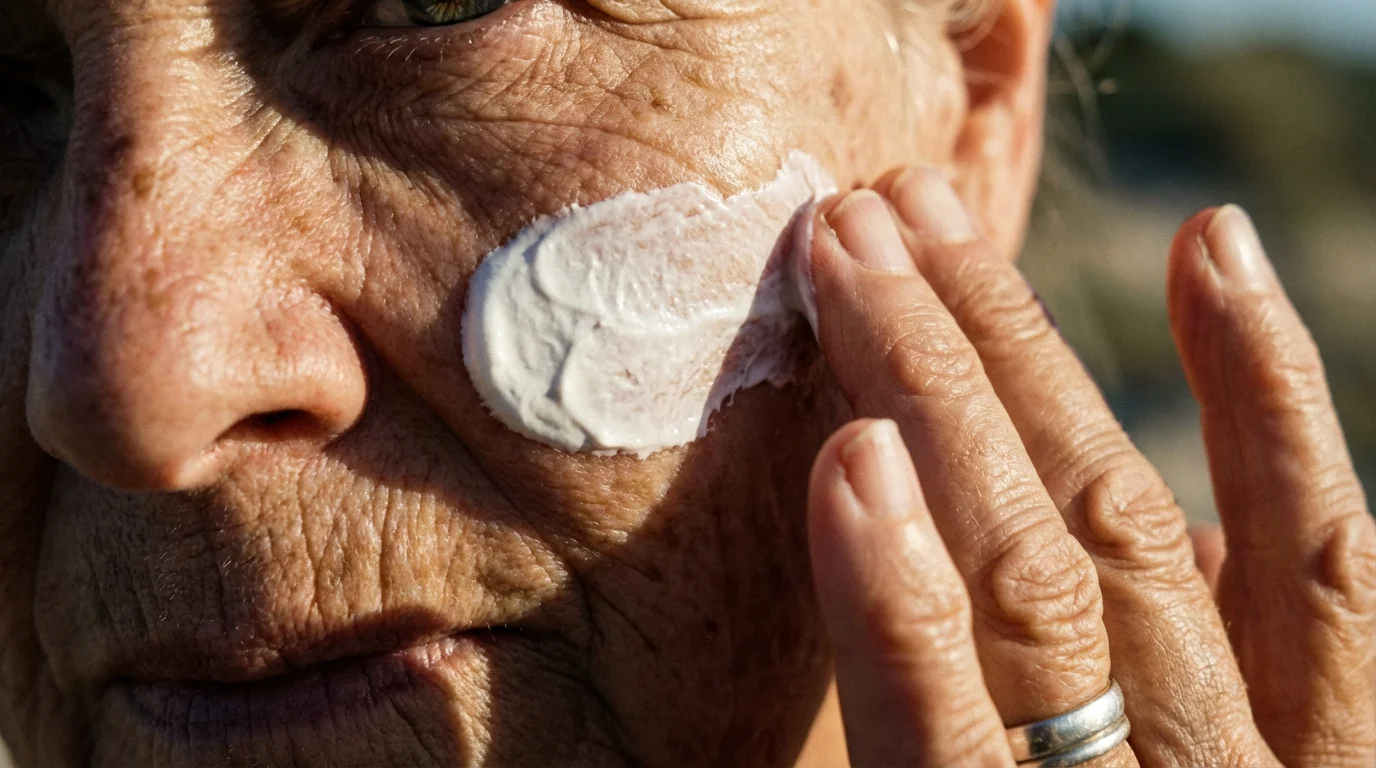
The Essential Role of Sun Protection: A Lifelong Commitment
One of the most impactful strategies to protect aging skin from sun damage and prevent many common concerns is consistent sun protection. The cumulative effects of ultraviolet (UV) radiation are a primary driver of premature aging, age spots, and skin cancer risk. This commitment continues to be vital throughout your life.
Even if you were less vigilant in your younger years, it is never too late to adopt protective habits. Reducing further damage helps your skin heal and lowers your risk for serious conditions. Harvard Health Publishing frequently highlights the critical link between sun exposure and various skin conditions, advocating for robust sun safety practices.
To shield your skin effectively, consider these actionable steps:
-
Seek Shade: Limit direct sun exposure, especially between 10 a.m. and 4 p.m. when UV rays are strongest. Plan outdoor activities for earlier mornings or late afternoons.
-
Wear Protective Clothing: Opt for long-sleeved shirts, long pants, and wide-brimmed hats made from tightly woven fabrics. Many brands now offer clothing with an ultraviolet protection factor (UPF) rating.
-
Apply Sunscreen Daily: Use a broad-spectrum sunscreen with an SPF of 30 or higher, even on cloudy days. Reapply every two hours, or more often if swimming or sweating.
-
Protect Your Eyes: Wear sunglasses that block 99-100% of both UVA and UVB rays. This also protects the delicate skin around your eyes from sun damage.
-
Be Mindful of Reflective Surfaces: Snow, sand, and water can reflect UV rays, increasing your exposure. Take extra precautions in these environments.
By integrating these practices into your routine, you actively mitigate the impact of environmental stressors. Your skin will thank you for this mindful protection, allowing it to age with greater grace.
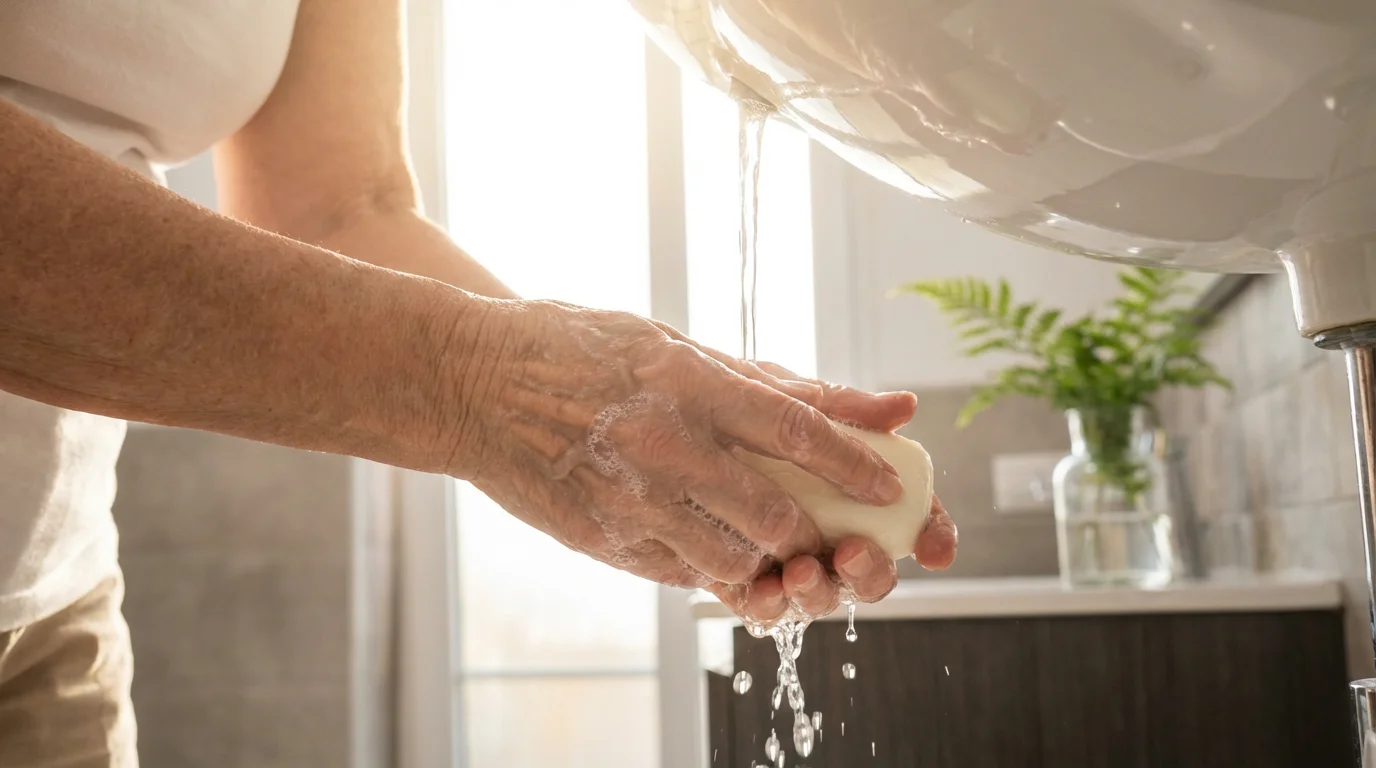
Daily Skincare Rituals for Lasting Radiance
A gentle, consistent daily skincare routine is fundamental for maintaining the health and radiance of aging skin. Your skin becomes more delicate with time, so choose products and practices that are nourishing and non-irritating. Simplicity and efficacy are key at this stage of life.
A truly radiant glow is often bolstered by emotional well-being and staying connected with a supportive community.
Think of your routine as a tender gesture of self-care, a moment each day to connect with and nurture your body. The choices you make for cleansers, moisturizers, and treatments directly impact your skin’s barrier function and comfort. Focus on ingredients that support hydration and cellular repair.
Here is a suggested framework for your daily senior skincare ritual:
-
Gentle Cleansing: Use a mild, hydrating cleanser twice daily. Avoid harsh soaps or products containing alcohol, which can strip natural oils and exacerbate dryness.
-
Targeted Treatments: After cleansing, apply serums or treatments tailored to your specific concerns. Options include:
- Hyaluronic Acid: For intense hydration.
- Vitamin C Serum: For antioxidant protection and brightening.
- Retinoids (prescription or over-the-counter): To stimulate collagen and improve texture, used cautiously due to potential irritation.
-
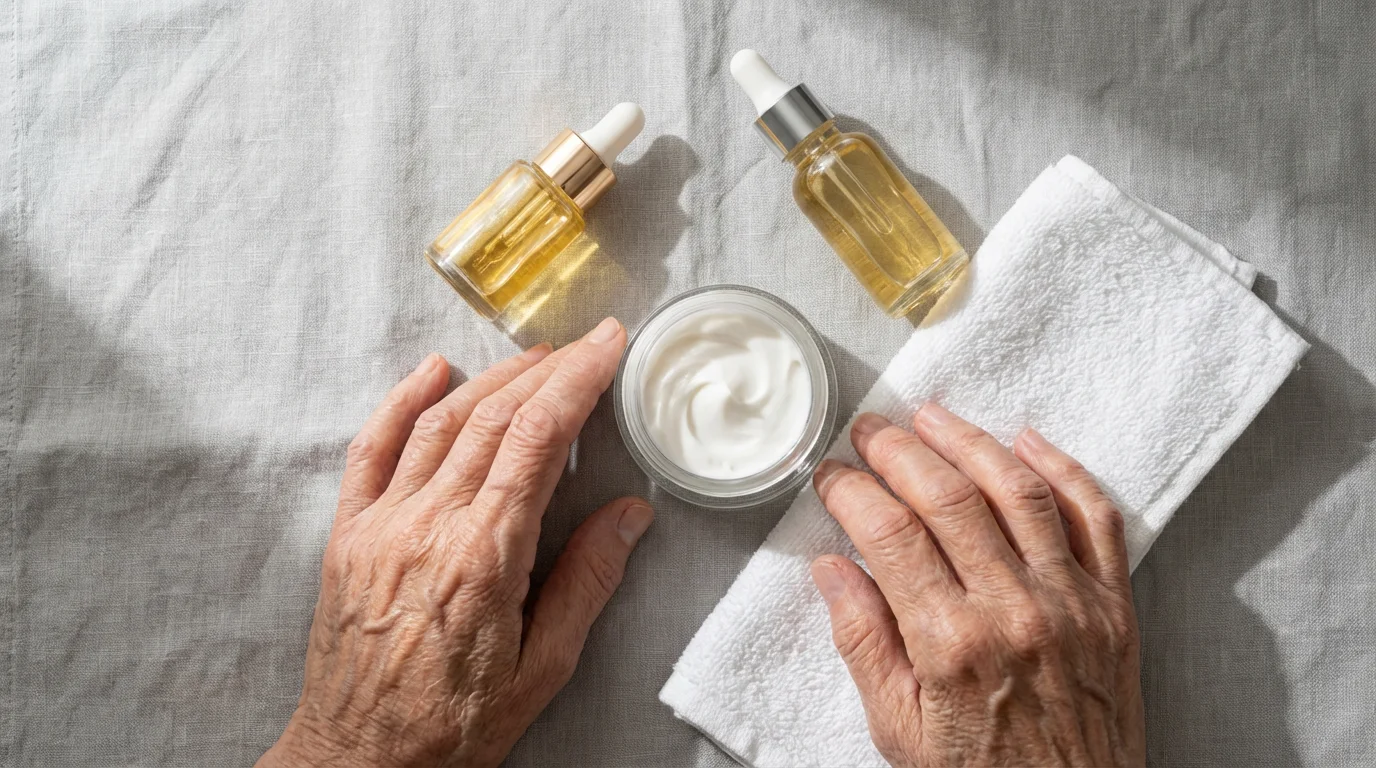
Rich Moisturizing: Apply a thick, emollient moisturizer to damp skin immediately after cleansing and treatments. Look for ingredients like ceramides, shea butter, and glycerin to lock in moisture.
-
Sunscreen Application (Morning): Always finish your morning routine with broad-spectrum sunscreen, as discussed. This is your most important daily defense against environmental damage.
-
Nighttime Nourishment: In the evening, after cleansing and targeted treatments, apply a rich night cream or a facial oil to support overnight repair and hydration.
Consistency transforms these small acts into significant benefits for your skin’s long-term health. What small adjustments can you make to enhance your routine today?

When to Seek Professional Guidance
While a diligent at-home senior skincare routine goes a long way, certain skin concerns warrant evaluation by a healthcare professional. Recognizing when to seek expert advice is crucial for preventing potential complications and ensuring accurate diagnoses. Your dermatologist or primary care provider serves as a valuable partner in your skin health journey.
As you navigate these changes, building confidence with daily affirmations can help you embrace your beauty at any age.
Do not hesitate to consult a professional for any persistent, concerning, or painful skin changes. Early detection and treatment can make a significant difference, particularly with potentially serious conditions. For instance, the Administration for Community Living encourages older adults to maintain regular check-ups, including skin examinations, to address health concerns promptly.
Consult a doctor or dermatologist if you observe any of the following:
-
New or Changing Moles or Spots: Any mole that changes in size, shape, color, or texture, or one that bleeds, itches, or becomes painful, requires immediate attention. This is critical for detecting skin cancer early.
-
Non-Healing Sores or Wounds: A sore that does not heal within a few weeks could indicate an underlying issue or even a type of skin cancer.
-
Persistent Rashes or Itching: If a rash or severe itching persists despite at-home care, or if it is accompanied by other symptoms, professional diagnosis is essential.
-
Painful or Blistering Rashes: Conditions like shingles require prompt medical treatment to manage pain and prevent long-term complications.
-
Suspicious Actinic Keratoses: Any rough, scaly patches that concern you should be evaluated, as they can be pre-cancerous.
-
Significant Dryness or Skin Breakdown: If dryness leads to cracked, bleeding skin or increases your risk of infection, medical intervention may be necessary.
Your proactive observation, coupled with professional expertise, creates a powerful defense for your skin’s health. Trust your instincts when something feels amiss.
Frequently Asked Questions
What are common skin problems in seniors?
Common skin problems in seniors include chronic dryness (xerosis), easy bruising (senile purpura), age spots (solar lentigines), pre-cancerous lesions (actinic keratoses), and skin tags. Other concerns like shingles and thinning, fragile skin are also prevalent. Understanding these helps you identify and address them appropriately.
Many seniors also look for holistic ways to support their mobility, such as managing arthritis pain naturally alongside their skincare goals.
How can I protect aging skin from the sun?
To protect aging skin from the sun, consistently use broad-spectrum sunscreen with SPF 30+, wear wide-brimmed hats and protective clothing, and seek shade during peak sun hours (10 a.m. to 4 p.m.). These practices are crucial in preventing further sun damage and reducing skin cancer risk.
Is dry skin common as you age?
Yes, dry skin is very common as you age. Your skin naturally produces less oil over time, and its ability to retain moisture diminishes. Factors like decreased hydration, hot baths, and environmental conditions can exacerbate this dryness, leading to flakiness and itching.
When should I worry about a new spot on my skin?
You should worry about a new spot on your skin, or an existing one, if it changes in size, shape, color, or texture. Also, consult a doctor if it bleeds, itches, becomes painful, or does not heal. These changes can be signs of skin cancer and warrant immediate professional evaluation.
What skincare ingredients are best for aging skin?
For aging skin, look for hydrating ingredients like hyaluronic acid, glycerin, and ceramides. Antioxidants such as vitamin C and E protect against environmental damage. Retinoids, used cautiously, can help with collagen production and texture. Always choose gentle, fragrance-free products to avoid irritation.
Embracing Your Skin’s Journey
Your skin is a testament to your life’s journey, an eloquent expression of every moment and memory. By understanding common senior skin concerns and treatments, you embrace a path of informed self-care and profound respect for your body. This active engagement allows you to face each day with confidence and comfort.
Let your skincare routine become a mindful ritual, a daily affirmation of your commitment to dignified and graceful aging. With each thoughtful application of moisturizer, each moment spent in the shade, you honor the enduring beauty of your skin. May your radiant spirit continue to shine brightly, reflecting the wisdom and grace you embody.
Disclaimer: This article is for informational and inspirational purposes. Life decisions are deeply personal, and we encourage readers to consult with appropriate professionals—whether healthcare providers, counselors, or financial advisors—for guidance specific to their circumstances.








Leave a Reply