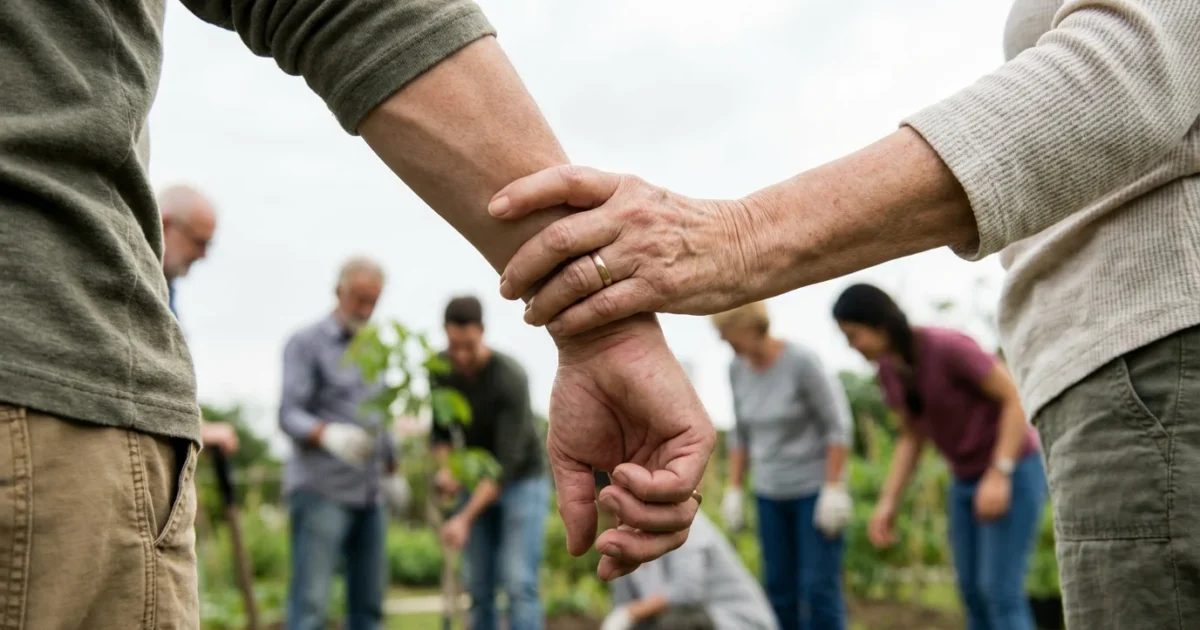
Your golden years unfold as a vibrant chapter, offering profound opportunities for continued growth and meaningful engagement. Many consider retirement a time for leisure, but for a growing number, it represents a powerful moment for impact. You possess a lifetime of wisdom, experience, and perspective, uniquely positioning you to champion causes you care about deeply.
While many spend their time exploring creative retirement hobbies, advocacy offers a distinct path to fulfillment through community service.
Imagine harnessing your accumulated knowledge to shape a better world for future generations and your peers. Senior advocacy is not merely a pastime, it is a purposeful endeavor, transforming quiet influence into tangible change. This guide explores how you can step into this vital role, becoming a compelling voice for progress in your local community and beyond.
The Unfolding Power of Your Voice
You have cultivated a rich tapestry of experiences throughout your life, navigating personal triumphs and societal shifts. This accumulated wisdom represents an invaluable resource for senior advocacy. Your insights carry weight and credibility, resonating with decision-makers and community members alike.
Advocacy is often a natural extension of legacy planning, ensuring that your values continue to benefit the community long into the future.
Consider the demographic shift currently underway. The population of adults aged 65 and older is projected to nearly double by 2060, reaching 98 million people, according to data from the Administration for Community Living. This growing demographic represents a powerful collective voice, capable of driving significant change. You hold a key position in this evolving landscape.
Your active participation in advocacy strengthens democratic processes and ensures that policies reflect the diverse needs of all ages. Engaging in advocacy keeps your mind sharp, fostering a continued sense of purpose and connection. It challenges you to learn new skills, interact with diverse groups, and contribute to the ongoing vibrancy of society.
Discovering Your Passion and Purpose
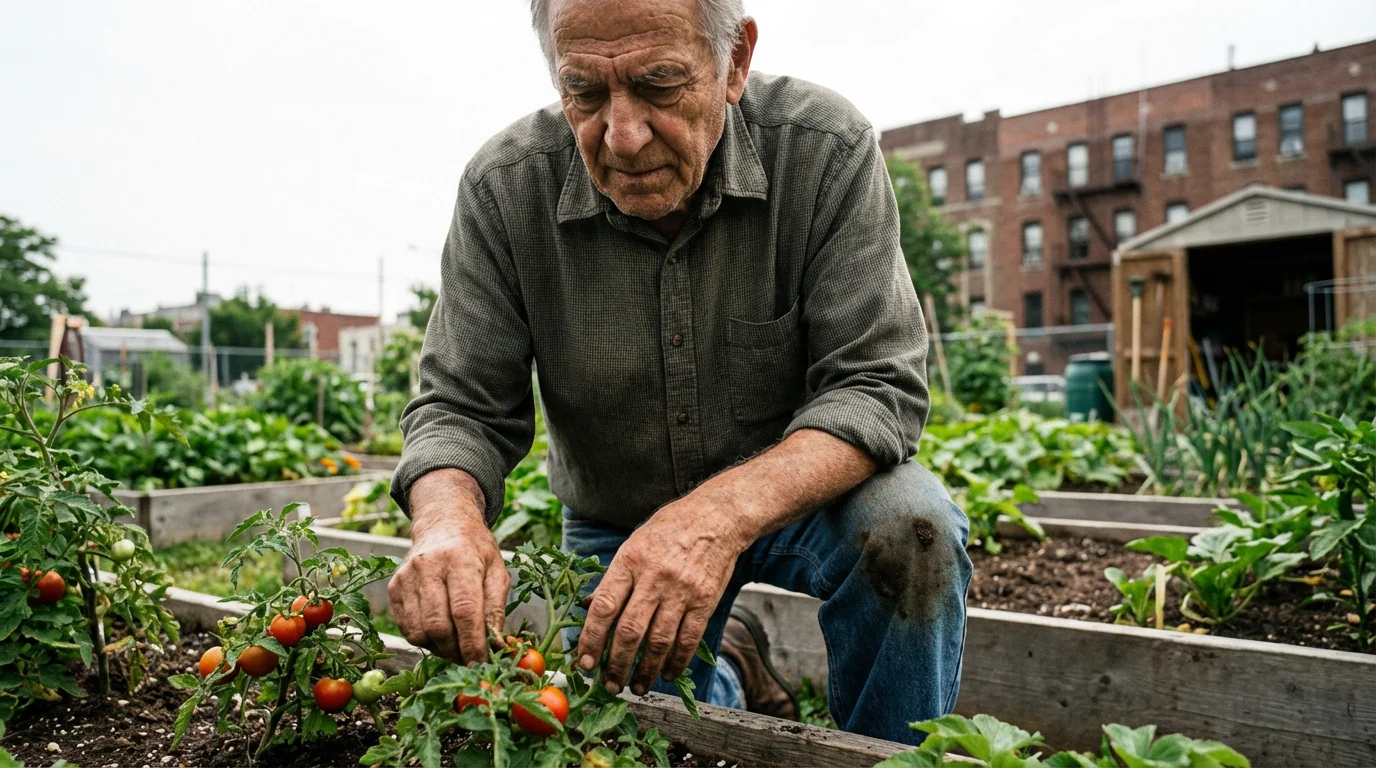
The journey into senior advocacy begins with identifying what truly moves you. What issues ignite your concern? What changes do you wish to see in the world around you? Your passion forms the bedrock of your advocacy efforts, providing the energy and conviction necessary for sustained engagement.
Finding a mission also serves as a powerful strategy for combating loneliness and isolation by keeping you anchored to a larger community purpose.
Prioritizing your well-being by staying active provides the physical and mental stamina needed to champion the causes you love.
Reflect on your life experiences. Have you faced challenges related to healthcare access, environmental quality, or educational opportunities? Perhaps you possess a deep commitment to preserving local history, supporting the arts, or ensuring equitable treatment for all. Your personal history often reveals the causes closest to your heart.
Consider these reflective questions to help pinpoint your advocacy focus:
- What aspects of your community bring you joy, and what would you like to protect or enhance?
- What issues currently affect your peers or younger generations that you feel compelled to address?
- Which organizations or causes have you supported throughout your life, either financially or through volunteerism?
- What skills or knowledge do you possess that could uniquely benefit a particular cause?
Once you identify your core passions, you begin to shape a clear purpose for your advocacy. This clarity empowers you to direct your energy effectively and select the most impactful avenues for action.

Pathways to Effective Advocacy
Becoming a community advocate involves selecting the strategies that best suit your strengths and the issues you champion. You have numerous avenues available to express your voice and influence change. Your approach can be as quiet as a well-placed letter or as visible as leading a community initiative.
If you have recently moved, stepping into an advocacy role is an excellent way of revitalizing your social life and meeting local leaders.
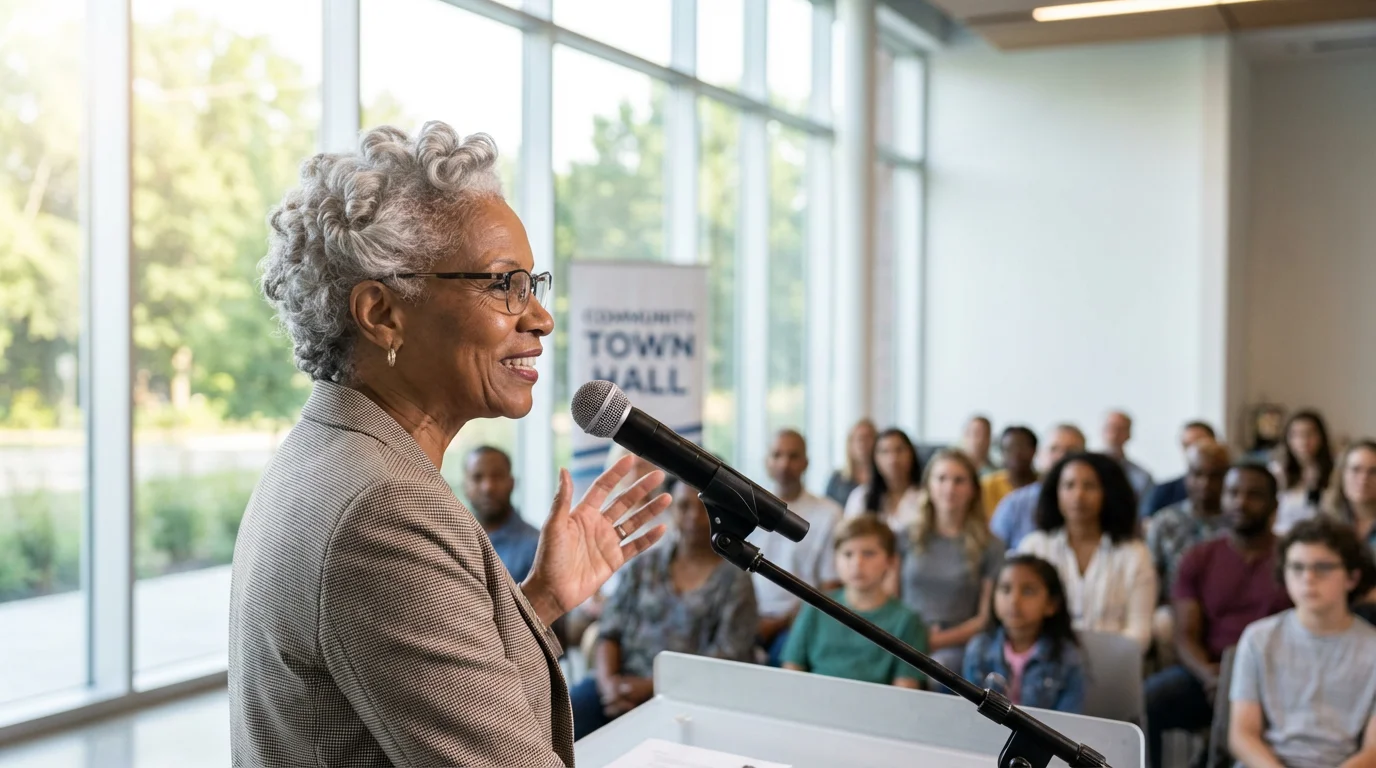
One direct approach involves communicating with elected officials. You can write letters, send emails, or make phone calls to express your views on specific policies or proposed legislation. Attending town hall meetings or public forums offers another opportunity to share your perspective directly and listen to the concerns of others. Your presence and reasoned arguments carry significant weight.
Joining an existing advocacy group provides a powerful platform. Organizations like AARP champion the interests of older adults at both national and local levels, offering structured opportunities for action and education. Their collective voice amplifies individual efforts, achieving greater impact than isolated actions. You can find strength and camaraderie within these networks, learning from experienced advocates.
Digital advocacy also offers potent tools. You can sign online petitions, share informational articles on social media, or participate in virtual discussions. These actions extend your reach, influencing a broader audience and raising awareness for your chosen cause. Learning to navigate these digital spaces effectively expands your advocacy toolkit significantly.
Here are several practical ways you can begin to advocate effectively:
- Educate Yourself: Understand the issues thoroughly. Research facts, figures, and different perspectives. Informed advocacy is powerful advocacy.
- Connect with Others: Seek out like-minded individuals and groups. Shared purpose fosters momentum and provides support.
- Utilize Your Personal Stories: Your lived experiences offer compelling evidence and humanize complex issues for decision-makers.
- Be Persistent and Patient: Change often takes time. Consistent, thoughtful effort yields results over the long term.
- Stay Respectful: Engage in civil discourse, even when disagreeing. Respectful communication builds bridges, not walls.

Engaging with Local and National Initiatives
Your journey to becoming a community advocate finds its roots and branches in active engagement. Connecting with existing initiatives at both local and national levels provides structure and amplified reach for your efforts. You do not need to start from scratch; many organizations already work tirelessly on issues you care about.
By participating in these forums, you are maintaining social connections that provide emotional support and intellectual stimulation.
At the local level, consider your city council meetings, school board discussions, or county commission hearings. These are the immediate venues where decisions directly impact your daily life. Attending these gatherings, even just to observe, provides invaluable insight into local governance and identifies opportunities for your involvement. Local senior centers and community organizations often host forums or provide volunteer opportunities specifically geared towards advocacy.
National organizations offer broader platforms for influence. The National Council on Aging (NCOA) works to improve the health and economic security of older adults, providing numerous ways for you to engage with national campaigns and policy efforts. Likewise, the Administration for Community Living (ACL) supports the independence and well-being of older adults and people with disabilities, offering resources and pathways for federal advocacy. Connecting with these entities allows you to contribute to larger movements, influencing policy that affects millions.
Engaging directly with these groups or local government bodies helps you transition from an interested citizen to a recognized community advocate. You contribute to a collective voice, ensuring that issues affecting older adults receive the attention they deserve. This collective power often brings about policy changes that individual efforts alone might not achieve.
Age is an issue of mind over matter. If you don’t mind, it doesn’t matter.
— Mark Twain
Navigating Political Activism with Grace
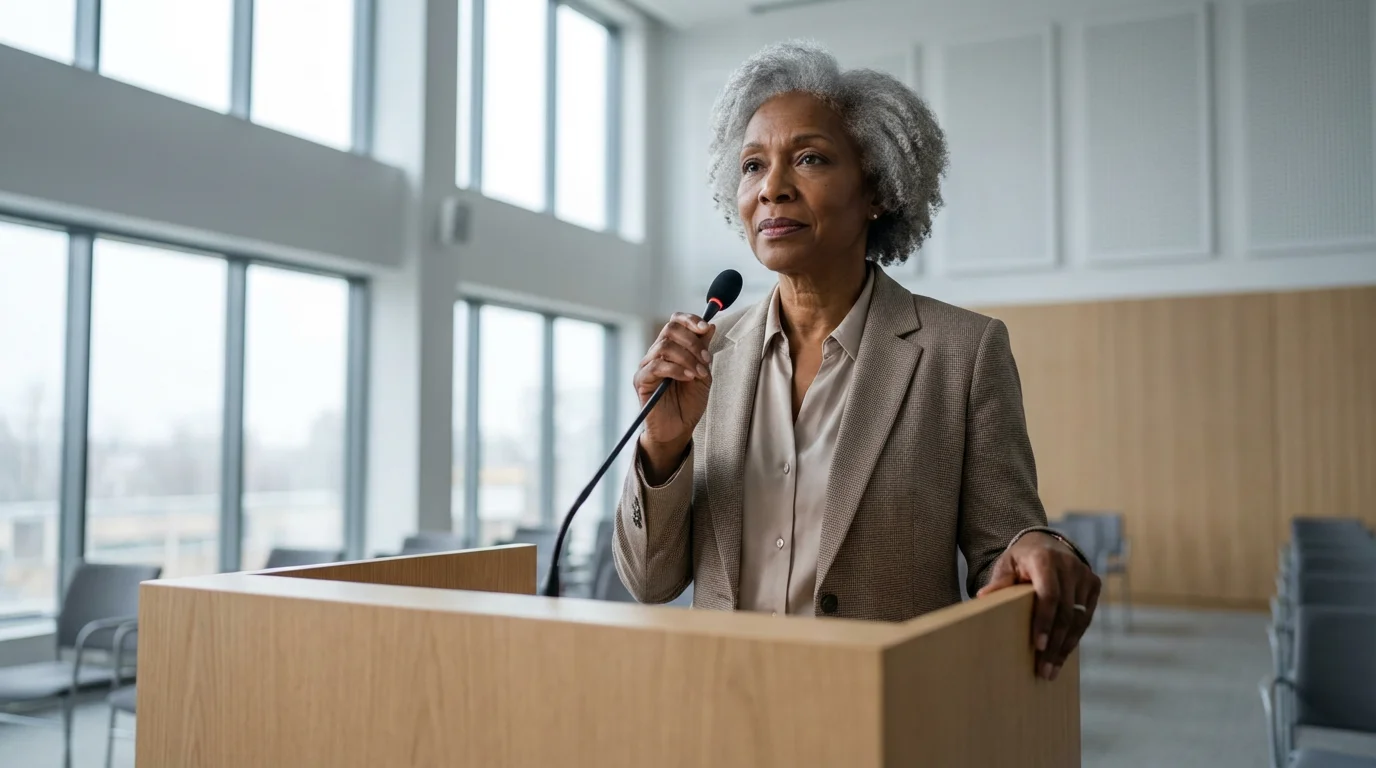
Political activism often carries connotations of protest and confrontation, but it encompasses a wide spectrum of dignified engagement. For you, political activism can mean advocating for policies that support healthcare access, affordable housing, or environmental protection. It centers on influencing public policy through civil, informed, and persistent action.
To remain effective in these pursuits, prioritizing senior fitness ensures you have the physical vitality to attend meetings and lead initiatives.
Approaching political activism with grace means focusing on issues and shared goals, rather than partisan divides. Your experience grants you a valuable perspective, enabling you to articulate complex issues clearly and empathetically. When you engage with elected officials or fellow citizens, present your arguments with respect, backed by facts and personal anecdotes.
Effective political activism often involves understanding legislative processes. Learn how a bill becomes law, how budgets are allocated, and which committees handle your priority issues. This knowledge empowers you to target your advocacy efforts precisely, maximizing your influence. You become a more strategic and impactful voice when you understand the mechanisms of change.
Here are tips for graceful political engagement:
- Be Informed: Base your arguments on accurate data and a clear understanding of the policy.
- Maintain Civility: Engage in constructive dialogue, even with those who hold differing views.
- Share Your Story: Personal narratives humanize issues and can be incredibly persuasive.
- Build Relationships: Foster connections with policymakers and their staff. Trust and rapport open doors.
- Vote and Encourage Others: Your vote is a foundational act of advocacy, influencing the leadership that shapes policies.
Your involvement in political discourse ensures that the unique needs and contributions of seniors remain visible and prioritized. You champion a future that respects and values the wisdom of all generations.

Building Your Advocacy Network
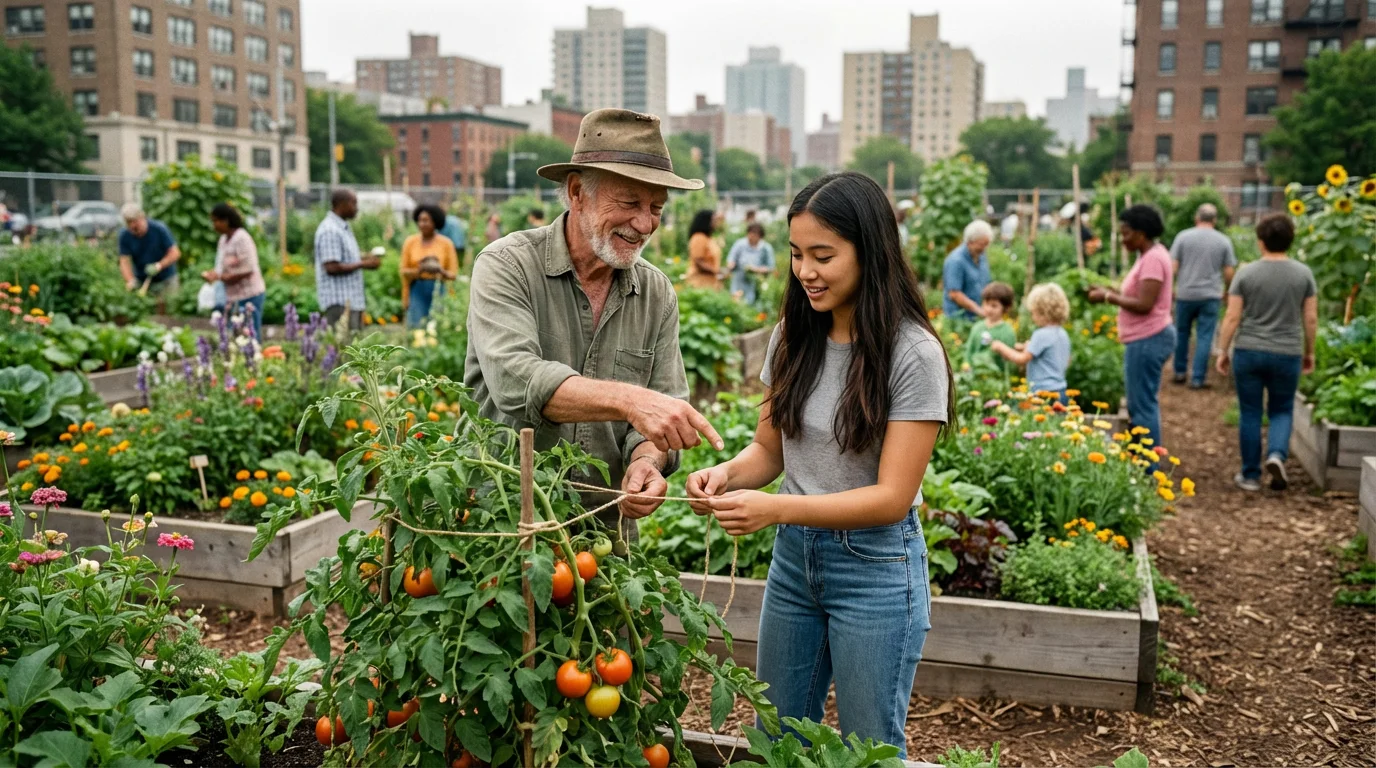
No advocate works in isolation. Building a robust network of allies, mentors, and fellow activists amplifies your impact and provides essential support. Your advocacy journey thrives on collaboration, shared knowledge, and collective action. Seek out individuals and groups who share your passion for change.
Collaborative activism is not just about results; it is also a powerful tool for combating loneliness by fostering meaningful social connections.
Begin by attending local community meetings, workshops, or volunteer events focused on your chosen cause. These gatherings offer natural opportunities to meet like-minded people. Introduce yourself, share your interests, and listen to the experiences of others. You might discover existing groups that welcome new members and appreciate your perspective.
Mentorship also plays a vital role. If you are new to advocacy, seek out experienced individuals who can guide you through the process, share insights, and introduce you to key contacts. Conversely, your own life experience positions you as a potential mentor for younger generations. Share your knowledge of community history, political landscapes, or effective communication strategies. This intergenerational exchange enriches the entire advocacy movement.
Online platforms and social media groups can also help you connect with advocates beyond your immediate geographical area. These digital communities offer spaces for discussion, resource sharing, and coordinated action. While not a substitute for face-to-face interaction, they extend your reach and diversify your network.
Your network becomes a powerful force for change, providing:
- Shared Resources: Access to information, research, and tools for advocacy.
- Emotional Support: A community that understands the challenges and celebrates the victories.
- Expanded Reach: The ability to mobilize more people for events, petitions, or calls to action.
- Diverse Perspectives: Insights from different backgrounds strengthen your arguments and strategies.
Cultivating these relationships transforms your individual efforts into a formidable collective, truly making a difference.
Sustaining Your Impact and Legacy
Your commitment to senior advocacy creates a ripple effect, impacting not only current policies but also shaping the future. Sustaining your involvement ensures that the positive changes you champion continue to flourish. This long-term perspective defines your legacy as an advocate.
To maintain your momentum, celebrate small victories along the way. Recognize when a letter you wrote contributes to a policy change or when your presence at a meeting shifts the conversation. Acknowledging these successes fuels your passion and reinforces the value of your efforts. Advocacy is a marathon, not a sprint.
Consider how you can mentor future advocates. Share your experiences, strategies, and lessons learned with younger generations who are just beginning their civic engagement. By passing on your wisdom, you ensure that the torch of advocacy continues to burn brightly, carried by those who follow. This act of mentorship is a profound contribution to your community’s long-term well-being.
Your legacy as a senior advocate is not merely about specific policy changes; it is about demonstrating the enduring power of engaged citizenship. You show that age brings not an end to purpose, but a deepening of it. You model what it means to live a life of meaning, actively shaping the world around you with dignity and grace. Your continued engagement proves that every stage of life offers unparalleled opportunities for contribution.
Frequently Asked Questions
What is senior advocacy?
Senior advocacy involves older adults actively working to influence public policy, raise awareness, and support causes that benefit their peers, younger generations, and the broader community. It leverages their wisdom and experience to create positive change.
How can I get involved in senior advocacy if I have limited mobility?
Many advocacy efforts can happen from home. You can write letters, send emails, make phone calls to elected officials, sign online petitions, or participate in virtual meetings and discussions. Many organizations also offer remote volunteer opportunities, allowing you to contribute your skills from anywhere.
Do I need special training to become a community advocate?
No formal training is required. Your life experience, passion for a cause, and willingness to learn are your most valuable assets. Many organizations provide resources, workshops, and mentorship to help you develop effective advocacy skills. You can learn as you go, growing in confidence with each action.
What types of issues do senior advocates typically focus on?
Senior advocates engage with a wide range of issues. Common areas include healthcare access and affordability, social security and Medicare protection, affordable housing, environmental protection, intergenerational programs, educational initiatives, and combating ageism. You choose the issues that resonate most deeply with your values.
Disclaimer: This article is for informational and inspirational purposes. Life decisions are deeply personal, and we encourage readers to consult with appropriate professionals—whether healthcare providers, counselors, or financial advisors—for guidance specific to their circumstances.







Leave a Reply