
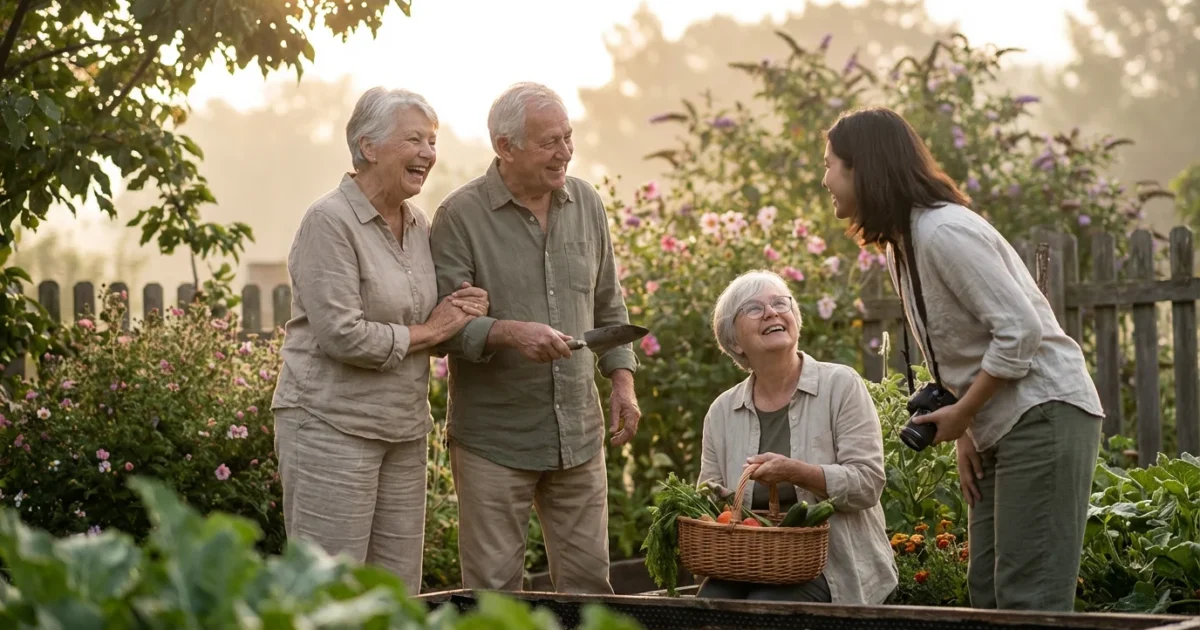
As you navigate the rich tapestry of your golden years, one truth becomes increasingly clear: the depth and breadth of your social connections profoundly shape your experience. This is not merely about having acquaintances, it is about cultivating meaningful relationships that nourish your spirit, sharpen your mind, and fortify your health. Prioritizing social connection stands as a cornerstone for senior wellbeing, transforming retirement into a vibrant chapter of purpose and joy.
Beyond physical health, making time for friends ensures that your social calendar remains full of enriching activities.
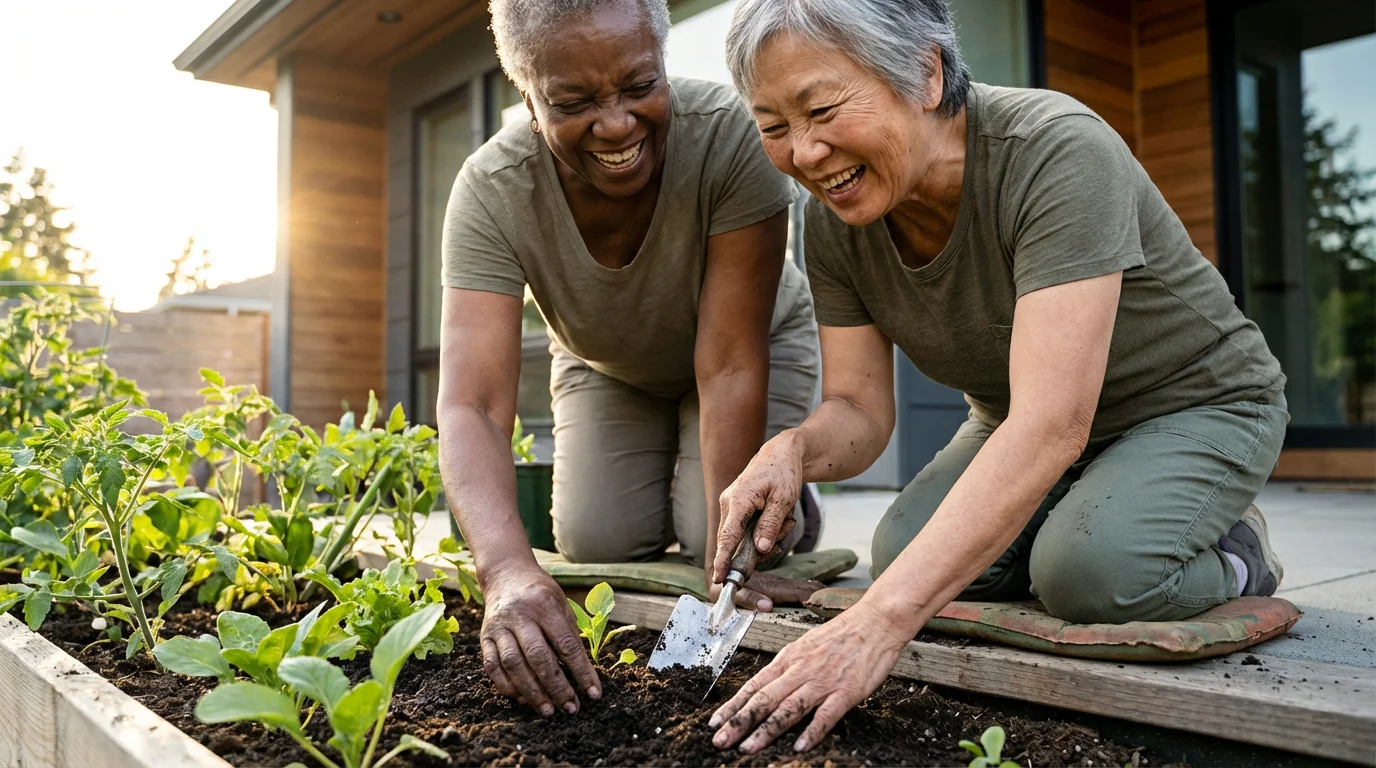
The Essence of Human Connection in Your Later Years
You have accumulated a lifetime of wisdom, experiences, and stories. Sharing these, and actively listening to others, creates a powerful sense of belonging and relevance. Human connection, at its heart, validates your existence and reinforces your place in the world.
Embracing social connection means engaging with people who uplift you, challenge you, and understand you. It involves both giving and receiving, fostering a dynamic exchange that enriches all parties. How do you currently experience this reciprocal flow in your life?
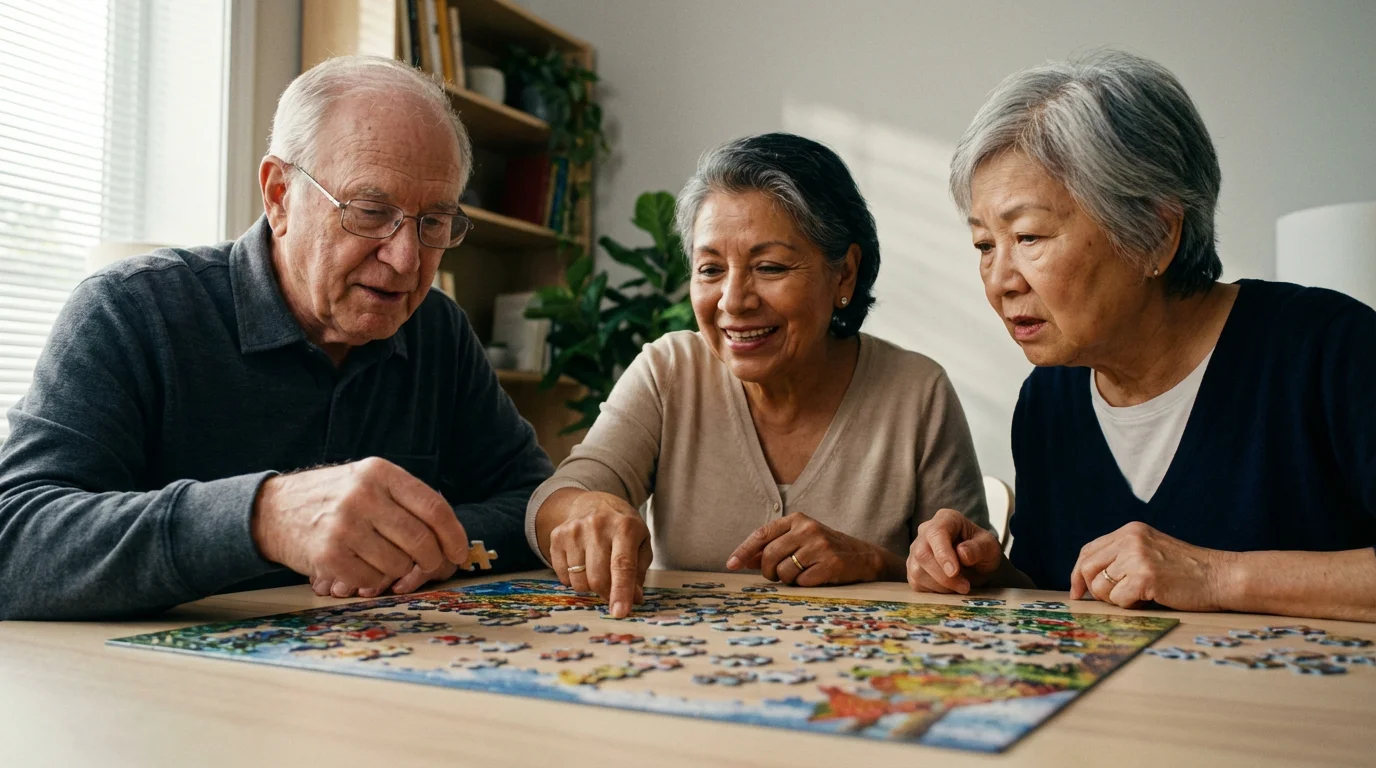
The Science Behind Social Wellbeing and Longevity
The benefits of robust social ties extend far beyond emotional comfort. Scientific research consistently demonstrates a strong link between social connection and tangible health outcomes. This connection actively contributes to Senior Wellbeing in multifaceted ways.
For instance, studies reveal that individuals with strong social networks often exhibit a lower risk of chronic diseases. They also experience enhanced cognitive function and a greater sense of purpose. The National Institute on Aging emphasizes that staying socially engaged can reduce the risk of cognitive decline and dementia.
Consider the profound impact your relationships have on your physical vitality. Social interaction often encourages healthier habits, from regular exercise with friends to mindful eating in convivial company. Your social network forms a crucial support system for both mental and physical health.
“The afternoon knows what the morning never suspected.” — Robert Frost

Understanding the Landscape of Loneliness in Retirement
Despite the inherent desire for connection, many individuals face the challenge of loneliness in retirement. This is not merely about being alone, it is about the distressing feeling of lacking companionship or meaningful social engagement. Recognizing this feeling is the first step toward addressing it effectively.
Learning effective strategies for overcoming isolation is a vital part of protecting your mental and emotional health.
Retirement often brings significant life changes that can inadvertently lead to isolation. You might lose daily interactions with colleagues, relocate away from established networks, or experience the passing of loved ones. These shifts necessitate proactive strategies to maintain or rebuild your social tapestry.
The prevalence of loneliness is a genuine concern, impacting millions of older adults. It can lead to adverse health outcomes, mirroring the risks associated with smoking or obesity. Addressing this silent threat actively improves your overall quality of life.

Actionable Strategies to Combat Loneliness in Retirement
You possess the power to actively shape your social landscape. Combating loneliness requires intention, creativity, and a willingness to step outside your comfort zone. Begin by exploring avenues that genuinely resonate with your interests and values.
Here are practical steps you can take to foster deeper connections:
- Re-engage with Hobbies: Join a book club, an art class, a gardening group, or a hiking club. Shared interests provide an immediate basis for conversation and camaraderie.
- Volunteer Your Time: Contribute to a cause you care about. Volunteering offers purpose, structure, and opportunities to meet like-minded individuals. Organizations like NCOA provide resources for older adults seeking engagement.
- Utilize Community Centers: Many local centers offer diverse programs, from fitness classes to educational workshops and social events, specifically designed for older adults.
- Attend Local Events: Check your local newspaper or community board for concerts, lectures, farmers’ markets, or festivals. These low-pressure environments are excellent for casual interactions.
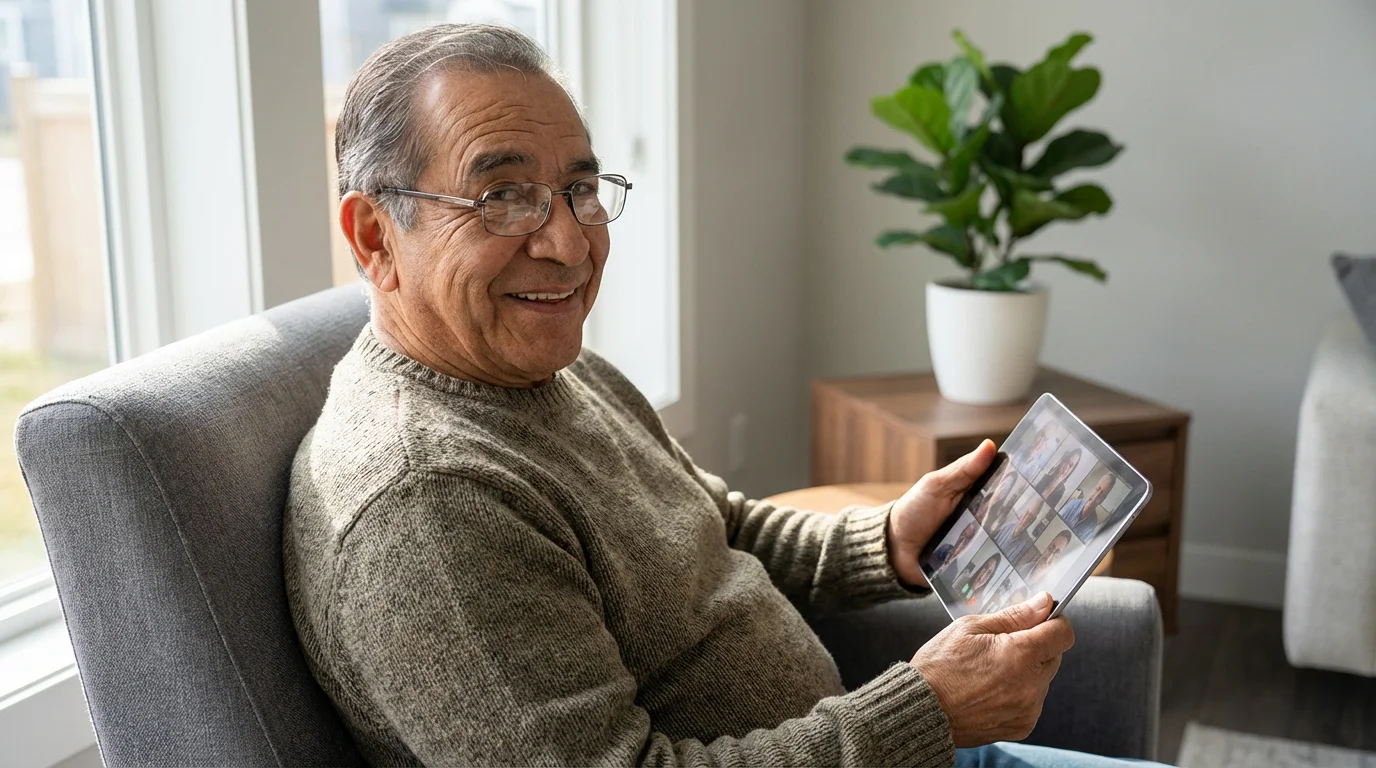
- Embrace Technology: Learn to use video calls to connect with distant family and friends. Join online interest groups or forums related to your passions.
Remember, every small step you take towards connection builds momentum. What is one new activity you could explore this week?

Nurturing and Reigniting Existing Bonds
While building new connections is vital, do not overlook the rich reservoir of relationships you already possess. These existing bonds, whether with family or long-time friends, offer a unique foundation of shared history and mutual understanding. They contribute significantly to your Senior Wellbeing.
Consider making a conscious effort to reach out to those you might have lost touch with. A simple phone call, a thoughtful letter, or an email can rekindle dormant friendships. You may find that others are also longing for reconnection.
Here are ways to strengthen your current relationships:
- Schedule Regular Check-ins: Designate a weekly or monthly call, visit, or virtual chat with key individuals. Consistency reinforces the bond.
- Plan Shared Experiences: Instead of just talking, engage in activities together. Cook a meal, watch a movie, visit a museum, or take a walk.
- Offer and Accept Support: Be present for your loved ones during their challenges, and allow them to be present for yours. Reciprocity deepens trust and intimacy.
- Express Appreciation: Regularly tell people how much you value their presence in your life. Acknowledgment strengthens relationships.
- Resolve Conflicts Gently: Address misunderstandings or lingering issues with an open heart. Healthy relationships involve clear communication and forgiveness.
Investing time and effort in these established connections provides a deep sense of security and belonging. These relationships are a testament to your life’s journey and a source of immeasurable comfort.
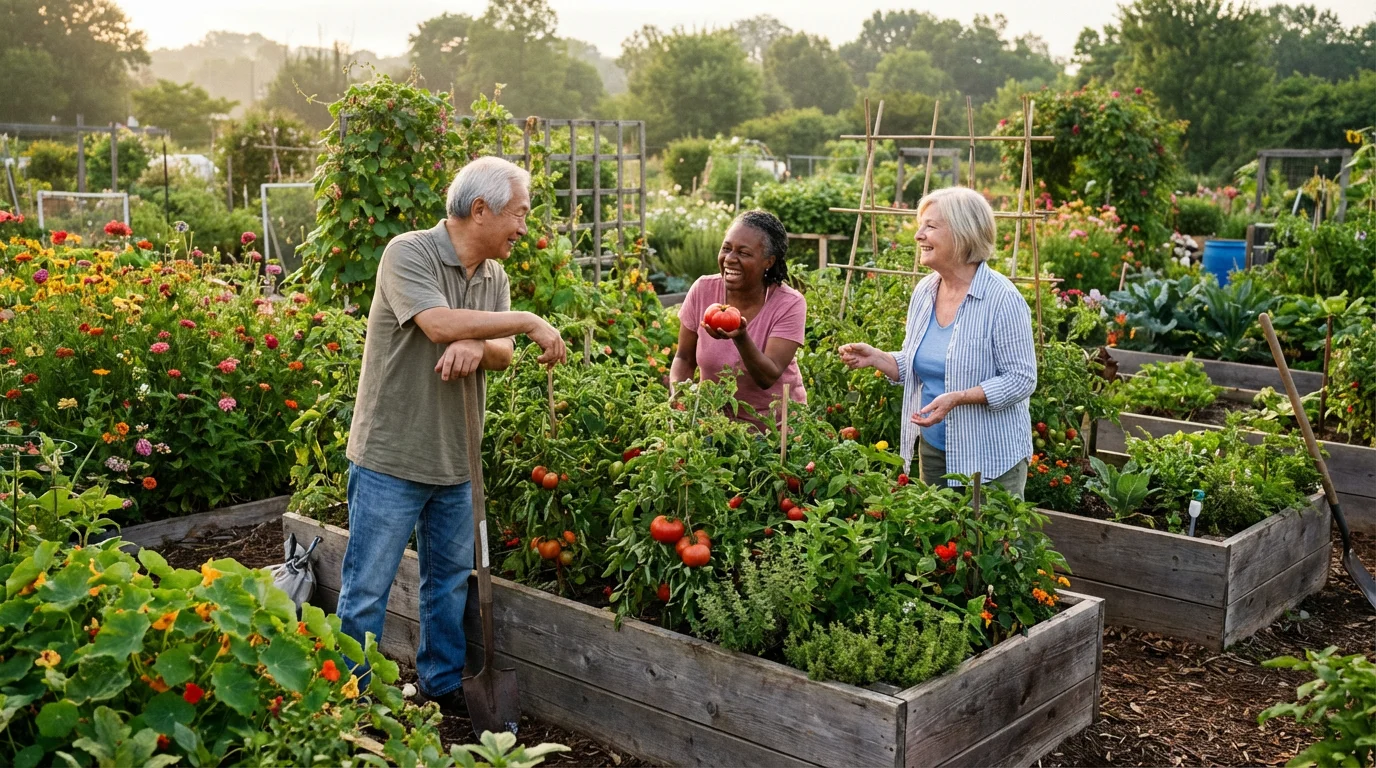
Expanding Your Horizons: Building New Friendships
The idea of making new friends in your later years might seem daunting, but it presents a beautiful opportunity for growth and fresh perspectives. New connections introduce you to different ideas, experiences, and ways of seeing the world. This active engagement keeps your mind agile and your spirit vibrant.
For many, joining retirement clubs provides a structured and welcoming environment to meet others during this new chapter.
Approach new social situations with curiosity and an open heart. You might find kindred spirits in unexpected places. Think about what brings you joy and seek out environments where others share that same enthusiasm.
Consider these avenues for forging new connections:
- Join a Local Senior Center: These centers often offer a wide array of activities designed for your age group, making it easy to meet people.
- Enroll in Continuing Education: Universities and community colleges often have programs specifically for older adults. Learning alongside others creates natural discussion opportunities.
- Participate in Faith-Based Communities: If you are a person of faith, your church, synagogue, or mosque can provide a ready-made community with shared values.
- Explore Intergenerational Programs: Some communities offer programs where older adults mentor younger generations or simply share stories. This connection across ages is incredibly enriching.
- Join an Online Community Group: While not a replacement for in-person interaction, online groups centered around a specific hobby or interest can be a first step toward meeting local people who share your passions.
Remember, building new friendships takes time and effort. Be patient with yourself and others, and celebrate each new connection you make.

The Profound Rewards of a Connected Life
When you prioritize social connection, you unlock a cascade of benefits that profoundly enhance your quality of life. These advantages touch every facet of your being, from your mental acuity to your emotional resilience.
What are the benefits of socializing? The advantages are significant:
- Enhanced Mental Health: Social interaction reduces feelings of isolation and loneliness, significantly lowering the risk of depression and anxiety. Shared laughter and support are powerful antidotes to stress.
- Improved Physical Health: Studies indicate that socially integrated individuals tend to have stronger immune systems, lower blood pressure, and a reduced risk of heart disease. They often live longer, healthier lives.
- Sharpened Cognitive Function: Engaging in stimulating conversations, playing games with friends, and learning new things with others all contribute to maintaining brain health and cognitive agility.
- Increased Sense of Purpose: Being connected means you are needed and valued. Contributing to the lives of others, or working on a shared project, instills a powerful sense of meaning.
- Greater Emotional Resilience: A strong social network provides a safety net during challenging times. Knowing you have people to lean on strengthens your ability to cope with life’s inevitable difficulties.
- Opportunities for Growth: Interacting with diverse individuals exposes you to new perspectives and challenges your thinking, fostering continuous personal growth.
Embracing a connected life is one of the most proactive steps you can take for a fulfilling and graceful retirement. It is an investment in your happiness and wellbeing.
Overcoming Common Barriers to Social Engagement
Even with a strong desire to connect, you might encounter obstacles that make social interaction difficult. Recognizing these common barriers allows you to develop targeted strategies for overcoming them. Do not let these challenges deter you from seeking the connection you deserve.
Consider these frequent hurdles and how to navigate them:
- Physical Limitations: If mobility is an issue, explore accessible activities or virtual options. Many organizations now offer online classes or support groups.
- Transportation Challenges: Research local senior transport services, carpooling opportunities, or rideshare programs. Friends or family might also be willing to assist.
- Hearing or Vision Impairment: Seek out groups that accommodate these needs. Inform organizers of your requirements, or attend events specifically designed for those with similar challenges.
- Shyness or Social Anxiety: Start small. Attend events where you are an observer first, or bring a trusted friend along. Focus on listening and asking open-ended questions to ease into conversations.
- Past Negative Experiences: Acknowledge any past hurts, then gently open yourself to new possibilities. Every interaction is a fresh start, and you control who you allow into your circle.
- Financial Constraints: Many community centers, libraries, and parks offer free or low-cost activities. Volunteering is also an excellent, free way to connect.
Your determination to overcome these barriers is a testament to your resilience. Each small victory strengthens your capacity for connection.

Making Social Connection a Lifelong Endeavor
Social connection is not a one-time achievement, it is a dynamic, ongoing process. It requires continuous effort, adaptation, and an open heart. As you journey through your golden years, your social needs and opportunities may evolve, necessitating flexibility in your approach.
View your social life as a garden you tend with care and intention. Cultivate existing relationships, plant seeds for new ones, and prune away anything that no longer serves your wellbeing. This ongoing commitment ensures a flourishing and resilient social network.
Reflect on your current social landscape. What small, consistent actions can you integrate into your routine to ensure lasting connection? Whether it is a daily phone call, a weekly coffee meet-up, or a monthly group outing, consistency builds strength.
Frequently Asked Questions
How does social connection impact mental health in older adults?
Social connection significantly enhances mental health by reducing feelings of isolation, loneliness, and depression. It provides emotional support, a sense of belonging, and opportunities for shared experiences, all of which contribute to psychological wellbeing and resilience.
What are practical steps to combat loneliness in retirement?
To combat loneliness, engage in hobbies, volunteer, join community groups, attend local events, and utilize technology for virtual connections. Reaching out to old friends and family also provides valuable opportunities for reconnection and support.
Can new friendships be formed effectively later in life?
Absolutely. While it may require intentional effort, forming new friendships later in life is entirely possible and highly beneficial. Joining clubs, classes, senior centers, or volunteer organizations creates natural environments for meeting new people who share your interests.
What are the long-term health benefits of socializing regularly?
Regular socializing is linked to numerous long-term health benefits, including improved cognitive function, a stronger immune system, lower risk of chronic diseases, reduced blood pressure, and increased longevity. It acts as a protective factor against age-related decline.
How can technology assist in maintaining social connections for seniors?
Technology offers invaluable tools for maintaining social connections. Video calls bridge geographical distances with family and friends, social media platforms allow for group interactions, and online interest groups provide avenues for connecting with like-minded individuals, all from the comfort of home.
Disclaimer: This article is for informational and inspirational purposes. Life decisions are deeply personal, and we encourage readers to consult with appropriate professionals—whether healthcare providers, counselors, or financial advisors—for guidance specific to their circumstances.





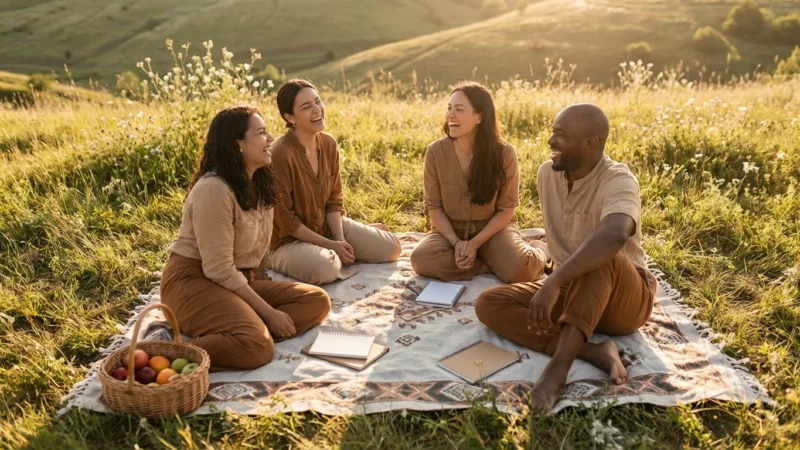

[…] Social Engagement: Meaningful conversations and interactions keep your mind active and prevent isolation, a known risk factor for cognitive decline. […]