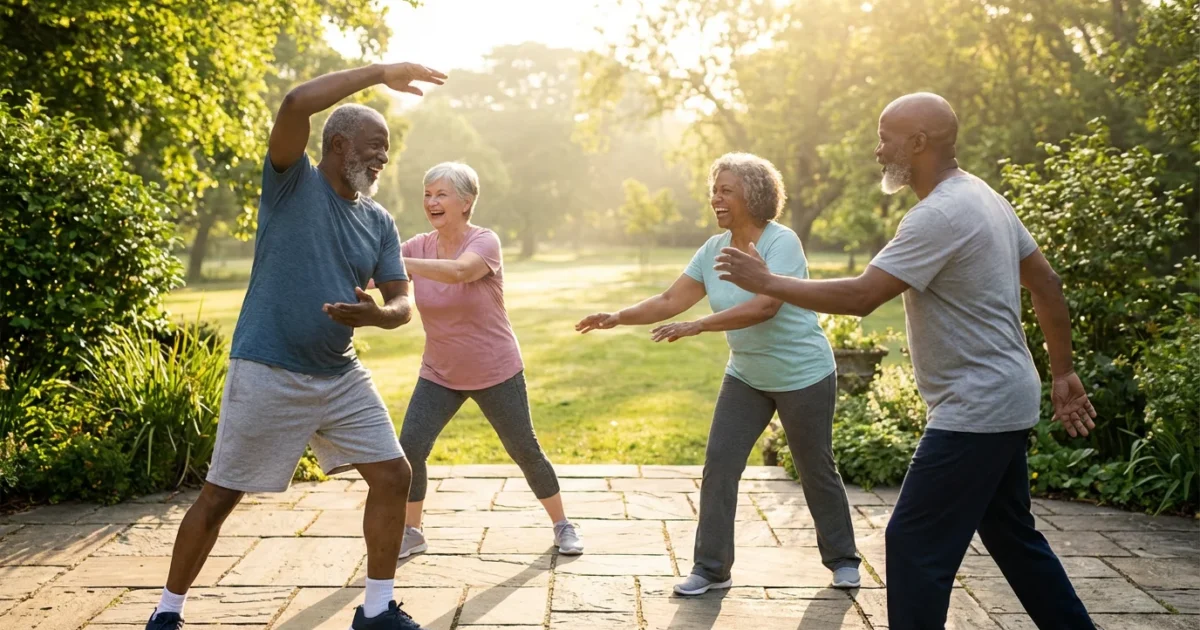
Embracing your later years brings a unique opportunity for profound growth and renewed vitality. You possess a wealth of wisdom, experience, and the freedom to shape your days with intention. Staying active is not merely about maintaining physical health, it is about nurturing your spirit, preserving your independence, and enriching every facet of your graceful retirement. This guide explores how purposeful movement can transform your golden years, offering practical insights and empowering you to live vibrantly.
Redefining Senior Fitness: Beyond the Gym
For many, the idea of fitness might conjure images of intense workouts or strenuous routines. In your graceful years, senior fitness transcends these traditional notions. It becomes a holistic pursuit, a way of moving through life that fosters joy, independence, and connection. This approach emphasizes activities you genuinely enjoy, seamlessly weaving movement into the fabric of your daily existence.
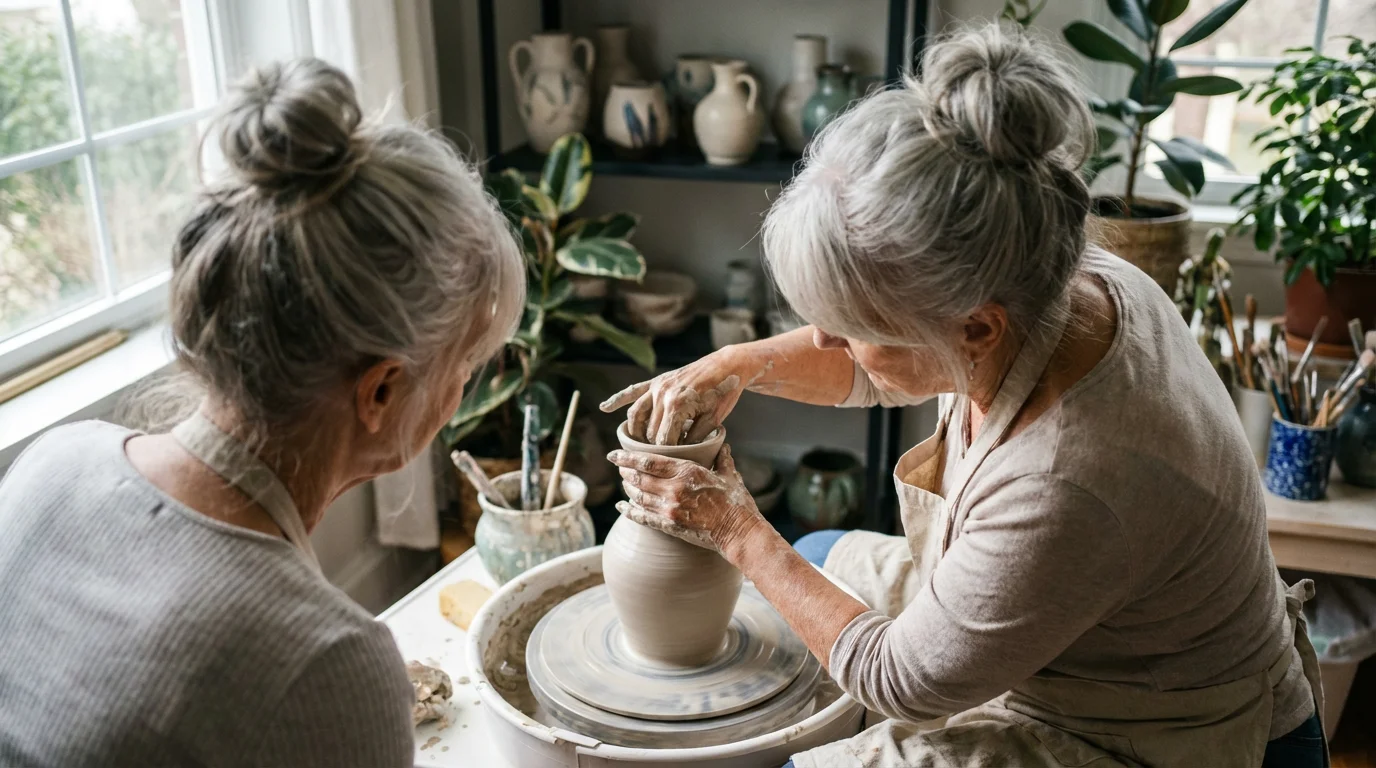
Integrating new retirement hobbies into your routine can be a wonderful way to stay both physically and mentally active.
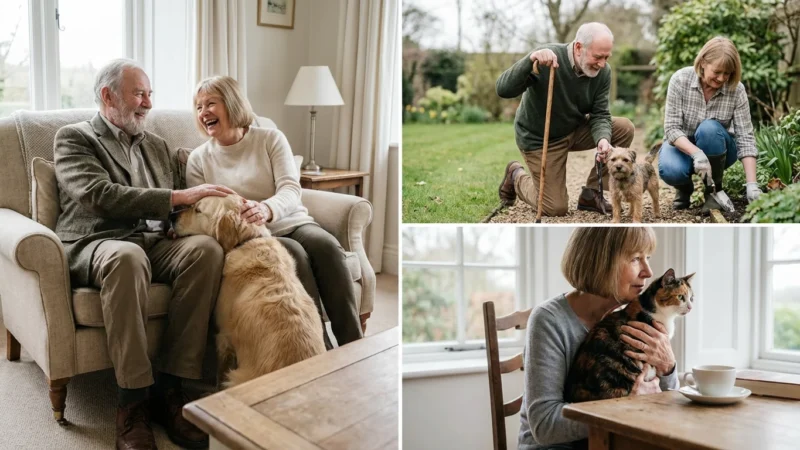
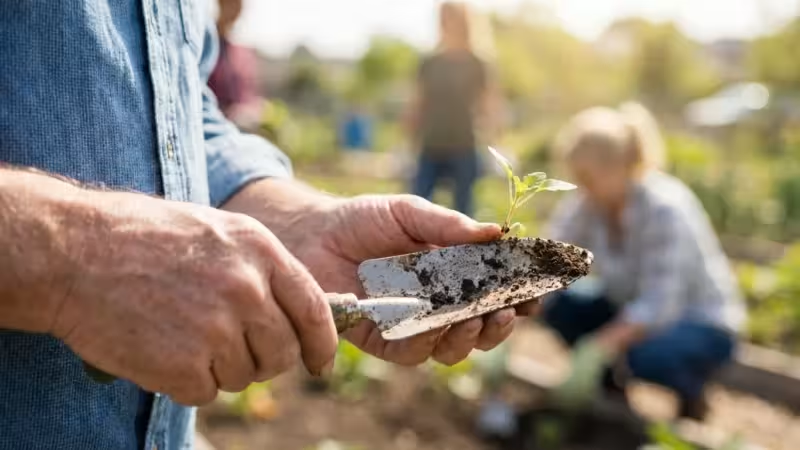
Consider what active living truly means to you. Is it tending a vibrant garden, enjoying long walks with a beloved pet, or dancing with grandchildren? These everyday movements contribute significantly to your overall well-being. Redefine fitness not as a chore, but as an opportunity to engage more fully with the world around you, strengthening both body and spirit.

The Profound Benefits of Physical Activity
Engaging in regular physical activity offers a cascade of benefits that extend far beyond mere muscle strength. It powerfully impacts your cognitive function, emotional resilience, and social connections. Understanding these broad advantages can inspire a deeper commitment to your active lifestyle.
Prioritizing yourself in retirement through regular self-care ensures you have the vitality to pursue these purposeful movements.
To fuel these activities effectively, consider how eating well for a healthy retirement can provide the sustained energy you need.
Research from the National Institute on Aging consistently highlights that active seniors experience improved mood and a reduced risk of age-related cognitive decline. Your body and mind are intricately connected, and movement serves as a vital bridge between them. Embrace an active life to safeguard both your physical prowess and your mental sharpness.
Physical Advantages: Building a Strong Foundation
- Enhanced Cardiovascular Health: Regular movement strengthens your heart, improves circulation, and can help manage blood pressure. This reduces the risk of heart disease, a leading concern as you age.
- Improved Strength and Bone Density: Weight-bearing exercises help maintain muscle mass and bone density, crucial for preventing osteoporosis and reducing the risk of fractures.
- Greater Flexibility and Balance: Activities that promote flexibility and balance significantly lower your risk of falls, a major concern for seniors. You gain confidence in your movements and navigate your environment with greater ease.
- Better Sleep Quality: Consistent physical activity can regulate your sleep patterns, leading to more restful nights and increased energy during the day.
Cognitive and Emotional Uplift: Nurturing Your Mind and Spirit
- Sharper Brain Function: Physical activity boosts blood flow to the brain, supporting memory, concentration, and problem-solving abilities. You protect your cognitive vitality through movement.
- Reduced Stress and Anxiety: Exercise is a natural mood elevator. It releases endorphins, the body’s natural feel-good chemicals, alleviating symptoms of stress, anxiety, and even depression.
- Increased Self-Esteem and Confidence: Achieving fitness goals, no matter how small, instills a powerful sense of accomplishment. This boosts your self-perception and encourages continued engagement in life.
Social Connection: Enriching Your World
Many forms of `physical activity`, like group classes or walking clubs, offer wonderful opportunities for social interaction. Sharing an activity with others fosters camaraderie and combats feelings of isolation. These connections enrich your life with shared experiences and mutual encouragement.

Starting Your Fitness Journey Safely
Before embarking on any new fitness regimen, a crucial first step involves consulting your healthcare provider. This ensures your chosen activities align with your current health status and any existing conditions. Your doctor can offer personalized recommendations and clear any concerns, setting you up for success.
It is also beneficial to understand the unique nutritional needs of seniors to ensure your body is properly fueled for your new activity levels.
Developing a consistent routine is easier when you understand the best exercise for retirees to maintain long-term vitality.
Listen attentively to your body throughout your fitness journey. Begin slowly, gradually increasing intensity and duration as your strength and endurance improve. There is no need to rush, consistency and patience yield the best long-term results. Focus on sustainable progress, not immediate perfection.
Age is an issue of mind over matter. If you don’t mind, it doesn’t matter. — Mark Twain
Essential Safety Guidelines:
- Medical Clearance: Always consult your doctor before starting new exercises, especially if you have chronic conditions or take medications.
- Start Gradually: Begin with short durations and low intensity, slowly building up as your body adapts. Avoid overexertion, which can lead to injury.
- Proper Form: Focus on correct technique over heavy weights or speed. Watch videos, use mirrors, or seek guidance from a qualified instructor.
- Stay Hydrated: Drink plenty of water before, during, and after exercise, even if you do not feel thirsty.
- Warm-Up and Cool-Down: Always dedicate 5-10 minutes to gentle warm-up exercises before and cool-down stretches after your main workout.
- Listen to Your Body: Pay attention to any pain or discomfort. It is normal to feel some muscle soreness, but sharp or persistent pain signals a need to stop and rest.
Essential Pillars of Senior Fitness: Best Exercises Seniors Can Do
Effective senior fitness programs incorporate a balance of four key components: cardiovascular endurance, strength training, flexibility, and balance. Addressing each area ensures a comprehensive approach to your physical well-being. These components work synergistically to enhance your overall quality of life.
1. Cardiovascular Endurance: Heart-Healthy Movement
Cardiovascular exercises, often called aerobic activities, elevate your heart rate and improve your body’s ability to use oxygen. These activities are fundamental for heart health and stamina. Aim for at least 150 minutes of moderate-intensity aerobic activity per week, spread across several days.
What are benefits of senior fitness for your heart? It lowers blood pressure, improves cholesterol levels, and helps maintain a healthy weight. These outcomes directly contribute to a longer, more vibrant life.
Best Exercises Seniors Can Do for Cardiovascular Health:
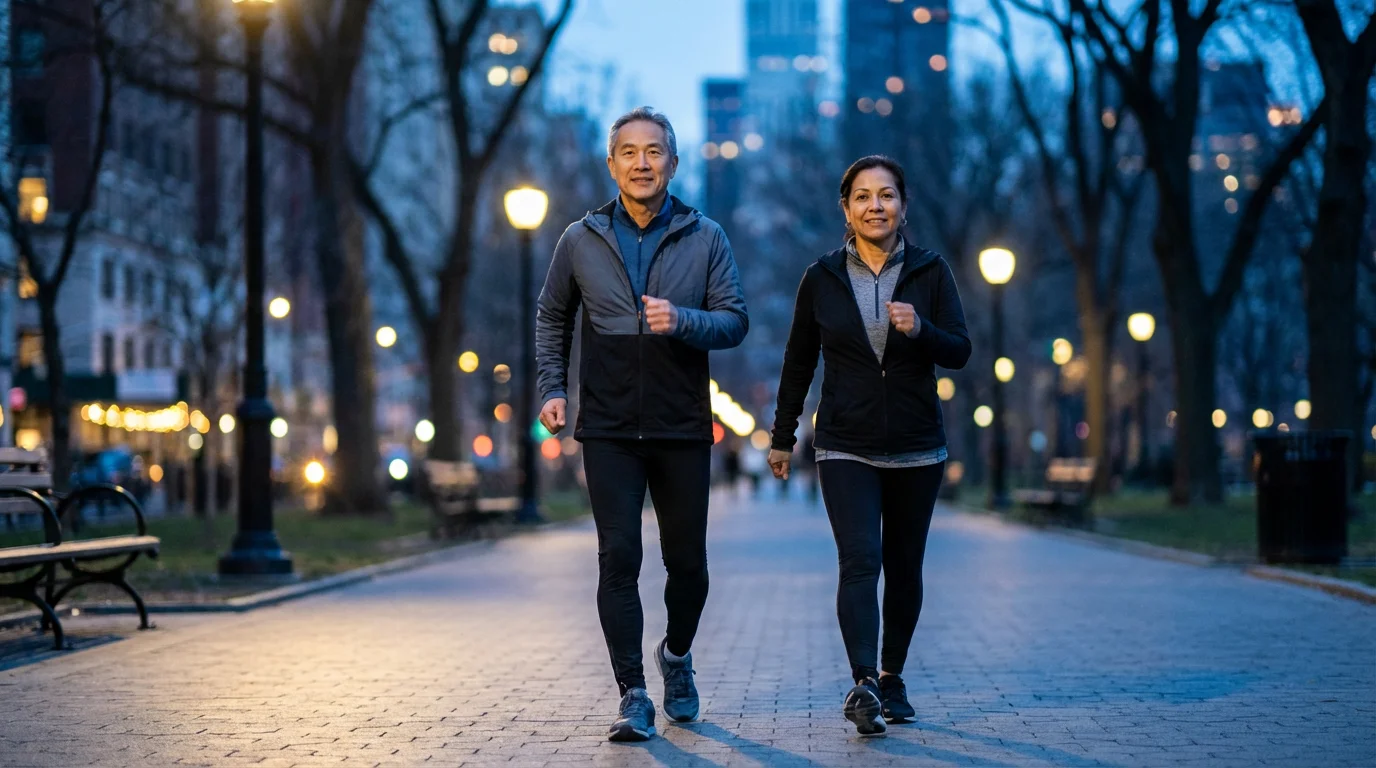
- Brisk Walking: Accessible and effective. Start with 15-minute walks and gradually increase duration and pace.
- Swimming or Water Aerobics: The buoyancy of water reduces impact on joints, making it ideal for those with arthritis or joint pain.
- Dancing: A joyful way to get your heart rate up, improve coordination, and engage socially.
- Cycling: Stationary bikes offer a safe, low-impact option. Outdoor cycling provides fresh air and scenery.
2. Strength Training: Building Muscle for Functionality
Strength training involves working your muscles against resistance, leading to increased muscle mass and bone density. This is crucial for maintaining independence in daily tasks, such as lifting groceries or climbing stairs. Include strength training exercises at least twice a week.
Many worry about becoming bulky, but senior strength training focuses on functional strength, enhancing your ability to perform everyday activities with ease. It is about building resilience, not just muscle.
Best Exercises Seniors Can Do for Strength:
- Chair Squats: Stand in front of a sturdy chair, slowly lower yourself as if to sit, then stand back up. Keep your back straight.
- Wall Push-Ups: Stand facing a wall, place your hands shoulder-width apart on the wall, and lean in, bending your elbows. Push back to the starting position.
- Bicep Curls (with light weights or resistance bands): Hold a light weight or band, curl your arm up towards your shoulder, then slowly lower.
- Leg Raises: While seated or standing, slowly raise one leg straight out in front or to the side, hold, then lower.
- Resistance Band Rows: Loop a resistance band around a sturdy object or under your feet, pull the band towards your chest, squeezing your shoulder blades.
3. Flexibility: Maintaining Range of Motion
Flexibility exercises stretch your muscles and connective tissues, increasing your range of motion around joints. This prevents stiffness, reduces the risk of injury, and makes everyday movements feel more fluid. Incorporate gentle stretching into your routine most days of the week.
Consider the ease with which you reach for items on a high shelf or tie your shoes. Flexibility contributes directly to these simple, yet vital, actions. It is about maintaining your body’s natural grace.
Best Exercises Seniors Can Do for Flexibility:
- Neck Stretches: Gently tilt your head side to side and ear to shoulder.
- Shoulder Rolls: Roll your shoulders forward and backward in a circular motion.
- Triceps Stretch: Reach one hand over your shoulder, bending your elbow, and gently press the elbow down with the opposite hand.
- Hamstring Stretch: Sit on the floor or a chair with one leg extended, gently lean forward from your hips, reaching towards your toes.
- Calf Stretches: Stand facing a wall, place one foot back, keeping the heel down, and lean forward.
4. Balance: Preventing Falls and Enhancing Stability
Balance exercises improve your stability and coordination, significantly reducing your risk of falls. As you age, maintaining good balance becomes increasingly important for safety and confidence. Practice balance exercises regularly, ideally every day.
Imagine walking confidently on uneven surfaces or navigating a crowded room without concern. Strong balance allows you to move through life with greater assurance and poise. It protects your independence.
Best Exercises Seniors Can Do for Balance:
- Standing on One Foot: Hold onto a sturdy chair or wall, lift one foot off the ground, and hold for 10-30 seconds. Switch legs.
- Heel-to-Toe Walk: Walk in a straight line, placing the heel of one foot directly in front of the toes of the other.
- Tai Chi: This ancient Chinese practice combines slow, flowing movements with deep breathing, excellent for balance, flexibility, and mental calm.
- Chair Stand with No Hands: Practice standing from a seated position without using your hands.

Integrating Physical Activity into Your Daily Life
Making `physical activity` a natural part of your day, rather than a separate obligation, is key to long-term success. Look for opportunities to move more, even in small increments. These small changes accumulate into significant health benefits over time, enhancing your overall vitality.
Consider your daily routines and identify moments where you can add movement. These simple shifts can transform a sedentary habit into an active one. Your commitment to movement becomes a seamless part of your lifestyle.
Practical Tips for Daily Integration:
- Take the Stairs: Opt for stairs instead of elevators or escalators whenever possible.
- Park Further Away: Choose a parking spot a bit further from your destination to add extra steps.
- Walk While Talking: If you are on the phone, walk around your home or garden instead of sitting.
- Active Chores: Embrace gardening, vacuuming, or other household tasks as opportunities for movement.
- Movement Breaks: If you spend time sitting, set a timer to stand and move every hour for a few minutes.
- Explore Your Neighborhood: Discover new walking paths, parks, or scenic routes in your local area.
Finding Joy and Community in Exercise Classes
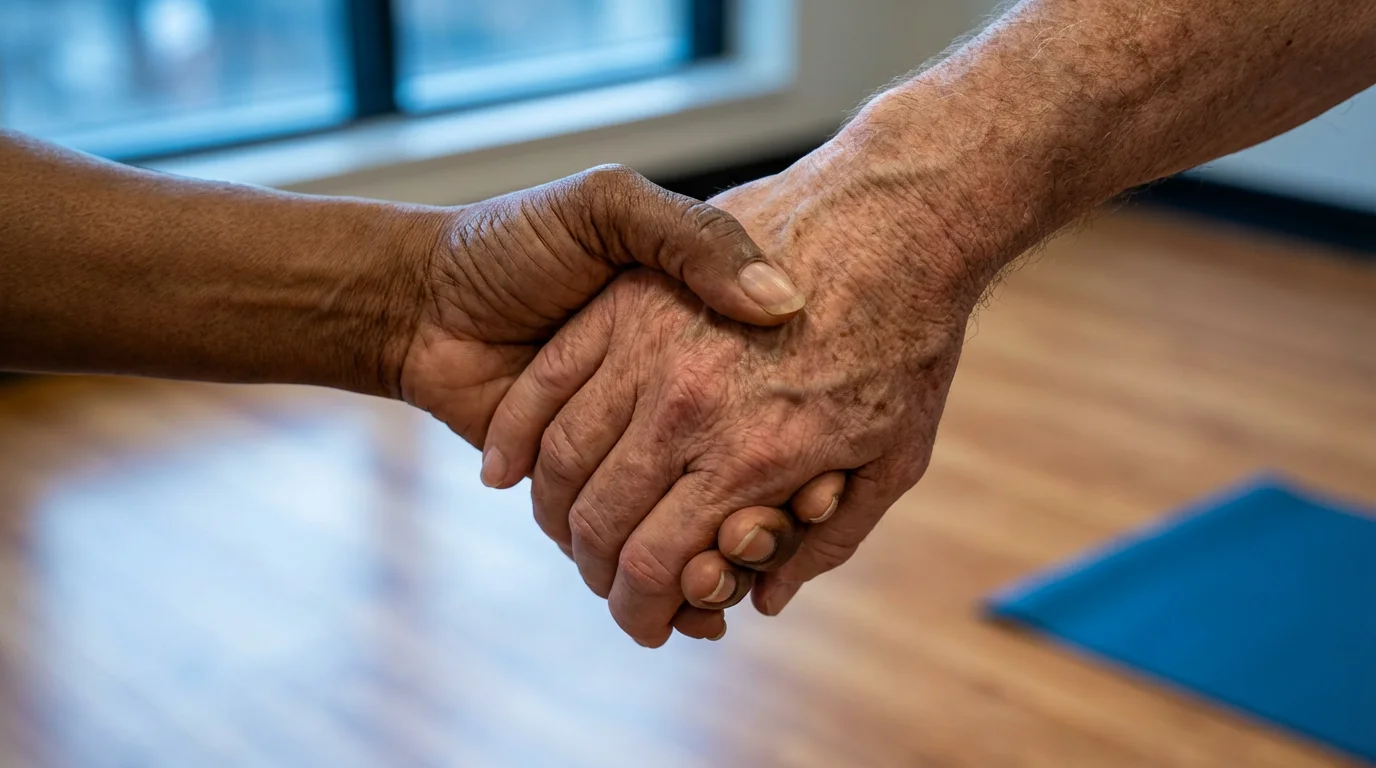
Group `exercise classes` offer a wonderful blend of structured physical activity, expert guidance, and invaluable social interaction. These classes provide motivation, accountability, and a sense of belonging. The shared experience makes fitness enjoyable and sustainable.
Many community centers, gyms, and senior-specific organizations offer a wide array of classes tailored to different fitness levels and interests. Exploring these options can introduce you to new activities and new friends. Remember that the journey is as important as the destination.
Popular Exercise Classes for Seniors:
- Senior-Specific Aerobics: Low-impact cardio designed to protect joints while boosting heart health.
- Chair Yoga or Chair Pilates: Modified versions of yoga and Pilates that provide support and make exercises accessible.
- Zumba Gold: A lower-intensity, easy-to-follow dance fitness program adapted for active older adults.
- Tai Chi or Qigong: Gentle, flowing movements that enhance balance, flexibility, and mental calm.
- Water Aerobics: Excellent for joint support and full-body conditioning, often available at local pools.
- Walking Groups: A simple, effective way to combine social time with cardiovascular exercise. Many communities have organized groups.
Discovering `exercise classes` that resonate with your interests creates an enjoyable routine. Connecting with others who share your commitment to active living amplifies the benefits. The supportive environment often fosters lasting friendships and shared experiences.

Overcoming Common Challenges and Staying Motivated
Even with the best intentions, maintaining a consistent fitness routine can present challenges. It is natural to face moments of low motivation, physical discomfort, or simply the distractions of daily life. Recognizing these hurdles allows you to develop strategies for graceful persistence.
Remember that lapses are a part of any journey. The key is to acknowledge them without self-judgment and gently redirect your focus back to your goals. Your ability to adapt and persevere strengthens your resolve.
Strategies for Sustained Motivation:
- Set Realistic Goals: Start with achievable targets, such as walking for 10 minutes three times a week. Celebrate small victories to build momentum.
- Find an Accountability Partner: Exercising with a friend, spouse, or group provides encouragement and keeps you committed.
- Vary Your Routine: Introduce new activities or change your environment to prevent boredom and keep things fresh. This can involve trying different `exercise classes`.
- Reward Yourself (Non-Food): Acknowledge your efforts with a new book, a relaxing bath, or a pleasant outing after reaching a milestone.
- Focus on How You Feel: Remind yourself of the immediate benefits, such as increased energy, improved mood, or better sleep, which serve as powerful motivators.
- Keep a Journal: Track your progress, note improvements, and reflect on how `senior fitness` impacts your daily life. This visual record can be incredibly inspiring.
Mindful Movement for Holistic Wellbeing
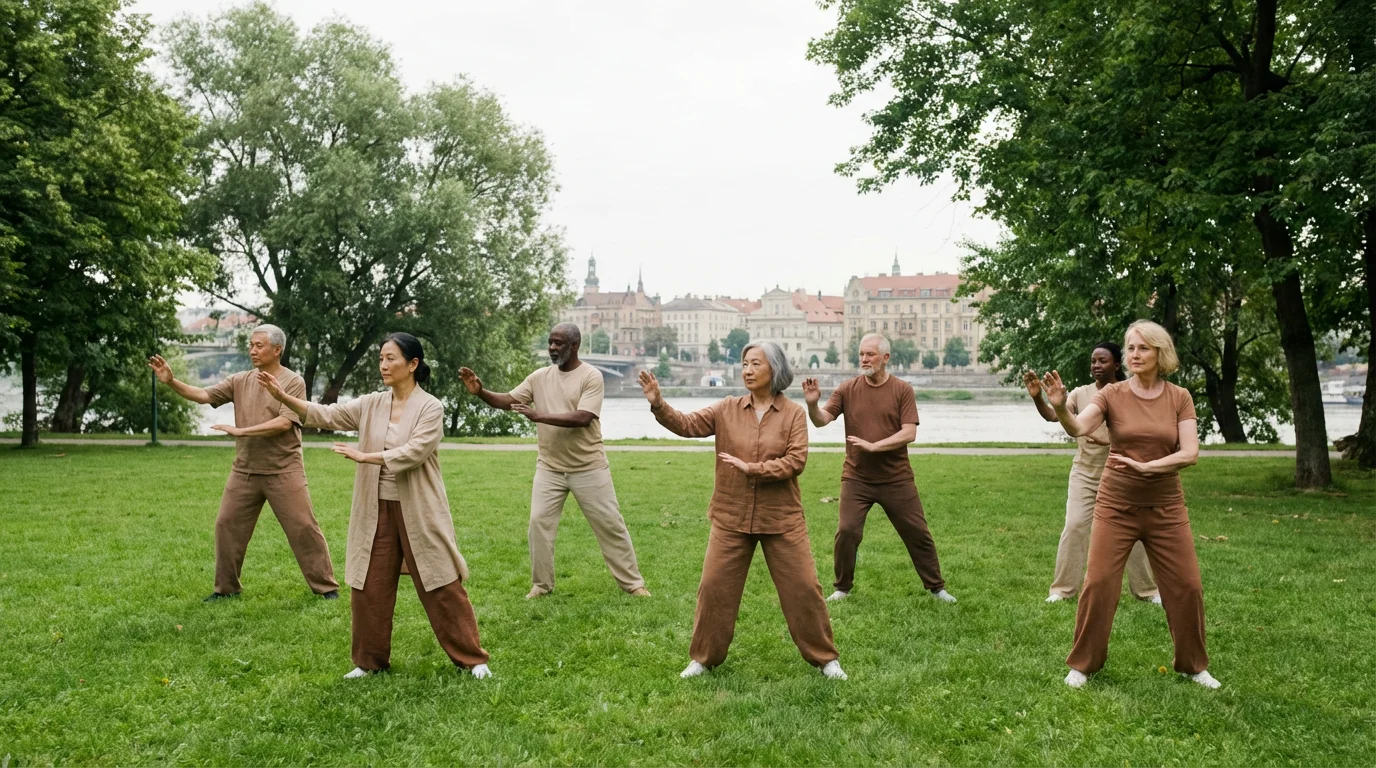
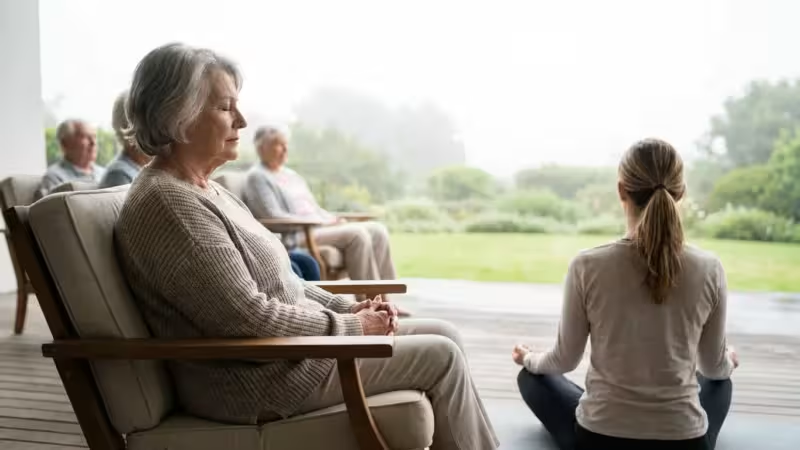
Beyond the physical benefits, mindful movement cultivates a deeper connection between your body and mind. Practices like yoga, Tai Chi, or even conscious walking encourage you to be present in the moment. You become more attuned to your bodily sensations and breath, fostering inner calm.
Embracing movement as a form of self-care and meditation transforms it into a profound source of peace and clarity. This holistic approach to `senior fitness` enhances not only your physical health, but also your emotional and spiritual equilibrium. It allows you to move through life with greater grace.
Consider dedicating a few minutes each day to simply moving with intention. Whether it is a gentle stretch upon waking, a quiet walk in nature, or focused breathing exercises, these moments contribute to a richer, more balanced existence. Cultivate this mindful awareness, and watch your well-being flourish.
Frequently Asked Questions
Is it ever too late to start a senior fitness routine?
No, it is never too late to begin prioritizing `physical activity`. Even small, consistent efforts yield significant health improvements, regardless of your age or previous fitness level. Your body is remarkably adaptable, and you can build strength and stamina at any stage of life. Consulting your doctor is a great first step to ensure you choose appropriate activities.
What are benefits of senior fitness for mental health?
The benefits for mental health are profound. Regular `senior fitness` helps reduce symptoms of anxiety and depression, improves mood, enhances cognitive function like memory and attention, and boosts self-esteem. Physical activity releases endorphins, natural mood lifters, which contribute to a greater sense of well-being and mental clarity.
How often should seniors engage in strength training?
Experts recommend that seniors engage in strength training exercises at least two to three times per week, with at least one day of rest between sessions. This allows your muscles time to recover and rebuild. Start with light weights or resistance bands and gradually increase the challenge as you get stronger, focusing on proper form over heavy lifting.
Can exercise help with chronic pain or arthritis?
Yes, `physical activity` often plays a crucial role in managing chronic pain and arthritis. Gentle, low-impact exercises like swimming, walking, yoga, or Tai Chi can improve joint flexibility, strengthen surrounding muscles for better support, and reduce inflammation. Always consult your doctor or a physical therapist to determine the safest and most effective exercises for your specific condition.
Disclaimer: This article is for informational and inspirational purposes. Life decisions are deeply personal, and we encourage readers to consult with appropriate professionals—whether healthcare providers, counselors, or financial advisors—for guidance specific to their circumstances.




[…] Physical Well-being: Beyond mental benefits, these practices can influence physical health. Many individuals report better sleep quality, reduced chronic pain perception, and even a […]