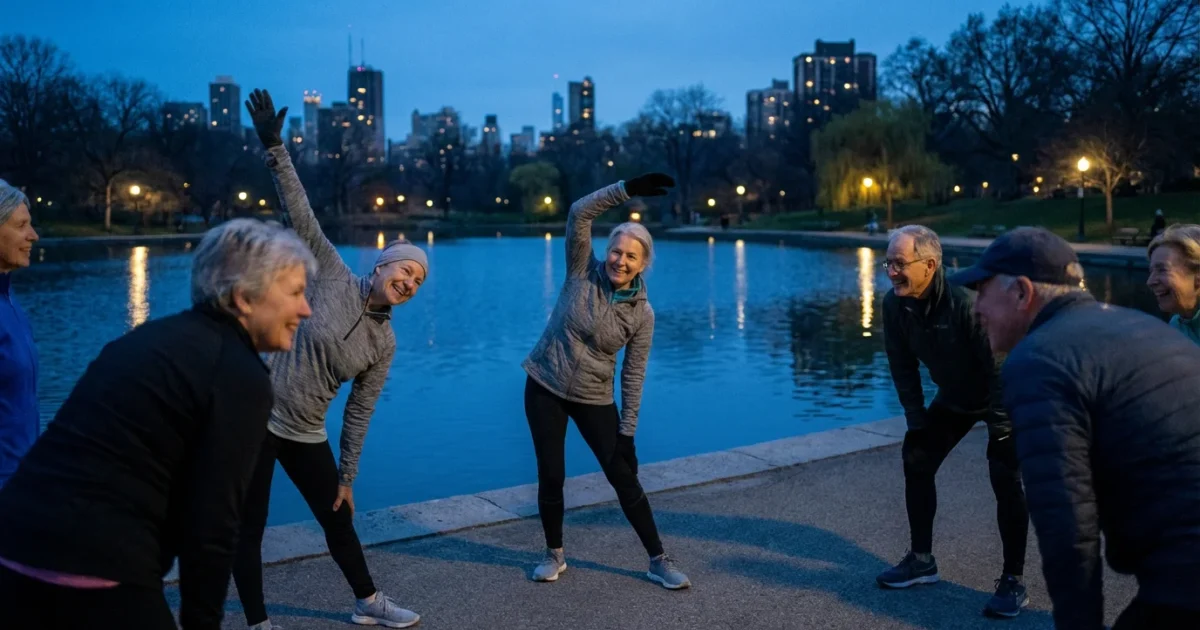
Your retirement years represent a vibrant canvas, a period ripe for intentional living and renewed purpose. Many envision this time as an opportunity for personal growth, meaningful connections, and the pursuit of passions. Central to living your best life during this golden chapter is maintaining your physical vitality. Regular exercise does more than keep your body moving; it fuels your spirit, sharpens your mind, and deepens your capacity for joy and engagement.
Embracing a lifestyle of consistent movement allows you to greet each day with energy and grace. This article empowers you with practical insights and actionable strategies to weave beneficial activity into your daily routine, ensuring your golden years are lived with strength, enthusiasm, and enduring wellness. You possess the power to shape a future where every moment is a testament to your active, purposeful life.
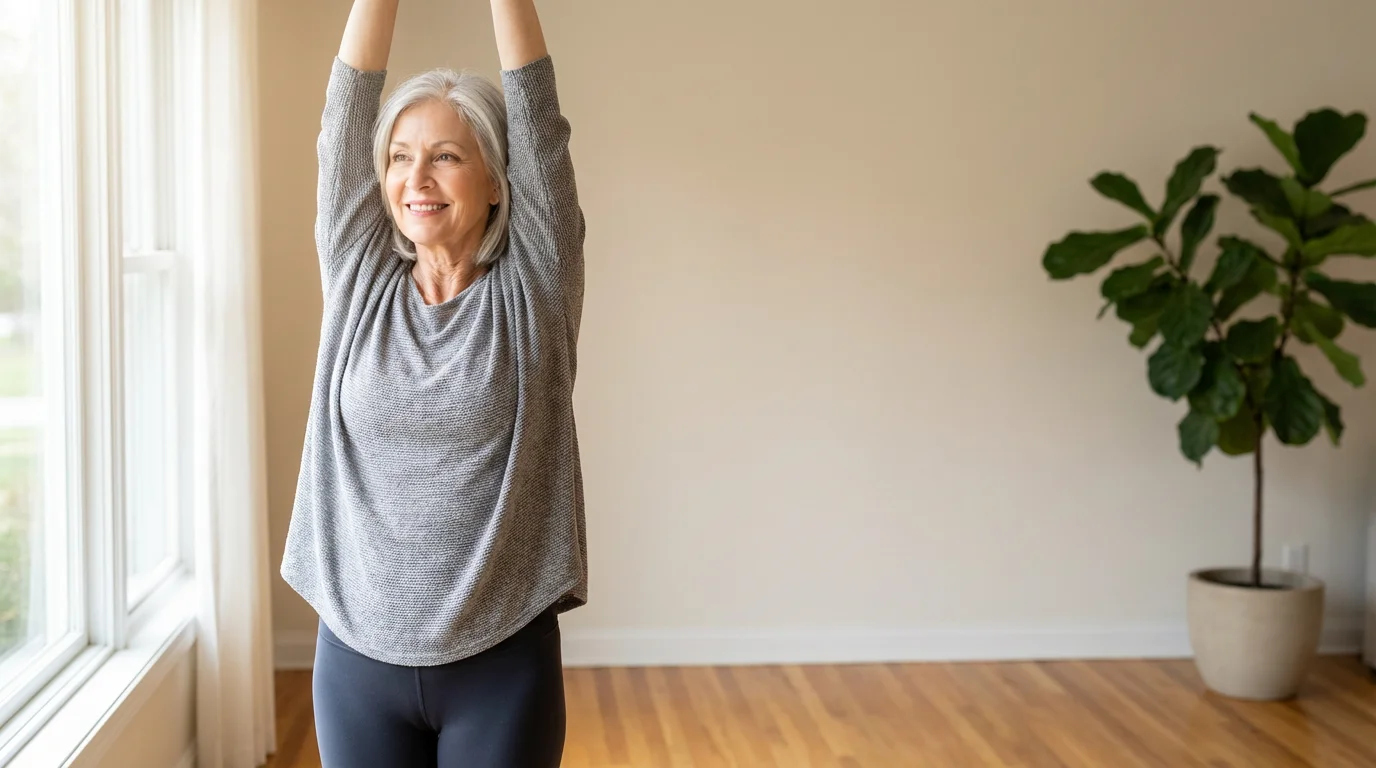
Embracing Movement as a Cornerstone of Graceful Aging
Aging is an art, and graceful aging involves intentional cultivation of your physical and mental well-being. You hold the unique perspective of accumulated wisdom, and now you have the opportunity to apply that wisdom to nurturing your body. Think of movement not as a chore, but as a celebration of your capabilities and a vital investment in your future.
Many people recall their younger, more agile selves. While bodies change over time, your capacity for strength, flexibility, and endurance remains remarkably resilient. You can redefine what active living means for you today, fostering a relationship with your body built on appreciation and gentle encouragement. What new forms of movement might bring you joy?
“Age is an issue of mind over matter. If you don’t mind, it doesn’t matter.” — Mark Twain
This perspective frees you from limiting beliefs and invites you to explore the vast possibilities within your reach. Embrace this philosophy as you embark on, or recommit to, your journey of retirement fitness. Your commitment to staying active now pays dividends in vitality, independence, and an enriched quality of life.
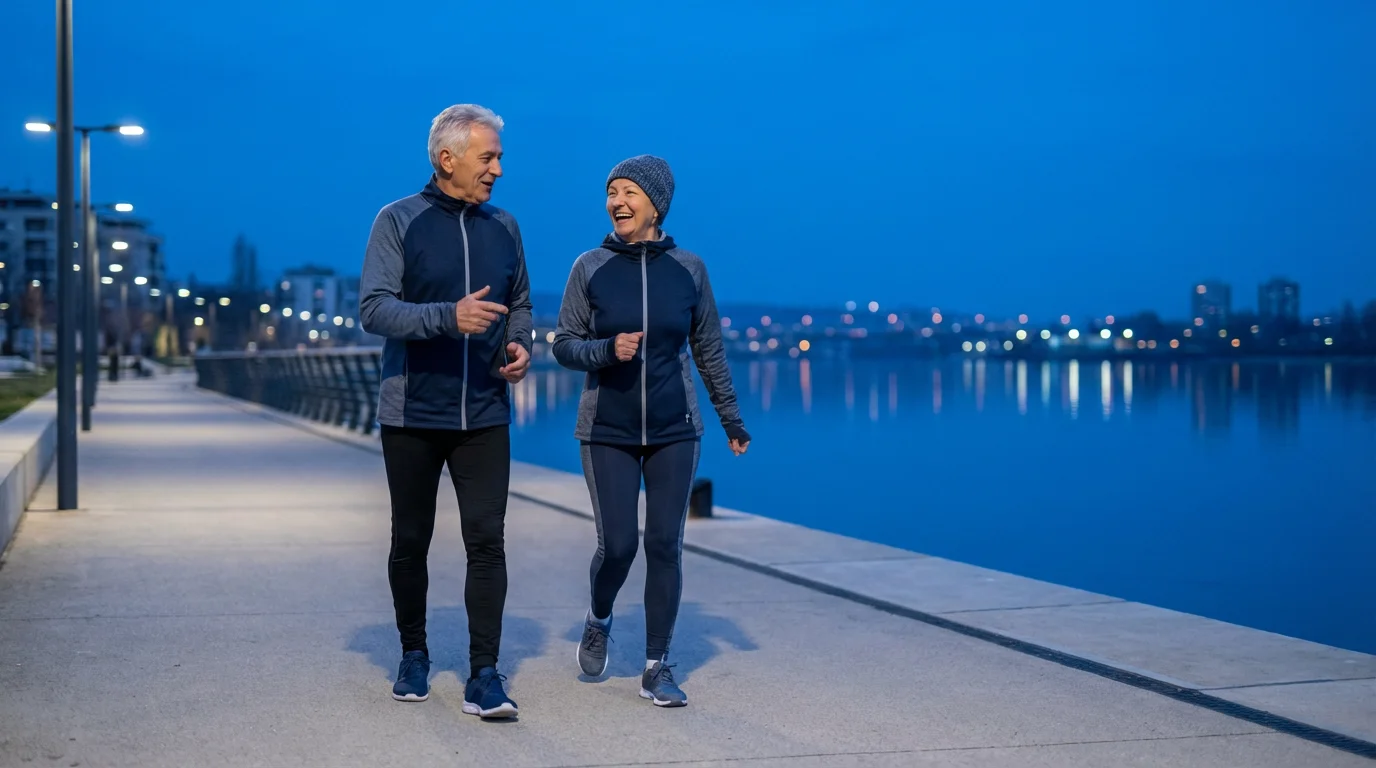
The Profound Benefits of Retirement Fitness
The decision to prioritize regular senior exercise yields an impressive array of benefits, extending far beyond physical strength. You invest in your overall well-being, enhancing both your current enjoyment and your long-term health trajectory. Research consistently demonstrates the transformative power of consistent activity for those in their golden years.
Consider the comprehensive advantages you gain by incorporating movement into your daily life:
- Enhanced Cardiovascular Health: Regular aerobic activity strengthens your heart and lungs, improving circulation and reducing the risk of heart disease and stroke. You maintain a robust internal engine, crucial for sustained energy.
- Increased Strength and Bone Density: Weight-bearing and resistance exercises build muscle mass, which naturally declines with age. This also helps preserve bone density, lowering your risk of osteoporosis and fractures. You protect your skeletal framework, maintaining stability and resilience.
- Improved Flexibility and Balance: Activities that promote flexibility, such as stretching and Tai Chi, increase your range of motion and reduce stiffness. Better balance significantly lowers your risk of falls, a major concern for older adults. You move with greater ease and confidence.
- Sharper Cognitive Function: Physical activity boosts blood flow to the brain, supporting memory, attention, and problem-solving skills. Staying active contributes significantly to healthy aging by helping to preserve cognitive vitality. You keep your mind sharp and engaged.
- Elevated Mood and Reduced Stress: Exercise releases endorphins, natural mood elevators, helping to combat feelings of anxiety and depression. It provides a healthy outlet for stress and promotes better sleep quality. You nurture your emotional well-being.
- Greater Independence: By maintaining physical capabilities, you sustain your ability to perform daily tasks with ease, from carrying groceries to playing with grandchildren. This preserves your autonomy and enhances your quality of life.
You actively shape a future filled with vibrant health and unwavering self-reliance. The National Institute on Aging provides extensive resources on these benefits, underscoring the vital link between physical activity and longevity, and encouraging older adults to stay fit in retirement. You can explore their guidance for more detailed information.
Crafting Your Personalized Retirement Fitness Plan
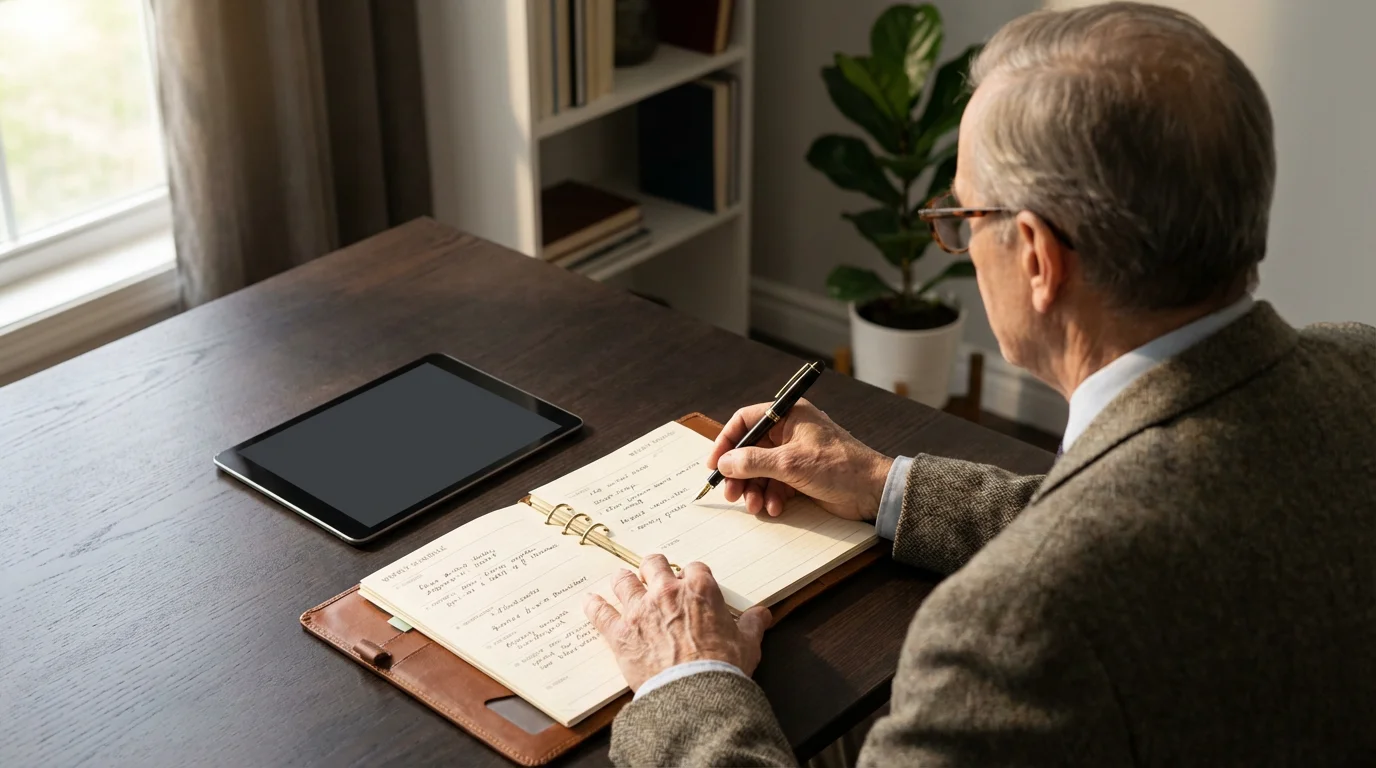
Building a successful retirement fitness routine begins with personalization. Your unique health history, preferences, and goals form the foundation of an effective and enjoyable plan. You want to create a regimen that feels sustainable and empowering, not restrictive.
To keep your motivation high, consider crafting a retirement vision board that visually represents your fitness milestones and long-term health aspirations.
Follow these steps to develop a fitness plan tailored just for you:
- Consult Your Healthcare Provider: Before starting any new exercise program, discuss your plans with your doctor. They assess your current health, identify any potential limitations, and offer personalized recommendations. This crucial first step ensures your safety and optimizes your efforts.
- Define Your Goals: What do you hope to achieve? Do you want to walk a 5K, improve your balance, or simply have more energy for daily activities? Specific, measurable goals provide direction and motivation. You give your efforts a clear purpose.
- Start Gradually: If you are new to exercise or returning after a break, begin with short durations and low intensity. Gradually increase the time, frequency, and intensity as your fitness improves. This approach prevents injury and builds confidence.
- Prioritize Enjoyment: Choose activities you genuinely find pleasurable. If exercise feels like a burden, you are less likely to stick with it. Experiment with different types of movement until you discover what truly resonates with you. Your enjoyment fuels your consistency.
- Listen to Your Body: Pay attention to how your body responds to exercise. Some muscle soreness is normal, but sharp pain indicates you should stop. Adjust your routine as needed, honoring your body’s signals. This mindful approach prevents overtraining and injury.
- Incorporate Variety: A well-rounded program includes different types of exercise. Varying your activities challenges different muscle groups and prevents boredom. You keep your routine fresh and engaging.
By thoughtfully constructing your plan, you lay the groundwork for a sustainable and rewarding journey toward optimal health. This thoughtful preparation empowers you to stay fit in retirement, maximizing your well-being.
Exploring Effective Senior Exercise Modalities
A wide range of senior exercise options exists, designed to cater to varying fitness levels and preferences. The key lies in discovering activities that you enjoy and that effectively support your health goals. Focusing on low impact exercises is often beneficial, as these reduce stress on your joints while still providing significant physical benefits.
If you enjoy the camaraderie of others, joining social groups focused on walking or hiking can provide both exercise and meaningful connection.
Remember that physical effort must be paired with proper nutrition for seniors to ensure your body has the fuel it needs for optimal performance.
Consider integrating these categories of movement into your retirement fitness routine:
- Aerobic (Cardiovascular) Exercises: These activities elevate your heart rate, improving cardiovascular health and endurance.
- Brisk Walking: Accessible and effective, walking requires minimal equipment. You can enjoy it outdoors or on a treadmill. Aim for a pace that allows you to talk but makes singing difficult.
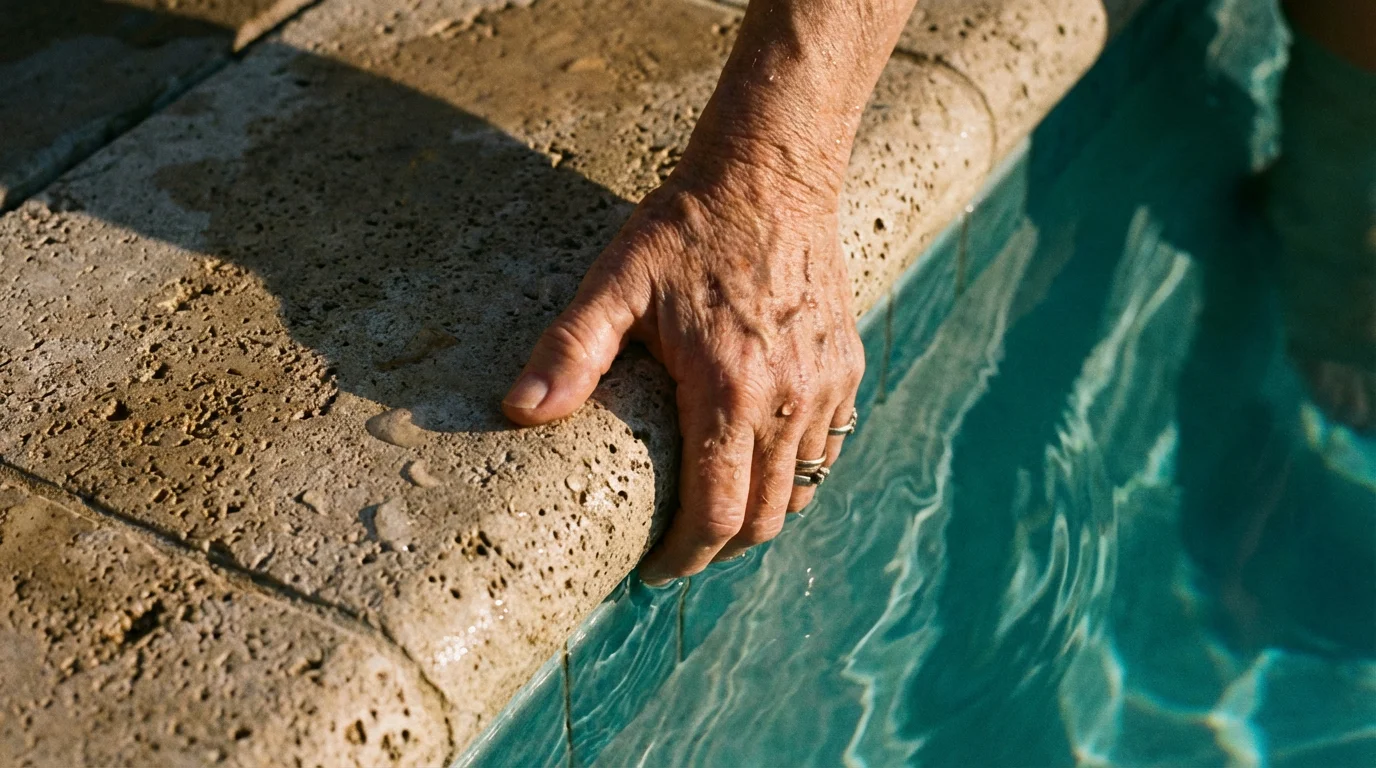
- Swimming or Water Aerobics: The buoyancy of water reduces impact on joints, making these excellent low impact exercises for individuals with arthritis or joint pain. You gain full-body conditioning with less strain.
- Cycling: Whether on a stationary bike or a traditional bicycle, cycling strengthens your legs and heart without high impact. You explore your neighborhood or enjoy an indoor workout.
- Dancing: From ballroom to line dancing, dancing is a joyful way to improve cardiovascular health, coordination, and mood. You turn exercise into a delightful social activity.
- Strength Training: Building and maintaining muscle mass is critical for metabolism, bone health, and functional strength.
- Bodyweight Exercises: Squats, lunges, push-ups against a wall, and chair stands effectively build strength using your own body as resistance. You can perform these anywhere, anytime.
- Resistance Bands: These versatile tools offer adjustable resistance for a full-body workout. They are portable and gentle on joints. You can easily modify exercises to suit your strength level.
- Light Weights: Hand weights or small dumbbells increase the challenge for exercises targeting arms, shoulders, and legs. You gradually increase the weight as you grow stronger.
- Flexibility and Balance Exercises: These improve your range of motion, prevent stiffness, and significantly reduce the risk of falls.
- Stretching: Gentle stretches for all major muscle groups should be incorporated daily, holding each stretch for 20-30 seconds. You increase your suppleness and ease of movement.
- Yoga: Modified yoga poses enhance flexibility, strength, and balance while promoting mental calm. Many studios offer senior-friendly classes. You connect mind and body.
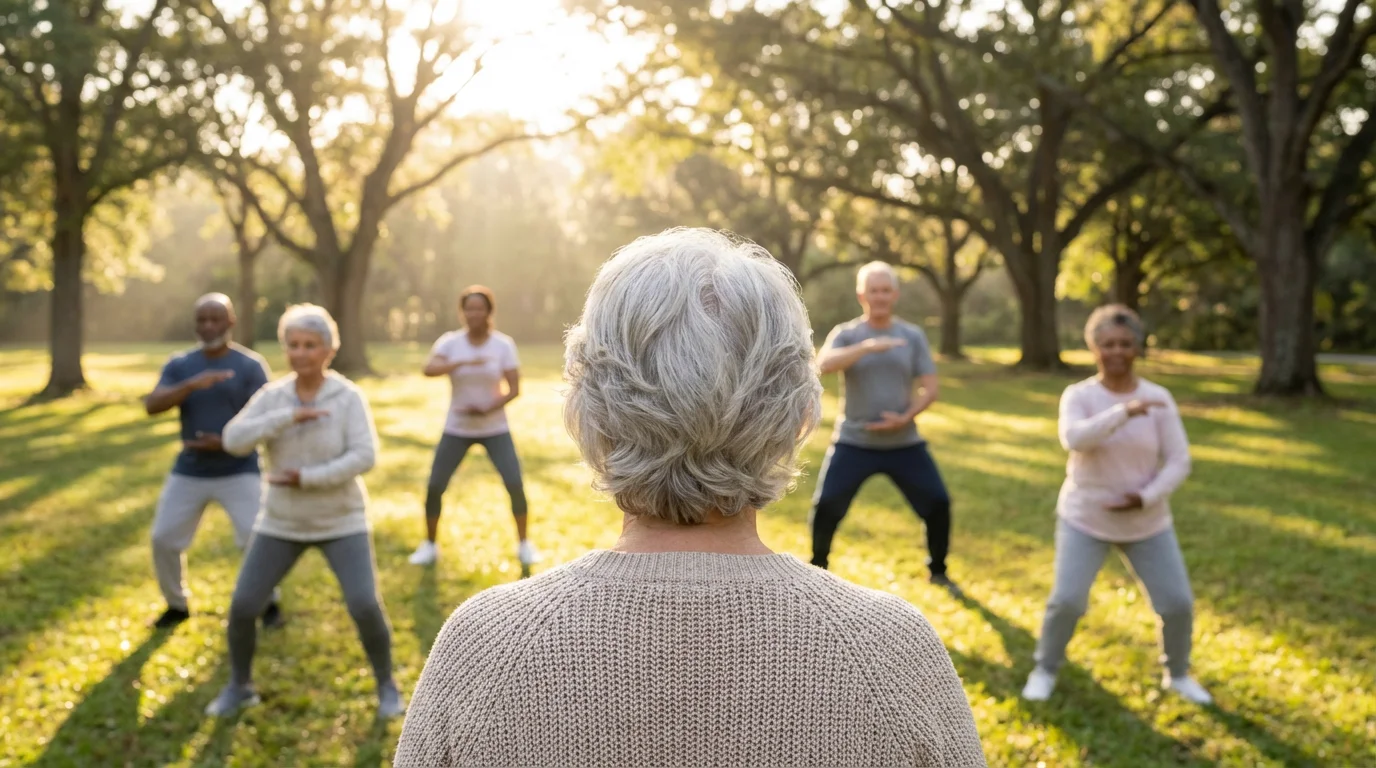
- Tai Chi: This ancient Chinese practice consists of slow, deliberate movements that significantly improve balance, flexibility, and muscle strength. It also offers meditative benefits. You cultivate inner calm and physical grace.
- Balance Drills: Simple exercises like standing on one leg (with support initially) or heel-to-toe walking directly target and improve your balance. You build confidence in your stability.
By thoughtfully combining these exercise types, you create a comprehensive program that addresses all aspects of physical fitness. This multi-faceted approach ensures you stay fit in retirement, enjoying a wide range of activities with ease and confidence.
Overcoming Common Hurdles to Staying Active
Even with the best intentions, you might encounter obstacles on your journey to consistent senior exercise. Recognizing these common hurdles allows you to proactively develop strategies to overcome them, maintaining your momentum and commitment to healthy aging.
Consider these frequent challenges and their practical solutions:
- Lack of Motivation: It is easy to lose enthusiasm.
- Solution: Find an exercise buddy, join a class, or set up a reward system for milestones. Vary your routine to prevent boredom. Connect your exercise to a larger purpose, such as maintaining energy for travel or hobbies.
- Pain or Discomfort: Concerns about exacerbating existing conditions or developing new aches can deter activity.
- Solution: Consult your doctor for personalized advice. Focus on low impact exercises, and listen intently to your body. Modify movements to reduce strain. Consider activities like water exercise or gentle yoga.
- Time Constraints: Even in retirement, your days fill quickly.
- Solution: Break up your activity into shorter, manageable segments throughout the day, such as three 10-minute walks. Schedule exercise like any other important appointment. Remember, even small bouts of movement add up.
- Fear of Injury: A past fall or injury can create apprehension about movement.
- Solution: Work with a physical therapist or certified personal trainer experienced in senior fitness. Begin with exercises that improve balance and stability, always using appropriate support. Confidence grows with safe, consistent practice.
- Social Isolation: Exercising alone can sometimes feel uninspiring.
- Solution: Seek out group fitness classes, walking clubs, or volunteer opportunities that involve physical activity. Exercise offers a wonderful avenue for social connection and community engagement.
What challenges have you faced in the past regarding physical activity? How might you reframe these challenges into opportunities for growth and ingenuity? Your resilience and willingness to adapt are your greatest assets in staying active and healthy.

Nutrition and Hydration: Fueling Your Active Lifestyle
Exercise and nutrition form an inseparable partnership in supporting your healthy aging journey. You cannot out-exercise a poor diet. Just as movement strengthens your body, nutrient-rich foods provide the essential building blocks and energy you need to perform optimally and recover effectively.
Focus on these nutritional pillars to complement your retirement fitness efforts:
- Balanced Meals: Prioritize whole, unprocessed foods. Include lean proteins for muscle repair, complex carbohydrates for sustained energy, and healthy fats for overall cellular function. A colorful array of fruits and vegetables delivers vital vitamins, minerals, and antioxidants.
- Adequate Protein Intake: As you age, your body requires more protein to maintain muscle mass. Incorporate sources like fish, poultry, beans, lentils, and dairy products into your daily meals. This supports the muscle development you gain from senior exercise.
- Hydration is Key: Water plays a critical role in every bodily function, including joint lubrication, nutrient transport, and temperature regulation. Drink plenty of water throughout the day, even if you do not feel thirsty. Dehydration diminishes energy and impairs performance.
- Bone Health Nutrients: Ensure you consume sufficient calcium and Vitamin D to support strong bones, especially important for preventing osteoporosis. Dairy, leafy greens, and fortified foods are excellent sources.
By nourishing your body with intention, you provide the optimal fuel for your active pursuits. This holistic approach significantly enhances your capacity to stay fit in retirement, allowing you to enjoy your golden years with sustained energy and vigor.
The Joy of Movement: Making Fitness a Social and Purposeful Act
Exercise transcends mere physical activity. It offers a profound avenue for connection, joy, and purpose. When you infuse your movement with social interaction or align it with meaningful pursuits, your commitment to healthy aging becomes an even richer and more fulfilling experience. You elevate exercise from a task to an integral part of your vibrant life.
Explore opportunities to make fitness a communal and purposeful endeavor:
- Join a Group Class: From yoga to Zumba Gold, group classes offer structured workouts, expert guidance, and the camaraderie of shared effort. You meet new people and find motivation in a supportive environment.
- Form a Walking Club: Gather friends or neighbors for regular walks in your local park or community. This combines physical activity with social interaction, making exercise enjoyable and consistent.
- Engage in Active Hobbies: Think about hobbies that naturally involve movement, such as gardening, hiking, dancing, or birdwatching. When your passion drives your activity, you hardly notice you are exercising.
- Volunteer Actively: Many volunteer roles involve physical movement, such as assisting at a local animal shelter, helping with community clean-up efforts, or participating in charity walks. You contribute to a cause while staying active. AARP offers resources for finding active volunteer opportunities in your community.
- Play with Grandchildren: Interacting with younger generations through active play, like chasing a ball or going to the park, provides wonderful exercise and strengthens family bonds.
By connecting your desire to stay active with your social instincts and sense of purpose, you create a sustainable and deeply rewarding path to retirement fitness. You discover that movement is not just about strengthening your body, it is about enriching your entire life.
Frequently Asked Questions
How much exercise do retirees need each week?
Most health guidelines recommend that you aim for at least 150 minutes of moderate-intensity aerobic activity, such as brisk walking, or 75 minutes of vigorous-intensity aerobic activity each week. Additionally, include muscle-strengthening activities that work all major muscle groups at least two days a week. Listen to your body and spread your activity throughout the week, even if it is in short bursts.
What if I have chronic pain or arthritis? Can I still exercise?
Absolutely, you can still exercise, and it is often highly beneficial for managing chronic pain and arthritis. Always consult your doctor or a physical therapist first to get tailored recommendations. They can guide you toward low impact exercises like swimming, water aerobics, cycling, or gentle yoga, which reduce stress on your joints. These activities can improve flexibility, strength, and reduce pain over time.
Is it ever too late to start an exercise program in retirement?
No, it is never too late to begin prioritizing your physical health. Studies consistently show that individuals who start exercising later in life still reap significant health benefits, including improved cardiovascular health, increased strength, better balance, and enhanced cognitive function. Starting gradually and consistently is more important than your age when you begin.
How can I stay motivated to exercise regularly?
Motivation often comes from making exercise enjoyable and integrating it seamlessly into your life. Try finding an exercise partner, joining a group class, or discovering activities you genuinely love, like dancing or gardening. Set realistic goals, track your progress, and celebrate small victories. Remind yourself of the profound benefits you gain, from increased energy to greater independence, fueling your commitment to healthy aging.
What is the most important type of exercise for retirees?
The most effective approach for retirees involves a balanced combination of different exercise types. Aerobic activity supports your heart, strength training builds muscle and bone, and flexibility and balance exercises prevent falls and improve mobility. While all are important, integrating low impact exercises across these categories offers comprehensive benefits, ensuring you address all aspects of your physical well-being. Focus on consistency and variety for optimal results.
Your retirement years unfold as a precious chapter, offering unparalleled opportunities for personal fulfillment. By embracing regular movement and prioritizing your physical well-being, you unlock a deeper capacity for joy, purpose, and graceful living. You possess the wisdom and determination to shape an active future, one where vitality is your constant companion and every day is an invitation to thrive.
Disclaimer: This article is for informational and inspirational purposes. Life decisions are deeply personal, and we encourage readers to consult with appropriate professionals, whether healthcare providers, counselors, or financial advisors, for guidance specific to their circumstances.







[…] Stay Active: Incorporate light walking or stretching into your routine. Consider compression stockings for long flights to promote circulation. […]