
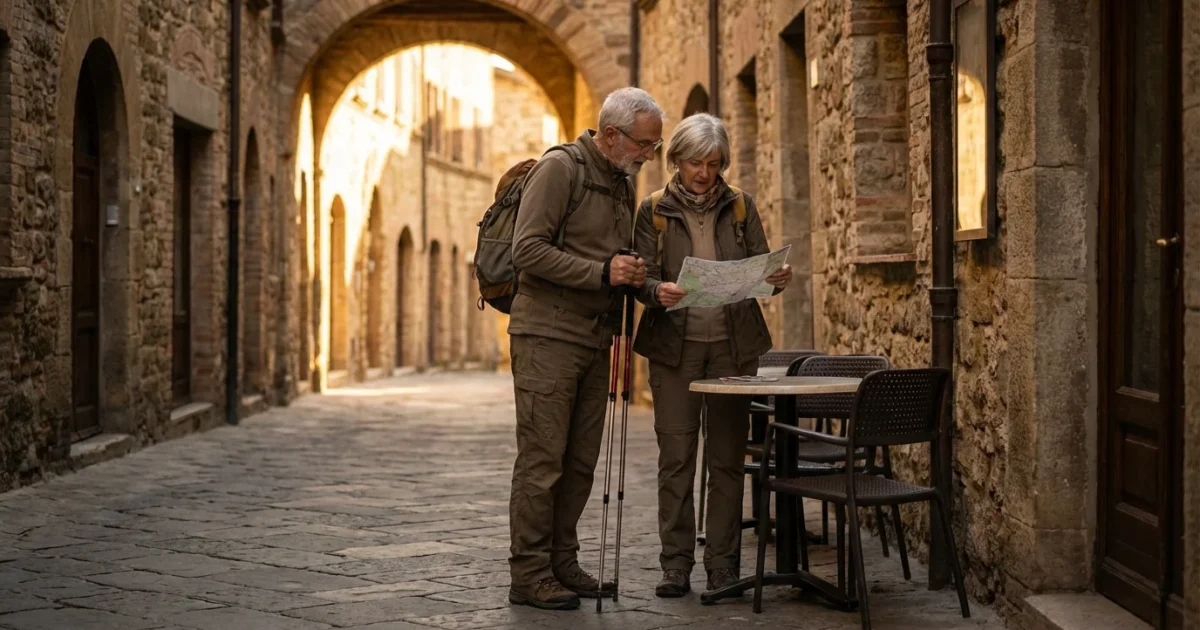
Retirement opens a magnificent chapter, inviting you to explore new horizons and rekindle a sense of adventure. This season of life presents an unparalleled opportunity for discovery, offering the freedom to travel at your own pace, delve into cultures, and create cherished memories. Imagine the landscapes you could witness, the stories you could gather, and the personal growth awaiting you beyond your familiar surroundings.
Embracing the world through travel enhances your vitality and broadens your perspective. It challenges you gracefully, fostering adaptability and a renewed appreciation for life’s wonders. As you contemplate your next journey, consider how thoughtful planning and practical insights can transform your retirement vacation into an enriching, safe, and truly enjoyable experience.

Embrace the Freedom of the Open Road, Sky, or Sea
Retirement ushers in a period of unprecedented personal freedom. You dictate your schedule, choosing when to embark on adventures and where your curiosity leads. This liberty allows for deeper immersion in destinations, fostering a richer understanding of the places you visit.
For those looking to give back while seeing the world, volunteer vacations for retirees offer a meaningful way to combine service with exploration.
Consider the joy of waking in a new city without the rush of a workday, or spending an extra day by a tranquil lake simply because you wish to. Senior travel provides this cherished flexibility, transforming trips from mere vacations into profound life experiences. What new landscapes call to your spirit?

Planning Your Retirement Adventure: Start Smart
Thorough preparation forms the bedrock of any successful journey, particularly for a retirement vacation. Beginning your planning well in advance offers numerous benefits, from securing better deals to alleviating last-minute stress. Thoughtful foresight empowers you to design a trip that perfectly aligns with your desires and comfort levels.
Exploring the world can be more fun with peers, so consider joining social groups to find travel companions who share your interests.
Your travels can also serve as the perfect opportunity to scout potential new hometowns if you are considering retirement relocation for your future.
Take the time to research destinations, considering factors such as accessibility, climate, and local activities. Envision your ideal travel pace: do you prefer a leisurely exploration or a more active itinerary? Tailoring your trip to your preferences ensures maximum enjoyment and minimizes potential challenges.
Here are key planning steps for your next adventure:
- Define Your Travel Style: Determine if you prefer cruises, guided tours, independent travel, or visiting family. Each offers a unique experience.
- Set a Realistic Budget: Account for transportation, accommodation, food, activities, and an emergency fund. Knowing your financial parameters guides your choices.
- Choose Your Destination Wisely: Research weather, safety, accessibility, and local culture. Select places that resonate with your interests and physical capabilities.
- Consider Off-Peak Travel: Traveling during shoulder seasons often means fewer crowds, milder weather, and potentially lower costs.
- Book Accommodations and Flights in Advance: Secure preferred options and often better rates by booking well ahead, especially for popular destinations.

Prioritizing Your Health and Well-being on the Go
Maintaining your health remains paramount when you travel, ensuring a comfortable and enjoyable experience. Proactive steps concerning your physical and mental well-being before and during your trip safeguard your adventures. You deserve to explore the world feeling your best.
Understanding the importance of staying active in retirement will ensure you have the energy to fully enjoy every excursion.
Before departing, schedule a comprehensive check-up with your doctor. Discuss your travel plans, particularly if they involve different climates or activities. This consultation allows your physician to offer personalized advice and update necessary vaccinations.
Consider these health considerations for senior travel:
- Consult Your Physician: Discuss your itinerary, potential health risks, and ensure all vaccinations are current. Obtain a letter from your doctor if you carry specific medical devices or prescription medications.
- Pack All Medications: Keep prescriptions in their original containers, carry them in your hand luggage, and bring extra doses in case of delays. Know generic names for medications.
- Stay Hydrated and Nourished: Drink plenty of water, especially during flights and in warmer climates. Eat balanced meals to maintain energy levels.
- Prioritize Rest: Account for jet lag and allow your body time to adjust to new time zones. Do not overschedule your days.
- Stay Active: Incorporate light walking or stretching into your routine. Consider compression stockings for long flights to promote circulation.
- Manage Chronic Conditions: Understand how travel might affect conditions like diabetes or heart disease. Carry necessary medical supplies and information.

Ensuring Your Safety: Essential Travel Precautions
Travel safety forms a crucial component of enjoyable senior travel. Taking sensible precautions empowers you to navigate unfamiliar environments with confidence, allowing you to relax and immerse yourself fully in your experiences. Your peace of mind is invaluable on any journey.
In addition to safety, travel is a unique opportunity for building and maintaining connections with new friends and locals alike.
Research local customs and potential risks for your chosen destination. Understanding the environment helps you make informed decisions and avoid vulnerable situations. A well-prepared traveler enjoys a safer, more fulfilling adventure. For further practical advice on personal safety during travel, AARP offers valuable resources for seniors navigating the world safely at aarp.org.
To ensure you travel safely as a senior, implement these safety measures:
- Research Your Destination: Understand local laws, customs, and any current travel advisories. Know which areas to avoid.
- Secure Important Documents: Keep your passport, visas, and other vital papers in a secure, inaccessible place. Carry photocopies or digital copies separately.
- Inform a Trusted Contact: Share your itinerary with family or friends back home, and check in regularly.
- Be Aware of Your Surroundings: Pay attention to people and situations around you. Trust your instincts.
- Protect Your Valuables: Use a money belt or secure cross-body bag. Avoid openly displaying expensive jewelry or electronics.
- Use Reputable Transportation: Stick to licensed taxis, ride-shares, or public transport. Avoid unmarked vehicles.
- Home Security While Away: Arrange for mail collection, light timers, and inform trusted neighbors of your absence.
- Emergency Contacts: Keep a list of local emergency numbers, your embassy or consulate, and family contacts easily accessible.

Navigating Travel Insurance: Your Peace of Mind
Understanding your travel insurance options provides an essential layer of security for any retirement vacation. Unexpected events, from medical emergencies to trip cancellations, can arise, and adequate coverage protects your investment and well-being. This foresight ensures you enjoy your journey without undue financial worry.
Having the right coverage is a great way to manage financial anxiety and protect your hard-earned savings while exploring.
Before selecting a travel policy, it is wise to review your primary health insurance in retirement to see what domestic or international coverage you already possess.
Many seniors wonder, “What are the best travel insurance options?” The ideal policy depends on your specific needs, health status, and the nature of your trip. Thoroughly compare different plans, paying close attention to medical coverage, trip interruption benefits, and pre-existing condition clauses.
When evaluating options, consider these aspects of travel insurance:
- Medical Coverage: This is often the most critical aspect for seniors. Ensure it covers emergency medical treatment, hospital stays, and medical evacuation to your home country. Check for limits and exclusions.
- Pre-existing Conditions: If you have existing health issues, confirm that the policy covers them, often requiring purchase within a specific timeframe after your initial trip deposit.
- Trip Cancellation and Interruption: This reimburses non-refundable expenses if you must cancel or cut short your trip due to covered reasons like illness, family emergencies, or natural disasters.
- Baggage Protection: Covers lost, stolen, or delayed luggage, including reimbursement for essential items purchased while your bags are missing.
- Travel Delay Benefits: Provides coverage for unexpected costs, such as extra meals or accommodations, due to flight delays or missed connections.
- 24/7 Assistance: Look for policies offering round-the-clock emergency assistance, which can be invaluable when navigating unfamiliar situations abroad.

Smart Packing and Technology for the Modern Senior Traveler
Packing wisely and leveraging modern technology significantly enhances your travel comfort and convenience. A minimalist approach to packing lightens your load, making transitions smoother, while technology keeps you connected and informed. These practical considerations contribute to a more relaxed journey.
Don’t forget to pack any items related to discovering new joys and skills, such as a camera for photography or a sketchpad for drawing.
Focus on versatile, comfortable clothing suitable for various weather conditions and activities. Embrace the power of digital tools to simplify navigation, communication, and access to information. Thoughtful preparation in these areas allows you to fully enjoy your retirement vacation.
Here are smart packing and tech tips:
- Pack Light, Pack Smart: Choose versatile, quick-drying clothing that you can mix and match. Opt for layers to adapt to temperature changes.
- Comfortable Footwear is Key: Bring well-broken-in shoes suitable for walking and exploring. Your feet will thank you.
- Essentials in Your Carry-On: Include medications, a change of clothes, valuables, and important documents in your hand luggage.
- Leverage Smartphone Apps: Download maps for offline use, language translation apps, and communication tools like video calls to stay in touch with loved ones.
- Portable Power Bank: Keep your devices charged, especially when away from power outlets for extended periods.
- E-Reader or Tablet: Lighten your load by carrying digital books, magazines, or entertainment for downtime.
- Travel Adapters and Converters: Ensure you have the correct equipment for charging your electronics in different countries.

Connecting with Culture: Enriching Your Travel Experience
Beyond the picturesque sights, travel offers a profound opportunity to connect with different cultures. Engaging with local communities transforms a simple trip into an enriching educational experience, deepening your understanding of the world and yourself. Embrace the chance to step outside your comfort zone.
For a more immersive way to give back while you explore, consider volunteer vacations for retirees as a meaningful alternative to traditional sightseeing.
Seek out authentic experiences: sample local cuisine, visit markets, or participate in cultural workshops. These interactions foster a sense of connection and appreciation, leaving you with lasting memories and a broadened perspective. What new traditions might you discover?
“The world is a book, and those who do not travel read only one page.” — Saint Augustine
Embrace these ways to connect with local cultures:
- Engage with Locals: Learn a few basic phrases in the local language. A simple “hello” or “thank you” can open doors to friendly interactions.
- Explore Local Markets: Immerse yourself in the sights, sounds, and smells of local markets. They offer a true glimpse into daily life and regional produce.
- Try Authentic Cuisine: Step away from tourist traps and seek out local eateries. Food provides a direct link to a culture’s history and traditions.
- Attend Local Events: Look for festivals, concerts, or cultural performances. These events offer insight into the vibrant spirit of a place.
- Consider a Guided Tour with a Local: A local guide can offer unique perspectives and share stories you might not discover on your own.

Beyond the Destination: Reflecting on Your Journey
The true value of travel extends far beyond the duration of your trip. The memories you create, the lessons you learn, and the perspectives you gain continue to enrich your life long after you return home. Retirement travel provides an enduring legacy of personal growth and shared stories.
Take time to reflect on your experiences. How did this journey change you? What new appreciation did you develop? Sharing your adventures with loved ones keeps the spirit of your trip alive and inspires future explorations. Every journey shapes the graceful narrative of your retirement.
Frequently Asked Questions
Is it safe for seniors to travel alone?
Absolutely. Many seniors enjoy solo travel for the freedom and independence it offers. Focus on well-researched, safe destinations, inform someone of your itinerary, and stay aware of your surroundings. Consider joining small group tours for some excursions if you prefer companionship at times.
How can I manage my medications while traveling internationally?
Always carry medications in your hand luggage in their original pharmacy-labeled containers. Bring a copy of your prescriptions and a letter from your doctor detailing your medical conditions and necessary medications. Research any restrictions on specific medications in your destination country well in advance.
What are common mistakes seniors make when planning trips?
Common pitfalls include over-scheduling itineraries, underestimating the impact of jet lag, neglecting comprehensive travel insurance, and failing to research health and safety precautions for their destination. Careful planning and a realistic pace help avoid these issues.
Should I consider a cruise for my retirement vacation?
Cruises are an excellent option for many seniors, offering convenience, varied itineraries, and a high level of comfort. They often provide accessible facilities, on-board medical services, and a social environment. Evaluate if the relaxed pace and all-inclusive nature align with your travel preferences.
How do I stay connected with family and friends while traveling?
Modern technology makes staying connected easier than ever. Use video call apps like FaceTime or WhatsApp over Wi-Fi, send regular emails, or share photos on private social media groups. Consider purchasing a local SIM card or an international roaming plan for consistent connectivity.
Disclaimer: This article is for informational and inspirational purposes. Life decisions are deeply personal, and we encourage readers to consult with appropriate professionals—whether healthcare providers, counselors, or financial advisors—for guidance specific to their circumstances.









Leave a Reply