
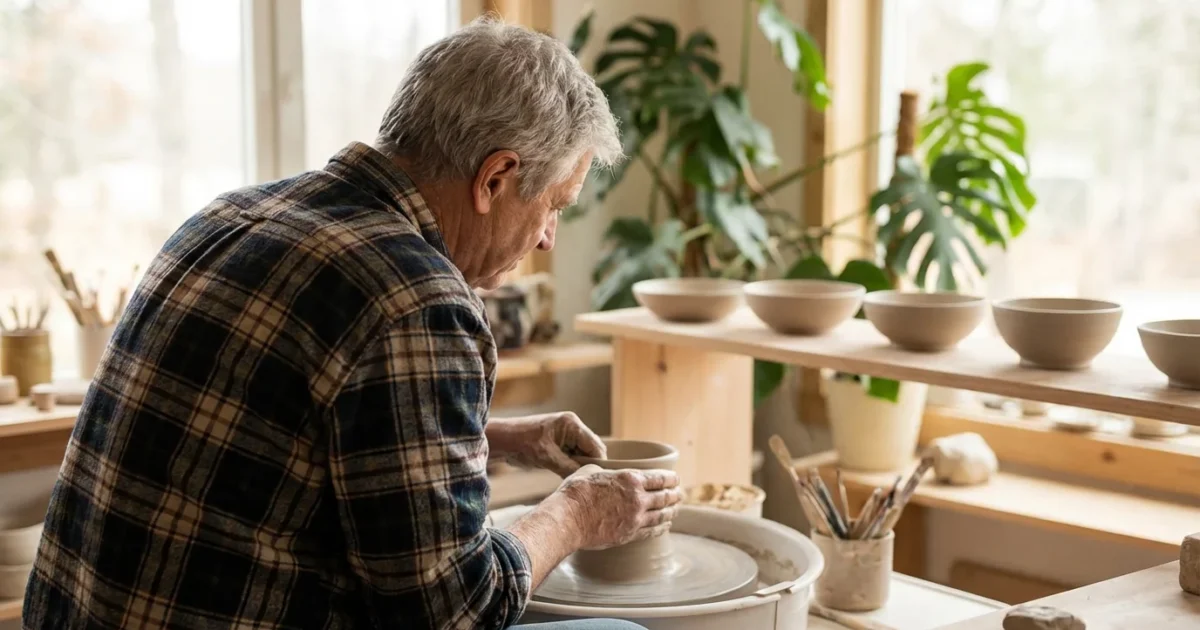
Retirement unfolds as a profound chapter, a time not for winding down, but for actively pursuing new horizons. You possess a wealth of experience, wisdom, and an invaluable gift of time. How you choose to fill this time shapes the richness and vibrancy of your golden years. Embracing retirement hobbies offers a powerful pathway to rekindled passions, unexpected talents, and a renewed sense of purpose. It provides a deliberate opportunity to cultivate joy, expand your world, and nurture personal growth.
This phase is a perfect opportunity for reinventing yourself in retirement as you transition into a lifestyle of your own design.
For many, the structured routines of a career provided a clear definition of days. Retirement removes this framework, inviting you to redefine your daily rhythm with intention. This transition offers the freedom to explore interests long deferred, engage in meaningful leisure activities, and build a life rich in personal fulfillment. Your hobbies become cornerstones of this new architecture, offering both enjoyment and a vital sense of accomplishment.

Reimagining Retirement: Beyond the Daily Grind
Retirement represents a significant life transition, often characterized by a shift from a demanding career to a more self-directed lifestyle. You now have the unique chance to craft days that resonate deeply with your values and aspirations. This period moves beyond merely resting; it encourages active engagement with life in new, meaningful ways.
Consider retirement not as an ending, but as an expansive middle, rich with possibilities for growth. It presents an invitation to cultivate a life defined by your choices, free from the constraints of professional obligations. Many find this era profoundly liberating, offering space for personal evolution that was previously unimaginable.
Age is an issue of mind over matter. If you don’t mind, it doesn’t matter.
— Mark Twain
The Transformative Power of Hobbies
Engaging in senior hobbies offers a remarkable array of benefits that extend far beyond simple enjoyment. These activities actively contribute to your physical, mental, and emotional well-being, fostering a holistic sense of contentment. They infuse your days with structure, purpose, and opportunities for continuous learning.
Studies show a strong correlation between active engagement in leisure activities and improved health outcomes in older adults. For instance, research supported by institutions like the National Institute on Aging highlights how sustained cognitive and social engagement can support brain health and emotional resilience. This evidence underscores the profound impact finding fulfilling hobbies has on your overall quality of life.
The benefits of integrating diverse leisure activities into your retirement include:
- Enhanced Cognitive Function: Learning new skills or engaging in mentally stimulating tasks challenges your brain, helping to maintain sharpness and memory.
- Improved Physical Health: Active hobbies keep your body moving, contributing to better cardiovascular health, strength, and flexibility.
- Stronger Social Connections: Many hobbies offer opportunities to meet like-minded individuals, fostering new friendships and community ties.
- Reduced Stress and Anxiety: Engaging in enjoyable activities provides a healthy outlet for stress, promoting relaxation and a sense of calm.
- Increased Sense of Purpose: Hobbies give you goals to pursue, projects to complete, and a reason to look forward to each day.
- Boosted Self-Esteem: Mastering a new skill or contributing to a group endeavor builds confidence and a sense of accomplishment.

Uncovering Your Latent Passions: Where to Begin
The journey of discovering new retirement hobbies often starts with introspection. You might feel uncertain about what truly sparks your interest after years focused on other priorities. Begin by reflecting on past interests, forgotten dreams, and subjects that pique your curiosity. Allow yourself to explore without judgment.
Think about what you enjoyed as a child, or what you always wished you had more time for during your working years. Sometimes, the most fulfilling hobbies are those you briefly pursued or admired from afar. This exploration period is a joyful process of rediscovery and self-awareness.
To help you uncover potential passions, consider these reflective questions:
- What activities make you lose track of time?
- What did you love doing as a child or young adult?
- Are there any skills you always wanted to learn?
- What topics do you enjoy reading about or discussing?
- Do you prefer working alone, with a partner, or in a group?
- What kind of environment energizes you—quiet, social, outdoors, indoors?
- Is there a cause or community you feel strongly about?
Once you identify a few areas of interest, take small steps to explore them. Attend a free workshop, borrow a book from the library, or watch online tutorials. The goal is to experiment and see what resonates with you.
Curated Hobbies for Connection and Community
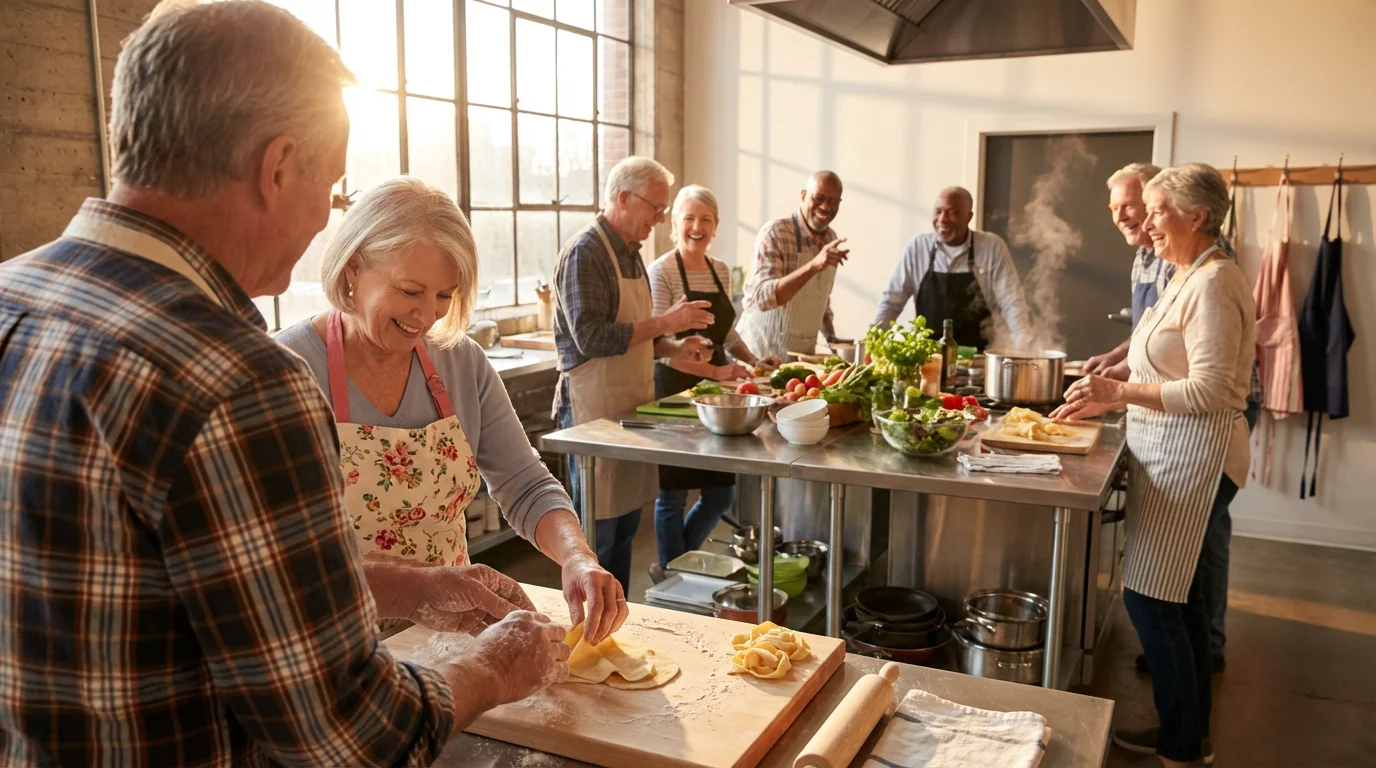
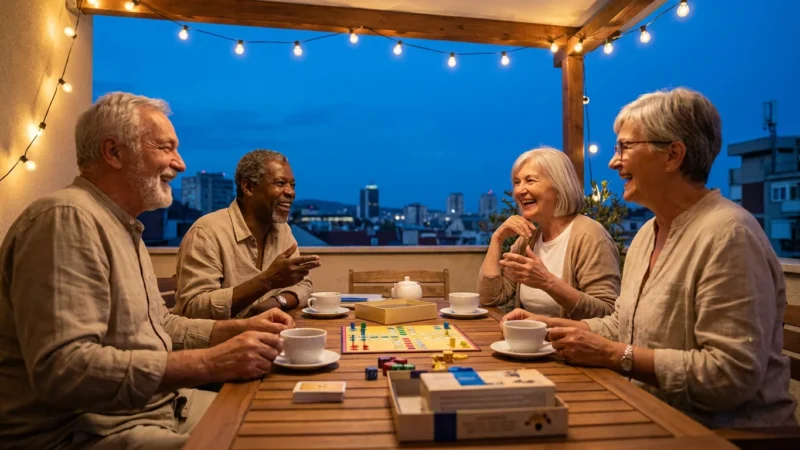
Human connection remains vital for well-being at any age. Many retirement hobbies naturally lead to social engagement, offering avenues to build new friendships and strengthen existing relationships. These activities combat feelings of isolation, enriching your life through shared experiences and mutual support.
Ultimately, these shared interests allow you to cultivate meaningful relationships that provide lasting support and joy.
Consider joining groups or clubs that align with your interests. Local community centers, libraries, and senior organizations often host a wide array of options. This allows you to combine your personal interests with valuable social interaction, finding fulfilling hobbies that also build your network.
Excellent hobbies for fostering connection and community include:
- Book Clubs: Engage in stimulating discussions, explore diverse literary worlds, and share perspectives with fellow readers.
- Bridge or Card Groups: Enjoy strategic games, friendly competition, and regular social gatherings.
- Choirs or Musical Ensembles: Share the joy of making music, performing with others, and experiencing the camaraderie of a group.
- Walking or Hiking Clubs: Explore local trails, enjoy nature, and maintain fitness while connecting with fellow outdoor enthusiasts.
- Volunteer Groups: Dedicate your time to a cause you care about, working alongside others who share your commitment. Encore.org, for example, champions purposeful aging, connecting older adults with opportunities for social impact. You can learn more about their initiatives and finding your purpose here.
- Community Garden Projects: Work with neighbors to cultivate beautiful spaces, share gardening tips, and enjoy the fruits (and vegetables) of your labor together.
- Dance Classes (Ballroom, Line Dancing, Folk): Learn new steps, enjoy music, and move your body in a fun, social environment.
Engaging Your Mind: Intellectual Pursuits
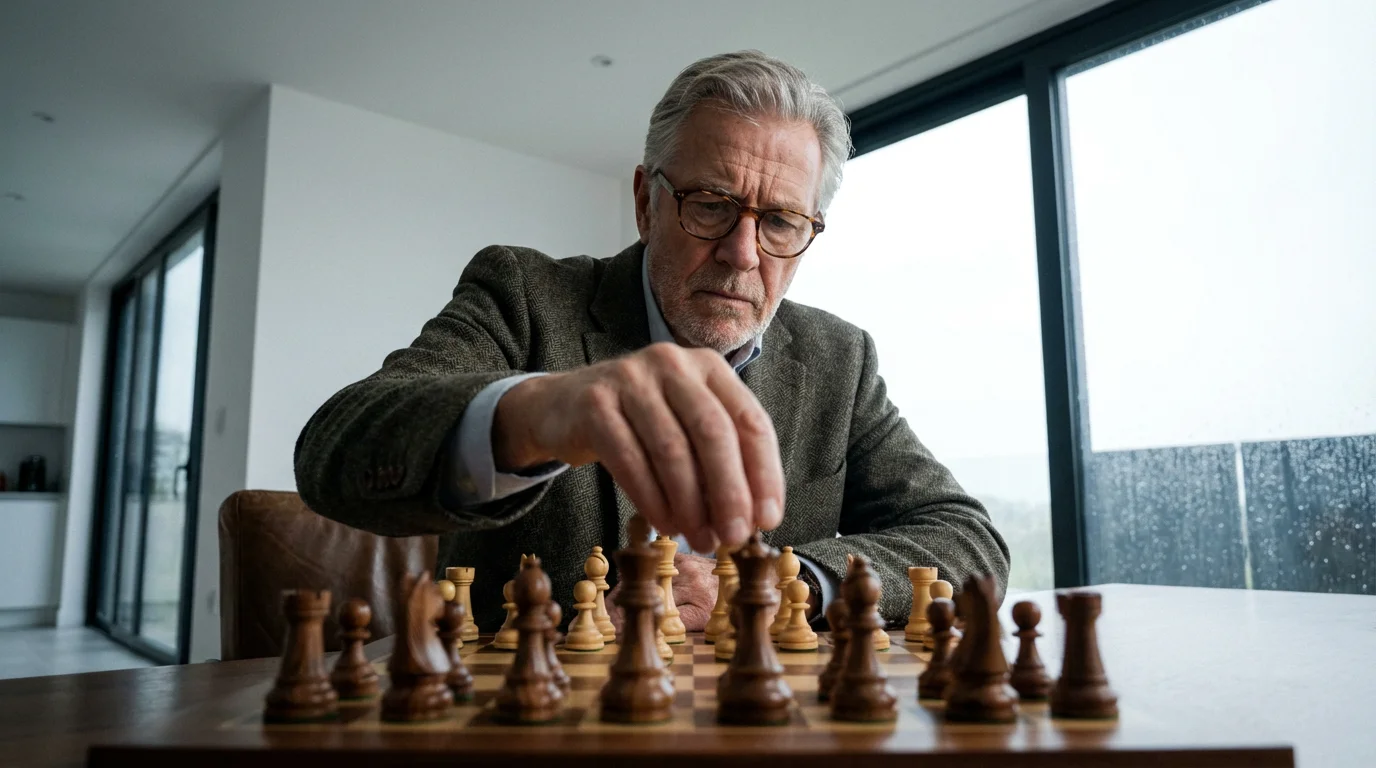
Keeping your mind active is a cornerstone of graceful aging. Intellectual hobbies provide stimulating challenges, foster continuous learning, and help maintain cognitive vitality. They offer deep personal satisfaction as you delve into new subjects or master complex skills.
Embrace the vast resources available to expand your knowledge and critical thinking. Many universities offer auditing programs for seniors, and online platforms provide an endless library of courses. Your local library also serves as a treasure trove of learning opportunities, from lectures to interest groups.
Consider these intellectual leisure activities to keep your brain vibrant:
- Learning a New Language: Challenge your brain with grammar, vocabulary, and cultural immersion. Apps, online courses, and local classes make this accessible.
- Studying History or Philosophy: Dive into historical events, biographies, or complex philosophical ideas. Join discussion groups for deeper engagement.
- Astronomy or Bird Watching: Develop keen observation skills and learn about the natural world around you. This often combines intellectual curiosity with outdoor activity.
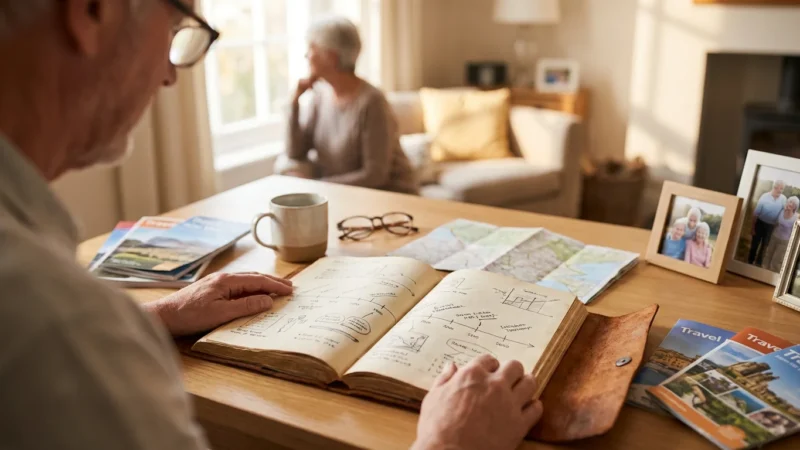
- Genealogy: Research your family history, piecing together your heritage. This intricate pursuit involves detective work, historical context, and often leads to surprising discoveries.
- Creative Writing (Poetry, Short Stories, Memoirs): Express your thoughts and experiences, refine your language, and engage your imagination. Many communities have writing workshops.
- Photography: Learn about composition, lighting, and digital editing. Photography sharpens your observational skills and offers a creative outlet.
- Documentary Film Clubs: Explore a wide range of topics, stimulate discussions, and broaden your understanding of global issues.
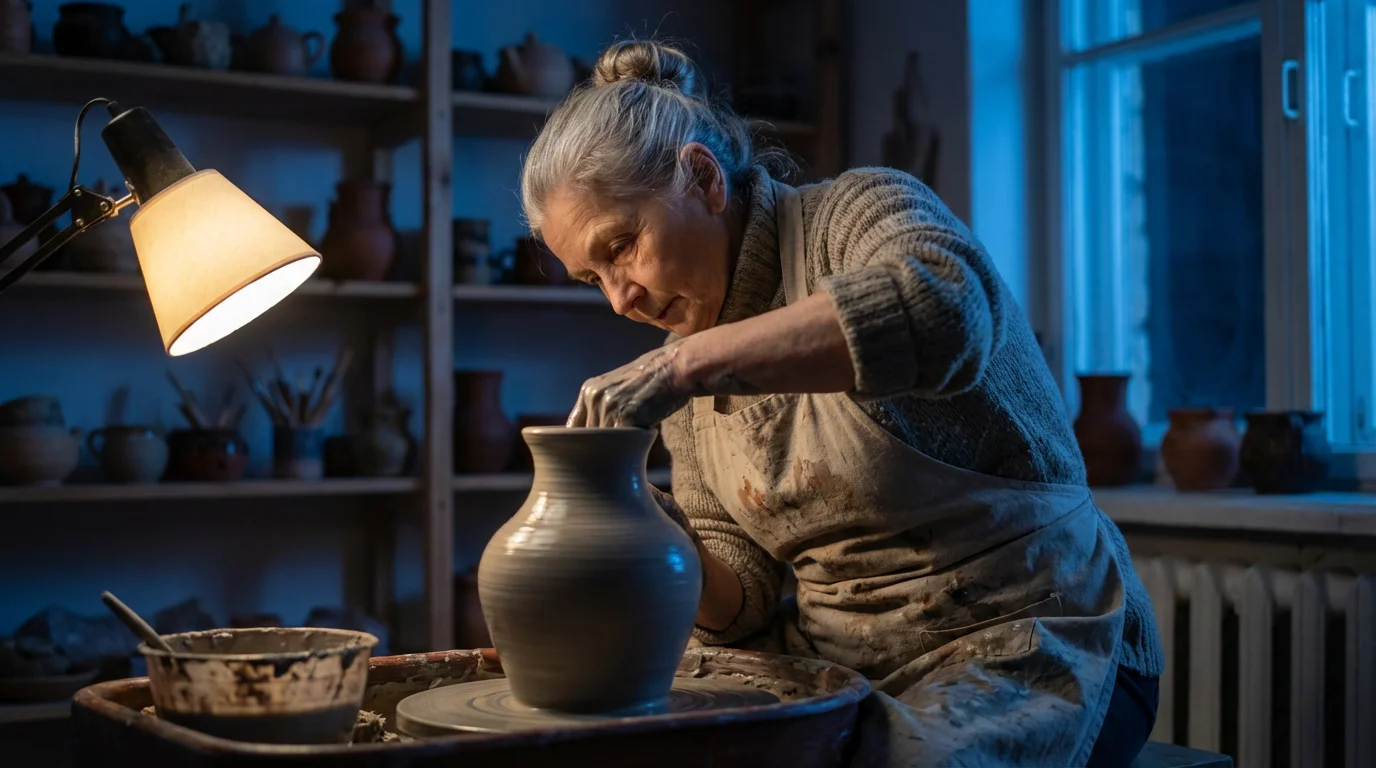
Embracing Creativity: Express Yourself
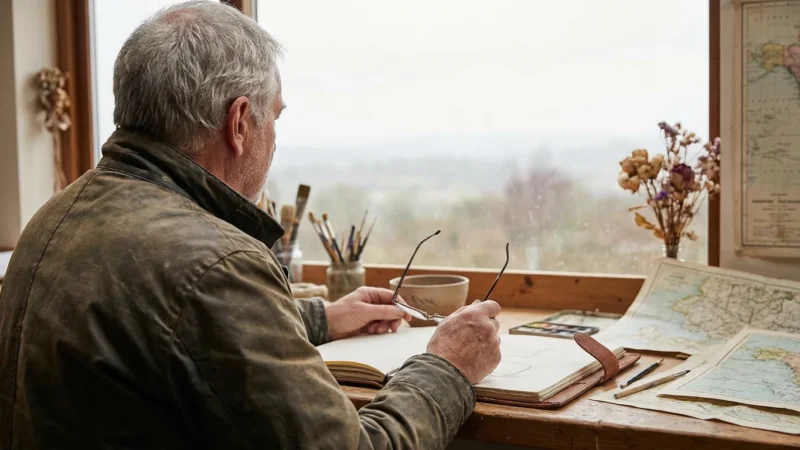
Creativity transcends age; it provides a powerful means of self-expression and emotional release. Engaging in artistic hobbies allows you to tap into your imagination, produce something unique, and experience the immense satisfaction of creation. This process fosters resilience and a deep sense of personal accomplishment.
If you find that your new hobby has professional potential, you might even explore starting a retirement business to share your expertise with others.
You do not need prior experience or a “talent” to pursue creative endeavors. Many communities offer beginner-friendly classes designed for adults of all skill levels. The joy lies in the process itself, in experimenting with materials, colors, and forms, not necessarily in producing a masterpiece.
Creative activities offer a wonderful way to express yourself:
- Painting or Drawing: Explore watercolors, acrylics, pastels, or charcoal. Local art centers often provide excellent instruction and studio time.
- Pottery or Ceramics: Work with clay to create functional pieces or sculptural art. The tactile nature of this craft can be deeply meditative.
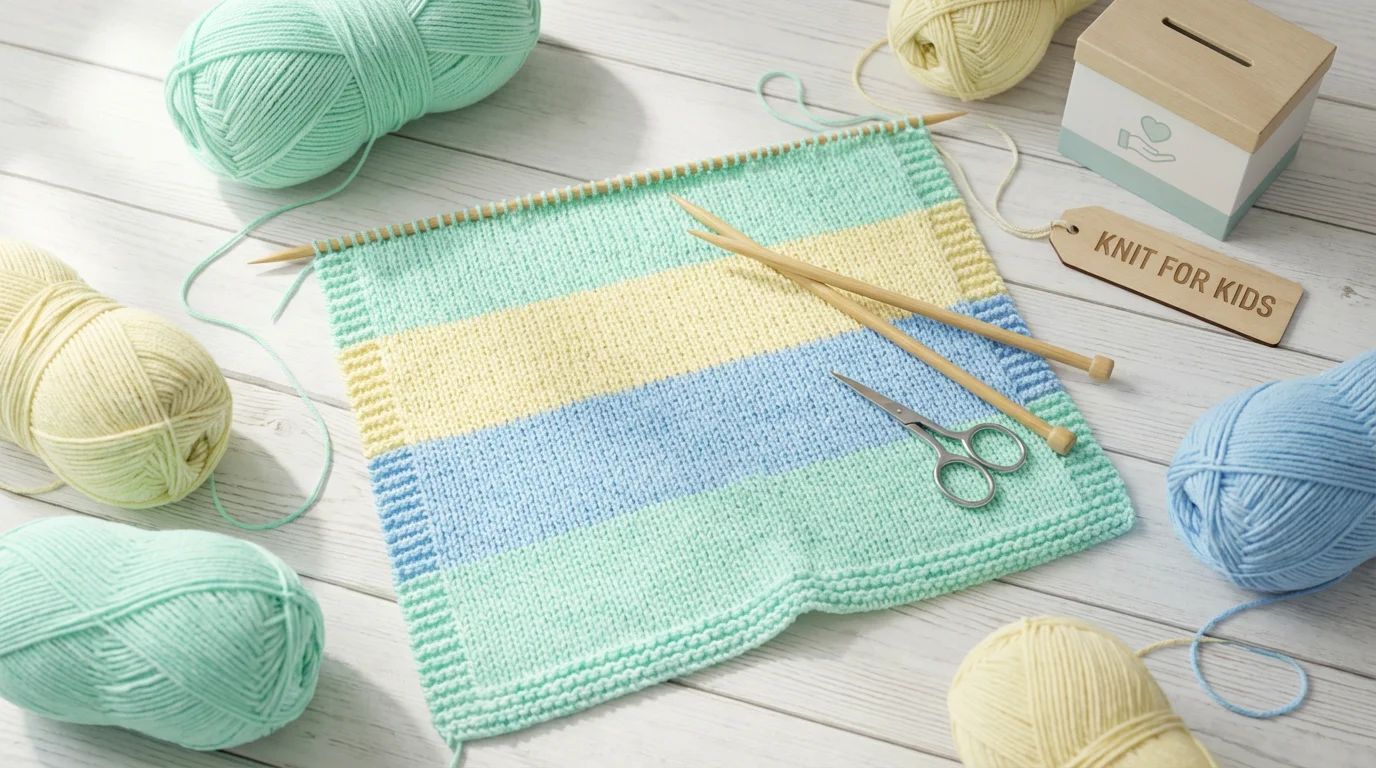
- Knitting, Crocheting, or Quilting: Create beautiful, practical items while engaging in repetitive motions that promote relaxation. These crafts also offer opportunities for social groups.
- Woodworking or Furniture Refinishing: Build or restore items, working with your hands to transform materials into functional art.
- Jewelry Making: Design and craft unique pieces using various materials like beads, wire, or metal.
- Playing a Musical Instrument: Pick up an instrument you always wanted to learn, or revisit one from your youth. Learning music stimulates multiple brain regions.
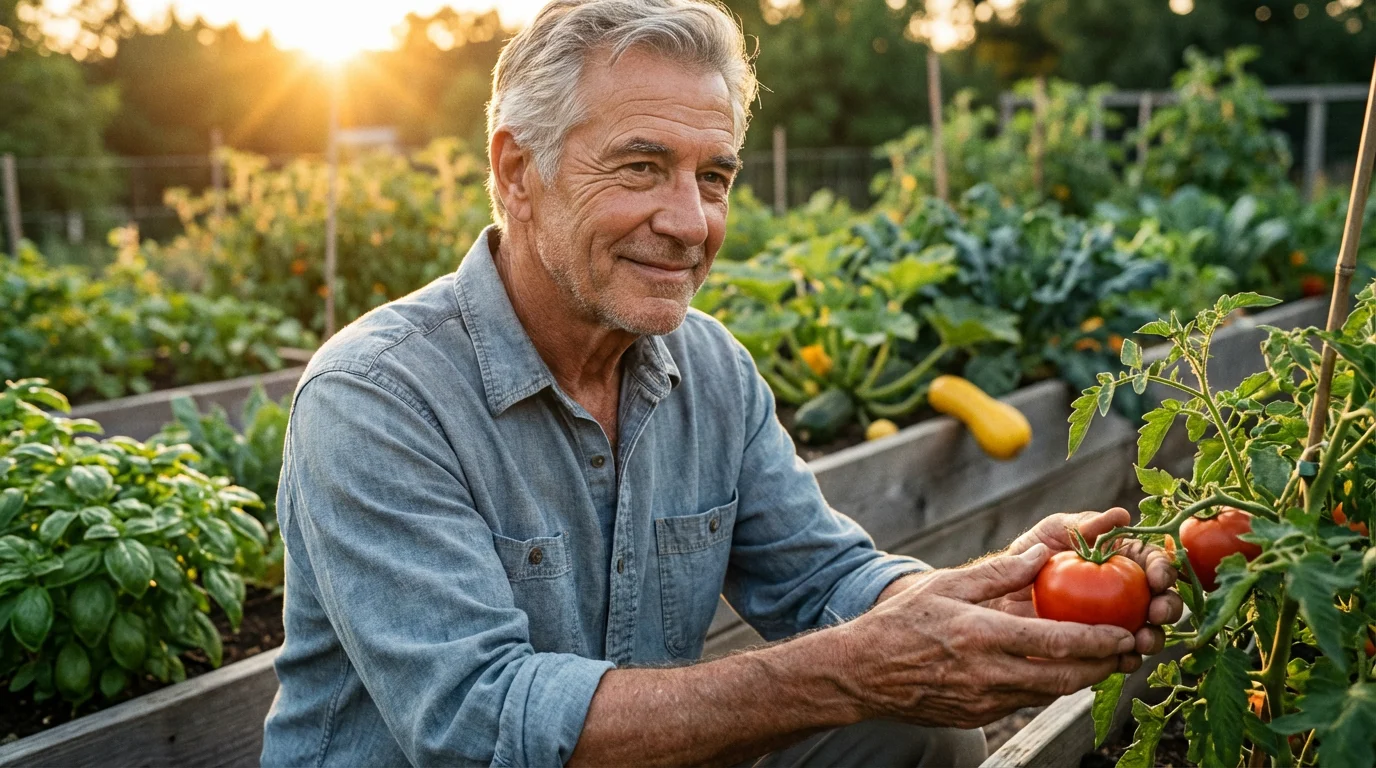
- Gardening (Horticulture as Art): Design and cultivate a beautiful garden, treating plants and landscapes as your artistic medium.

Movement and Vitality: Active Hobbies for Well-being
Maintaining physical activity remains paramount for health and vitality in your later years. Active hobbies not only keep your body strong and flexible, but also contribute significantly to your mental well-being, boosting mood and energy levels. The key involves finding activities you genuinely enjoy, making them sustainable parts of your routine.
You can discover many options suitable for various fitness levels, from gentle walks to more vigorous sports. The aim is consistent movement, not Olympic performance. Consult with your healthcare provider to ensure any new physical activity aligns with your individual health needs. Resources like AARP offer extensive guidance on fitness for older adults, emphasizing safe and effective ways to stay active, which you can find more information about here.
Consider these active leisure activities to keep your body moving:
- Walking or Brisk Strolling: A simple yet powerful activity that improves cardiovascular health and can be enjoyed almost anywhere.
- Swimming or Water Aerobics: Low-impact options that provide a full-body workout, excellent for joint health.
- Yoga or Tai Chi: Enhance flexibility, balance, and mental calm through gentle, flowing movements. These practices also reduce stress.
- Cycling (Traditional or E-Bike): Explore your local area, enjoy the outdoors, and get a great cardiovascular workout.
- Golf or Tennis: Engage in sports that offer both physical activity and social interaction.
- Dancing: From ballroom to folk, dancing provides an enjoyable way to exercise, improve coordination, and socialize.
- Gardening (Active Gardening): Digging, planting, weeding, and harvesting offer practical and fulfilling physical activity.
- Pickleball: A rapidly growing sport that combines elements of tennis, badminton, and table tennis. It is social, accessible, and provides a good workout.
Giving Back: Hobbies with Purpose
Many retirees discover immense satisfaction by channeling their skills and time into meaningful service. Hobbies with purpose often involve volunteering, mentoring, or contributing to causes that resonate with their values. This not only benefits others but also provides a profound sense of meaning and accomplishment for you.
Your lifetime of experience and wisdom represents an invaluable asset to your community. Sharing your expertise or simply your time can make a tangible difference, creating a legacy of impact. This kind of engagement fosters a deep connection to your community and reinforces your sense of belonging.
Consider these purposeful leisure activities:
- Mentoring Young Professionals or Students: Share your career insights and guidance, helping shape the next generation.
- Volunteering at Hospitals, Schools, or Libraries: Offer your time in various capacities, from reading to children to assisting with administrative tasks.
- Advocacy for a Cause: Use your voice and experience to support environmental protection, senior rights, or social justice issues.
- Animal Welfare Volunteer: Dedicate time to local shelters, assisting with care, walking animals, or fostering.
- Environmental Restoration Projects: Participate in local clean-ups, trail maintenance, or planting initiatives to preserve natural spaces.
- Teaching a Skill or Craft: Share your expertise in knitting, woodworking, gardening, or language with others through community classes.
- Community Board Service: Contribute your leadership and strategic thinking to local non-profit boards or town committees.
Finding a hobby with purpose allows you to leverage your unique gifts while making a positive difference in the world.
Sustaining Your Joy: Making Hobbies a Lifelong Habit
The true art of retirement lies not just in discovering new joys, but in nurturing them consistently. Making your hobbies a lifelong habit requires intention, flexibility, and a commitment to your own well-being. View your chosen activities as essential elements of your daily or weekly routine, just as important as any other appointment.
Life inevitably brings changes, and your hobbies may evolve along with you. Remain open to adapting your activities, exploring variations, or even letting go of one interest to embrace another. The journey itself, the continuous pursuit of joy and growth, defines the graceful retirement.
To sustain your engagement and keep your hobbies thriving:
- Schedule Them: Allocate dedicated time in your calendar for your hobbies. Treating them like important appointments reinforces their value.
- Set Small Goals: Break down larger projects into manageable steps. This creates a sense of progress and prevents overwhelm.
- Seek Variety: Balance different types of hobbies—active, creative, intellectual, social—to engage various aspects of your being and prevent monotony.
- Embrace Learning: Continuously seek new knowledge or skills related to your hobbies. This keeps them fresh and exciting.
- Connect with Others: Join clubs, take classes, or participate in online forums. Sharing your passion with others deepens your enjoyment.
- Reflect and Adjust: Regularly assess if your hobbies still bring you joy and fulfillment. Be willing to pivot if an activity no longer resonates.
- Celebrate Progress: Acknowledge your efforts and achievements, no matter how small. This positive reinforcement encourages continued engagement.
Your retirement years offer an unparalleled canvas for self-expression and purposeful living. By actively seeking and nurturing your retirement hobbies, you paint a vibrant picture of dignity, joy, and continuous growth. Embrace this opportunity to live your fullest life, rich in discovery and meaningful engagement.
Frequently Asked Questions
What if I don’t know what retirement hobbies I like?
Many individuals feel this way initially. Start by reflecting on past interests, things that used to bring you joy, or skills you always wished to learn. Experiment with low-commitment activities like visiting a local class, reading a book on a new topic, or watching online tutorials. The process of discovering new hobbies is a journey, not a destination.
Are there specific senior hobbies that are good for my brain health?
Absolutely. Any activity that challenges your mind can support brain health. Examples include learning a new language, playing musical instruments, engaging in strategic games like chess or bridge, creative writing, or delving into complex subjects like history or philosophy. Consistent mental engagement helps maintain cognitive function and memory.
How can I afford new hobbies in retirement, especially on a fixed income?
Many fulfilling hobbies require little to no financial outlay. Consider walking, hiking, visiting the library, joining a book club, or volunteering. Community centers often offer free or low-cost classes and programs. You can also explore local parks, free online courses, or even swap skills with neighbors. Resourcefulness often uncovers many budget-friendly options for leisure activities.
Can retirement hobbies help me make new friends and connections?
Yes, many hobbies are inherently social and excellent for fostering new connections. Joining clubs, classes, or volunteer groups centered around a shared interest provides immediate common ground for meeting like-minded people. Activities like group sports, choirs, community gardens, or dance classes naturally lead to friendships and a stronger sense of community belonging.
Is it ever too late to start a new hobby?
It is never too late to start a new hobby. The beauty of retirement lies in the freedom to explore at any age. Learning new things and engaging in enjoyable activities consistently proves beneficial for physical, mental, and emotional well-being, regardless of when you begin. Embrace the opportunity to discover new joys and skills whenever inspiration strikes.
Disclaimer: This article is for informational and inspirational purposes. Life decisions are deeply personal, and we encourage readers to consult with appropriate professionals—whether healthcare providers, counselors, or financial advisors—for guidance specific to their circumstances.




Leave a Reply