
Retirement unfolds as a vibrant new chapter, a time when the demands of a career give way to the boundless possibilities of personal growth. Many envision retirement as a period of relaxation, which it certainly is, but it also presents an unparalleled opportunity for intellectual expansion and sustained engagement with the world. This is not a time to rest on your laurels, but rather an invitation to awaken dormant curiosities and cultivate new passions.
Embracing lifelong learning in your later years does more than simply fill time. It enriches your spirit, sharpens your mind, and deepens your connection to others. Consider this article a guide to unlocking your potential for continued discovery and purposeful living, celebrating the beauty of an ageless mind.
Embracing the Ageless Mindset
Retirement liberates you from the obligations of structured work, opening vast avenues for self-discovery and intellectual pursuit. You possess the wisdom of years, a rich tapestry of experiences that informs your perspective. This period represents an ideal moment to pivot from career-driven learning to curiosity-driven exploration, to learn simply for the joy of it.
Defining your intellectual objectives through a retirement vision board can help you prioritize which subjects to explore first.
Think about the subjects that always captivated you, the skills you wished to acquire, or the intellectual challenges you put aside. Now, you have the precious gift of time. Embracing an ageless mindset means recognizing that your capacity for learning and growth remains vibrant, regardless of your chronological age. Your mind, like a muscle, strengthens with use.
Consider these reflective questions as you begin this journey:
- What topics have always piqued your interest but you never had the opportunity to explore?
- Is there a skill you once dreamt of mastering, like playing a musical instrument or speaking a new language?
- How might learning something new connect you more deeply with the world around you or your personal history?
Why Lifelong Learning Matters: Beyond Brain Games
The benefits of lifelong learning extend far beyond mere mental exercise. Engaging your mind actively contributes to your overall well-being, fostering cognitive vitality and emotional resilience. Research consistently demonstrates the profound positive impact of continuous learning on an aging brain.
One primary advantage lies in maintaining cognitive function. The National Institute on Aging emphasizes that engaging in mentally stimulating activities can help preserve memory and processing speed as you age. Learning new things creates new neural pathways and strengthens existing ones, enhancing brain plasticity. This active engagement serves as a protective factor, contributing to a sharper mind for longer.
“Anyone who stops learning is old, whether at twenty or eighty. Anyone who keeps learning stays young.” — Henry Ford
Beyond cognitive benefits, lifelong learning instills a renewed sense of purpose. It provides goals to strive for and challenges to overcome, fostering a feeling of accomplishment that enriches daily life. You gain new perspectives, broadening your understanding of complex subjects and the world at large. This intellectual expansion combats feelings of stagnation and keeps life feeling fresh and exciting.
Learning also offers significant social advantages. When you join classes or study groups, you naturally connect with others who share your interests. This fosters new friendships and strengthens community ties, reducing feelings of isolation. Stanford Center on Longevity research highlights the importance of social connection for overall health and happiness in later life, a benefit learning environments readily provide.
Exploring Senior Education Programs and Resources
A wealth of educational opportunities specifically caters to older adults, making continuing education more accessible than ever before. These programs often understand the unique interests and learning styles of seniors, providing supportive and engaging environments.
Universities and community colleges frequently offer programs like the Osher Lifelong Learning Institutes (OLLI). OLLI programs, found at institutions nationwide, provide intellectually stimulating courses, lectures, and events specifically designed for adults aged 50 and above. These programs are non-credit bearing, focusing purely on the joy of learning and intellectual camaraderie. They offer diverse subjects, from history and literature to current events and science.
Your local community centers and public libraries also serve as invaluable hubs for senior education. Many libraries host free workshops, lectures, book clubs, and technology classes tailored for older adults. They also provide access to a vast array of digital resources, including online databases, e-books, and even language learning apps. Check their schedules for upcoming events; you might discover a fascinating new interest right in your neighborhood.
Organizations like AARP actively promote lifelong learning. They offer resources, articles, and sometimes even online courses on various topics relevant to retirement living. Exploring their website can reveal valuable insights and pathways to educational opportunities. These resources often focus on practical skills, financial literacy, and health and wellness, alongside more academic pursuits. This demonstrates a wide scope of available `senior education` and `continuing education opportunities seniors` across various organizations.

Navigating the World of Online Courses and Digital Learning
The digital age has revolutionized access to knowledge, placing an extraordinary library of learning at your fingertips. Online courses provide flexibility, convenience, and an unparalleled breadth of subjects, allowing you to learn from anywhere at your own pace.
Massive Open Online Courses (MOOCs) platforms like Coursera, edX, and FutureLearn partner with top universities and institutions globally. They offer thousands of courses in virtually every subject imaginable, from coding and data science to art history and philosophy. Many courses are available to audit for free, with options to pay for certificates if you desire formal recognition.
Other digital platforms cater to specific interests. MasterClass provides high-quality video lessons taught by world-renowned experts in their fields, covering cooking, writing, music, and more. YouTube offers an endless supply of tutorials, documentaries, and educational channels on almost any topic. You can learn a new craft, understand complex scientific principles, or explore historical events through engaging visual content.
Embracing these digital tools requires a willingness to explore. If you are new to online learning, begin with a subject that genuinely excites you, keeping the initial commitment small. Many platforms offer introductory guides to help you navigate their interfaces. This is an excellent way to engage in `online courses` from the comfort of your home.
Here are some tips for successful online learning:
- Start with a free or low-cost introductory course to get a feel for the platform.
- Set a regular schedule for your studies, even if it is just an hour or two a week.
- Join online forums or discussion groups associated with your course to connect with fellow learners.
- Do not be afraid to rewatch lessons or take notes to reinforce your understanding.
- Celebrate small achievements, like completing a module or understanding a challenging concept.

Practical Paths to Knowledge: Hobbies, Skills, and Passions
Lifelong learning does not always mean formal classes or academic pursuits. It encompasses any activity that expands your knowledge, hones a skill, or nurtures a passion. Retirement offers the perfect canvas to explore these practical avenues of learning.
Exploring various retirement hobbies can also uncover unexpected talents and keep your schedule engaging.
Consider learning a new language. This practice stimulates various parts of your brain, enhances memory, and opens doors to new cultures. Free apps like Duolingo or paid services like Babbel make language acquisition accessible, allowing you to progress at your own pace. Imagine the satisfaction of conversing during your next international trip.
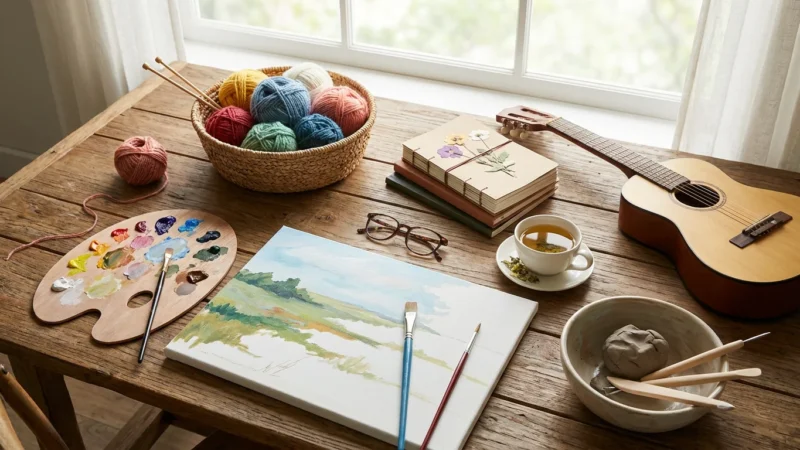
Mastering a musical instrument, whether picking up an old guitar or starting piano lessons for the first time, offers immense cognitive and emotional rewards. The coordination, discipline, and emotional expression involved provide a rich learning experience. Many community music schools offer adult beginner classes, creating a supportive learning environment.
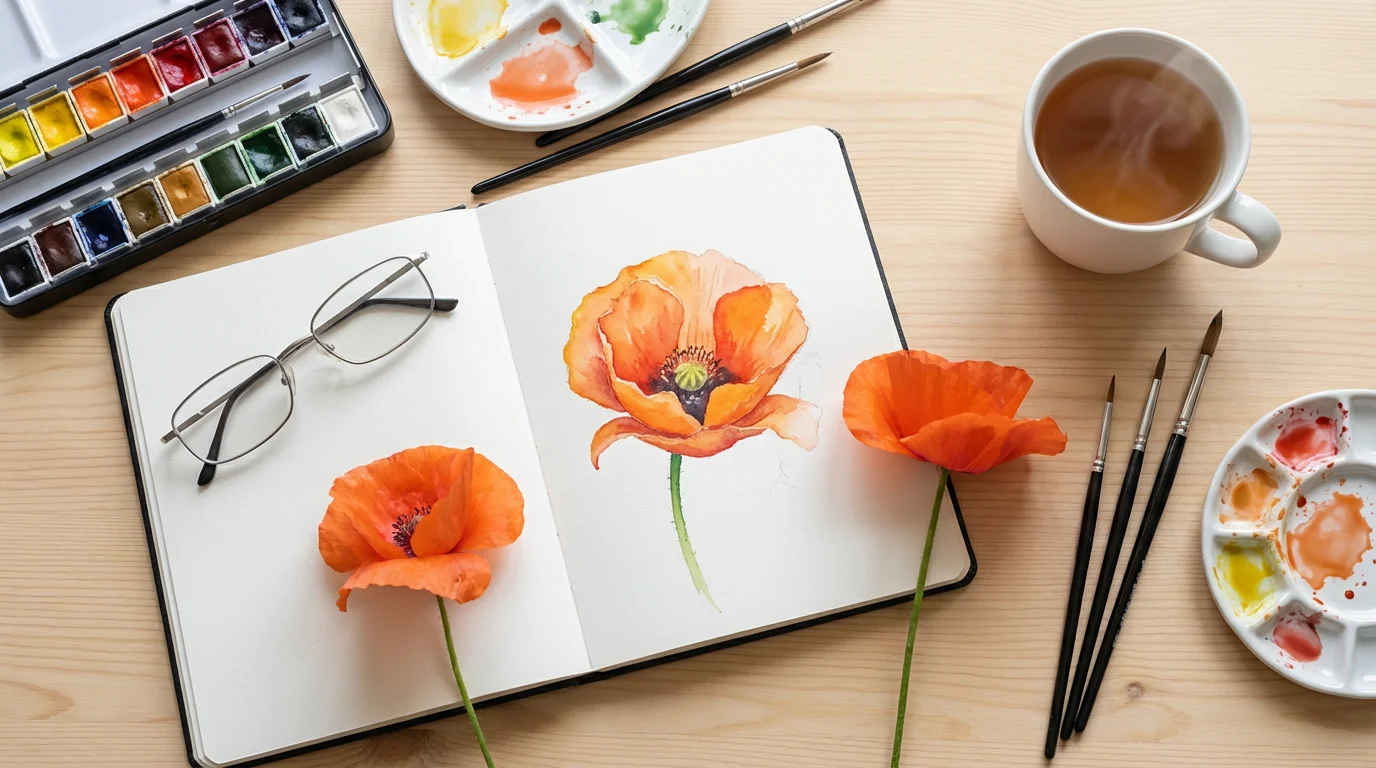
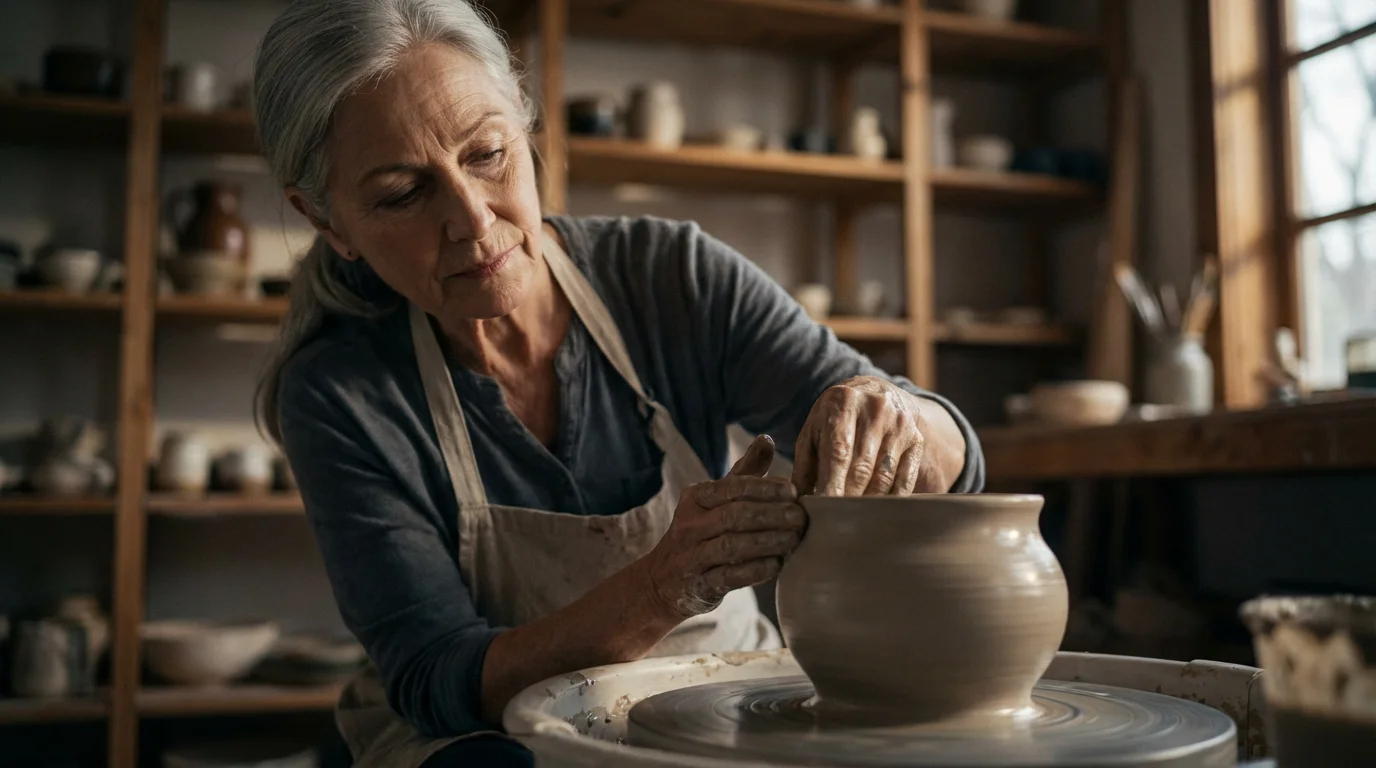
Engaging in creative arts like painting, sculpture, photography, or creative writing provides a powerful outlet for self-expression and skill development. These activities challenge you to see the world differently, develop new techniques, and bring your unique vision to life. Local art studios, community colleges, and online tutorials offer abundant resources for learning these crafts.
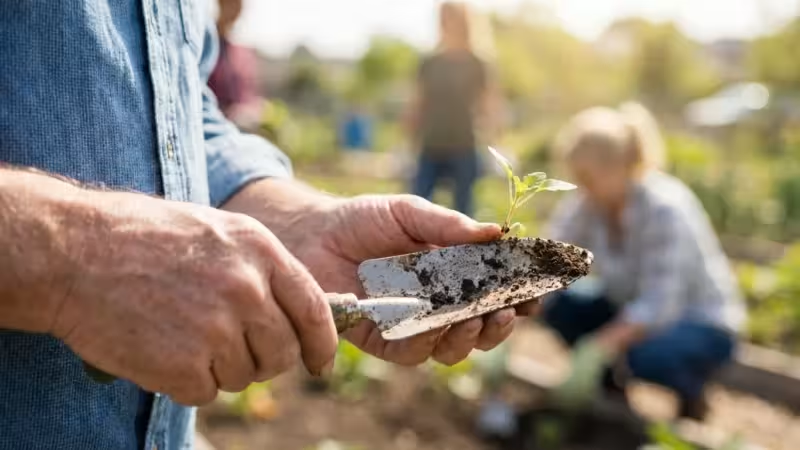
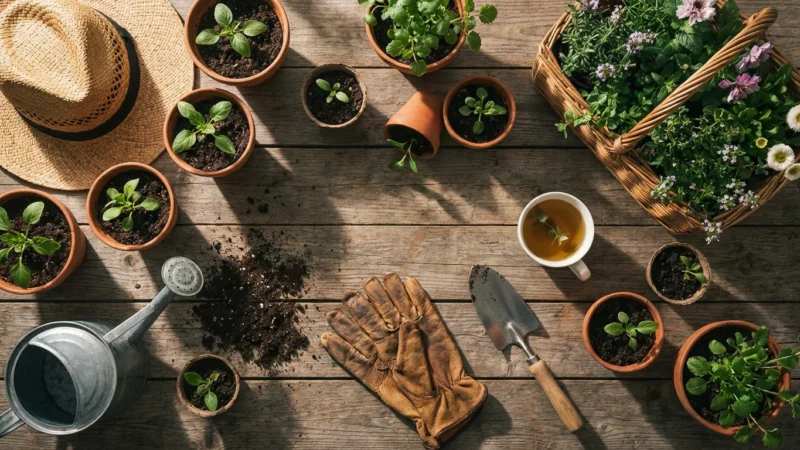
Even hobbies like gardening or cooking present continuous learning opportunities. You learn about botany, soil science, culinary techniques, and flavor profiles. These hands-on activities provide tangible results and connect you with natural processes or cultural traditions. Volunteering your time can also teach you new skills, whether it is organizing events for a non-profit or mentoring younger individuals. These everyday pursuits contribute significantly to `mental stimulation` and a sense of accomplishment.

Connecting Through Shared Learning Experiences
The journey of lifelong learning becomes even more rewarding when shared with others. Group learning environments provide not only intellectual stimulation but also invaluable opportunities for social connection and community building. This shared experience deepens understanding and enriches personal relationships.
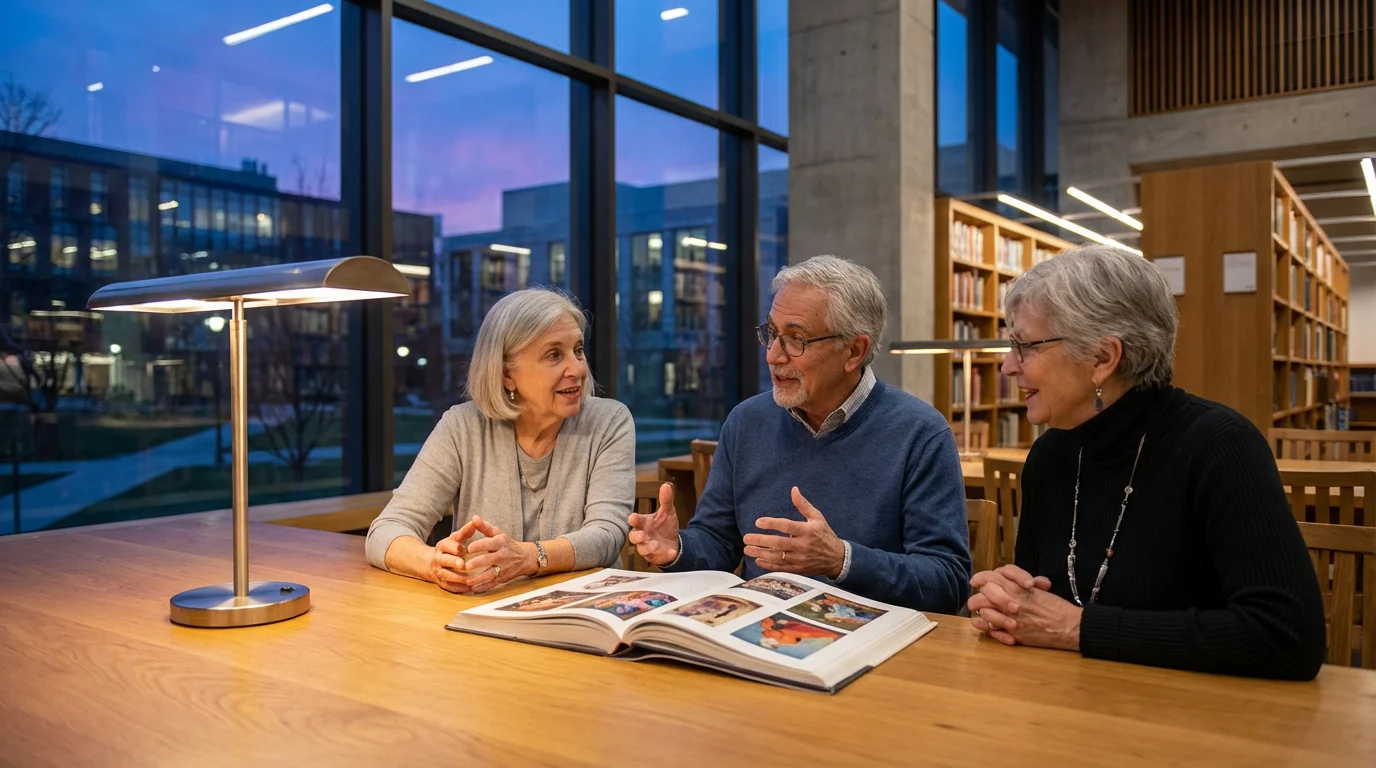
Joining a book club, for example, allows you to delve into literature with others, discussing themes, characters, and ideas. These conversations broaden your perspective and often lead to lasting friendships. Similarly, local discussion groups, whether focused on current events, philosophy, or specific hobbies, offer a platform for stimulating intellectual exchange.
Intergenerational learning initiatives bring together older adults and younger generations, creating a vibrant exchange of knowledge and experience. Seniors might mentor students, share historical perspectives, or teach practical skills, while younger individuals might introduce new technologies or fresh viewpoints. These programs foster mutual respect and bridge generational divides, enriching both groups.
Consider combining your love for learning with travel. Many organizations offer educational tours focused on history, art, culture, or nature. These trips allow you to immerse yourself in a subject while experiencing new places, often alongside fellow enthusiasts. Imagine exploring ancient ruins with an archaeologist or learning about local cuisine from a native chef. This type of learning broadens your horizons literally and figuratively.

Building Your Personalized Learning Journey
Embarking on a lifelong learning path in retirement requires intentionality and a willingness to explore. Your journey should reflect your unique interests, aspirations, and available time. It is a deeply personal endeavor, shaped by your individual curiosities.
Begin by assessing your interests. What genuinely excites you? What problems do you enjoy solving? What aspects of the world do you wish to understand better? Do not feel pressured to choose a conventional academic path. The most enriching learning often stems from genuine passion. Research from Psychology Today on aging suggests that pursuing interests actively contributes to overall well-being and life satisfaction.
Set realistic goals for your learning. Perhaps you want to master a basic skill in six months, or perhaps you aim to simply explore a new subject area for a few hours each week. Break down larger goals into smaller, manageable steps. This approach prevents overwhelm and builds momentum as you achieve each milestone. Remember, consistency often matters more than intensity.
Overcome perceived barriers by seeking support and resources. If technology seems daunting, many libraries and community centers offer free basic computer classes. If cost is a concern, explore free online courses, public library offerings, or senior discounts at educational institutions. Do not let preconceived notions about age or ability limit your potential for growth. Your drive to learn is your most powerful asset.
Here are steps to build your personalized learning journey:
- Reflect on your passions: Make a list of everything that sparks your curiosity, regardless of how impractical it may seem.
- Explore available resources: Investigate local universities, community centers, libraries, and online platforms.
- Start small and experiment: Commit to an introductory course or a few hours of self-study each week.
- Connect with others: Join a group, find a study partner, or participate in online forums.
- Embrace challenges: View difficulties as opportunities for deeper understanding, not reasons to quit.
- Celebrate progress: Acknowledge every step forward, no matter how small.
Frequently Asked Questions
How does lifelong learning benefit cognitive health in retirement?
Lifelong learning actively engages your brain, helping to maintain cognitive function, improve memory, and enhance problem-solving skills. Studies consistently show that individuals who participate in mentally stimulating activities throughout their lives exhibit better cognitive health outcomes as they age. Learning a new skill or subject creates new neural pathways and strengthens existing ones, promoting brain plasticity and resilience against cognitive decline.
What are some accessible and affordable options for seniors to pursue continuing education?
Many avenues exist for affordable and accessible continuing education. Local community colleges and universities often offer reduced tuition or free auditing for seniors. Online platforms like Coursera, edX, and Khan Academy provide a wealth of courses, many of which are free or low-cost. Public libraries host workshops, lectures, and free digital resources. Furthermore, community centers frequently organize classes on various subjects, from arts and crafts to language learning, often at minimal fees.
Can lifelong learning help with social connection in retirement?
Absolutely. Learning environments naturally foster social interaction. When you enroll in a class, join a book club, or participate in a group workshop, you meet like-minded individuals who share your interests. These shared experiences provide excellent opportunities to build new friendships, engage in stimulating discussions, and expand your social network, combating potential feelings of isolation and enhancing overall well-being.
How do I choose what to learn if I have many interests or none in particular?
Begin by reflecting on your past curiosities. What subjects always intrigued you but you never had time for? What skills did you wish to acquire? Consider revisiting a childhood hobby or exploring something completely new that sparks your interest. Many online platforms offer introductory courses, allowing you to sample topics without significant commitment. You might also consider areas that align with your values, such as environmental studies, local history, or community service. The key is to start somewhere, even if it is a small step, and allow your natural curiosity to guide you.
The art of lifelong learning in retirement is a profound commitment to yourself, an affirmation that growth and discovery know no age limits. It is a path to a more vibrant, connected, and purposeful life. Embrace the richness of this chapter, allowing your curiosity to guide you toward new knowledge, new skills, and new connections. Your golden years truly offer a golden opportunity to cultivate the intellect and spirit that define a graceful retirement.
Disclaimer: This article is for informational and inspirational purposes. Life decisions are deeply personal, and we encourage readers to consult with appropriate professionals—whether healthcare providers, counselors, or financial advisors—for guidance specific to their circumstances.





Leave a Reply