
The graceful journey through life’s later chapters often brings unique challenges, and for many, arthritis pain stands as a prominent one. This condition, characterized by inflammation of the joints, can subtly, or sometimes overtly, influence your daily comfort and cherished activities. Yet, an arthritis diagnosis does not signal a retreat from a vibrant life.
Adopting healthy habits for aging can transform how you experience these later years.
Embracing these changes is part of understanding the science of graceful aging, allowing you to adapt with wisdom and resilience.
You possess the power to understand and manage this pain, embracing natural strategies that restore comfort and maintain your active engagement with the world. This article provides a compassionate guide, offering practical, actionable insights to help you navigate arthritis with dignity and purpose. You can indeed live a fulfilling life, free from the dictation of discomfort.
Understanding Arthritis: A Brief Overview
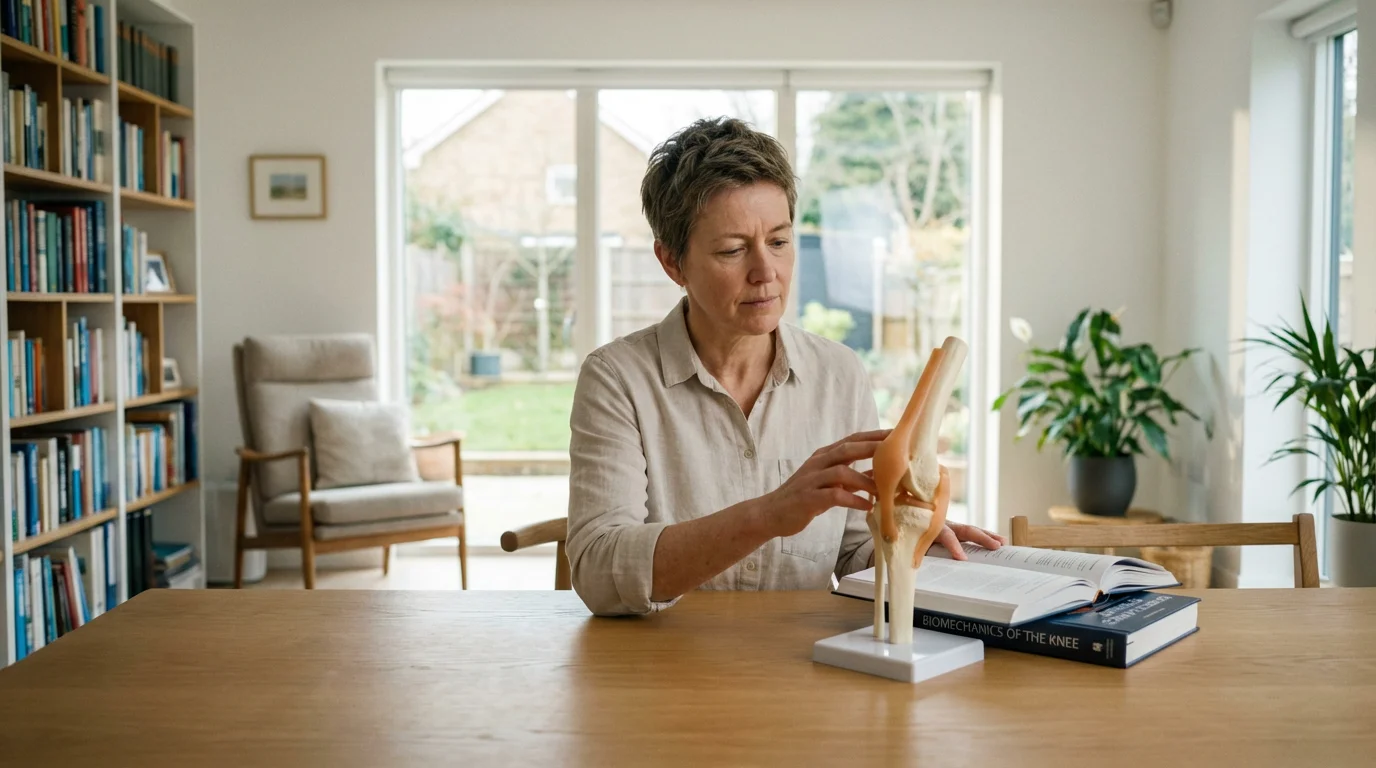
Arthritis is not a single disease, but a broad term encompassing over 100 conditions that cause joint pain, stiffness, and swelling. Osteoarthritis, the most common form, results from the wear and tear of cartilage that cushions your joints, typically affecting hips, knees, and hands. Rheumatoid arthritis, an autoimmune disease, involves your immune system mistakenly attacking your joint linings.
While arthritis is prevalent in individuals over 55, its presence does not define your capacity for joy or productivity. Many individuals successfully manage their symptoms, continuing to lead active, meaningful lives. Understanding the type of arthritis you experience empowers you to tailor the most effective natural management strategies.
Consider for a moment: How has arthritis impacted your daily routine, and what activities do you miss most due to discomfort? Identifying these areas helps you focus your efforts on regaining control and returning to what you love.
Embracing Movement: The Power of Gentle Exercise
It may seem counterintuitive to move when your joints ache, yet regular, gentle exercise stands as one of the most effective natural remedies for arthritis pain. Movement lubricates your joints, strengthens the muscles supporting them, and helps maintain flexibility. This ultimately reduces pain and improves overall function.
Improving your balance through movement is also vital for preventing falls and ensuring safety in your home environment.
AARP, a trusted resource for those navigating their golden years, consistently advocates for consistent, low-impact physical activity to manage arthritis symptoms. Their research and guidance highlight that even modest amounts of daily movement make a significant difference. You strengthen your body and bolster your resilience against pain.
Consider incorporating these beneficial forms of exercise into your routine:
- Walking: A simple, accessible activity that improves circulation and joint flexibility. Start with short durations and gradually increase your distance.
- Swimming or Water Aerobics: The buoyancy of water reduces stress on your joints, allowing for a wider range of motion with less pain. Many community centers offer classes specifically designed for seniors.
- Cycling: Stationary bikes offer a low-impact cardiovascular workout that strengthens leg muscles without jarring your knees.
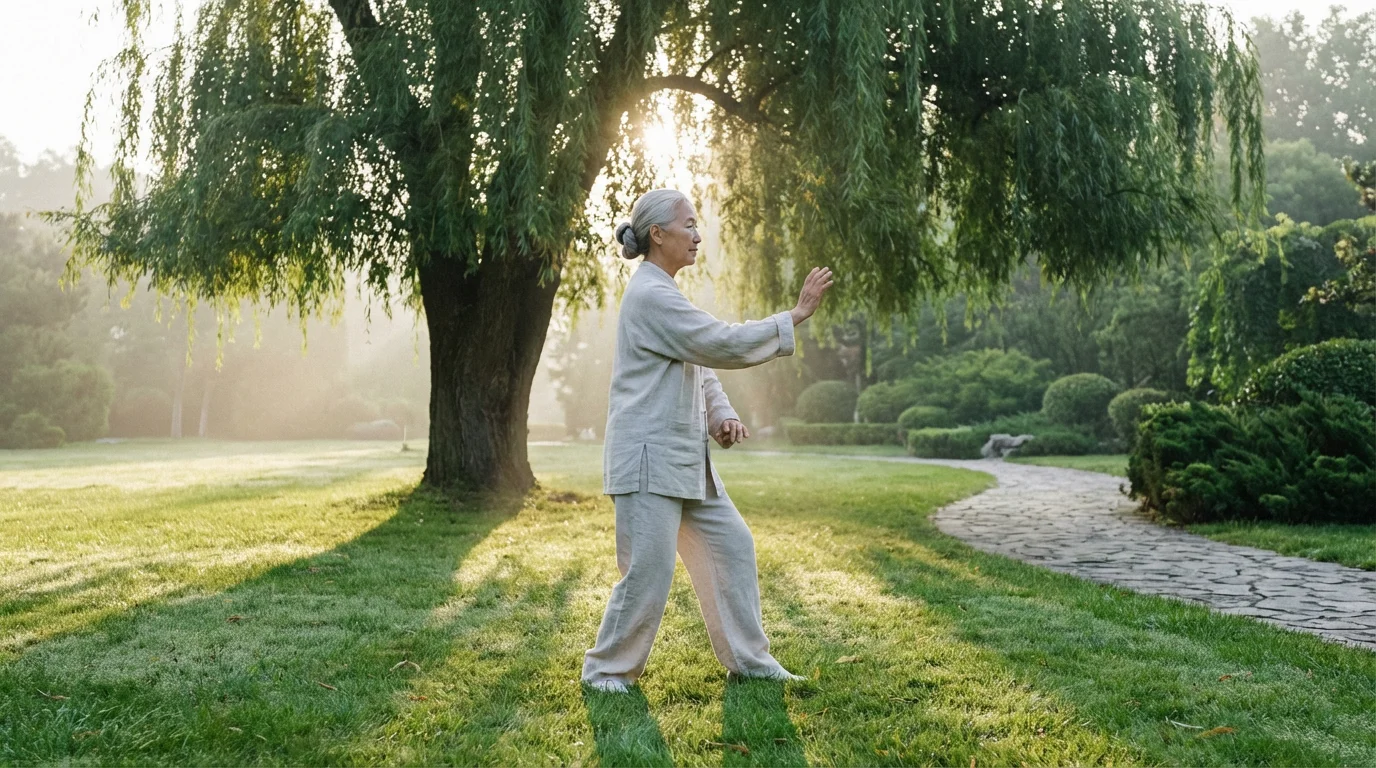
- Yoga and Tai Chi: These practices combine gentle stretches, strengthening poses, and mindful breathing, enhancing flexibility, balance, and mental well-being. They prove particularly effective for reducing stiffness.
- Strength Training: Using light weights or resistance bands builds muscle around your joints, providing better support and protection. Consult a physical therapist to learn appropriate exercises for your specific condition.
Always listen to your body and avoid activities that significantly increase your pain. Begin slowly, perhaps with just 10-15 minutes a day, and gradually build up your duration and intensity. Consistency, not intensity, yields the greatest rewards in arthritis management.

Nourishing Your Body: The Anti-Inflammatory Diet
The food you eat plays a profound role in your body’s inflammatory response, directly influencing arthritis pain. Adopting an anti-inflammatory diet helps reduce systemic inflammation, thereby diminishing joint discomfort and promoting overall health. This approach centers on whole, unprocessed foods that nurture your body.
In addition to fighting inflammation, focusing on nutrition for bone health is essential for maintaining the structural integrity of your joints.
You empower yourself by choosing foods that actively fight inflammation. Conversely, you avoid those that can trigger or worsen it. This dietary shift represents a proactive step in managing your arthritis naturally.
Prioritize these inflammation-fighting foods:
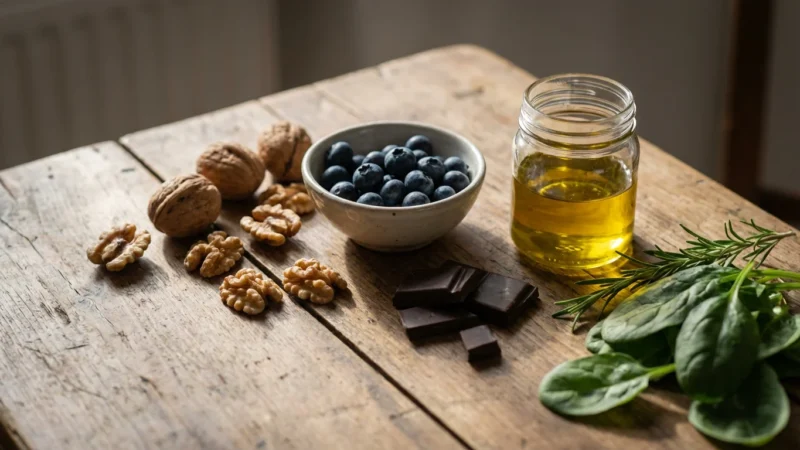
- Omega-3 Fatty Acids: Found in fatty fish like salmon, mackerel, and sardines, as well as flaxseeds, chia seeds, and walnuts. Omega-3s possess potent anti-inflammatory properties.
- Fruits and Vegetables: A vibrant array of colorful produce, particularly leafy greens like spinach and kale, berries, and cherries. These are rich in antioxidants, which combat cell damage and inflammation.
- Whole Grains: Oats, brown rice, quinoa, and whole wheat bread offer complex carbohydrates and fiber. They help stabilize blood sugar and reduce inflammatory markers.
- Olive Oil: Extra virgin olive oil contains oleocanthal, a compound with anti-inflammatory effects similar to ibuprofen.
- Nuts and Seeds: Almonds, pecans, and sunflower seeds provide healthy fats, fiber, and antioxidants.
- Spices: Turmeric and ginger are well-known for their powerful anti-inflammatory compounds. Incorporate them into your cooking regularly.
Limit or avoid these pro-inflammatory foods:
- Processed Foods: Highly processed snacks, fast food, and convenience meals often contain unhealthy fats, sugar, and artificial additives that fuel inflammation.
- Refined Sugars: Sugary drinks, candies, and desserts contribute to inflammation and can lead to weight gain, further stressing your joints.
- Unhealthy Fats: Trans fats (found in many fried and processed foods) and excessive saturated fats (red meat, full-fat dairy) can increase inflammation.
Making these dietary adjustments not only benefits your joints but also enhances your overall vitality. You cultivate a stronger, more resilient body from the inside out.

Mind-Body Connection: Stress Reduction and Pain Perception
The intricate connection between your mind and body means that stress can significantly amplify the perception of arthritis pain. When you experience stress, your body releases hormones that can increase inflammation and heighten your sensitivity to discomfort. Cultivating a calm mind, therefore, becomes an essential part of your natural pain management strategy.
Harvard Health Publishing consistently emphasizes the role of psychological factors in chronic pain, including arthritis. Their insights reveal that mastering stress reduction techniques allows you to lower inflammation and significantly improve your pain threshold. You gain a powerful tool in your pursuit of graceful aging.
Age is an issue of mind over matter. If you don’t mind, it doesn’t matter. — Mark Twain
Incorporate these mind-body practices into your daily life to reduce stress and pain:
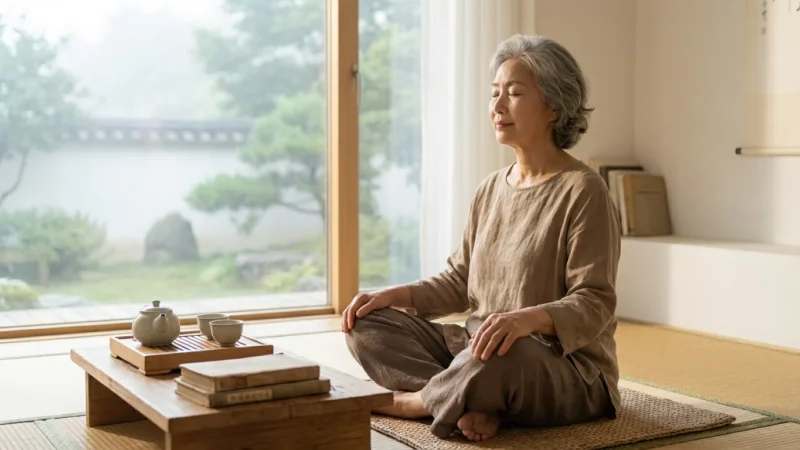
- Mindfulness Meditation: Focus on the present moment, observing thoughts and sensations without judgment. Even a few minutes daily can reduce stress hormones and foster a sense of peace.
- Deep Breathing Exercises: Simple, deliberate breaths activate your body’s relaxation response, calming your nervous system and easing tension.
- Yoga and Tai Chi: Beyond their physical benefits, these practices are profoundly meditative, connecting breath with movement to release stress and promote mental clarity.
- Engaging Hobbies: Immerse yourself in activities you enjoy, whether reading, painting, gardening, or listening to music. These provide a welcome distraction and a source of joy.
- Spending Time in Nature: Research suggests that time outdoors, especially in green spaces, reduces stress, lowers blood pressure, and improves mood.
By consciously engaging in these practices, you not only manage pain but also enrich your emotional and spiritual well-being. You create a sanctuary of calm within yourself, regardless of external circumstances.
Harnessing Nature’s Pharmacy: Supplements and Topical Remedies
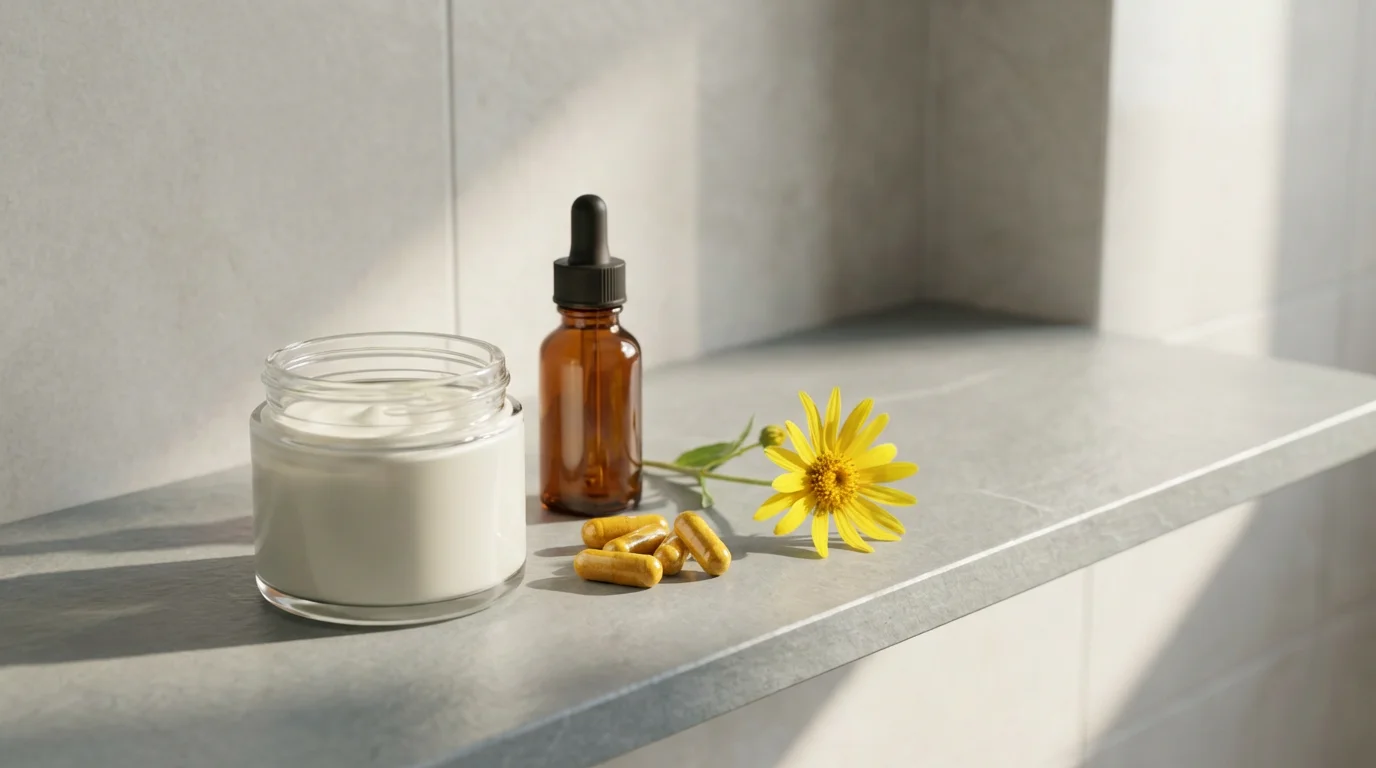
Many natural compounds, derived from plants and other sources, offer promising avenues for managing arthritis pain. These supplements and topical remedies work to reduce inflammation or provide localized relief. However, always approach them with informed caution and consultation with your healthcare provider.
You deserve a personalized approach to your health. Discussing any supplements with your doctor ensures they complement your existing health regimen and do not interact negatively with medications. Your doctor helps you make safe, effective choices.
Consider these natural options, always with professional guidance:
- Glucosamine and Chondroitin: These compounds are natural components of cartilage. Many studies explore their potential to support joint health and reduce osteoarthritis pain, though results vary.
- Turmeric (Curcumin): The active compound in turmeric, curcumin, possesses strong anti-inflammatory properties. It helps reduce pain and stiffness in some individuals.
- Ginger: Known for its anti-inflammatory and pain-relieving effects, ginger can be consumed as a spice, tea, or supplement.
- Boswellia Serrata: Also known as Indian frankincense, this herb has a long history of use in traditional medicine for its anti-inflammatory benefits, particularly for joint pain.
- Capsaicin Cream: Derived from chili peppers, capsaicin depletes substance P, a neurotransmitter that sends pain signals. Topical creams can provide localized pain relief.
- Menthol or Camphor Rubs: These topical agents create a cooling or warming sensation that temporarily distracts from pain. They offer temporary relief for sore joints and muscles.
- Essential Oils: Certain essential oils, like lavender or frankincense, diluted in a carrier oil (such as jojoba or almond oil), can offer soothing effects when massaged into the skin. Always patch test first and ensure you use high-quality, pure oils.
Remember that “natural” does not automatically mean “safe” for everyone. Your healthcare provider can offer valuable insight into which options align best with your individual health profile.

Optimizing Your Environment: Ergonomics and Assistive Devices
Your living and working environments significantly impact how you experience arthritis pain throughout your day. Thoughtful ergonomic adjustments and the strategic use of assistive devices can drastically reduce strain on your joints, preserving your energy and independence. You create a supportive sanctuary that works with you, not against you.
Beyond comfort, these environmental adjustments play a vital role in preventing falls and ensuring your safety at home.
Imagine navigating your home with ease, opening jars without struggle, or enjoying your hobbies with less discomfort. These small changes collectively make a monumental difference in your quality of life. You empower yourself to continue living gracefully within your own space.
Implement these environmental optimizations and assistive tools:
- Ergonomic Seating: Choose chairs with good lumbar support and adjustability. Use cushions or pillows to maintain proper posture while sitting or driving.
- Elevated Surfaces: Raise beds, chairs, and toilet seats to reduce the effort required for sitting down and standing up, protecting your knees and hips.
- Kitchen Aids: Invest in adaptive tools such as electric can openers, jar openers, lightweight utensils, and ergonomic knives to make meal preparation easier on your hands and wrists.
- Grab Bars and Rails: Install grab bars in bathrooms and handrails on staircases to provide stability and prevent falls, especially crucial for those with lower body arthritis.
- Assistive Dressing Tools: Sock aids, long-handled shoehorns, and button hooks simplify dressing, reducing the need for awkward bending and fine motor skills.
- Comfortable Footwear: Wear supportive, well-cushioned shoes that absorb shock and provide stability. Avoid high heels or flimsy footwear that can worsen joint pain.
- Reach Extenders: Use tools that help you grasp items from high shelves or the floor without straining your back or bending your knees excessively.
These adaptations are not about giving in to limitations. Instead, they represent intelligent strategies for maintaining your independence and continuing to engage in the activities you value most. You design your world to support your well-being.

Building a Support System: Community and Professional Guidance
Navigating arthritis pain is a journey best shared. A robust support system, encompassing both personal connections and professional guidance, offers invaluable emotional encouragement and practical strategies. You do not have to face this challenge in isolation.
Connecting with others who understand your experience fosters a sense of community and provides new perspectives on managing discomfort. Similarly, drawing upon the expertise of healthcare professionals ensures you receive the most effective, personalized care. You build a network that uplifts and empowers you.
Consider these avenues for building your support system:
- Connect with Loved Ones: Share your feelings and challenges with trusted family members and friends. Their understanding and practical assistance can significantly lighten your load.
- Join Support Groups: Local or online arthritis support groups offer a safe space to share experiences, exchange tips, and find camaraderie with others facing similar challenges. You realize you are not alone.
- Consult a Physical Therapist: A physical therapist can design a personalized exercise program, teach you proper body mechanics, and recommend specific stretches to improve joint function and reduce pain.
- Engage an Occupational Therapist: An occupational therapist helps you adapt daily tasks and environments to minimize strain on your joints. They can recommend assistive devices and ergonomic modifications specific to your needs.
- Explore Pain Management Specialists: For persistent or severe pain, a specialist in pain management can offer advanced strategies, including non-pharmacological interventions and complementary therapies.
- Seek Nutritional Counseling: A registered dietitian specializing in anti-inflammatory diets can provide tailored advice and meal plans to support your joint health.
Remember, seeking help is a sign of strength, not weakness. You actively invest in your well-being, ensuring you possess all the resources necessary to live gracefully and joyfully.
Frequently Asked Questions
What is the most effective natural way to manage arthritis pain?
The most effective natural approach often involves a combination of strategies. Gentle, consistent exercise, particularly low-impact activities like swimming or walking, strengthens supporting muscles and improves joint flexibility. Adopting an anti-inflammatory diet rich in fruits, vegetables, and omega-3s also plays a crucial role in reducing systemic inflammation. You achieve the best results by integrating multiple natural methods.
How quickly can I expect to see results from natural arthritis remedies?
The timeline for seeing results varies significantly among individuals and depends on the specific natural remedies you implement. Dietary changes and consistent exercise can begin to show benefits within a few weeks to a few months, as your body gradually reduces inflammation and strengthens. Supplements may take longer, typically 4-12 weeks, to exert their full effects. Patience and consistency are key to achieving lasting relief.
Are there any natural remedies I should avoid for arthritis?
While many natural remedies are beneficial, some can interact with medications or prove unsuitable for certain health conditions. For instance, certain herbal supplements can thin the blood, which poses risks if you take anticoagulant medications. High doses of some vitamins can also have adverse effects. Always consult your doctor or a qualified healthcare professional before starting any new supplement or natural treatment, ensuring safety and efficacy for your unique health profile.
Can losing weight help with arthritis pain?
Absolutely, losing even a modest amount of weight can significantly reduce arthritis pain, especially in weight-bearing joints like the knees and hips. Every pound of body weight places several pounds of pressure on your joints. Reducing this load alleviates stress on cartilage and can slow the progression of osteoarthritis. You improve both your comfort and your joint longevity through weight management.
Is it safe to continue exercising if my arthritis flares up?
During an arthritis flare-up, you might need to modify your exercise routine. Listen carefully to your body. Intense exercise could worsen inflammation during a flare. Instead, focus on gentle stretches, range-of-motion exercises, or water-based activities that minimize impact. Rest the affected joint if pain is severe, and resume your regular routine once the flare subsides. Your body provides the best guidance during these times.
Managing arthritis pain naturally is a testament to your proactive spirit and commitment to graceful aging. You possess numerous tools to alleviate discomfort, enhance your mobility, and preserve your ability to engage fully with life. From nurturing your body with an anti-inflammatory diet and embracing gentle movement, to calming your mind and optimizing your environment, each step contributes to your overall well-being.
Embrace this journey with intention and optimism. You can minimize arthritis’s impact, continuing to live a life rich in purpose, comfort, and joy. Your golden years await your full, vibrant participation.
Disclaimer: This article is for informational and inspirational purposes. Life decisions are deeply personal, and we encourage readers to consult with appropriate professionals—whether healthcare providers, counselors, or financial advisors—for guidance specific to their circumstances.







Leave a Reply