

As you embark upon or continue through the graceful chapters of retirement, your perspective on life often deepens. This journey invites introspection, growth, and a renewed appreciation for the world around you. Your vision, in both its literal and metaphorical sense, plays a central role in how you experience these golden years. Maintaining healthy eyesight allows you to continue engaging fully with your passions, your loved ones, and the myriad beauties of daily life.
While changes in vision naturally accompany the aging process, they do not have to diminish your quality of life. Understanding these shifts and knowing how to proactively manage them empowers you to protect your precious sight. This article offers practical insights and actionable strategies, ensuring your vision remains clear as you embrace a vibrant and purposeful retirement.

Embracing the Journey: Vision’s Role in a Graceful Retirement
Retirement truly is a canvas upon which you paint your most cherished moments. You pursue long-held hobbies, connect deeply with family and friends, and explore new horizons. Each activity, from reading a beloved book to admiring a grandchild’s smile, relies significantly on your visual acuity. The ability to see clearly enables your continued participation in the rich tapestry of life.
Similarly, maintaining cognitive function ensures that your mind remains as sharp as your vision as you explore new subjects.
Maintaining sharp eyesight is also a key component of lifelong learning, as it allows you to explore new subjects and skills with confidence.
Approaching age-related changes with a proactive and positive mindset defines graceful living. Instead of viewing these shifts as limitations, consider them as opportunities for informed self-care and adaptation. By understanding the natural evolution of your eyes, you gain the power to preserve your sight and maintain your independence. This awareness fosters a sense of control and resilience, essential qualities for a fulfilling retirement.

Understanding Common Age-Related Vision Changes
Your eyes, like all parts of your body, experience gradual changes over time. Many of these shifts are normal and manageable, representing a natural progression rather than a cause for alarm. Recognizing these common age-related eye problems helps you address them promptly and effectively.
For those considering a retirement relocation, lighting and accessibility become even more important factors in selecting a new home.
Beyond external treatments, staying properly hydrated can also help manage dry eye symptoms by supporting natural tear production.
One of the most universal experiences is presbyopia, a condition affecting your ability to focus on close objects. You may find yourself holding menus or books further away, or requiring reading glasses for tasks that once seemed effortless. This change typically begins in your 40s or 50s and progresses with age. It results from the natural hardening of the lens inside your eye, making it less flexible.
Another prevalent change involves dry eyes. As you age, your tear production can decrease, leading to feelings of grittiness, burning, or discomfort. Environmental factors, certain medications, and hormonal shifts can exacerbate this condition. Maintaining adequate eye lubrication becomes important for comfort and clear vision. Regular use of artificial tears often provides significant relief.
You may also notice changes in your perception of color, particularly blues and greens, or reduced sensitivity to contrast. Your eyes’ lenses can yellow slightly with age, filtering out certain light wavelengths. This can make differentiating between similar shades challenging. An increase in glare sensitivity, especially when driving at night, also commonly occurs. These gradual vision changes often prompt adjustments in lighting and environmental conditions.

Navigating More Serious Eye Conditions: Macular Degeneration and Cataracts
While some vision changes are a normal part of aging, others signal more significant conditions requiring professional attention. Two of the most common and serious age-related eye problems are macular degeneration and cataracts. Early detection and management are crucial for preserving your sight when facing these conditions.
Understanding Macular Degeneration
Age-related macular degeneration, or AMD, affects the macula, the central part of your retina responsible for sharp, detailed vision. This area allows you to recognize faces, read, and see fine details. AMD causes blurred central vision or blind spots, making activities like reading or driving increasingly difficult. While AMD rarely leads to total blindness, it significantly impacts quality of life.
AMD manifests in two main forms: dry AMD and wet AMD. Dry AMD, the more common form, involves thinning of the macula and the presence of small yellow deposits called drusen. Wet AMD, while less common, is more severe. Abnormal blood vessels grow under the retina, leaking fluid or blood, which causes rapid and severe vision loss. Regular eye exams can detect AMD in its early stages, allowing for interventions that slow its progression. Research from the National Institute on Aging suggests nutritional supplements, particularly those containing specific vitamins and minerals, can reduce the risk of advanced AMD in some individuals.
Understanding Cataracts
A cataract describes the clouding of the eye’s natural lens. Your lens, normally clear, helps focus light onto the retina. As a cataract develops, it makes your vision blurry, hazy, or less colorful. You might feel like you are looking through a cloudy window. Other symptoms include difficulty with night vision, sensitivity to light and glare, and seeing “halos” around lights.
Cataracts develop slowly over time, often affecting both eyes, though one eye may be more advanced than the other. They are a universal part of aging. Nearly everyone develops cataracts if they live long enough. The good news is that cataract surgery is a common, safe, and highly effective procedure. Surgeons replace the cloudy lens with an artificial intraocular lens, restoring clear vision for most patients. This intervention vastly improves the quality of life for millions of older adults.

Proactive Steps: How Do I Protect My Eyesight?
Protecting your eyesight involves a combination of smart lifestyle choices and diligent self-care. You hold significant power in slowing the progression of age-related vision changes and preventing more serious conditions. Adopting a proactive approach preserves your vision and supports your overall well-being.
Consider these essential steps to safeguard your eye health:
- Wear Sunglasses: Protect your eyes from harmful ultraviolet (UV) radiation by wearing sunglasses that block 99-100% of both UVA and UVB rays. UV exposure contributes to cataracts and macular degeneration. Make this a habit whenever you are outdoors, even on cloudy days.
- Quit Smoking: Smoking dramatically increases your risk for developing cataracts, macular degeneration, and optic nerve damage. If you smoke, quitting is one of the most impactful steps you can take for your eye health and overall health.
- Manage Chronic Conditions: Diabetes and high blood pressure significantly impact your vision. Uncontrolled diabetes can lead to diabetic retinopathy, and hypertension can damage blood vessels in the retina. Work closely with your healthcare provider to manage these conditions effectively.
- Maintain a Healthy Weight: Obesity increases the risk of developing diabetes and other systemic diseases, which can indirectly affect your eye health. A balanced diet and regular exercise support healthy weight management and protect your eyes.
- Practice Eye Safety: Protect your eyes from injury by wearing appropriate protective eyewear during activities like gardening, home repairs, or when working with chemicals. A significant percentage of eye injuries are preventable.
- Take Screen Breaks: If you spend extended periods in front of a computer or digital screen, follow the 20-20-20 rule. Every 20 minutes, look at something 20 feet away for at least 20 seconds. This helps reduce eye strain and fatigue.
What daily habits can you integrate to prioritize your eye health today? A small, consistent effort yields significant long-term benefits for your vision.
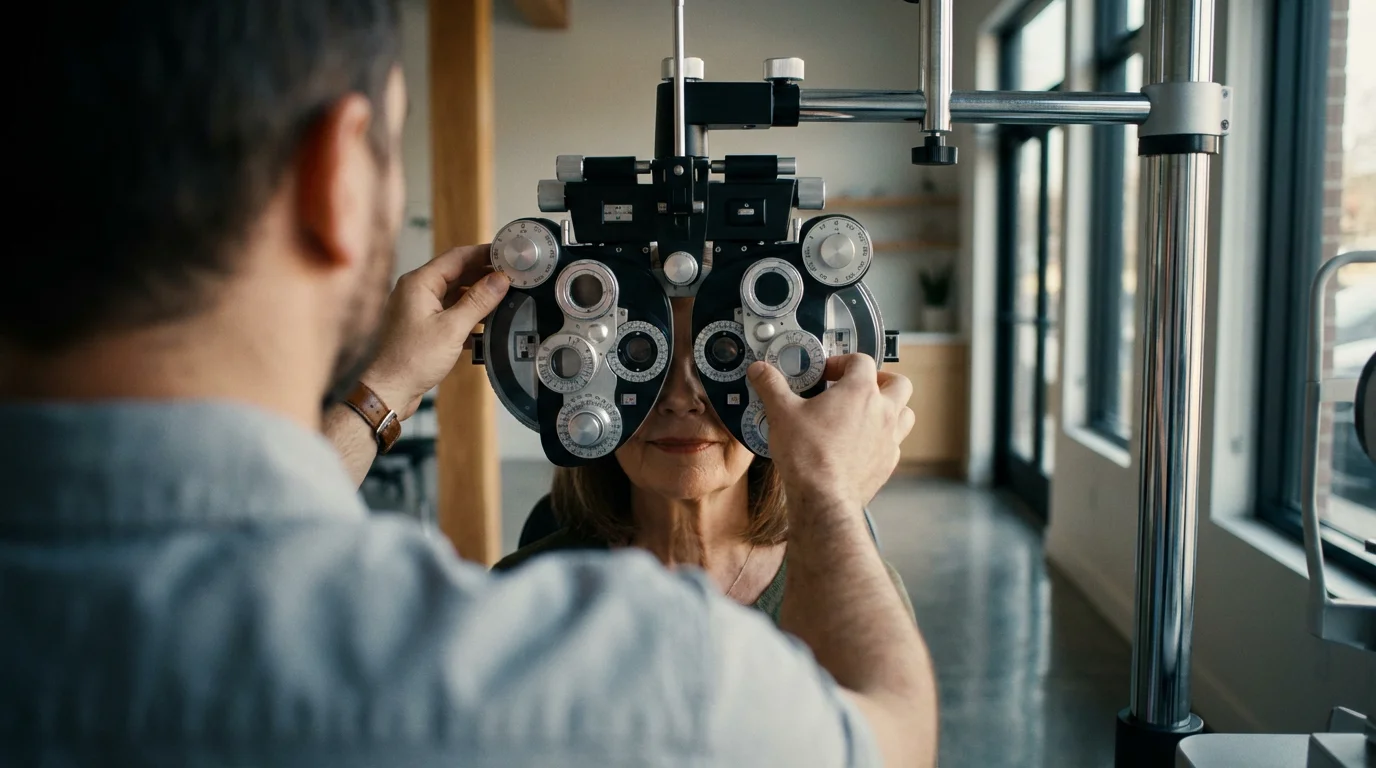
The Power of Regular Eye Exams: Your Essential Roadmap to Eye Health
Regular, comprehensive eye exams serve as the cornerstone of preventative eye care, especially as you age. They go far beyond simply checking your prescription for glasses or contacts. A thorough examination allows an eye care professional to detect signs of eye disease early, often before you even notice symptoms.
Understanding how your health insurance or Medicare covers these routine screenings is an important part of managing your healthcare budget.
During an eye exam, your optometrist or ophthalmologist assesses various aspects of your eye health. They check for conditions like glaucoma, a disease that damages the optic nerve, often without early warning signs. They also look for diabetic retinopathy, a complication of diabetes that affects the blood vessels in the retina, and other retinal disorders. Early detection of these conditions is paramount, as many treatments are most effective when initiated promptly.
The frequency of your eye exams depends on your age, risk factors, and overall health. Generally, adults 60 and older should have a comprehensive dilated eye exam every one to two years, or more often if recommended by your eye care professional. These exams provide a crucial roadmap for maintaining optimal vision throughout your graceful retirement. Do you have a current eye exam scheduled, or is it time to book one?

Nourishing Your Vision from Within: Diet and Lifestyle
The adage “you are what you eat” holds profound truth when it comes to eye health. Your dietary choices and overall lifestyle significantly influence the health and longevity of your vision. Providing your eyes with the right nutrients strengthens their resilience against age-related decline.
Consider incorporating these vision-boosting foods into your daily meals:
- Leafy Green Vegetables: Spinach, kale, and collard greens are rich in lutein and zeaxanthin, powerful antioxidants that protect your macula from damage.
- Fatty Fish: Salmon, tuna, mackerel, and sardines are excellent sources of omega-3 fatty acids. These healthy fats help prevent dry eyes and may reduce the risk of macular degeneration.
- Citrus Fruits and Berries: Oranges, grapefruits, strawberries, and blueberries provide abundant Vitamin C, an antioxidant crucial for healthy blood vessels in your eyes and for reducing the risk of cataracts.
- Nuts and Seeds: Almonds, walnuts, chia seeds, and flax seeds are packed with Vitamin E and omega-3s, offering protective benefits for your eye cells.
- Eggs: Egg yolks contain lutein, zeaxanthin, and zinc, all vital for macular health.
Beyond diet, maintaining an active lifestyle contributes to overall vascular health, which directly benefits your eyes. Regular physical activity improves circulation, ensuring your eyes receive a steady supply of oxygen and nutrients. Aim for a balanced lifestyle that includes nutritious food, consistent exercise, and adequate rest. These holistic practices are key to preserving not just your vision, but your entire well-being. Stanford’s Center on Longevity often emphasizes the interconnectedness of physical activity and healthy aging, including aspects like vision.

Adapting Your Environment: Living Well with Vision Changes
Even with proactive care, some age-related vision changes are inevitable. The beauty of aging gracefully lies in your capacity to adapt and innovate, ensuring these changes do not hinder your enjoyment of life. Small adjustments to your living environment and daily routines make a significant difference in maintaining independence and safety.
Consider these practical strategies to optimize your surroundings:
- Enhance Lighting: Improve the illumination in your home, especially in areas where you read, cook, or engage in hobbies. Use brighter bulbs, task lighting, and ensure good contrast between objects and their backgrounds. Reduce glare by using frosted bulbs and positioning lights to shine on tasks, not directly into your eyes.
- Increase Contrast: Use contrasting colors to differentiate objects. For example, use a dark placemat under a light plate, or choose light-colored towels against dark bathroom tiles. Mark steps or changes in floor levels with contrasting tape.
- Magnification Tools: Utilize magnifying glasses, large-print books, or e-readers with adjustable font sizes. Many electronic devices also offer zoom functions and accessibility settings to enlarge text and images.
- Reduce Clutter: Keep your living spaces tidy and free of obstacles to prevent falls. Ensure pathways are clear and furniture arrangements allow for easy navigation.
- Technology for Assistance: Explore assistive technology such as talking clocks, large-button telephones, or apps that read text aloud. Smart home devices can also simplify tasks by voice command.
- Safety in the Kitchen: Use contrasting cutting boards, brightly colored utensils, and tactile markers on appliance dials. Consider automatic shut-off features for stoves and irons.
These adaptations do not represent limitations; instead, they are clever solutions that empower you to continue living a full and engaged life. How can you make your home environment even more supportive of your current visual needs?
“Age is an issue of mind over matter. If you don’t mind, it doesn’t matter.” — Mark Twain
This timeless wisdom reminds us that our perspective shapes our reality. Adapting to vision changes reflects resilience and a commitment to living life fully, regardless of circumstance.

Seeking Support and Community: Resources for Clearer Living
You never have to navigate age-related vision changes alone. A wealth of resources and support networks exist to help you maintain your independence and adapt gracefully. Connecting with professionals and communities offers invaluable guidance, practical tools, and emotional reassurance.
Consider reaching out to these types of resources:
- Low Vision Specialists: If standard glasses no longer suffice, a low vision specialist can recommend specialized optical devices, electronic magnifiers, and adaptive techniques to maximize your remaining vision.
- Vision Rehabilitation Programs: These programs offer training in daily living skills, mobility, and technology use for individuals with significant vision loss. They empower you to learn new ways of accomplishing tasks and maintaining independence.
- Support Groups: Connecting with others experiencing similar vision challenges can be incredibly validating and informative. Share experiences, learn new coping strategies, and build a sense of community. Organizations like the National Council on Aging (NCOA) often provide information on local support services.
- Online Resources: Reputable websites, such as the National Institute on Aging, offer extensive information on eye health, conditions, and management strategies. These platforms provide evidence-based advice and help you stay informed.
Embracing support signifies strength, not weakness. It allows you to leverage collective wisdom and expertise, ensuring you have every tool available to live your best life. What resources will you explore to enhance your visual well-being?

Reflecting on Vibrant Living: Connecting Vision to Well-Being
Your ability to see the world clearly extends beyond physical sight; it deeply intertwines with your emotional, mental, and spiritual well-being. A vibrant life in retirement means experiencing joy, connection, and purpose, all of which benefit from healthy vision. When you prioritize your eye health, you invest in your entire quality of life.
Take a moment to reflect on these questions:
- How does clear vision enhance your daily joys, from reading to enjoying nature?
- What activities do you most value that rely on your sight, and how can you ensure you continue to enjoy them?
- How does a proactive approach to eye care empower your sense of independence and self-reliance?
Aging is not a process of decline, but an ongoing journey of evolution and discovery. By actively managing your vision, you affirm your commitment to living fully and gracefully. You continue to embrace new experiences, nurture relationships, and contribute meaningfully to the world around you. Your sight remains a precious gift, allowing you to witness the enduring beauty of life’s unfolding story.
Frequently Asked Questions
What are common age-related eye problems?
Common age-related eye problems include presbyopia (difficulty focusing on close objects), dry eyes, increased glare sensitivity, and reduced contrast sensitivity. More serious conditions like cataracts and age-related macular degeneration (AMD) also become more prevalent with age. Regular eye exams are crucial for detecting and managing these issues.
How do I protect my eyesight as I age?
Protecting your eyesight involves several proactive steps. Wear UV-blocking sunglasses outdoors, quit smoking, manage chronic conditions like diabetes and high blood pressure, maintain a healthy diet rich in eye-supporting nutrients, and schedule regular comprehensive eye exams. Also, use appropriate eye protection during hazardous activities and take breaks from digital screens.
Can diet impact my vision?
Yes, diet significantly impacts your vision. Foods rich in antioxidants like lutein, zeaxanthin, Vitamin C, and Vitamin E, along with omega-3 fatty acids, help protect your eyes. Excellent sources include leafy green vegetables, fatty fish, citrus fruits, berries, nuts, and eggs. A nutritious diet contributes to overall eye health and may reduce the risk of certain age-related eye conditions.
When should I see an eye doctor for vision changes?
You should see an eye doctor immediately if you experience sudden changes in vision, such as sudden blurriness, double vision, flashes of light, floaters, eye pain, or loss of peripheral vision. For general age-related vision changes, schedule comprehensive dilated eye exams every one to two years, or as recommended by your eye care professional, even if you do not notice significant symptoms.
Disclaimer: This article is for informational and inspirational purposes. Life decisions are deeply personal, and we encourage readers to consult with appropriate professionals—whether healthcare providers, counselors, or financial advisors—for guidance specific to their circumstances.








Leave a Reply