

Retirement marks a profound transition, inviting you into a chapter rich with possibilities for personal growth and renewed purpose. It is a time when the demands of work often recede, opening space to redefine your daily life and reconnect with what truly matters. At the heart of a fulfilling retirement lies the invaluable treasure of senior friendships, vibrant connections that enrich your spirit and sustain your well-being.
Your social circle provides comfort, shared laughter, and meaningful engagement. These relationships offer a sense of belonging and community, essential pillars for graceful living at any age. Embracing this new phase with intentionality means recognizing the profound impact these bonds have on your overall happiness and health.
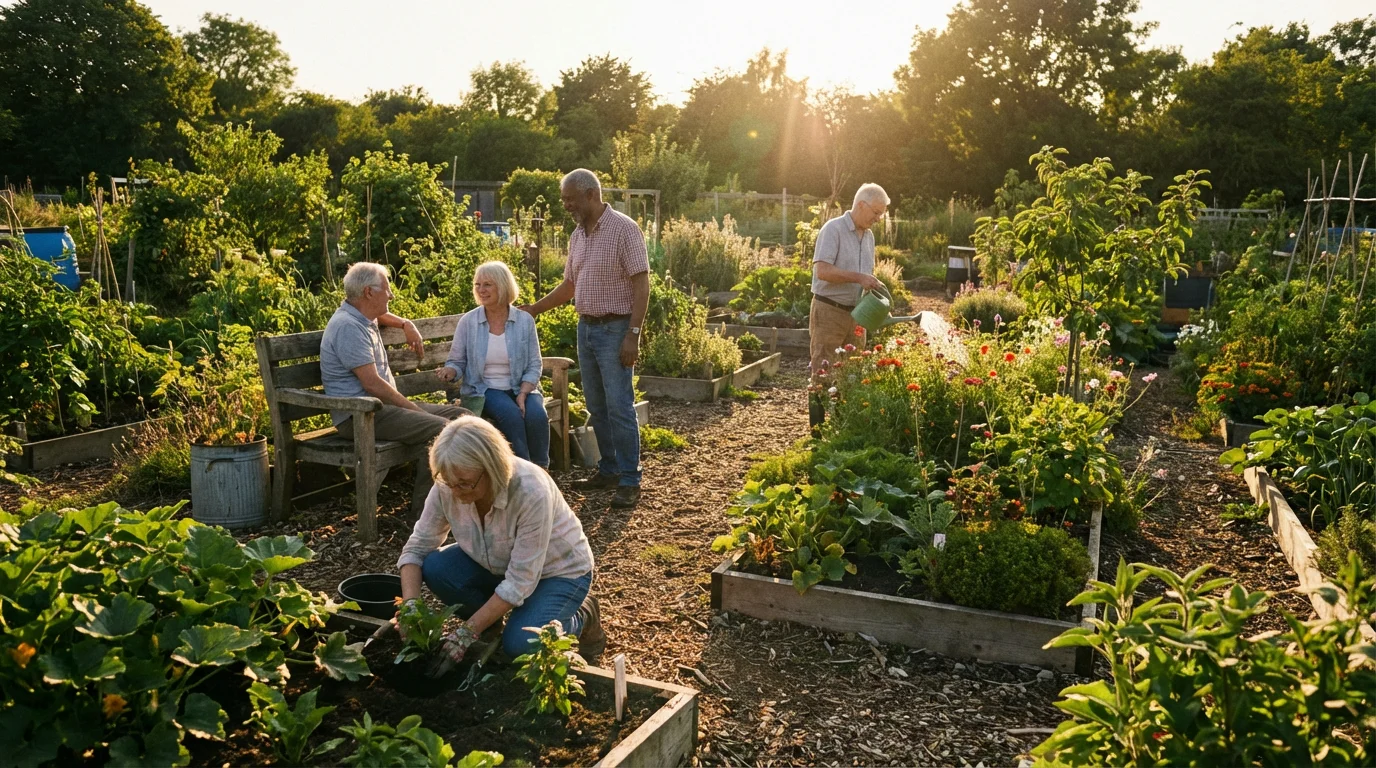
The Enduring Value of Connection in Your Golden Years
Friendships are not merely pleasant diversions; they form the bedrock of a rich, purposeful life. In retirement, these connections become even more critical as work-related social structures diminish. You gain a unique opportunity to curate your social circle with intention, focusing on relationships that truly nourish you.
Strengthening these bonds often goes hand-in-hand with finding purpose after retirement and discovering what drives you in this new chapter.
These bonds offer emotional support, intellectual stimulation, and shared experiences. They provide a sense of identity and belonging that transcends professional roles, affirming your worth and contributions. Embracing and strengthening these ties defines a graceful retirement.
Consider the depth of shared history with long-standing friends, those who know your story and have witnessed your journey. Reflect on the new perspectives new friendships bring, expanding your world in unexpected ways. Both types of connections hold immense value.
“The glory of friendship is not the outstretched hand, nor the kindly smile, nor the joy of companionship; it is the spiritual inspiration that comes to one when he discovers that someone else believes in him and is willing to trust him with a friendship.” — Ralph Waldo Emerson
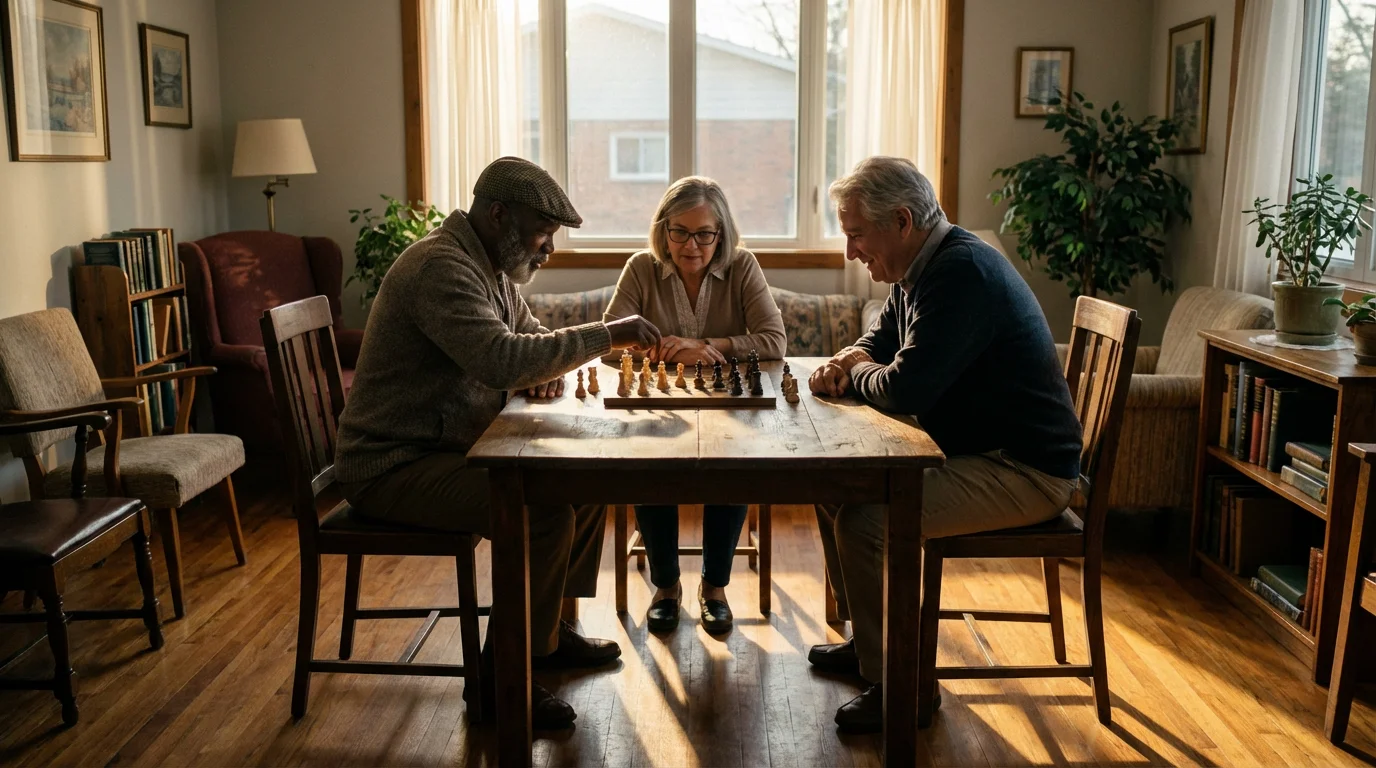
Navigating Life Transitions: Why Friendships Shift and What to Do
Retirement often brings significant shifts in your daily routines and social patterns. Your work colleagues, once a constant presence, may fade from regular interaction. This natural evolution can leave you feeling a void, prompting you to actively seek new avenues for connection.
For those moving to a new area, starting fresh in a new community offers a unique chance to build a supportive network from the ground up.
Learning effective strategies for overcoming isolation can make these periods of change feel much less daunting.
Friends may also move, manage their own life changes, or experience health challenges. These shifts are a normal part of life, but they require a conscious effort to adapt and rebuild your social framework. Understanding these dynamics helps you approach them with grace and resilience.
Recognize that changes in your `social circle` are opportunities for growth, not losses to lament. You possess the wisdom and experience to navigate these transitions skillfully, shaping a social life that genuinely reflects your current aspirations. Take proactive steps to manage these shifts.
* Acknowledge the changes: Understand that shifts in friendships are a natural part of life, particularly during major transitions like retirement.
* Embrace new beginnings: See the space created by shifting relationships as an invitation for new and enriching connections.
* Stay in touch selectively: Prioritize maintaining friendships that truly resonate with your current self and bring you joy.
* Communicate your availability: Let friends know your new schedule and interests, making it easier for them to connect with you.

Proactive Steps to Expand Your Social Circle
Building `retirement friends` requires intentional effort, but the rewards are immeasurable. You already possess a lifetime of experience and wisdom, making you a fascinating and valuable friend to others. Tap into your interests and curiosity to find new connections.
Joining retirement clubs is an excellent way to connect with others who are also looking to stay active and engaged.
By rediscovering your passions, you naturally gravitate toward social environments where authentic connections thrive.
Think about activities you always wanted to pursue but lacked the time for during your working years. This is your chance to explore them, and in doing so, meet like-minded individuals. Shared passions form a strong foundation for new friendships.
Consider these actionable strategies to grow your `social circle`:
-
Join local clubs and organizations: Seek out groups aligned with your hobbies, such as book clubs, garden clubs, hiking groups, or volunteer associations. Many communities offer senior centers with a wide array of activities, from art classes to fitness programs. These settings naturally facilitate interaction.
-
Volunteer your time: Contributing to a cause you care about not only enriches your community but also introduces you to compassionate, engaged individuals. Whether at a hospital, library, or animal shelter, shared purpose creates strong bonds.
-
Take a class: Enroll in a community college course, an online learning program, or local workshop. Learning a new skill, whether a language or pottery, brings you into contact with people eager to expand their minds, just like you.
-
Participate in faith-based communities: If you are part of a religious or spiritual community, actively participate in their social groups or outreach programs. These environments often foster deep, supportive friendships.
-
Utilize online platforms: Look for local interest groups on social media or dedicated platforms that connect people for hobbies and events. Be discerning and meet in public places for initial interactions, prioritizing your safety.
Remember that `how to make friends later life` often involves taking the first step. Extend an invitation for coffee, suggest a walk, or simply strike up a conversation. Most people appreciate genuine connection.

Cultivating Deeper Bonds: Nurturing Existing Relationships
While expanding your `social circle` is valuable, do not overlook the importance of `maintaining friendships after retirement`. Your long-standing friends offer a unique comfort and understanding. Nurturing these relationships ensures they continue to thrive through life’s changes.
Make an effort to be present and engaged. True friendship requires reciprocity and a willingness to invest time and energy. Think about the small gestures that communicate care and appreciation.
Here are practical ways to deepen your existing bonds:
-
Schedule regular check-ins: Establish a routine for connecting, whether it is a weekly phone call, a monthly lunch, or a bi-weekly video chat. Consistency demonstrates your commitment to the friendship.
-
Plan shared experiences: Suggest activities you can enjoy together, such as visiting a museum, attending a concert, trying a new restaurant, or exploring a local park. Shared adventures create lasting memories.
-
Be a good listener: Offer a compassionate ear and genuine interest in your friends’ lives. Sometimes, the most valuable thing you can give is your undivided attention.
-
Offer practical support: Be there for your friends during challenging times, offering help with errands, a ride to an appointment, or simply a comforting presence. Reciprocal support strengthens any bond.
-
Celebrate milestones: Acknowledge birthdays, anniversaries, and other achievements. These celebrations reinforce the value you place on your friends and their lives.
-
Resolve disagreements gracefully: All relationships encounter bumps. Address misunderstandings with honesty and respect, seeking resolution rather than allowing resentment to fester. Mature communication strengthens trust.

Leveraging Technology for Connection and Community
In our modern world, technology offers powerful tools for `maintaining friendships after retirement` and forging new ones, especially when geographical distances or mobility challenges arise. Embracing digital platforms can bridge gaps and keep you connected to a vibrant `social circle`.
Do not let unfamiliarity deter you. Many platforms are user-friendly, designed with intuitive interfaces that make connecting simple. Consider seeking help from a family member or a local library if you need assistance getting started. The effort invested will yield significant returns in connection.
Think about how technology can enhance your interactions:
* Video calls: Services like Zoom, FaceTime, or Google Meet allow you to see friends and family, making conversations feel more personal and engaging than a simple phone call.
* Social media: Platforms can help you keep up with friends and family, share updates, and join groups based on common interests. Many local communities have dedicated social media groups for residents.
* Messaging apps: WhatsApp, Messenger, and others offer easy ways to send quick messages, share photos, and even organize group chats for planning events or sharing daily thoughts.
* Online interest groups: Websites and forums dedicated to specific hobbies, from genealogy to birdwatching, offer opportunities to connect with individuals who share your passions, regardless of location.
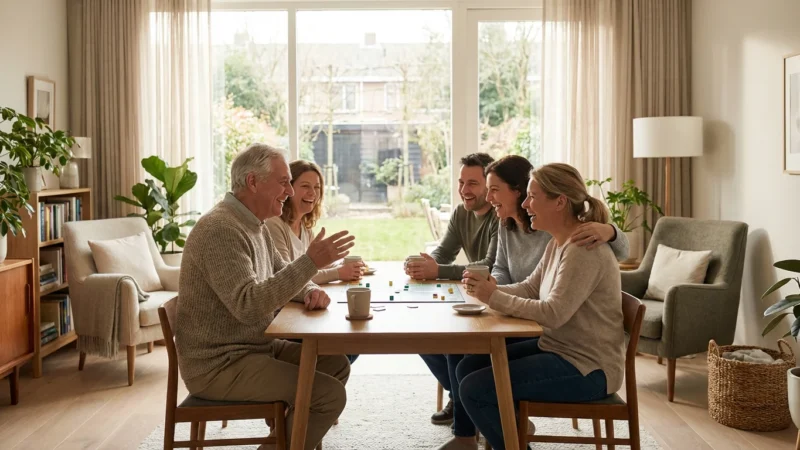
* Online gaming: If you enjoy games, many online platforms allow you to play with friends or meet new people who share your gaming interests, offering a fun and interactive way to socialize.
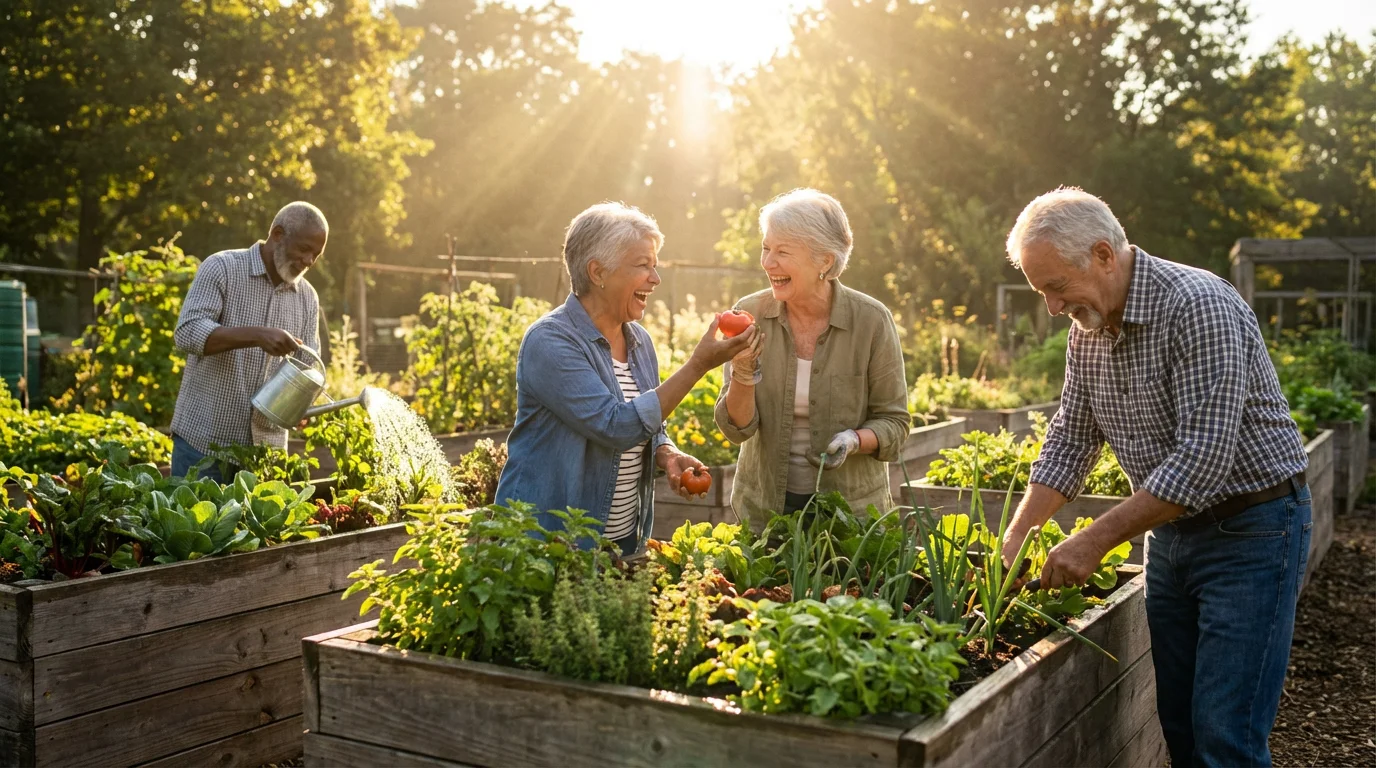
The Health Benefits of a Robust Social Circle
The impact of strong `senior friendships` extends far beyond emotional fulfillment; it profoundly influences your physical and cognitive health. Research consistently demonstrates a powerful link between social connection and longevity, affirming the importance of nurturing your `social circle`.
Prioritizing these interactions is a critical component of combating loneliness and maintaining a positive outlook on life.
A study from the Stanford Center on Longevity, for instance, highlights how social engagement can contribute to a longer, healthier life, emphasizing the protective effects of strong relationships against various age-related declines. Staying connected helps keep your mind sharp and your spirit buoyant.
Consider these measurable benefits:
-
Improved mood and reduced stress: Regular social interaction releases endorphins, boosts serotonin, and helps alleviate feelings of loneliness and anxiety. Friends provide an outlet for sharing burdens and joys.
-
Enhanced cognitive function: Engaging in conversations, playing games, and participating in group activities with friends stimulates your brain, helping to maintain memory and cognitive vitality. Social interaction acts as a mental workout.
-
Better physical health: People with strong social ties tend to exhibit healthier behaviors, such as exercising more, eating better, and attending preventive health screenings. Friends often motivate each other towards positive lifestyle choices.
-
Increased longevity: Numerous studies indicate that individuals with robust social networks live longer, healthier lives. Social support offers a buffer against life’s stressors and fosters a sense of purpose.
-
Greater resilience: Facing life’s inevitable challenges feels less daunting when you have a supportive network. Friends provide encouragement, perspective, and practical help during difficult times, building your capacity to bounce back.

Embracing New Adventures: Shared Interests, Shared Lives
Retirement offers an unparalleled opportunity to explore new horizons, pursue long-held dreams, and discover latent talents. When you embark on these new adventures with `retirement friends`, the experience becomes even richer and more memorable. Sharing an activity transforms it into a bonding experience.
Whether you dream of traveling the world, mastering a musical instrument, learning to paint, or exploring local hiking trails, invite a friend along. These shared pursuits become the fabric of new `senior friendships` and deepen existing ones, providing countless opportunities for laughter and shared discovery.
Think about the new friendships that emerge from shared experiences:
-
Travel companions: Planning and experiencing a trip with a friend creates indelible memories and strengthens your bond through shared exploration and problem-solving.
-
Learning partners: Taking a class together, whether it is culinary arts or a foreign language, provides mutual support and shared achievement. You learn from and with each other.
-
Fitness buddies: Committing to a walking group, a yoga class, or regular gym sessions with a friend provides accountability and companionship, making health goals more attainable and enjoyable.
-
Creative collaborators: Joining a craft circle, a writing group, or a community theater troupe with a friend allows you to express your creativity and support each other’s artistic endeavors.
-
Advocacy allies: Engaging in volunteer work or community advocacy with friends amplifies your impact and strengthens your connection through a shared commitment to making a difference.
These shared journeys not only expand your social circle but also ensure your retirement years are filled with excitement, purpose, and lasting connections. They exemplify `how to make friends later life` a vibrant and continuous process.

Overcoming Obstacles: Addressing Shyness and Disappointment
The path to building and `maintaining friendships after retirement` is not always without its challenges. You might encounter feelings of shyness, face rejection, or experience disappointment when a connection does not flourish as hoped. These are normal parts of social interaction, regardless of age.
Recognize that everyone, at some point, navigates these emotions. Your wisdom and resilience, honed over a lifetime, equip you to approach these obstacles with perspective and grace. Do not let minor setbacks deter you from seeking the profound joy that friendships offer.
* Acknowledge shyness: Understand that feeling hesitant is natural. Start with small steps, such as smiling at someone new or offering a brief compliment. Practice makes interactions more comfortable.
* Manage expectations: Not every acquaintance will become a best friend. Value each connection for what it is, appreciating the diversity of relationships in your `social circle`.
* Bounce back from rejection: If an invitation is declined or a conversation does not flow, do not take it personally. Move on with grace, knowing there are many other opportunities for connection.
* Be authentic: Present your true self. The most fulfilling `senior friendships` grow from genuine connection, where you feel comfortable being yourself.
* Persistence pays off: Building meaningful relationships takes time and consistent effort. Remain open and continue to engage, even if results are not immediate.
Your journey to a rich social life in retirement is a testament to your spirit of engagement and growth. Embrace each encounter as an opportunity, allowing your natural warmth and wisdom to shine through.
Frequently Asked Questions
Why are friendships especially important in retirement?
Friendships provide vital emotional support, combat loneliness, and offer a sense of purpose and belonging, which often decreases as work-related social structures fade. They contribute significantly to mental and physical well-being, helping you maintain a vibrant and engaged life.
What if I feel shy about meeting new people?
Shyness is a common feeling. Start with low-pressure environments, like a hobby group or a volunteer opportunity, where shared interests create natural conversation starters. Practice small greetings, smile often, and remember that many people also hope to make new friends. Consistency and small steps build confidence.
How can I maintain long-distance friendships?
Technology offers excellent solutions for maintaining long-distance bonds. Regular video calls, email exchanges, and messaging apps can keep you connected. Plan occasional visits, send thoughtful cards, or even read the same book and discuss it over the phone. Intentional effort ensures these connections endure.
Is it ever too late to make new friends?
Absolutely not. Life stages change, and so can your social needs. Retirement is a perfect time to forge new connections with individuals who share your current interests and lifestyle. Embrace this phase as an opportunity for exciting new friendships, recognizing that age brings wisdom and a deeper capacity for connection.
How do I differentiate between acquaintances and true friends?
Acquaintances are people you know and interact with casually, perhaps through shared activities. True friends are individuals with whom you share deeper trust, emotional support, and vulnerability. They are people you can confide in, who offer genuine support during challenging times, and who celebrate your successes with equal enthusiasm. Both types of relationships enrich your life in different ways.
Disclaimer: This article is for informational and inspirational purposes. Life decisions are deeply personal, and we encourage readers to consult with appropriate professionals—whether healthcare providers, counselors, or financial advisors—for guidance specific to their circumstances.





Leave a Reply