
As you navigate the graceful journey of your golden years, you likely seek ways to maintain vitality, purpose, and a sharp mind. It is a time for growth and discovery, embracing new chapters with intention and joy. While discussions about physical activity and diet often take center stage in the quest for lasting health, the profound impact of your social connections on your cognitive well-being often remains underestimated.
Learning how to prioritize social connections is essential for ensuring these bonds remain a central part of your lifestyle.
Maintaining robust brain health extends beyond puzzles and memory exercises. It involves nurturing the very fabric of your daily life, particularly your interactions with others. Your social landscape, rich with conversations, shared laughter, and meaningful engagement, is a powerful ally in preserving and enhancing your cognitive abilities.

The Profound Connection Between Social Bonds and Brain Health
Consider your brain as a dynamic network, constantly adapting and responding to stimuli. Your social environment provides a rich tapestry of these stimuli, challenging your mind in ways solitary activities cannot. Engaging with others requires active listening, quick thinking, empathy, and memory recall, all of which are critical for robust cognitive health.
This continuous mental workout strengthens neural pathways and even encourages the formation of new ones. Research consistently highlights that individuals with active social lives tend to exhibit better memory, faster information processing, and stronger problem-solving skills as they age. Your relationships are not merely pleasant diversions, they are fundamental pillars of your `brain health`.

Understanding How Socializing Improves Brain Health
The question, “how does socializing improve brain health?” has several compelling answers rooted in neuroscience and psychology. Social interaction acts on multiple fronts to protect and enhance your cognitive functions. It is a complex interplay of emotional, mental, and even physiological benefits.
Firstly, social engagement reduces chronic stress. Loneliness and isolation elevate levels of cortisol, the body’s stress hormone, which can damage brain cells over time, particularly in areas vital for memory and learning. Conversely, supportive social bonds buffer against stress, fostering a sense of security and well-being that promotes a healthier brain environment.
Secondly, regular conversations and group activities provide constant mental stimulation. When you engage in dialogue, you are accessing vocabulary, formulating thoughts, and interpreting non-verbal cues. This complex cognitive process is akin to a vigorous mental exercise, sharpening your intellect and maintaining cognitive agility.
Moreover, a rich social life often involves new experiences and learning opportunities. Whether you are learning a new skill with friends or discussing a challenging book in a club, these activities introduce novelty and complexity that actively stimulate your brain. This continuous learning is crucial for `preventing cognitive decline`.
Your social connections also offer a sense of purpose and belonging, which are powerful psychological factors in maintaining optimism and motivation. A purposeful life encourages active engagement with the world, leading to sustained mental activity and a reduced risk of depression, a known risk factor for cognitive decline. Studies from institutions like the National Institute on Aging consistently link stronger social networks to better cognitive outcomes in later life, emphasizing `social interaction` as a key protective factor.

The Silent Threat of Social Isolation and Preventing Cognitive Decline
While the benefits of social engagement are profound, its absence presents a significant risk to your `cognitive health`. Social isolation is more than just being alone; it is the perceived lack of meaningful connection. This feeling can be detrimental, affecting both your mental and physical well-being.
Research indicates that prolonged social isolation and loneliness are associated with a higher risk of developing dementia and other forms of `cognitive decline`. For instance, a study published by Harvard Health highlights that individuals who report feeling lonely have a 40 percent increased risk of dementia. The brain thrives on interaction, and without it, certain functions may begin to wane.
When you are isolated, your brain receives less stimulation, leading to a reduction in cognitive engagement. This can result in a more rapid decline in cognitive abilities compared to those who maintain active social lives. The emotional distress linked to loneliness also contributes, affecting sleep patterns, increasing inflammation, and elevating blood pressure, all of which can indirectly impact `brain health`.
Recognizing the silent threat of social isolation is the first step toward safeguarding your future. It underscores the urgency and importance of proactively cultivating and maintaining strong social bonds for `preventing cognitive decline`. Your intentional efforts to connect with others are an investment in your long-term cognitive vitality.

Cultivating Meaningful Connections: Practical Strategies for a Richer Social Life
Embracing a richer social life does not require a complete overhaul of your routine. Often, it involves small, consistent steps that build over time. Consider these practical strategies to enhance your `social interaction` and bolster your `cognitive health`:
- Reactivate Old Friendships: Reach out to friends you have lost touch with. A simple phone call, email, or social media message can rekindle a cherished connection. You might be surprised by how eager they are to reconnect.
- Join Community Groups or Clubs: Pursue hobbies that align with your interests, whether it is a book club, a gardening group, a hiking club, or a volunteer organization. These groups naturally foster regular interaction and shared purpose.
- Volunteer Your Time: Giving back to your community offers a dual benefit. You contribute to a cause you care about and meet like-minded individuals. Organizations like Encore.org celebrate the power of purpose-driven engagement in later life.
- Take a Class or Workshop: Learning something new, whether it is a language, an art form, or a computer skill, provides a structured environment for interaction. Shared learning experiences are excellent catalysts for new friendships.
- Attend Local Events: Check your local community calendar for festivals, concerts, lectures, or senior center activities. These events offer low-pressure opportunities to mingle and meet new people.
- Embrace Technology: Video calls with distant family members or online communities centered around specific interests can supplement in-person interactions, keeping you connected across distances.
- Host Small Gatherings: Invite a few friends or neighbors for coffee, a potluck, or a game night. Creating opportunities for others to connect in your home can strengthen bonds and build a supportive network.
Remember, the goal is not merely to be surrounded by people, but to engage in meaningful ways. Focus on quality over quantity, seeking connections that bring you joy, intellectual stimulation, and emotional support.
Nurturing Relationships Across Generations
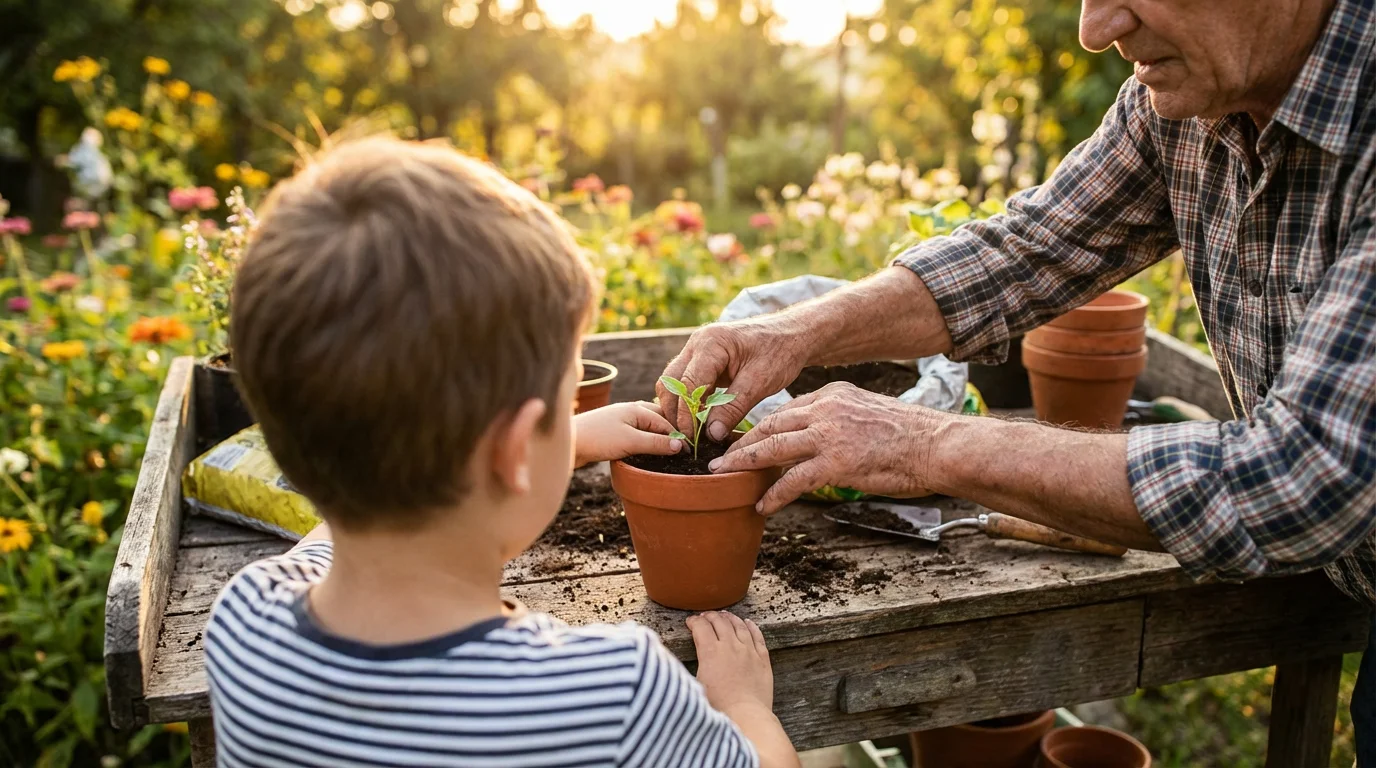
The wisdom and experiences you have accumulated over a lifetime are invaluable gifts to share. Engaging with younger generations offers a unique opportunity for both you and them, creating a vibrant exchange that benefits everyone involved. These intergenerational connections are particularly beneficial for `brain health`.
Mentoring younger individuals, whether formally or informally, provides a profound sense of purpose and keeps your mind agile. You actively recall and articulate your knowledge, problem-solve alongside them, and adapt your communication style. This mental stretching is excellent for `preventing cognitive decline`.
Similarly, spending time with grandchildren or younger family members introduces you to new perspectives, technologies, and interests. Their energy can be contagious, encouraging you to stay active and engaged with the evolving world. These interactions also provide novel cognitive challenges, as you might learn new games or interpret contemporary slang, all of which stimulate your brain.
Consider opportunities such as:
- Reading to children at a local library or school.
- Sharing a skill or hobby, like baking, woodworking, or storytelling, with younger family members.
- Mentoring through community programs or online platforms.
- Participating in family activities that involve all ages.
These rich, multi-generational interactions strengthen family bonds and contribute significantly to your overall well-being and `cognitive health`.
“The afternoon knows what the morning never suspected.” — Robert Frost

Overcoming Barriers to Social Engagement in Later Life
As you age, certain challenges can make maintaining an active social life more difficult. Mobility issues, the loss of loved ones, health concerns, or even a natural inclination towards solitude can create barriers. However, recognizing these obstacles allows you to proactively address them.
If mobility is a concern, explore accessible transportation options or consider online groups and video calls. Many communities offer senior transportation services or ride-sharing programs specifically for older adults. Technology can bridge distances and connect you with others who share your interests, even if you cannot meet in person.
Grief and loss can profoundly impact your desire for social interaction. It is natural to withdraw during these times. However, reaching out to support groups or counseling services can provide a safe space to process your feelings and gradually reconnect with others who understand your experience. AARP offers extensive resources for coping with grief and finding support networks.
For those who are naturally introverted or shy, the idea of initiating new social connections can feel daunting. Start small. Attend events where you do not feel pressured to carry a conversation, like a concert or a lecture. Focus on activities you genuinely enjoy, as shared interests make interactions more comfortable and natural. Remember, even a few strong, meaningful connections are more beneficial than a large network of superficial acquaintances.

The Broader Benefits of Social Connection Beyond Cognition
While the focus here is on `cognitive health`, the positive ripple effects of `social interaction` extend far beyond your brain. A vibrant social life contributes to a holistic sense of well-being, enhancing many aspects of your graceful retirement.
Emotionally, strong social ties are a powerful antidote to loneliness and depression, fostering greater happiness and contentment. Having people to share your joys and sorrows with provides invaluable emotional support, making life’s challenges feel less overwhelming. This emotional resilience directly impacts your mental state, creating a positive feedback loop for `brain health`.
Physically, studies suggest that socially active individuals often have better physical health outcomes. They tend to live longer, have stronger immune systems, and recover faster from illness. This could be due to shared healthy activities, encouragement from friends to stay active, or simply the reduced stress that comes with feeling connected.
Furthermore, a robust social network can provide practical support, whether it is a ride to an appointment, help with a task, or simply someone to check in on you. This network of care can be crucial in managing daily life and responding to unexpected challenges, offering a sense of security and peace of mind. Your social connections nourish your entire being, not just your intellect.

Reflecting on Your Social Blueprint for Lasting Brain Health
As you consider the powerful link between `social interaction` and `cognitive health`, take a moment to reflect on your current social landscape. Your relationships are a dynamic and evolving aspect of your life, deserving of thoughtful attention.
Ask yourself these reflective questions:
- How would you describe the quality of your current social interactions? Are they fulfilling and stimulating?
- Do you feel a sense of belonging and connection in your community?
- Are there areas where you could proactively seek out new connections or strengthen existing ones?
- What activities or groups genuinely interest you, offering natural avenues for social engagement?
- Are there any barriers preventing you from greater social connection, and how might you begin to address them?
Your answers can serve as a guide for intentionally shaping a social blueprint that supports your `brain health` and enriches your life. Remember, fostering social connections is an ongoing journey, one that evolves with you through every graceful chapter. Embrace the joy of connecting, for in those shared moments, you not only enrich your life but also fortify your mind.
Frequently Asked Questions
Can virtual social interactions genuinely improve cognitive health?
Yes, virtual social interactions can significantly contribute to cognitive health. While in-person contact offers unique benefits, video calls, online groups, and digital communication still provide mental stimulation, reduce feelings of isolation, and foster a sense of connection. They engage your brain in communication, memory, and problem-solving, much like face-to-face interactions, especially when conversations are meaningful.
How much social interaction is enough to make a difference for brain health?
The optimal amount of social interaction varies for each individual, but the key is consistent, meaningful engagement. It is not about the number of friends, but the quality of your connections. Even a few strong, supportive relationships and regular, stimulating conversations can have a significant positive impact on your cognitive health. Aim for interactions that leave you feeling uplifted and mentally engaged.
Is it ever too late to start building new social connections to benefit cognitive health?
It is never too late to start building new social connections. The brain retains its neuroplasticity, its ability to form new neural pathways, throughout life. Engaging in new social activities, making new friends, and learning new things can stimulate your brain at any age, providing cognitive benefits and helping with preventing cognitive decline. Every new connection is an opportunity for growth.
Does social interaction only help with memory, or are there other cognitive benefits?
Social interaction benefits a wide range of cognitive functions, not just memory. It enhances problem-solving skills, improves attention span, boosts processing speed, and fosters creativity. The demands of social engagement, such as interpreting cues, planning responses, and recalling shared experiences, provide a comprehensive workout for your entire brain, supporting overall cognitive agility.
How do I find social activities that are genuinely stimulating for my brain?
Look for activities that challenge you intellectually or require active participation. Consider joining a debate club, a foreign language class, a volunteer group focused on strategic planning, or a group that discusses current events or complex topics. Board games, card games, and collaborative craft projects also offer excellent mental stimulation alongside social connection. Choose activities that genuinely spark your curiosity and engage your mind.
Disclaimer: This article is for informational and inspirational purposes. Life decisions are deeply personal, and we encourage readers to consult with appropriate professionals—whether healthcare providers, counselors, or financial advisors—for guidance specific to their circumstances.









Leave a Reply