

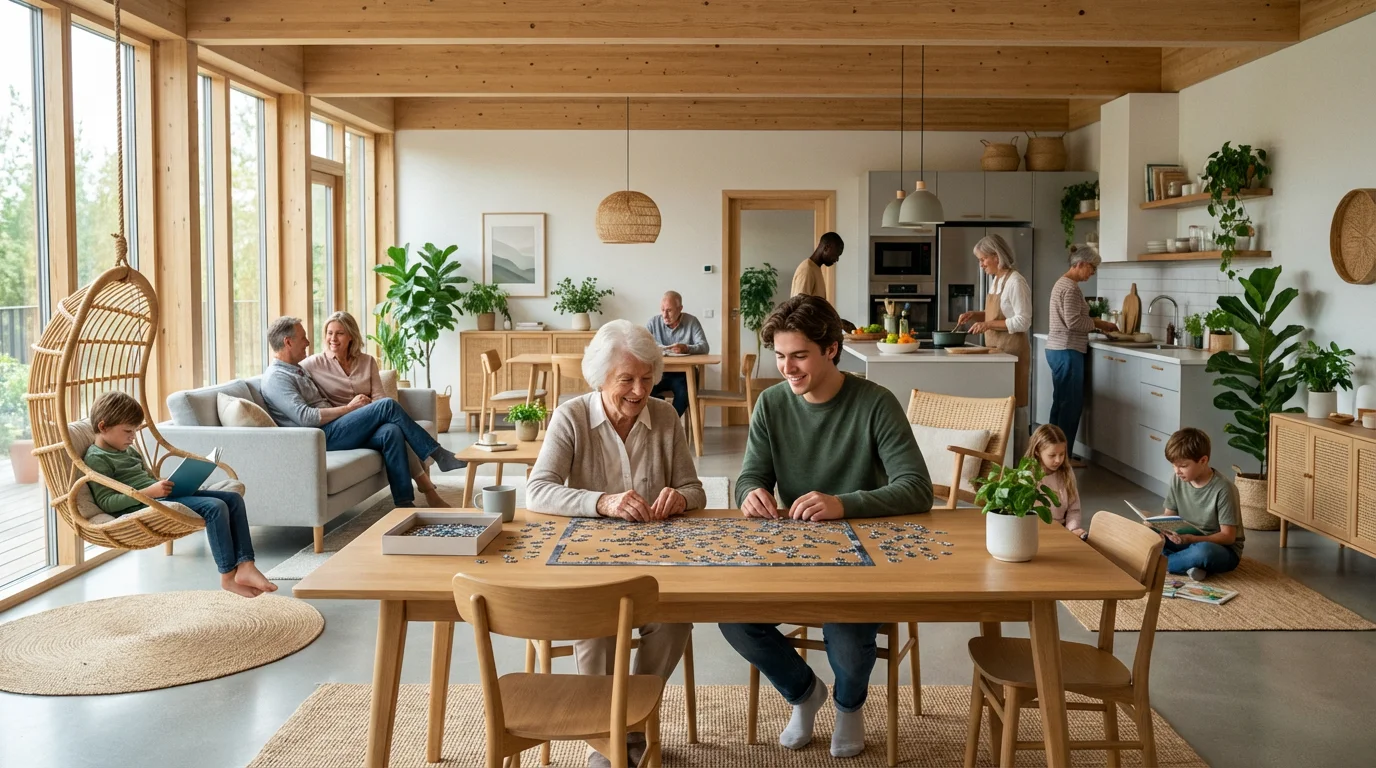
Embracing Community and Connection in Your Golden Years
Life’s later chapters invite us to reflect on what truly enriches our existence. Many people envision retirement as a time for personal freedom, pursuing passions, and deepening connections. You may find yourself contemplating how to cultivate a lifestyle that truly supports your holistic well-being.
Making the choice to move into an intentional neighborhood is a significant part of retirement relocation planning that prioritizes long-term happiness.
The pursuit of dignity, purpose, and grace often leads us towards meaningful community. As we age, the importance of robust social networks becomes undeniably clear. Your environment plays a pivotal role in shaping your daily joy and long-term vitality.

The Power of Shared Generations: Why It Matters for Well-being
Humans are inherently social beings, thriving on interaction and mutual support. Historically, families and communities naturally included multiple generations living and working side by side. Grandparents, parents, and children contributed to a shared household, exchanging wisdom, labor, and affection.
Modern society, however, often sees generations living in increasingly separate spheres. This shift can inadvertently lead to feelings of isolation for older adults, even within active senior communities. Reconnecting with the natural rhythm of diverse age groups offers profound advantages. Embracing intergenerational living can counteract loneliness, foster a sense of belonging, and enrich the tapestry of daily life.
Consider the energy and perspective children bring, the drive of young adults, and the seasoned wisdom of older individuals. Imagine a setting where these energies converge naturally, creating a dynamic, supportive environment for everyone. Such a community embodies a timeless truth: we all flourish when connected across the spectrum of life experience.
“The greatest glory in living lies not in never falling, but in rising every time we fall.” — Nelson Mandela

Redefining Community: Understanding Cohousing as a Lifestyle Choice
If the idea of living in a vibrant, supportive environment appeals to you, `cohousing` presents a compelling model. Cohousing describes intentionally designed neighborhoods where private homes cluster around shared facilities, and residents actively participate in the community’s design and governance. This model offers a unique blend of privacy and community.
Unlike traditional `senior communities`, cohousing is often intergenerational, meaning it welcomes residents of all ages. You maintain your own private home, complete with a kitchen, living area, and bedrooms. Yet, you also gain access to a common house, which typically includes a large kitchen and dining area, lounge, laundry facilities, workshops, and sometimes guest rooms.
The distinguishing feature of cohousing is the residents’ commitment to shared values and responsibilities. They collectively manage the community, make decisions by consensus, and often share meals several times a week. This structure fosters deep connections and a strong sense of collective ownership. It provides an active, engaged lifestyle, moving beyond mere proximity to genuine community engagement.

The Multifaceted Benefits of Intergenerational Living
The advantages of intergenerational living, particularly within a cohousing framework, extend across numerous aspects of life. You gain more than just neighbors; you gain a network of diverse individuals ready to share life’s journey. What are benefits of living intergenerationally? The impact spans social, emotional, cognitive, and practical domains.
Cultivating these relationships often involves bridging the generation gap by learning to communicate effectively with residents of all ages.
* **Enhanced Social Connection and Reduced Isolation:** Loneliness poses a significant health risk for older adults. `Intergenerational living` directly combats this by creating daily opportunities for interaction. You engage with people of different ages, sharing conversations, activities, and meals. This constant social engagement keeps you connected and feeling valued.
* **Cognitive Stimulation and Lifelong Learning:** Regular interaction with diverse age groups exposes you to new perspectives, technologies, and ideas. Grandparents might teach a grandchild to garden, while a teenager helps an older resident with a new tablet. This mental exercise maintains cognitive vitality and fosters a continuous learning environment. Research from Stanford’s Center on Longevity emphasizes the importance of social engagement for cognitive health across the lifespan.
* **Emotional Well-being and a Sense of Purpose:** Engaging with younger generations offers a profound sense of purpose. You might mentor a college student, share stories with children, or simply offer a listening ear. This feeling of being needed and contributing meaningfully enhances self-esteem and overall happiness. It replaces passive consumption with active participation in life.
* **Practical Support and Mutual Aid:** Life in `cohousing` means you are never truly alone. Residents often assist each other with errands, minor household repairs, or even informal childcare. If you need help lifting a heavy item or a ride to an appointment, a community member is likely available. This informal network provides a valuable safety net and reduces reliance on external services.
* **Shared Responsibilities and Resources:** Cohousing thrives on shared responsibility. From gardening common areas to organizing community events, tasks are distributed among residents. This collective effort lightens the load for everyone and builds camaraderie. It also allows for the sharing of resources, such as tools, vehicles, or even skills, reducing individual expenses and waste.
This dynamic environment ensures you remain an active, contributing member of society, defying societal stereotypes about aging. You don’t just exist; you thrive within a supportive, extended family.

Health and Wellness: A Unified Advantage in Intergenerational Settings
The benefits of intergenerational `cohousing` profoundly impact your health and wellness. An active social life and a sense of purpose directly correlate with better health outcomes. When you live in a community that encourages interaction and mutual support, you naturally adopt healthier habits.
Consider these health advantages:
- **Increased Physical Activity:** Cohousing designs often prioritize walking paths, shared gardens, and common spaces that encourage movement. Participating in community activities, from gardening to potlucks, naturally keeps you more active than a solitary lifestyle.
- **Reduced Stress and Anxiety:** The constant presence of a supportive community acts as a buffer against life’s stresses. Knowing you have neighbors who care and can offer assistance alleviates worry. This reduced stress positively impacts cardiovascular health and mental well-being.
- **Better Mental Health Outcomes:** The fight against loneliness and depression finds a powerful ally in `intergenerational living`. Continuous social engagement, combined with a sense of purpose derived from helping others, significantly boosts mood and life satisfaction. You feel seen, heard, and valued.
- **Access to Informal Care and Oversight:** While not a substitute for professional medical care, your cohousing neighbors offer a valuable layer of informal support. If you fall ill, someone will notice and check on you. This collective vigilance provides peace of mind for you and your family.
The National Institute on Aging highlights that social isolation increases the risk of premature death, comparable to smoking and obesity. `Intergenerational living` offers a powerful antidote, fostering a lifestyle that actively promotes longevity and vitality. You become part of a living ecosystem designed for mutual thriving.

Economic Wisdom: Financial Considerations in Cohousing
Beyond the social and health benefits, `cohousing` can offer significant economic advantages, making it an attractive option for thoughtful retirement planning. The financial model often differs from traditional homeownership or renting, presenting unique opportunities for shared savings and resource efficiency.
Ultimately, the true value of these communities lies in revitalizing your social life while sharing the burdens and joys of home ownership.
Before making the move, many find that downsizing for a simpler life is a necessary and rewarding first step toward community living.
Here are financial aspects to consider:
- **Shared Costs for Common Amenities:** You contribute to the common house and shared grounds, but these expenses are typically distributed among all residents. This collective approach means you gain access to high-quality facilities, such as large dining rooms, workshops, or guest suites, at a fraction of the cost you would pay for them individually.
- **Reduced Individual Expenses:** Shared resources can lower your personal cost of living. You might share tools, participate in bulk purchasing for groceries, or even share transportation. This collaborative consumption leads to greater efficiency and savings over time.
- **Potential for Equity Building:** In many `cohousing` models, you own your private home, allowing you to build equity. This provides a stable asset and a sense of long-term security, unlike many rental `senior communities`. The community governance structure means you have a say in financial decisions affecting the property.
- **Energy Efficiency and Sustainability:** Many cohousing communities prioritize sustainable design and energy efficiency, which can translate into lower utility bills for residents. Collective decisions on energy use and conservation benefit everyone financially and environmentally.
- **Community-Based Support Reduces External Service Needs:** The informal support network within `intergenerational living` can reduce the need for paid services for tasks like yard work, minor home repairs, or even occasional childcare if you have grandchildren visiting. This can result in considerable savings over time.
While the initial investment in a cohousing unit may be comparable to a traditional home, the long-term financial benefits derived from shared costs, resources, and reduced service needs often present a compelling economic case. It represents an investment not just in property, but in a sustainable, supportive lifestyle.
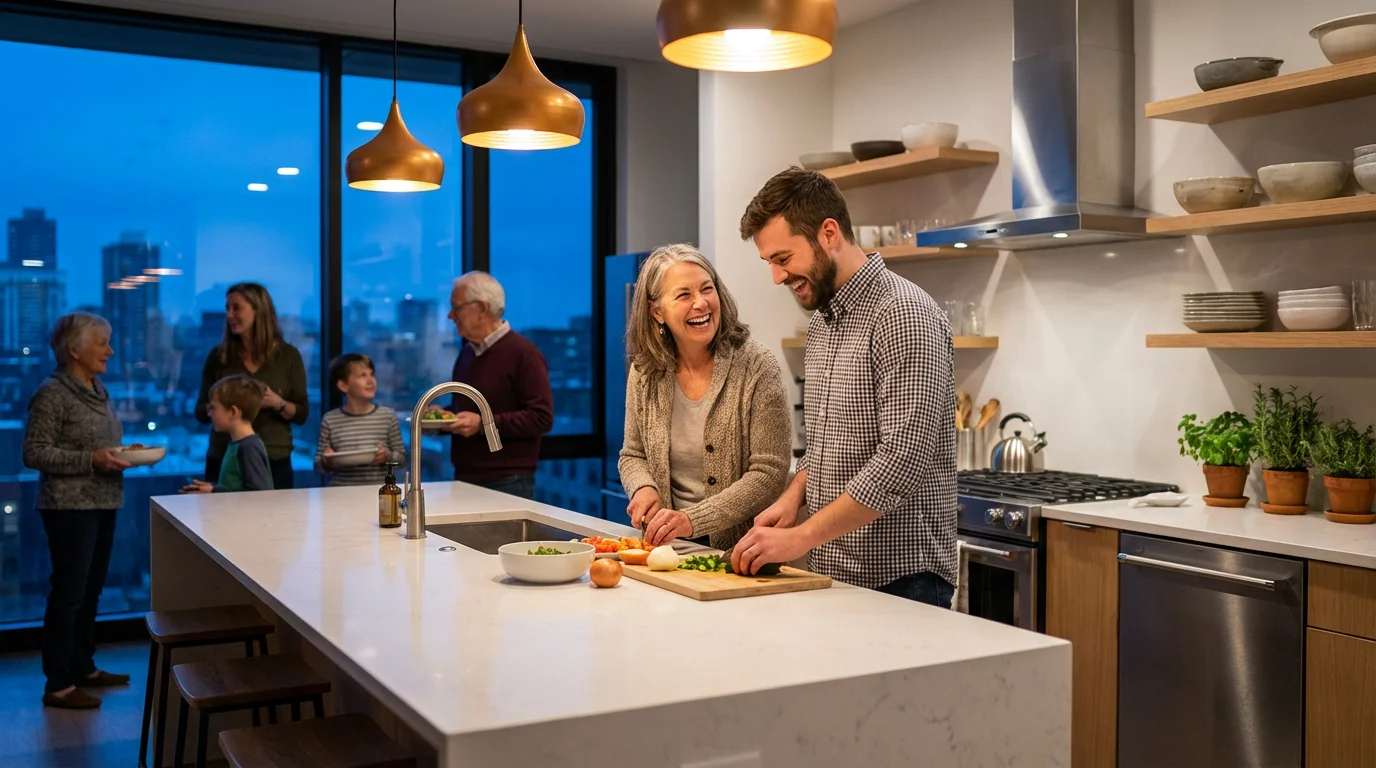
Navigating Your Options: Finding the Right Cohousing Community
The decision to embrace `intergenerational living` is a significant one, requiring careful consideration and research. `Finding cohousing communities` involves more than just locating available properties; it means finding a community whose values and lifestyle align with your own.
When you begin choosing the perfect place to live, consider how the physical location of a cohousing project impacts your daily access to urban amenities.
Follow these steps to explore your options effectively:
- **Research and Education:** Begin by thoroughly researching the cohousing concept. Understand its principles, governance models, and daily life. Websites like the Cohousing Association of the United States offer extensive resources and directories.
- **Identify Your Priorities:** Reflect on what you seek in a community. Do you prefer urban or rural? What level of social engagement do you desire? Are specific shared facilities important to you, such as a large garden, art studio, or guest rooms? Define your non-negotiables.
- **Explore Existing Communities:** Look for established `cohousing` communities in areas that interest you. Many communities offer tours, open houses, or online informational sessions. Attending these events provides invaluable insight into their culture and daily routines.
- **Engage with Residents:** Speak directly with people living in `intergenerational living` communities. Ask about their experiences, challenges, and joys. Their firsthand perspectives offer the most authentic view of community life.
- **Consider “Forming” Communities:** Some cohousing communities are still in the planning or development phase. Joining a forming community offers a unique opportunity to shape its design and values from the ground up, though it requires more time and commitment.
- **Consult Professionals:** As with any major life decision, consult with financial advisors, real estate agents specializing in community models, and legal counsel. Ensure you understand all aspects of ownership, governance, and financial commitments.
The journey to `finding cohousing communities` is an exciting one, opening doors to a future rich with connection and purpose. Allow yourself the time to explore, ask questions, and envision your place within these vibrant, intentional neighborhoods.

Cultivating Purpose and Connection: Reflective Living in Community
Beyond the tangible benefits, `intergenerational living` in a cohousing setting offers a unique opportunity for deep personal growth and a profound sense of purpose. As you enter your golden years, the question of “what next?” often arises. This lifestyle provides compelling answers, allowing you to live reflectively and contribute meaningfully.
Consider how this environment can shape your daily experience:
- **Mentorship and Knowledge Transfer:** Your life experience becomes a valuable asset. You have countless stories, skills, and insights to share with younger generations. This role as a mentor is deeply fulfilling, reinforcing your sense of worth and legacy.
- **Intergenerational Learning:** You do not just teach, you also learn. Younger residents might introduce you to new technologies, cultural trends, or fresh perspectives. This reciprocal learning keeps your mind agile and your spirit youthful.
- **Shared Celebrations and Challenges:** Life in `cohousing` means you celebrate milestones together, from birthdays to graduations, and navigate challenges collectively. This shared journey creates bonds akin to an extended family, providing comfort and strength.
- **Active Participation in Governance:** Having a voice in how your community operates empowers you. Contributing to decisions, solving problems, and shaping your shared environment fosters active citizenship and intellectual engagement.
You find dignity not in passive retirement, but in active engagement and mutual reliance. This way of living honors your full self, recognizing that wisdom and experience are invaluable contributions at any age. It’s an approach to aging that is anything but static, offering continuous growth and abundant connection.
“You are never too old to set another goal or to dream a new dream.” — C.S. Lewis
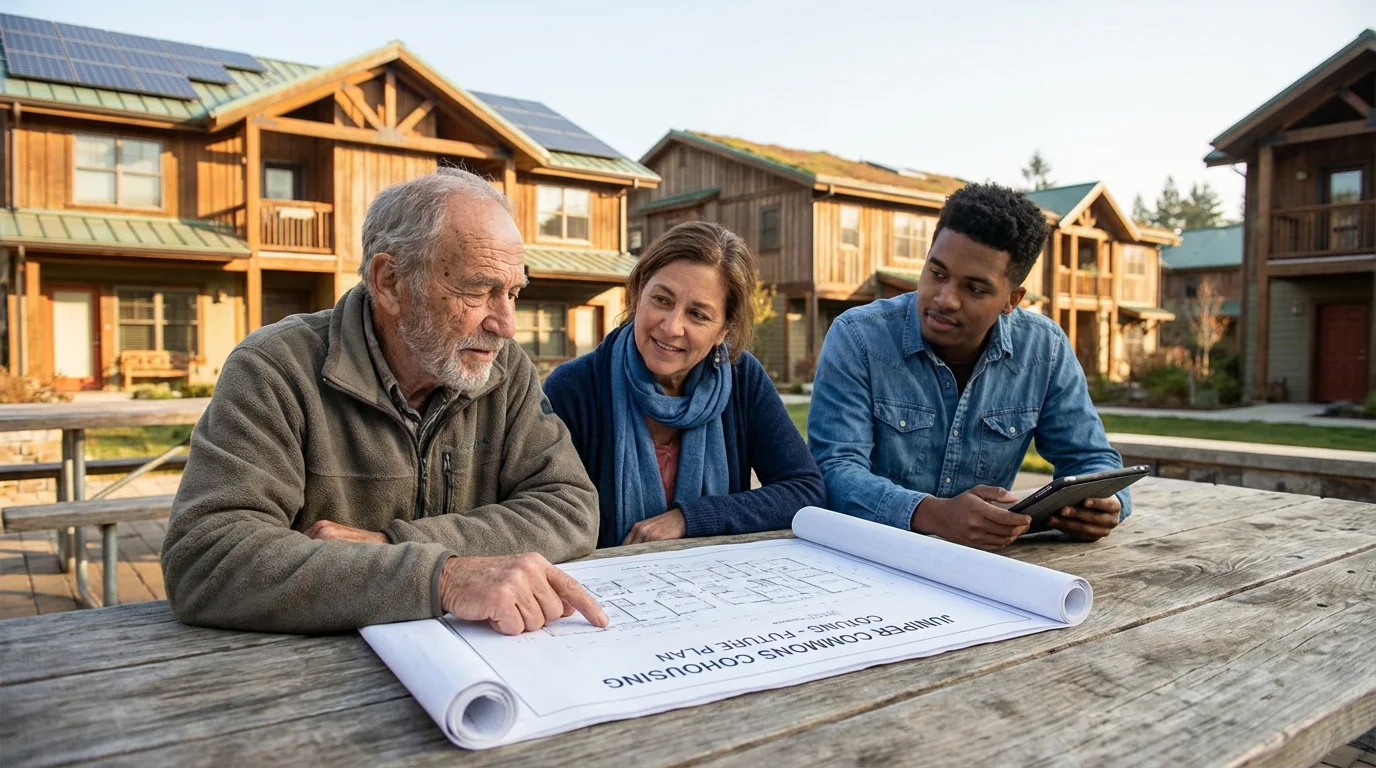
Addressing Concerns and Embracing the Future of Community Living
While `intergenerational living` in a `cohousing` setting offers myriad benefits, it is natural to have questions and potential concerns. A thoughtful exploration addresses these transparently, helping you make an informed decision. The most common questions revolve around privacy, conflict resolution, and the adjustment to communal living.
* **Privacy:** Cohousing is not communal living in the traditional sense. You maintain your private home, which is your sanctuary. The balance lies in choosing when to engage and when to retreat. Respect for individual space is a foundational principle of successful cohousing communities.
* **Conflict Resolution:** Any group of people living closely will encounter disagreements. Successful `cohousing` communities establish clear governance structures and conflict resolution processes. These often involve open communication, mediation, and a commitment to finding consensus, fostering stronger relationships through shared problem-solving.
* **Adjustment to Communal Living:** The transition to a more communal lifestyle requires an open mind and a willingness to participate. It involves sharing responsibilities, attending meetings, and adapting to group decisions. This adjustment is part of the growth experience, leading to deeper community bonds.
* **Homogeneity vs. Diversity:** Some people worry about a lack of diversity. However, many `cohousing` communities actively strive for demographic diversity, including various ages, backgrounds, and professions. This rich mix enhances the intergenerational experience, bringing a broader range of perspectives and skills to the community.
Embracing `intergenerational living` in a `cohousing` model means choosing a future rich with connection, purpose, and mutual support. It is an active decision to live a life of engagement, where every age group contributes to the vibrancy of the whole. You gain not just a home, but a living, breathing community that celebrates the beauty of aging and the power of shared human experience. This intentional approach allows you to step into your best life at any age, surrounded by a network that truly cares.
Frequently Asked Questions
What exactly is cohousing, and how does it differ from a traditional neighborhood?
Cohousing is an intentional community of private homes clustered around shared spaces, where residents actively participate in design, governance, and daily life. It differs from traditional neighborhoods because residents commit to shared values and responsibilities, collectively managing the community and often sharing meals and resources. This intentional design fosters deeper social connections than simply living near neighbors.
Is intergenerational living only for families, or can single older adults participate?
Intergenerational living is absolutely suitable for single older adults. While families with children often choose cohousing, many communities welcome and benefit from the wisdom and experience of single individuals. Cohousing creates an extended family atmosphere, providing companionship and mutual support that can be particularly valuable for those living alone, combating isolation effectively.
Do I lose my privacy in a cohousing community?
No, you do not lose your privacy. In `cohousing`, you own or rent your private home, which includes your own kitchen, bathrooms, and living spaces. The design emphasizes a balance between private life and community interaction. You choose when and how much to engage with the common areas and activities, ensuring your personal space and autonomy remain intact.
How affordable are cohousing options compared to other senior communities?
The affordability of `cohousing` varies significantly based on location, size, and amenities, but it can be a financially wise choice. While some may have initial costs comparable to traditional homes, the shared resources and collective management often lead to lower ongoing living expenses. These communities can be more affordable than many specialized `senior communities` or assisted living facilities, which typically come with higher monthly fees for extensive services.
What if I don’t get along with my neighbors in an intergenerational cohousing setting?
Conflicts can arise in any community, and `cohousing` communities proactively address this by establishing clear communication protocols and conflict resolution processes. Residents typically participate in training for non-violent communication and consensus-building. The shared commitment to the community often motivates residents to resolve disagreements constructively, strengthening bonds rather than breaking them. This ensures a supportive environment even when challenges emerge.
Disclaimer: This article is for informational and inspirational purposes. Life decisions are deeply personal, and we encourage readers to consult with appropriate professionals—whether healthcare providers, counselors, or financial advisors—for guidance specific to their circumstances.








Leave a Reply