
Retirement offers a remarkable opportunity to redefine your days, pursuing passions and embracing new chapters with zeal. This period is not merely a pause from work; it is an active invitation to cultivate well-being across all dimensions of your life. Central to this journey of graceful aging is maintaining a vibrant level of physical activity.
Staying active transforms your retirement experience, moving beyond simply existing to truly thriving. It empowers you to maintain independence, enjoy your hobbies, and connect with the world around you with energy and enthusiasm. Engaging in regular senior fitness is a cornerstone of a purposeful and dignified retirement.

Embracing a Vibrant Retirement: More Than Just Rest
Many envision retirement as a time for relaxation, a well-deserved break from the demands of career. While rest is undoubtedly important, true fulfillment in your golden years often stems from engaging actively with life, rather than passively observing it. A vibrant retirement is a conscious choice, built on intentional habits.
As you transition, you might also find that reinventing yourself in retirement brings a fresh sense of purpose to your daily activities.
Adopting the habits of highly effective agers can provide a powerful roadmap for navigating this transition with grace.
Consider what truly lights you up. Does it involve travel, spending time with grandchildren, gardening, or exploring new hobbies? All these activities require a certain level of physical health and vitality. Prioritizing retirement exercise ensures you have the capacity to enjoy these pursuits fully.
Reflect on your aspirations for this next chapter. How does your physical health support those dreams?
The Science of Movement: How Exercise Transforms Your Body
The human body is designed for movement, and consistent activity remains crucial at every stage of life. Scientific evidence overwhelmingly supports the profound benefits of regular exercise, especially as we age. It directly influences longevity and quality of life.
Alongside physical movement, staying properly hydrated is essential for supporting muscle function and maintaining energy levels.
For instance, research published by the National Institute on Aging consistently highlights how physical activity can reduce the risk of chronic diseases such as heart disease, type 2 diabetes, and certain cancers. Regular movement strengthens your cardiovascular system, improves blood pressure, and helps maintain healthy cholesterol levels.
Engaging in senior fitness also has a remarkable impact on your musculoskeletal system. It builds muscle mass, which naturally declines with age, a condition known as sarcopenia. Stronger muscles improve balance, reduce the risk of falls, and make everyday tasks feel easier.
Here are specific ways exercise transforms your body:
- Bone Density Improvement: Weight-bearing exercises like walking or dancing help maintain bone density, reducing the risk of osteoporosis and fractures.
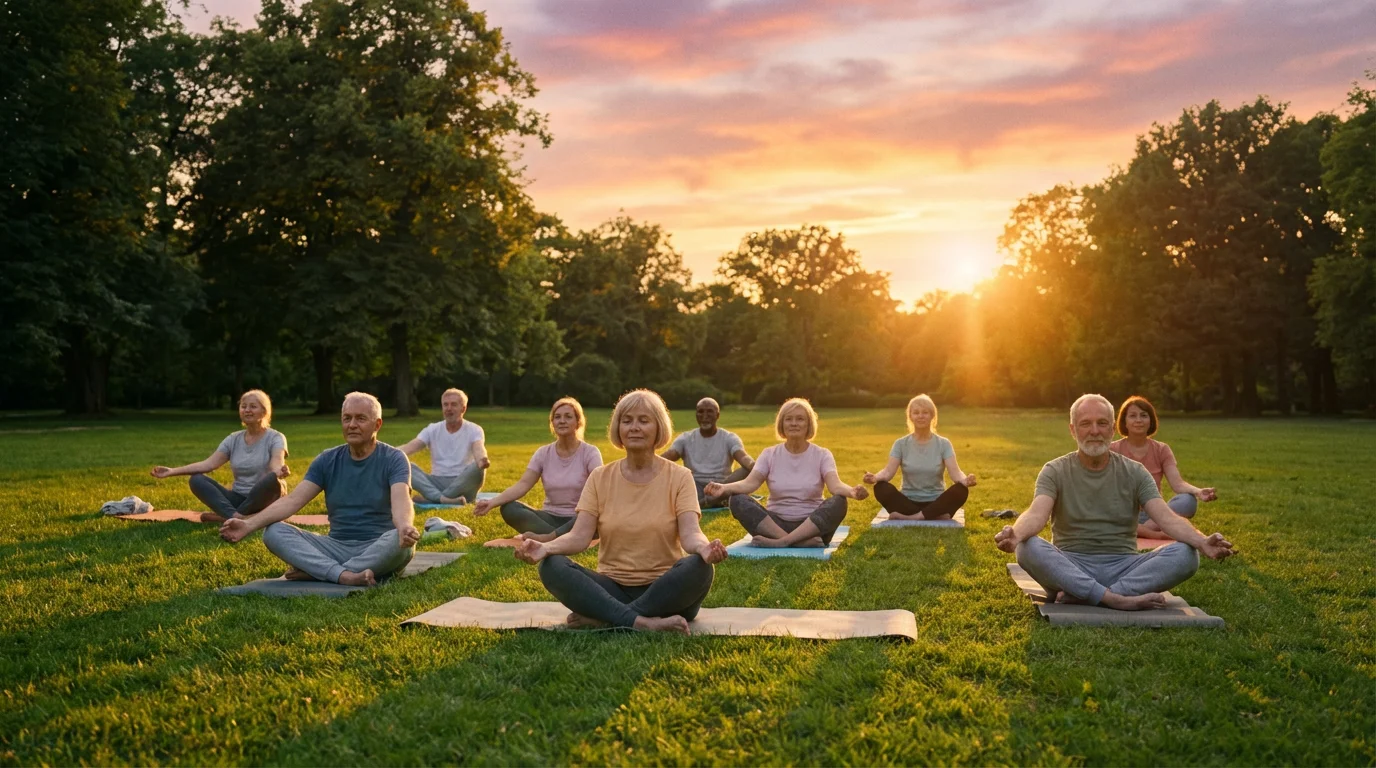
- Joint Flexibility and Mobility: Activities such as stretching, yoga, or swimming keep your joints lubricated and flexible, easing stiffness and improving range of motion.
- Enhanced Immune Function: Moderate, regular exercise can bolster your immune system, making your body more resilient against illnesses.
- Better Digestion and Metabolism: Physical activity aids in healthy digestion and helps regulate your metabolism, contributing to weight management and overall vitality.
Beyond Physical: Mental and Emotional Well-being
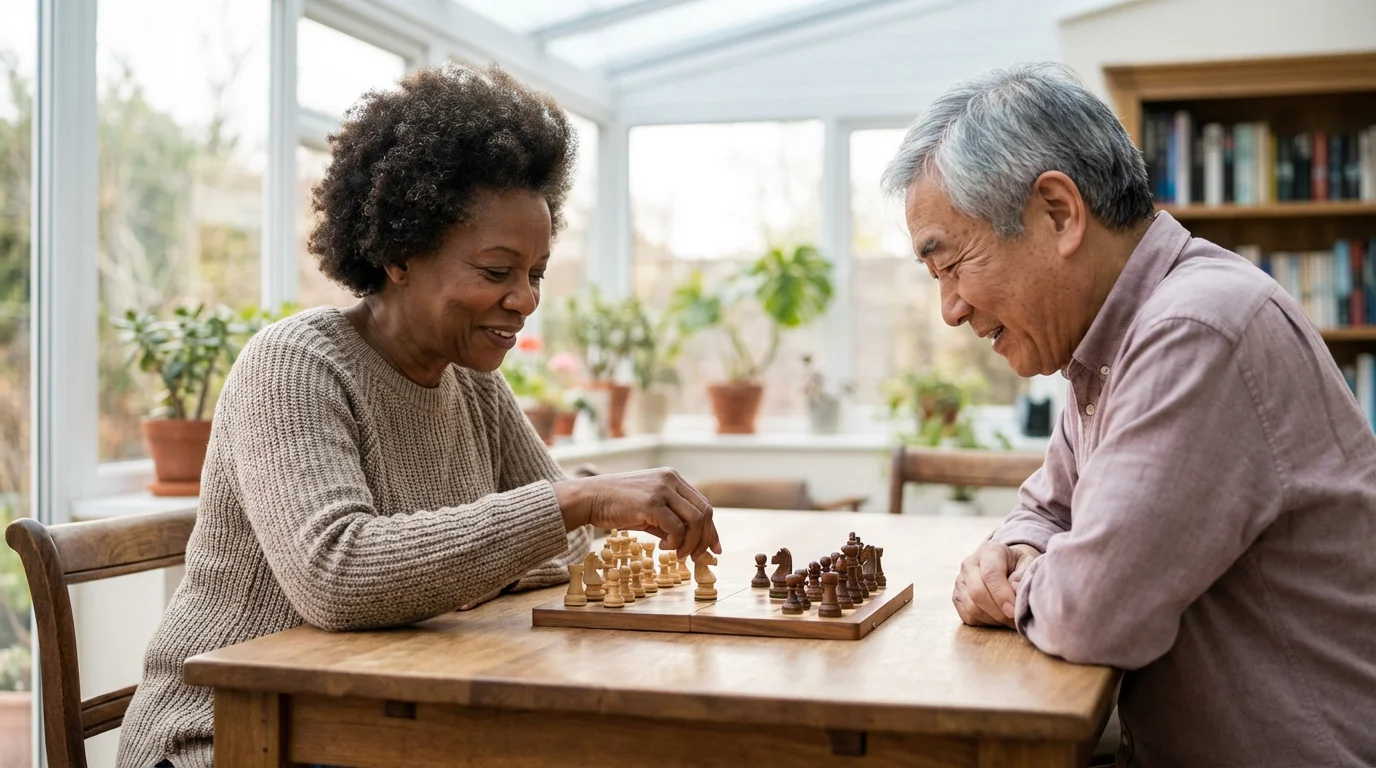
The benefits of retirement exercise extend far beyond the physical realm, deeply impacting your mental and emotional landscape. Your brain, much like your muscles, thrives on stimulation and healthy blood flow. Exercise provides both in abundance.
In addition to physical activity, the benefits of lifelong learning offer vital cognitive stimulation that keeps the mind sharp.
Regular physical activity is a powerful mood enhancer. It stimulates the release of endorphins, natural mood elevators that can reduce feelings of stress, anxiety, and even mild depression. Many individuals find that a brisk walk or a swim provides clarity and a renewed sense of calm.
Cognitive function also sees significant improvement. Studies from institutions like Harvard Health indicate that physical activity can enhance memory, attention span, and problem-solving skills. It increases blood flow to the brain, promoting the growth of new brain cells and improving neural connections. This directly answers the question, “how does exercise improve aging?”
Consider this wisdom:
“Age is an issue of mind over matter. If you don’t mind, it doesn’t matter.” — Mark Twain
This timeless quote reminds us that a positive mindset, often bolstered by physical activity, plays a crucial role in how we experience aging. Your mind and body are intricately connected; nurturing one uplifts the other.
Social Connections: Fitness as a Community Builder
Retirement can sometimes present challenges in maintaining robust social networks, especially if your primary social interactions revolved around work. Yet, human connection is vital for well-being and longevity. Engaging in group fitness activities offers an excellent pathway to foster new friendships and strengthen existing bonds.
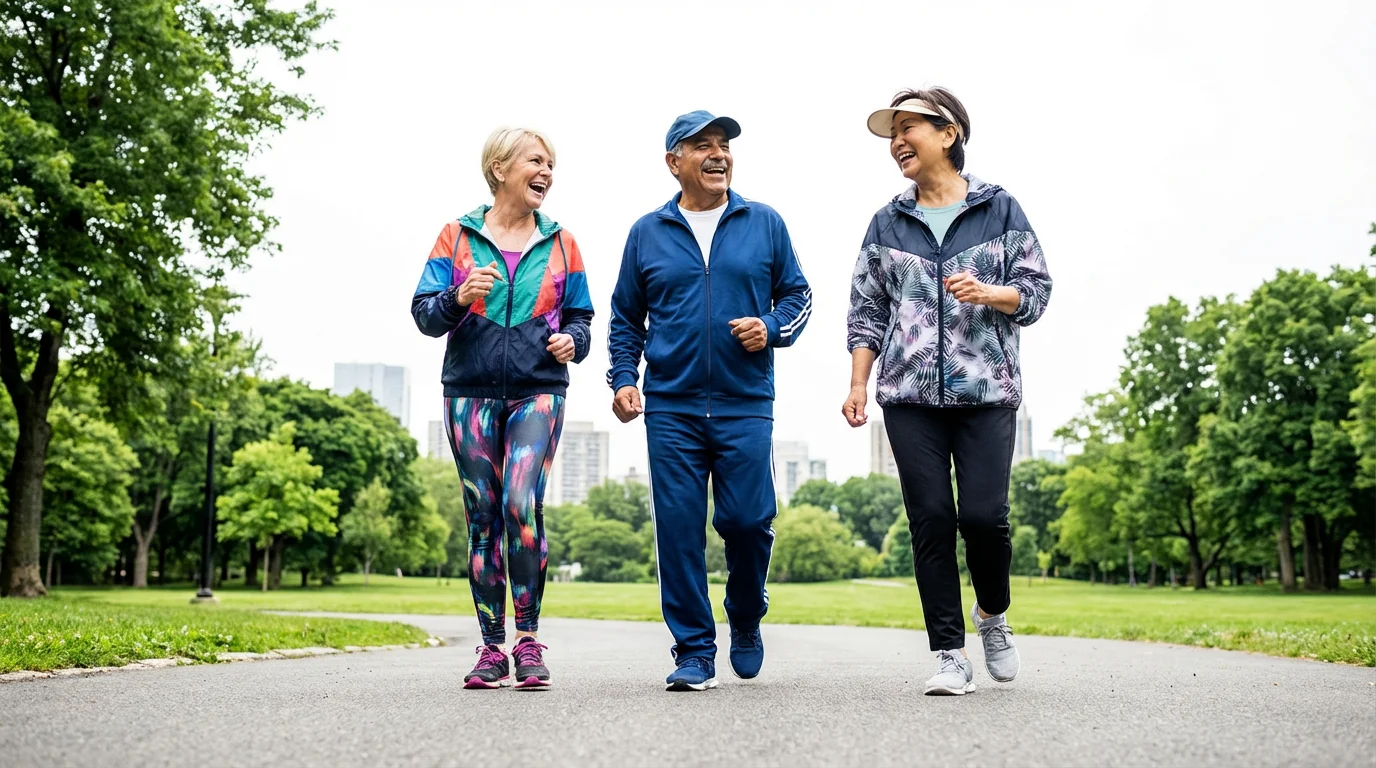
Joining a walking club, a dance class, or a community sports league provides a shared experience and a common goal. These environments naturally encourage conversation, laughter, and mutual support. You discover companionship while also improving your physical health.
Think about the local opportunities available in your community. Many senior centers, YMCAs, or community parks offer programs specifically tailored for adults over 55. These settings are rich ground for building a supportive community.
Finding Your Rhythm: What is the Best Exercise for Seniors?
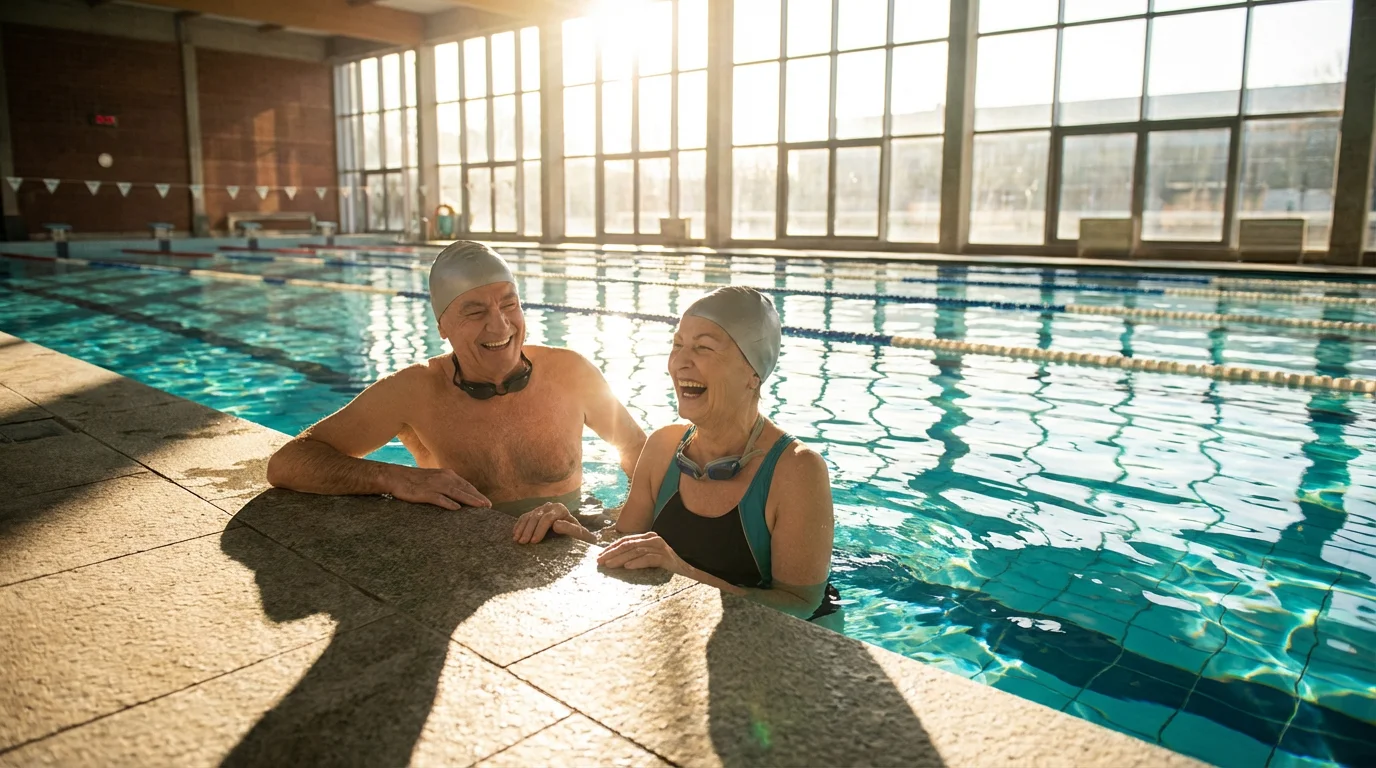
The question, “what is the best exercise for seniors?” does not have a single, universal answer. The most effective exercise for you is one you enjoy, can perform safely, and will stick with consistently. It is about finding what resonates with your individual preferences and physical capabilities.
To sustain your activity levels, focusing on proper senior nutrition ensures your body has the necessary fuel to recover and thrive.
A balanced approach typically incorporates four types of exercise:
- Endurance (Aerobic) Activities: These elevate your heart rate and breathing, improving cardiovascular health. Examples include brisk walking, swimming, cycling, dancing, or water aerobics. Aim for at least 150 minutes of moderate-intensity aerobic activity each week.
- Strength Training: This builds muscle and strengthens bones. Use light weights, resistance bands, or your own body weight. Examples include bicep curls, squats (chair-assisted if needed), push-ups against a wall, or lifting cans of food. Perform strength exercises for all major muscle groups at least two days a week.
- Balance Exercises: These reduce your risk of falls. Tai Chi, standing on one leg (holding onto support), or heel-to-toe walking are excellent choices. Incorporate balance exercises into your routine several times a week.
- Flexibility Exercises: Stretching improves your range of motion and keeps your body limber. Yoga, Pilates, or simple stretches after a warm-up can make a significant difference. Hold stretches for 20-30 seconds, not bouncing.
It is crucial to listen to your body and start slowly, gradually increasing intensity and duration. If you have any chronic conditions or concerns, consult your doctor before beginning a new retirement exercise program.

Crafting Your Personal Fitness Plan: Practical Steps
Developing a sustainable physical health routine in retirement involves intentional planning and adaptability. This is not about becoming an Olympic athlete; it is about integrating enjoyable movement into your daily life. Your plan should be flexible, allowing for good days and challenging ones.
Remember that staying active is a vital form of prioritizing yourself in retirement, ensuring you remain your best self.
Here are practical steps to craft your fitness plan:
- Assess Your Starting Point: Honestly evaluate your current activity level and physical capabilities. This helps you set realistic and achievable goals.
- Set Attainable Goals: Instead of “get in shape,” aim for “walk for 30 minutes, five days a week” or “attend a yoga class twice a week.” Specific, measurable goals are easier to track and achieve.
- Prioritize Enjoyment: Choose activities you genuinely find pleasurable. If you dread your workout, you are less likely to maintain it. Experiment with different options until you find your fit.
- Schedule Your Activity: Treat your exercise time like any other important appointment. Put it on your calendar and commit to it. Consistency is more impactful than sporadic intense efforts.
- Incorporate Variety: Mix and match different types of exercises to work various muscle groups and prevent boredom. This keeps your routine fresh and engaging.
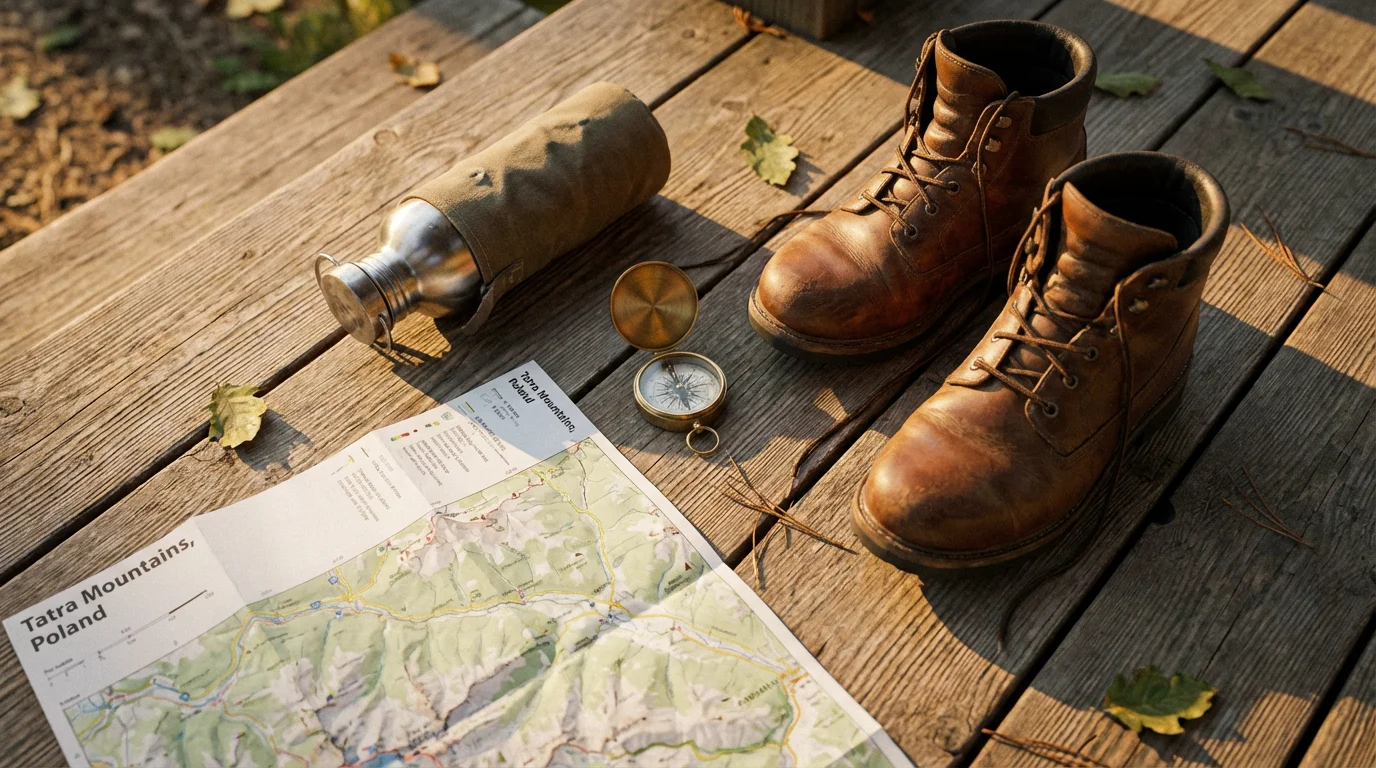
- Embrace Nature: If possible, take your activities outdoors. Walking in a park, gardening, or hiking offers additional mental and emotional benefits from exposure to natural environments.
Remember, every step counts. Even short bursts of activity, like walking to the mailbox or taking the stairs, contribute to your overall physical health.
Overcoming Obstacles and Staying Motivated
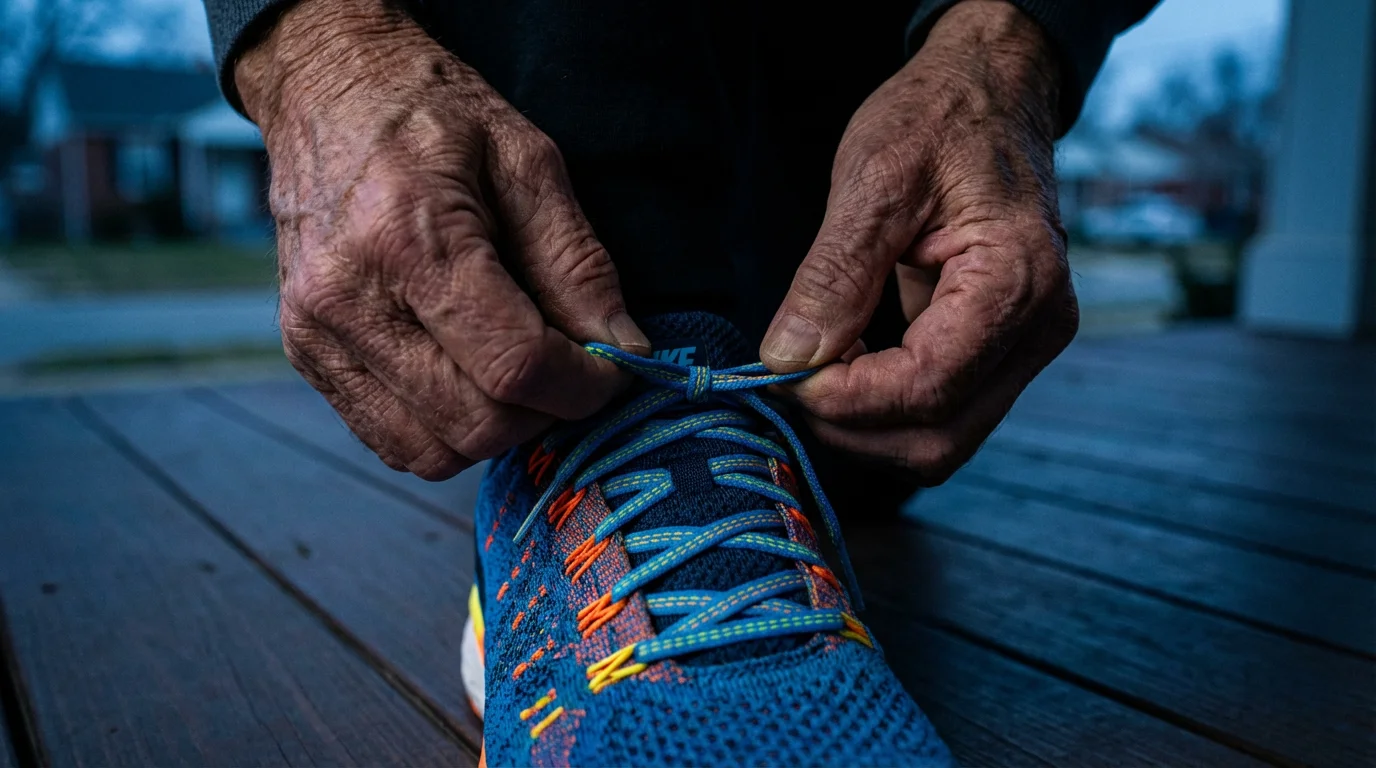
Even with the best intentions, maintaining a consistent retirement exercise routine can present challenges. Life happens, and it is easy to lose momentum. Recognizing common obstacles and developing strategies to overcome them is key to long-term success.
Common obstacles include lack of time, fluctuating energy levels, minor aches and pains, or simply a lack of motivation. When faced with these, remember your “why.” Why is staying active important to you? Is it to play with grandchildren, travel without limitations, or maintain your independence?
Here are strategies for sustained motivation:
- Start Small, Build Gradually: Do not try to do too much too soon. A 10-minute walk is better than no walk. Gradually increase duration and intensity as your fitness improves.
- Find an Accountability Partner: Exercise with a friend, spouse, or join a group class. Knowing someone expects you can provide that extra push.
- Reward Yourself (Non-Food Rewards): Celebrate milestones. Perhaps a new book, a massage, or a special outing. Positive reinforcement reinforces healthy habits.
- Listen to Your Body: Some days you may need more rest or a lighter workout. Pushing too hard can lead to injury or burnout. Be kind to yourself.
- Adapt and Modify: If an activity becomes difficult due to an injury or a change in ability, find alternatives. If you can no longer run, try swimming or cycling. The goal is movement, not specific activity.
- Focus on How You Feel: Pay attention to the improved energy, better sleep, and enhanced mood that come from being active. These intrinsic rewards are powerful motivators.
The journey to better physical health is continuous. There will be good days and less active days. The grace lies in returning to your commitment with renewed intention.
The Lifelong Rewards of Consistent Activity
Embracing consistent senior fitness is an investment that pays dividends for a lifetime. It is not just about extending your years; it is about enriching them with vitality, clarity, and joy. You are building resilience, both physically and mentally, allowing you to navigate life’s inevitable changes with greater ease.
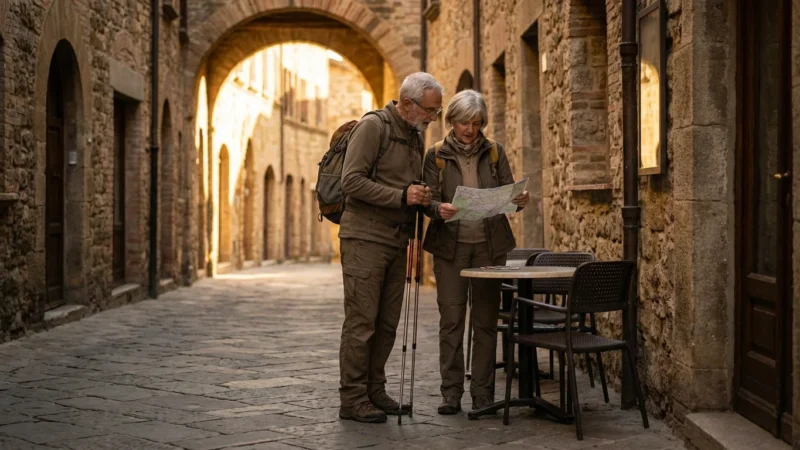
Imagine confidently participating in family events, pursuing new hobbies without limitation, and waking each day with a sense of purpose and readiness. This is the promise of an active retirement. Research from AARP consistently highlights the strong correlation between physical activity and higher levels of life satisfaction in older adults.
Your commitment to your physical health empowers you to live a life brimming with dignity and grace, fully present for yourself and your loved ones. You become an inspiring example of what it means to age vibrantly. It is a testament to your belief that every age is an opportunity for growth.
Frequently Asked Questions
What are the primary benefits of senior fitness?
The primary benefits include improved cardiovascular health, stronger muscles and bones, better balance and flexibility, enhanced cognitive function, reduced risk of chronic diseases, elevated mood, and greater social engagement. These contributions significantly boost overall quality of life and independence in retirement.
How often should I engage in retirement exercise?
Aim for at least 150 minutes of moderate-intensity aerobic activity per week, spread across most days. Additionally, incorporate strength training for all major muscle groups at least two days a week, and include balance and flexibility exercises several times a week. Consistency is key.
Is it too late to start an exercise routine in retirement?
It is never too late to start! Even beginning a moderate exercise routine in your 60s, 70s, or beyond can yield significant health benefits. Starting slowly and listening to your body is crucial, and consulting with your doctor before beginning any new program is always recommended.
What considerations should I keep in mind before starting a new physical health regimen?
Before starting any new physical health regimen, consult your doctor, especially if you have pre-existing health conditions or are taking medications. Discuss your fitness goals and ask for guidance on appropriate activities. Start slowly, progress gradually, and always prioritize safety over intensity.
What types of exercises are generally safe and effective for seniors?
Safe and effective exercises for seniors often include brisk walking, swimming, water aerobics, cycling, dancing, Tai Chi, yoga, light weightlifting, resistance band exercises, and bodyweight movements like chair squats or wall push-ups. The best approach incorporates a mix of endurance, strength, balance, and flexibility exercises tailored to individual abilities.
Disclaimer: This article is for informational and inspirational purposes. Life decisions are deeply personal, and we encourage readers to consult with appropriate professionals—whether healthcare providers, counselors, or financial advisors—for guidance specific to their circumstances.






Leave a Reply