
Your retirement years unfold as a tapestry woven with experience, wisdom, and the vibrant threads of possibility. To truly embrace this golden chapter, cultivate not just your mind and spirit, but also the enduring strength of your body. Strength training is not about building bulky muscles, it is about preserving independence, enhancing vitality, and maintaining an active lifestyle that allows you to pursue every passion.
Starting a strength routine is a powerful way of reinventing yourself in retirement through physical empowerment and renewed health.
This guide empowers you with simple, effective exercises designed specifically for active seniors. You will discover how building strength can transform your daily life, improve your balance, and keep you moving with confidence and grace.
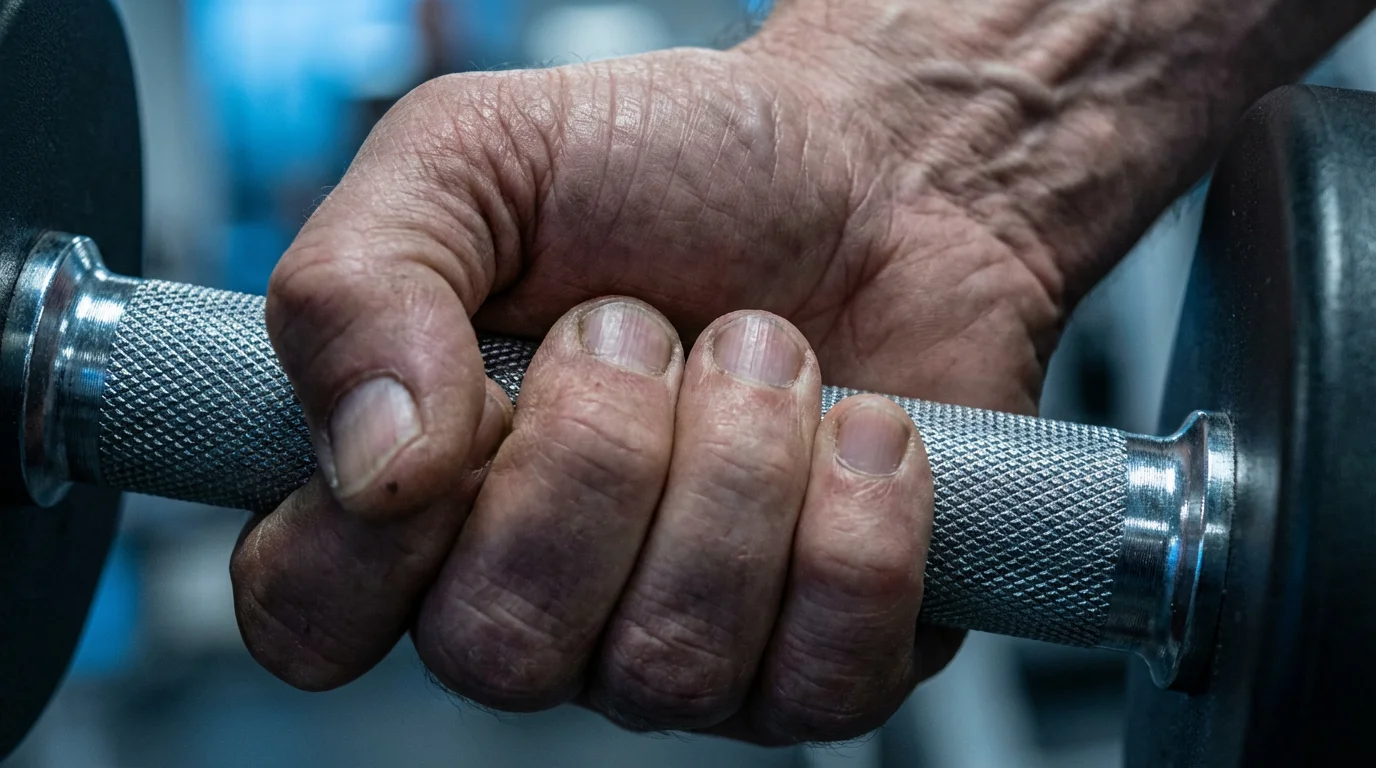
Embrace the Power of Strength Training for a Vibrant Retirement
Aging is a privilege, a journey rich with growth. As you navigate these years, maintaining physical strength becomes a cornerstone for enjoying life to its fullest. Engaging in regular senior exercise, particularly strength training, offers profound benefits that extend far beyond muscle mass.
Prioritizing physical strength is one of the essential 7 habits of highly effective agers who thrive during their golden years.
Consider the daily activities you cherish: lifting grandchildren, tending to your garden, traveling with ease, or simply walking confidently. Each of these depends on foundational strength. Strength training directly supports these abilities, ensuring you remain an active participant in your own life story.
The National Institute on Aging emphasizes that strength training plays a crucial role in preventing age-related muscle loss, known as sarcopenia. You preserve not just muscle, but also bone density, reducing the risk of osteoporosis and fractures. This foundational strength protects your body, giving you greater resilience.
“Age is an issue of mind over matter. If you don’t mind, it doesn’t matter.” — Mark Twain
Beyond the physical, strength training elevates your mental and emotional well-being. Regular physical activity boosts mood, reduces stress, and improves cognitive function. You gain a sense of accomplishment and renewed self-efficacy, knowing you are actively investing in your health and independence.
Here are just a few ways strength training empowers your graceful retirement:
- Enhanced Independence: You maintain the ability to perform daily tasks, such as carrying groceries or climbing stairs, without assistance.
- Improved Balance and Stability: Stronger muscles around your joints reduce your risk of falls, a significant concern for seniors.
- Increased Energy Levels: Regular exercise improves circulation and stamina, leaving you feeling more vibrant throughout the day.
- Better Bone Health: Weight-bearing exercises stimulate bone growth, making your bones stronger and less prone to fractures.
- Better Metabolism and Weight Management: Muscle tissue burns more calories than fat, even at rest, assisting with healthy weight maintenance.
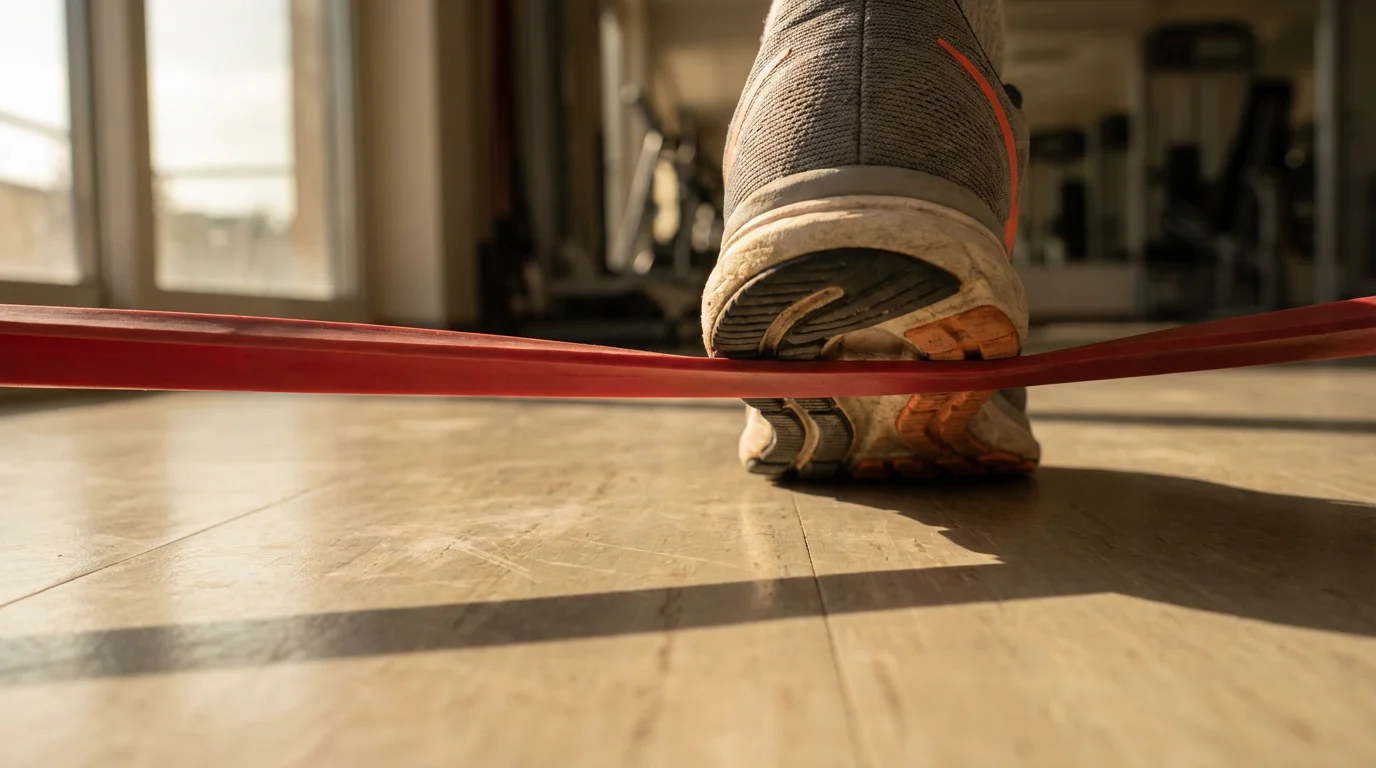
Understanding the Fundamentals of Senior Strength Training
Approaching strength training with wisdom and care ensures its benefits are maximized while risks are minimized. Remember, your body has accumulated years of experience, and honoring its signals is paramount. Always consult your doctor before starting any new exercise program, particularly if you have underlying health conditions.
Learning the mechanics of new exercises is a perfect example of lifelong learning that keeps both the mind and body sharp.
Focus on slow, controlled movements. Avoid using momentum, allowing your muscles to do the work. Proper form is always more important than lifting heavy weights or performing many repetitions. You prevent injury and ensure the target muscles receive adequate stimulus.
Breathing correctly fuels your muscles and helps regulate your blood pressure. Exhale during the effort phase of an exercise, for instance, as you push up during a squat. Inhale as you return to the starting position. This rhythmic breathing enhances your performance and safety.
Always begin each session with a gentle warm-up to prepare your muscles and joints. Five to ten minutes of light cardiovascular activity, such as walking in place or arm circles, suffices. Conclude with a cool-down, incorporating gentle stretches to improve flexibility and aid recovery.
Listen intently to your body. A moderate level of muscle fatigue is desirable, indicating your muscles are working. However, sharp pain is a clear signal to stop the exercise. You are building strength thoughtfully, not pushing through discomfort that could lead to injury.
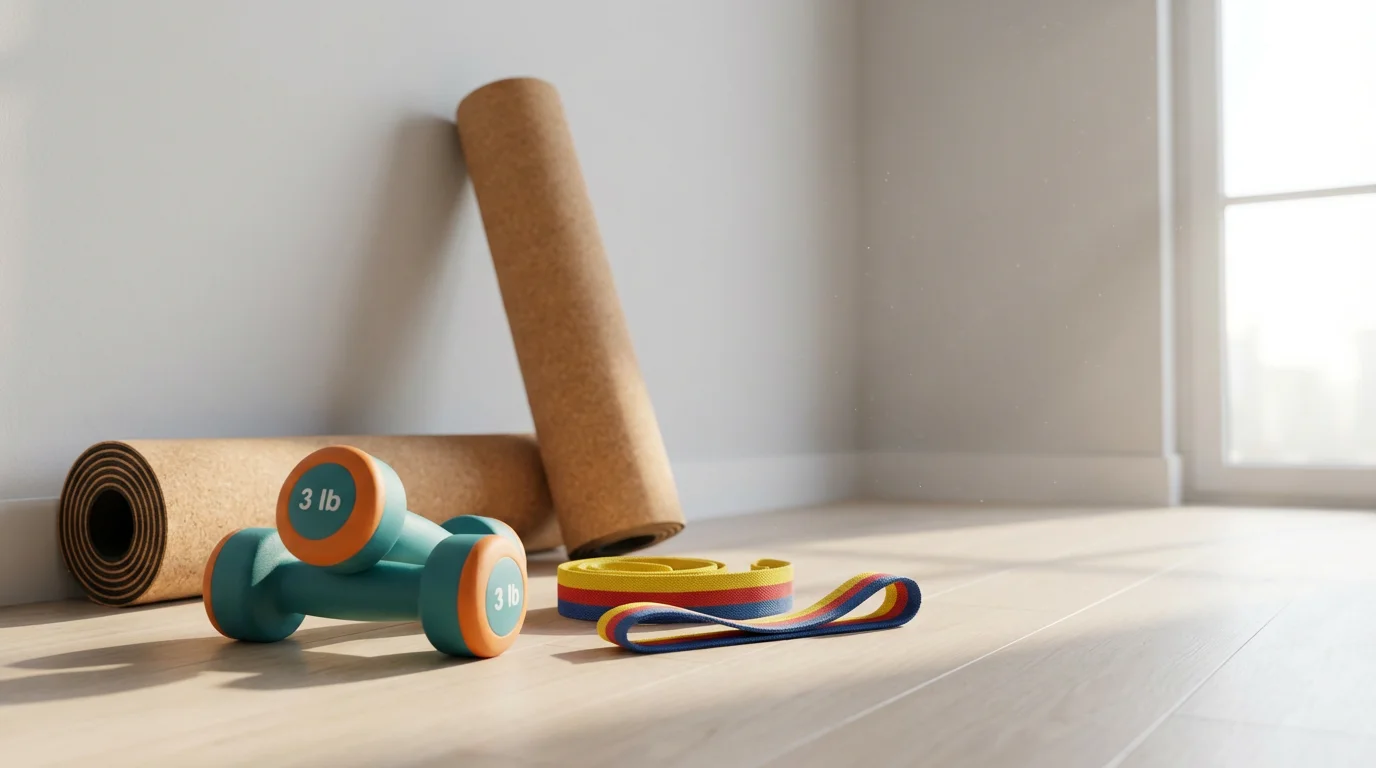
Essential Equipment for Home-Based Strength Training
You do not require a costly gym membership or elaborate machinery to build effective strength. Many highly beneficial exercises utilize your own body weight, making them accessible anywhere. For those ready to incorporate light resistance, a few simple, affordable items can significantly enhance your routine.
Physical effort is best supported by proper nutrition for seniors to ensure your muscles have the fuel they need to grow.
To complement your strengthening routine, you may also find value in gentle yoga for flexibility, which helps maintain a full range of motion.
Consider these practical tools for your home senior exercise regimen:
- A Sturdy Chair: An indispensable piece of equipment. Use it for support during balance exercises, for seated exercises, or to assist with squats and lunges. Ensure it is stable and does not slide on your flooring.
- Light Dumbbells: A pair of dumbbells, ranging from 1 to 5 pounds, works wonders for upper body exercises. Choose a weight that allows you to complete 10-15 repetitions with good form, feeling challenged but not strained.
- Resistance Bands: These versatile, portable bands offer varying levels of resistance. They are excellent for adding challenge to leg, arm, and core exercises. Start with a light resistance band and progress as you gain strength.
- A Yoga Mat: While not strictly necessary for standing exercises, a mat provides comfort and cushioning for floor exercises, protecting your joints.
- Comfortable Footwear: Wear supportive, non-slip shoes that provide stability during your exercises. Avoid loose sandals or bare feet for most strength training activities.
Remember, the most important “equipment” is your commitment and consistency. These tools simply support your journey toward a stronger, more vibrant you.
Foundational Upper Body Strength Exercises
A strong upper body supports daily tasks like lifting, carrying, and reaching. These exercises build strength in your arms, shoulders, and back, contributing to better posture and reduced strain. Focus on controlled movements and engage your core throughout each exercise.
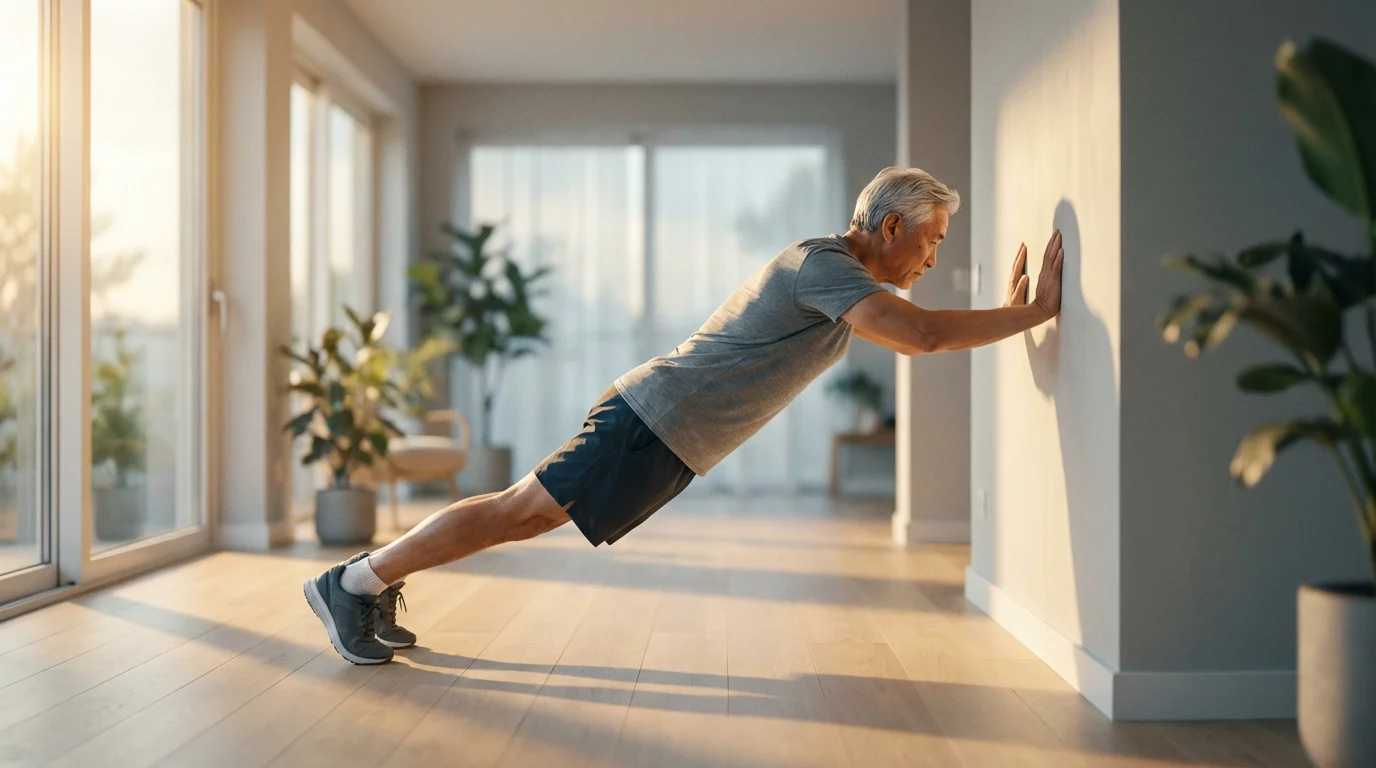
Wall Push-ups
This exercise strengthens your chest, shoulders, and triceps, offering a gentler alternative to floor push-ups.
- Stand facing a wall, about arm’s length away. Place your palms flat on the wall, shoulder-width apart, at chest height.
- Keep your body in a straight line from your head to your heels, engaging your core.
- Slowly bend your elbows, lowering your chest towards the wall. Keep your elbows pointing slightly downwards, not directly out to the sides.
- Push back to the starting position, straightening your arms. Control the movement, avoiding any jerky motions.
- Perform 10-15 repetitions.
Bicep Curls with Light Weights
Strengthens the front of your upper arms, crucial for lifting and carrying.
- Sit or stand tall, holding a light dumbbell in each hand, palms facing forward. Keep your elbows close to your sides.
- Exhale as you slowly curl the weights up towards your shoulders, contracting your biceps. Only your forearms should move.
- Inhale as you slowly lower the weights back to the starting position, fully extending your arms without locking your elbows.
- Perform 10-15 repetitions.
Overhead Press (Seated or Standing)
Targets your shoulders and upper back, improving overhead reach and posture.
- Sit or stand with a straight back, holding a light dumbbell in each hand at shoulder height, palms facing forward.
- Exhale as you slowly press the dumbbells directly overhead, extending your arms without locking your elbows.
- Inhale as you slowly lower the dumbbells back to shoulder height, maintaining control.
- Perform 10-15 repetitions.
Building Lower Body Strength and Stability
Your legs provide the foundation for movement, balance, and mobility. Strengthening your lower body significantly reduces the risk of falls and enhances your ability to walk, climb stairs, and stand for extended periods. These exercises focus on your glutes, quadriceps, and hamstrings.
Support your muscle development by understanding specific nutritional needs of seniors to fuel your strength journey.
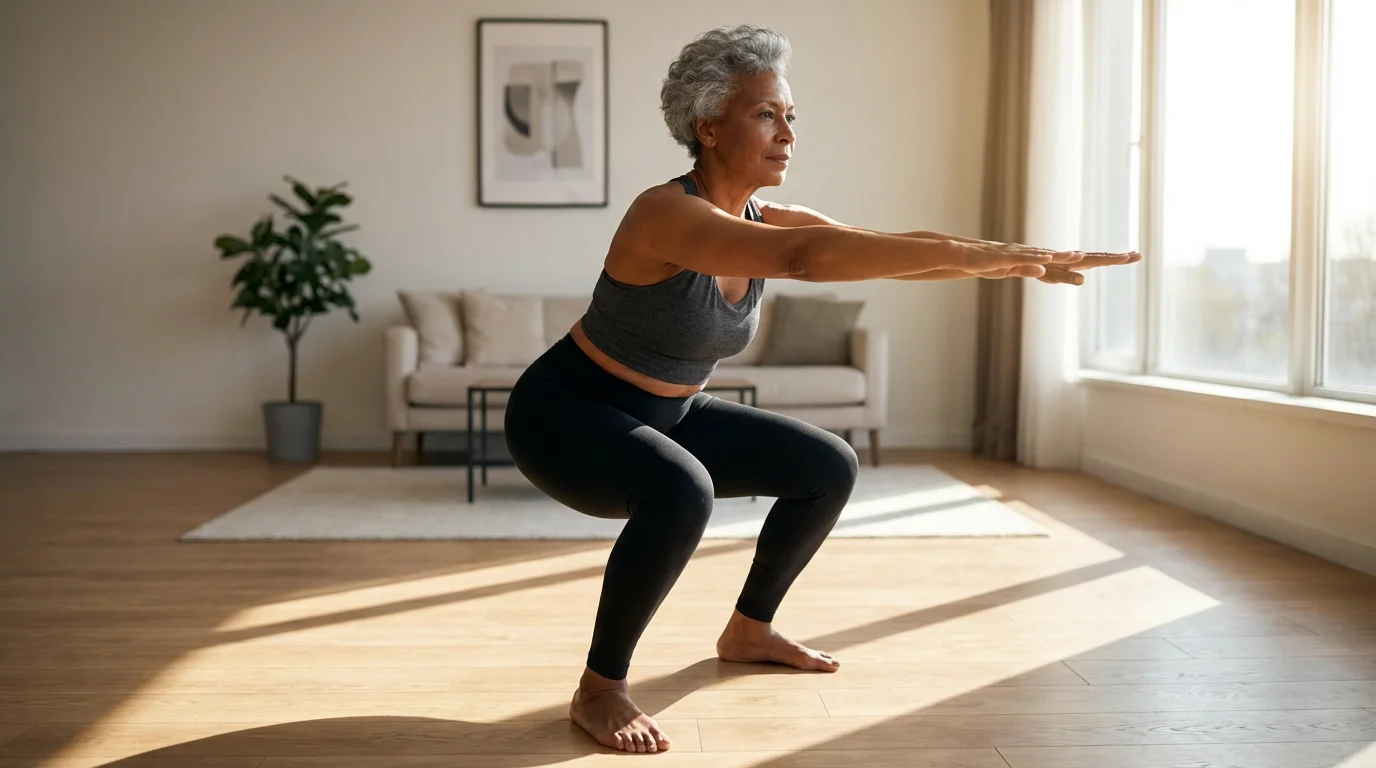
Chair Squats
A fantastic functional exercise that mimics sitting and standing, strengthening your glutes and thighs.
- Stand in front of a sturdy chair, feet shoulder-width apart, toes pointing slightly out.
- Engage your core and slowly lower your hips as if you are going to sit down, keeping your chest lifted and back straight. Allow your knees to track over your toes, but not past them.
- Gently tap the chair with your glutes, or sit fully if you need more support, then push through your heels to stand back up.
- Perform 10-15 repetitions.
Calf Raises
Strengthens your calves and ankles, important for propulsion during walking and improving balance.
- Stand tall, holding onto a chair or wall for balance if needed, with your feet hip-width apart.
- Slowly lift up onto the balls of your feet, raising your heels as high as comfortably possible. Feel the squeeze in your calf muscles.
- Hold for a moment, then slowly lower your heels back down to the floor with control.
- Perform 10-15 repetitions.
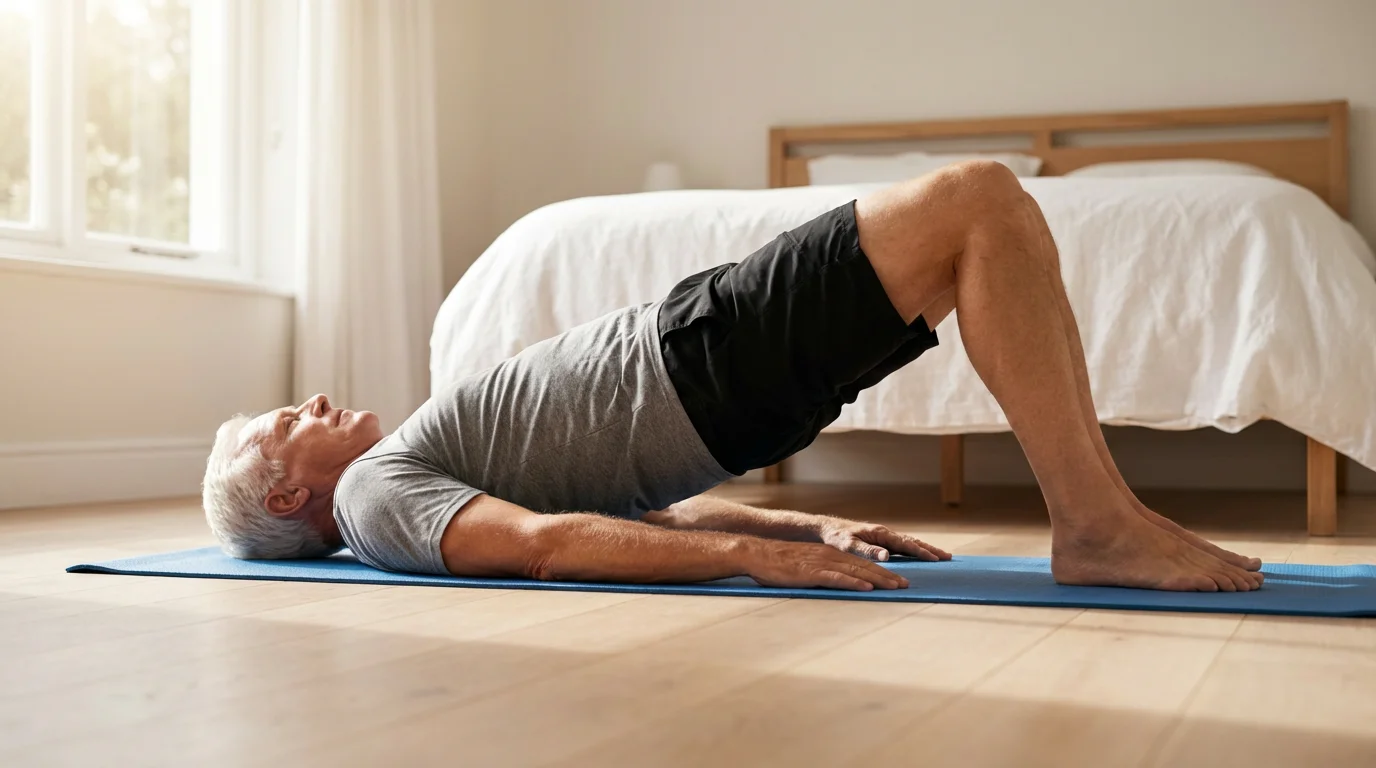
Glute Bridges
Targets your glutes and hamstrings, improving hip extension and lower back support.
- Lie on your back on a mat, knees bent, feet flat on the floor hip-width apart, and arms by your sides.
- Engage your core and glutes. Exhale as you lift your hips off the floor until your body forms a straight line from your shoulders to your knees.
- Hold for a count, then slowly lower your hips back to the mat with control.
- Perform 10-15 repetitions.
Core Strengthening for Balance and Posture
A strong core acts as your body’s central powerhouse, supporting your spine, improving posture, and providing essential stability for all movements. These exercises focus on your abdominal and back muscles, vital for preventing injury and enhancing overall functionality.
Pelvic Tilts
Gently strengthens your lower abdominal muscles and provides mobility to your lower back.
- Lie on your back with your knees bent, feet flat on the floor, and arms by your sides.
- Flatten your lower back against the floor by gently tightening your abdominal muscles and tilting your pelvis upwards. Imagine pulling your belly button towards your spine.
- Hold for a count of 5, then slowly release.
- Perform 10-15 repetitions.
Seated Marches
Engages your core, hip flexors, and improves marching mechanics, which translates to walking stability.
- Sit tall in a sturdy chair with your feet flat on the floor, back straight, and core engaged.
- Keeping your back straight and not leaning back, slowly lift one knee towards your chest as high as comfortable.
- Slowly lower your foot back to the floor with control.
- Repeat with the other leg, alternating between sides.
- Perform 10-15 repetitions on each leg.

Crafting Your Personalized Strength Training Routine
Consistency is your most powerful tool in strength training. Creating a sustainable routine tailored to your schedule and fitness level ensures long-term success. You are not striving for perfection, you are striving for progress and well-being.
Many individuals ask, “What are the best exercises for seniors?” The answer is the ones you will do consistently and safely. Focus on variety, ensuring you work all major muscle groups over the course of your week. Listen to your body and adjust as needed.
For optimal results, aim for two to three strength training sessions per week, allowing at least one day of rest between sessions for muscle recovery. For example, you might train on Monday, Wednesday, and Friday. This schedule provides adequate recovery time while maintaining consistency.
When considering “How often should seniors strength train?”, the consensus among health experts, including those at the National Institute on Aging, points to 2-3 times per week. This frequency allows for muscle repair and growth without overtraining.
Consider these tips for building your routine:
- Start Gradually: Begin with 1 set of 8-10 repetitions for each exercise. As you gain strength, gradually increase to 2-3 sets.
- Prioritize Form: Always ensure correct technique. If your form falters, reduce the weight or repetitions.
- Vary Your Exercises: Introduce new exercises or modify existing ones to challenge your muscles in different ways and keep your routine engaging.
- Track Your Progress: Keep a simple journal of the exercises you perform, the weights you lift, and the repetitions you achieve. Seeing your progress provides motivation.
- Integrate Rest: Rest days are crucial for muscle repair and growth. Consider light activities like walking or stretching on these days.

Integrating Strength Training into Your Active Lifestyle
Strength training is not merely an isolated activity, it is a catalyst for an enriched and more graceful life. The physical resilience you build translates directly into your ability to fully engage with the world around you. You gain the freedom to pursue your passions without physical limitations holding you back.
Imagine yourself embarking on that dream trip, confident in your ability to carry your luggage, navigate uneven terrain, and explore new cities on foot. Think of the joy in continuing hobbies like gardening, golfing, or dancing, sustained by enduring muscle strength. This is the essence of an active lifestyle in retirement.
Beyond structured workouts, seek opportunities to move and use your strength in daily life. Choose stairs over elevators, carry your own groceries, or participate in community walking groups. Each decision reinforces your commitment to physical vitality. Embrace every chance to demonstrate your newfound strength and stamina.
Reflect on how your improved strength has already enhanced your daily experience. Perhaps you notice less fatigue, better balance, or simply a greater sense of ease in movement. Celebrate these small victories, for they are profound indicators of a life lived with intention and grace. Your body is a magnificent instrument, and nurturing its strength allows it to play the symphony of your golden years with vibrant harmony.
Frequently Asked Questions
What are the best exercises for seniors to start with?
The best exercises for seniors to begin with are often bodyweight movements that focus on fundamental functional patterns. These include wall push-ups, chair squats, calf raises, and glute bridges. They build foundational strength safely and can be easily modified to suit individual fitness levels. Progression should always be gradual and emphasize proper form over heavy weight.
How often should seniors strength train for optimal results?
Seniors should aim to strength train two to three times per week, allowing at least 48 hours of rest between sessions for the same muscle groups. This frequency provides sufficient stimulus for muscle growth and repair without leading to overtraining. Consistency is more important than intensity, especially when you are just starting your routine.
Is it ever too late to start strength training as a senior?
No, it is never too late to begin strength training. Studies consistently show that individuals of all ages, including those well into their 80s and 90s, can significantly improve their strength, balance, and overall physical function with a consistent program. Starting later in life still yields remarkable benefits for independence and quality of life.
What if I have joint pain or limited mobility?
If you experience joint pain or have limited mobility, consult your healthcare provider or a physical therapist before starting any new exercise program. They can help identify appropriate modifications or recommend exercises that are safe for your specific condition. Often, low-impact exercises, chair-based routines, or aquatic workouts can be excellent starting points.
Do I need special equipment to strength train effectively?
You do not need special or expensive equipment to strength train effectively. Many highly beneficial exercises, such as wall push-ups, chair squats, and lunges, use only your body weight. For added resistance, simple tools like a sturdy chair, light dumbbells (1-5 lbs), and resistance bands are highly versatile and affordable. The key is consistent effort with good form.
Disclaimer: This article is for informational and inspirational purposes. Life decisions are deeply personal, and we encourage readers to consult with appropriate professionals—whether healthcare providers, counselors, or financial advisors—for guidance specific to their circumstances.







Leave a Reply