
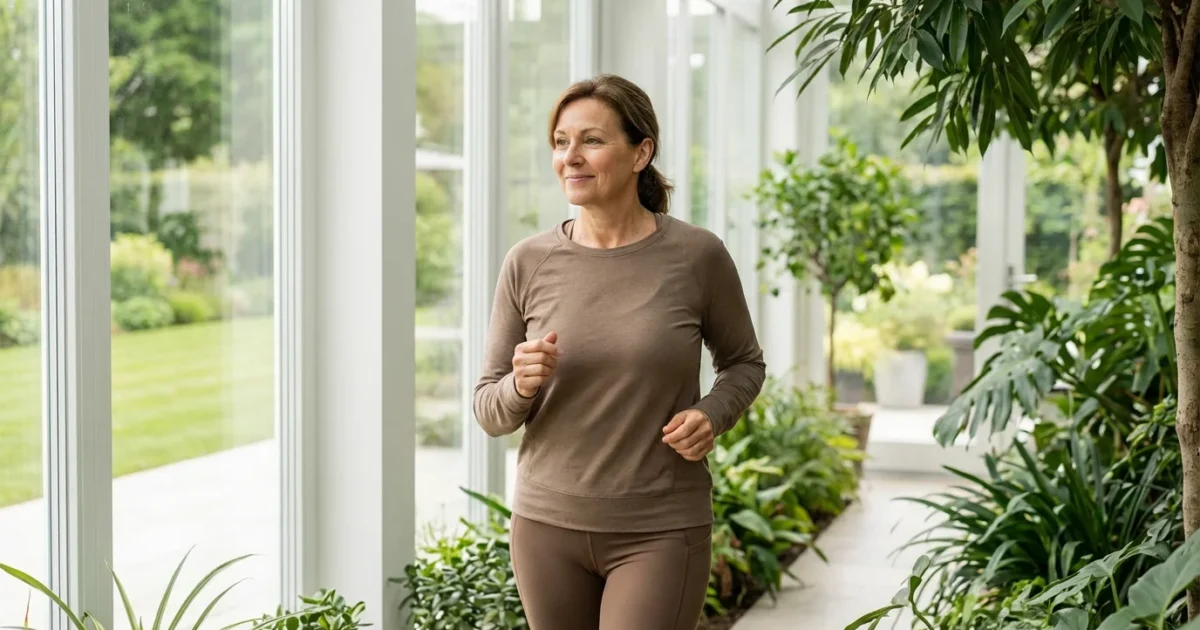
As you navigate your golden years, the pursuit of a vibrant, purposeful life remains a timeless endeavor. Many pathways lead to sustained well-being, yet one simple, often underestimated practice holds profound power: walking. This fundamental human movement offers a gentle yet remarkably effective way to enhance your physical vitality, sharpen your mental acuity, and enrich your emotional landscape. It is an accessible act, a daily invitation to embrace strength and serenity.
Consider the quiet dignity of a purposeful stride. Walking is more than just locomotion; it is a declaration of presence, a commitment to self-care, and a graceful embrace of life’s journey. Let us explore the myriad ways this low-impact exercise can powerfully contribute to your longevity and overall quality of life.
The Simple Secret to Enduring Vitality
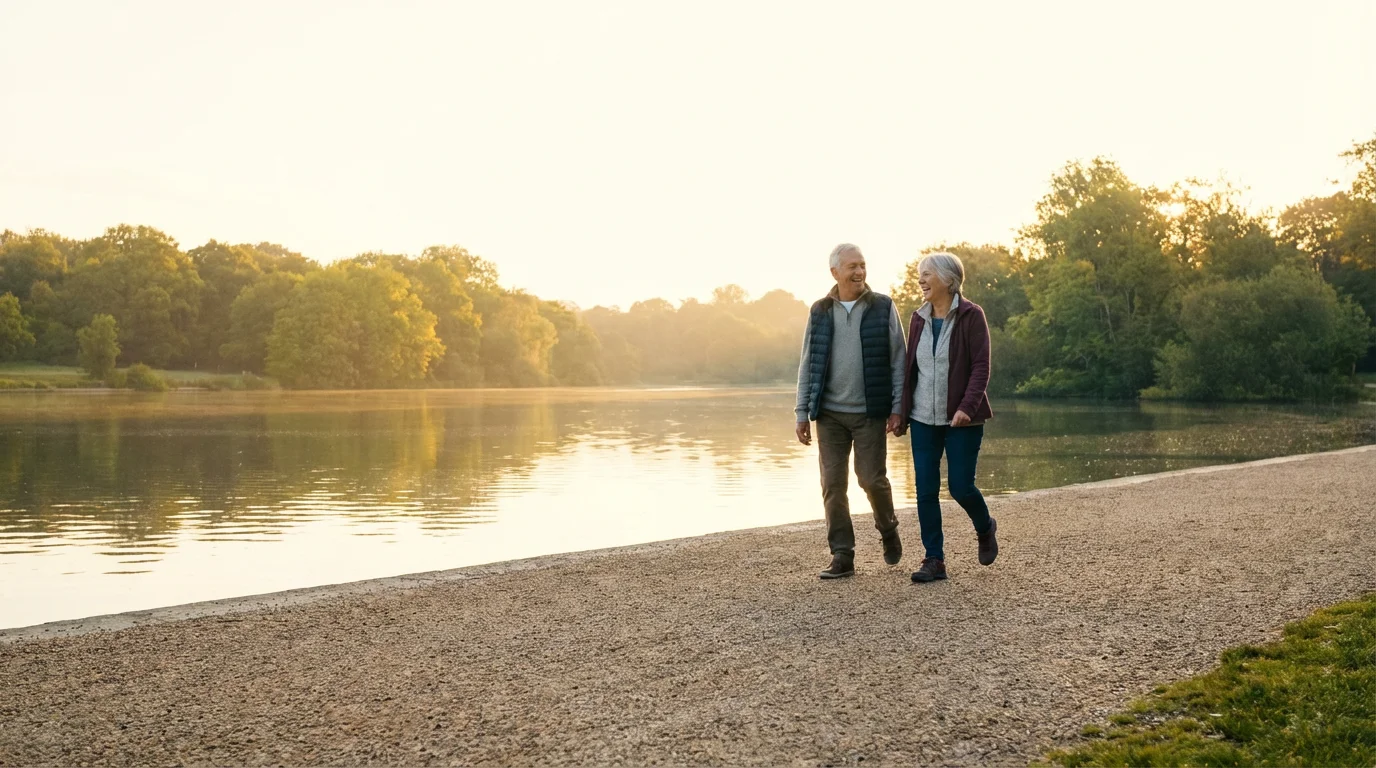
The quest for enduring vitality often leads you to complex regimens and challenging routines. Yet, sometimes the most profound solutions are the simplest ones. For older adults, walking stands as a testament to this truth, offering an accessible entry point to a more active and fulfilling life. It requires no special equipment beyond a comfortable pair of shoes, no expensive gym membership, and adapts to nearly any fitness level.
Cultivating a regular walking habit is frequently highlighted as one of the most impactful habits of highly effective agers focused on long-term wellness.
Cultivating a lifestyle of staying active and healthy is the cornerstone of enjoying these years with grace and vigor.
This humble activity fosters a powerful connection between your mind and body. Each step you take builds resilience, not just in your muscles and bones, but also in your spirit. It provides a daily rhythm, a moment of intentional movement that signals your commitment to a vibrant future. Your journey towards graceful aging begins, quite literally, with putting one foot in front of the other.
Beyond Steps: The Profound Benefits of Walking for Body and Mind
While the act of walking appears straightforward, its impact on your overall health is remarkably comprehensive. This low-impact exercise addresses multiple facets of well-being, making it an ideal choice for Senior Exercise. It supports your physical structure, enhances cognitive function, and bolsters emotional resilience.
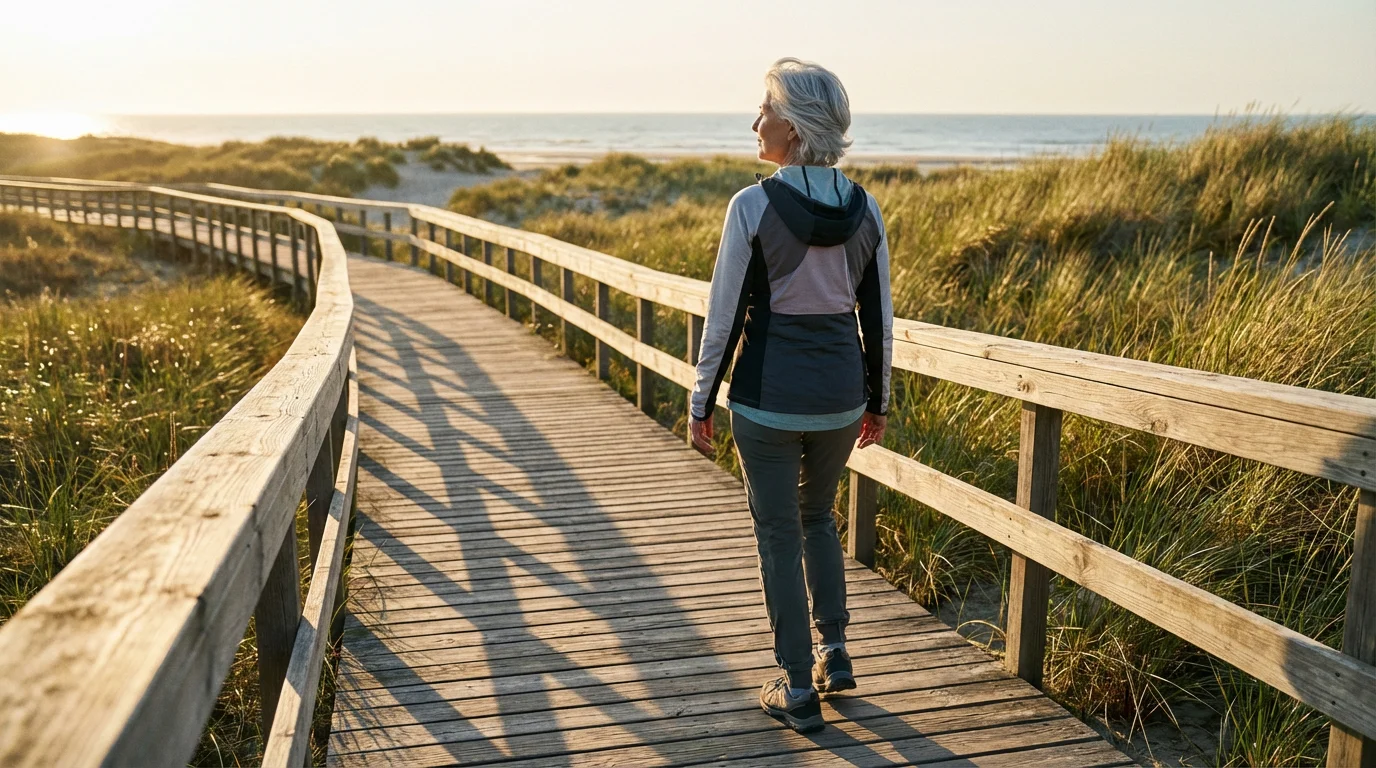
Engaging in regular Walking strengthens your bones and muscles, improving balance and reducing the risk of falls. It also stimulates blood flow to the brain, supporting memory and cognitive agility. Beyond the physical, the rhythmic motion of walking can be deeply meditative, offering a reprieve from daily stresses and fostering a sense of calm. You gain both physical strength and mental clarity with each outing.
“Walking is man’s best medicine.” — Hippocrates
How Walking Transforms Your Heart Health
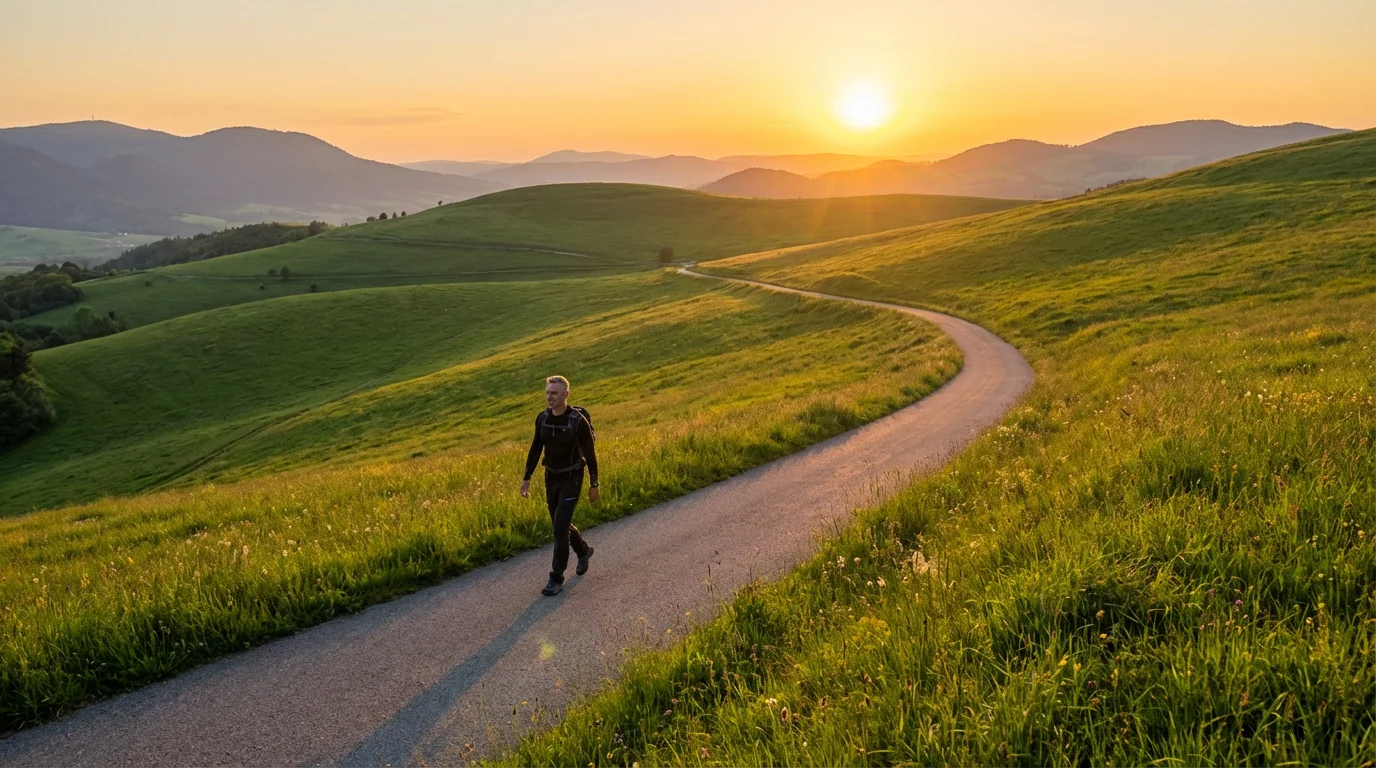
For many, the question, “How does walking improve heart health?” is central to understanding its significance. The answer lies in its ability to strengthen your cardiovascular system, the very engine of your body. Regular walking makes your heart a more efficient pump, circulating blood and oxygen throughout your body with greater ease.
When you walk, your heart rate elevates, training your heart muscle to work more effectively. This consistent effort lowers blood pressure, reduces LDL (bad) cholesterol, and increases HDL (good) cholesterol. These actions collectively mitigate the risk factors for heart disease, strokes, and other cardiovascular conditions. Research consistently demonstrates that even moderate intensity walking offers significant protective benefits for your heart. For instance, studies supported by the National Institute on Aging highlight the role of regular physical activity in maintaining robust Cardiovascular Health as you age. The National Institute on Aging offers extensive resources on the benefits of exercise for older adults, which you can explore at nia.nih.gov.
Regular walking also helps manage blood sugar levels, which is crucial for preventing and managing type 2 diabetes, another major contributor to heart disease risk. Your commitment to daily steps directly translates into a stronger, healthier heart, empowering you to live more fully.

Daily Walking: A Blueprint for Overall Well-being
When considering “What are the benefits of daily walking?”, you discover a holistic blueprint for thriving in your golden years. It extends far beyond cardiovascular benefits, touching nearly every aspect of your health. A consistent walking routine builds a foundation for sustained vitality.
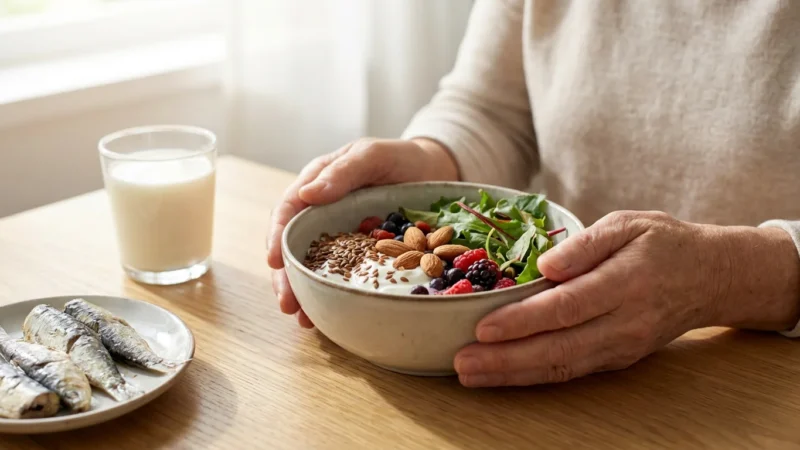
To truly maximize the physical benefits of your exercise, it is essential to pair your activity with an understanding of the specific nutritional needs of seniors.
To further enhance your physical resilience, consider integrating simple strength training into your weekly routine alongside your walks.
Your immune system receives a significant boost, making you more resilient against common illnesses. Your metabolism improves, aiding in weight management and energy regulation. You experience better sleep quality, waking feeling more refreshed and rejuvenated. Daily walking also naturally enhances your mood, acting as a potent antidote to stress and anxiety, fostering a sense of happiness and contentment.
Consider these profound benefits that daily walking offers:
- Enhanced Bone Density: Weight-bearing exercise like walking helps maintain strong bones and reduces the risk of osteoporosis, a common concern for seniors.
- Improved Balance and Coordination: Consistent movement refines proprioception, your body’s sense of its position in space, significantly lowering your fall risk.
- Better Digestive Health: Physical activity stimulates the digestive system, promoting regularity and overall gut health.
- Cognitive Boost: Walking increases blood flow to the brain, supporting memory, problem-solving skills, and executive function.
- Stress Reduction: The rhythmic motion and often outdoor setting of a walk naturally lower stress hormones and promote relaxation.
These cumulative benefits underscore why integrating daily walking into your life is a wise investment in your long-term health and happiness. You are actively building a more robust and joyful existence.
Crafting Your Walking Practice: Practical Steps for Every Journey
Embarking on a regular walking regimen is accessible, yet thoughtful planning can enhance your experience and ensure its sustainability. Start where you are, and gradually build your endurance and distance. Listen to your body and celebrate every step of progress. Consistency matters more than intensity.
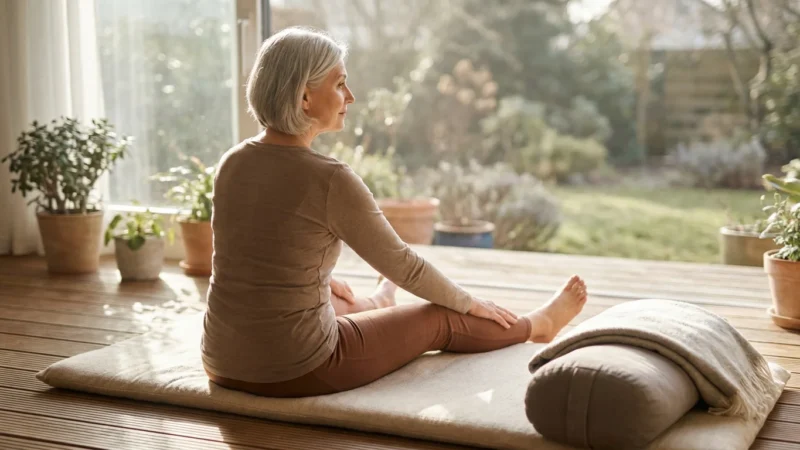
Many active retirees find that incorporating gentle yoga into their weekly routine helps maintain the flexibility needed for comfortable, long-distance walks.
Here are practical steps to help you establish a fulfilling walking practice:
- Consult Your Healthcare Provider: Before starting any new exercise program, speak with your doctor. They can offer personalized advice based on your health status.
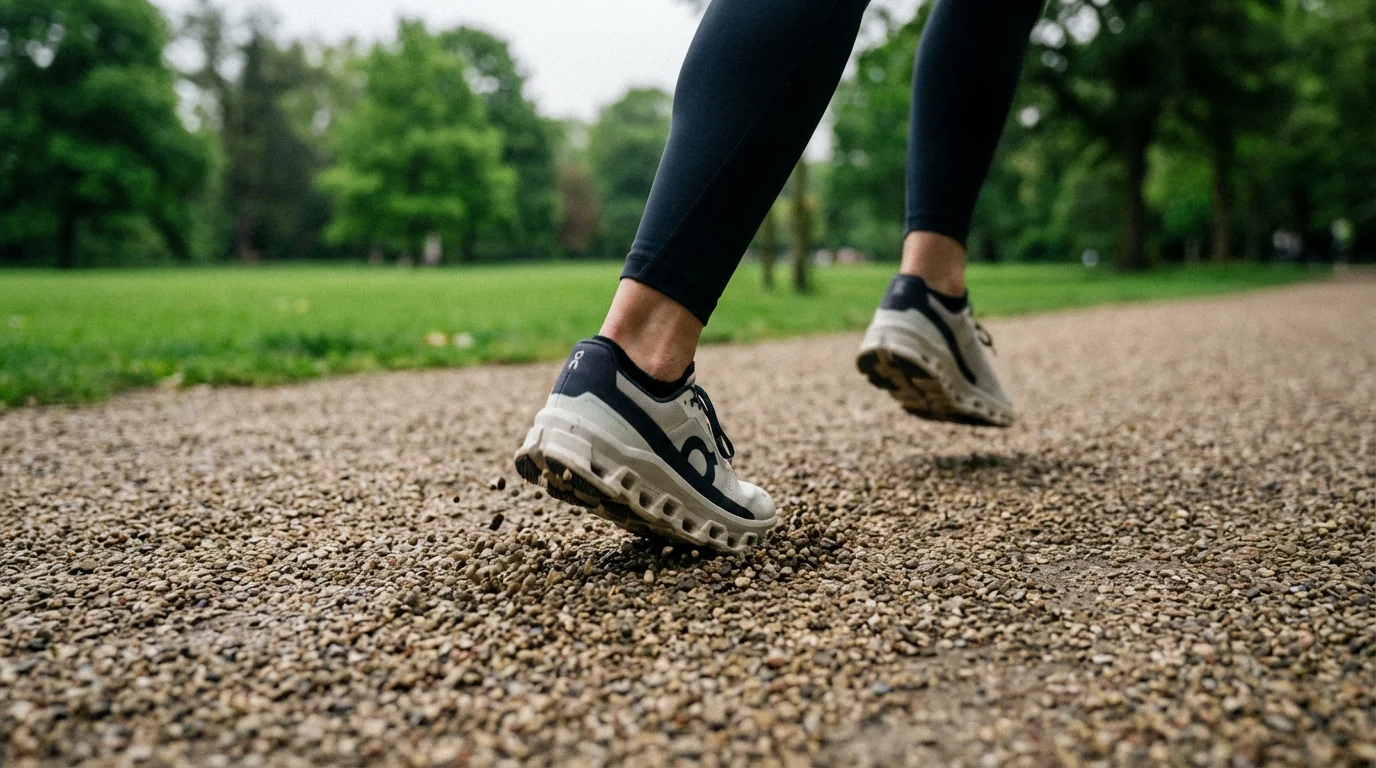
- Invest in Proper Footwear: Comfortable, supportive walking shoes are your most important piece of equipment. They protect your feet and joints.
- Start Gradually: Begin with short walks, perhaps 10-15 minutes, a few times a week. Gradually increase duration or frequency as your stamina improves. Aim for 150 minutes of moderate-intensity activity per week, as recommended by health organizations.
- Warm-up and Cool-down: Begin with a slow pace for 5 minutes to warm up your muscles. Conclude with a slower pace and gentle stretches to cool down.
- Vary Your Routes: Explore different parks, neighborhoods, or trails. New scenery keeps your walks interesting and engaging.
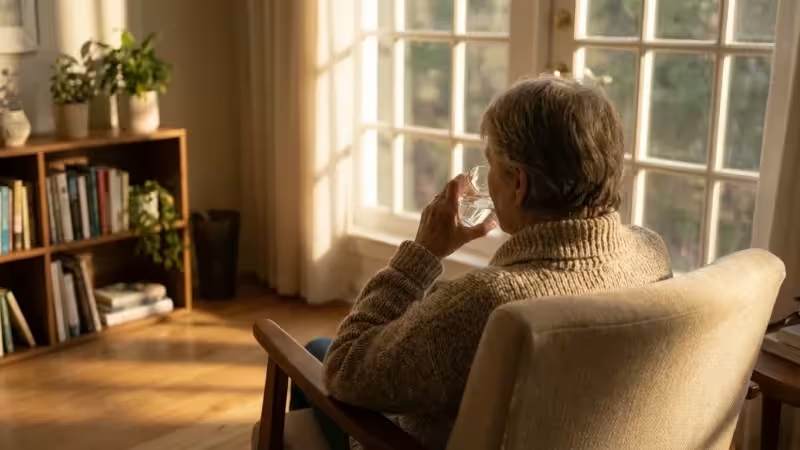
- Stay Hydrated: Drink water before, during, and after your walks, especially in warmer weather.
- Consider a Walking Buddy: Walking with a friend or a group can provide motivation, accountability, and social connection.
Remember, this is your journey. Adapt these suggestions to fit your lifestyle and preferences. The key is to make walking an enjoyable and consistent part of your daily rhythm, a cherished habit that supports your graceful pursuit of health.
Embracing the Outdoors: Nature’s Contribution to Your Walk
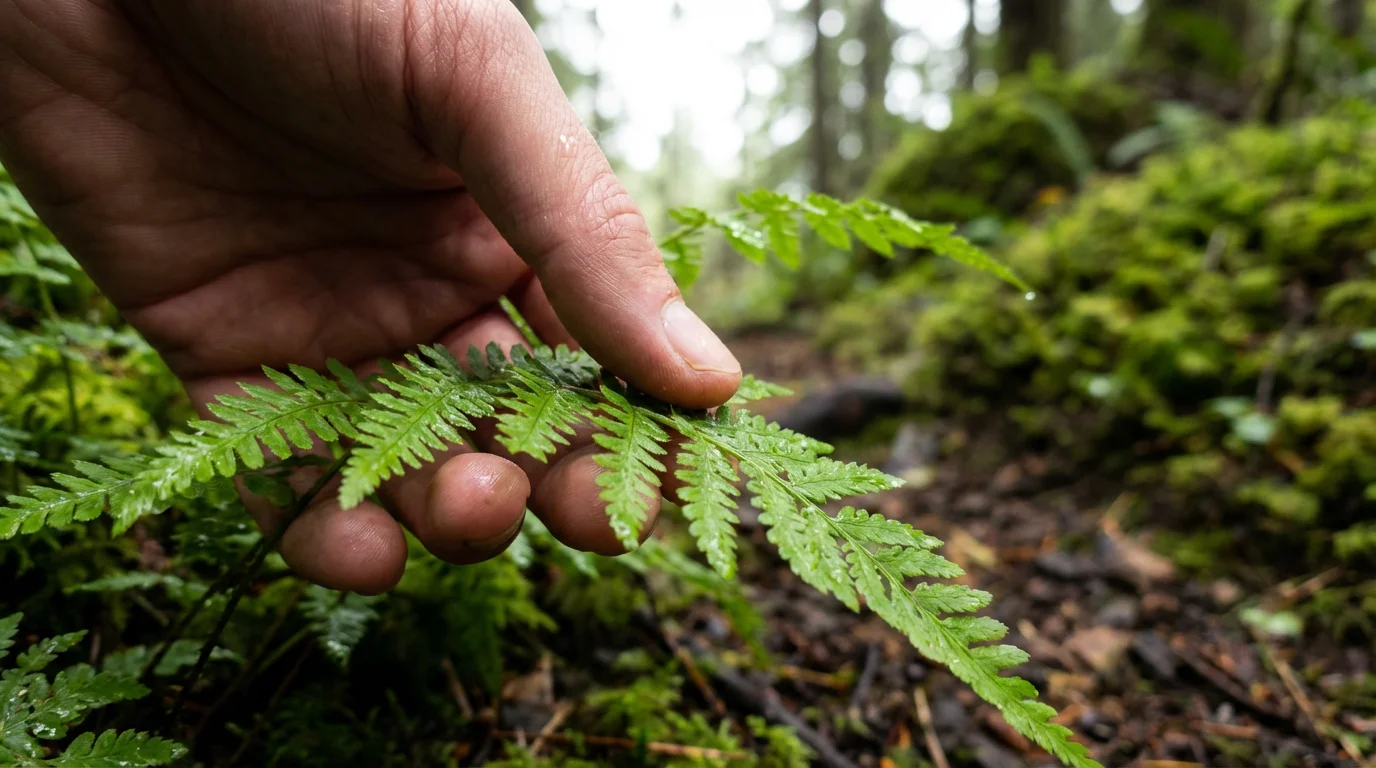
While indoor walking on a treadmill offers excellent benefits, taking your steps outdoors introduces an additional layer of wellness. Nature itself offers a unique therapeutic quality, enriching your walking experience and amplifying its positive effects. The fresh air, natural light, and varied terrain engage your senses and your body in different ways.
If you enjoy the restorative power of the outdoors, you might also find the benefits of gardening to be a wonderful complement to your walking practice.
Spending time in green spaces, often referred to as “forest bathing” in some cultures, has documented benefits for mental health. It reduces cortisol levels, lowers heart rate, and improves mood. The subtle unevenness of natural paths also challenges your balance and engages stabilizing muscles more effectively than flat, predictable surfaces. Your outdoor walks become a multi-sensory experience, a communion with the world around you.
Consider exploring local parks, nature preserves, or even simply walking through a tree-lined neighborhood. The changing seasons offer new perspectives and beauty. Allow the sounds of birds, the rustle of leaves, and the warmth of the sun to soothe your spirit as your body moves. This connection to nature is a powerful ally in your journey toward holistic well-being.
For more insights into the benefits of outdoor activity, resources like Harvard Health Publishing on Aging often provide articles on healthy aging practices, including the importance of nature engagement. You can find valuable information on healthy aging at health.harvard.edu/topics/aging.
Walking for Connection: Nurturing Relationships on the Path
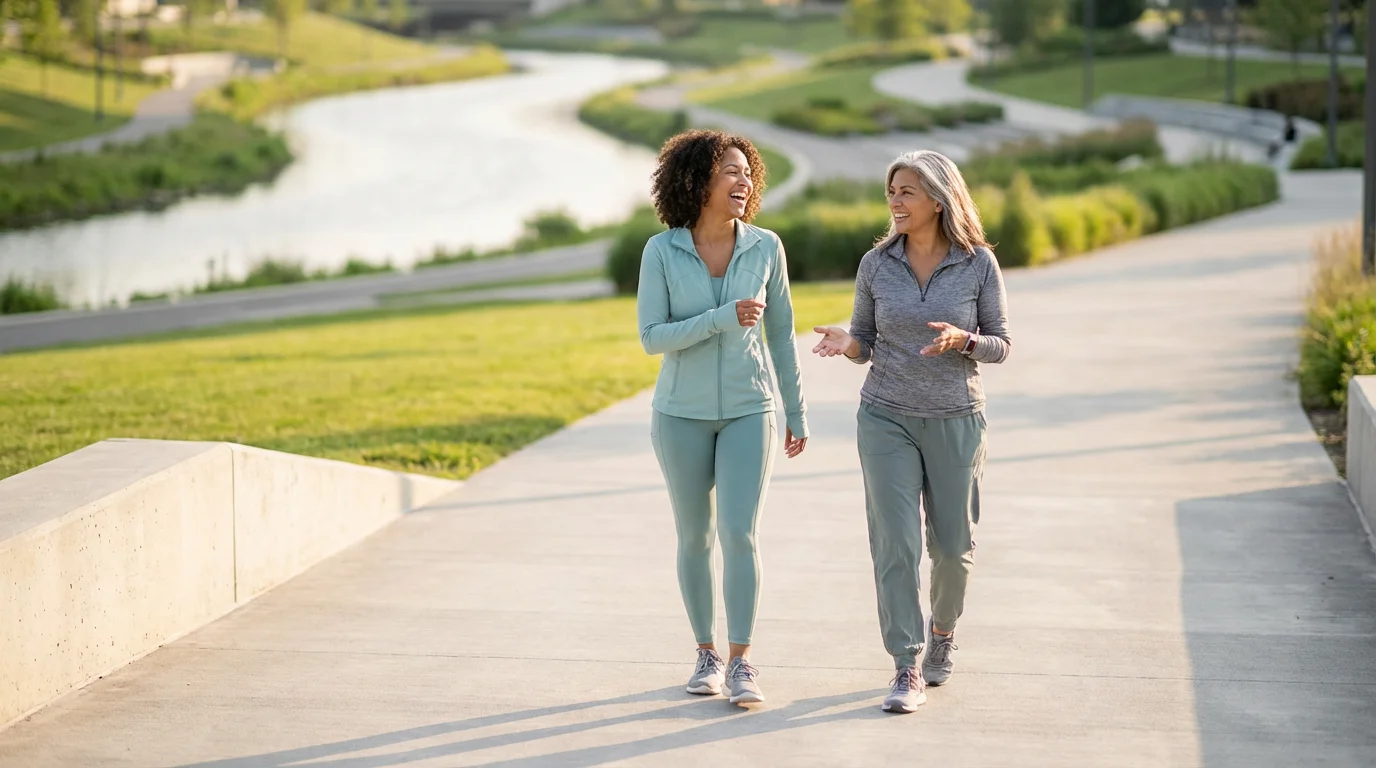
Walking is not solely a solitary pursuit; it offers a beautiful avenue for nurturing relationships and building community. Sharing a walk with a loved one, a friend, or even a new acquaintance transforms exercise into an opportunity for genuine connection. The rhythmic pace naturally encourages conversation, fostering deeper bonds and shared experiences.
Many communities offer walking groups, providing a structured way to meet new people and stay motivated. These groups offer social interaction, mutual support, and a sense of belonging, all vital components of graceful aging. Even a casual walk with a neighbor can strengthen community ties and combat feelings of isolation. Consider how your steps can lead to enriched relationships:
- Quality Conversation: The steady pace of a walk is ideal for talking, sharing thoughts, and listening without the distractions of other settings.
- Shared Experience: Accomplishing a fitness goal together, even a short one, builds camaraderie and mutual encouragement.
- New Friendships: Walking groups are excellent places to meet like-minded individuals who share your commitment to health and well-being.
- Intergenerational Bonding: Walking with grandchildren or younger family members offers a simple, fun way to connect across generations.
Embrace walking as a social endeavor. It strengthens your heart in more ways than one, connecting you to both your own vitality and the vibrant community around you.

Common Misconceptions and How to Overcome Them
Despite its proven benefits, some misconceptions might prevent you from fully embracing walking as a powerful tool for longevity. Addressing these helps clear the path for a more consistent and confident walking practice. It is important to approach exercise with accurate information and a positive mindset.
Here are some common misconceptions and clarifying truths:
- Misconception: “I need to walk fast or run to get real benefits.”
Truth: Moderate-intensity walking, where you can talk but not sing, offers substantial Cardiovascular Health benefits. Consistency and duration often outweigh extreme intensity for Senior Exercise. Even gentle walking helps.
- Misconception: “If I miss a day, my progress is lost.”
Truth: Progress is built over time, not lost in a single day. Return to your routine the next day with self-compassion. The goal is long-term consistency, not perfection.
- Misconception: “Walking is boring; I need more exciting exercise.”
Truth: While other exercises are beneficial, walking offers unique advantages in accessibility and integration into daily life. Combat boredom by varying your routes, listening to podcasts, walking with a companion, or focusing on mindfulness during your strolls. Explore new parks or even urban areas to keep it fresh.
- Misconception: “It’s too late to start exercising at my age.”
Truth: It is never too late to start. Research continually shows that older adults who begin or increase physical activity experience significant improvements in health, strength, and overall quality of life. Even small increases in activity make a difference.
By understanding and addressing these points, you empower yourself to embrace walking without unnecessary barriers. Your age is an asset of experience, not a limitation to movement.
Frequently Asked Questions
How much walking should an older adult aim for daily?
Most health organizations recommend at least 150 minutes of moderate-intensity aerobic activity per week for older adults. This translates to about 30 minutes of brisk walking, five days a week. However, even shorter, more frequent walks contribute to your health, so start with what feels comfortable and gradually increase. Any amount of walking is better than none.
What are the signs of a good walking pace?
A good walking pace for moderate intensity means you can still hold a conversation, but you feel slightly breathless. You should be able to talk in full sentences, but not sing. If you are too breathless to talk, slow down. If you can sing, speed up a bit. This ensures you are engaging your cardiovascular system effectively without overexertion.
Can walking help with chronic pain, such as arthritis?
Yes, regular low-impact exercise like walking can significantly help manage chronic pain conditions such as arthritis. Walking strengthens the muscles around joints, improves joint lubrication, and reduces stiffness. It also helps with weight management, which lessens stress on joints. Always consult your doctor for personalized advice on managing pain through exercise.
Are there any safety considerations for older adults when walking?
Safety is paramount. Wear appropriate footwear, stay hydrated, and dress in layers. Walk in well-lit, familiar areas during daylight hours, or choose safe indoor locations if needed. Consider carrying a phone for emergencies. If you have balance concerns, walk with a companion or use walking aids if recommended by a professional. Be mindful of traffic and uneven surfaces.
Disclaimer: This article is for informational and inspirational purposes. Life decisions are deeply personal, and we encourage readers to consult with appropriate professionals—whether healthcare providers, counselors, or financial advisors—for guidance specific to their circumstances.





Leave a Reply