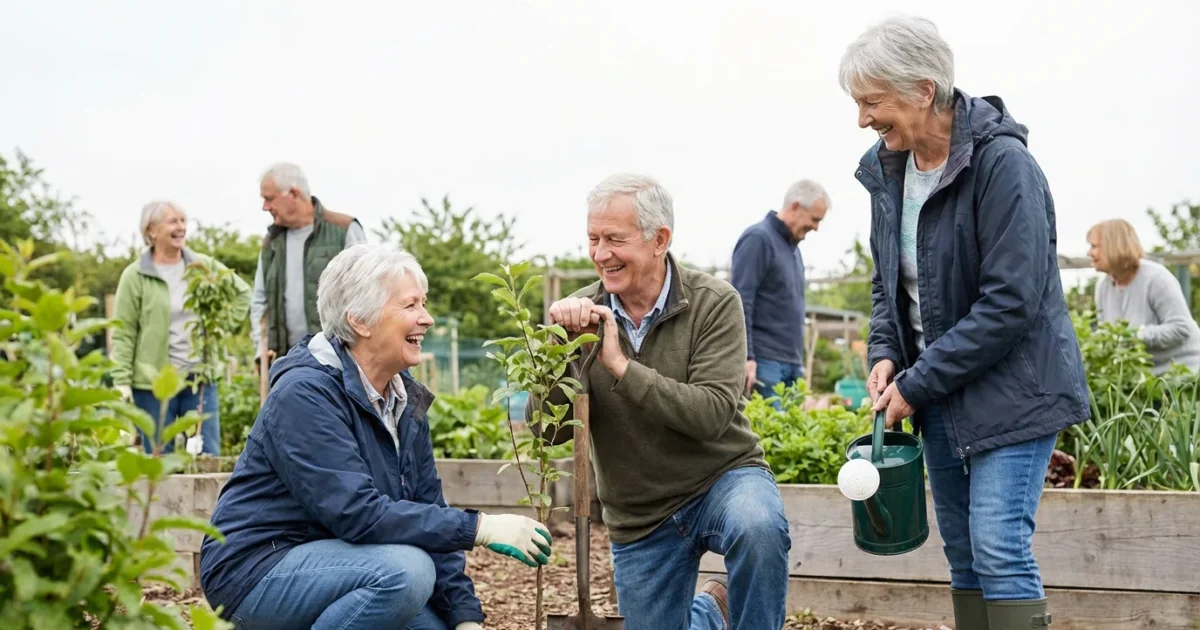
For many, retirement ushers in a profound shift, offering freedom from professional demands and an open expanse of time. This new chapter invites you to redefine purpose, nurture connections, and live with intentionality. Volunteering stands as a powerful pathway to achieve these aspirations, enriching your life and the lives of those around you.
Embracing this opportunity means more than simply filling your schedule. It involves contributing your wisdom, experience, and energy to causes that resonate deeply with your spirit. You discover new facets of yourself while making a tangible difference in your community and beyond.
The Profound Benefits of Giving Back
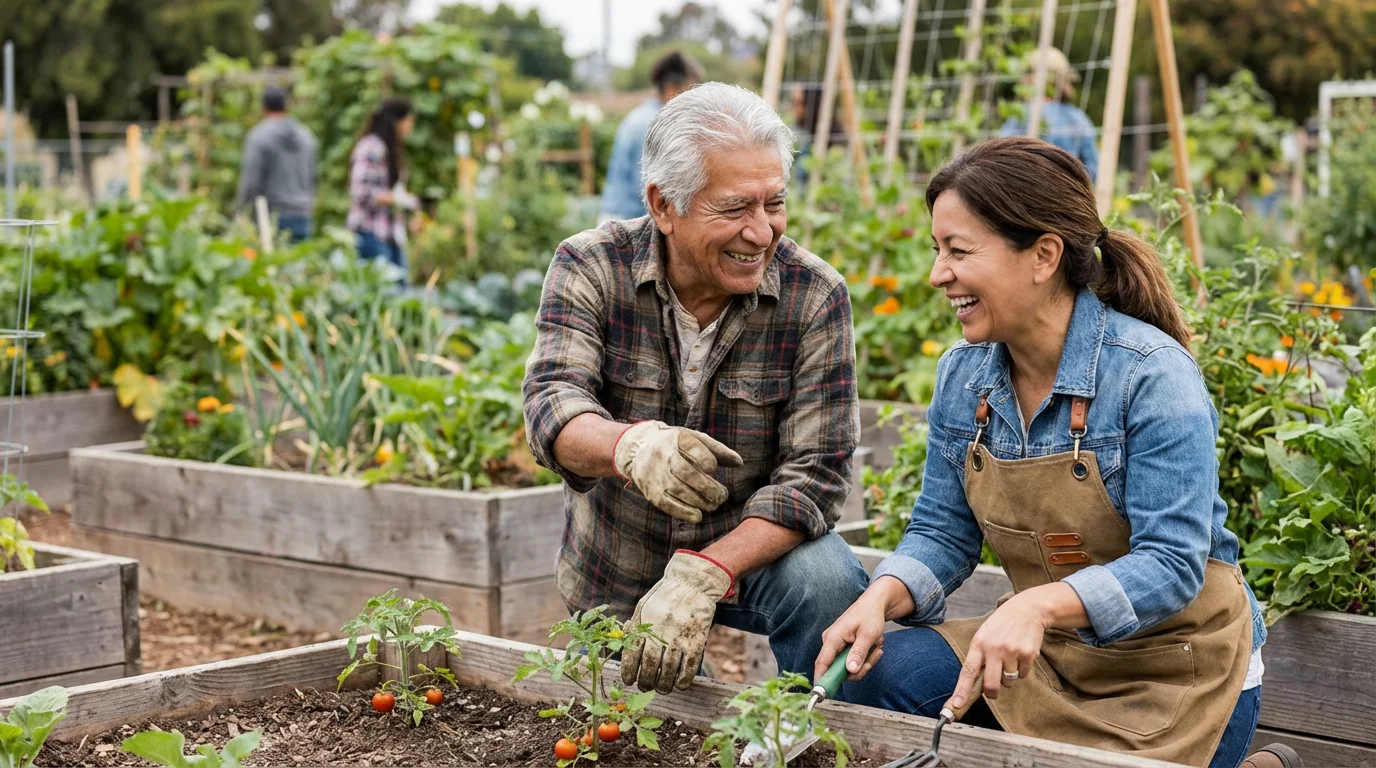
Engaging in senior volunteering offers a wealth of advantages that extend far beyond the immediate impact on a chosen cause. These benefits touch every aspect of your well-being, fostering a richer, more vibrant retirement experience. You gain a renewed sense of purpose that invigorates your daily life.
Engaging with others in this manner is a beautiful way of cultivating meaningful relationships in retirement.
Understanding the role of social connection in healthy aging shows why active participation is so vital to our longevity and mental clarity.
Research consistently supports the positive correlation between volunteering and enhanced health outcomes for older adults. Studies indicate that individuals who volunteer regularly often experience lower rates of depression, improved cognitive function, and even increased longevity. This active engagement keeps your mind sharp and your spirit uplifted.
Volunteering provides a unique opportunity for social connection, combating potential feelings of isolation that can sometimes accompany retirement. You meet like-minded individuals, build new friendships, and become part of a supportive community. These social bonds are crucial for emotional resilience and overall happiness.
Age is an issue of mind over matter. If you don’t mind, it doesn’t matter.
— Mark Twain
Beyond personal gains, your efforts contribute directly to the fabric of society. You utilize your accumulated wisdom and skills to address pressing needs, creating positive ripples that benefit countless others. This act of giving back reinforces your value and significance, reminding you that your contributions remain invaluable.
Beyond the Resume: Why Senior Volunteering Matters
Your extensive life experience and professional background represent an invaluable asset for many organizations. While younger volunteers often bring fresh perspectives, seasoned adults offer a depth of knowledge, problem-solving skills, and a strong work ethic honed over decades. You possess a unique capability to mentor, guide, and innovate.
For many, this involvement is also a key strategy for maintaining social connections after leaving the workforce.
Many retirement-aged individuals have cultivated patience, empathy, and resilience throughout their lives. These qualities are particularly beneficial in volunteer roles requiring compassion, such as working with children, seniors, or individuals facing adversity. Your calm demeanor and understanding can make a significant difference.
Furthermore, committing to a cause in retirement demonstrates a powerful example of lifelong engagement and civic responsibility. You inspire younger generations to participate and contribute, fostering a culture of generosity and community involvement. Your actions speak volumes, illustrating the beauty of giving at every life stage.
Think about the unique skills you have honed throughout your career and life.
- What professional expertise do you possess that could benefit a non-profit?
- Which personal interests could you transform into a meaningful service?
- How has your life journey prepared you to connect with and support others?
Reflecting on these questions can illuminate unexpected avenues for impactful service.

Discovering Your Volunteer Passion
Finding the right volunteer opportunity involves introspection and a clear understanding of what truly motivates you. Consider what causes ignite your passion, what problems you genuinely wish to help solve, and what kind of environment energizes you. Your volunteer experience should feel fulfilling and authentic.
Often, the activities we choose as retirement hobbies can transition beautifully into meaningful service projects.
Finding a new call to service is a wonderful way of embracing new beginnings as you transition into a lifestyle centered on personal fulfillment.
Begin by identifying your core values. Do you prioritize environmental conservation, education, animal welfare, or social justice? Aligning your efforts with your deeply held beliefs ensures that your volunteering feels purposeful and sustainable. This alignment transforms your work from a task into a calling.
Next, assess your skills and interests. Do you love to garden, teach, organize, or connect with people? Many volunteer roles leverage existing talents, but others offer opportunities to learn new skills. You might find satisfaction in a role that challenges you in a fresh way.
Consider the time commitment you can realistically offer. Some roles require consistent weekly hours, while others involve episodic projects or events. Be honest with yourself about your availability and energy levels to prevent burnout and ensure a positive experience for both you and the organization.

Finding Your Fit: Diverse Volunteer Opportunities
The world of volunteering is incredibly vast, offering a myriad of choices to suit every interest and skill set. You can choose roles that keep you physically active, intellectually stimulated, or socially connected. Exploring different avenues helps you pinpoint the perfect match.
While many enjoy staying socially connected through retirement clubs, volunteer work offers a unique, hands-on experience.
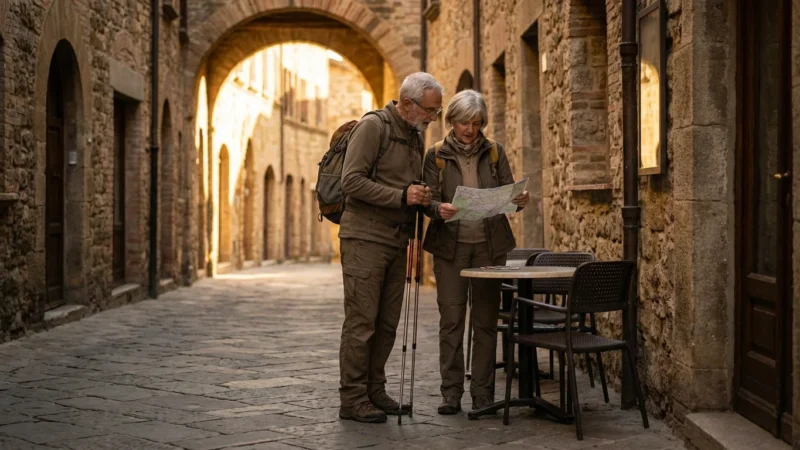
For those who wish to combine their desire to give back with exploration, volunteer vacations for retirees offer a unique way to see the world while making a difference.
Many local organizations, such as libraries, hospitals, and community centers, regularly seek volunteers. These roles often involve direct interaction with people, administrative tasks, or supporting specific programs. You make a tangible difference in your immediate neighborhood.
Consider opportunities that leverage your professional background. If you were an accountant, offer pro bono financial literacy workshops. If you were a teacher, tutor children or adults. Organizations like SCORE connect experienced business professionals with small businesses and startups for mentorship.
Here are some diverse areas where senior volunteers thrive:
- Education: Tutoring students, mentoring young professionals, supporting adult literacy programs.
- Healthcare: Assisting in hospitals, visiting nursing home residents, driving seniors to appointments.
- Environment: Park cleanups, trail maintenance, working at botanical gardens or nature centers.
- Arts & Culture: Docent duties at museums, ushering at theaters, assisting with historical preservation.
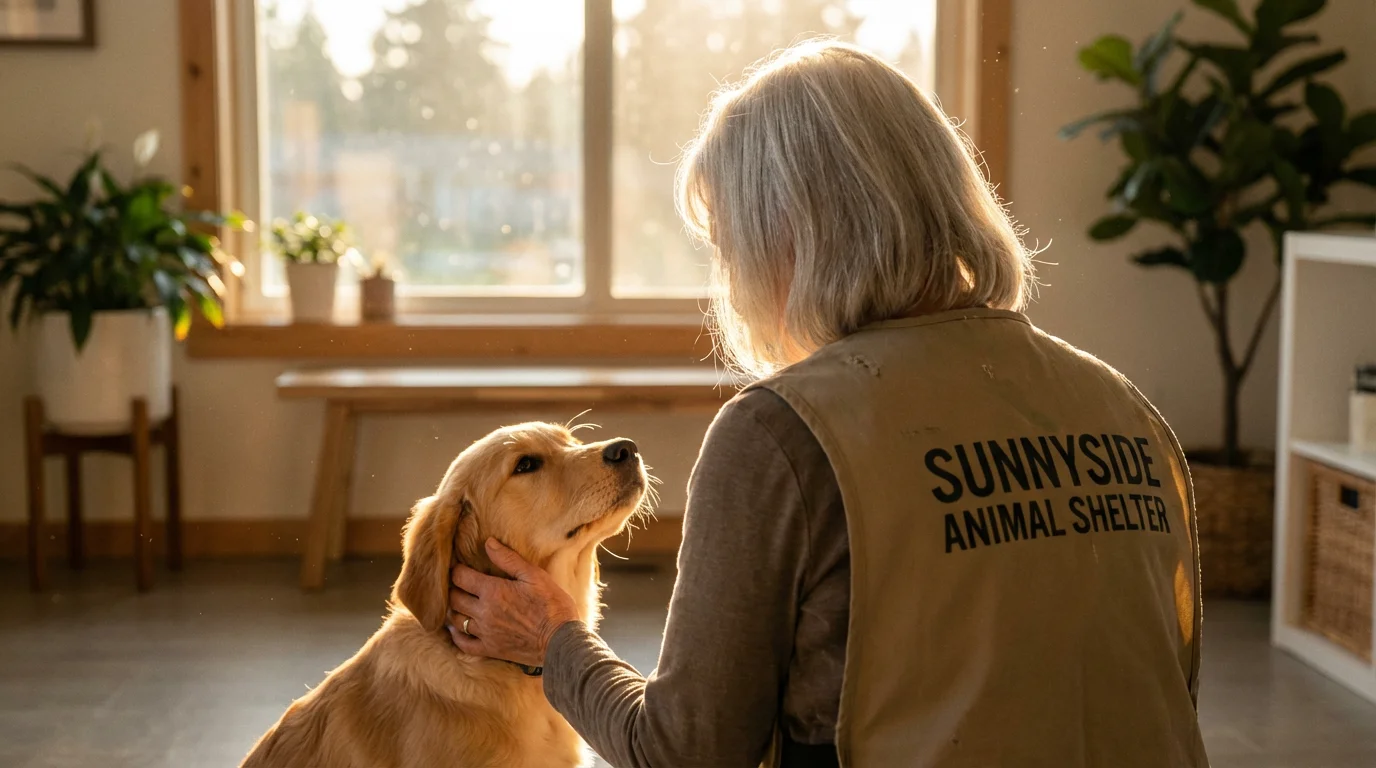
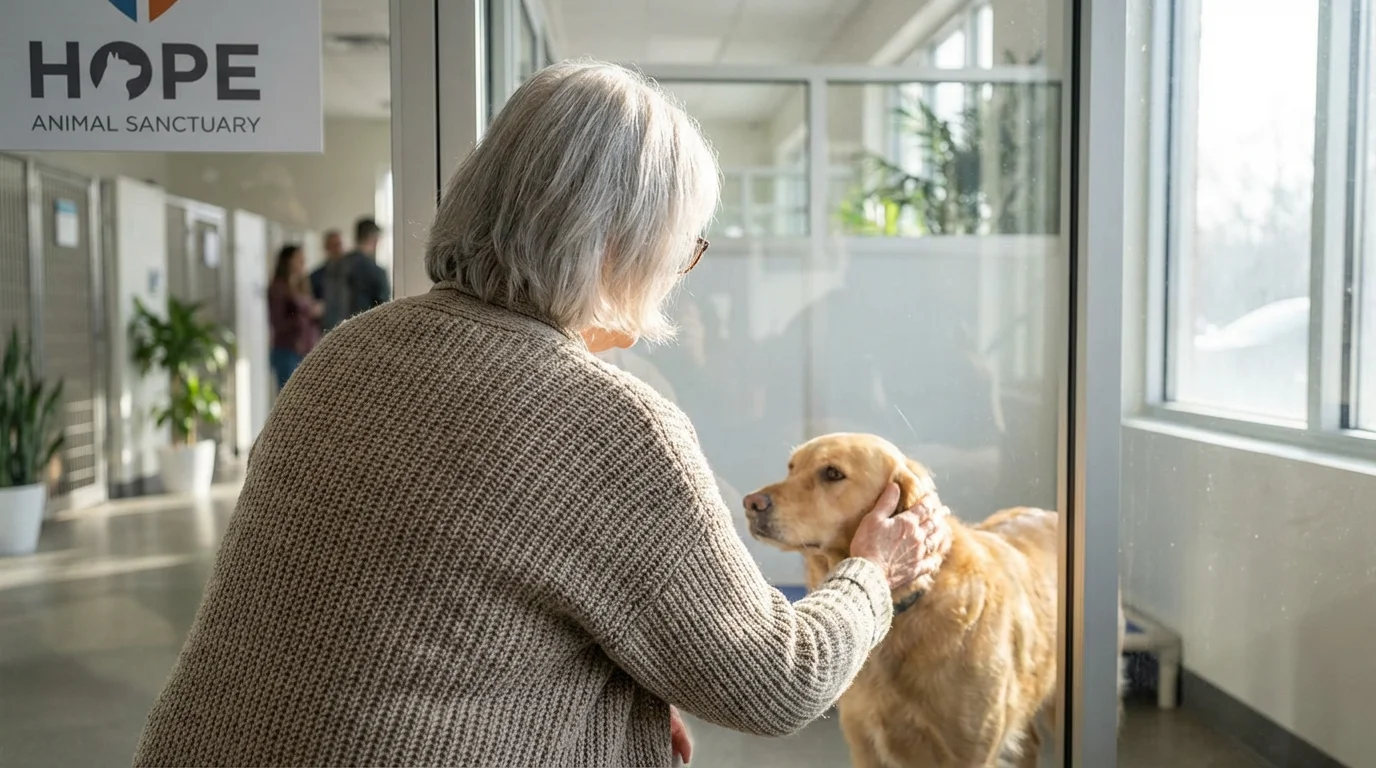
- Animal Welfare: Walking dogs, fostering animals, assisting at local shelters.
- Social Services: Working at food banks, assisting homeless shelters, supporting crisis hotlines.
- Advocacy: Participating in campaigns for causes you care about, engaging in legislative outreach.
Online volunteering also offers flexibility, allowing you to contribute from home. Opportunities include virtual tutoring, transcribing historical documents, or providing online mentorship. This option is ideal if mobility is a concern or if you prefer a remote setup.

Navigating the Practicalities: Getting Started
Once you have identified your interests and the type of commitment you seek, the next step involves actively searching for opportunities and making contact. This process can feel daunting at first, but many resources exist to guide you. You are not alone in this journey.
Start by exploring online volunteer platforms. Websites like AARP’s Create The Good and VolunteerMatch allow you to search for opportunities by interest, location, and desired impact. These platforms often provide detailed descriptions of roles and requirements. You can filter results to find the perfect fit.
Here is a step-by-step guide to finding your ideal volunteer role:
- Reflect on your passions and skills: Make a list of causes you care about and abilities you possess.
- Research local organizations: Look for non-profits, charities, and community groups in your area that align with your interests.
- Explore national platforms: Use websites such as AARP’s Create The Good or VolunteerMatch to find diverse opportunities.
- Contact organizations directly: Reach out to their volunteer coordinators to inquire about openings and learn more.
- Attend orientation or information sessions: Many organizations offer these to prospective volunteers, providing a deeper insight into their mission and needs.
- Start with a trial period: Consider a short-term commitment initially to see if the role truly suits you before making a long-term pledge.
Remember to inquire about any training or background checks required for the role. Many organizations prioritize safety and proper preparation, ensuring you feel confident and capable in your new position. Ask about the support systems available to volunteers.
Do not hesitate to ask questions during your initial conversations. Understanding expectations, the scope of work, and the organizational culture helps you determine if the opportunity truly aligns with your goals. You are investing your valuable time, so ensure it is a good match.

Making Your Impact Count: Commitment and Connection
Once you begin your volunteer journey, consistent engagement and a willingness to connect with others amplify your impact. Approach your role with reliability and enthusiasm, recognizing that your presence and efforts are vital to the organization’s success. Your commitment strengthens the cause.
If you have a partner or close friend, volunteering together can be an excellent way to deepen your bond while serving others.
Build relationships with fellow volunteers and staff members. These connections can enrich your experience, offering camaraderie, shared purpose, and a deeper sense of belonging. Collaborative efforts often lead to greater innovation and effectiveness. You learn from others and contribute your own wisdom.
Be open to feedback and continuous learning. Every volunteer role presents opportunities for growth, allowing you to refine existing skills or develop new ones. Embrace these chances to expand your capabilities and deepen your understanding of the cause. You are continually evolving.
Consider sharing your unique story and experiences with the organization. Your personal journey can inspire others, attract new volunteers, or even help secure funding for the cause. You bring a rich tapestry of life experiences that can profoundly benefit the mission.
Cultivating a Legacy of Generosity
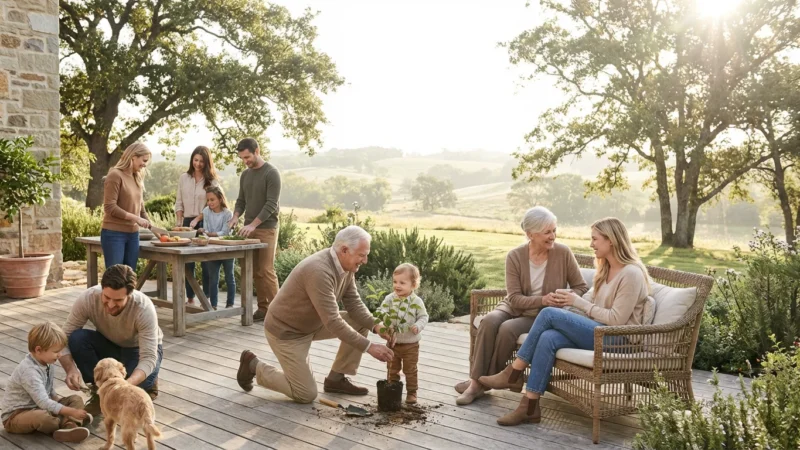
Volunteering in retirement allows you to cultivate a meaningful legacy, one built on compassion, contribution, and connection. You demonstrate that age is not a barrier to making a profound difference, but rather an advantage, offering wisdom and perspective gained over a lifetime. This legacy inspires future generations.
Your dedication to service reflects a life lived with purpose and grace. You leave behind a testament to the power of giving back, showing that true fulfillment often comes from serving something larger than oneself. This enduring impact resonates long after your direct involvement.
Embrace this golden chapter as a time for significant personal growth and community enrichment. You have the freedom, wisdom, and capacity to shape a better world, one volunteer hour at a time. Your journey of service becomes a beacon of hope and generosity for all.
Reflect on the legacy you wish to build.
- What values do you want to embody through your actions?
- How do you hope your contributions will be remembered?
- What lasting positive change do you envision your volunteering bringing to the world?
These reflections can deepen your commitment and guide your future endeavors.
Frequently Asked Questions
What are the primary benefits of senior volunteering?
Senior volunteering offers numerous benefits, including improved mental and physical health, enhanced social connections, a renewed sense of purpose, and opportunities for continued learning and skill development. It combats isolation and fosters a greater sense of well-being, contributing to a more fulfilling retirement.
How can I find volunteer opportunities that match my interests?
Begin by reflecting on your passions, skills, and the causes you care about. Utilize online platforms like AARP’s Create The Good, VolunteerMatch, or Encore.org to search for local and national opportunities. Contacting local community centers, libraries, and non-profits directly also proves effective in finding a suitable role.
Are there volunteer opportunities available for individuals with limited mobility?
Absolutely. Many organizations offer remote or virtual volunteering roles that you can perform from home, such as online tutoring, transcription, or providing virtual mentorship. Additionally, some local opportunities may accommodate limited mobility with roles that are seated or require minimal physical exertion. Always discuss your needs with the volunteer coordinator.
What kind of time commitment do volunteer roles typically require?
Volunteer commitments vary widely depending on the organization and the role. Some opportunities require consistent weekly hours, for example, 2-4 hours a week. Others are project-based or seasonal, requiring commitment only for specific events or periods. Many organizations offer flexible options to accommodate your schedule and preferences.
Can volunteering help me meet new people and make friends in retirement?
Yes, volunteering is an excellent way to expand your social circle and forge new friendships. You work alongside like-minded individuals who share your interests and values, creating a natural environment for connection and camaraderie. Many volunteers report that the social aspect is one of the most rewarding parts of their experience.
Disclaimer: This article is for informational and inspirational purposes. Life decisions are deeply personal, and we encourage readers to consult with appropriate professionals—whether healthcare providers, counselors, or financial advisors—for guidance specific to their circumstances.







Leave a Reply