
Retirement unfolds as a remarkable chapter, a time often envisioned for rest and relaxation. Yet, for many, it becomes a vibrant stage for continued growth, new experiences, and profound personal development. This era presents a unique invitation to rediscover forgotten interests or cultivate entirely new passions. Embracing the concept of lifelong learning during these years is not merely an intellectual pursuit. It stands as a powerful pathway to a more engaged, fulfilling, and graceful retirement.
Imagine your retirement years not as a quiet ending, but as an expansive new beginning. Lifelong learning transforms this vision into a tangible reality. It offers a profound sense of purpose, invigorates your mind, and deepens your connections with the world around you. You gain a richer understanding of yourself and the diverse tapestry of human knowledge.

Embracing a New Chapter of Discovery
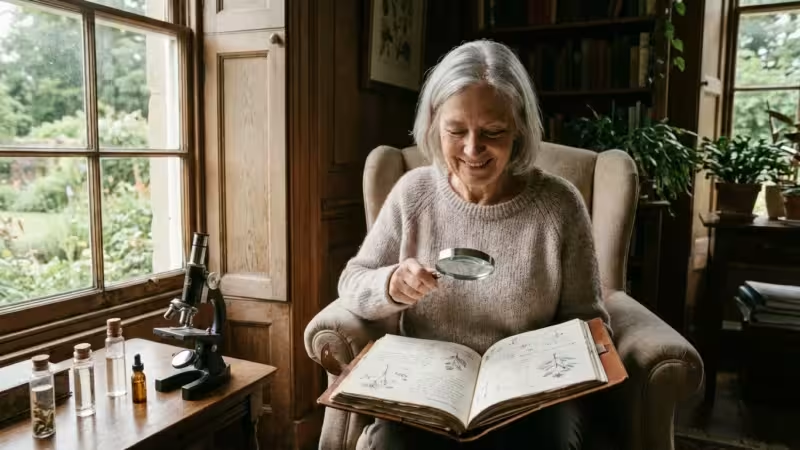
Retirement liberates you from the demands of a traditional career, opening vast stretches of time for personal enrichment. This newfound freedom is an unparalleled gift, a chance to explore subjects you always found intriguing but never had the bandwidth to pursue. Consider what topics have secretly captivated your attention over the years. This could be history, astronomy, philosophy, or a new language.
Your golden years offer an ideal environment for intellectual exploration. You learn at your own pace, driven by genuine curiosity rather than external deadlines or professional requirements. This intrinsic motivation deepens your engagement and enjoyment, making the learning process a truly rewarding experience. You are not pursuing a degree for a new job, but rather for the sheer joy of understanding.
Lifelong learning during retirement aligns perfectly with a dignified approach to aging. It signifies a commitment to self-growth and a rejection of stagnation. You demonstrate that wisdom and intellectual vitality only deepen with age, enriching not just your own life, but also those around you.

Sharpening Your Mind and Memory
One of the most compelling reasons to embrace senior education is its profound impact on cognitive health. Engaging in new learning challenges your brain, fostering neuroplasticity, the brain’s ability to reorganize itself by forming new neural connections. This process helps maintain and even improve cognitive functions as you age.
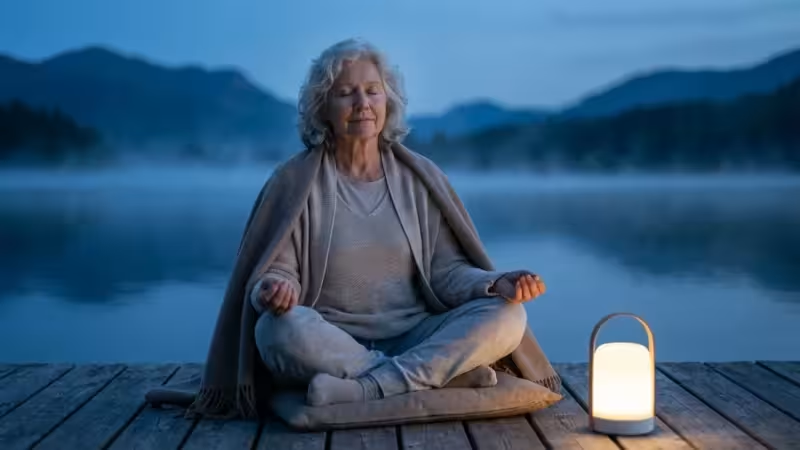
While intellectual stimulation is key, remember that maximizing rest is equally vital for allowing your brain to process and store new information.
Research consistently shows that individuals who remain intellectually active tend to exhibit better memory, sharper problem-solving skills, and enhanced processing speed. For instance, studies highlighted by Harvard Health Aging emphasize how mental stimulation can build cognitive reserve, essentially creating a buffer against age-related decline. You actively fortify your mind against the natural progression of time.
Consider the benefits that mental stimulation provides:
- Improved Memory: Learning new information, skills, or languages strengthens memory pathways.
- Enhanced Problem-Solving: Tackling complex subjects or puzzles hones your analytical abilities.
- Increased Focus and Attention: Engaging with educational content trains your brain to concentrate for longer periods.
- Reduced Risk of Cognitive Decline: Active learning is associated with a lower risk of developing conditions like dementia.
- Greater Adaptability: A flexible and active mind better navigates changes and challenges in daily life.
By investing in your intellect, you invest directly in your brain’s long-term health and resilience. This proactive approach ensures your mind remains a vibrant tool for experiencing the world.
The mind, once stretched by a new idea, never returns to its original dimensions.
— Ralph Waldo Emerson
Cultivating New Passions and Purpose
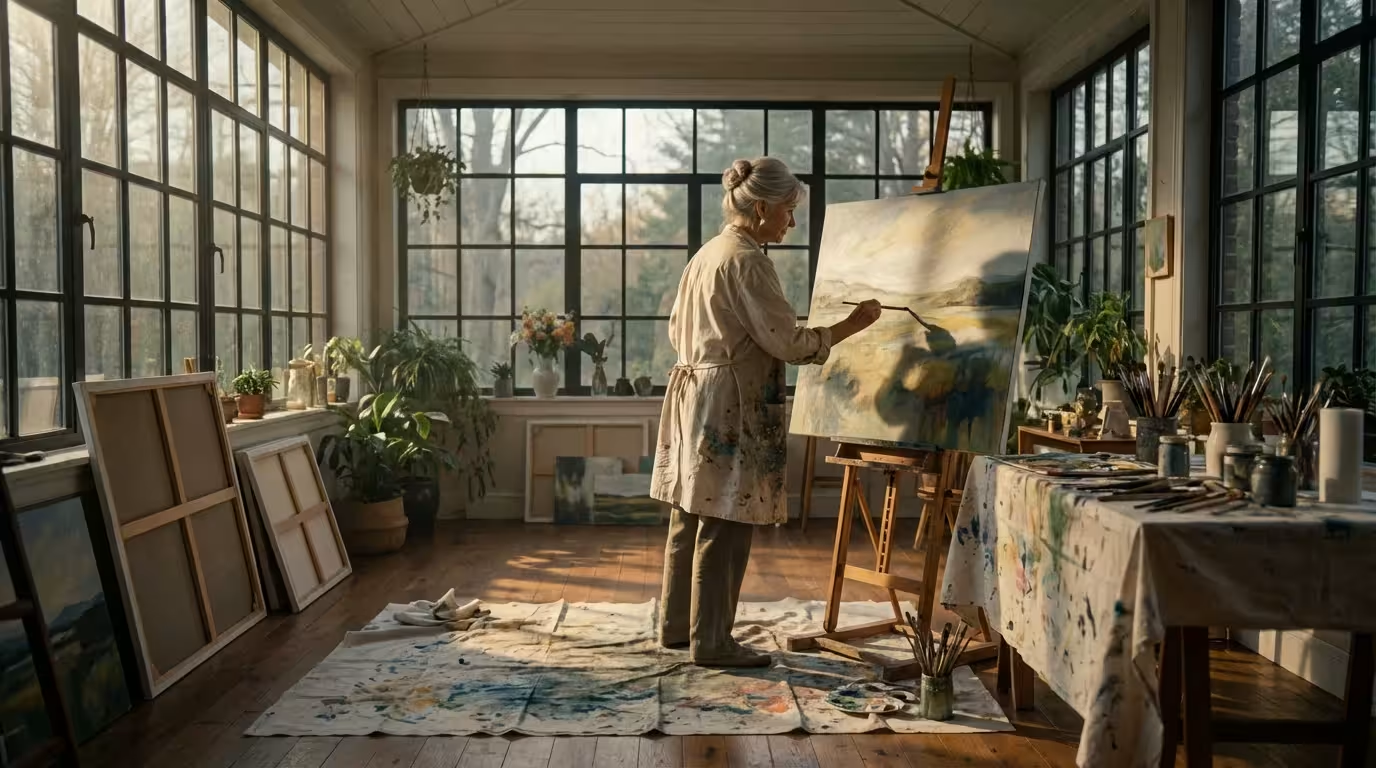
A common concern in retirement is the potential loss of purpose that often accompanied a career. Lifelong learning offers a powerful antidote, providing new avenues for meaning and fulfillment. When you delve into a new subject, you create fresh goals and objectives, injecting a vibrant sense of direction into your daily life.
This journey of self-discovery can be a fundamental part of finding your ikigai, anchoring your retirement in a deep sense of joy and purpose.
Perhaps you have always dreamed of understanding classical music, learning to paint, or becoming proficient in a new language. Pursuing these interests transforms idle time into opportunities for mastery and self-expression. This pursuit of personal growth ignites a spark, replacing any feelings of emptiness with a deep sense of accomplishment and renewed vitality.
Consider these reflective questions to guide your exploration:
- What skills or knowledge would bring you immense personal satisfaction?
- Is there a social cause or community need that you could serve more effectively with new expertise?
- What topics genuinely excite your curiosity, regardless of their practical application?
- How might learning something new allow you to express a part of yourself you have neglected?
Cultivating these passions ensures your retirement years are defined by continued contribution and self-actualization. You actively shape a life rich in personal significance.
Expanding Your Social Connections
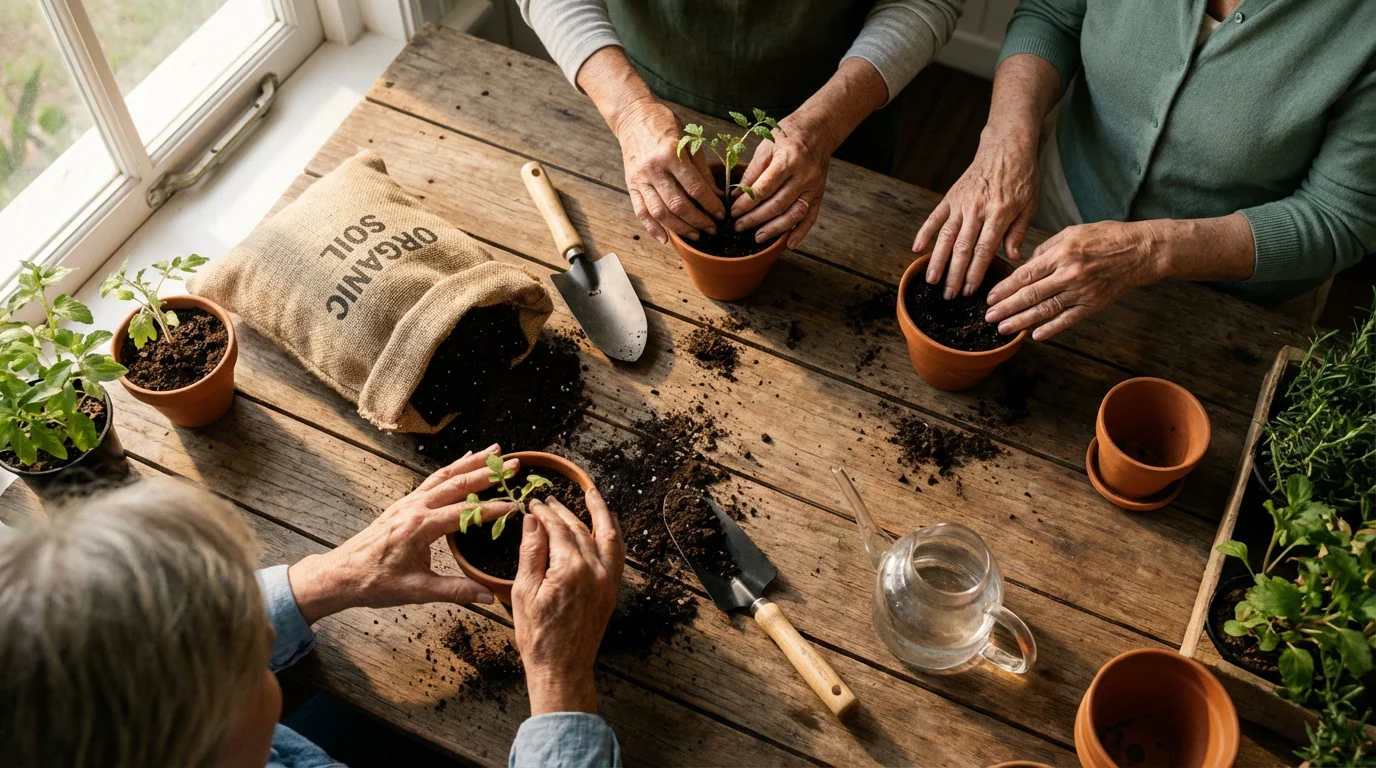
Lifelong learning is rarely a solitary endeavor. Many educational opportunities naturally foster new social connections, combating isolation and enriching your community ties. When you enroll in a class, join a study group, or participate in a lecture series, you meet like-minded individuals who share your enthusiasm for discovery. These shared experiences often blossom into meaningful friendships.
For example, a senior education program at a local university might introduce you to peers with whom you explore art history, discuss current events, or even collaborate on projects. These interactions provide intellectual companionship and emotional support, vital components of well-being in later life. You become part of a vibrant network of learners.
Engaging in shared learning experiences offers several social benefits:
- New Friendships: You connect with others who share your intellectual interests.
- Enhanced Communication Skills: Discussing and debating ideas with peers sharpens your ability to articulate thoughts.
- Community Engagement: Learning often leads to volunteering or participation in local groups.
- Intergenerational Connections: Some programs bring together learners of all ages, offering diverse perspectives.
- Support Network: A shared learning environment can provide a sense of belonging and mutual encouragement.
These social benefits extend beyond the classroom, weaving a richer tapestry of relationships into your retirement experience. You not only learn new things but also build a stronger, more connected life.

Adapting to a Changing World
The world around us continues to evolve at an astonishing pace, particularly in technology and societal norms. Lifelong learning equips you with the tools and understanding to navigate these changes confidently. Staying current prevents feelings of being left behind and empowers you to participate fully in modern life.
Maintaining a routine that includes staying active and healthy provides the physical foundation necessary to support your ongoing intellectual pursuits.
For instance, mastering new digital tools, understanding emerging scientific discoveries, or grasping shifts in global politics keeps your perspective fresh and relevant. This continuous adaptation enhances your independence and capability. You remain an informed and active participant in society.
Consider how continuous learning empowers you:
- Technological Proficiency: Learning new software or digital devices helps you connect with family, manage finances, and access information.
- Informed Citizenship: Understanding current events and societal shifts allows you to engage meaningfully in civic life.
- Increased Resilience: A flexible mind adapts more readily to unexpected life changes.
- Enhanced Problem-Solving: Keeping abreast of new information broadens your approach to challenges.
By committing to lifelong learning, you cultivate an agile mind capable of embracing new realities. You move through life with a sense of informed control and curiosity.

Practical Pathways to Lifelong Learning
The landscape of senior education and learning opportunities is vast and accessible. You have numerous avenues to explore, regardless of your previous educational background or technological comfort level. Finding the right fit involves considering your interests, learning style, and available resources.
Beyond personal study, you can also apply your wisdom by choosing to mentor younger generations, turning your knowledge into a legacy.
Here are several practical pathways to begin your journey of discovery:
- Explore Local Community Resources:
- Many senior centers, public libraries, and community colleges offer free or low-cost courses specifically for older adults. These can range from art classes and history lectures to computer literacy workshops.
- Check local listings for university extension programs, which often provide a wide array of non-credit courses.
- Utilize Online Learning Platforms:
- Websites such as Coursera, edX, and Khan Academy offer thousands of courses from top universities and institutions, often for free or a nominal fee. You can learn anything from coding to classical literature.
- Platforms like YouTube host countless educational videos and tutorials on almost any subject imaginable.
- Organizations like AARP provide online learning resources and webinars on a variety of topics relevant to seniors. You can explore these valuable resources to enhance your knowledge and skills, finding support for your journey.
- Join Interest Groups and Clubs:
- Book clubs, gardening groups, birdwatching societies, or historical societies provide structured learning within a social context.
- These groups often involve shared research, discussions, and field trips, deepening your understanding of a particular subject.
- Learn a New Skill or Hobby:
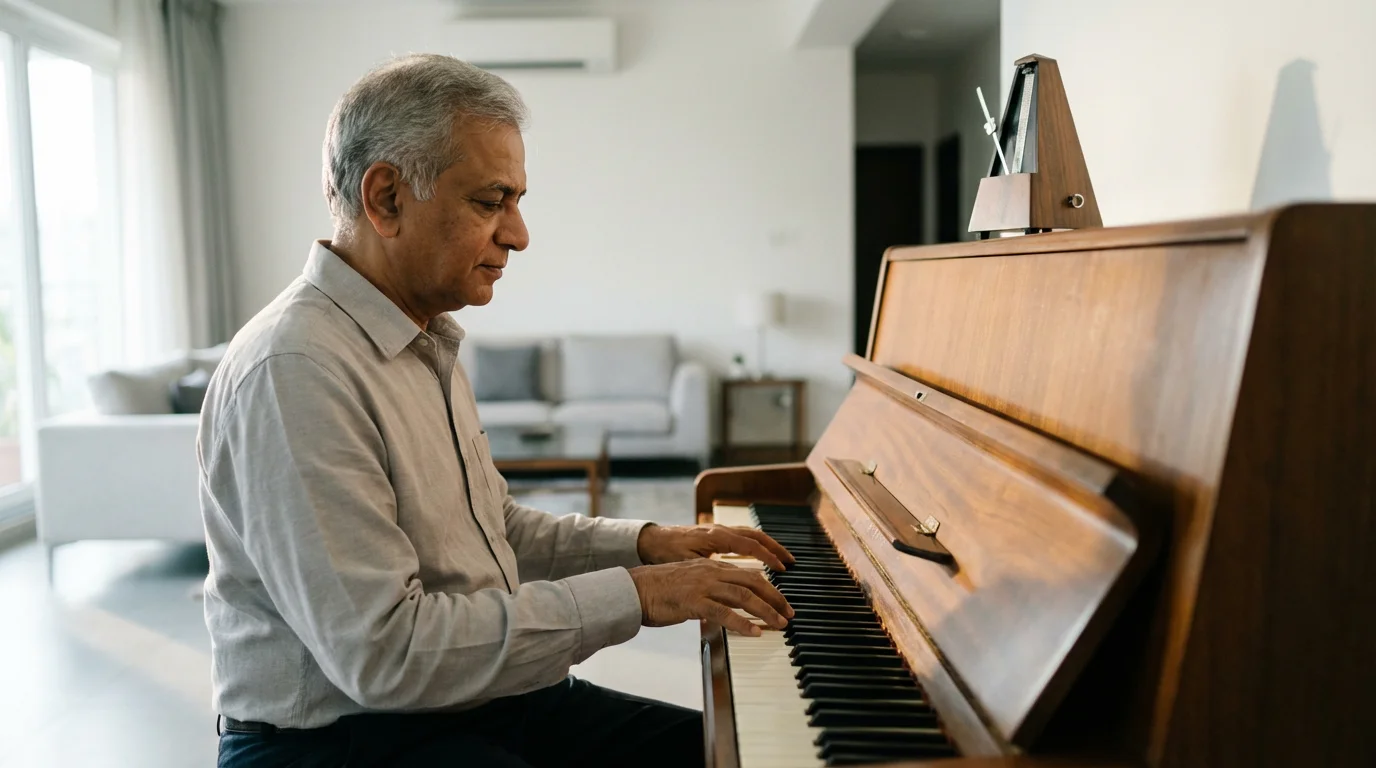
- Whether it is learning to play a musical instrument, taking up photography, or mastering a new cooking technique, hands-on learning is incredibly rewarding.
- Look for local workshops or online tutorials to get started.
- Volunteer or Mentor:
- Volunteering in a new field or mentoring younger individuals often requires you to learn new skills or brush up on existing knowledge. This practical application solidifies learning.
- Organizations like Encore.org celebrate individuals who leverage their experience and continually learn to make a positive impact in their communities. Their Purpose Prize initiative specifically recognizes older adults who embrace reinvention and service.
Starting small and exploring what resonates with you is key. The availability of resources means you have significant flexibility in how and what you choose to learn.
The Tangible Returns: What Are the Benefits of Education?
When we ask, “What are the benefits of education?” the answer extends far beyond career advancement or academic credentials. For individuals in retirement, the returns on intellectual investment are holistic, enriching every facet of life. These benefits contribute significantly to overall well-being and a high quality of life during your golden years.
The tangible returns of engaging in lifelong learning include:
- Enhanced Mental Acuity: You maintain sharper cognitive functions, memory, and problem-solving abilities.
- Increased Sense of Purpose: Learning provides new goals and meaning, combating boredom and feelings of redundancy.
- Stronger Social Connections: You build new friendships and expand your social circle through shared learning experiences.
- Greater Adaptability: You stay current with an evolving world, navigating technological and societal changes with confidence.
- Improved Emotional Well-being: The joy of discovery and accomplishment boosts mood and self-esteem.
- Personal Growth and Self-Actualization: You continue to evolve, explore your potential, and cultivate new dimensions of yourself.
- Enriched Daily Life: Curiosity makes everyday experiences more interesting and meaningful.
These benefits are not merely theoretical. They manifest as a more engaged, joyful, and purposeful daily existence. You genuinely live your best life at any age, continuously growing and contributing.

Overcoming Perceived Barriers
It is natural to encounter perceived obstacles when considering a new endeavor. You might think, “Am I too old to learn something new?” or “I am not tech-savvy enough for online courses.” These are common feelings, but they rarely reflect reality. Your age is an asset, not a hindrance, as you bring a wealth of life experience and wisdom to any learning environment.
For those concerned about technology, many online platforms offer user-friendly interfaces, and numerous local organizations provide introductory tech classes specifically for seniors. Cost can also be a barrier, but countless free resources exist, from library programs to open-source online courses. Investigate university audit programs or community non-profits which often offer reduced rates.
Consider these strategies to overcome common barriers:
- Start Small: Begin with a short online tutorial, a single lecture, or a non-committal community event.
- Find a Buddy: Learning with a friend provides mutual support and accountability.
- Embrace a Growth Mindset: Remind yourself that abilities can be developed through dedication and hard work.
- Seek Support: Do not hesitate to ask for help with technology from family, friends, or local support groups.
- Focus on Joy: Choose topics that genuinely excite you, making the learning process inherently motivating.
Your determination and curiosity are far more important than any initial challenges. The rewards of expanded knowledge and personal growth far outweigh any temporary discomfort.

Inspiring Stories of Reinvention
Across the globe, countless individuals illustrate the transformative power of lifelong learning in retirement. Consider the person who, after decades in finance, enrolled in art school and became a celebrated painter in their 70s. Think of the retired teacher who learned coding to develop an app for local charities, or the engineer who took up classical guitar, performing at community events. These are not isolated anecdotes. They represent a widespread trend of vibrant engagement.
These inspiring figures demonstrate that retirement offers a potent opportunity for reinvention and the pursuit of long-held dreams. Their stories highlight that personal growth knows no age limit. You can embrace new identities and create legacies far beyond your professional career. Your potential for discovery remains boundless.
Frequently Asked Questions
Is it true that lifelong learning can prevent memory loss?
While lifelong learning cannot guarantee prevention of memory loss, it significantly contributes to cognitive health and can build cognitive reserve. Engaging your brain with new information and skills strengthens neural connections, which may help mitigate age-related cognitive decline and improve memory function. Research from the National Institute on Aging consistently supports the benefits of mental stimulation for brain health.
How can I find online courses if I am not very tech-savvy?
Many online learning platforms are designed with user-friendliness in mind. Start with platforms like YouTube for simple tutorials or look for courses offered by organizations like AARP, which often cater to a senior audience. Additionally, local libraries or senior centers frequently offer free workshops to help you gain basic computer and internet skills. Do not hesitate to ask family or friends for initial assistance.
Are there any free options for senior education?
Absolutely. Public libraries offer a wealth of free resources, including books, documentaries, and often host lectures or workshops. Many universities offer free online courses through platforms like edX or Coursera, sometimes for auditing purposes without official credit. Local senior centers and community colleges also often provide free or heavily discounted classes. Explore these avenues to discover cost-free learning opportunities.
What type of learning is most beneficial for seniors?
The most beneficial type of learning is the one that genuinely interests you and challenges your mind. Whether it is learning a new language, studying history, engaging in artistic pursuits, or mastering a musical instrument, the key is active engagement. Diverse activities that involve different parts of the brain, such as combining intellectual study with creative expression or physical learning, tend to offer the broadest benefits.
How does lifelong learning impact my social life in retirement?
Lifelong learning significantly enhances your social life. Many learning opportunities, such as attending classes, joining study groups, or participating in workshops, naturally bring you into contact with like-minded individuals. These shared interests often form the basis for new friendships, intellectual discussions, and a sense of community. This engagement combats isolation and enriches your social network, contributing to overall well-being.
Your retirement years are an extraordinary canvas, awaiting your creative brushstrokes. Embracing lifelong learning means choosing to paint a masterpiece of continued growth, purpose, and vibrant engagement. You possess the wisdom, the experience, and the time to embark on countless new adventures of the mind. Let your curiosity lead the way, knowing that each new piece of knowledge, each new skill acquired, deepens the richness and grace of your golden years. Your journey of discovery can begin today, transforming your retirement into the most intellectually stimulating and fulfilling chapter of your life.
Disclaimer: This article is for informational and inspirational purposes. Life decisions are deeply personal, and we encourage readers to consult with appropriate professionals—whether healthcare providers, counselors, or financial advisors—for guidance specific to their circumstances.





Leave a Reply