
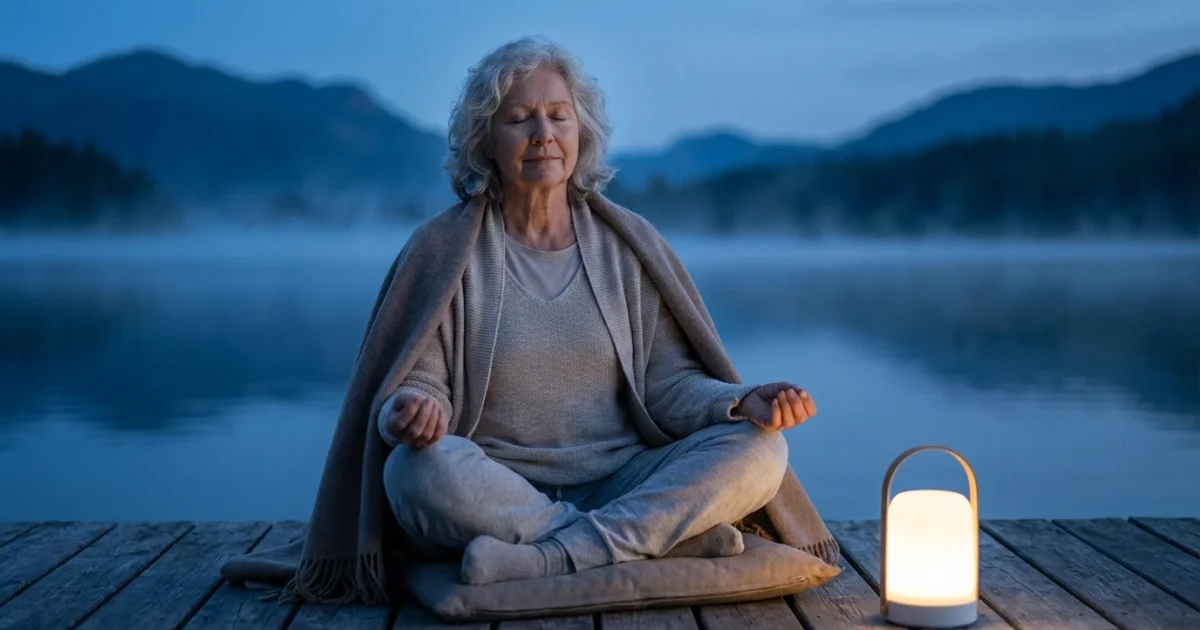
The journey through life’s later chapters offers a unique invitation: an opportunity to embrace growth, cultivate deeper meaning, and live with an unparalleled sense of grace. Many of us approach retirement not as an ending, but as a vibrant new beginning, a time for rediscovery and intentional living. In this pursuit of a fulfilling second act, one practice stands out for its profound ability to transform our experience of aging: mindfulness.
This mindset is essential when embracing new beginnings and reinventing yourself during your senior years.
Mindfulness, far from being a trend, is a timeless practice. It empowers you to navigate the complexities of life with calm, clarity, and compassion. By cultivating present moment awareness, you unlock a powerful pathway to enhanced well-being, richer relationships, and an enduring sense of purpose. This article explores how mindfulness can illuminate your path to graceful aging, offering practical insights and actionable steps to integrate this transformative practice into your daily life.
Embracing Your Golden Years with Intentionality
As you move through your senior years, you possess a wealth of experience, wisdom, and perspective. This period represents a unique time for reflection and intentional choice. Do you approach each day with an open heart, ready to discover new joys, or do past patterns dictate your present?
Adopting the 7 habits of highly effective agers can further empower you to live these years with vitality and purpose.
Graceful aging is not about avoiding the natural passage of time. It involves fully embracing each moment, finding beauty in change, and continuing to grow. It means living with dignity and purpose, actively shaping your days rather than passively observing them. Mindfulness provides the tools to cultivate this intentional and enriched existence.
Consider the immense freedom that often accompanies retirement. You gain more control over your schedule and pursuits. How will you harness this newfound freedom to foster your inner peace and contribute meaningfully to the world around you?
Age is an issue of mind over matter. If you don’t mind, it doesn’t matter. — Mark Twain
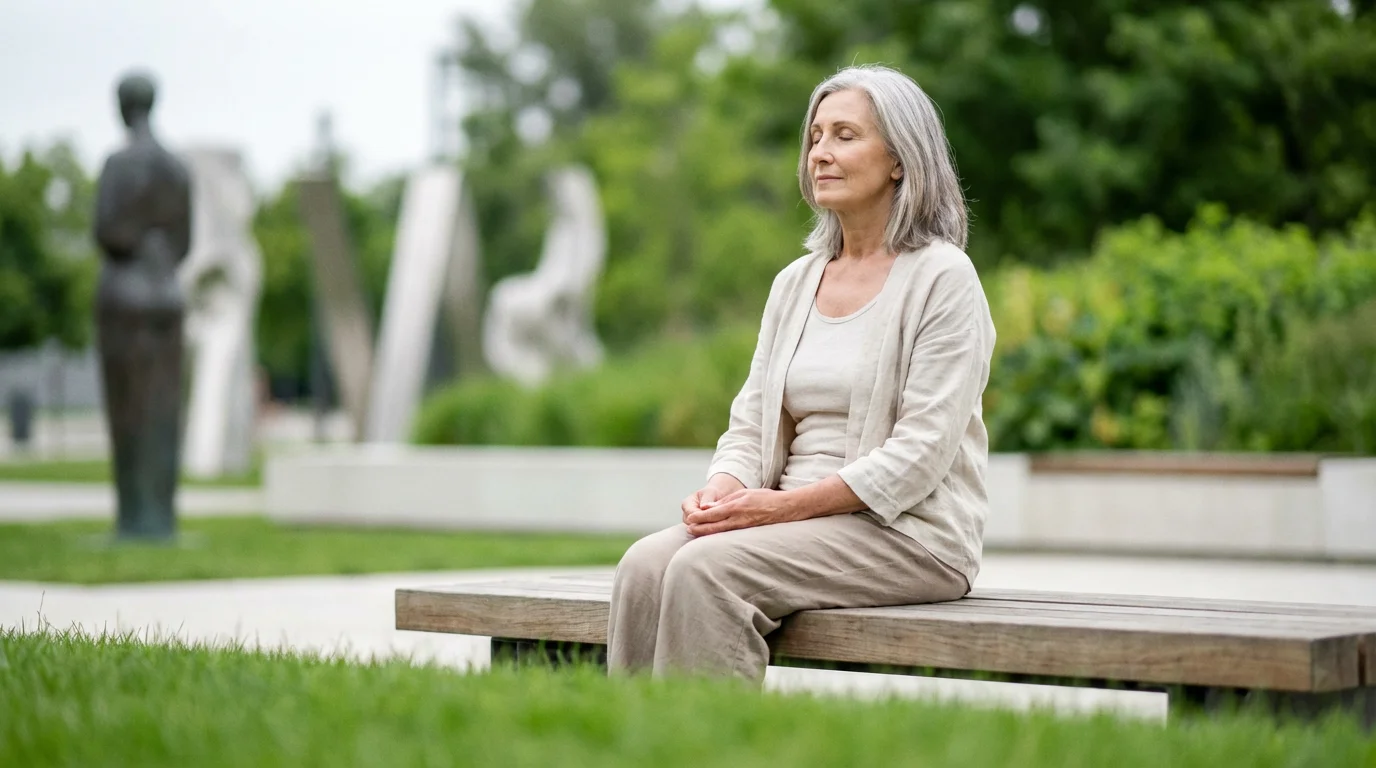
What is Mindfulness Meditation? A Gentle Introduction
At its heart, mindfulness is the practice of paying attention to the present moment without judgment. It involves noticing your thoughts, feelings, bodily sensations, and the world around you with a gentle curiosity. This practice counters the common human tendency to dwell on the past or worry about the future.
Beyond seated meditation, practicing mindful eating is another wonderful way to bring this presence into your daily routine.
Mindfulness meditation is a formal way to cultivate this awareness. During a meditation session, you typically focus on your breath as an anchor to the present moment. When your mind wanders, which it inevitably will, you gently bring your attention back to your breath, again and again.
This simple act of returning your focus strengthens your mental muscles, much like physical exercise strengthens your body. You develop a greater capacity to observe your inner landscape without getting carried away by every passing thought or emotion. This creates a space for conscious response rather than reactive behavior.

The Profound Benefits of a Mindful Life in Retirement
Integrating mindfulness into your life offers a cascade of benefits, especially as you age. Research consistently demonstrates the positive impact of mindfulness meditation on various aspects of well-being, supporting a more vibrant and fulfilling life.
Understanding how mindfulness and meditation reduce stress in retirement is often the first step toward a more tranquil lifestyle.
One of the most immediate and impactful advantages is stress reduction. Life in retirement, while often peaceful, still presents its own stressors, from health concerns to changing family dynamics. Mindfulness helps you respond to these challenges with greater equanimity. A study published in Harvard Health notes how mindfulness practices contribute to managing chronic stress and improving emotional regulation. You develop a greater capacity to observe stress rather than being consumed by it.
The improvements extend deeply into your mental well-being. Regular mindfulness practice can alleviate symptoms of anxiety and depression, fostering a more positive outlook. It enhances your ability to appreciate simple joys and find contentment in daily experiences. What if you could approach each day with a calmer mind and a more open heart?
Consider these key benefits of meditation:
- Enhanced emotional regulation: You gain a greater ability to manage your emotional responses, fostering calm instead of reactivity.
- Improved cognitive function: Some studies suggest mindfulness can support attention, focus, and working memory, which are crucial for maintaining mental sharpness.
- Better sleep quality: By calming the mind before bed, mindfulness can help reduce insomnia and promote deeper, more restful sleep.
- Increased compassion: Practicing mindfulness often cultivates greater self-compassion and empathy towards others, enriching your relationships.
- Pain management: For those experiencing chronic pain, mindfulness offers tools to change your relationship with discomfort, reducing suffering.

Beyond Stress: Cultivating Emotional Resilience and Joy
While stress reduction is a significant benefit, mindfulness takes you further. It builds emotional resilience, your capacity to bounce back from adversity and maintain inner equilibrium regardless of external circumstances. This resilience becomes increasingly valuable as you navigate the inevitable changes that come with aging.
You learn to observe challenging emotions without judgment, allowing them to pass through without taking root. This creates a sense of inner spaciousness and freedom. Imagine facing a difficult diagnosis or a personal loss with a profound sense of inner stability and acceptance.
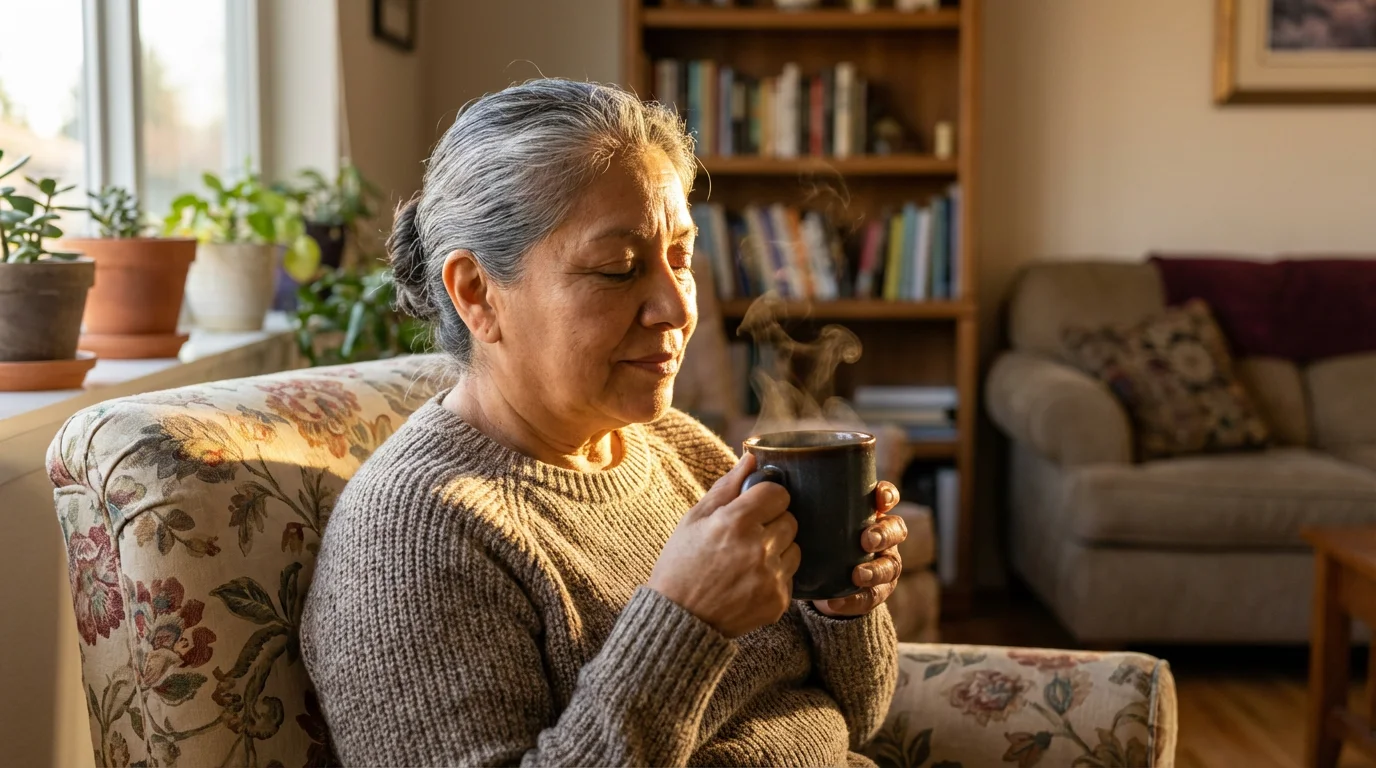
Mindfulness also amplifies your capacity for joy. By truly being present, you discover the richness in everyday moments, from the taste of your morning coffee to the warmth of a grandchild’s hug. These simple, often overlooked experiences become sources of profound contentment and gratitude. What small joys might you be missing by not being fully present?
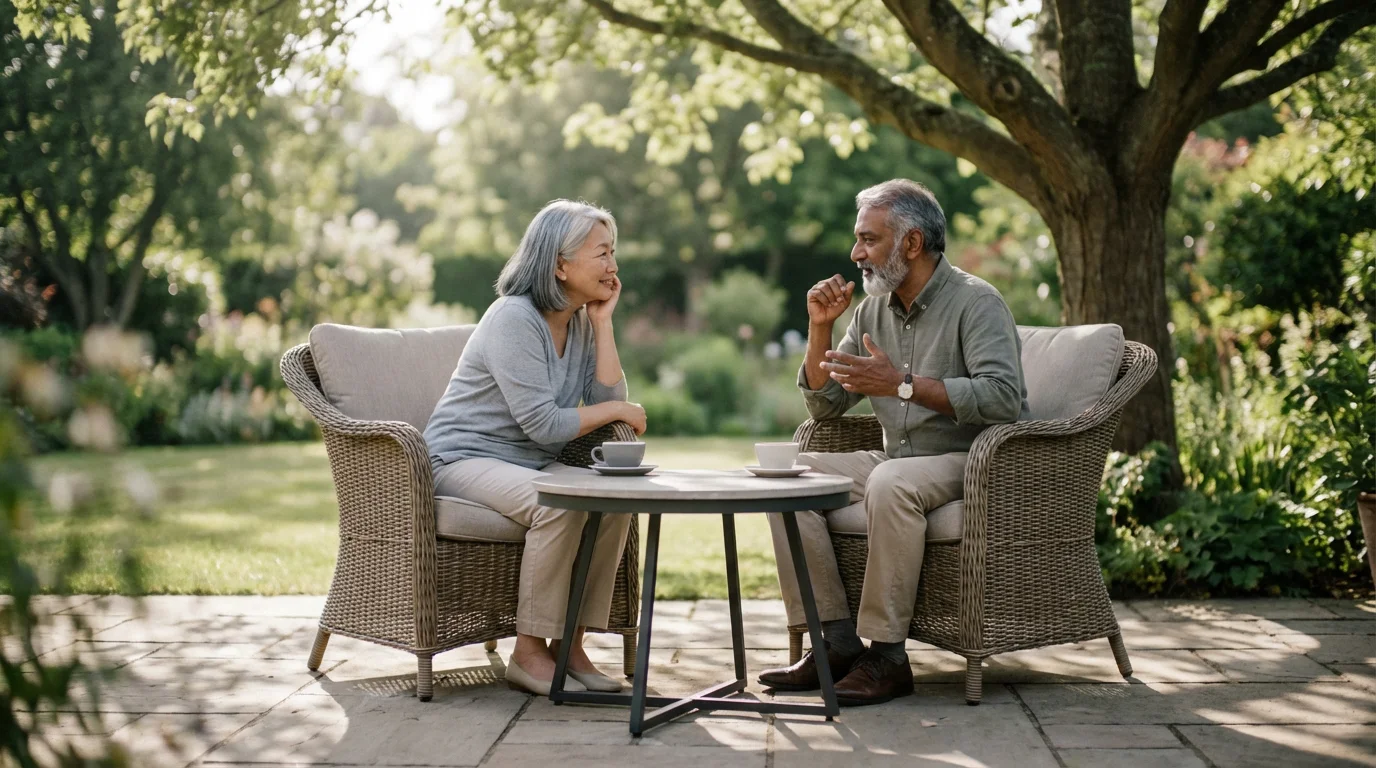
Nurturing Connections Through Present Awareness
Your relationships form a vital tapestry of your life, offering support, companionship, and love. Mindfulness significantly enhances your ability to connect authentically with others. When you are truly present, you listen more deeply, communicate more clearly, and respond with greater empathy.
Cultivating presence allows you to harness the power of friendships and build deeper, more meaningful community bonds.
Think about conversations you have where your mind might be elsewhere. Mindfulness trains you to give your full attention to the person in front of you. This deep presence makes others feel truly seen and heard, strengthening bonds with family, friends, and community members. The Stanford Center on Longevity emphasizes the importance of social connection for well-being in later life, and mindfulness serves as a powerful facilitator for such connections.
This practice extends to your self-relationship. By observing your inner critic with kindness and non-judgment, you cultivate self-compassion. This gentle self-acceptance radiates outward, allowing you to approach others with greater understanding and less judgment. The quality of your interactions profoundly impacts your overall happiness and sense of belonging.

Beginning Your Mindfulness Journey: Practical Steps
How to start a mindfulness practice? The good news is that beginning your journey requires very little, only a willingness to try. You do not need special equipment or a guru. You begin simply by bringing intentional awareness to your experience.
Committing to this journey is a vital part of embracing self-care and prioritizing yourself during your golden years.
Here are practical steps to cultivate your mindfulness practice:
- Start Small: Begin with just 5-10 minutes of formal meditation each day. Find a quiet spot where you will not be disturbed.
- Focus on Your Breath: Sit comfortably, either on a cushion or a chair, with your spine erect but relaxed. Gently close your eyes or soften your gaze. Bring your attention to the sensation of your breath as it enters and leaves your body.
- Observe Without Judgment: Notice thoughts, feelings, or sounds that arise. Acknowledge them gently, and then bring your attention back to your breath. There is no need to judge your wandering mind, simply return to your anchor.
- Use Guided Meditations: Many free apps and online resources offer guided mindfulness meditations specifically for beginners. These can be very helpful in learning the technique.
- Be Patient and Consistent: Like any new skill, mindfulness takes practice. Some days will feel easier than others. The key is consistency, even if for only a few minutes daily.
Overcoming Common Hurdles and Sustaining Your Practice
It is natural to encounter challenges when starting any new practice. Do not view these as failures, but as opportunities for deeper learning and patience. Many people find their minds racing during meditation, or they struggle to find the time. These are common experiences.
Many seniors find that integrating positive affirmations can help overcome self-doubt and maintain consistency during the early stages of practice.
If your mind feels exceptionally busy, acknowledge this without frustration. Remember the goal is not to stop thinking, but to observe your thoughts without getting caught up in them. Gently bring your attention back to your breath whenever you notice your mind has wandered. Every return is a moment of mindfulness.
To sustain your practice, integrate it into your daily routine. Perhaps you meditate immediately after waking up, or before bed. Consider joining a local mindfulness group or an online community for support and shared wisdom. These connections can provide encouragement and accountability. What small adjustment can you make to ensure mindfulness becomes a regular part of your day?

Mindfulness in Daily Life: Simple Practices for Every Moment
Mindfulness extends far beyond formal meditation sessions. You can infuse everyday activities with present moment awareness, transforming routine tasks into opportunities for calm and connection. This informal practice is often where mindfulness truly blossoms and integrates into your graceful aging journey.
Here are simple ways to practice mindfulness throughout your day:
- Mindful Eating: Pay full attention to your meals. Notice the colors, textures, aromas, and tastes of your food. Chew slowly and savor each bite.
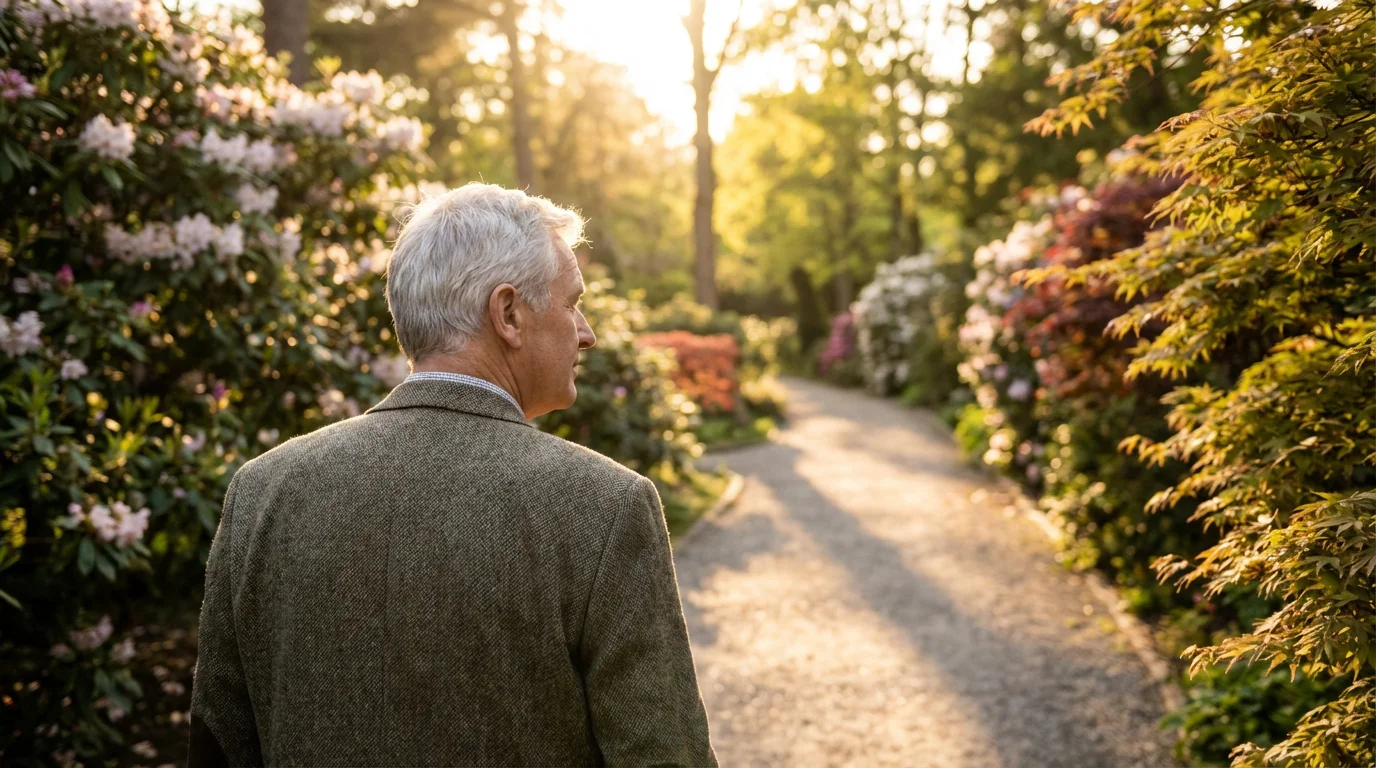
- Walking Meditation: As you walk, feel your feet connecting with the ground. Notice the sensations in your legs and the rhythm of your breath. Observe the sights and sounds around you without judgment.
- Mindful Listening: When conversing with someone, practice listening intently. Try not to formulate your response while they are speaking, but simply absorb their words and emotions.
- Body Scan: Take a few moments to bring your awareness to different parts of your body. Notice any sensations, tension, or relaxation, without trying to change anything.
- One-Minute Breath: At any point during the day, take just one minute to close your eyes, focus on your breath, and notice your immediate experience. This is a powerful reset button.
These small, consistent acts of presence accumulate over time, creating a more mindful and responsive way of living. You become more attuned to your own needs and the needs of those around you, fostering a richer and more intentional existence.
Your Path to a Graceful and Purposeful Future
The power of mindfulness for graceful aging lies in its ability to bring you fully into the present moment, where life truly happens. By cultivating this awareness, you gain greater clarity, reduce unnecessary suffering, and enhance your capacity for joy and connection. You move through your golden years not just experiencing life, but truly living it with intention and profound presence.
This journey of mindfulness is a personal one, filled with discoveries and evolving insights. You are embarking on a path that promises deeper self-understanding and a richer engagement with the world. Embrace the process with curiosity and kindness, trusting in your innate capacity for growth and wisdom.
Your graceful retirement is a testament to a life well-lived and a future continually being shaped by conscious choice. Mindfulness offers an invaluable companion on this beautiful and purposeful journey, empowering you to live your best life at any age. What step will you take today to embrace the power of presence?
Frequently Asked Questions
Is mindfulness meditation religious?
Mindfulness meditation has roots in ancient contemplative traditions, particularly Buddhism, but it is practiced by people of all faiths and none. It is taught in secular contexts worldwide, including hospitals, schools, and corporations, as a tool for stress reduction and mental well-being. Its essence is about cultivating awareness, not adhering to a specific religious dogma.
How long does it take to see benefits from mindfulness?
Many individuals report experiencing immediate benefits, such as a sense of calm or clearer thinking, even after their first few meditation sessions. Consistent practice over several weeks or months generally leads to more profound and lasting changes, including significant stress reduction, improved mood, and enhanced emotional regulation. The key is regular engagement, even for short periods.
Can mindfulness help with memory problems in older adults?
While mindfulness is not a cure for memory-related conditions, it can certainly support cognitive health. It improves attention and focus, which are foundational to memory. Research suggests that mindfulness practice can enhance working memory and help manage the stress and anxiety that often exacerbate perceived memory issues. It trains the brain to stay present, which can indirectly aid in recalling information.
What if I find it hard to sit still during meditation?
It is very common to find sitting still challenging, especially when starting. Remember, mindfulness is about paying attention, not about achieving a perfectly still mind or body. If sitting still is difficult, consider a walking meditation, or incorporate gentle movements like mindful stretching into your practice. You can also meditate lying down if that is more comfortable. The goal is gentle presence, not rigid stillness.
Are there any risks associated with practicing mindfulness?
For most people, practicing mindfulness is a safe and beneficial endeavor. However, for individuals with certain mental health conditions, such as severe anxiety disorders, PTSD, or a history of psychosis, it is advisable to consult a healthcare professional before starting. In some cases, bringing intense awareness to challenging thoughts or emotions without proper guidance can be overwhelming. A qualified mindfulness teacher can also provide valuable support.
Disclaimer: This article is for informational and inspirational purposes. Life decisions are deeply personal, and we encourage readers to consult with appropriate professionals—whether healthcare providers, counselors, or financial advisors—for guidance specific to your circumstances.








Leave a Reply