
As you navigate the graceful years of retirement, focusing on well-being becomes paramount. You have cultivated wisdom, nurtured relationships, and embraced new chapters, and now you have the opportunity to invest deeply in your physical vitality. One fundamental aspect of maintaining this vibrant health, often overlooked, is optimal hydration. It forms the bedrock of energy, mental clarity, and overall comfort, allowing you to fully enjoy every moment of your golden years.
Think of your body as a magnificent, finely tuned garden. Just as a garden thrives with consistent, thoughtful watering, your body flourishes when adequately hydrated. This simple act of drinking enough fluids carries profound implications for your health and vitality in retirement. It empowers you to sustain your active lifestyle, sharpens your mind, and even enhances your sense of well-being.

Hydration’s Vital Role in Your Golden Years
Your body, irrespective of age, consists of a significant percentage of water, roughly 50-60 percent for adults. This essential element participates in almost every bodily function. It regulates your body temperature, lubricates your joints, transports nutrients to cells, and helps remove waste products.
Staying properly hydrated is even more effective when you are staying active in retirement, as exercise and fluid intake work together to maintain vitality.
For seniors, maintaining adequate hydration takes on even greater significance. As you age, your body’s water content naturally decreases, and your sense of thirst can diminish. This means you might not feel thirsty even when your body needs fluids, making intentional hydration critical. Proper hydration supports everything from cardiovascular health to kidney function, crucial systems for sustained well-being.
Consider the delicate balance within your body. Every cell, tissue, and organ depends on water to function correctly. Without sufficient fluids, these systems begin to falter, potentially leading to a cascade of health challenges that can impact your quality of life. Embracing consistent hydration is a proactive step towards a healthier, more comfortable retirement.

Understanding Dehydration Risks in Later Life
Dehydration, a state where your body lacks enough fluid to function properly, poses a particular threat to seniors. Several physiological changes and lifestyle factors contribute to an elevated risk. Your kidneys may become less efficient at conserving water, and certain medications, common in later life, can increase fluid loss.
A diminished sense of thirst, as mentioned, creates a silent vulnerability. You might not register the need for water until you are already moderately dehydrated. Furthermore, mobility challenges or a reluctance to drink fluids to avoid frequent bathroom trips can unintentionally contribute to lower intake.
Research from the National Institute on Aging highlights that older adults are at higher risk for dehydration due to these factors, emphasizing the need for conscious effort in fluid intake. Understanding these unique risks empowers you to take preventative measures and safeguard your health.

Recognizing the Subtle Signs of Dehydration
Knowing what are the signs of dehydration in seniors is crucial, as they often present differently than in younger adults. While extreme thirst might be obvious for some, many symptoms are more subtle and can easily be mistaken for other age-related conditions. Awareness allows for timely intervention.
Look for these indicators of dehydration:
- Dry Mouth and Skin: Your mouth might feel sticky, and your skin could appear less elastic. Pinching your skin gently on the back of your hand, if it stays tented, can be a sign.
- Fatigue and Weakness: Unexplained tiredness, dizziness, or a general feeling of weakness often signal inadequate fluid intake.
- Reduced Urination: If you are not urinating as frequently as usual, or if your urine appears darker than a pale yellow, you might be dehydrated.
- Headaches and Confusion: A mild headache or feelings of disorientation and confusion can be significant indicators.
- Muscle Cramps: Electrolyte imbalances caused by dehydration can lead to muscle cramps, particularly in the legs.
Monitoring these signs in yourself or loved ones provides an opportunity to address fluid needs before they escalate into more serious health issues. Early recognition allows for a swift, simple solution.

Practical Strategies for Embracing Optimal Hydration
How much water should seniors drink? While specific recommendations vary based on individual health, activity levels, and climate, a general guideline is about eight glasses of 8 ounces each, totaling around 64 ounces, or roughly 2 liters per day. However, this is a starting point, and listening to your body, along with consulting your healthcare provider, is always best.
While sipping water throughout the day is key, maximizing rest in retirement with regular naps can also help your body recover and manage its fluids efficiently.
Making hydration a natural, effortless part of your daily routine requires intentional strategies:
- Start Your Day Hydrated: Begin each morning with a glass of water before your coffee or tea. This kickstarts your hydration for the day.
- Set Regular Reminders: Use a timer, a smartphone app, or simply establish routines, such as drinking a glass of water before each meal and snack.
- Keep Water Accessible: Place water bottles or glasses in frequently visited areas, such as your bedside table, living room, and kitchen. Visibility encourages consumption.
- Hydrate Around Activity: Drink water before, during, and after any physical activity, even light walking or gardening.
- Flavor Your Water Naturally: If plain water lacks appeal, infuse it with slices of lemon, lime, cucumber, mint, or berries. This adds a refreshing zest without extra sugar.
These small, consistent habits accumulate into significant benefits. Remember, the goal is not perfection, but consistent, mindful effort.
Beyond Plain Water: Diverse Sources of Hydration
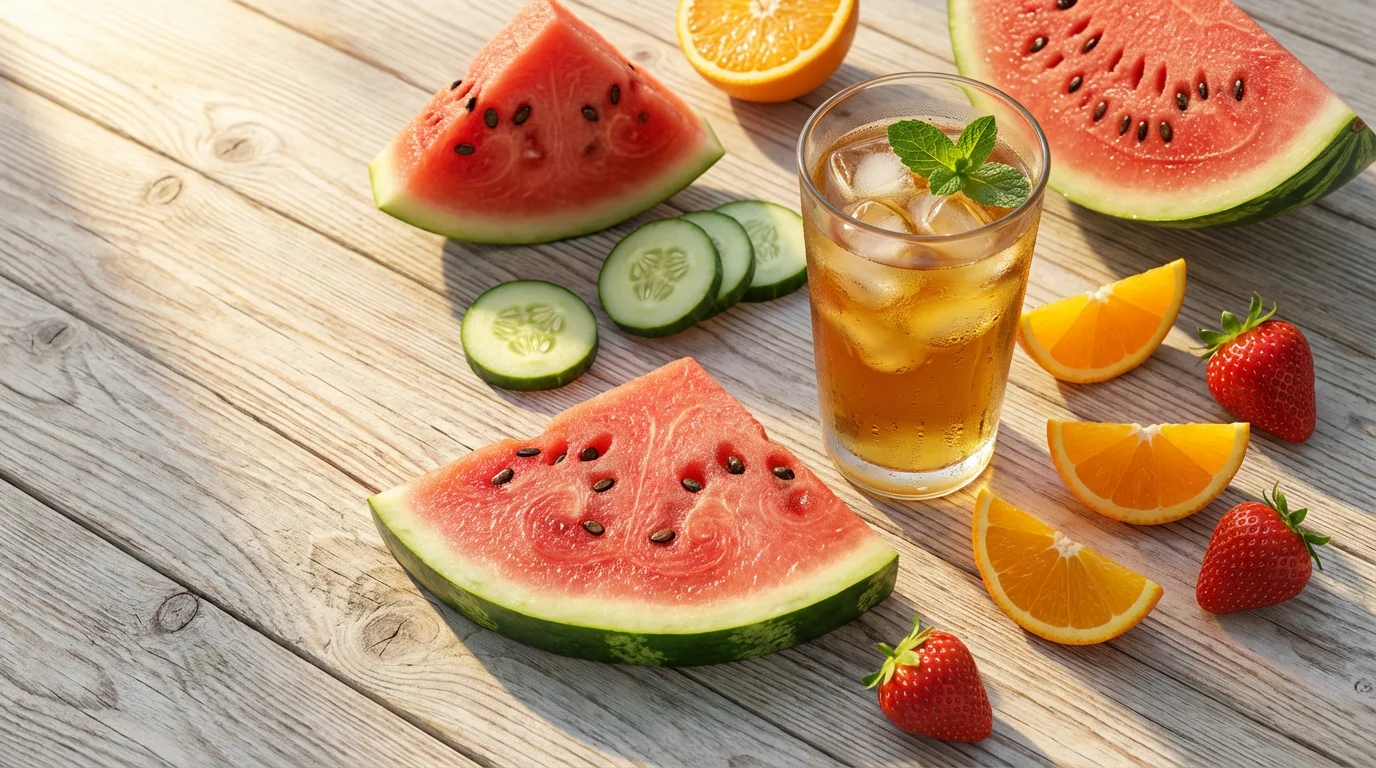
While water is undoubtedly the best source of hydration, it is not the only one. Many foods contribute significantly to your daily fluid intake, offering a delicious and varied approach to staying hydrated. This can be especially helpful if you find drinking large amounts of plain water challenging.
Incorporate these hydrating foods and beverages into your diet:
- Fruits: Watermelon, strawberries, cantaloupe, peaches, and oranges boast high water content, often exceeding 85-90%.
- Vegetables: Cucumber, lettuce, celery, bell peppers, and tomatoes are excellent sources of water, adding crunch and nutrition to your meals.
- Soups and Broths: Clear soups and vegetable broths are warming, comforting, and provide substantial fluids, especially beneficial in colder months.
- Herbal Teas: Caffeine-free herbal teas, served warm or iced, offer a soothing way to increase fluid intake.
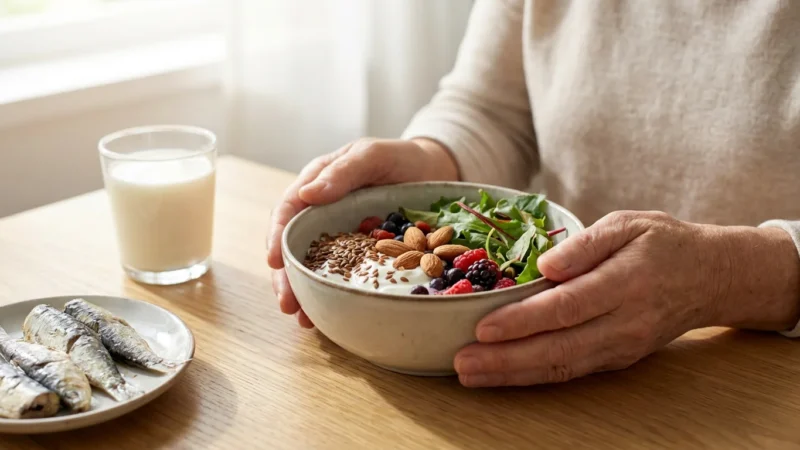
- Dairy and Alternatives: Milk, yogurt, and plant-based milks like almond or soy also contribute to hydration, along with essential nutrients.
Be mindful of sugary drinks, excessive caffeine, and alcohol, as these can actually contribute to dehydration or offer little nutritional value. Focus on nutrient-rich, hydrating options to support your overall health.

Hydration and Cognitive Clarity: A Powerful Connection
Your brain, comprised of approximately 75% water, relies heavily on adequate hydration to function optimally. Even mild dehydration can impact cognitive abilities, leading to symptoms like reduced concentration, impaired memory, and slower processing speeds. Staying well-hydrated is a simple yet powerful strategy for maintaining mental sharpness.
Consider the difference a well-watered plant exhibits compared to one that is parched. The leaves droop, and its vitality wanes. Similarly, your brain performs best when consistently nourished with fluids. Maintaining optimal hydration supports blood flow to the brain, ensures neurotransmitters function correctly, and aids in waste removal, all vital for clear thinking.
“Age is an issue of mind over matter. If you don’t mind, it doesn’t matter.”
This sentiment, often attributed to Mark Twain, reminds us of the power of our mindset. A sharp mind, supported by a healthy body, empowers you to embrace life’s later chapters with curiosity and engagement. Hydration is a tangible way to support that mental vitality.

Nourishing Your Body, Nurturing Your Relationships
The journey of retirement is profoundly enriched by vibrant relationships and a sense of purpose. When your body feels strong and well-supported, you have more energy to engage with loved ones, pursue passions, and contribute to your community. Hydration, therefore, is not merely a physical act, but a foundation for a rich, connected life.
In addition to physical care, cultivating gratitude for your body’s capabilities can transform these simple health habits into a source of daily joy.
Imagine the ease with which you can participate in social activities, volunteer endeavors, or family gatherings when you feel energetic and clear-headed. Optimal hydration contributes to reduced fatigue and improved mood, making these interactions more enjoyable and meaningful. It allows you to be fully present for those who matter most.
Furthermore, taking care of your own health sets an inspiring example for your family and friends. You demonstrate the value of proactive self-care, reinforcing the idea that aging is an opportunity for continued growth and vitality. Your commitment to well-being radiates outwards, positively influencing those around you.

When to Seek Professional Guidance
While this article provides general guidance, individual health needs vary significantly. If you have chronic health conditions, kidney disease, heart failure, or are taking multiple medications, your fluid requirements and restrictions might differ. It is essential to consult with your doctor or a registered dietitian.
Your healthcare provider can offer personalized advice on how much water should seniors drink for your specific situation. They can also help you understand how your medications might impact hydration and identify any underlying conditions contributing to dehydration risks. Regular check-ups provide an excellent opportunity to discuss these concerns.
If you experience persistent or severe symptoms of dehydration, such as extreme dizziness, confusion, or inability to keep fluids down, seek immediate medical attention. Your health is your most precious asset, and proactive communication with medical professionals ensures you receive the best possible care.
Frequently Asked Questions
Can I drink coffee or tea for my daily fluid intake?
While coffee and tea contain water, caffeinated beverages can have a mild diuretic effect, meaning they might cause you to lose a bit more fluid than you take in. It is best to count these in moderation and prioritize water or caffeine-free options like herbal teas for most of your fluid intake.
Is it possible to drink too much water?
Yes, though it is less common than dehydration, it is possible to drink too much water, a condition called hyponatremia. This occurs when sodium levels in the blood become too diluted. Symptoms can include nausea, headache, confusion, and fatigue. Consult your doctor for personalized advice on your ideal fluid intake, especially if you have underlying health conditions.
What if I forget to drink water throughout the day?
Establishing routines and using reminders are highly effective. Try drinking a glass of water when you wake up, before each meal, and with any medications. Setting an alarm on your phone or keeping a water bottle nearby as a visual cue can significantly improve your consistency. Small, frequent sips throughout the day are often more effective than trying to drink large amounts at once.
Are sports drinks good for senior hydration?
For most seniors, plain water is sufficient. Sports drinks are typically designed for intense physical activity where electrolytes are lost rapidly. They often contain high amounts of sugar and artificial ingredients. Unless your doctor specifically recommends them due to strenuous activity or a medical condition, stick to water and natural hydrating foods.

Embracing a Hydrated, Vibrant Retirement
Optimal hydration is a gift you give yourself, a commitment to sustained vitality and graceful living. It is a simple practice with profound benefits, touching every aspect of your well-being, from physical health and cognitive function to emotional resilience and social engagement. By making hydration a priority, you actively choose to nourish your body, honor your experience, and embrace each day with renewed energy and purpose.
Remember, your golden years are a time for flourishing, for deepening connections, and for pursuing passions that bring you joy. A well-hydrated body serves as a strong, resilient vessel for these endeavors. Make a conscious choice each day to sip, savor, and sustain your health, ensuring your journey through retirement is as vibrant and fulfilling as you envision.
Disclaimer: This article is for informational and inspirational purposes. Life decisions are deeply personal, and we encourage readers to consult with appropriate professionals—whether healthcare providers, counselors, or financial advisors—for guidance specific to their circumstances.






Leave a Reply