
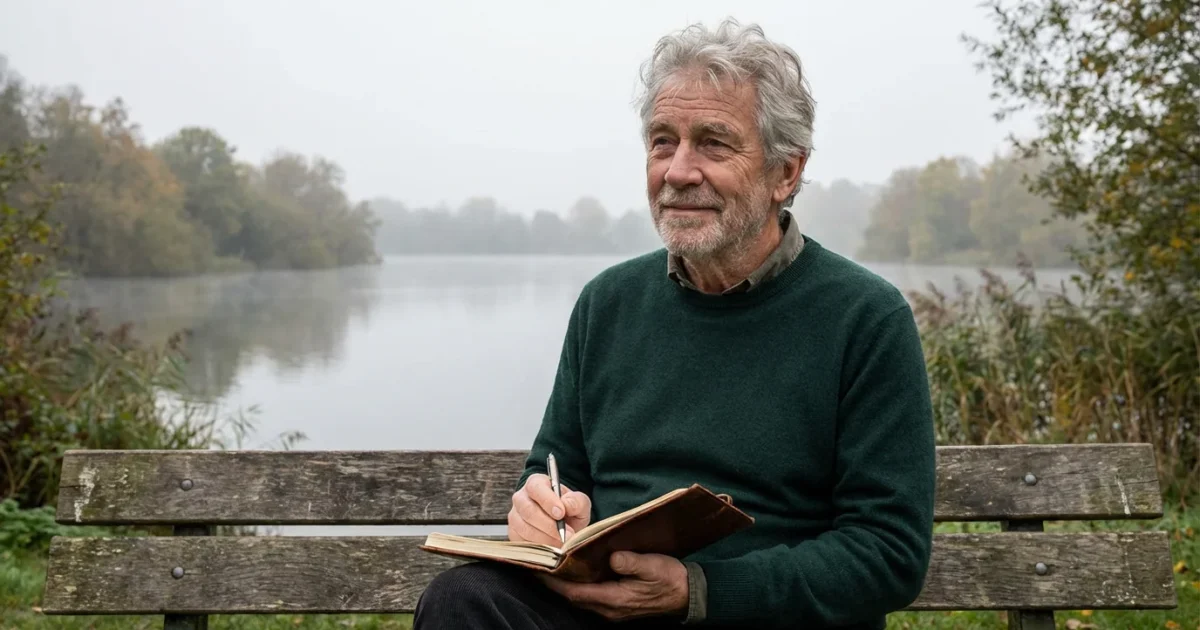
The journey of life, especially in our later years, offers a unique opportunity for reflection and resolution. We accumulate experiences, wisdom, and often, unaddressed grievances. As you embrace this graceful chapter, you discover that true peace often begins within, extending outward to those who matter most: your family.
Complementing your internal emotional work, creating a peaceful home environment can further enhance your overall sense of tranquility.

The Profound Gift of Forgiveness in Your Golden Years
As you age, the preciousness of time becomes clearer. Holding onto old resentments often diminishes your present joy and clouds your perspective. Embracing forgiveness allows you to release the past, opening your heart to a fuller, more serene future. This act of grace is primarily for your own well-being.
Once you release these burdens, you create space for strengthening relationships through appreciation and focusing on the positive aspects of your life.
Forgiveness, particularly of family members, does not erase past hurts. Instead, it redefines your relationship with those memories. It transforms them from anchors that weigh you down into lessons that have shaped your resilience and wisdom. This transformation empowers you.
Research consistently shows the health benefits of forgiveness. Studies published by Harvard Health highlight that letting go of grudges can lower blood pressure, improve sleep, and reduce anxiety. Choosing forgiveness contributes significantly to your emotional and physical vitality, supporting a graceful aging process. It is a powerful choice you make for yourself.

Understanding What Forgiveness Truly Means
Many misunderstand forgiveness, equating it with condoning harmful actions or forgetting an offense. Forgiveness is a far more sophisticated and empowering concept. It involves choosing to release the negative emotions, such as anger, resentment, and a desire for revenge, that you hold towards someone who has hurt you. This deeply personal process shifts your focus.
This internal work is closely aligned with the art of letting go, a vital skill for finding peace and resilience as we age.
Forgiveness does not require reconciliation. You can forgive someone without forgetting what happened, or without even telling them you have forgiven them. Your peace of mind is the primary beneficiary of this internal act. It allows you to move forward without the emotional baggage.
Consider these common misconceptions about forgiveness:
- Forgiveness is not forgetting: You retain your memories, but you process them differently.
- Forgiveness is not condoning: It means you are choosing not to let another person’s actions control your emotional state.
- Forgiveness is not excusing: It acknowledges the hurt but frees you from its persistent grip.
- Forgiveness is not reconciliation: Rebuilding a relationship requires both parties. Forgiveness can be a solo journey to inner peace.
Understanding these distinctions empowers you to embark on a forgiveness journey that truly serves your highest good. You take control of your emotional landscape.

The Silent Burden of Unresolved Past Hurts
Unresolved conflicts and past hurts, especially within family dynamics, can cast a long shadow over your life. These emotional burdens can manifest in various ways, often silently eroding your peace and well-being. Holding onto grudges impacts more than just your mood.
In addition to emotional healing, managing chronic pain effectively is another vital component of maintaining physical and mental vitality.
The emotional toll of unforgiveness is substantial. Chronic anger and resentment are linked to increased stress hormones, which can weaken your immune system and elevate your risk for heart disease. Your mental health also suffers, with higher rates of depression and anxiety among those unable to forgive. You carry this weight daily.
Beyond personal health, past hurts can poison current relationships. They create barriers to intimacy, fostering mistrust and a reluctance to fully engage with loved ones. You might find yourself withdrawing or reacting defensively, even to minor slights. This prevents you from experiencing full connection.
Imagine the freedom that comes from releasing this burden. Think of the renewed energy you would have to pursue your passions, nurture present relationships, and simply enjoy each day with a lighter heart. This is the profound promise of forgiveness.
“To err is human, to forgive divine.” — Alexander Pope

Practical Pathways to Forgiving Family Members
The process of forgiving family members can feel daunting, given the deep history and emotional complexity involved. Yet, it is entirely possible and immensely rewarding. You can approach this journey with intention and self-compassion. Here are actionable steps to guide you:
For many, this healing journey often involves navigating difficult conversations with adult children to address long-standing misunderstandings.
- Acknowledge the Hurt: Begin by fully recognizing and validating the pain you experienced. Do not minimize your feelings. Allow yourself to feel the anger, sadness, or betrayal without judgment. This honest appraisal is the first step toward healing.
- Understand the Offender’s Context: While not excusing their actions, try to understand the circumstances, motivations, or limitations that might have led to their behavior. Often, people act from their own pain or ignorance. This offers perspective without condoning.
- Decide to Forgive: Forgiveness is a conscious choice, not merely an emotion. Make a firm decision to release the emotional burden you carry. This decision sets you free, regardless of whether the other person seeks forgiveness or acknowledges their wrong.
- Practice Empathy and Compassion (for yourself and others): Extend understanding to yourself for your pain and to the family member who caused it. This does not mean agreeing with their actions, but recognizing their humanity. Compassion can soften the hardened edges of resentment.
- Release the Need for Retribution: Letting go of the desire for the other person to “pay” for their actions is crucial. This is a tough step, but it liberates you from a cycle of suffering. You shift your focus from past wrongs to present peace.
- Cultivate Self-Forgiveness: Sometimes, we blame ourselves for what happened or for not reacting differently. Offer yourself the same grace and understanding you extend to others. You did the best you could with the knowledge and resources you had at the time.
- Journal or Talk It Out: Expressing your feelings, either through writing in a journal or discussing them with a trusted friend, therapist, or counselor, can facilitate the healing process. Speaking your truth aloud helps you process emotions.
- Engage in Rituals of Release: Some find it helpful to perform a symbolic act of release. This could be writing a letter you never send, burning a list of grievances, or metaphorically cutting an emotional cord. These rituals can provide psychological closure.
Remember, forgiveness is a process, not a single event. You might revisit these steps multiple times. Be patient and kind to yourself throughout this transformative journey.

Rebuilding Trust and Strengthening Family Bonds
Once you have embarked on the path of personal forgiveness, you may consider if rebuilding relationships is appropriate. While forgiveness is a unilateral act, rebuilding trust and strengthening family bonds requires mutual effort. This next step is optional, depending on the specific situation.
If reconciliation is desired by both parties, approach it with openness and realistic expectations. The goal is not to pretend the hurt never occurred, but to establish a new foundation built on understanding and respect. Communicate clearly and listen actively.
Key elements for rebuilding family relationships include:
- Open and Honest Communication: Express your feelings and needs calmly and respectfully. Listen without interruption to the other person’s perspective. Effective dialogue creates bridges.
- Establishing New Boundaries: Define what you need for the relationship to be healthy moving forward. This might involve discussing communication styles, respect for privacy, or specific behaviors that are no longer acceptable.
- Demonstrating Consistent Behavior: Trust is rebuilt through consistent actions over time. Both parties must show a genuine commitment to the new terms of the relationship. Small, positive interactions accumulate.
- Patience and Persistence: Healing takes time. Do not expect immediate change or perfection. Be patient with yourself and with your family member as you navigate this new chapter. Progress is often gradual.
- Focus on Shared Values and Positive Memories: Remember the love, history, and common ground that bind you. Reconnecting over shared joys or experiences can reinforce the positive aspects of your bond.
Not all relationships are meant to be fully restored, and that is also a path to peace. Your well-being remains paramount. The National Institute on Aging emphasizes the importance of strong social connections for health and longevity, suggesting that nurturing healthy family bonds, where possible, enhances your quality of life.

Setting Healthy Boundaries with Grace
Even after forgiving and potentially reconciling, setting healthy boundaries remains essential for maintaining your peace and protecting your emotional energy. Boundaries are not about keeping people out; they are about defining what you will and will not accept in your interactions. They communicate your needs clearly.
Establishing boundaries with family can feel challenging, especially if old patterns are deeply ingrained. However, it is an act of self-care and a crucial component of graceful aging. It preserves your emotional reserves.
Practical steps for setting boundaries gracefully:
- Identify Your Needs: Clearly understand what behaviors or topics trigger discomfort or distress for you. What do you need to feel respected and safe in the relationship? Self-awareness is the starting point.
- Communicate Clearly and Calmly: Express your boundaries directly, using “I” statements. For example, “I need to end this conversation when it becomes critical,” or “I will not discuss my financial decisions.” Avoid accusatory language.
- Be Consistent: Once you establish a boundary, stick to it. Inconsistency sends mixed signals and makes it harder for others to respect your limits. Your actions reinforce your words.
- Anticipate Resistance: Family members might initially resist new boundaries, especially if they are accustomed to a different dynamic. Be prepared for their reactions, but remain firm and kind. Their discomfort is not your responsibility.
- Prioritize Your Well-being: Remember that setting boundaries is an act of self-preservation. Your peace and mental health are invaluable. You have the right to protect them.
Setting boundaries with grace means asserting your needs respectfully, without anger or blame. It allows you to nurture relationships from a place of strength and self-respect. This ensures your relationships continue to enrich your life, rather than drain it.

Embracing a Legacy of Love and Connection
The act of forgiveness, both for yourself and for others, cultivates a legacy far grander than any material inheritance. You model resilience, compassion, and the profound power of healing. As you navigate your golden years, this legacy becomes a cornerstone of your identity. You offer a powerful example.
By choosing forgiveness, you not only find personal peace, but you also contribute to a healthier family ecosystem. You break cycles of resentment and open pathways for future generations to build on understanding, rather than past grievances. You sow seeds of positive change.
Think about the stories you wish to tell, the wisdom you desire to impart. A life lived with forgiveness is a life marked by freedom, strength, and an expansive heart. You choose to write your final chapters filled with grace, love, and genuine connection. This is the ultimate art of living well.
Embrace the beauty of your past lessons and the promise of your future connections. Your capacity for forgiveness is a testament to your wisdom and strength, empowering you to live your best life at any age. You define your own graceful retirement.
Frequently Asked Questions
Is forgiveness about forgetting what happened?
No, forgiveness is not about forgetting. It is about acknowledging the past hurt but choosing to release the emotional burden associated with it. You remember the event, but it no longer controls your feelings or dictates your present peace.
Can I forgive someone if they haven’t apologized or acknowledged their wrongdoing?
Yes, absolutely. Forgiveness is a personal act of healing that you undertake for your own well-being. It does not require the other person’s participation, apology, or even their awareness of your decision. Your peace is independent of their actions.
What if forgiving someone means I have to interact with them again?
Forgiveness does not automatically equate to reconciliation or renewed interaction. You can forgive someone while still choosing to maintain distance if that protects your peace and well-being. Setting healthy boundaries is an important part of this process.
How long does the process of forgiveness take?
The timeline for forgiveness is deeply personal and varies for everyone. It is not a linear process and can involve revisiting feelings and steps multiple times. Be patient and kind with yourself throughout this journey, allowing it to unfold naturally.
Are there any negative consequences to holding onto grudges?
Yes, numerous studies link holding grudges to negative health outcomes, including increased stress, higher blood pressure, weakened immune function, and increased risk of depression and anxiety. Releasing grudges significantly benefits both your mental and physical health.
Disclaimer: This article is for informational and inspirational purposes. Life decisions are deeply personal, and we encourage readers to consult with appropriate professionals—whether healthcare providers, counselors, or financial advisors—for guidance specific to their circumstances.









Leave a Reply