
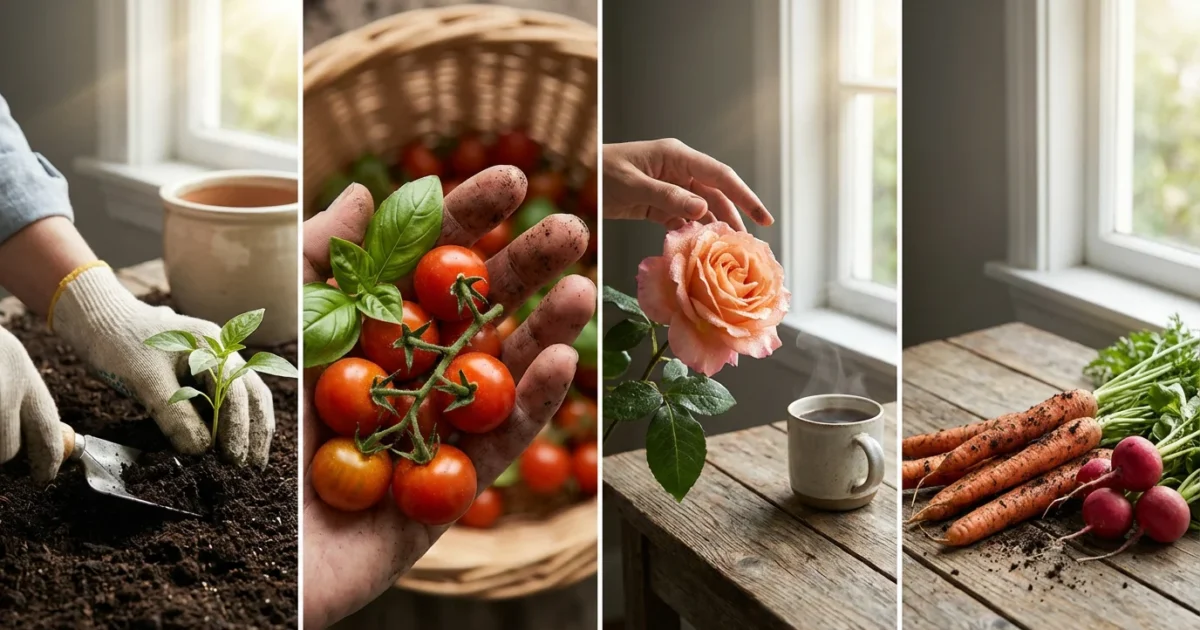
The golden years offer a profound opportunity to cultivate new passions and deepen existing ones. Among the most rewarding pursuits, gardening stands out as an activity that nurtures more than just plants. It fosters growth, meaning, and graceful living in a truly unique way.
Stepping into a garden, whether vast or a small collection of pots, offers a sanctuary. It provides a tangible connection to the earth, promising both challenge and immense satisfaction. This timeless endeavor helps you embrace the beauty of each season and the inherent wisdom of nature.
The Earth’s Embrace: A Call to the Soil
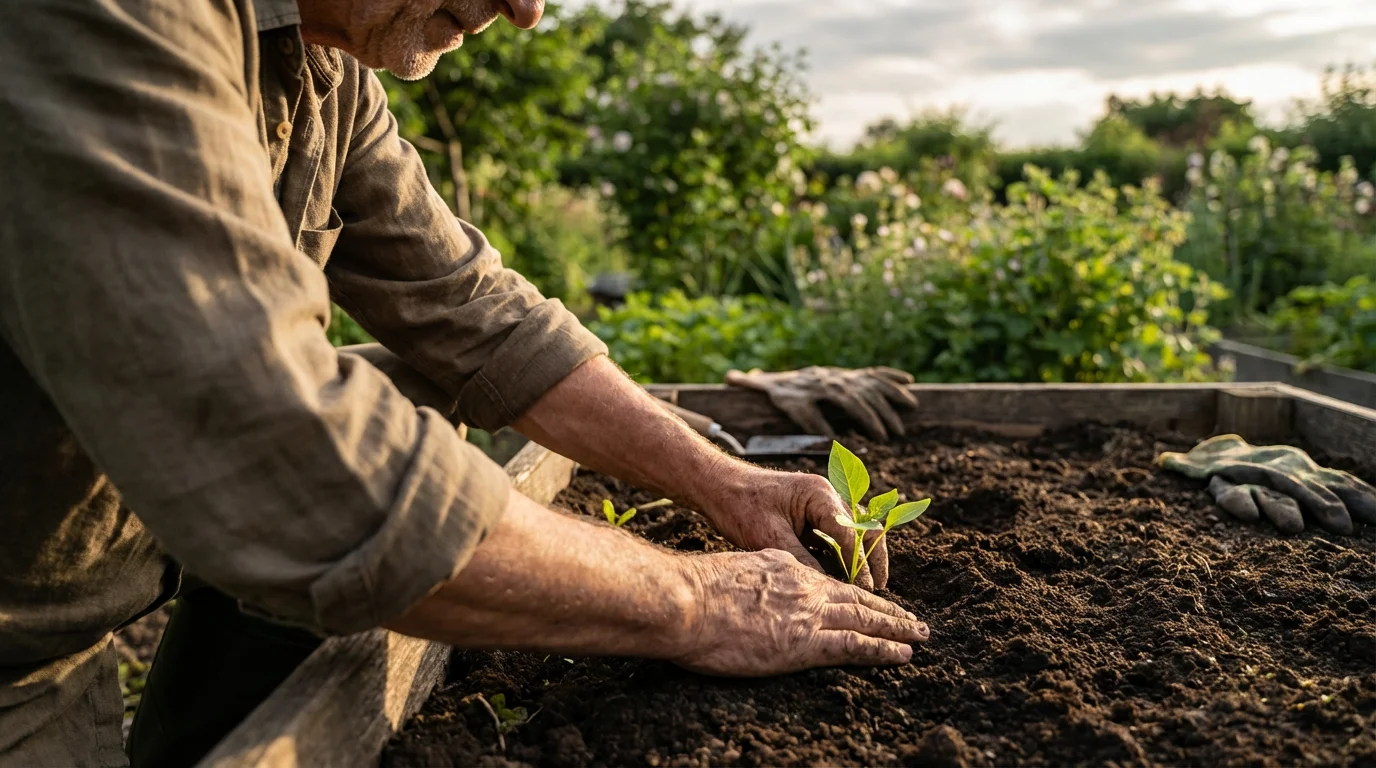
Gardening transcends a simple hobby, becoming a profound lifestyle choice for many. It invites you to engage with the natural world, fostering a sense of calm and a deep connection to life’s cycles. This connection enriches your days with dignity and purpose, contributing to a truly graceful retirement.
Consider the gentle rhythm of planting a seed, tending to its growth, and finally witnessing its bloom. This process reflects the beauty of your own journey, emphasizing continuous growth and renewal. Embracing gardening means embracing a life lived with intention and wonder.
Cultivating Physical Vitality Through Gardening
Gardening offers a delightful way to stay physically active, benefiting your health without feeling like strenuous exercise. It provides low-impact movements that enhance strength, flexibility, and endurance. Research consistently shows the positive impact of regular physical activity on older adults, promoting longevity and independence.
Incorporating gardening into your routine is an excellent way of staying active and healthy without the monotony of a traditional gym.
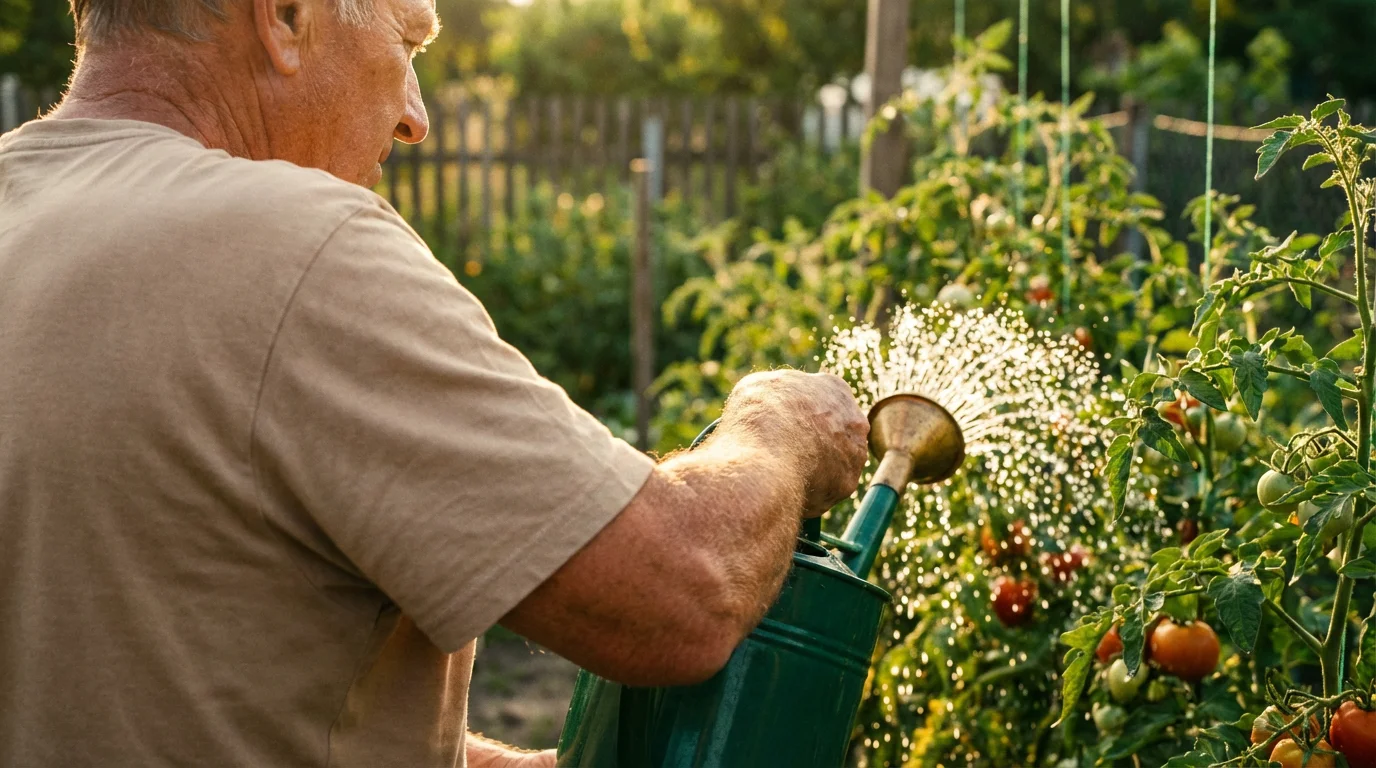
Activities like digging, planting, weeding, and watering engage various muscle groups, improving balance and coordination. This consistent, moderate activity is a prime example of a beneficial senior activity. It keeps your body moving and your joints supple, contributing significantly to your overall physical wellbeing.
Here are specific physical benefits you gain from regular gardening:
- Improved Cardiovascular Health: Moderate activities like raking and hoeing elevate your heart rate, strengthening your cardiovascular system. This helps maintain healthy blood pressure and circulation.
- Enhanced Strength and Endurance: Lifting watering cans, moving soil bags, and digging all build muscle strength in your arms, legs, and core. Consistent effort improves your overall stamina.
- Increased Flexibility and Mobility: Bending, stretching, and reaching to tend to plants enhance your range of motion and flexibility. This helps prevent stiffness and maintains joint health.
- Better Balance and Coordination: Navigating garden paths, balancing while watering, and performing varied tasks improve your stability. This reduces the risk of falls, a significant concern for seniors.
- Vitamin D Absorption: Spending time outdoors in the sunlight naturally boosts your body’s vitamin D production. Vitamin D is crucial for bone health, immune function, and mood regulation.
Engaging in gardening as a senior activity actively supports your physical health. It provides a joyful and productive way to keep your body vibrant and strong. Harvard Health Publishing confirms that regular physical activity, even moderate, significantly improves health outcomes as we age, including a reduced risk of chronic diseases.
Nourishing the Mind: Gardening’s Mental Health Boost
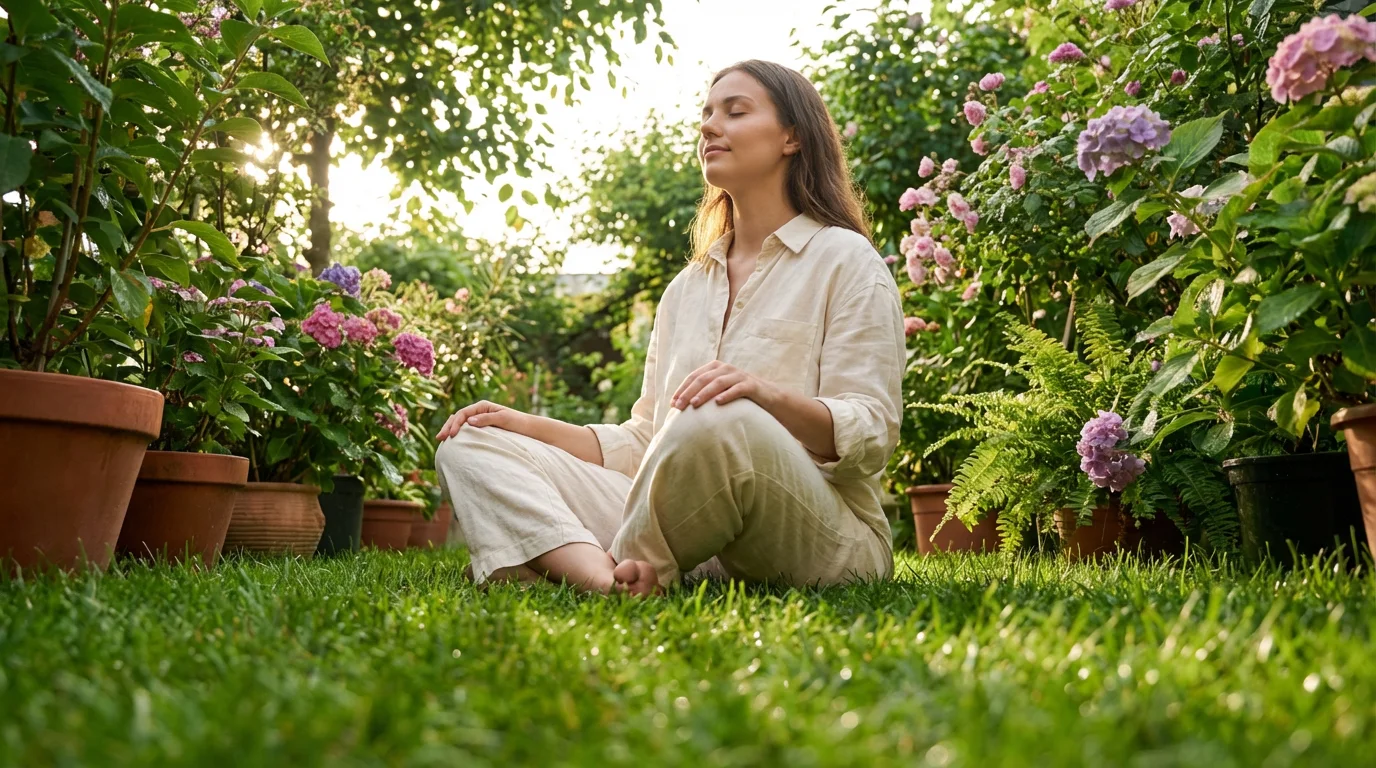
The act of gardening offers profound benefits for your mental wellbeing, extending far beyond the physical. It acts as a natural stress reliever, promoting mindfulness and reducing feelings of anxiety. Engaging with nature through gardening provides a calming effect, helping to clear your mind and soothe your spirit.
This ongoing process of learning how plants thrive contributes beautifully to the art of lifelong learning during your senior years.
Gardening stimulates cognitive function, requiring problem-solving, planning, and observation. You decide what to plant, how to protect it from pests, and when to harvest. This mental engagement keeps your brain active and agile. Studies have shown that activities involving natural environments can significantly improve mood and reduce depressive symptoms.
Consider these ways gardening enhances your mental health:
- Stress Reduction: The rhythmic, repetitive actions of gardening and the calming presence of nature lower cortisol levels, the body’s primary stress hormone. You experience a deep sense of tranquility.
- Improved Mood and Reduced Depression: Exposure to beneficial soil bacteria, Mycobacterium vaccae, found in garden soil, may act as a natural antidepressant. Sunlight exposure also boosts serotonin levels, enhancing mood.
- Enhanced Cognitive Function: Planning a garden layout, remembering plant needs, and observing changes require concentration and memory. This mental exercise strengthens cognitive abilities and may help maintain brain health as you age.
- Sense of Accomplishment: Watching your efforts yield fruit, vegetables, or flowers provides immense satisfaction and boosts self-esteem. You see tangible results of your care and dedication.
- Mindfulness and Presence: Gardening encourages you to live in the moment, focusing on the textures, scents, and colors around you. This mindful engagement reduces overthinking and promotes mental clarity.
Psychology Today often highlights the therapeutic benefits of nature, emphasizing how spending time outdoors, especially in green spaces, can significantly enhance mental wellbeing. Gardening offers a powerful, accessible pathway to these benefits, truly nurturing your mind.
Finding Purpose and Connection in Your Garden
As you move through your graceful retirement, finding meaningful purpose becomes increasingly important. Gardening provides a powerful avenue for this, offering daily tasks that contribute to something vital and beautiful. Your garden becomes a living project, reflecting your dedication and care.
Observing the growth of your plants is a wonderful way of cultivating gratitude for the simple beauty and resilience of nature.
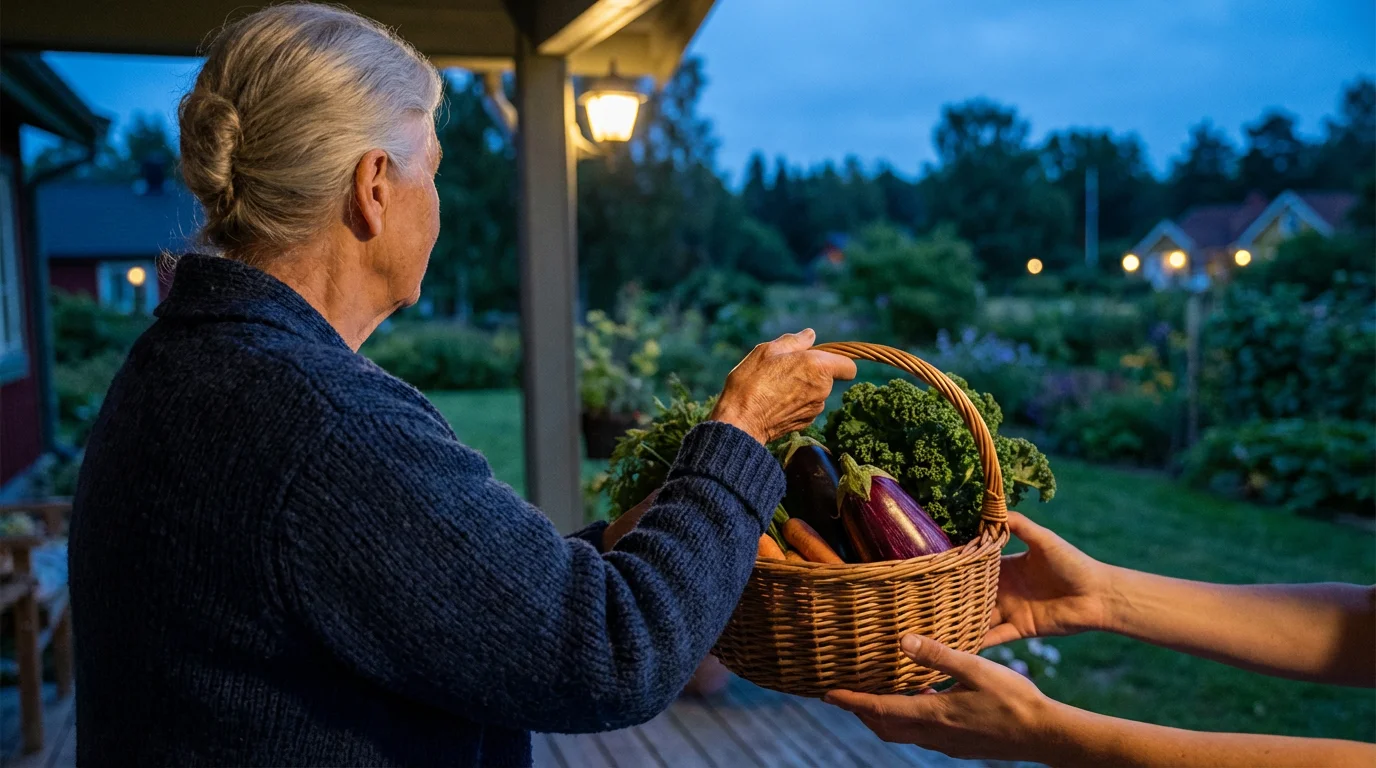
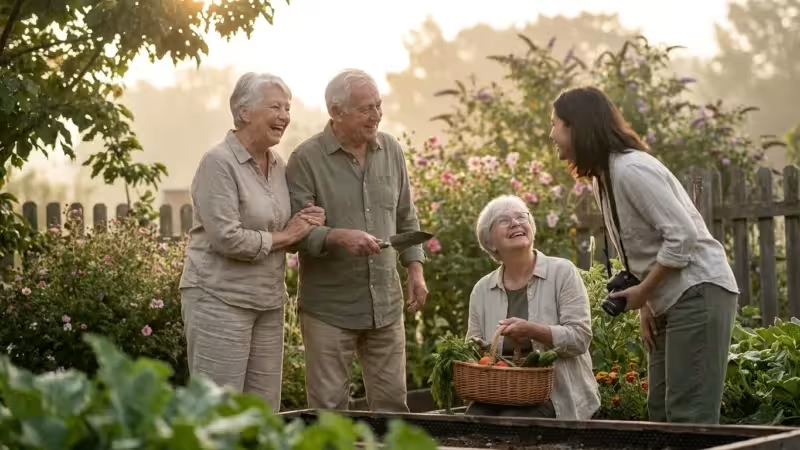
Beyond personal satisfaction, gardening fosters connections, both with nature and with other people. You might join a community garden, share your bounty with neighbors, or simply exchange tips with fellow enthusiasts. These interactions enrich your social life and combat feelings of isolation.
“The glory of gardening: hands in the dirt, head in the sun, heart with nature. To nurture a garden is to feed not just the body, but the soul.”
— Alfred Austin
Consider how your garden can become a legacy. You might plant a tree that will provide shade for future generations or pass down gardening knowledge to grandchildren. This sense of continuity and contribution creates a deep and lasting purpose, celebrating life’s enduring cycles.
Practical Beginnings: Easy Gardening Projects for Every Senior
You do not need vast acres or specialized skills to begin enjoying the benefits of gardening. Many projects are perfectly suited for beginners and those seeking low-effort, high-reward activities. These easy gardening projects for seniors ensure you can start cultivating your green space right away.
Cultivating your own produce is a rewarding way to ensure you are meeting the nutritional needs of seniors with fresh, organic ingredients.
Starting small often yields the greatest satisfaction, building confidence and enthusiasm for future endeavors. Remember, every master gardener began with a single seed. Embrace the learning process and enjoy the journey.
Here are some excellent easy gardening projects to get you started:
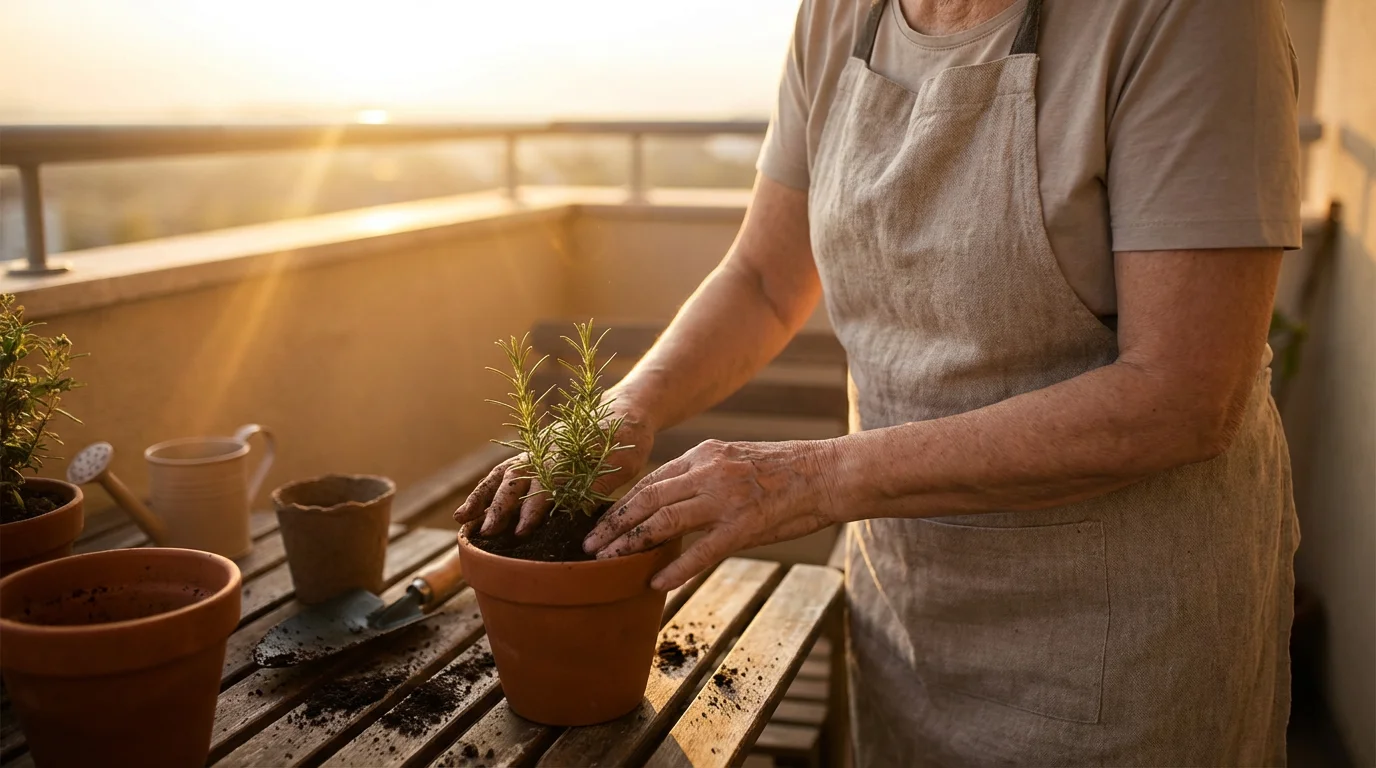
- Container Gardening: Plant herbs, cherry tomatoes, lettuce, or vibrant flowers in pots on your patio, balcony, or even indoors. This method requires minimal space and allows easy access for watering and harvesting. Choose lightweight pots and good quality potting mix.
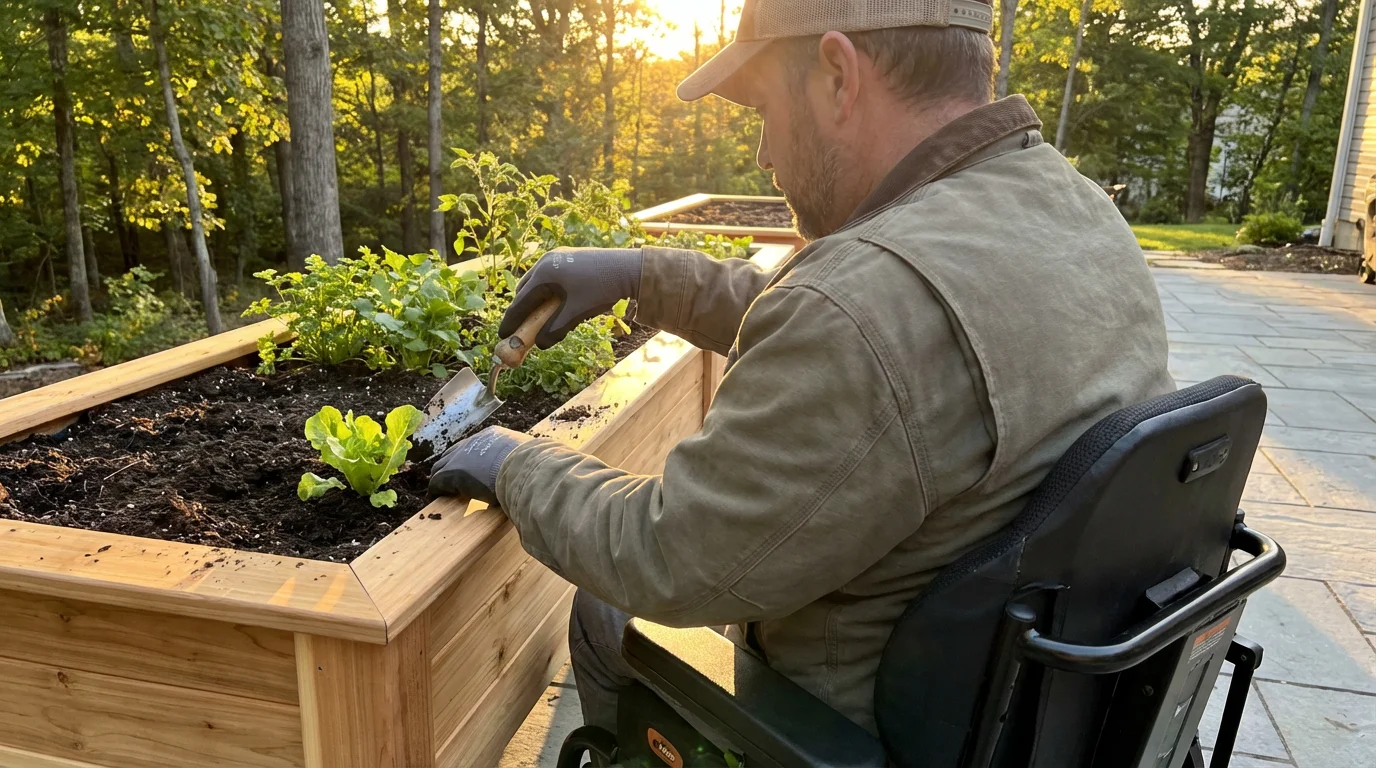
- Raised Garden Beds: These beds elevate the planting area, significantly reducing bending and kneeling. You can fill them with nutrient-rich soil, making them ideal for growing vegetables like carrots, beans, or spinach. They also offer excellent drainage.
- Herb Garden: Grow your favorite culinary herbs like basil, mint, rosemary, and thyme. They thrive in small spaces, containers, and require consistent watering and sunlight. Fresh herbs elevate your cooking and offer wonderful aromas.
- Window Box Flowers: Brighten any window with a cheerful display of annuals like impatiens, petunias, or marigolds. Window boxes are easy to plant and maintain, providing a beautiful view from inside your home.
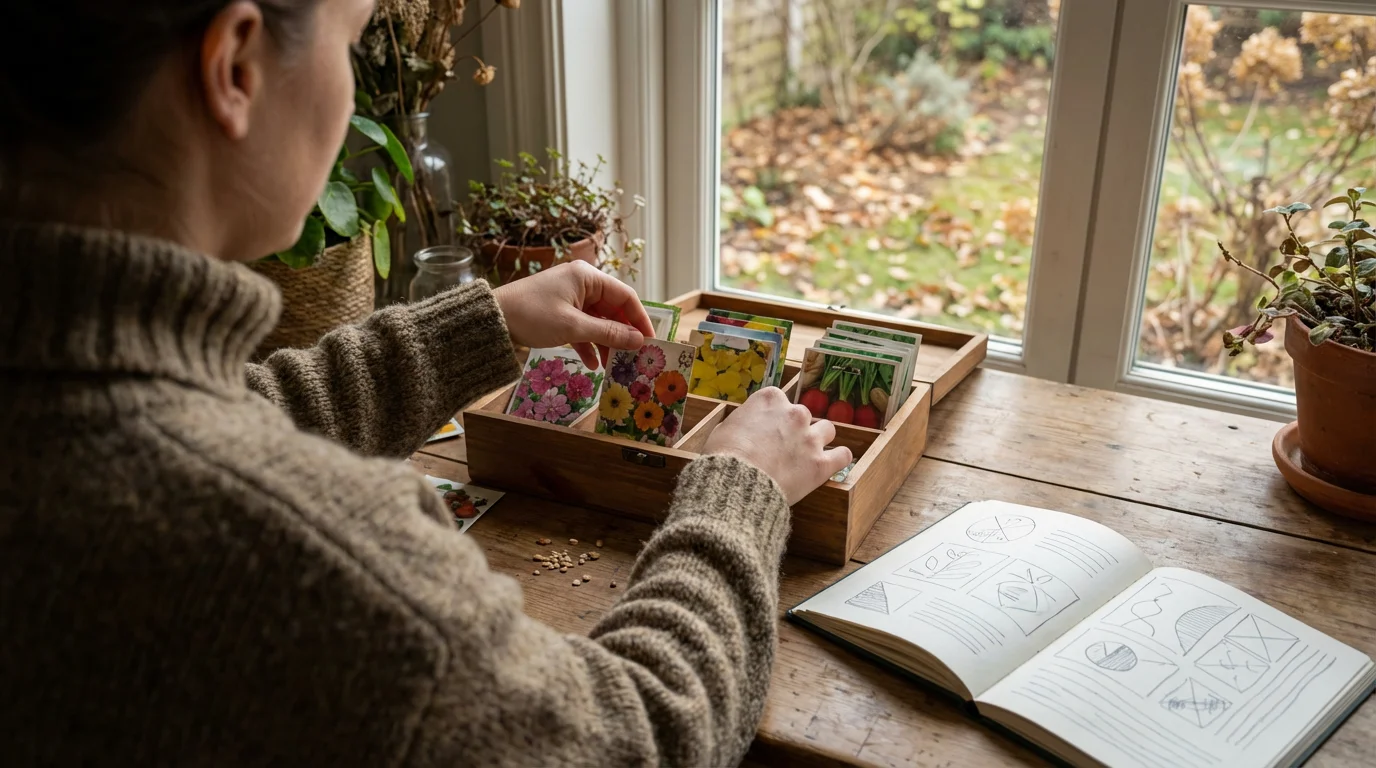
- Seed Starting Indoors: Begin seeds indoors during colder months, preparing them for outdoor planting when the weather warms. This project offers a sense of anticipation and extends your gardening season. It is a simple, controlled environment activity.
These projects make gardening accessible and enjoyable, proving that you can experience the joy of growing, regardless of your experience level or space constraints. They offer excellent entry points for engaging in this fulfilling senior activity.
Adaptive Gardening: Making it Accessible for All Abilities
Gardening should remain an enjoyable and accessible activity for everyone, regardless of physical limitations. Thoughtful adaptations and specialized tools ensure that you can continue to nurture your garden with ease and comfort. This approach emphasizes empowerment, allowing you to sustain your passion for the earth.
Choosing vibrant colors and unique textures for your pots is one of many creative outlets that can make your garden a personal masterpiece.
Focus on creating an environment that supports your movements and energy levels. Many simple adjustments can transform your gardening experience, making it more comfortable and less strenuous. You maintain your independence and joy in this beloved senior activity.
Consider these adaptive strategies:
- Ergonomic Tools: Invest in tools with long handles, comfortable grips, and lighter weights. Look for kneeling pads, rolling garden seats, or stand-up weeding tools that reduce strain on your back and knees.
- Raised Beds and Vertical Gardens: These elevate plants to a comfortable working height, minimizing bending. Vertical gardens also maximize space and can be accessed easily.
- Container Gardening: As mentioned, containers allow you to bring the garden to you. You can place pots on tables or elevated stands, making planting and care more convenient.
- Pathways and Clear Access: Ensure garden paths are wide, level, and free of obstacles. Consider paving or mulching pathways for easier mobility, especially if using a walker or wheelchair.
- Automated Watering Systems: Drip irrigation systems or self-watering containers can significantly reduce the need for carrying heavy watering cans. This conserves energy and ensures consistent plant hydration.
These thoughtful adjustments ensure gardening remains a source of joy and vitality, rather than a physical challenge. You continue to reap the rich rewards of nurturing life, gracefully adapting your practice to suit your needs.
Seasonal Rhythms: Enjoying Gardening Year-Round
The beauty of gardening extends beyond the warm growing months, inviting you to connect with nature’s seasonal rhythms throughout the year. Each season offers unique opportunities for engagement, ensuring your passion for plants never fades. This continuous cycle brings ongoing purpose and delight to your life.
Embracing year-round gardening means adapting your activities to the changing weather and light. It helps you appreciate the distinct characteristics of each season, finding beauty and tasks in every part of the year. Your garden remains a source of inspiration, regardless of what the calendar says.
Explore these ways to garden across the seasons:
- Spring: This is a time of renewal and eager anticipation. Plan your garden, start seeds indoors, amend your soil, and plant cool-season crops like lettuce and peas. The joy of new growth is palpable.
- Summer: The peak growing season requires diligent watering, weeding, and harvesting. Enjoy the abundance of fresh produce and vibrant blooms. This is when your hard work truly shines.
- Autumn: A time for reflection and preparation. Harvest late-season crops, plant spring bulbs, clean up garden beds, and add compost. Enjoy the rich colors and cooler air.
- Winter: While outdoor gardening may pause, you can bring plants indoors. Cultivate houseplants, grow herbs on a sunny windowsill, or plan next year’s garden. Use this time for reading gardening books and dreaming of spring.
By aligning your gardening with the natural world’s cycles, you deepen your appreciation for life’s constant ebb and flow. This year-round engagement enriches your experience and sustains your mental wellbeing through all seasons.
Beyond the Harvest: Sharing Your Garden’s Bounty
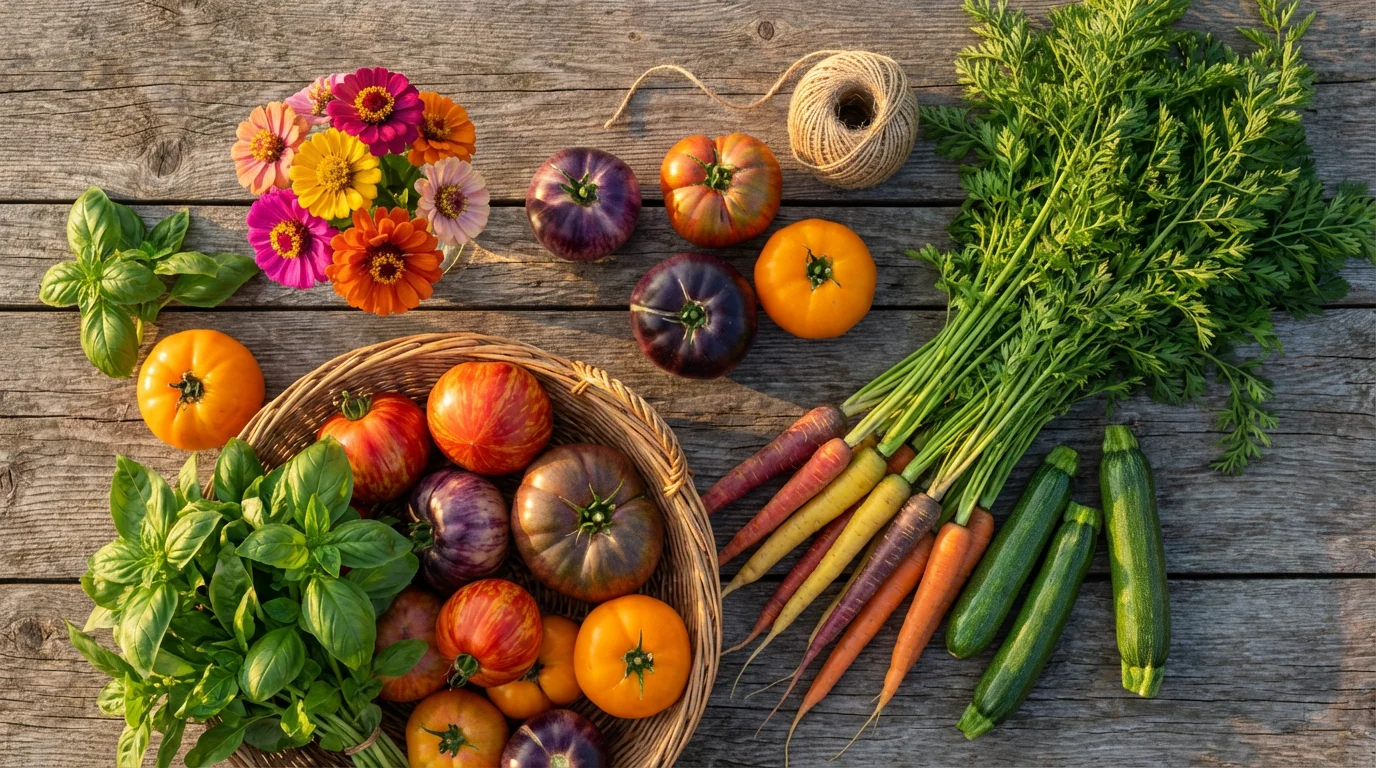
The true abundance of gardening extends far beyond the harvest you gather for yourself. Sharing your garden’s bounty fosters community, strengthens relationships, and amplifies the joy of your efforts. It transforms a personal endeavor into a generous act, connecting you deeply with others.
Offering fresh produce or a bouquet of flowers brings smiles and builds goodwill. You contribute to your community, sharing healthy food and the beauty of nature. This act of sharing reinforces your sense of purpose and connection, enriching both your life and the lives around you.
Consider these ways to share the gifts of your garden:
- Gift to Neighbors: A small basket of freshly picked tomatoes or a jar of homemade jam brightens a neighbor’s day and strengthens local bonds.
- Donate to Food Banks: Many local food banks welcome fresh produce donations, providing nutritious options to those in need. This is a wonderful way to give back.
- Community Garden Contribution: If you participate in a community garden, actively share tasks, knowledge, and harvest with fellow gardeners.
- Host a Garden Party: Invite friends and family to enjoy the beauty of your garden. Offer a meal featuring ingredients grown in your own space.
- Teach and Mentor: Share your gardening knowledge with younger generations or new gardeners. Passing on skills creates a lasting legacy.
This generous spirit elevates gardening into an act of profound community building. It underscores the enriching power of sharing and connection, central tenets of a graceful retirement lived with purpose and dignity.
Frequently Asked Questions
How does gardening benefit seniors?
Gardening offers a wide array of benefits for seniors. It provides gentle physical exercise that improves strength, flexibility, and balance, crucial for maintaining mobility. Mentally, it reduces stress, enhances mood, and stimulates cognitive functions through planning and problem-solving. It also offers a deep sense of purpose, achievement, and connection to nature and community.
What are easy gardening projects for seniors?
Easy gardening projects for seniors include container gardening, perfect for patios or balconies, allowing easy access and minimal bending. Raised garden beds are also excellent, elevating the planting area to a comfortable height. Growing herbs, small vegetables like lettuce or cherry tomatoes, and colorful annuals in window boxes are also simple, rewarding options that require less intensive physical effort.
Can gardening be made accessible for seniors with mobility issues?
Absolutely. Adaptive gardening strategies make it accessible for all abilities. This includes using raised garden beds and vertical gardens, ergonomic tools with extended handles, and comfortable seating like garden stools or kneelers. Automated watering systems and clear, level pathways also reduce physical strain, ensuring a comfortable and enjoyable experience for everyone.
Is gardening a year-round activity for seniors?
Yes, gardening can be a fulfilling year-round activity. While outdoor planting might be seasonal, you can enjoy indoor gardening with houseplants, herbs on a windowsill, or starting seeds for spring. Winter months provide an opportunity for planning, learning, and dreaming about the next growing season, maintaining a continuous connection to your green passion.
Disclaimer: This article is for informational and inspirational purposes. Life decisions are deeply personal, and we encourage readers to consult with appropriate professionals—whether healthcare providers, counselors, or financial advisors—for guidance specific to their circumstances.




Leave a Reply