

As you embark on or continue your journey through retirement, you possess a unique opportunity to shape your living environment into a sanctuary. This period of life often brings a desire for clarity, calm, and renewed purpose. A vital step in cultivating this tranquil existence involves thoughtfully addressing your physical surroundings, particularly your home. Embracing the art of home decluttering is not merely about tidying up; it is a profound process of curating a space that genuinely reflects your current aspirations and supports your well-being.
Creating this sanctuary is a key part of reinventing yourself in retirement, allowing your home to evolve alongside your new lifestyle.
Consider your home as an extension of your inner world. A well-ordered, thoughtfully arranged space can reduce stress, enhance focus, and provide a comforting backdrop for your cherished activities and relationships. This guide offers practical, actionable strategies to help you transform your home into a haven of peace, fostering a more graceful and fulfilling retirement.
The Profound Purpose of Decluttering
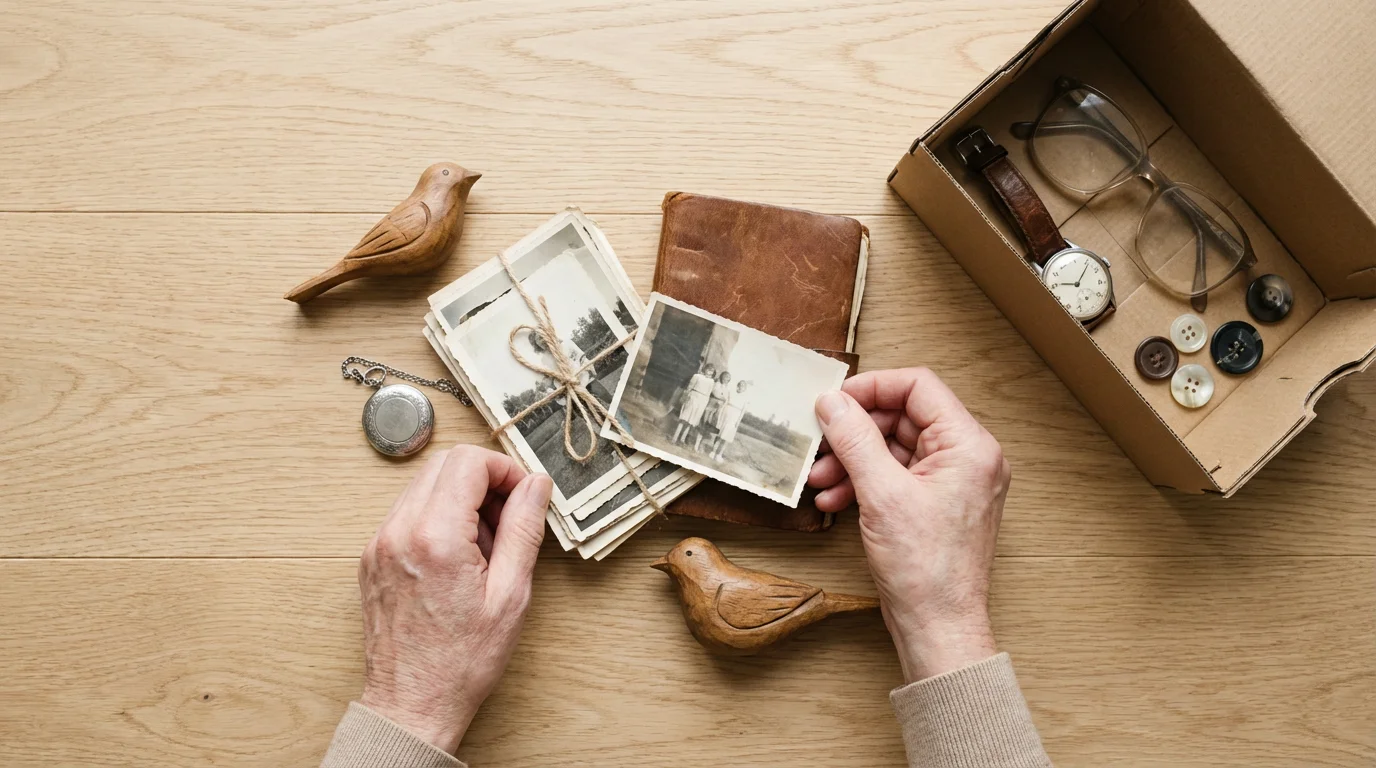
For many, retirement marks a shift in priorities. The demands of career and raising families often mean that homes accumulate belongings over decades. You might find yourself surrounded by items tied to past chapters, some cherished, others simply present through inertia. Now, you hold the power to decide what truly deserves a place in your future.
As you sift through decades of memories, you may find that this process mirrors the art of letting go, helping you release the emotional weight of the past.
For many, this process is the natural precursor to downsizing your home to a more manageable and elegant environment.
Decluttering at this stage extends beyond mere tidiness; it becomes an act of intentional living. It is about creating space, both physically and mentally, for the experiences and relationships you wish to nurture. Research consistently links organized environments with reduced anxiety and improved mental clarity, critical components for a joyful retirement.
Think about the emotional weight that unaddressed clutter can carry. Each unused item, each overflowing drawer, can subtly drain your energy. By engaging in home decluttering, you actively reclaim that energy, directing it towards activities that bring you genuine joy and meaning. This process empowers you to define your present and future, rather than letting your past possessions define you.
Cultivating a Minimalist Mindset for Clarity
The concept of minimalism often conjures images of stark, empty rooms, but its essence lies in intention, not deprivation. A minimalist approach in retirement living means thoughtfully selecting what you allow into your life and home, ensuring each item serves a purpose or brings you joy. This philosophy asks you to consider the true value of your possessions.
Adopting this mindset helps you make discerning choices about what you keep. You are not discarding items out of impulse, but rather curating your surroundings with careful consideration. This intentionality supports a tranquil atmosphere, reducing visual noise and mental distraction. A well-considered home supports a well-considered life.
“Have nothing in your houses that you do not know to be useful, or believe to be beautiful.” — William Morris
Embracing a minimalist perspective fosters freedom. You become less beholden to the maintenance and storage of excess items, freeing up valuable time and resources. This allows you to focus on experiences, learning, and connection, which often prove more enriching in retirement than accumulating more possessions. Your space then becomes a testament to what truly matters to you.
Your Strategic Decluttering Action Plan
Approaching home decluttering strategically makes the process manageable and effective. Overwhelm often stems from attempting to tackle too much at once. Instead, adopt a structured approach that builds momentum and celebrates small victories. Remember, this is a marathon, not a sprint, and your pace is entirely your own.
If you find yourself feeling overwhelmed by the logistics of sorting through years of belongings, exploring downsizing dilemmas can provide the practical support needed to navigate these transitions.
Step 1: Define Your Vision and Goals
Before you even open a drawer, envision the peaceful retirement home you desire. What feelings do you want your space to evoke? What activities do you want to pursue there? Establishing clear goals provides motivation and direction for your efforts.
- Do you dream of a serene reading nook?
- Do you envision hosting grandchildren comfortably?
- Do you want a simplified cleaning routine?
- What does a ‘peaceful home’ truly mean for you?
This initial reflection anchors your purpose. Knowing your “why” empowers you through challenging decisions about sentimental items. It frames decluttering as an act of creation, building towards your ideal future.
Step 2: Start Small, Celebrate Progress
Begin with a single drawer, a shelf, or a small cabinet. This prevents burnout and allows you to practice decision-making without feeling overwhelmed. As you successfully declutter a small area, you gain confidence and build momentum for larger projects.
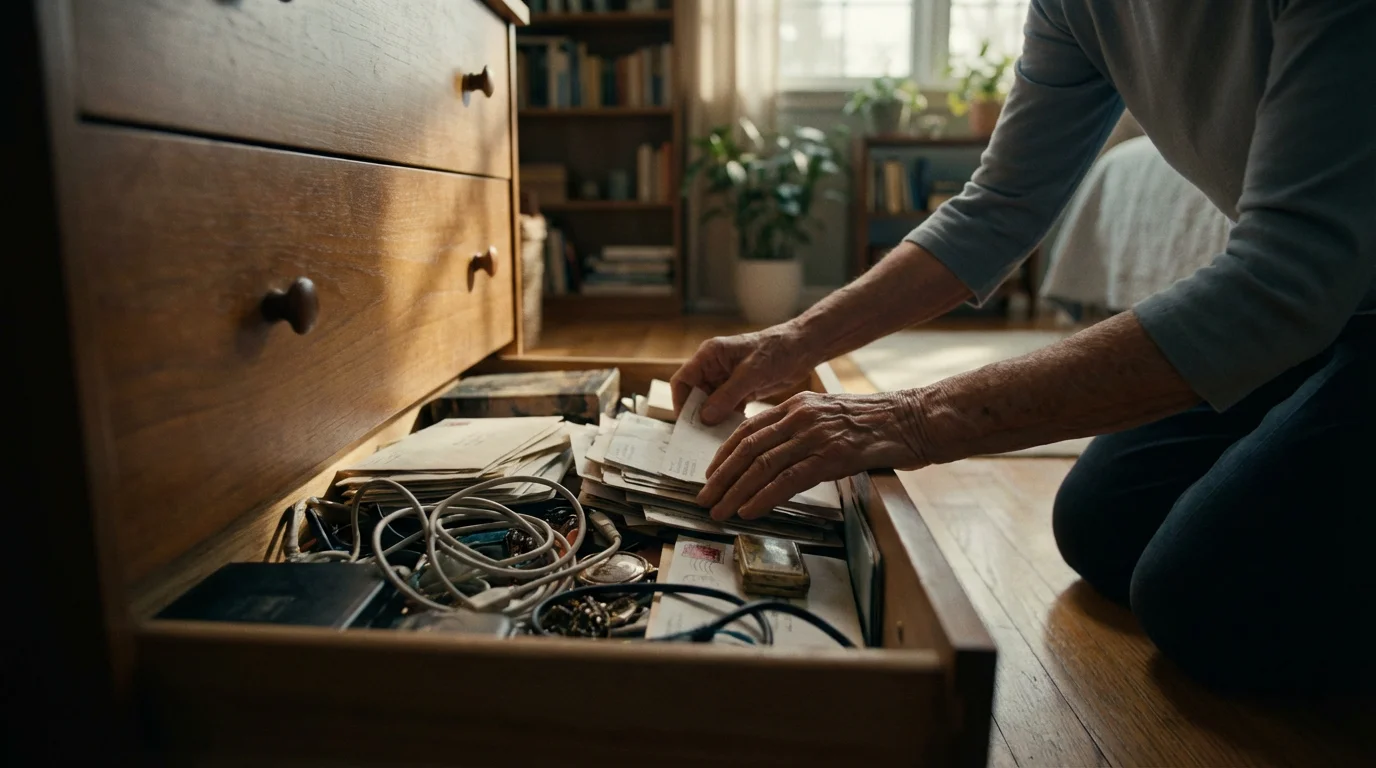
- Choose one manageable area, like your junk drawer or a linen closet.
- Dedicate a specific, limited time, perhaps 30 minutes, to this task.
- Make decisions quickly: Keep, Donate/Sell, Discard, or Relocate.
- Immediately remove items designated for donation, sale, or discard from your home.
- Enjoy the clear space, however small.
This incremental approach ensures continuous forward movement. Each cleared space serves as a tangible reminder of your progress and commitment.
Step 3: The Four-Box Method
This classic organizational strategy simplifies decision-making. Label four boxes or bags: “Keep,” “Donate/Sell,” “Trash,” and “Relocate.” As you go through items, immediately place them into the appropriate container.
- Keep: Items you use regularly, love, or hold deep sentimental value.
- Donate/Sell: Items in good condition that you no longer need or want but others could use.
- Trash: Broken, expired, or unusable items.
- Relocate: Items that belong in a different room or area of the house.
This method prevents clutter from simply shifting from one spot to another. The “Relocate” box is crucial for effective organization, ensuring every item has a designated home.
Step 4: Tackle Categories, Not Rooms
Instead of decluttering room by room, consider tackling categories of items across your entire home. For example, gather all your books from every room and sort them in one session. This helps you grasp the true quantity of items you own and avoid keeping duplicates.
- All books.
- All clothing.
- All kitchen utensils.
- All personal papers.
- All holiday decorations.
This approach highlights redundancies and forces you to make more consistent decisions. For example, you might realize you own five spatulas when one or two suffice. This method supports a more comprehensive and sustainable decluttering process.
Step 5: Embrace Digital Decluttering
Physical clutter often has a digital counterpart. Your computer, email, and photo albums can also benefit from organization. A clear digital space contributes significantly to mental peace.
- Delete old, unnecessary emails and unsubscribe from unwanted newsletters.
- Organize digital photos into clearly labeled folders.
- Remove unused apps from your devices.
- Back up important files to an external drive or cloud service.
- Simplify your desktop or home screen for easier navigation.
Maintaining a streamlined digital life mirrors the calm you create in your physical surroundings. This attention to detail extends your peaceful environment beyond the tangible.
Room by Room: Tailored Strategies for Every Space
While the categorical approach offers a powerful starting point, specific rooms often present unique challenges and opportunities for organization. Tailoring your strategy to each space maximizes efficiency and creates a truly functional, beautiful home.
The Living Room: Your Gathering Hub
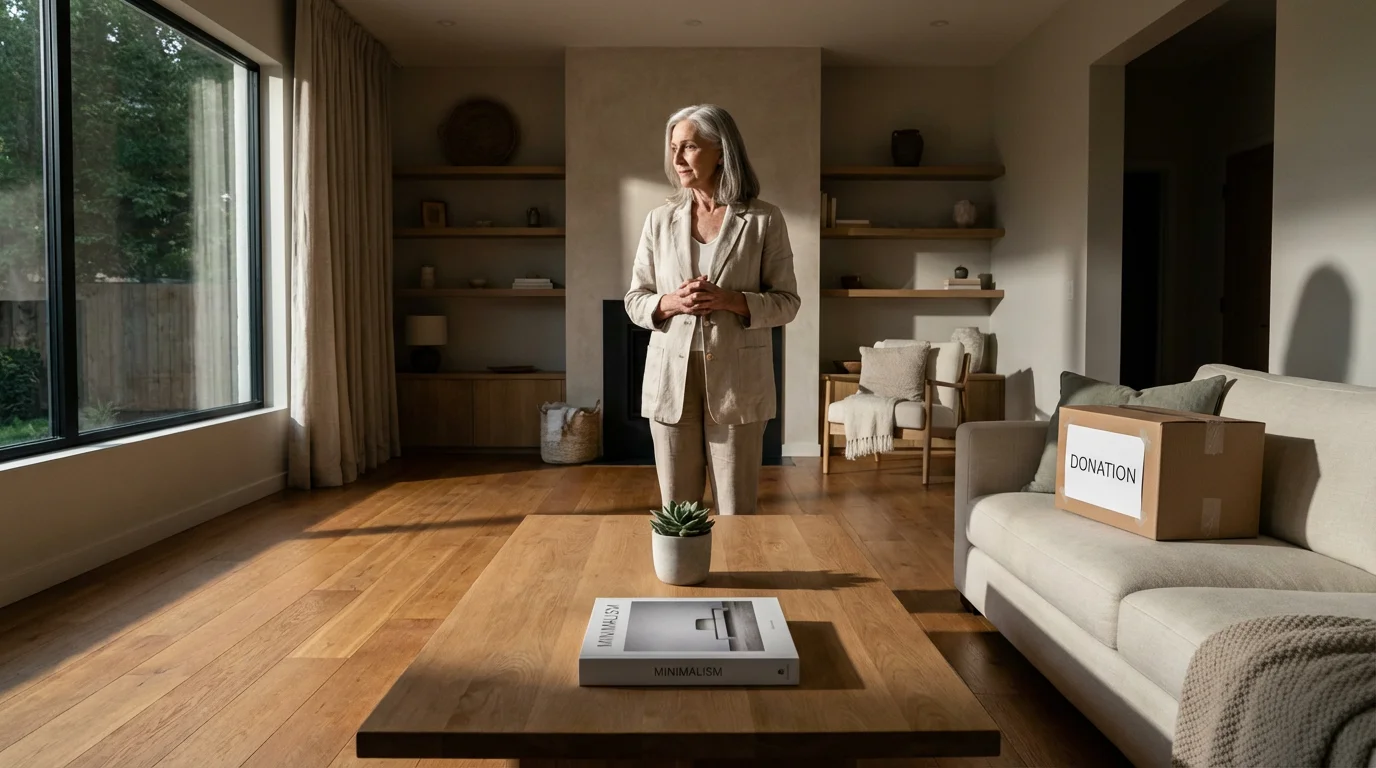
This space often serves multiple purposes: relaxation, entertainment, and connection. Focus on creating open, inviting areas for conversation and comfort.
- Clear surfaces: Remove excess decorative items, focusing on a few meaningful pieces.
- Consolidate media: Organize remote controls, DVDs, and gaming accessories.
- Manage paperwork: Keep a designated spot for current mail, rather than letting it accumulate.
- Assess furniture: Ensure each piece serves a purpose and contributes to comfort.
A clutter-free living room invites ease and conversation, making it a true centerpiece of your peaceful retirement home.
The Kitchen: Culinary Sanctuary
A well-organized kitchen streamlines meal preparation and encourages healthy eating. Consider how you use your kitchen daily.
- Empty and clean drawers and cabinets: Discard expired food, broken tools, or items you haven’t used in years.
- Keep frequently used items accessible: Store everyday dishes and cooking essentials within easy reach.
- Designate zones: Create specific areas for baking supplies, coffee/tea, or pantry staples.
- Minimize small appliances: Keep only those you use regularly. Store less-frequent items neatly in a pantry or cupboard.
A functional kitchen reduces frustration and inspires culinary creativity, supporting your well-being. According to research from the National Institute on Aging, maintaining physical activity and engagement, which includes activities like cooking, supports cognitive health.
The Bedroom: A Restful Retreat
Your bedroom should be a haven for rest and rejuvenation. Eliminate anything that disrupts sleep or creates visual stress.
- Clear nightstands: Keep only essentials like a lamp, book, and water.
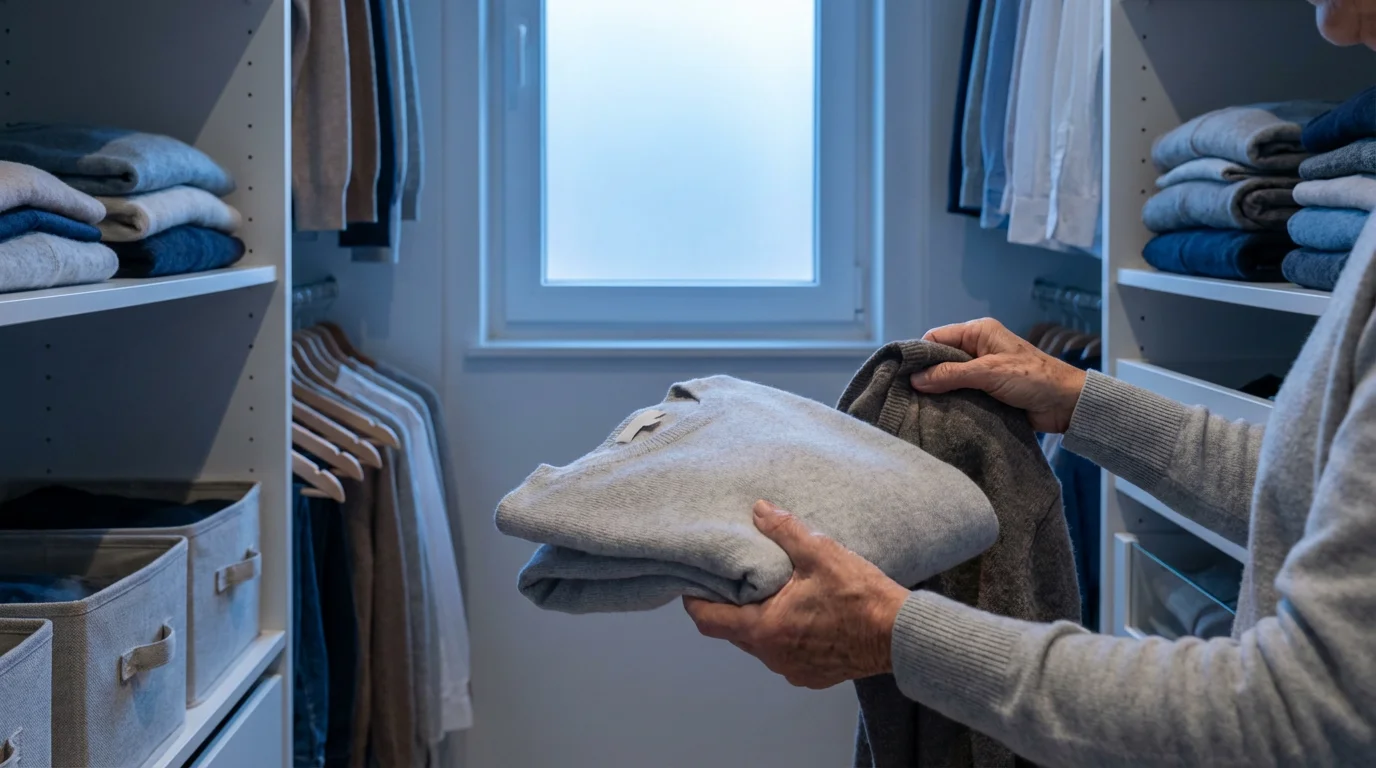
- Declutter clothing: Review your wardrobe, removing ill-fitting, worn, or unloved garments. Consider a capsule wardrobe approach for simplicity.
- Organize dresser drawers and closets: Use dividers or small bins to keep items neat.
- Remove electronics that interfere with sleep: Create a device-free zone for optimal rest.
A serene bedroom promotes restful sleep, which is fundamental to your physical and mental health. This intentional approach ensures your personal sanctuary truly supports your well-being.
The Home Office/Den: Productive and Organized
If you maintain a home office or creative space, organization is key to productivity and enjoyment. This area should inspire focus and minimize distraction.
- Sort paperwork: Create a simple filing system for important documents and discard what is no longer needed.
- Manage cables: Use ties or cable organizers to keep cords tidy and out of sight.
- Clear desktop: Keep only items you use daily on your desk.
- Evaluate supplies: Consolidate pens, paper, and other office supplies, discarding dried-out markers or empty staplers.
An organized workspace fosters clarity and efficiency, whether you are managing finances, pursuing a hobby, or simply staying connected. This ensures your space supports your chosen activities.
Sustaining Serenity: Maintaining Your Organized Home
Achieving a decluttered home is a significant accomplishment. The next step involves implementing simple habits to maintain this newfound serenity. Sustained organization requires ongoing, gentle effort, rather than sporadic, overwhelming overhauls. Think of it as nurturing a garden, requiring regular care to flourish.
The “One In, One Out” Rule
This simple principle helps prevent re-accumulation. For every new item you bring into your home, whether it is a new shirt, a book, or a kitchen gadget, commit to removing an old item of the same category. This thoughtful approach maintains balance and prevents clutter from creeping back in.
- Bought a new novel? Donate an old one you have read.
- Acquired a new piece of clothing? Let go of an item that is worn or no longer fits.
- Received a new decorative piece? Re-evaluate an existing one.
This discipline fosters mindfulness about your possessions, ensuring that additions are truly necessary or deeply desired. It prevents your home from becoming a storage unit once more.
Daily “Tidy-Up” Rituals
Dedicate a few minutes each day to putting things back in their designated places. This small habit prevents items from piling up and reduces the need for extensive cleaning sessions. Consider it a gentle reset for your home.
- Before bed, spend 10-15 minutes tidying up common areas.
- Put away dishes immediately after meals.
- Return items to their “home” as soon as you finish using them.
- Clear your desktop at the end of each day.
These consistent, brief efforts accumulate, maintaining an overall sense of order. They prevent small messes from becoming large, overwhelming tasks.
Regular Reviews and Adjustments
Life changes, and your needs and preferences will evolve throughout retirement. Schedule periodic reviews of specific areas, perhaps quarterly, to ensure your home continues to serve you effectively. What once brought joy might no longer align with your current lifestyle.
- Review your wardrobe seasonally.
- Check pantry expiration dates every few months.
- Re-evaluate decorative items as your tastes evolve.
- Assess your filing system annually.
This flexibility allows your home to adapt with you, reflecting your ongoing growth and changing priorities. Maintaining this responsive approach ensures your home remains a source of comfort and peace.
The Transformative Benefits of a Decluttered Life
The efforts you invest in creating a peaceful retirement home yield a multitude of profound benefits, extending far beyond aesthetics. These advantages contribute significantly to a more graceful, purposeful, and fulfilling later life. You gain more than just tidy spaces; you gain enhanced well-being.
Reduced Stress and Enhanced Mental Clarity
A clutter-free environment directly impacts your mental state. Less visual noise means less mental distraction, fostering a sense of calm and focus. Studies consistently show that living in an organized space reduces anxiety and improves cognitive function. You experience fewer moments of frustration searching for misplaced items.
With a clear home, your mind feels clearer, allowing you to concentrate on activities that truly enrich your retirement, such as hobbies, learning, or social engagements. This mental spaciousness is invaluable for living with purpose. Harvard Health Publishing highlights the importance of reducing stress for overall brain health, an outcome supported by an organized environment.
More Time and Energy for What Matters
Think about the hours you might spend searching for lost items, tidying overwhelming messes, or maintaining excess possessions. Decluttering reclaims this valuable time and energy. You can redirect these resources towards meaningful pursuits, passions, and relationships.
Imagine spending those reclaimed hours volunteering, pursuing a new craft, traveling, or simply enjoying quiet moments with loved ones. This shift from managing things to living experiences is a cornerstone of a graceful retirement. It empowers you to live more fully and intentionally.
Financial Savings and Smart Stewardship
A decluttered approach often leads to more mindful spending. When you know exactly what you own, you are less likely to purchase duplicates or items you do not truly need. This fosters a sense of financial prudence and responsible stewardship of your resources.
Additionally, selling unwanted items can generate extra income, and maintaining an organized home can reduce storage costs or even make a future move simpler and less expensive. This practical benefit contributes to your overall financial security and peace of mind in retirement.
Improved Health and Safety
An organized home inherently promotes a safer living environment. Removing tripping hazards, ensuring clear pathways, and reducing dust buildup directly contribute to physical well-being. This is particularly important as you age, helping to prevent falls and improve air quality.
A streamlined home also makes cleaning easier and more efficient, contributing to better hygiene. Creating a healthy, safe, and easily maintained environment supports your long-term health and independence. This proactive approach benefits your physical comfort and longevity.
Frequently Asked Questions
What if I feel overwhelmed by the sheer volume of my belongings?
Begin with a very small, defined area, such as a single drawer or a bookshelf. Dedicate just 15-30 minutes to this task. Focus only on that small space, making decisions for each item. Gradually, these small successes will build momentum and confidence, making larger areas feel less daunting. Remember, consistency over intensity yields the best results.
How do I deal with sentimental items I find difficult to part with?
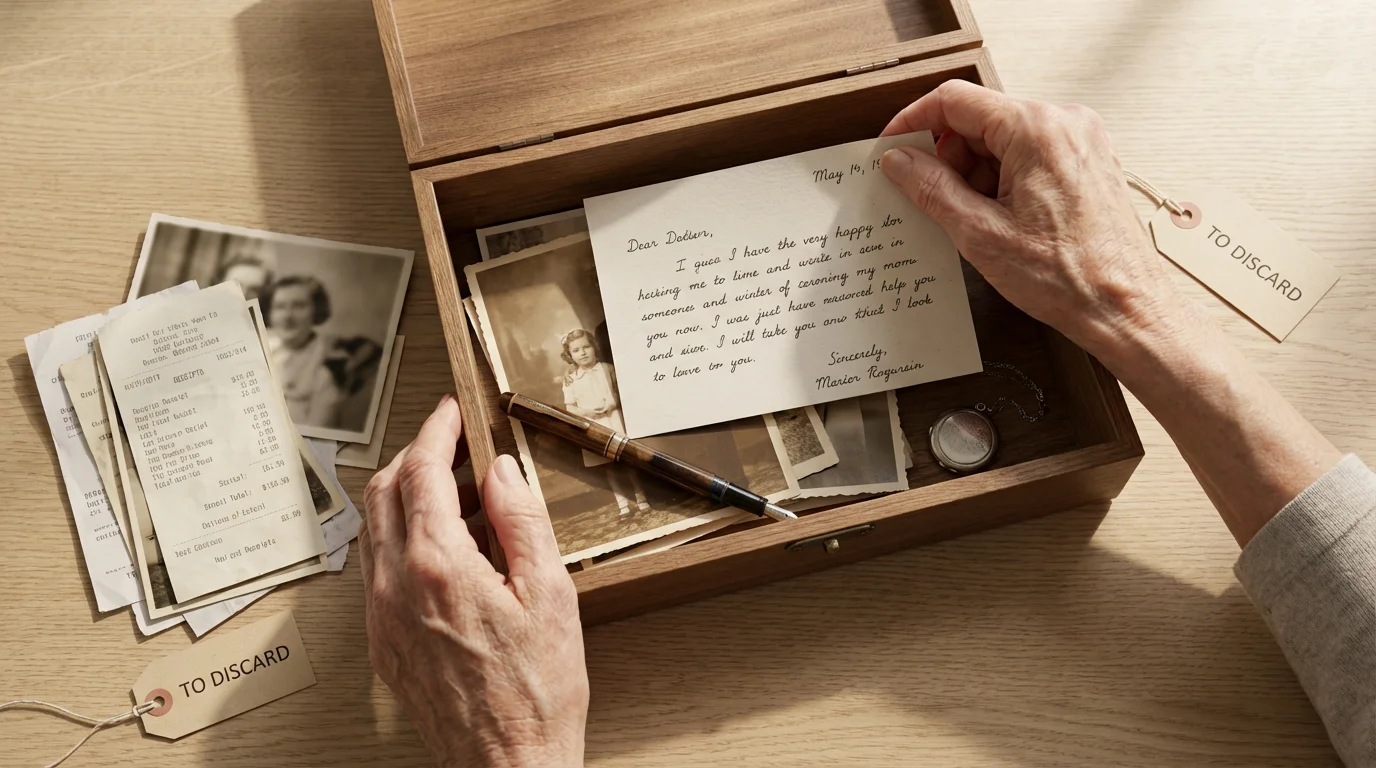
Sentimental items carry emotional weight, making decisions challenging. Consider creating a “memory box” for your most cherished keepsakes, limiting yourself to what fits within that container. Take photographs of items you wish to remember but do not need to keep physically. Recognize that the memories reside within you, not solely in the object itself. You honor the past by making space for your present and future.
Should I declutter alone, or seek help from family or professionals?
The choice depends on your comfort level and the scope of the task. If the process feels emotionally or physically taxing, involving a trusted family member can provide support and perspective. For larger projects or if you require objective guidance, consider engaging a professional organizer. Many professionals specialize in working with seniors, offering compassionate, hands-on assistance. Do not hesitate to seek help if you need it.
What if my partner or family members are not on board with decluttering?
Open communication is key. Explain your reasons for wanting to declutter, focusing on the benefits for your well-being and the peaceful environment you wish to create. Start with your personal spaces or common areas that predominantly contain your items. Lead by example; your positive experience might inspire others. Avoid making demands, instead invite collaboration and mutual respect for personal space and preferences.
How can I ensure my decluttered home stays organized long-term?
Implement simple daily habits, such as the “one in, one out” rule and short daily tidy-ups. Establish designated homes for everything you own, making it easy to put items away immediately after use. Schedule periodic review sessions, perhaps quarterly, to reassess your belongings and ensure your space continues to meet your evolving needs. Consistency and mindfulness are your greatest allies in maintaining order.
Embracing Your Graceful Space
Your retirement years offer a profound opportunity to cultivate a life rich in meaning, joy, and tranquility. The act of home decluttering stands as a powerful catalyst in this journey, transforming your physical surroundings into a true reflection of your desire for a graceful existence. You are not simply discarding items, you are curating a legacy of intention.
Embrace this process with a spirit of celebration, recognizing that each decision contributes to a lighter, more purposeful life. Your home becomes a supportive backdrop for new adventures, cherished relationships, and quiet contemplation. You deserve a space that uplifts you, empowers you, and allows you to live your best life at any age.
May your decluttering journey lead you to a home filled with peace, beauty, and abundant grace. This intentional transformation of your living environment truly enables you to step into the richness of your golden years with dignity and renewed purpose.
Disclaimer: This article is for informational and inspirational purposes. Life decisions are deeply personal, and we encourage readers to consult with appropriate professionals—whether healthcare providers, counselors, or financial advisors—for guidance specific to their circumstances.







[…] your internal emotional work, creating a peaceful home environment can further enhance your overall sense of […]