
Retirement unfolds as a profound new chapter, an opportunity to redefine your purpose and embrace life with renewed vigor. This period, often envisioned as a time for relaxation, also presents an unparalleled chance for meaningful engagement and significant personal growth. For many, this translates into a deep desire to give back, to leverage a lifetime of experience for the greater good.
This transition is also the perfect season for rediscovering your passions and exploring interests you may have set aside during your career.
Volunteering offers a powerful, enriching path to fulfill this aspiration, transforming your golden years into a vibrant epoch of contribution and connection. You move beyond personal pursuits, directly impacting the lives of others and strengthening the fabric of your community. This article explores the myriad benefits of retirement volunteering, guides you in finding your ideal role, and shares practical steps for embarking on this rewarding journey.
The Profound Impact of Giving Back
Your wisdom, accumulated over decades, represents an invaluable asset for any community. When you choose retirement volunteering, you do more than occupy your time, you contribute to solving pressing societal challenges. You become an active participant in building a more compassionate and resilient world.
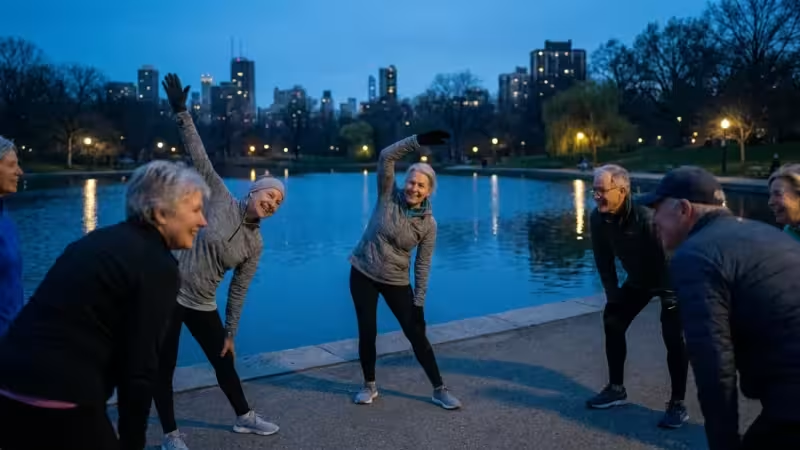
As you step into local service, you also open doors to building and maintaining connections that keep you socially engaged.
Consider the ripple effect of your actions. A senior volunteer tutoring a child strengthens educational outcomes. A retiree delivering meals provides essential nourishment and companionship to homebound individuals. Each act of community service, no matter how small it may seem, weaves a stronger social safety net.
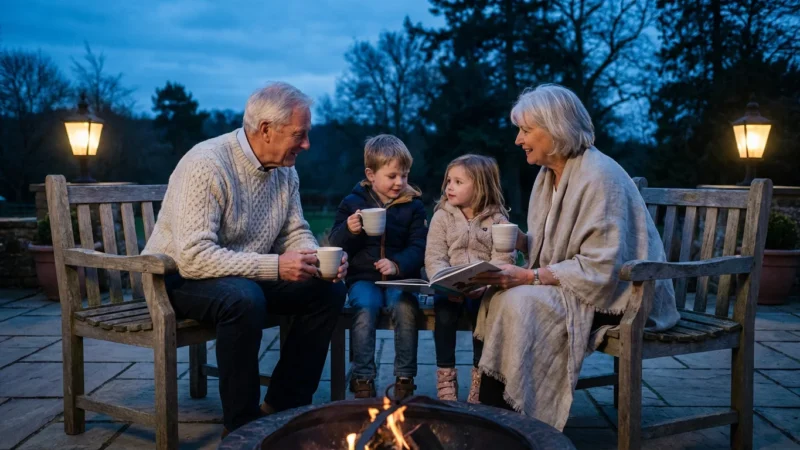
This commitment to service elevates the collective well-being. It fosters intergenerational connections, bridging gaps between different age groups and promoting mutual understanding. You help shape the future, leaving a tangible legacy that benefits generations to come.

Beyond Altruism: Personal Rewards of Senior Volunteering
While the external impact of volunteering is significant, the personal benefits you gain are equally compelling. Engaging in meaningful work actively combats common challenges associated with retirement, such as social isolation or a diminished sense of purpose. Research consistently demonstrates the positive correlation between volunteering and enhanced well-being for seniors.
Engaging in community service is a powerful way of reinventing yourself in retirement as you explore new interests.
A comprehensive study published by the National Institute on Aging highlights that older adults who volunteer regularly report higher levels of life satisfaction and lower rates of depression. This engagement provides a structured routine, intellectual stimulation, and abundant opportunities for social interaction, all vital components of healthy aging. For instance, data indicates that volunteers over age 60 experience a 20% lower mortality rate than non-volunteers, showcasing a direct link between service and longevity.
Your volunteer efforts also keep your mind sharp. Learning new skills, problem-solving, and interacting with diverse individuals all contribute to cognitive health. Stanford Center on Longevity research emphasizes the importance of sustained intellectual engagement in maintaining brain vitality as you age. Volunteering provides a dynamic environment for this continuous learning and growth.
“The afternoon knows what the morning never suspected.”
— Robert Frost
Think about the profound sense of accomplishment and self-worth that comes from making a real difference. You bring a wealth of life experience, professional skills, and a mature perspective to your chosen cause. This reaffirms your value, reminding you that your contributions remain deeply needed and appreciated.
Finding Your Purpose: Identifying Your Ideal Volunteer Role
Discovering the perfect volunteer opportunity requires thoughtful self-reflection. You possess a unique combination of talents, interests, and availability, which can guide you toward a role that feels genuinely rewarding. Consider what truly ignites your passion and where you can most effectively apply your strengths.
To make the experience even more impactful, you might consider volunteering with a partner or friend to deepen your personal connections while serving your community.
To help pinpoint your ideal role, reflect on these questions:
- What are your core values? Do you prioritize environmental conservation, education, animal welfare, or social justice? Aligning with your values ensures your work feels meaningful.
- What skills have you honed over your lifetime? Your professional background, hobbies, and life experiences offer a rich toolkit. Are you an excellent communicator, organizer, mentor, or caregiver?
- What causes resonate most deeply with you? Perhaps you have a personal connection to a particular health issue, a desire to support children, or a passion for local history.
- How much time can you realistically commit? Be honest about your availability, whether it is a few hours a week, a specific project, or a seasonal commitment. Many organizations offer flexible senior volunteer opportunities.
- What kind of environment energizes you? Do you prefer working indoors or outdoors, independently or as part of a team, with people or with tasks?
Many organizations welcome seniors from all walks of life, valuing the diverse perspectives you bring. Do not underestimate the power of your “soft skills”—empathy, patience, wisdom, and the ability to connect with others are often the most vital contributions.
Where Can Seniors Volunteer? Diverse Opportunities Await
The landscape of volunteer opportunities for seniors is vast and varied, offering something for nearly every interest and skill set. From direct service to administrative support, you can find a fulfilling niche that aligns with your passions. Here are several popular areas where senior volunteers make a significant impact:
For those with a creative spark, look for roles that allow you to express yourself through artistic hobbies in community centers or galleries.
If you are looking for an adventure that spans beyond your local area, volunteer vacations provide a unique way to explore the world while contributing to meaningful global projects.
-
Education and Mentorship:
- Tutor children in reading or math at local schools or libraries.
- Become a mentor for young entrepreneurs or students considering career paths.
- Help adults learn English as a second language or improve their literacy skills.
- Serve as a classroom aide, assisting teachers and students with daily activities.
-
Health and Wellness:
- Volunteer at hospitals, hospices, or nursing homes, providing companionship, clerical support, or comfort.
- Assist at blood drives or health fairs, guiding participants and managing logistics.
- Participate in programs that deliver meals to homebound seniors, such as Meals on Wheels.
- Offer support at local clinics, helping with patient intake or administrative tasks.
-
Community and Social Services:
- Work at food banks or soup kitchens, helping to sort donations or serve meals.
- Support homeless shelters by organizing donations or assisting residents.
- Volunteer at senior centers, leading activities, organizing events, or offering companionship.
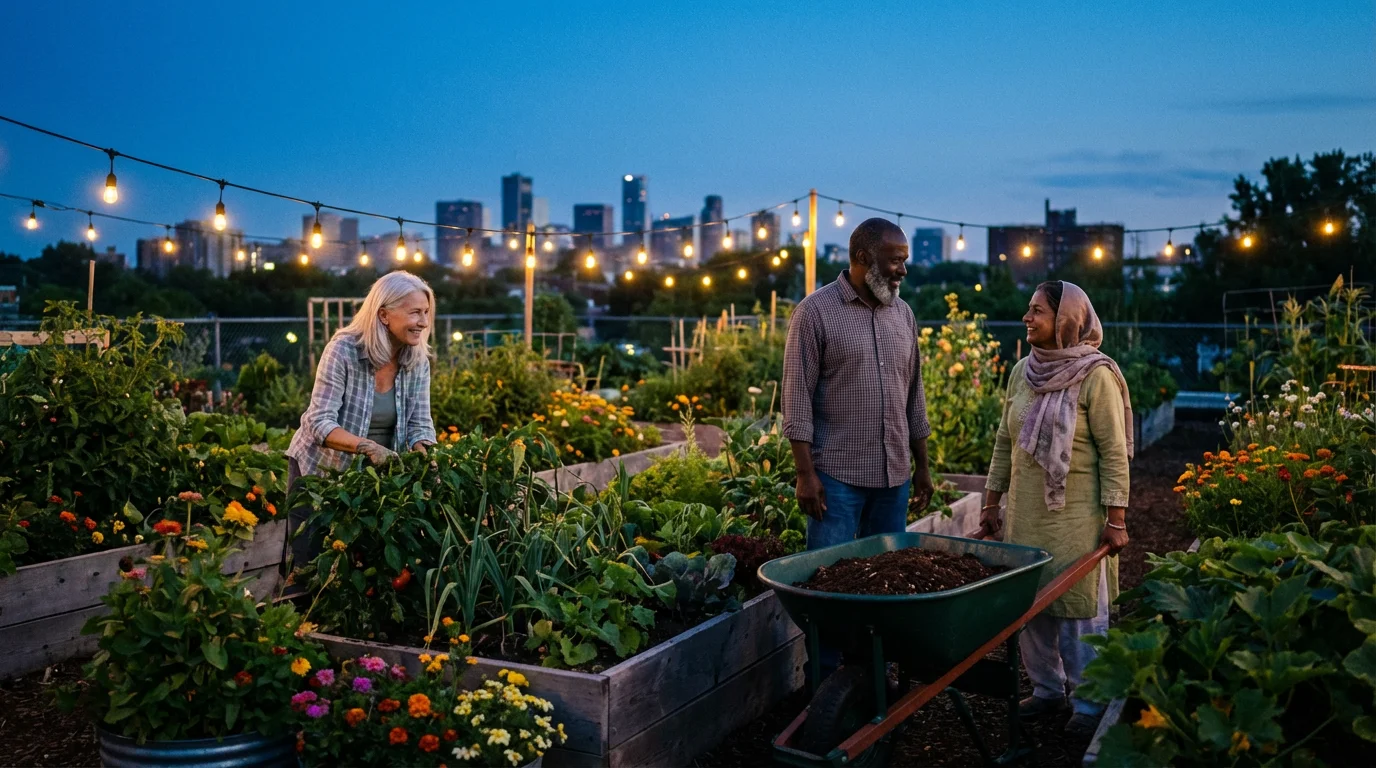
- Participate in community cleanup initiatives or urban gardening projects.
-
Arts, Culture, and Environment:
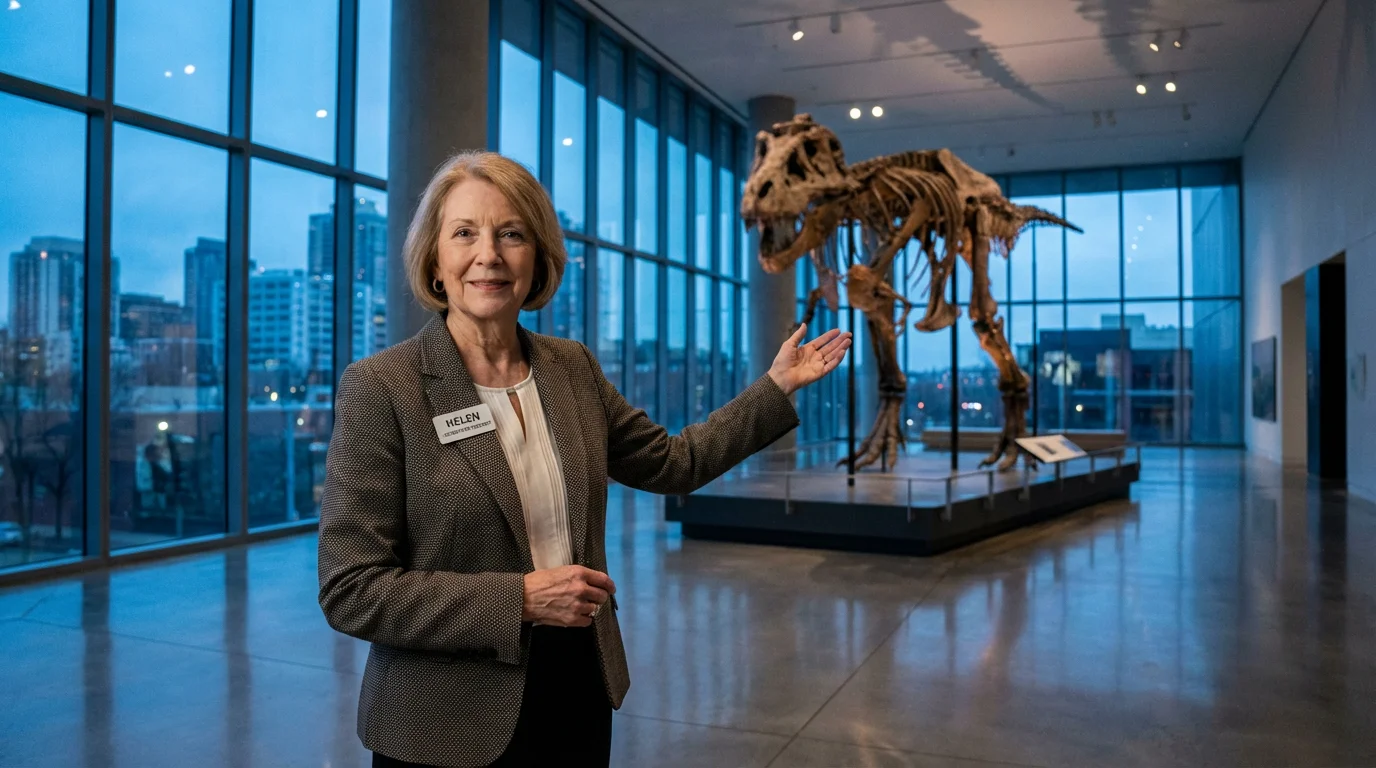
- Serve as a docent or guide at museums, historical societies, or art galleries.
- Assist at local theaters or music venues with ushering, ticketing, or administrative duties.
- Volunteer at national or local parks, assisting with trail maintenance, visitor centers, or conservation efforts.
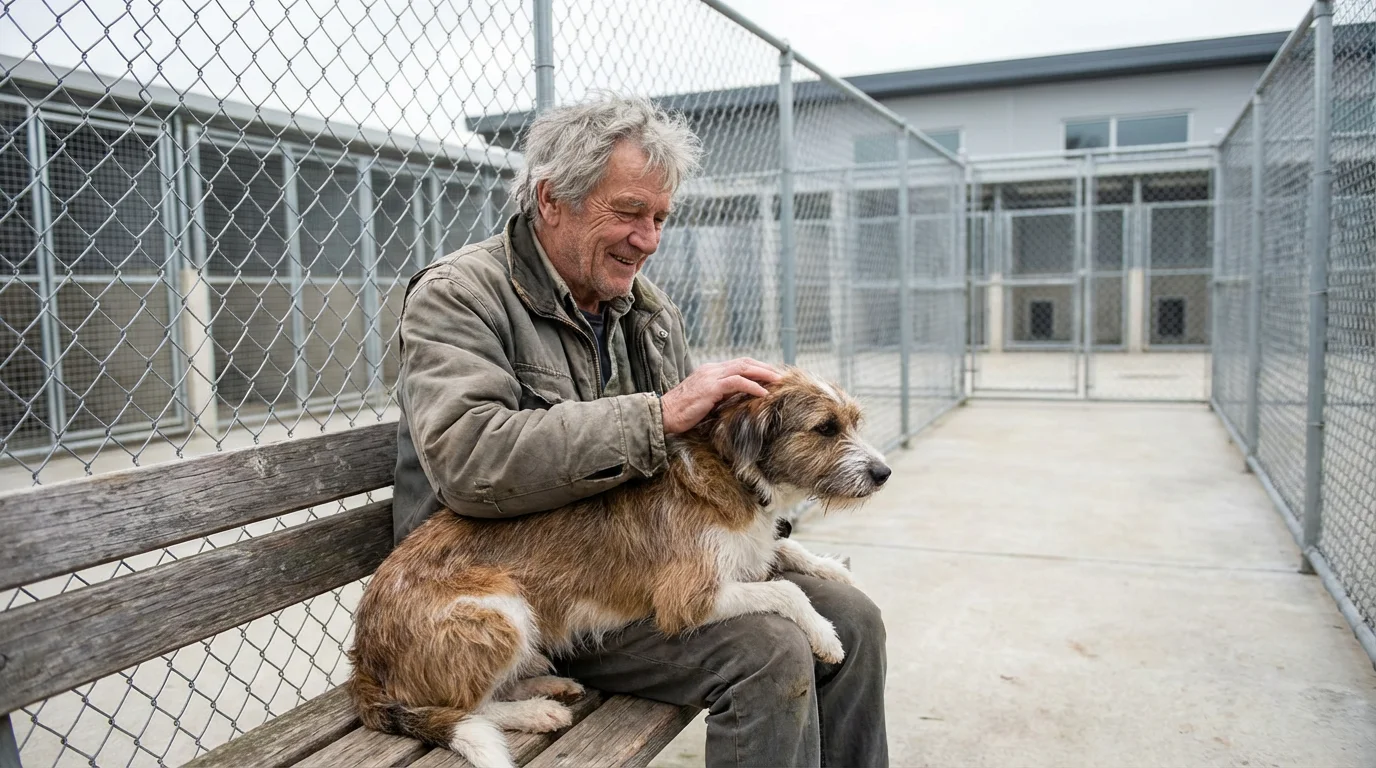
- Help animal shelters by walking dogs, cuddling cats, or assisting with adoptions.
-
Advocacy and Policy:
- Lend your voice to causes you believe in by participating in advocacy groups.
- Help organizations with administrative tasks, data entry, or fundraising campaigns.
- Share your expertise on advisory boards for local non-profits or community initiatives.
-
Virtual Volunteering:
- Offer remote administrative support, website management, or social media assistance.
- Provide online tutoring or mentorship through digital platforms.
- Transcribe historical documents or assist with digital archiving for cultural institutions.
- Participate in “crowdsourcing” science projects from your home.
Exploring these diverse avenues can help you identify where your talents can best serve. Many organizations specifically seek senior volunteer contributions, recognizing the reliability and wisdom you bring.

Navigating the Volunteer Landscape: Practical Steps to Engagement
Once you have a clearer idea of your interests, taking the first steps into the world of retirement volunteering becomes straightforward. You possess the initiative and experience to navigate this process effectively. Here is a practical guide to finding volunteer opportunities and getting started:
- Research Local Organizations: Start by searching online for non-profits, community centers, hospitals, schools, and cultural institutions in your area. Many websites list specific volunteer needs. Websites like AARP and Encore.org provide excellent resources for finding senior volunteer opportunities nationwide.
- Utilize Volunteer Matching Platforms: Websites such as VolunteerMatch.org or Idealist.org allow you to search for opportunities based on your location, interests, and skills. These platforms can connect you with a wide array of options.
- Contact Organizations Directly: Reach out to organizations that pique your interest. Even if they do not advertise a specific role, they may have a need for your particular skills. An initial phone call or email can open doors.
- Attend Information Sessions: Many larger organizations, like hospitals or museums, hold regular information sessions for prospective volunteers. These provide valuable insights into their mission and available roles.
- Complete Applications and Interviews: Expect to fill out an application and potentially participate in an interview. This process ensures a good match between your skills and the organization’s needs. Background checks are common, especially for roles involving vulnerable populations.
- Undergo Training: Most volunteer roles require some level of orientation or training. Embrace this as an opportunity to learn new skills, understand the organization’s protocols, and meet fellow volunteers.
- Start Small and Be Flexible: You do not need to commit to a demanding schedule right away. Many organizations appreciate even a few hours a week. Be open to trying different roles to find your best fit.
Remember, the goal is to find a role that enriches your life while making a meaningful contribution. Your journey as a senior volunteer can begin with a single phone call or a click online.
Overcoming Common Hurdles and Sustaining Your Commitment
Embarking on a new venture can sometimes present challenges, but with careful planning, you can navigate them successfully. Senior volunteers often face specific considerations that require proactive solutions to ensure a sustainable and enjoyable experience.
Consider these common hurdles and how you can address them:
- Transportation: If driving is a concern, seek out opportunities within walking distance, accessible by public transport, or through ride-sharing services. Many communities offer volunteer transport programs for seniors, and virtual volunteering eliminates this issue entirely.
- Physical Limitations: Do not let physical limitations deter you. Many organizations offer roles that accommodate various mobility levels, from administrative tasks requiring minimal movement to virtual roles performed from home. Clearly communicate your capabilities during the application process.
- Time Management: It is easy to overcommit when enthusiasm is high. Set realistic expectations for your availability from the outset. Discuss your desired time commitment with the organization to find a flexible schedule that works for you.
- Finding the Right Fit: Your first volunteer role might not be your perfect match. That is perfectly normal. If a position does not feel right, politely communicate your concerns and explore other options. The goal is long-term satisfaction and genuine contribution.
- Technological Barriers: If a role requires computer skills you do not possess, consider local libraries or senior centers that offer free technology classes. Many organizations provide basic training, and some roles specifically seek those with less tech-focused skills.
Sustaining your commitment involves open communication, self-care, and periodically re-evaluating your engagement. Ensure your volunteer work remains a source of joy and purpose, not stress. Your well-being directly contributes to your effectiveness as a volunteer.

Inspiring Stories: Realizing the Power of Senior Contributions
Across the nation, countless seniors demonstrate the transformative power of retirement volunteering. Their stories illuminate the diverse ways you can make a profound difference, inspiring others to embark on their own journeys of service. These examples highlight how experience and dedication create tangible impact.
Consider Martha, a retired teacher, who now volunteers three mornings a week at a local elementary school. She assists first graders with reading, patiently guiding them through new words and stories. Her consistent presence provides critical one-on-one attention that teachers, burdened by large class sizes, cannot always offer. The joy on a child’s face when they finally grasp a difficult concept under Martha’s gentle tutelage speaks volumes about her contribution to early literacy.
Then there is David, a former engineer, who uses his analytical skills to help a small non-profit organize their donor database. His meticulous work streamlines their fundraising efforts, allowing them to allocate more resources directly to their programs. David finds immense satisfaction in applying his professional acumen to a cause he deeply believes in, even though his work occurs largely behind the scenes.
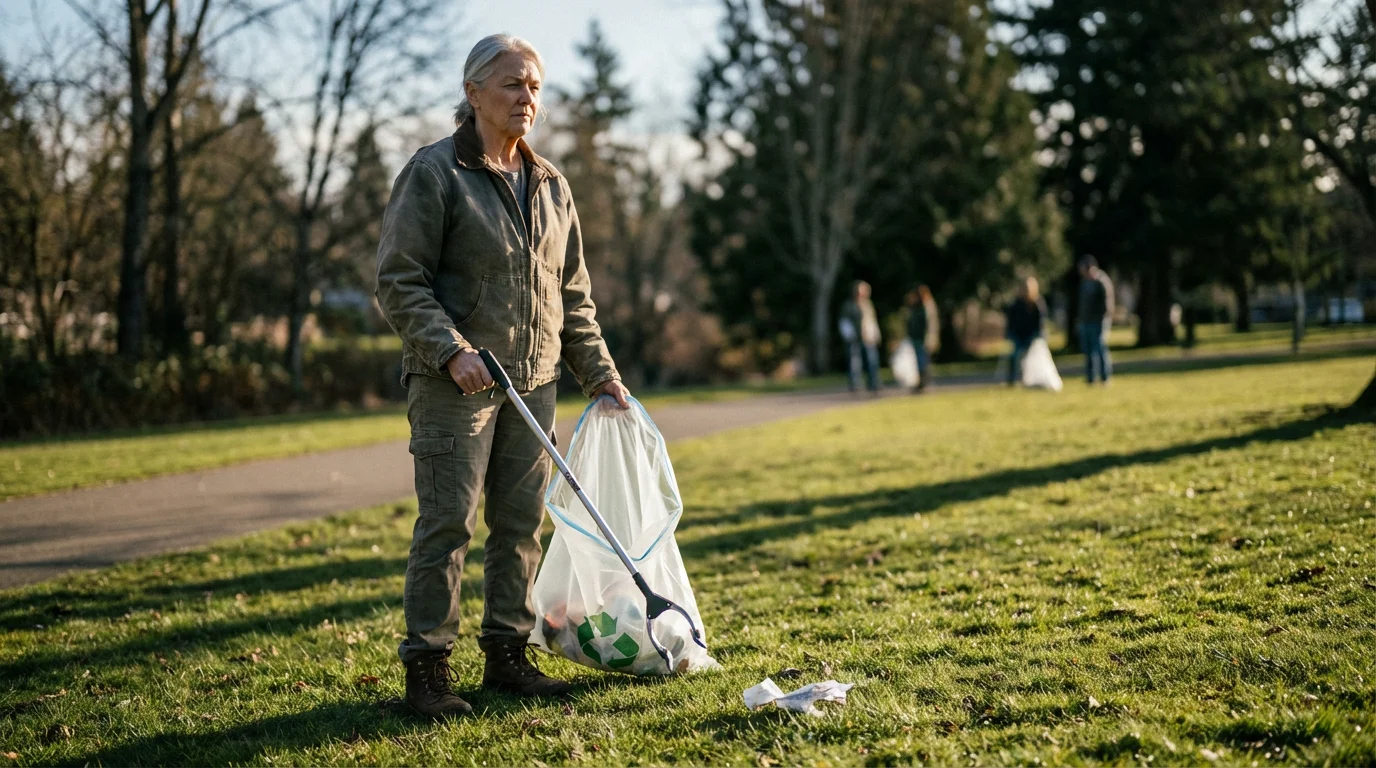
Joyce, who loved spending time outdoors, joined a local park’s “trail guardian” program. She regularly walks designated paths, reporting maintenance needs, picking up litter, and educating visitors about local flora and fauna. Her efforts directly contribute to the preservation of natural beauty, enhancing the park experience for everyone. She often shares that her volunteer work keeps her physically active and deeply connected to nature.
These vignettes illustrate that your contribution, regardless of its form, holds significant value. Whether you are leading, supporting, or simply offering a kind presence, your senior volunteer efforts enrich lives and strengthen communities. You have the power to shape a more compassionate world through your dedicated service.
Frequently Asked Questions
How much time should I commit to volunteering in retirement?
The ideal time commitment varies greatly depending on your personal schedule, energy levels, and the organization’s needs. Many volunteer roles are flexible, ranging from a few hours a week or month to more intensive project-based work. It is crucial to be honest with yourself and the organization about your availability to ensure a sustainable and enjoyable experience.
Can I volunteer if I have health limitations or mobility issues?
Absolutely. Physical limitations should not be a barrier to giving back. Many organizations offer a wide array of roles that accommodate different mobility levels, including administrative tasks, phone-based outreach, or virtual volunteering from home. Clearly communicate your capabilities during the application process, and most organizations will work with you to find a suitable and fulfilling role.
Are there virtual volunteer opportunities for seniors?
Yes, virtual volunteering has expanded significantly, offering numerous opportunities to contribute from the comfort of your home. You can assist with tasks such as online tutoring, virtual mentorship, website maintenance, social media management, data entry, research, or even transcribing historical documents. Many organizations actively seek remote support, providing flexible options for senior volunteers.
What if I do not know where to start looking for volunteer opportunities?
Begin by reflecting on your passions, skills, and the causes you care about most. Then, explore online platforms like VolunteerMatch.org or Idealist.org, which allow you to search by location and interest. Contact your local senior center, library, or community organizations, as they often have lists of local needs. Do not hesitate to reach out to organizations directly, even if they do not explicitly advertise a specific role, as your unique skills may be exactly what they need.
Do I need special skills or experience to be a valuable senior volunteer?
Not at all. While specialized skills are often welcome, many volunteer positions require only a willingness to help, a positive attitude, and reliability. Your life experience, common sense, empathy, and ability to connect with others are invaluable assets. Basic training is often provided, allowing you to learn new skills as you contribute to a cause you care about.
Disclaimer: This article is for informational and inspirational purposes. Life decisions are deeply personal, and we encourage readers to consult with appropriate professionals—whether healthcare providers, counselors, or financial advisors—for guidance specific to their circumstances.







Leave a Reply