

As you navigate your golden years, life presents new opportunities for reflection, growth, and profound joy. Many seek deeper meaning and sustained happiness in retirement. This pursuit often leads to a simple yet powerful practice: gratitude. Cultivating gratitude transforms your perspective, enhances your well-being, and unlocks a richer, more fulfilling experience of life’s later chapters.

Embracing Gratitude: A Foundation for Flourishing Years
Gratitude is more than a fleeting emotion. It represents a conscious decision to acknowledge and appreciate the good in your life, regardless of its size or complexity. This fundamental shift in focus profoundly impacts your overall outlook, transforming how you experience each day.
For individuals in retirement, embracing gratitude becomes a cornerstone of `positive thinking` and enduring `retirement happiness`. It redirects attention from what may be lost or limited to the abundance that remains and grows. This intentional appreciation nurtures a spirit of contentment and peace.
Consider the myriad experiences you have gathered throughout your life. Each memory, each relationship, each moment of quiet beauty offers a unique reason for thankfulness. Recognizing these gifts actively builds a more positive internal environment, fostering resilience and joy.

The Science of Thankfulness: Why Gratitude Transforms Your Well-being
The benefits of gratitude extend far beyond a pleasant feeling. Scientific research consistently demonstrates its powerful impact on both mental and physical health. Practicing gratitude regularly can lead to measurable improvements in your overall quality of life.
Deepening your awareness through mindfulness for graceful aging can further amplify these physiological and emotional benefits.
Studies indicate that grateful individuals often report higher levels of positive emotions, increased alertness, and enhanced optimism. They also experience stronger immune systems, lower blood pressure, and improved sleep quality. These physiological benefits underscore gratitude’s role in promoting holistic well-being.
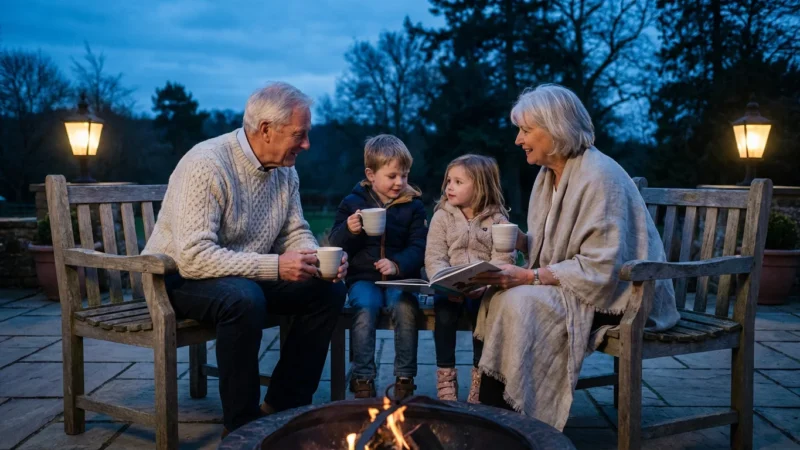
Furthermore, gratitude strengthens social bonds. When you express thankfulness, you not only uplift yourself but also foster deeper connections with others. This relational enrichment contributes significantly to `retirement happiness`, building a supportive network around you.
“The afternoon knows what the morning never suspected.” — Robert Frost
This timeless wisdom reminds us that with age comes perspective, offering new insights and opportunities for appreciation. You possess the unique advantage of hindsight, allowing you to recognize blessings that might have been overlooked in earlier, busier stages of life.

Cultivating a Gratitude Mindset: Shifting Your Perspective
Developing a grateful mindset requires intentionality and consistent effort. It involves consciously training your mind to seek out and appreciate the positive aspects of your daily existence. This shift in perspective fundamentally alters how you interact with the world around you.
This perspective is often enriched by the benefits of lifelong learning in retirement, which keeps the mind curious and appreciative of new knowledge.
By seeking beauty even in the mundane, you continue rediscovering your passions and living with intentionality.
You can begin by challenging negative thought patterns. When a challenging thought arises, actively seek a counterbalancing positive element. This does not mean ignoring difficulties, but rather choosing where to place your primary mental energy. Over time, this practice makes gratitude a more natural response.
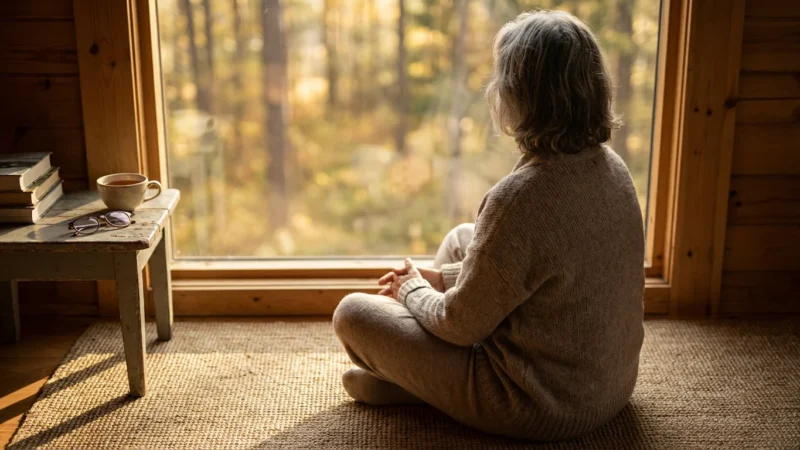
Focus on the present moment. Many sources of joy reside in simple, everyday occurrences. The warmth of the sun, a delicious meal, a kind word from a stranger, or the beauty of nature outside your window all offer opportunities for `gratitude`. By slowing down and observing, you unlock these hidden treasures.
Consider these questions to help shift your perspective:
- What simple pleasure did you experience today that brought a smile to your face?
- Who in your life made a positive difference, however small, in the past week?
- What skills or abilities do you possess that you often take for granted?
- What challenges have you overcome, and what strength did that reveal within you?
- What aspects of your daily routine bring you comfort or ease?
Engaging with these questions helps illuminate the often-unseen blessings that surround you. This deliberate reflection acts as a powerful catalyst for cultivating a more grateful outlook.

How to Practice Gratitude: Daily Rituals for Lasting Joy
Implementing gratitude into your daily life moves it from an abstract concept to a tangible practice. Consistency is key; even a few minutes each day yield significant cumulative benefits. These rituals help solidify a grateful mindset and enhance your `positive thinking` routines.
Many seniors find that these rituals complement other habits of highly effective agers who focus on emotional longevity.
Here are several practical ways you can integrate gratitude into your daily life:
- Start Your Day with Thanks: Before getting out of bed, name three things you feel grateful for. These can be simple, such as a comfortable bed, the promise of a new day, or a loved one.
- Mindful Moments: Throughout the day, pause and consciously acknowledge something you appreciate. This might be a warm cup of tea, a beautiful piece of music, or a moment of quiet solitude.
- Express Appreciation to Others: Make it a point to thank someone verbally or with a note. This could be a family member, a friend, a neighbor, or someone who provides a service to you.
- Use Affirmations: Incorporate gratitude-focused affirmations into your routine. Phrases like “I am grateful for all the good in my life” can reinforce positive beliefs.
- Gratitude Walk: As you take a walk, intentionally look for things to appreciate: the trees, the sky, the sounds, the feeling of movement. This turns a simple activity into a meditative practice.
These practices are not about ignoring life’s difficulties. Instead, they equip you with a powerful tool to navigate challenges with greater resilience and a more hopeful outlook. You actively choose to focus on abundance rather than scarcity.

Creating a Gratitude Journal: Your Personal Treasury of Thanks
`Creating a gratitude journal` stands as one of the most effective and enduring ways to cultivate thankfulness. This simple yet profound practice provides a dedicated space for you to record and reflect upon the blessings in your life. It becomes a tangible record of your growing appreciation.
To begin, select a notebook that inspires you. It does not need to be fancy; comfort and accessibility are most important. Dedicate a specific time each day or week to write in it. This consistent ritual helps establish the habit and reinforces your commitment to `how to practice gratitude` effectively.
What should you write? Anything that sparks a feeling of thankfulness. Your entries might include:
- Specific events or interactions that brought you joy.
- People you are grateful for and why.
- Simple pleasures, like a favorite food, a beautiful sunset, or a comfortable chair.
- Personal strengths, talents, or accomplishments you appreciate.
- Lessons learned from challenges.
- Anticipation of positive future events.
The act of physically writing helps solidify these positive thoughts and emotions. As you look back through your journal, you will discover a rich tapestry of blessings, a powerful reminder of life’s goodness. This review process itself becomes a renewed source of `retirement happiness`.
For additional inspiration, consider prompts such as: “What sound made me smile today?” or “What small act of kindness did I witness?” Such specific inquiries can help you uncover even subtle reasons for `gratitude`.

Expanding Your Gratitude: Beyond the Journal
While a gratitude journal serves as an excellent foundation, expanding your practice beyond personal reflection enriches your life and strengthens your connections. Gratitude thrives when shared and expressed in diverse ways. This broader application reinforces `positive thinking` in all your interactions.
In addition to acts of service, incorporating laughter therapy into your social life can be another joyful expression of a grateful heart.
Exploring these outer expressions of thanks can also lead to finding your ikigai, helping you define a deeper sense of purpose.
Consider expressing your gratitude verbally more often. A genuine “thank you” can brighten someone’s day and reinforce your appreciation. Write letters or send cards to individuals who have made a lasting impact on your life, detailing your specific thanks. These gestures create profound connections.
You can also express `gratitude` through acts of service. Volunteering your time or talents in a way that gives back to your community allows you to appreciate your own capabilities while helping others. Organizations like AARP offer numerous opportunities for older adults to engage in meaningful service, turning gratitude into action. Research from Stanford’s Center on Longevity highlights the importance of social engagement for well-being in later life, and acts of gratitude naturally foster such engagement.
Mindful appreciation forms another powerful extension of gratitude. This involves fully immersing yourself in experiences, savoring each moment with heightened awareness. Whether it is enjoying a meal, listening to music, or spending time in nature, conscious appreciation amplifies your sense of blessing and contentment.
Gratitude in Challenging Times: Finding Light Amidst Shadows
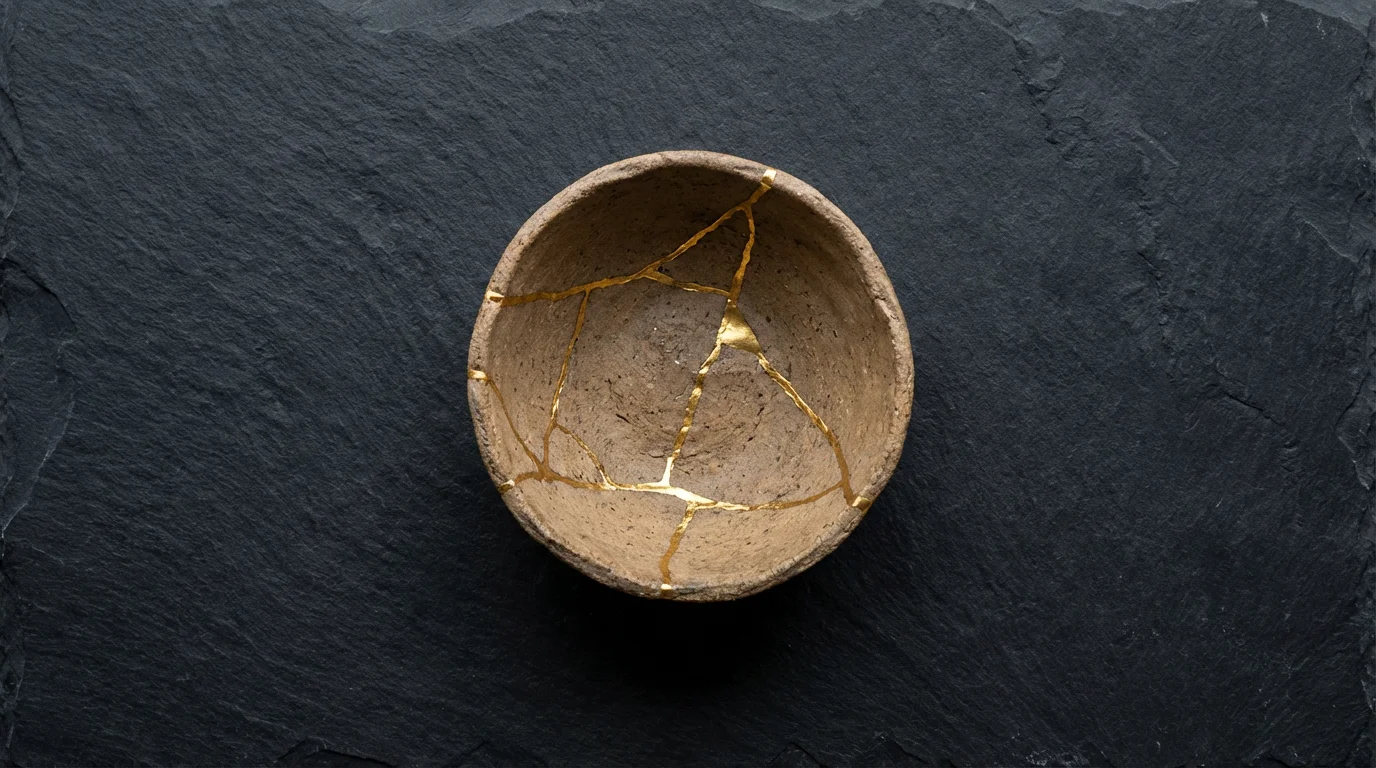
Life, even in retirement, inevitably presents its share of difficulties. Illness, loss, or unexpected changes can cast shadows. During these periods, practicing `gratitude` might feel counterintuitive, yet it becomes even more vital for maintaining resilience and `retirement happiness`.
Gratitude does not imply ignoring pain or pretending problems do not exist. Instead, it offers a pathway to acknowledge the difficulties while still recognizing glimmers of light. It allows you to find strength in what remains, rather than solely dwelling on what is lost.
During tough times, consider focusing on:
- Lessons Learned: Every challenge carries potential for growth and insight. What wisdom has this experience offered?
- Support Systems: Who has stood by you? Acknowledge the comfort and assistance provided by friends, family, or caregivers.
- Resilience Within: Recognize your own strength and capacity to navigate adversity. Celebrate your ability to endure.
- Small Mercies: Even in the darkest moments, small comforts often persist. A warm blanket, a ray of sunshine, a moment of peace.
This approach fosters resilience, helping you move through difficult periods with greater grace and inner strength. It empowers you to find hope and continue your journey towards sustained `positive thinking`.
The Ripple Effect: Gratitude and Community Well-being
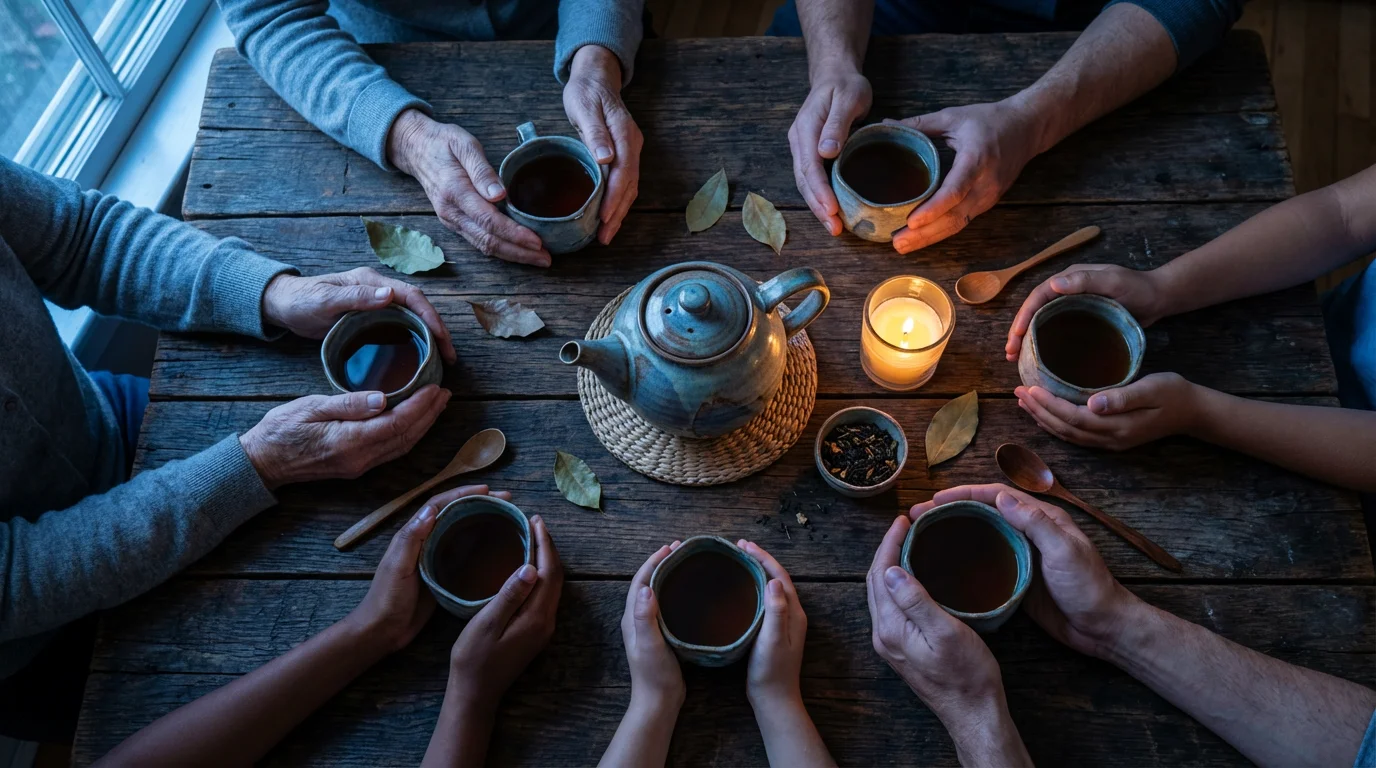
Your personal practice of gratitude extends far beyond your individual experience. It creates a powerful ripple effect, positively influencing your relationships, your community, and even your legacy. A grateful heart contributes to a more compassionate and connected world, especially in a vibrant retirement community.
When you express gratitude, you inspire it in others. Your genuine appreciation can motivate friends, family members, and acquaintances to look for the good in their own lives. This collective `positive thinking` fosters environments of mutual support and joy.
Consider how your grateful perspective influences your interactions. You become a source of encouragement and optimism, drawing others toward you and enriching your social fabric. Strong social connections are a well-documented factor in healthy aging, as highlighted by organizations like the National Institute on Aging.
As you live a life infused with `gratitude`, you leave a legacy of positivity and grace. Your example demonstrates that age is a time for flourishing, contributing, and finding profound joy in the simple, everyday moments. This becomes a testament to the beauty of living a purposeful and intentional life.
Frequently Asked Questions
Is gratitude just about ignoring problems?
No, gratitude is not about denying or ignoring life’s challenges. It involves acknowledging difficulties while consciously choosing to focus on the positive aspects, blessings, and lessons learned. This balanced perspective builds resilience and helps you navigate hardships with greater strength and hope.
How long does it take to feel the benefits of practicing gratitude?
Many individuals report feeling an immediate shift in mood and perspective when they begin practicing gratitude consistently. However, the deeper, more profound benefits, such as improved well-being and reduced stress, typically develop over several weeks or months of regular practice. Consistency is key.
What if I find it hard to feel grateful sometimes?
It is entirely normal to have days when `gratitude` feels challenging. During these times, start with very small things, such as the ability to breathe, a comfortable seat, or a warm drink. Do not force grand feelings; simply acknowledge what you can, however small. Persistence through these moments strengthens your gratitude muscle.
Can gratitude help with feelings of loneliness in retirement?
Yes, gratitude can significantly help. Expressing thanks to others strengthens relationships, and a grateful mindset makes you more open to connecting. Focusing on existing relationships and appreciating the people in your life can reduce feelings of isolation. `Positive thinking` naturally draws others towards you.
Are there any specific exercises to deepen my gratitude practice beyond journaling?
Beyond journaling, you can practice daily gratitude walks, write thank-you notes, engage in mindful appreciation of sensory experiences (like taste or sound), or participate in acts of kindness for others. These diverse methods reinforce your appreciation and spread its positive effects.
Disclaimer: This article is for informational and inspirational purposes. Life decisions are deeply personal, and we encourage readers to consult with appropriate professionals—whether healthcare providers, counselors, or financial advisors—for guidance specific to their circumstances.




Leave a Reply