

Retirement marks a profound transition, a new chapter brimming with possibility and purpose. For many, it presents an unparalleled opportunity to explore, to learn, and to reconnect with the very essence of what brings joy. You have earned this time, and it offers a chance to redefine what a fulfilling life means to you, free from the daily demands of a career.
Embracing these golden years with intention means looking beyond simply resting. It involves actively seeking out and nurturing the activities, curiosities, and connections that ignite your spirit. This journey of rediscovery can lead to profound personal growth, enriching your life in ways you might not have imagined. It is a time for graceful living, for dignity, and for embracing a vibrant future.
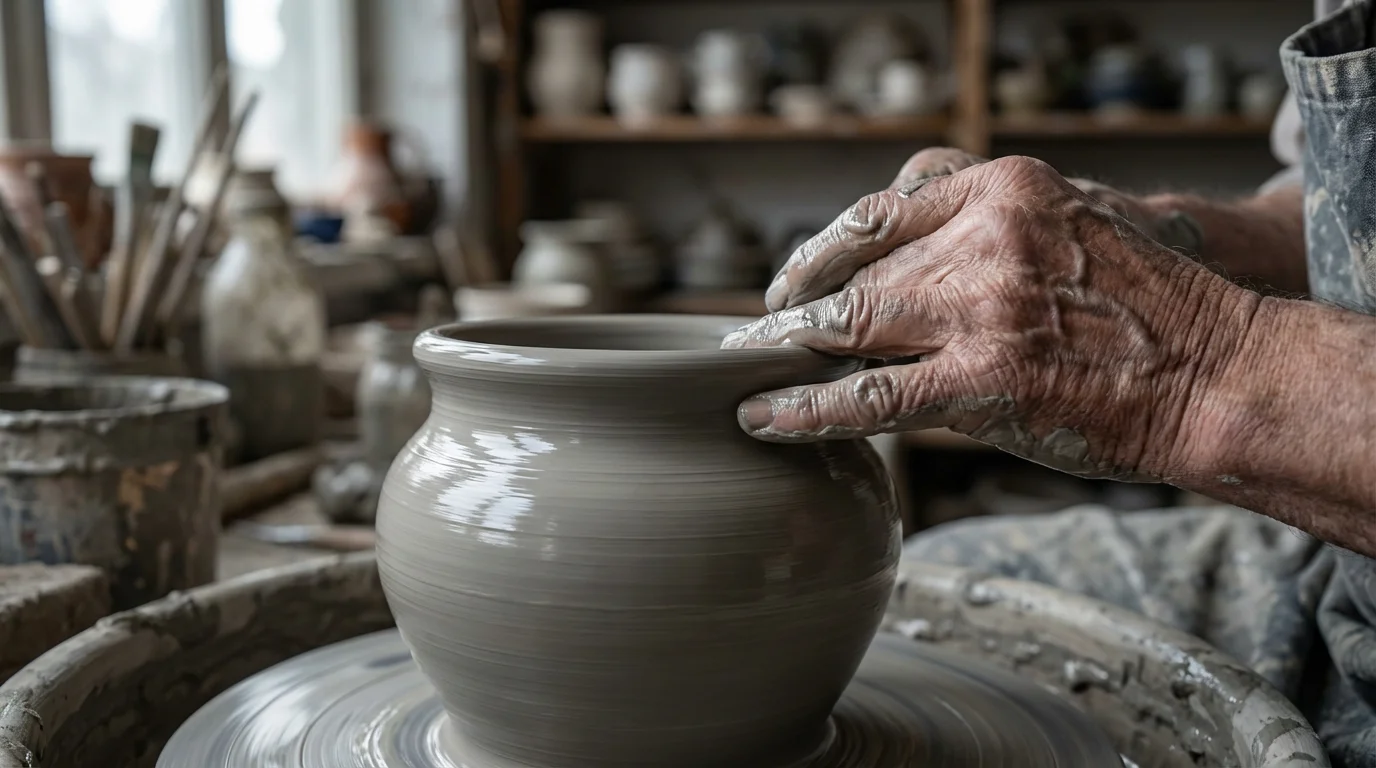
The Transformative Power of Passions in Retirement
Your retirement years are a precious gift, offering extended time for pursuits that genuinely move you. Engaging in what you love does more than fill your days, it actively contributes to your overall well-being. Research consistently demonstrates a strong link between purposeful engagement and improved health outcomes, including enhanced cognitive function and greater longevity.
Embracing `new interests` or rekindling `retirement hobbies` provides a powerful antidote to feelings of stagnation. It fosters a sense of purpose, gives structure to your days, and fuels your innate human desire for learning and connection. This is not merely about staying busy, it is about cultivating a rich, meaningful existence that continues to evolve.
“Age is an issue of mind over matter. If you don’t mind, it doesn’t matter.” — Mark Twain
Consider the profound impact purposeful activity has on your mental and physical vitality. When you feel passionate about something, your brain remains stimulated, your social circle often expands, and your physical activity may increase. This holistic engagement creates a virtuous cycle of positive reinforcement, enriching every aspect of your life.

Navigating the Landscape of Self-Discovery
The first step in rediscovering your passions involves introspection and honest self-assessment. Many people have spent decades focused on career responsibilities and family obligations. Now, you have the freedom to turn that focus inward and ask yourself what truly resonates.
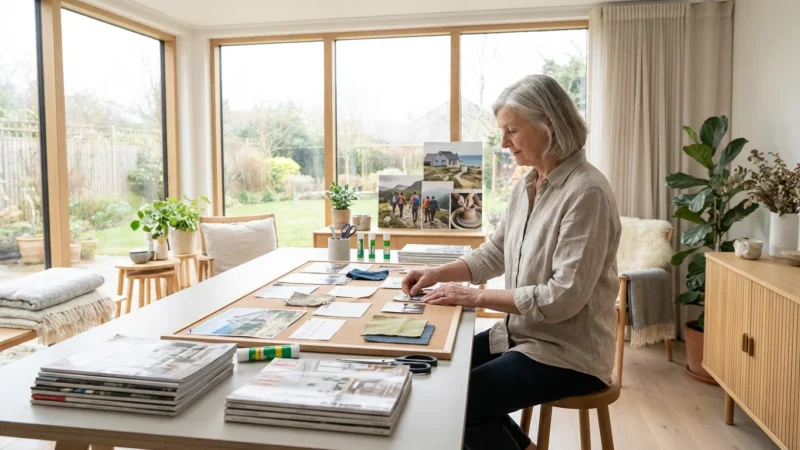
Begin by reflecting on your life experiences, both past and present. What activities brought you joy as a child, a young adult, or even during brief respites from work? Often, these forgotten interests hold clues to deeper desires that still lie within you. Allow yourself the grace of exploration without judgment.
Ask yourself these reflective questions to begin your journey:
- What topics make you lose track of time when reading or learning?
- Which skills have you always wanted to acquire or improve?
- What problems in your community or the world stir your desire to help?
- Where do you feel most at peace or most alive?
- Are there places you long to visit, skills you yearn to master, or stories you wish to tell?
This period of thoughtful introspection lays the groundwork for identifying genuine `new interests` rather than simply filling time. It allows you to align your chosen activities with your authentic self and your values.
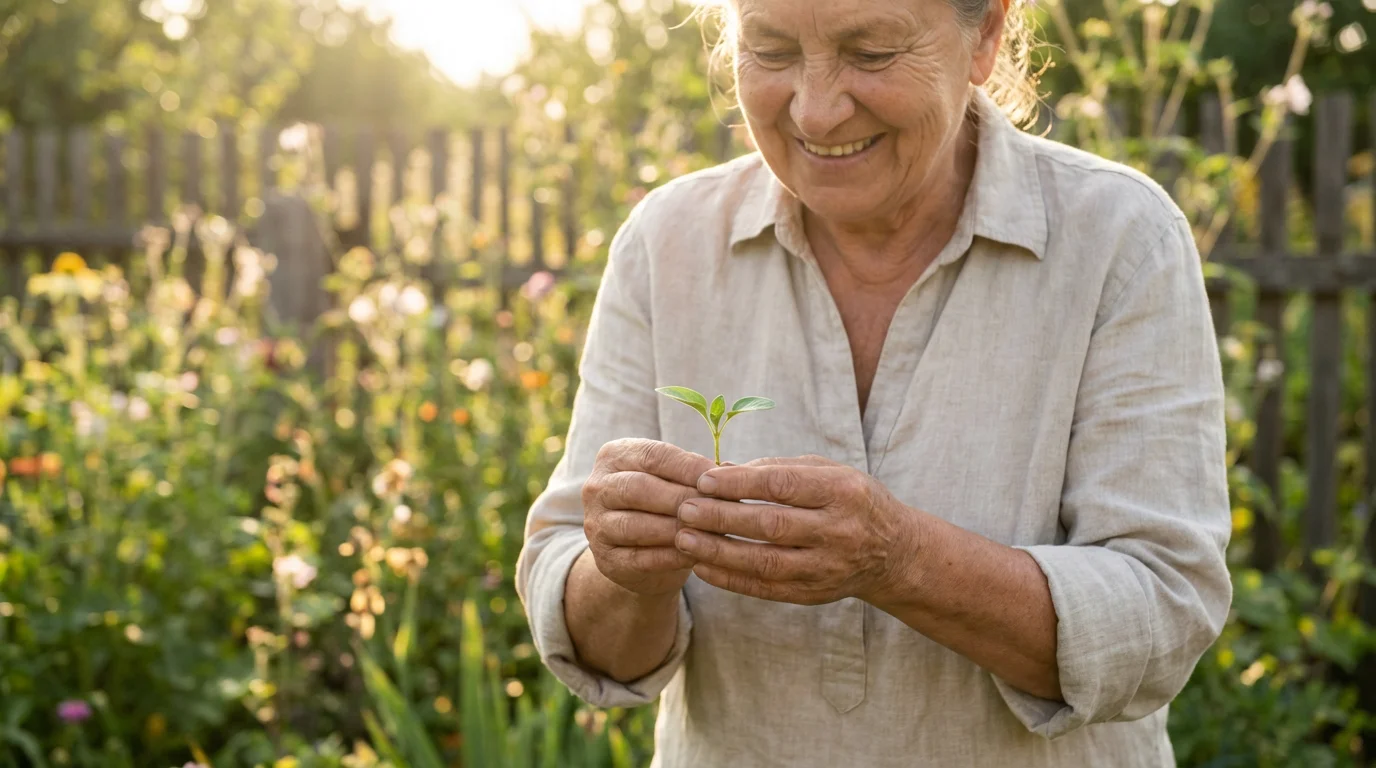
Practical Pathways to Uncovering New Interests
Once you have spent time in reflection, it is time to translate those insights into action. The world offers a vast array of possibilities for you to `explore passions in retirement`. Start small, experiment widely, and remain open to unexpected discoveries.
Here are several practical strategies to help you `how to find passions`:
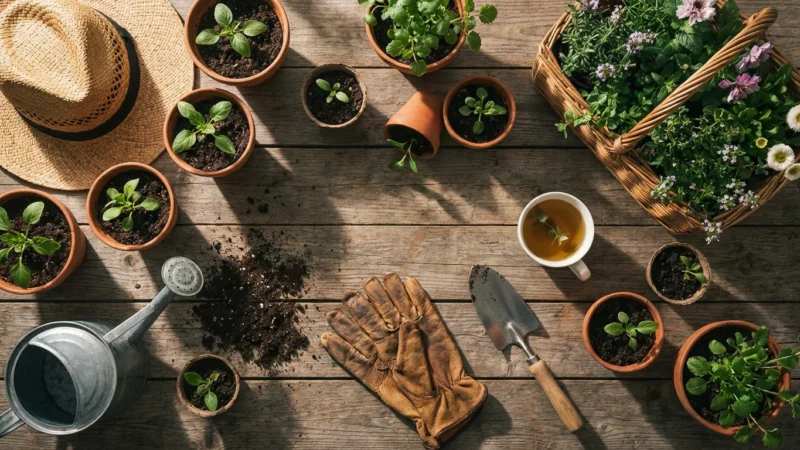
- Join local clubs or groups: Many communities offer a rich tapestry of social and interest-based organizations, from book clubs to hiking groups, garden clubs to bridge leagues. These provide ready-made opportunities to connect with like-minded individuals and try new activities in a supportive environment.
- Take a class or workshop: Adult education centers, community colleges, and online platforms offer courses in everything from pottery and painting to coding and foreign languages. Learning something entirely new can be incredibly invigorating, stimulating `personal growth` and broadening your horizons.
- Volunteer your time: Aligning your skills and interests with a cause you care about can be profoundly rewarding. Volunteer opportunities exist in myriad forms, from mentoring young people to assisting at local charities, animal shelters, or museums. This can be a powerful way to find purpose and connection.
- Embrace online learning: The internet provides an inexhaustible library of resources. Explore free online courses, documentaries, and tutorials on any subject imaginable. This low-stakes way to sample `new interests` allows you to delve deeply into topics from the comfort of your home.
- Travel with purpose: Plan trips around specific interests, such as historical tours, culinary experiences, or nature photography expeditions. Travel can expose you to different cultures, ideas, and landscapes, sparking entirely `new interests` you had not considered.
- Visit local libraries and community centers: These often host free events, lectures, and workshops on diverse subjects. They are excellent hubs for discovering what is available in your area and for making new connections.
Do not feel pressured to commit to anything long term initially. View this phase as an adventure in sampling, allowing yourself the freedom to try something, enjoy it or not, and then move on. The goal is discovery, not immediate mastery.
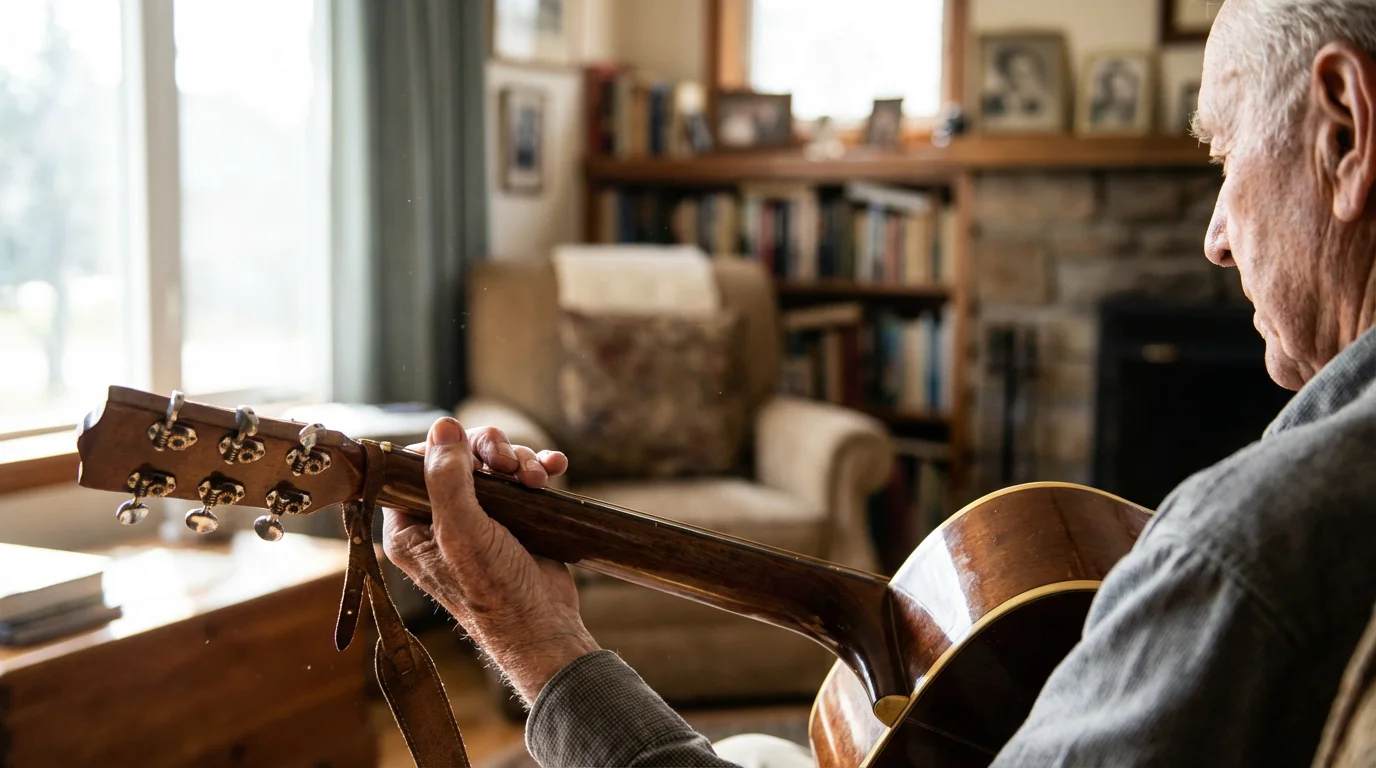
Reconnecting with Dormant Retirement Hobbies
Sometimes, the greatest discoveries lie in revisiting what you once loved. Many individuals set aside cherished `retirement hobbies` during their busy working years, promising themselves they would return to them “someday.” That someday is now.
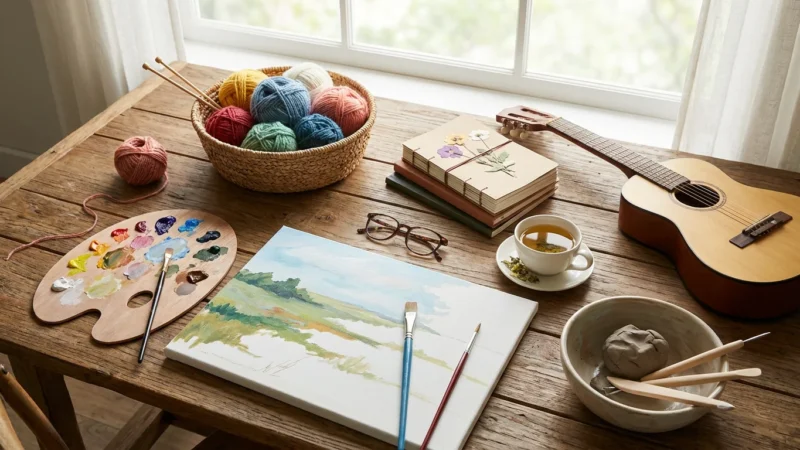
Think back to activities that once brought you immense joy and satisfaction. Did you love to paint, play an instrument, write poetry, or spend hours in a workshop? These dormant passions often require less effort to rekindle because the foundational interest already exists.
Consider the ease with which you can pick up a familiar activity. The muscle memory, the knowledge, and the inherent enjoyment are often just waiting to be reactivated. This can be a comforting and deeply satisfying path to purposeful engagement.
Steps to revive your old passions:
- Dust off old equipment: Retrieve that guitar from the attic, find your old paintbrushes, or dig out the knitting needles. Sometimes, simply having the tools visible can inspire action.
- Seek out familiar communities: If you played in a band, joined a running club, or participated in a specific craft group years ago, look for similar communities today. Technology makes it easier to find groups online or through local announcements.
- Refresh your skills: Take a refresher course or find online tutorials to brush up on forgotten techniques. You may discover new approaches and tools that enhance your experience.
- Start small: Do not feel you need to return to your previous level of proficiency immediately. Dedicate a short, consistent amount of time to the activity each week. Enjoy the process of reacquainting yourself.
This journey back to cherished `retirement hobbies` can offer a comforting blend of nostalgia and fresh discovery. It acknowledges your past self while empowering your present and future self.

Building a Life Around Your Core Desires
As you `explore passions in retirement`, you will begin to notice patterns in what truly captivates you. These patterns reveal your core desires, the underlying motivations that drive your interests. Building a life around these desires creates a deeply authentic and fulfilling retirement.
For some, a core desire might be creativity, leading to passions in art, writing, or music. For others, it might be contribution, inspiring volunteer work or mentoring. A desire for learning might lead to academic pursuits or continuous skill development. Identifying these fundamental drivers helps you make more intentional choices about how you spend your time and energy.
Consider how your chosen passions align with your values. If community and connection are important to you, a solitary hobby might be balanced by participation in a group activity. If independence and mastery are key, then individual projects where you can develop expertise might be more appealing.
By consciously integrating your passions into the fabric of your daily life, you cultivate a sense of agency and joy. Your days become filled not just with activities, but with meaningful engagements that reflect who you are and what you care about. This intentional approach to `personal growth` defines a graceful retirement.

Overcoming Obstacles to Personal Growth
The path to rediscovering passions is not always linear. You may encounter challenges, from self-doubt to practical limitations. Recognizing and addressing these obstacles actively will help you stay on course.
Common hurdles include:
- Fear of failure or judgment: Many adults hesitate to try new things because they fear they will not be good at them or that others will judge their attempts. Remind yourself that the goal is enjoyment and discovery, not perfection. Embrace the beginner’s mindset.
- Lack of confidence: Years of focusing on work can sometimes diminish confidence in non-work related skills. Start with small, manageable steps to rebuild your self-assurance. Every small success builds momentum.
- Time management: While retirement offers more time, it can also lead to a new kind of busyness. Intentionally schedule time for your passions, treating them with the same importance as other commitments.
- Financial constraints: Some hobbies can be costly. Explore free or low-cost alternatives. Libraries, community centers, and online resources offer many free learning opportunities. Consider bartering skills or sharing resources with others.
- Physical limitations: As we age, physical abilities may change. Adapt your chosen activities to suit your current capabilities. If you loved hiking, explore gentler trails or switch to nature photography. Many passions can be modified to remain accessible.
- Social isolation: If you find yourself isolated, actively seek out groups or classes that foster social interaction. Many `retirement hobbies` are inherently social and can help you build new friendships.
Remember, `personal growth` is a continuous process. Be patient and kind to yourself throughout this journey. Each obstacle overcome is a testament to your resilience and commitment to living fully.
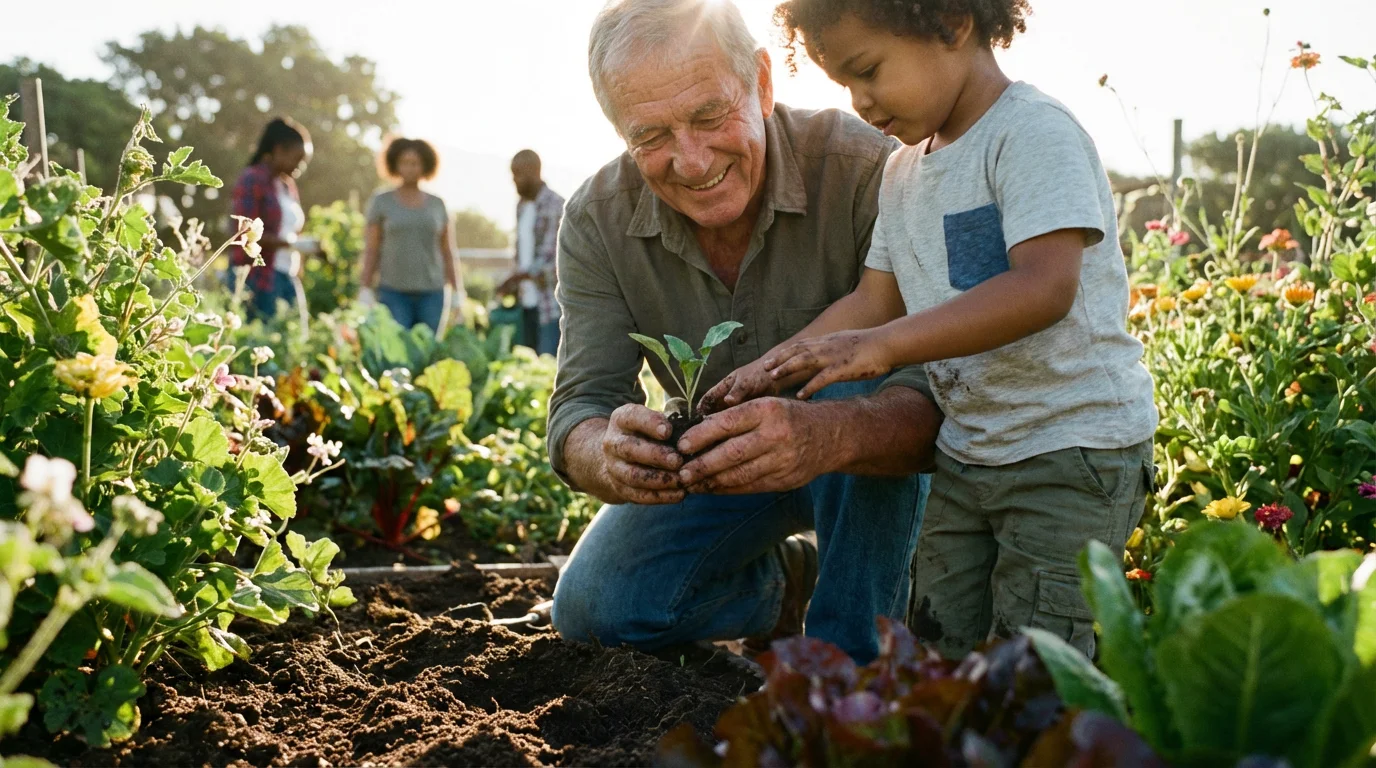
The Ripple Effect: Enriching Your Relationships and Community
Your journey of rediscovering passions extends beyond your personal fulfillment. It creates a powerful ripple effect, enriching your relationships and contributing positively to your community. Sharing your `new interests` or `retirement hobbies` can deepen existing connections and forge new ones.
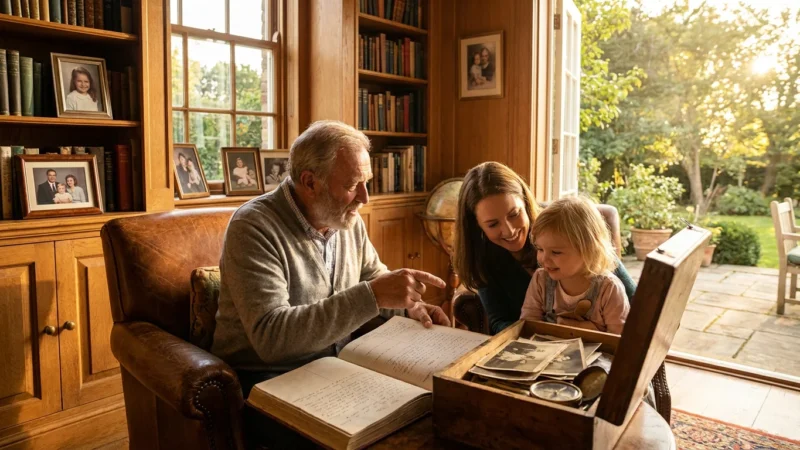
When you pursue something with enthusiasm, it becomes contagious. You inspire family and friends to explore their own interests. You also create opportunities for shared experiences, strengthening bonds and creating new memories. This is a vital component of a joyful and connected retirement.
Furthermore, many passions naturally lead to community engagement. Whether you are volunteering for a cause, participating in a local art show, or teaching a skill, your contributions make a difference. This engagement fosters a sense of belonging and validates the wisdom and experience you bring.
The Stanford Center on Longevity emphasizes the importance of social engagement for well-being in later life. Actively pursuing your passions often places you in social settings, naturally expanding your network and strengthening your ties to the world around you. This is a beautiful aspect of `how to find passions` in your later years.
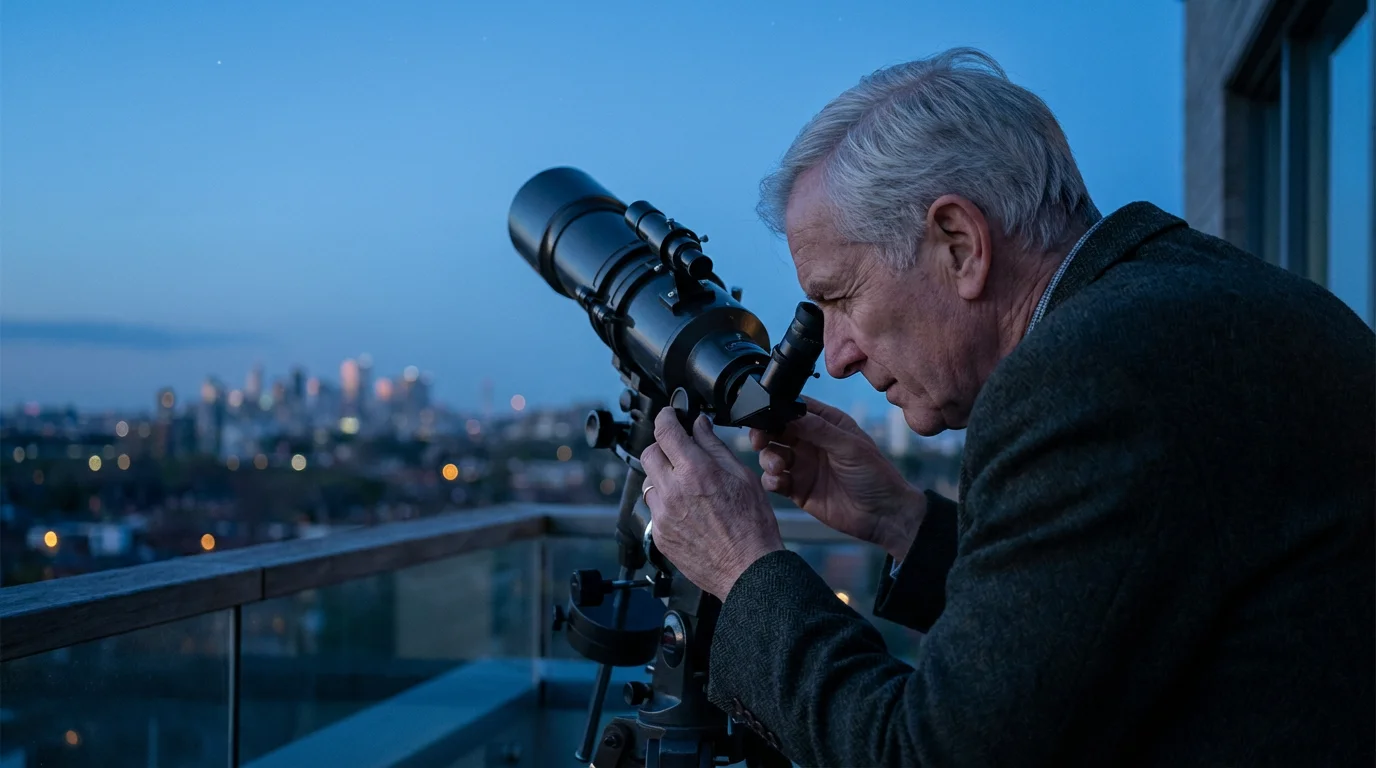
Sustaining Your Journey of Exploration
Rediscovering your passions is not a one-time event, it is an ongoing journey of `personal growth`. As you evolve, so too will your interests. Embrace this fluidity and allow yourself the freedom to continue exploring, learning, and adapting.
To sustain this vibrant engagement, regularly check in with yourself. Are your current pursuits still bringing you joy and meaning? Are there new curiosities emerging that you wish to explore? The beauty of retirement is the flexibility it offers to pivot and pursue new avenues whenever inspiration strikes.
Cultivate a mindset of lifelong learning and curiosity. Read widely, engage in thoughtful conversations, and remain open to new experiences. The world is constantly changing, and there is always something new to learn or a different perspective to consider. This sustained engagement is the hallmark of a truly graceful retirement.
Your golden years offer an extraordinary canvas. Paint it with the colors of your passions, your curiosity, and your unwavering desire for growth. This is your time to live your fullest, most authentic life.
Frequently Asked Questions
Is it too late to find new passions in retirement?
It is never too late to discover `new interests` or rekindle `retirement hobbies`. Your retirement years offer a unique opportunity with increased time and freedom to explore. Many individuals find their most fulfilling passions later in life, proving that age is truly just a number when it comes to personal growth.
How can I find passions if I feel completely uninspired?
Start by observing what captivates your attention, even briefly. What do you enjoy watching, reading, or discussing? Consider activities from your past that brought joy. Experiment with low-commitment options like a single workshop or a free online course. Sometimes, inspiration emerges through action rather than waiting for it to strike first.
What if my family or friends do not support my new interests?
While support is wonderful, your journey of `personal growth` is primarily for your own well-being. Share your excitement, but also understand that your passions do not require external validation. Seek out communities or groups that share your `new interests` to build a supportive network. Focus on the joy and meaning these activities bring to your life.
Should I focus on one passion or try many things?
Both approaches have merit. Early in your retirement, `explore passions in retirement` broadly to discover what truly resonates. As you gain clarity, you might choose to deepen your engagement with one or two key passions, or you might continue to enjoy a diverse array of interests. The best approach is the one that brings you the most fulfillment and joy.
Disclaimer: This article is for informational and inspirational purposes. Life decisions are deeply personal, and we encourage readers to consult with appropriate professionals—whether healthcare providers, counselors, or financial advisors—for guidance specific to their circumstances.


Leave a Reply