Life’s later chapters offer a beautiful canvas for continued growth, discovery, and joyful living. Maintaining your independence and vitality allows you to fully embrace these years. Prioritizing your physical safety, especially when it comes to preventing falls, becomes a cornerstone of this graceful journey.
You hold the power to create an environment and lifestyle that supports your stability. This guide offers practical strategies and thoughtful insights to help you navigate your world with confidence and peace of mind. Let us explore together how you can prevent falls and safeguard your vibrant future.
Understanding the Path to Greater Stability
Embracing your golden years means valuing proactive measures that sustain your well-being. Thinking about fall prevention is not about admitting vulnerability. Instead, it demonstrates a wise commitment to living fully and independently for many years to come. Falls are a significant concern, but they are not an inevitable part of aging.
Many falls are preventable through a combination of awareness, environmental adjustments, and personal strengthening. You empower yourself by understanding the factors that contribute to instability. This understanding allows you to take deliberate steps towards greater safety.
“Age is an issue of mind over matter. If you don’t mind, it doesn’t matter.” — Mark Twain
Consider how small changes can yield significant benefits. Each proactive choice you make contributes to a more secure and confident daily life. Your journey toward enhanced stability begins with informed action and a positive outlook.
Assessing Your Home for Hidden Hazards
Your home should be a sanctuary, a place of comfort and safety. Unfortunately, it can also harbor subtle hazards that increase the risk of falls. Taking a systematic approach to evaluating your living space is a crucial step in fall prevention. You can transform potential dangers into areas of security.
Begin by walking through each room with a keen eye, identifying common fall hazards. What might seem harmless on its own could become a tripping point under different circumstances. Many organizations, including the National Council on Aging, offer comprehensive checklists to assist with home safety assessments, guiding you to make your environment safer. You can visit their website, NCOA.org, for valuable resources on fall prevention.
Consider these specific areas as you conduct your personal home safety audit:
- Clear Pathways: Ensure all walkways remain free from clutter. Remove stacks of magazines, loose papers, or decorative items that could cause you to stumble. Rearrange furniture if it obstructs natural movement paths.
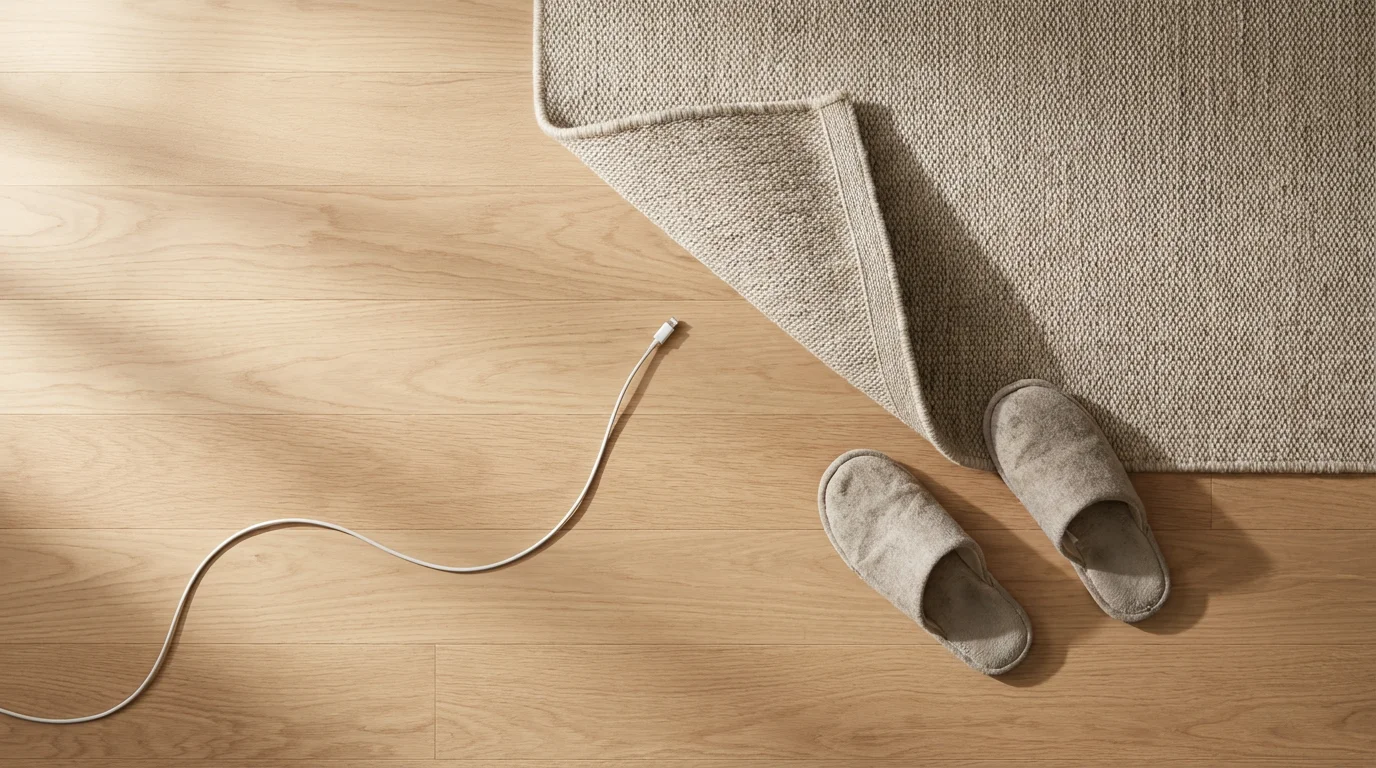
- Secure Rugs and Carpeting: Address any throw rugs or area carpets that slip or have curled edges. Use non-slip backing or remove them entirely. Repair or replace loose carpeting to eliminate uneven surfaces.
- Adequate Lighting: Confirm every room, hallway, and staircase has bright, accessible lighting. Install nightlights in bedrooms, bathrooms, and hallways. Consider motion-sensor lights for frequently used areas at night. Ensure light switches are easy to reach at room entrances.
- Staircase Safety: Install sturdy handrails on both sides of staircases. Ensure steps have clear visibility and are free of obstacles. Mark the edges of steps with contrasting colors if visibility is poor.
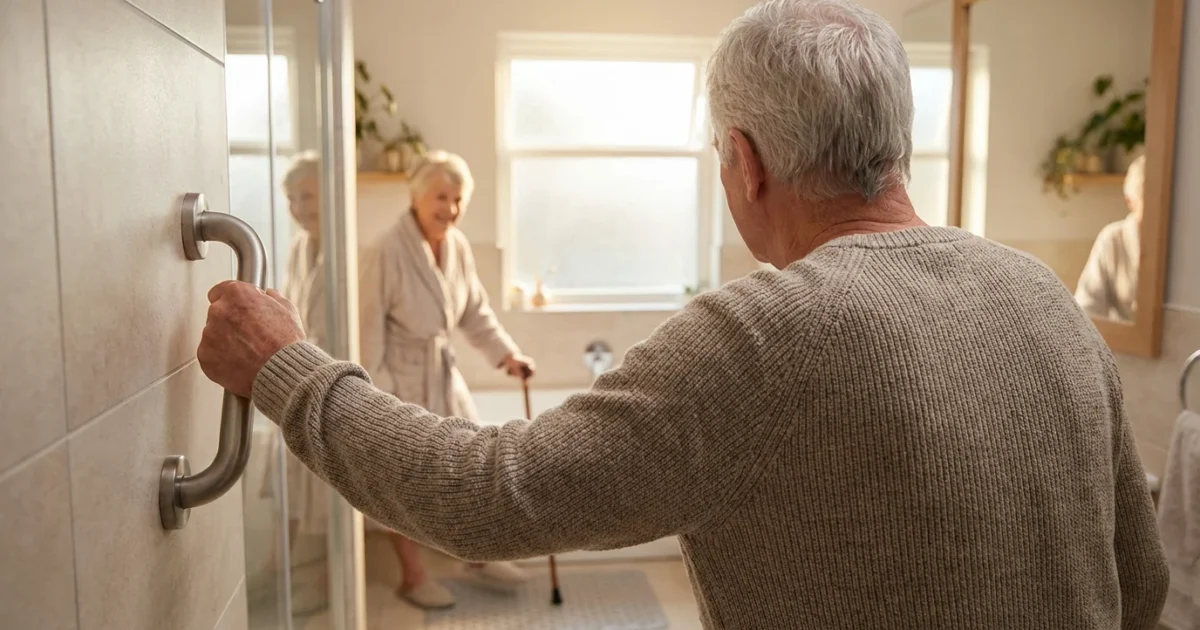
- Bathroom Modifications: Install grab bars near toilets and in the shower or bathtub. Use non-slip mats inside and outside the shower. Consider a raised toilet seat or shower chair if needed. Ensure the shower floor is not slippery.
- Cord Management: Gather and secure electrical and telephone cords away from traffic areas. Use cord covers or tape them along baseboards. Avoid running cords across doorways or under rugs.
- Accessible Storage: Keep frequently used items within easy reach to avoid excessive bending or reaching. Use step stools with sturdy handrails if you need to access higher shelves, but do so with caution.
This thoughtful inspection creates a foundation of safety within your own four walls. You empower yourself by making these intentional changes. A safe home environment significantly reduces your risk of falls, allowing you to move freely and confidently within your personal haven.
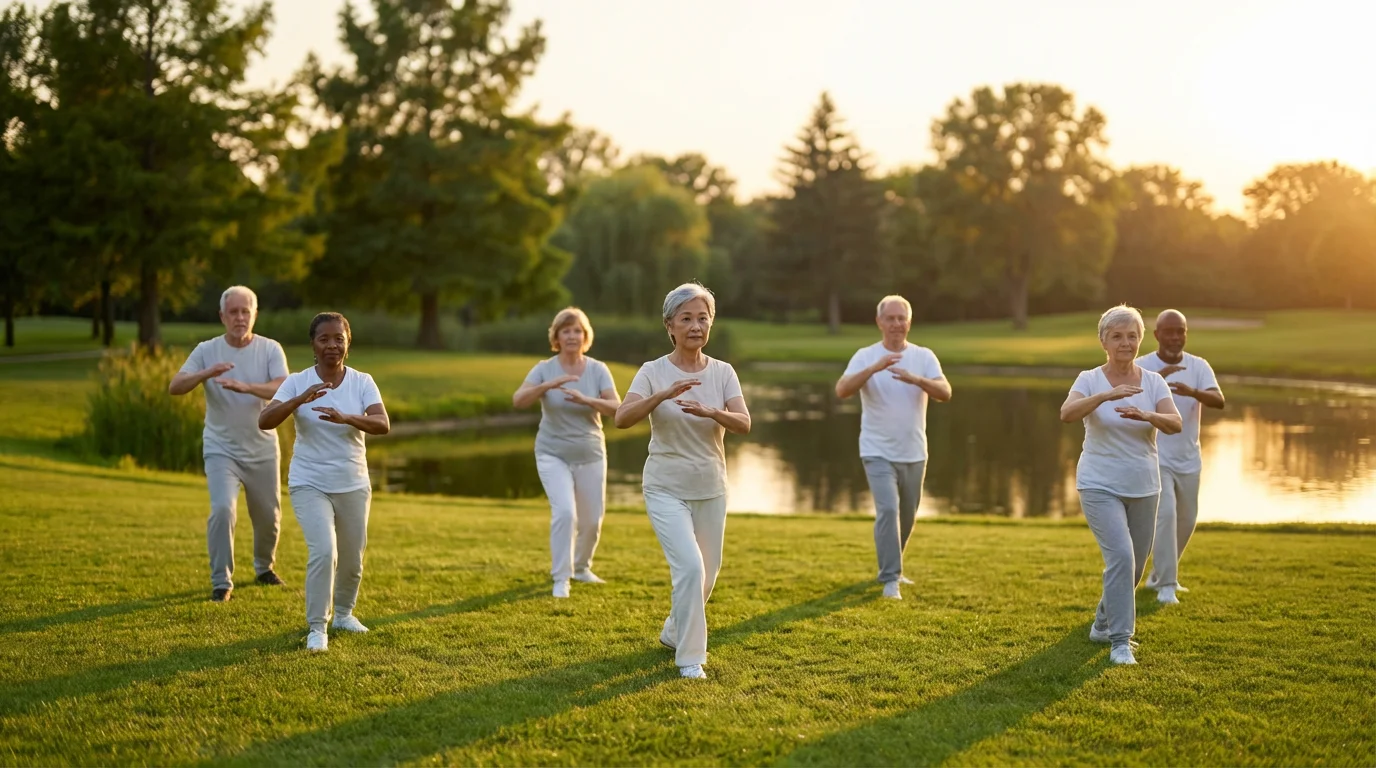
Strengthening Your Foundation: Balance and Movement
Your physical strength and balance play a pivotal role in preventing falls. Just as you maintain a beautiful garden, you can cultivate your body’s capabilities through consistent, gentle effort. Engaging in regular physical activity, especially exercises designed to improve balance, strengthens your core and enhances your stability. You maintain a resilient physical foundation.
Always consult your doctor before starting any new exercise regimen to ensure it aligns with your health needs. A physical therapist can also provide personalized guidance and demonstrate proper techniques. They can help you develop a routine tailored to your specific abilities and goals.
Consider incorporating these types of activities into your weekly routine:
- Tai Chi: This ancient Chinese practice features slow, gentle movements and deep breathing. Tai Chi enhances balance, flexibility, and muscle strength. Many community centers offer classes specifically for older adults.
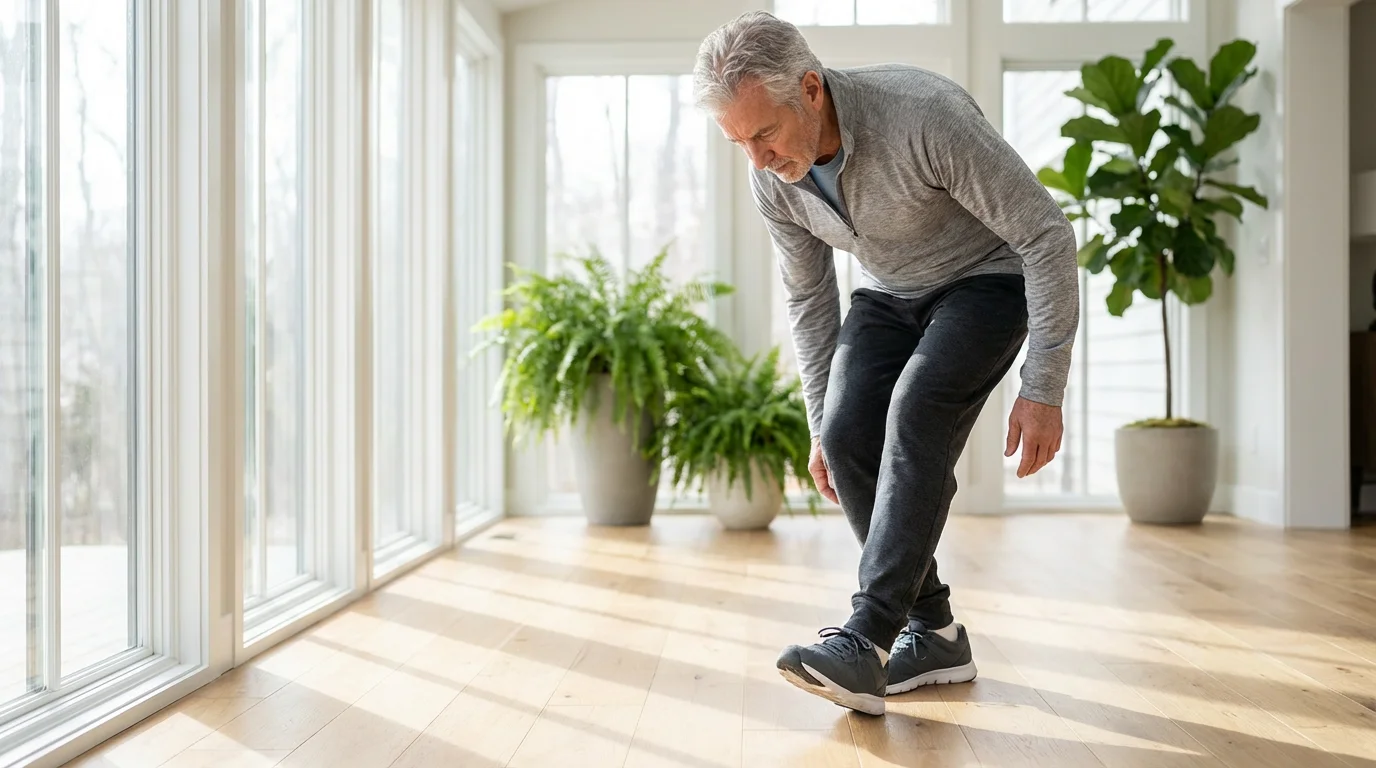
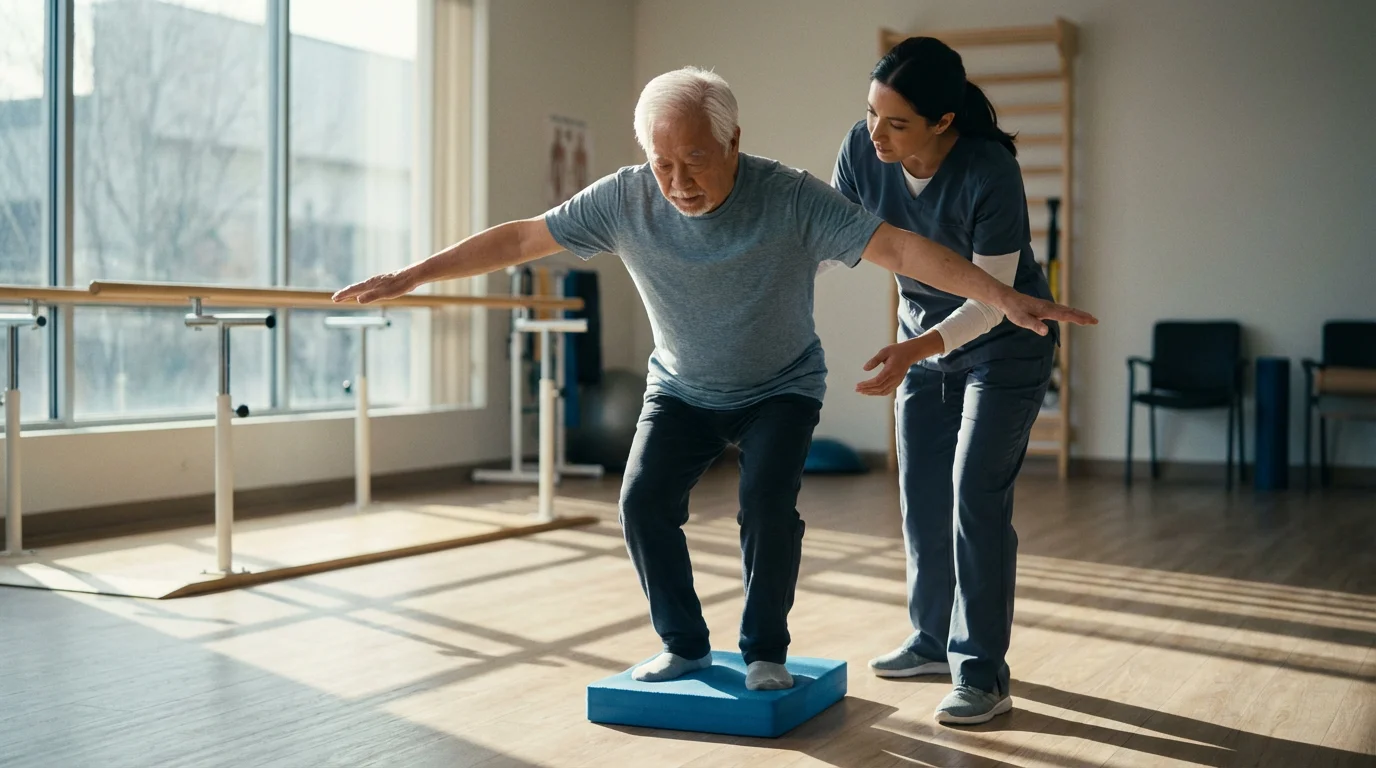
- Balance Exercises: Simple balance drills, such as standing on one foot or walking heel-to-toe, improve proprioception. This is your body’s awareness of its position in space. Perform these near a sturdy support, like a counter or wall, initially.
- Strength Training: Using light weights, resistance bands, or even your own body weight builds muscle mass. Stronger legs, core, and arms contribute directly to better stability and the ability to recover from a stumble. Focus on exercises for the lower body and core.
- Flexibility Exercises: Stretching improves your range of motion and keeps your muscles pliable. Increased flexibility allows for smoother movements and reduces stiffness. This can prevent awkward postures that might lead to a fall.
- Walking: Regular brisk walking maintains cardiovascular health and strengthens your leg muscles. It also improves your overall endurance. Ensure you wear supportive, well-fitting shoes.
Consistency is key. Even short, daily sessions contribute significantly to your strength and balance over time. You are investing in your long-term mobility and independence with every step you take. This commitment to physical well-being fosters a profound sense of self-reliance and grace.
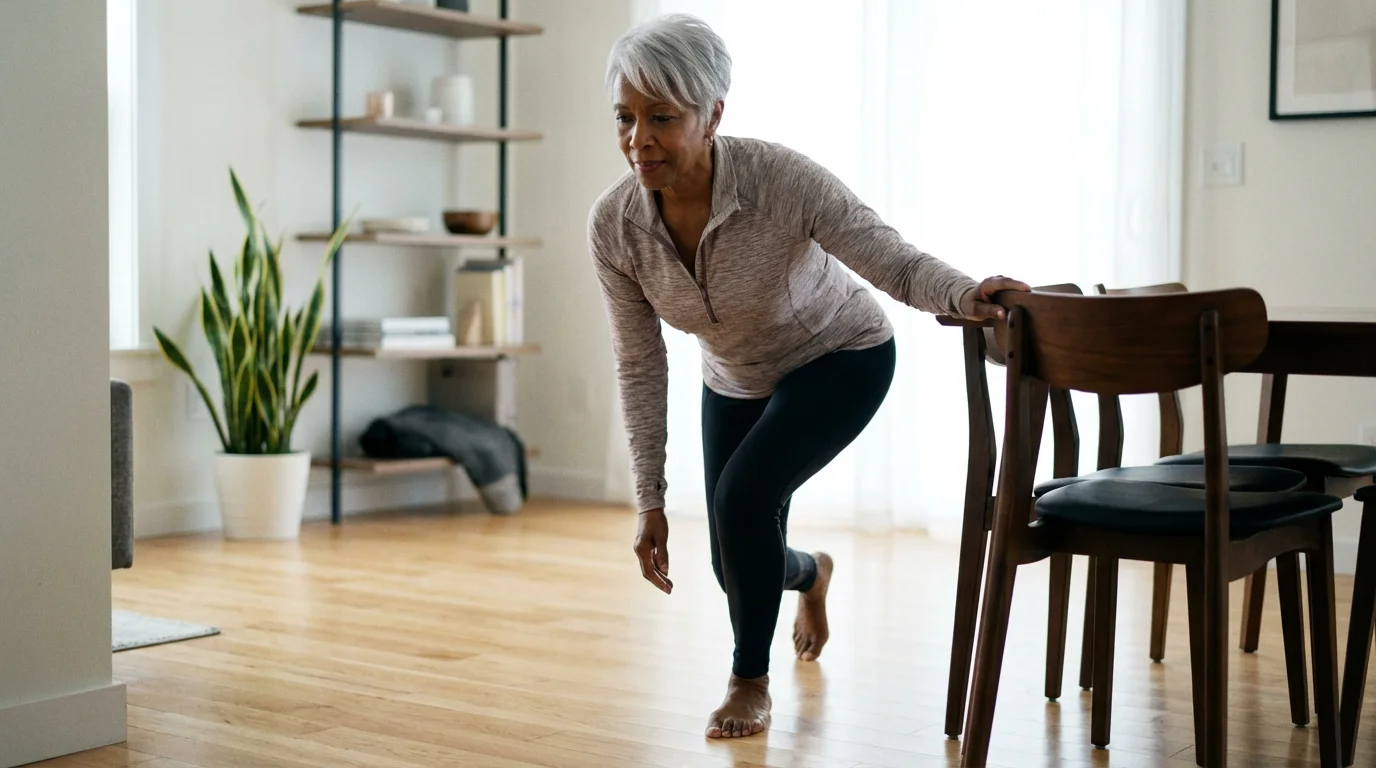
Smart Choices in Daily Living: Practical Prevention Strategies
Beyond your home and exercise routine, many everyday habits impact your fall risk. Cultivating awareness and making intentional choices throughout your day contribute significantly to your overall safety. You hold the power to integrate simple, effective strategies into your routine.
Think about how you move through your day and where opportunities exist to enhance your security. These seemingly small adjustments combine to create a robust personal fall prevention plan. Each deliberate action you take reinforces your commitment to a graceful, independent lifestyle.
Here are practical strategies you can adopt:
- Choose Supportive Footwear: Wear shoes with good support, non-skid soles, and a low heel. Avoid walking in socks or slippers that lack traction or fit loosely. Well-fitting shoes provide a stable base, preventing slips and trips.
- Regular Vision Checks: Have your eyes checked annually by an optometrist or ophthalmologist. Poor vision significantly increases your fall risk. Ensure your eyeglass prescription is current. If you wear bifocals, exercise caution on stairs as they can distort perception.
- Medication Review: Discuss all your medications, including over-the-counter drugs and supplements, with your doctor or pharmacist. Some medications can cause dizziness, drowsiness, or affect your balance. They can help identify potential side effects or interactions that might increase your fall risk.
- Hydration and Nutrition: Maintain adequate hydration and a balanced diet. Dehydration can lead to dizziness and fatigue. A nutrient-rich diet supports muscle strength and bone health. Proper nutrition builds your body’s resilience.
- Rise Slowly: When moving from lying down to sitting, or from sitting to standing, take your time. Rapid changes in position can cause a temporary drop in blood pressure, leading to dizziness. Pause for a moment to allow your body to adjust.
- Use Assistive Devices Wisely: If your doctor recommends a cane or walker, use it consistently and correctly. These devices provide valuable support and stability. Ensure they are properly fitted for your height.
- Stay Aware of Your Surroundings: Pay attention to uneven surfaces, wet floors, or unexpected obstacles when you are out and about. Cultivate a mindful approach to walking, both indoors and outdoors.
By integrating these smart choices into your daily living, you actively reduce your risk of falls. You foster a continuous sense of security and confidence. Your proactive approach allows you to navigate the world with greater ease and poise.
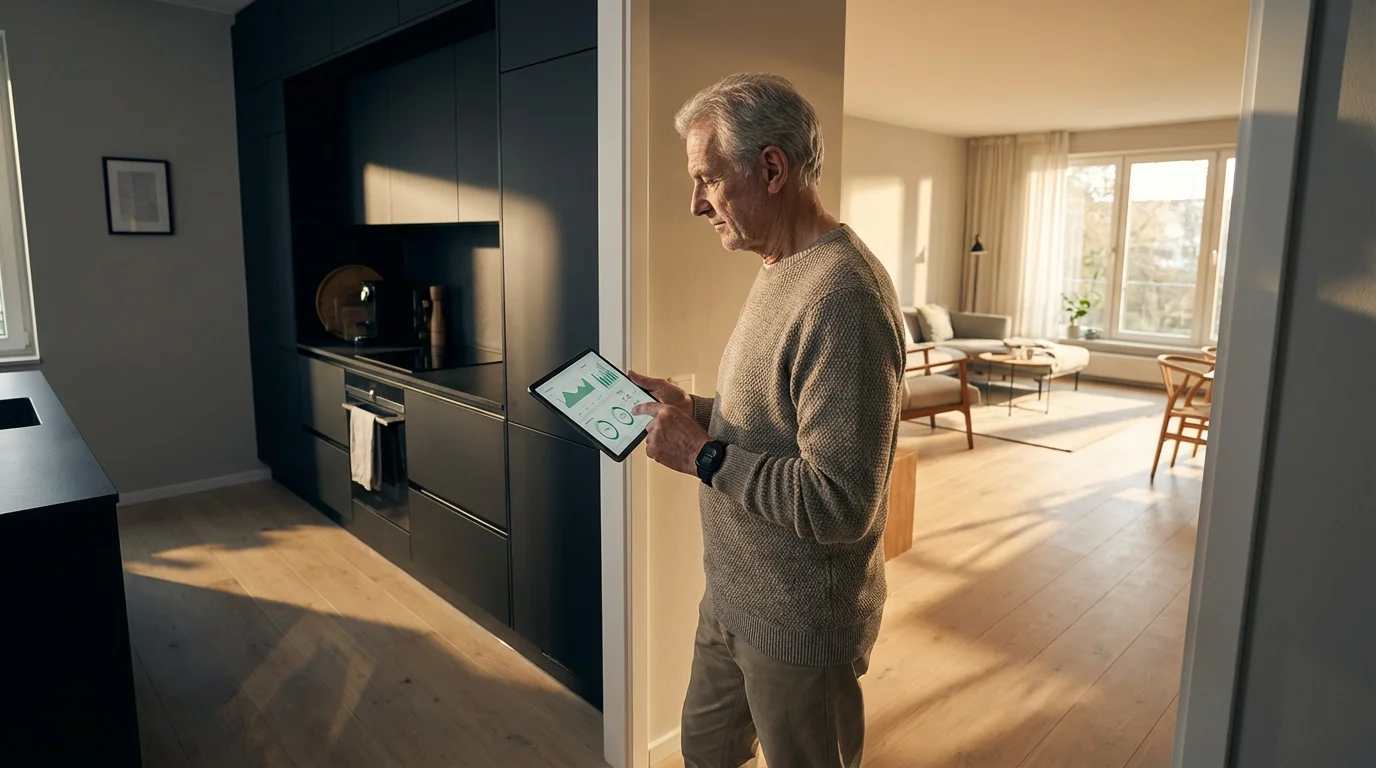
Leveraging Technology for Enhanced Safety
The modern world offers an array of technological advancements that can significantly enhance your home safety and provide peace of mind. These tools are not about replacing your independence. Instead, they empower you with additional layers of security. You can embrace these innovations to safeguard your well-being.
Consider how technology can discreetly support your independent lifestyle. These devices integrate seamlessly into your daily routine, offering assistance precisely when needed. They reflect a thoughtful approach to creating a safer living environment for yourself.
Explore these technological solutions for fall prevention:
- Medical Alert Systems: These personal emergency response systems allow you to call for help with the push of a button. Many now offer automatic fall detection. This feature is particularly valuable if you live alone. Systems like those reviewed by AARP provide peace of mind for you and your loved ones.
- Smart Lighting Systems: Automated or voice-activated lighting can eliminate the need to fumble for switches in the dark. Motion-sensor lights illuminate pathways as you approach. You enhance visibility and reduce the risk of tripping.
- Smart Home Devices: Devices like smart doorbells with cameras allow you to see and speak to visitors without opening the door. This prevents unexpected interactions that might lead to a fall at the threshold. Voice assistants can control lights or call contacts in an emergency.
- Wearable Technologies: Some smartwatches or fitness trackers offer fall detection features. They can also monitor heart rate and activity levels, providing valuable data to your healthcare provider. You gain insights into your overall health trends.
- Telephone Shower Systems: Install handheld showerheads for easier bathing while seated. This reduces the need to stand on potentially slippery surfaces for extended periods.
- Non-Slip Bathroom Mats and Treads: Modern options provide superior grip without compromising aesthetics. Ensure any mats you use have strong suction or adhesive backing.
By selectively adopting these technologies, you create a more secure and responsive living environment. You actively harness innovation to support your continued independence and grace. These tools are partners in your journey toward a safer, more confident future.
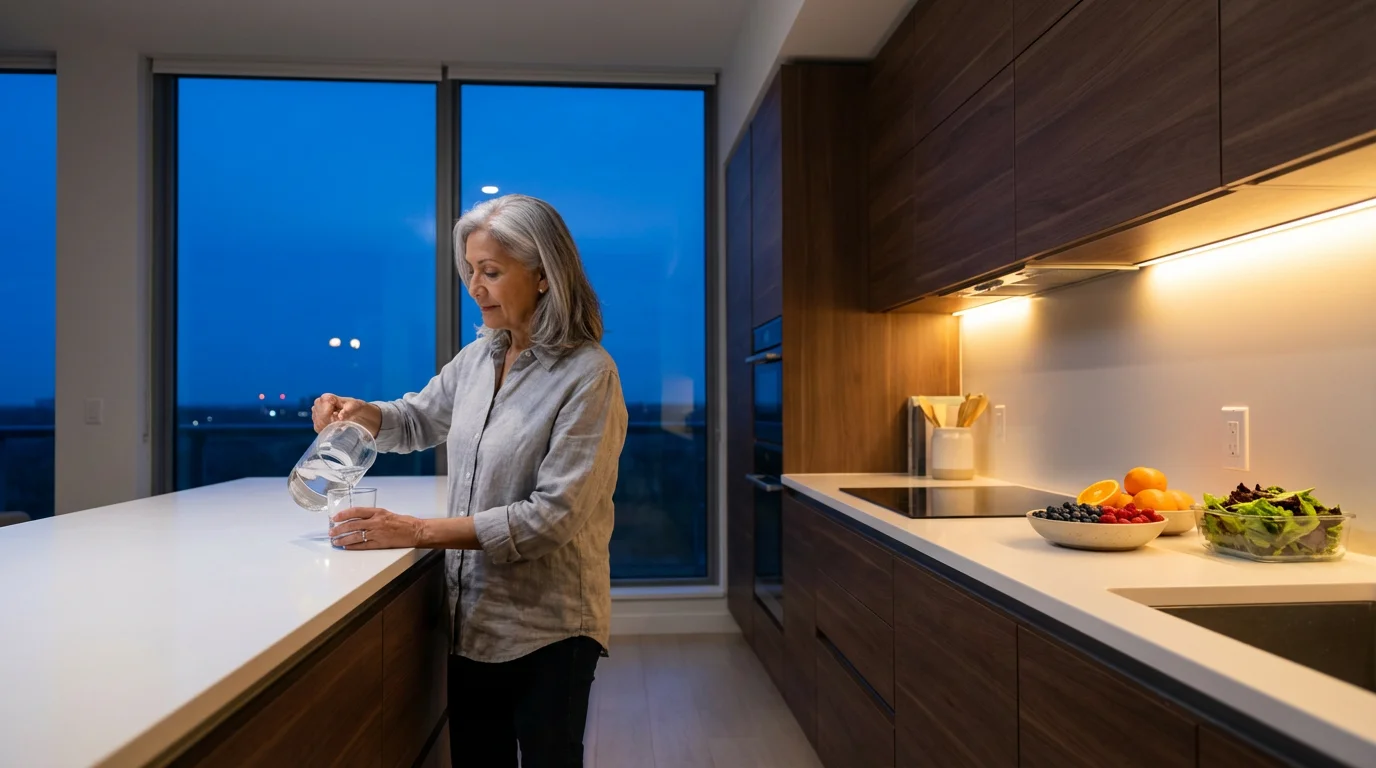
Nourishing Your Body: Diet and Hydration’s Role
The wisdom of proper nutrition and hydration extends far beyond general health. It directly impacts your physical stability and resilience, playing a vital role in preventing falls. Your body is a remarkable machine, and fueling it correctly ensures it operates optimally, supporting strong bones, robust muscles, and clear thinking. You nourish your body with grace and intention.
Consider your diet as a foundational element of your fall prevention strategy. What you consume influences your energy levels, bone density, and muscle strength. A thoughtful approach to eating and drinking empowers your physical well-being.
Focus on these key nutritional elements:
- Calcium for Bone Strength: Dairy products, leafy green vegetables, and fortified foods provide the calcium necessary for strong bones. Healthy bones reduce the risk of fractures if a fall does occur.
- Vitamin D for Bone and Muscle Health: Vitamin D aids calcium absorption and supports muscle function. Sunlight exposure, fatty fish, and fortified foods are good sources. Many older adults benefit from Vitamin D supplements; discuss this with your doctor.
- Protein for Muscle Maintenance: Adequate protein intake helps maintain muscle mass, which is crucial for strength and balance. Include lean meats, poultry, fish, eggs, beans, and lentils in your diet.
- Hydration: Drink plenty of water throughout the day. Dehydration can lead to dizziness, weakness, and confusion, all of which increase fall risk. Keep water readily available and sip consistently. Remember, thirst can diminish with age, so make conscious efforts to hydrate.
- Balanced Meals: Ensure your meals are balanced with whole grains, fruits, vegetables, lean proteins, and healthy fats. Stable blood sugar levels prevent sudden drops that can cause lightheadedness.
- Limit Alcohol: Alcohol can impair your balance, judgment, and coordination. Consume it in moderation, if at all. It can also interact negatively with certain medications.
By consciously nourishing your body, you bolster your physical defenses against falls. You are making an active choice to support your strength, clarity, and overall well-being. This intentional self-care allows you to experience your golden years with robust vitality.
The Power of Community and Professional Support
You are not alone on your journey to prevent falls and maintain a vibrant lifestyle. A network of community programs and healthcare professionals stands ready to offer guidance and support. Recognizing when to seek help and connecting with these resources is a sign of wisdom and self-care. You empower yourself by leveraging collective expertise.
Think of these connections as valuable partnerships in your pursuit of well-being. They provide specialized knowledge, encouragement, and practical assistance. Embracing these resources strengthens your personal safety net.
Explore these avenues for support:
- Physical Therapists: A physical therapist can conduct a comprehensive assessment of your gait, balance, and strength. They develop personalized exercise programs to address specific weaknesses. Their expertise is invaluable for targeted fall prevention.
- Occupational Therapists: Occupational therapists specialize in adapting your living environment and daily activities to enhance safety and independence. They can recommend specific assistive devices or home modifications.
- Doctors and Pharmacists: Regular check-ups with your primary care physician allow for ongoing medication reviews and discussions about any health changes impacting your balance. Your pharmacist offers crucial insights into medication interactions.
- Community Senior Centers: Many senior centers offer evidence-based fall prevention programs. These might include Tai Chi classes, balance workshops, or educational seminars. They also provide opportunities for social engagement, which is vital for overall well-being.
- Support Groups: Connecting with others who share similar concerns can offer emotional support and practical tips. Shared experiences create a sense of camaraderie and mutual encouragement.
- Family and Friends: Do not hesitate to involve your trusted family members or friends in your fall prevention efforts. They can assist with home modifications, provide transportation, or simply offer a listening ear. Their support reinforces your commitment.
By engaging with these professionals and community resources, you build a robust support system. You actively invest in your continued independence and safety. This collaborative approach allows you to navigate the complexities of fall prevention with confidence and grace.

Cultivating a Mindset of Vigilance and Grace
Beyond the practical steps, your attitude and mindset significantly influence your ability to prevent falls and live gracefully. Adopting a proactive stance, coupled with a deep appreciation for your body’s capabilities, empowers you. You replace any apprehension with thoughtful vigilance and resilient optimism.
Consider this not as a burden, but as an opportunity to be more attuned to your surroundings and your own physical needs. This heightened awareness integrates seamlessly into a life lived with intention and dignity. You celebrate your ability to adapt and thrive.
Reflect on these aspects of your mindset:
- Embrace Proactive Self-Care: View fall prevention as an act of loving kindness towards yourself. It is about safeguarding your freedom and joy, not about fear. You are actively choosing a path of sustained well-being.
- Cultivate Mindfulness: Pay attention to how your body feels, especially your balance. Notice uneven surfaces or potential obstacles in your path. Mindful movement helps prevent unexpected stumbles.
- Celebrate Small Victories: Acknowledge every positive step you take, whether it is completing a balance exercise, securing a loose rug, or remembering to hydrate. Each effort builds momentum and confidence.
- Maintain Social Connections: Loneliness and isolation can affect both mental and physical health. Strong social ties encourage activity and provide a safety net if assistance is ever needed. Your community enriches your life.
- Stay Curious and Engaged: A curious mind often leads to an active body. Learning new skills or pursuing hobbies keeps you mentally sharp and physically engaged, contributing to overall vitality.
- Trust Your Inner Wisdom: You know your body best. Listen to its signals and trust your instincts when something feels unsteady. Act on these cues promptly.
Cultivating this mindset allows you to approach fall prevention not with trepidation, but with a sense of purpose and calm assurance. You move through your golden years with continued elegance, dignity, and a profound appreciation for your enduring capacity for life. Your journey is one of strength, resilience, and unyielding grace.
Frequently Asked Questions
What specific exercises improve balance for older adults?
Exercises like Tai Chi, single-leg stands, heel-to-toe walking, and standing on a foam pad significantly enhance balance. These activities strengthen your core and leg muscles while improving your body’s awareness of its position in space. Always perform these near a sturdy support initially and consult a healthcare professional before starting any new regimen.
How often should I review my home for fall hazards?
You should conduct a thorough home safety review at least once a year. Additionally, perform a quick check whenever you notice a new obstruction, acquire new furniture, or experience any change in your vision or mobility. Regular vigilance ensures your environment remains safe and supportive.
Does footwear really make a difference in preventing falls?
Yes, appropriate footwear makes a substantial difference. Shoes with good support, non-skid soles, and a low heel provide stability and traction. Ill-fitting shoes, loose slippers, or walking in socks can increase your risk of slipping or tripping. Prioritize comfort and security in your shoe choices.
When should I talk to my doctor about fall prevention?
You should discuss fall prevention with your doctor during your annual check-up, or sooner if you have experienced a fall, feel unsteady, or notice any changes in your balance or mobility. Your doctor can review your medications, assess your health conditions, and recommend appropriate interventions like physical therapy.
Are medical alert systems truly effective?
Medical alert systems offer a reliable way to call for help in an emergency, greatly enhancing peace of mind. Many systems feature automatic fall detection, which can be life-saving if you are unable to press the button yourself. They provide a vital link to assistance, supporting your independence and safety at home.
Disclaimer: This article is for informational and inspirational purposes. Life decisions are deeply personal, and we encourage readers to consult with appropriate professionals—whether healthcare providers, counselors, or financial advisors—for guidance specific to their circumstances.




Leave a Reply