
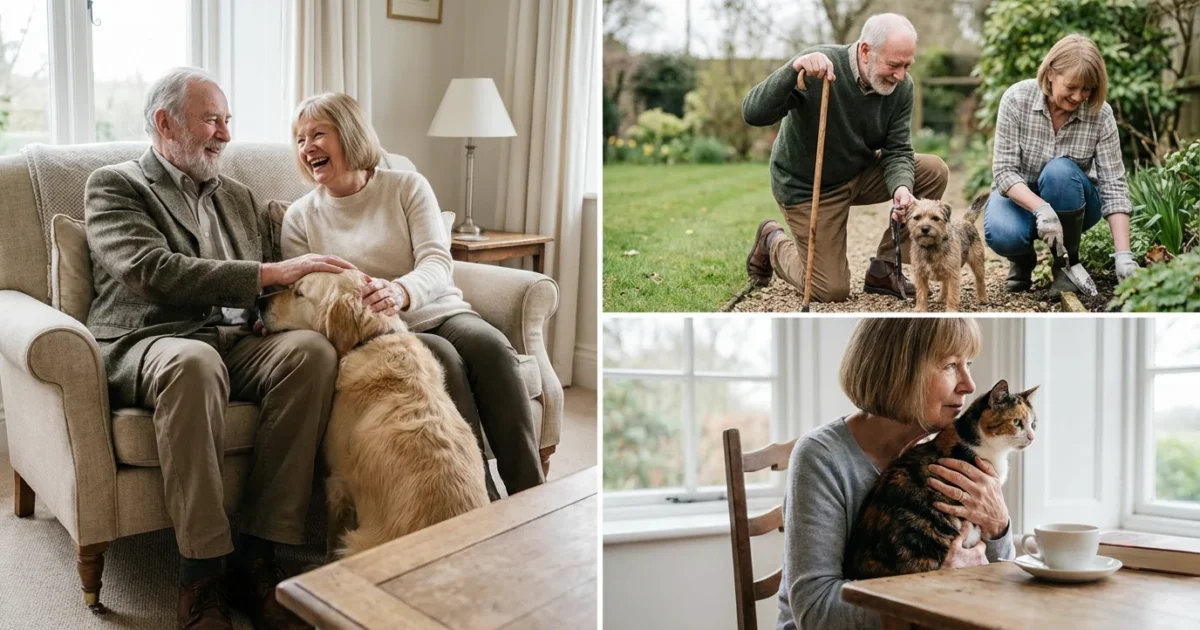
Retirement unfolds as a unique chapter, a canvas awaiting your intentional brushstrokes. Many envision this time filled with travel, hobbies, and cherished family moments. Yet, an often overlooked, profoundly rewarding path to purpose and unwavering affection lies in opening your home and heart to a beloved animal companion. Research highlights the remarkable benefits pets offer, particularly to those in their golden years.

The Unspoken Language of Companionship
One of the most profound gifts of welcoming a pet into your life during retirement is the immediate surge of companionship. The quiet presence of a purring cat on your lap, the enthusiastic greeting of a wagging dog, or the gentle chirping of a bird fills your home with a vibrant, living energy.
These senior companions offer an unconditional love that transcends words. They do not judge, they simply accept and adore. This bond can significantly reduce feelings of loneliness, a common challenge many retirees face as social circles shift.
Consider the comfort of having a loyal confidant, a warm presence through every quiet evening and bright morning. What might it feel like to always have someone eager for your attention, offering a soft nudge or a hopeful gaze?
A Gentle Rhythm: Pets and Your Daily Structure
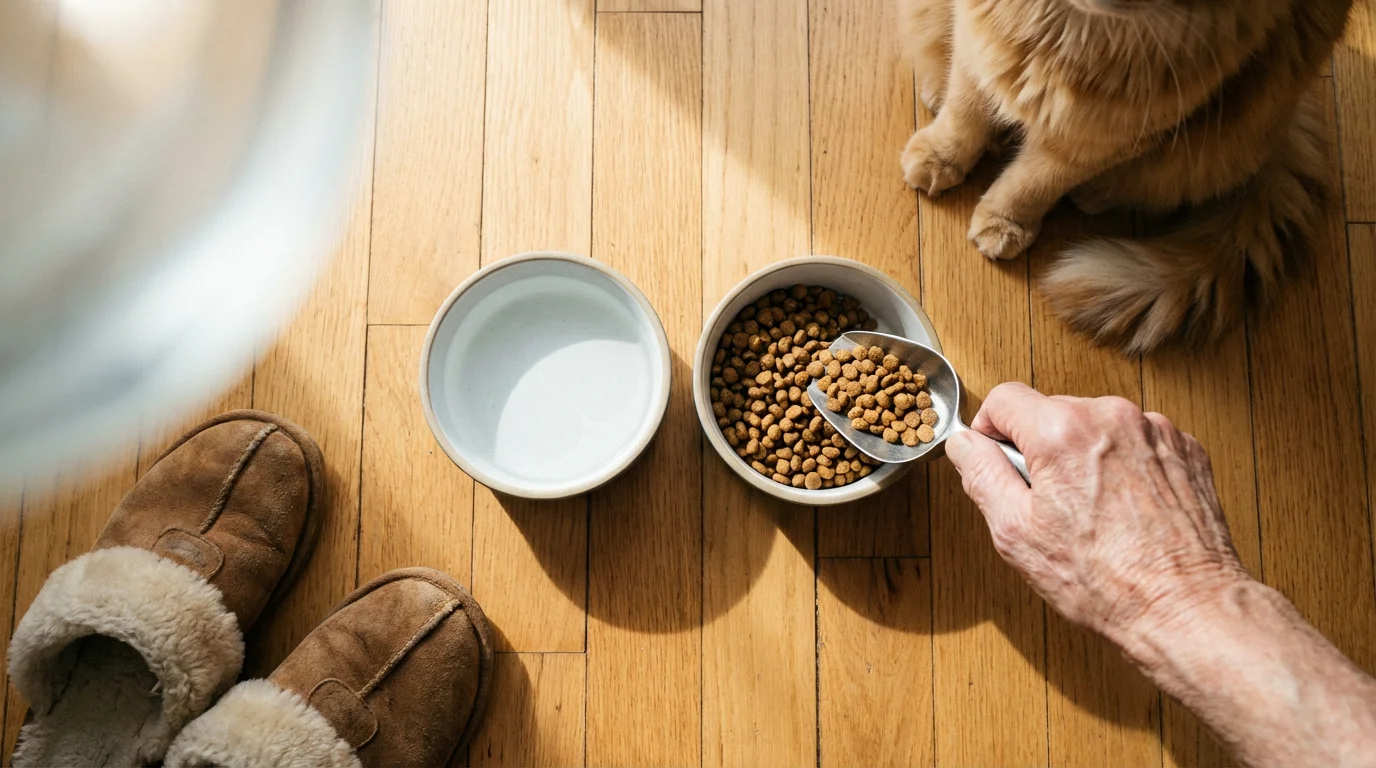
Retirement often brings a new freedom from rigid schedules, which can sometimes lead to a loss of routine. Pets, however, thrive on predictability, and in turn, they gently reintroduce structure into your days. Feeding times, walks, and playtime establish a natural rhythm that can be incredibly grounding.
This consistent daily pattern provides numerous benefits beyond just organization. It encourages regular physical activity, from gentle strolls with a dog to simply moving around your home to care for a cat or bird. Even the act of bending to fill a food bowl or reaching for a toy contributes to maintaining mobility.
Research published by Harvard Health indicates that dog ownership correlates with a reduced risk of cardiovascular disease, partly due to the increased physical activity it encourages. The benefits owning a pet extends to mental well-being too, as engagement with an animal can lower stress levels and improve mood.
Beyond Comfort: Pets as Catalysts for Purpose and Connection
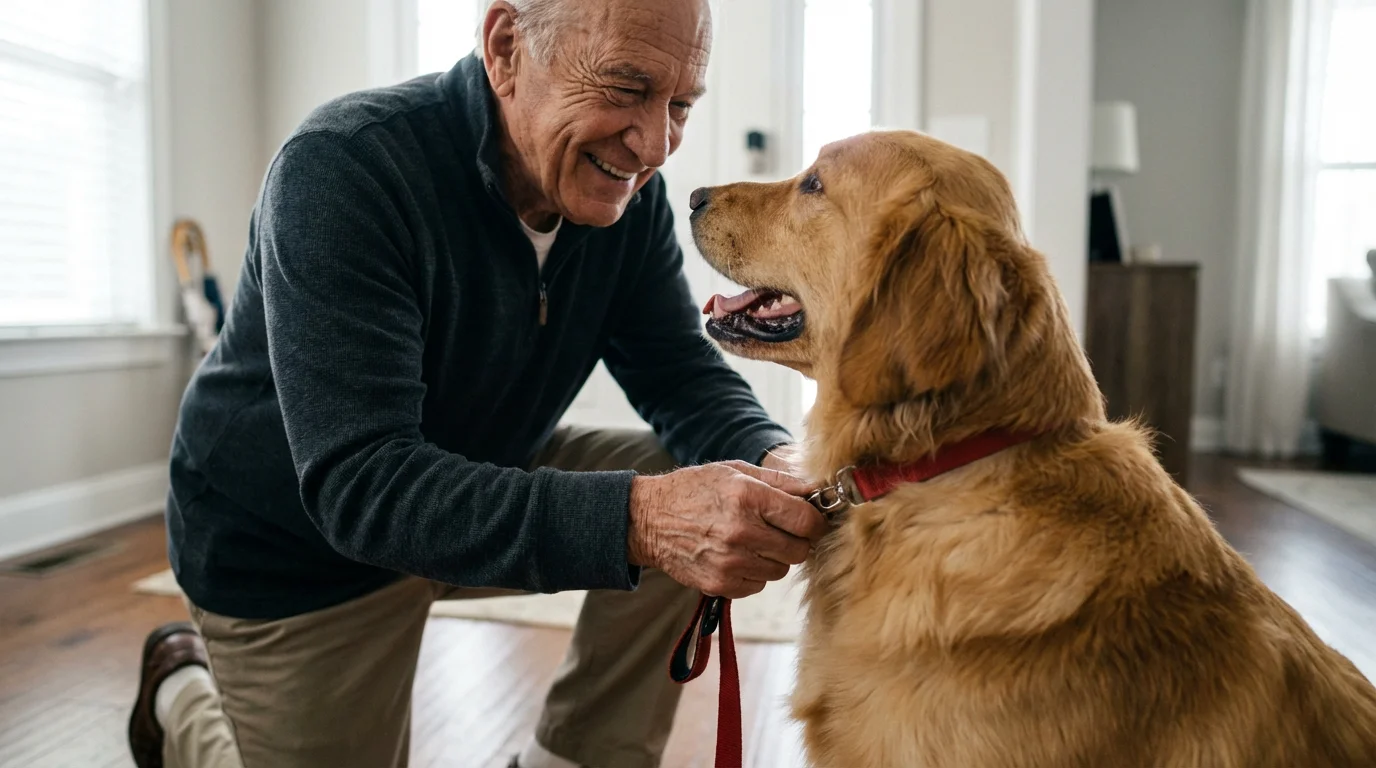
The quest for purpose often defines the retirement journey. Caring for a living creature provides an undeniable sense of responsibility and meaning. You become essential to another being’s well-being, a powerful reminder of your continued value and capability.
This nurturing role can reignite latent passions and introduce new ones. You might find yourself learning about animal nutrition, training techniques, or local pet-friendly communities. Your pet can also become a wonderful conversation starter, fostering connections with other animal lovers in your neighborhood or at the local park.
The sense of achievement in training a new trick, rehabilitating a shy rescue, or simply ensuring your pet leads a happy, healthy life brings immense satisfaction. How might nurturing another life deepen your sense of meaning and broaden your social horizons?
“The greatest glory in living lies not in never falling, but in rising every time we fall.”
— Nelson Mandela
Finding Your Furred or Feathered Friend: Navigating Adoption
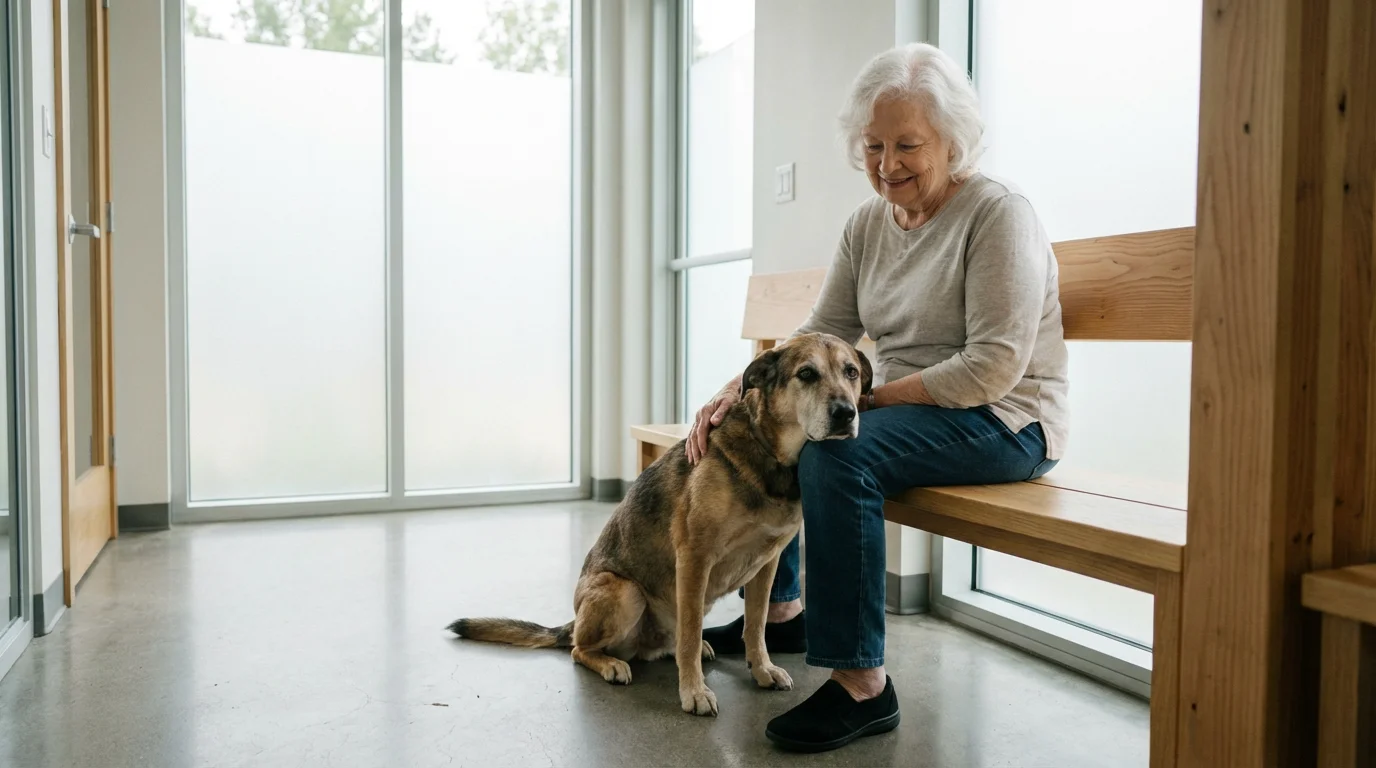
If you decide to adopt a pet after retirement, the journey begins with thoughtful consideration. Animal adoption offers a wonderful opportunity to give a loving home to an animal in need, often an adult or senior pet who might otherwise be overlooked.
Many shelters and rescue organizations specialize in matching senior animals with senior companions. These older pets often come house-trained, are less energetic than puppies or kittens, and possess a calm demeanor that perfectly complements a graceful retirement lifestyle. Consider visiting local humane societies, breed-specific rescues, or even fostering programs.
When you consider animal adoption, evaluate these key factors:
- Lifestyle Match: Does your activity level align with the pet’s needs? A couch potato cat might suit a quieter home, while an active dog would thrive with daily walks and play.
- Size and Strength: Can you comfortably handle the pet, especially during walks or vet visits? Large, strong dogs may present a challenge for some.
- Temperament: Seek a pet known for gentleness, patience, and a calm disposition. Shelter staff can often provide insights into individual personalities.
- Age of Pet: Adopting an older pet often means fewer surprises in terms of size and energy, and they are frequently already house-trained. They often cherish a quiet, loving home.
- Special Needs: Be honest about your capacity to care for a pet with chronic health issues or behavioral quirks. Some senior pets require specific diets or medications.

Considering the Practicalities: A Thoughtful Approach
Embracing pet ownership in retirement requires practical planning. Acknowledge the responsibilities that come with providing a loving home. This thoughtful approach ensures a joyful experience for both you and your new companion.
Here are crucial aspects to consider:
- Financial Commitment: Pets involve ongoing costs for food, veterinary care, grooming, and supplies. Budget accordingly, and consider pet insurance for unexpected medical expenses.
- Health and Mobility: Assess your current and future physical capabilities. Can you meet the pet’s exercise needs, lift them if necessary, or manage regular vet visits?
- Home Environment: Ensure your living space is pet-friendly and safe. Consider potential modifications like ramps for older dogs or secure enclosures for outdoor access.
- Travel Plans: If you enjoy traveling, plan for pet care during your absences. This might involve trusted friends, family, pet sitters, or boarding facilities.
- Future Care Planning: It is wise to have a plan for your pet’s care should you become unable to look after them. Discuss this with family or identify trusted individuals or organizations.
Making informed decisions about these practicalities helps pave the way for a harmonious and fulfilling relationship with your retirement pets.
Embracing the Journey: Preparing for a Pet-Inclusive Retirement
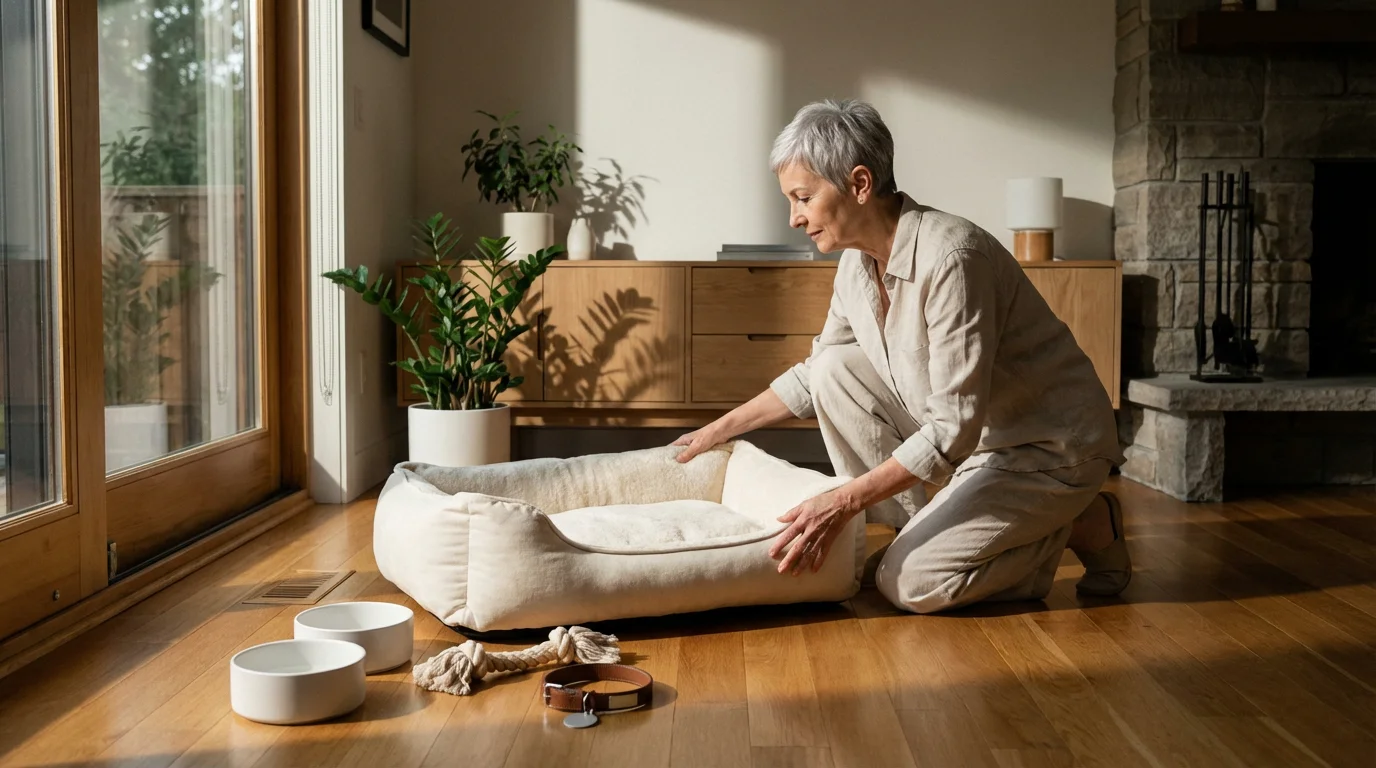
Integrating a pet gracefully into your retirement life is a journey of joy and adjustment. Preparation minimizes stress and maximizes the rewards. Create a welcoming environment before your new friend arrives.
Ensure you have all necessary supplies: food and water bowls, appropriate food, a comfortable bed, toys, grooming tools, and essential identification tags. Schedule a visit with a veterinarian shortly after adoption to establish a health baseline and discuss preventative care specific to your pet’s age and breed.
Patience and consistency are paramount, especially if you adopt an adult or senior animal who may need time to adjust to a new home and routine. Their past experiences shape them, and a gentle, understanding approach builds trust. The bond you form will grow stronger with each shared moment of quiet companionship and playful interaction.
Frequently Asked Questions
Are there specific breeds better suited for retirees?
While individual temperament matters more than breed, many retirees find smaller, calmer breeds or adult/senior animals from any breed to be excellent matches. Breeds known for their gentle nature, like Cavaliers, Shih Tzus, or Greyhounds (often quiet couch potatoes in retirement), can be wonderful senior companions. Consider their energy levels and grooming needs.
How can a pet help with loneliness in retirement?
Pets provide constant, unconditional companionship. Their mere presence fills a home with life and warmth, offering comfort and reducing feelings of isolation. The need to care for them also creates a sense of purpose and routine, engaging you daily and often leading to social interactions with other pet owners.
What if my health changes and I can no longer care for my pet?
This is a valid concern. It is wise to plan for this possibility early. Discuss future care options with trusted family members or friends. Many animal welfare organizations have programs or can provide advice on including pet care in your estate planning, ensuring your beloved companion will always be looked after.
What are the average costs associated with pet ownership in retirement?
Costs vary significantly by pet type, size, and health. Expect annual expenses for food, routine vet check-ups, vaccinations, and parasite prevention. Additional costs may include grooming, toys, boarding, or pet insurance. A small, healthy cat might cost $500-1,000 annually, while a large dog with special needs could be several thousand dollars. Budgeting is essential before you adopt pet after retirement.
Embracing pet ownership in retirement is a decision that ripples with potential for profound joy, purpose, and unconditional love. These special companions invite us to slow down, to appreciate the simple wonders of a wagging tail or a soft purr, and to live more fully in the present moment. They enrich our lives immeasurably, adding layers of grace and vibrancy to our golden years. Your next chapter could be beautifully shared with a loyal, loving friend.
Disclaimer: This article is for informational and inspirational purposes. Life decisions are deeply personal, and we encourage readers to consult with appropriate professionals—whether healthcare providers, counselors, or financial advisors—for guidance specific to their circumstances.









Leave a Reply