

As you embrace the richness of your golden years, your journey unfolds with new opportunities for growth, purpose, and graceful living. A cornerstone of this vibrant existence is your nourishment. Food fuels not just your body, but your spirit, allowing you to engage fully with life’s profound joys and connections.
Optimizing your nutrition becomes a powerful act of self-care. It empowers you to maintain vitality, sharpen your mind, and enjoy every moment with energy and clarity. This guide explores the unique nutritional needs that evolve with age, offering practical, actionable insights to help you cultivate a healthy diet and savor the delicious path ahead.
Understanding Your Changing Nutritional Needs
Life’s journey brings transformations, and your body’s nutritional requirements adapt with each passing decade. As you age, your metabolism naturally slows, which means your body requires fewer calories to maintain its weight. This shift does not diminish your need for essential nutrients; in fact, it often increases it.
Your goal is to prioritize nutrient density. Each meal should pack a powerful punch of vitamins, minerals, and other vital compounds, even with a reduced calorie intake. This strategic approach ensures your body receives everything it needs to thrive without consuming excess energy.
Consider the delicate balance of hormones, muscle mass, and bone density that changes over time. Your dietary choices play a pivotal role in supporting these critical physiological functions. Prioritizing foods rich in specific nutrients can help mitigate age related changes and maintain your health proactively.
“Age is an issue of mind over matter. If you don’t mind, it doesn’t matter.” — Mark Twain
This enduring wisdom reminds us that a positive outlook fuels a proactive approach to well-being. A vibrant mindset, coupled with intelligent nutritional choices, empowers you to live with sustained grace and energy. Understanding these foundational changes sets the stage for making informed decisions about your daily diet.

The Power of Protein: Building and Maintaining Muscle
Protein is a fundamental building block for your body, especially as you age. It repairs tissues, supports your immune system, and, critically, helps maintain muscle mass. Sarcopenia, the age related loss of muscle strength and mass, significantly impacts mobility and independence; adequate protein intake directly combats this process.
Many seniors ask, “how much protein do seniors need?” Research suggests that older adults often benefit from consuming more protein than younger adults, aiming for about 1.0 to 1.2 grams of protein per kilogram of body weight daily. Distribute this intake throughout your day, aiming for 25-30 grams per meal, to maximize muscle protein synthesis.
Incorporating a variety of protein sources into your healthy diet ensures you receive a full spectrum of amino acids. These essential compounds are vital for your body’s repair and growth processes. Prioritize lean sources to minimize saturated fat intake while maximizing nutritional benefit.
Excellent protein sources include:
- Lean meats, such as chicken and turkey breast
- Fish, particularly salmon, tuna, and cod
- Eggs, a complete protein source
- Dairy products, including Greek yogurt, cottage cheese, and milk
- Legumes, like lentils, beans, and chickpeas
- Nuts and seeds, such as almonds, walnuts, and chia seeds
- Tofu and tempeh, versatile plant based options
Planning your meals around these protein rich foods helps you meet your daily requirements. A protein focused approach provides sustained energy, supports strong bones, and keeps you feeling satisfied. Consider starting your day with protein rich options to set a positive tone for your energy levels.

Essential Vitamins and Minerals Your Body Craves
As you consider “what are the most important nutrients?” for graceful aging, a few key vitamins and minerals stand out for their profound impact on senior health. Your body’s ability to absorb certain nutrients can decrease with age, making careful selection of nutrient rich foods even more important.
Vitamin D and Calcium: These two work in tandem to support bone health. Bone density naturally declines over time, increasing the risk of osteoporosis and fractures. Adequate intake of both calcium and vitamin D becomes critical for maintaining skeletal strength.
- Calcium Sources: Dairy products, leafy green vegetables like kale and spinach, fortified plant milks, and sardines.
- Vitamin D Sources: Fatty fish, fortified dairy products and cereals, and sunlight exposure. However, skin’s ability to synthesize vitamin D from sunlight decreases with age, often necessitating dietary focus or supplementation.
Vitamin B12: This vitamin plays a crucial role in nerve function and red blood cell formation. Malabsorption of B12 becomes more common in older adults due to changes in stomach acid production. A deficiency can lead to anemia and neurological issues.
- B12 Sources: Primarily found in animal products such as meat, fish, poultry, eggs, and dairy. Fortified cereals and plant based milks also offer good options for those on vegetarian or vegan diets.
Potassium: Essential for heart health, muscle function, and maintaining fluid balance. Many older adults do not consume enough potassium, which can affect blood pressure and overall cardiovascular well-being.
- Potassium Sources: Bananas, oranges, leafy greens, potatoes, beans, and lentils.
Magnesium: Involved in over 300 biochemical reactions in the body, including muscle and nerve function, blood glucose control, and blood pressure regulation. Inadequate intake is common among seniors.
- Magnesium Sources: Whole grains, nuts, seeds, legumes, leafy green vegetables, and dark chocolate.
By focusing on these vital vitamins and minerals, you actively support your body’s intricate systems. Consult with your healthcare provider or a registered dietitian for personalized advice on meeting these nutritional needs, especially if you consider supplements.

Hydration: The Often Overlooked Nutrient
In discussions about senior nutrition, hydration often receives less attention than other nutrients, yet its importance cannot be overstated. Water constitutes a significant portion of your body weight and plays a crucial role in nearly every bodily function, from regulating temperature to delivering nutrients and flushing out waste.
As you age, your sense of thirst can diminish, making it harder to recognize when your body needs fluids. Additionally, certain medications can contribute to dehydration. Staying well hydrated maintains energy levels, supports cognitive function, and helps prevent constipation.
Aim to drink at least eight glasses of water or other fluids daily. Do not wait until you feel thirsty; make hydration a proactive habit. Carry a water bottle with you and sip throughout the day. This simple practice offers significant benefits for your overall well-being.
Tips for staying adequately hydrated:
- Drink regularly: Do not rely on thirst as your only cue. Set reminders if necessary.
- Vary your fluids: Include water, herbal teas, diluted fruit juices, and broths.
- Eat water-rich foods: Many fruits and vegetables, such as watermelon, cucumbers, and oranges, contain a high water content.
- Limit dehydrating beverages: Minimize consumption of excessive caffeine and alcohol, which can act as diuretics.
- Keep fluids accessible: Place water at your bedside, in your kitchen, and wherever you spend time.
Proper hydration truly is a cornerstone of a healthy diet and graceful aging. It supports vibrant skin, healthy digestion, and sharp mental clarity. Give your body the essential fluid it craves to perform at its best.
Fiber for Digestive Health and More
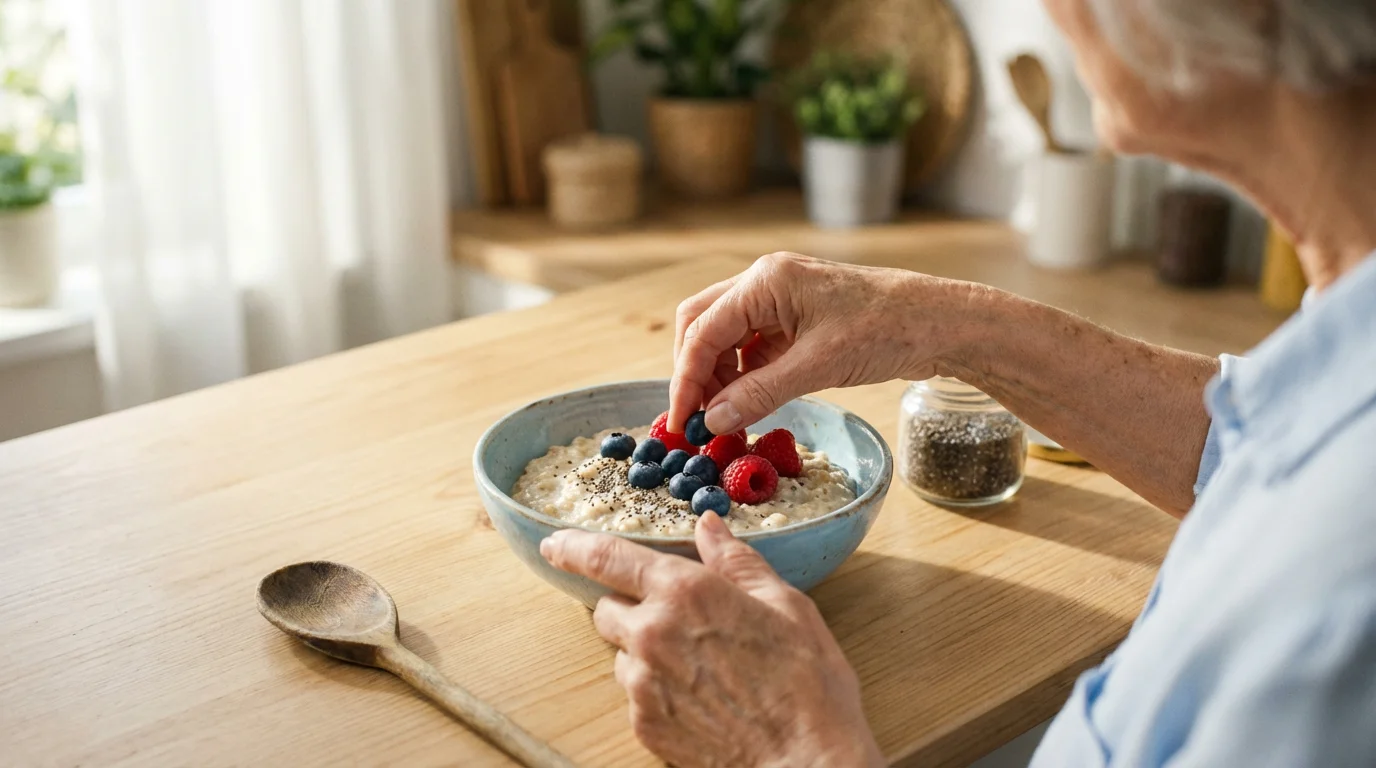
Fiber, a vital component of plant foods, contributes significantly to a healthy diet for seniors. It moves through your digestive system largely undigested, playing a crucial role in maintaining bowel regularity and preventing constipation, a common concern among older adults. Yet, fiber’s benefits extend far beyond digestive health.
Adequate fiber intake helps regulate blood sugar levels, which is particularly beneficial for those managing or preventing type 2 diabetes. It contributes to a feeling of fullness, assisting with weight management by reducing overall calorie intake. Furthermore, soluble fiber helps lower cholesterol levels, supporting cardiovascular health.
Adults 55 and older should aim for about 20-30 grams of fiber daily. Gradually increase your fiber intake to allow your digestive system to adjust, and always ensure you drink plenty of water alongside it. This synergy prevents discomfort and maximizes fiber’s positive effects.
Excellent sources of dietary fiber:
- Whole grains: Oats, barley, brown rice, whole wheat bread, and quinoa.
- Legumes: Black beans, kidney beans, lentils, and chickpeas.
- Fruits: Berries, apples, pears, and oranges, especially with their skins on.
- Vegetables: Broccoli, carrots, Brussels sprouts, spinach, and sweet potatoes.
- Nuts and seeds: Almonds, chia seeds, flaxseeds, and sunflower seeds.
Embracing a fiber rich diet means embracing a vibrant digestive system and robust heart health. These simple dietary adjustments yield profound benefits for your daily comfort and long term well-being. Make fiber a cherished part of your daily meals.

Mastering Meal Planning and Preparation
Thoughtful meal planning and preparation empower you to consistently meet your senior nutrition goals with ease and enjoyment. A well-organized approach saves time, reduces food waste, and ensures you have nourishing options readily available. This proactive strategy simplifies healthy eating.
Begin by assessing your weekly schedule and culinary preferences. Plan meals that align with your energy levels and cooking abilities. Incorporate a variety of colors, textures, and flavors to make eating an enjoyable and stimulating experience. Remember, joy in eating enhances nutrient absorption.
Consider batch cooking some components, such as grains, roasted vegetables, or lean protein, at the beginning of the week. This provides a versatile foundation for quick and healthy meals when time is short. Freezing individual portions of soups or stews also offers convenient, nutritious options.
Practical meal planning tips:
- Create a weekly menu: Outline your breakfasts, lunches, and dinners, ensuring a balance of protein, healthy fats, complex carbohydrates, and plenty of fruits and vegetables.
- Shop with a list: Prevent impulse purchases and ensure you have all necessary ingredients. This also helps manage your budget.
- Prioritize convenience: Utilize pre-cut vegetables, canned beans, or frozen fruits to reduce preparation time.
- Experiment with new recipes: Discover new flavors and cooking methods to keep your palate engaged and expand your nutrient intake.
- Involve others: Cooking or sharing meals with friends or family turns eating into a social, pleasurable experience.
By mastering meal planning, you gain control over your dietary destiny. You actively choose to nourish your body with intention, fostering a graceful and energetic lifestyle. This commitment ensures your healthy diet remains both delicious and sustaining.

Navigating Dietary Challenges and Supplements
Even with the best intentions, you may encounter specific dietary challenges that affect your senior nutrition. Changes in taste and smell, dental issues, reduced appetite, or side effects from medications can all make healthy eating more complex. Recognizing these hurdles allows you to address them proactively and effectively.
For example, a diminished sense of taste may make food less appealing. Experiment with herbs, spices, and citrus to enhance flavors naturally, rather than relying on excess salt or sugar. If chewing becomes difficult, choose softer, nutrient-dense foods like soups, smoothies, cooked vegetables, and ground meats. The National Institute on Aging offers excellent resources on managing common eating challenges as you age, providing practical strategies to overcome these obstacles.
Supplements often enter the conversation when discussing senior nutrition. While a healthy diet should always be your primary source of nutrients, supplements can play a supportive role when dietary intake falls short. For instance, many older adults find it challenging to get sufficient vitamin D or B12 from food alone due to absorption issues or limited dietary sources.
However, approach supplements with careful consideration. Not all supplements are beneficial, and some can interact negatively with medications. Always consult your healthcare provider or a registered dietitian before starting any new supplement regimen. They can assess your individual needs, recommend appropriate dosages, and help you avoid potential risks, ensuring your choices contribute positively to your healthy diet. Your health professional provides invaluable, personalized guidance.
Recognizing and adapting to these challenges empowers you to maintain a robust nutritional foundation. Your proactive approach ensures you continue to thrive with dignity and purpose, even when facing common age related changes.

Cultivating a Joyful and Intentional Approach to Eating
Nourishment extends beyond the mere intake of calories and nutrients; it encompasses the joy, connection, and mindfulness you bring to your meals. As you focus on senior nutrition, remember to cultivate a joyful and intentional approach to eating. Food is a source of pleasure, comfort, and social engagement, integral to a fulfilling life.
Engage your senses fully with each meal. Notice the vibrant colors on your plate, the enticing aromas, and the diverse textures. Eating slowly and mindfully allows you to truly savor your food, enhancing both enjoyment and digestion. This intentional presence transforms a simple meal into a delightful experience.
Eating together strengthens social bonds, combats loneliness, and often encourages more varied and nutritious meals. Whether it is a quiet dinner with a spouse, a lively lunch with friends, or a potluck with community members, shared meals nourish your spirit as much as your body. Prioritize these moments of connection.
Reflect on your relationship with food:
- How does food make you feel, physically and emotionally?
- Are you choosing foods that genuinely support your well-being?
- What traditions or memories does food evoke for you?
- How can you infuse more joy and intention into your daily meals?
- What new culinary adventures might you explore?
Embracing food with intention and gratitude elevates your entire retirement experience. It empowers you to live with grace, purpose, and vibrant health, savoring every moment and every delicious bite. Your relationship with food becomes another beautiful facet of your purposeful life.
Frequently Asked Questions
Do older adults need different vitamins than younger people?
Yes, older adults often have different needs for specific vitamins and minerals due to changes in absorption, metabolism, and lifestyle. For example, seniors commonly require more Vitamin D, Vitamin B12, and calcium. Reduced stomach acid can impair B12 absorption, and skin’s ability to synthesize Vitamin D decreases with age. A healthcare provider can recommend personalized adjustments to your healthy diet.
How can I ensure I get enough protein if I have a small appetite?
If you have a small appetite, focus on nutrient-dense protein sources. Incorporate protein with every meal and snack. Examples include Greek yogurt, cottage cheese, eggs, protein smoothies, lean meats, and fortified cereals. You can also try adding protein powder to beverages or soft foods. Eating smaller, more frequent meals throughout the day helps you meet your protein goals without feeling overwhelmed.
Are supplements always necessary for senior nutrition?
Supplements are not always necessary, but they can be beneficial for many seniors. A balanced, healthy diet remains the best way to obtain nutrients. However, factors like reduced absorption, certain medications, or limited dietary choices can make it challenging to meet all nutritional needs from food alone. Consult your doctor or a registered dietitian before taking any supplements to determine what is appropriate for your individual health.
What foods help maintain bone strength as I age?
Foods rich in calcium and vitamin D are crucial for maintaining bone strength. Excellent sources of calcium include dairy products like milk, yogurt, and cheese, as well as leafy green vegetables such as kale and fortified plant milks. Vitamin D is found in fatty fish, fortified dairy and cereals, and eggs. Regular weight-bearing exercise also plays a vital role in supporting bone density.
How can I make healthy eating more affordable?
Making healthy eating affordable involves smart planning and strategic shopping. Buy seasonal fruits and vegetables, which are often less expensive. Utilize frozen and canned produce, which maintain high nutritional value and last longer. Plan meals around less expensive protein sources like beans, lentils, eggs, and chicken. Batch cooking and preparing meals at home reduces reliance on costly takeout or processed foods. Consider buying in bulk for staples if you have storage space.
Disclaimer: This article is for informational and inspirational purposes. Life decisions are deeply personal, and we encourage readers to consult with appropriate professionals—whether healthcare providers, counselors, or financial advisors—for guidance specific to their circumstances.









Leave a Reply