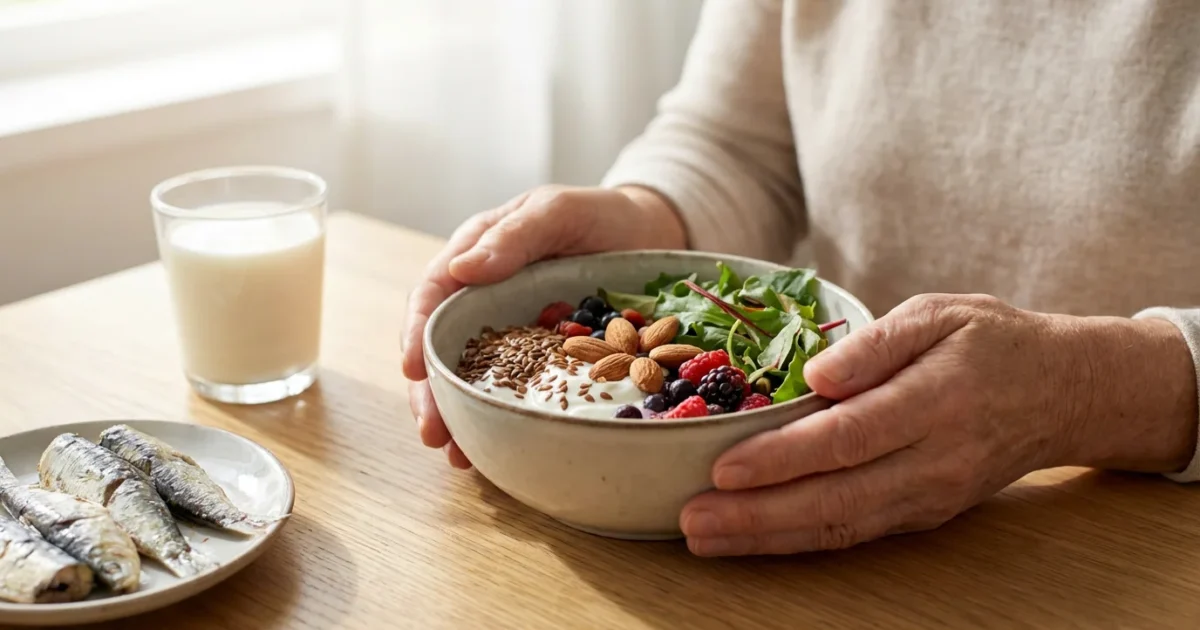
Your golden years offer an extraordinary canvas for growth, purpose, and graceful living. Each sunrise brings new opportunities to nurture your well-being, allowing you to embrace life’s rich tapestry with vitality. Integral to maintaining this vibrant journey is the strength of your bones, the quiet architects supporting every step, every embrace, every moment of joy. Proactive nourishment creates a foundation for a life lived fully and without limitation.
Consider the adventures you still wish to pursue, the passions you long to deepen, and the memories you aspire to create. Strong bones empower these aspirations, protecting your ability to move freely, engage actively, and live independently. This article guides you through the essential nutritional strategies for fortifying your skeletal system, helping you prevent osteoporosis and sustain your magnificent journey through retirement with resilience and grace.

Embracing Your Golden Years with Strong Bones
Retirement presents a remarkable opportunity to invest in your health with renewed focus and intention. You are not simply managing the passage of time. You are cultivating a future rich with activity and meaningful connections. A robust skeletal system ensures your physical capabilities align with your spirit of adventure.
Imagine hiking a favorite trail, dancing with grandchildren, or tending a beloved garden. Each of these activities relies on strong bones that can withstand the demands of daily life and provide unwavering support. Your proactive choices today build the physical freedom you will cherish tomorrow.
How do you envision your most active and fulfilling retirement? Holding that vision firmly in mind empowers your commitment to nurturing your bone health.
Understanding Osteoporosis: More Than Just Brittle Bones
Osteoporosis, often called a “silent disease,” gradually weakens bones, making them fragile and more susceptible to fractures. This condition occurs when the body loses too much bone, makes too little bone, or both. For seniors, it poses a significant concern, impacting independence and quality of life.
Millions of adults aged 50 and older face the risk of osteoporosis, a statistic that underscores the urgency of preventive measures. Bone density naturally declines with age, especially for women after menopause due to reduced estrogen levels. However, aging does not guarantee this condition. Proactive osteoporosis prevention is entirely within your grasp.
“Age is an issue of mind over matter. If you don’t mind, it doesn’t matter.” — Mark Twain
This timeless wisdom reminds us that while age brings changes, your attitude and actions shape your experience. Focusing on bone health now means actively choosing a path of resilience. You can reduce your risk significantly through informed dietary choices and lifestyle adjustments. Resources like the National Institute on Aging provide comprehensive insights into managing and preventing this condition, offering guidance specific to seniors.
The Cornerstone Nutrients: Calcium and Vitamin D
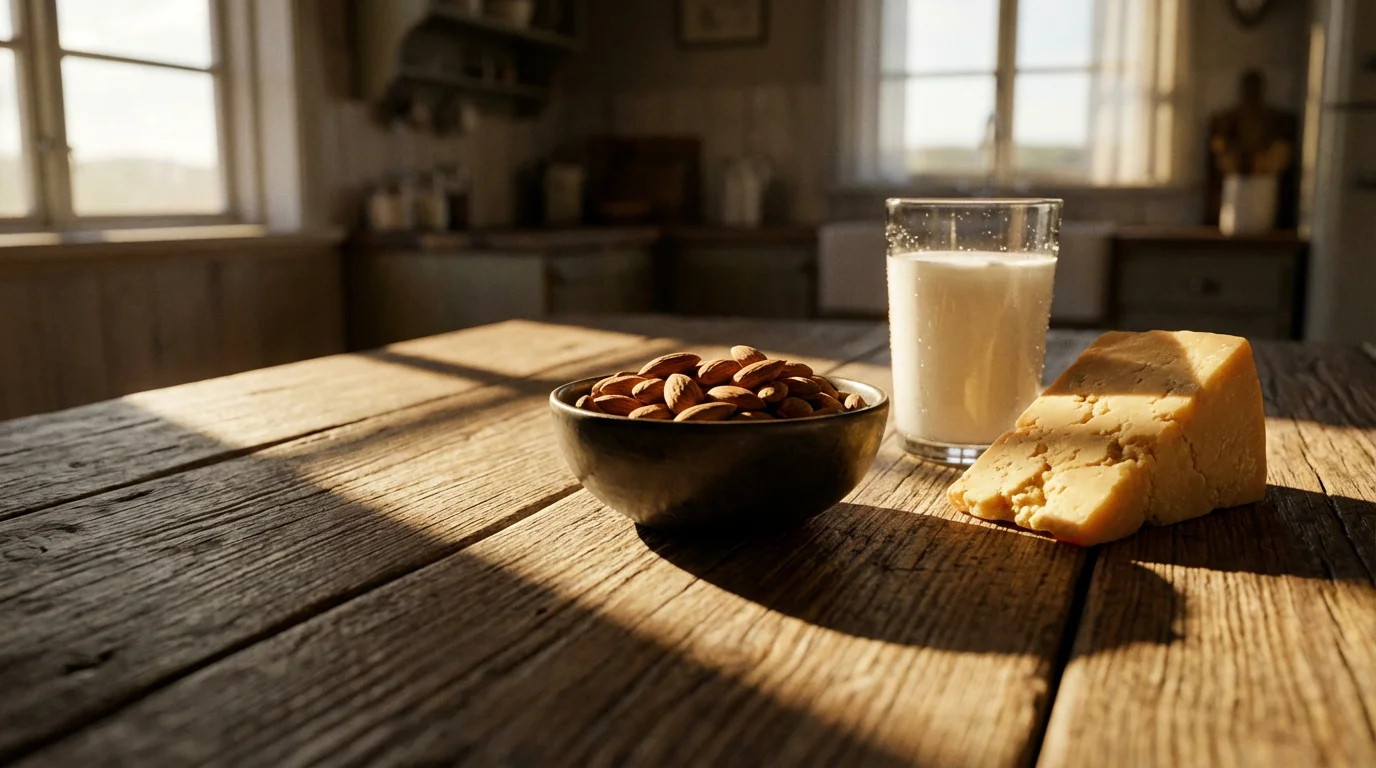
At the heart of any effective bone health strategy lie two indispensable nutrients: calcium and vitamin D. These work in concert to build and maintain strong bones throughout your life, becoming even more critical as you age.
Calcium: The Building Block of Your Skeleton
Calcium is the primary mineral component of your bones, giving them their structure and strength. Your body continuously remodels bone tissue, a process requiring a steady supply of calcium. If your diet lacks sufficient calcium, your body will draw it from your bones to maintain vital functions, weakening your skeletal framework over time.
For adults aged 50 and older, the recommended daily intake of calcium is typically 1,200 milligrams (mg). This intake ensures your body has the raw material it needs to repair and strengthen bone tissue. A consistent supply of calcium is essential for effective osteoporosis prevention.
How does calcium prevent osteoporosis? It directly contributes to bone mineral density. Adequate calcium intake helps maintain the structural integrity of your bones, reducing the likelihood of them becoming porous and brittle. Think of calcium as the concrete in a sturdy building; without enough, the structure compromises its strength.
Excellent Dietary Sources of Calcium:
- Dairy Products: Milk, yogurt, and cheese are rich in easily absorbable calcium. One cup of milk provides approximately 300 mg.
- Leafy Green Vegetables: Kale, collard greens, and turnip greens offer significant calcium, alongside other beneficial nutrients.
- Fortified Foods: Many plant-based milks, orange juice, and cereals are fortified with calcium, making them valuable additions to your diet.
- Certain Fish: Canned sardines and salmon, consumed with their bones, provide an excellent source of calcium.
- Beans and Legumes: White beans, black beans, and chickpeas contribute to your calcium intake.
Vitamin D: Calcium’s Essential Partner
Vitamin D plays a critical role in bone health by enabling your body to absorb calcium from the foods you eat. Without enough vitamin D, even a calcium-rich diet offers limited benefit to your bones. It acts as the key that unlocks calcium’s potential, allowing it to be deposited into bone tissue.
The recommended daily intake for adults aged 50 and older is 600-800 International Units (IU). However, some experts suggest higher levels may be beneficial, especially for seniors. Your healthcare provider can guide you on the optimal dosage for your needs. Sunlight exposure helps your skin produce vitamin D, but factors such as age, skin pigmentation, geographic location, and sunscreen use can limit this production. Dietary sources and supplements often become vital for seniors.
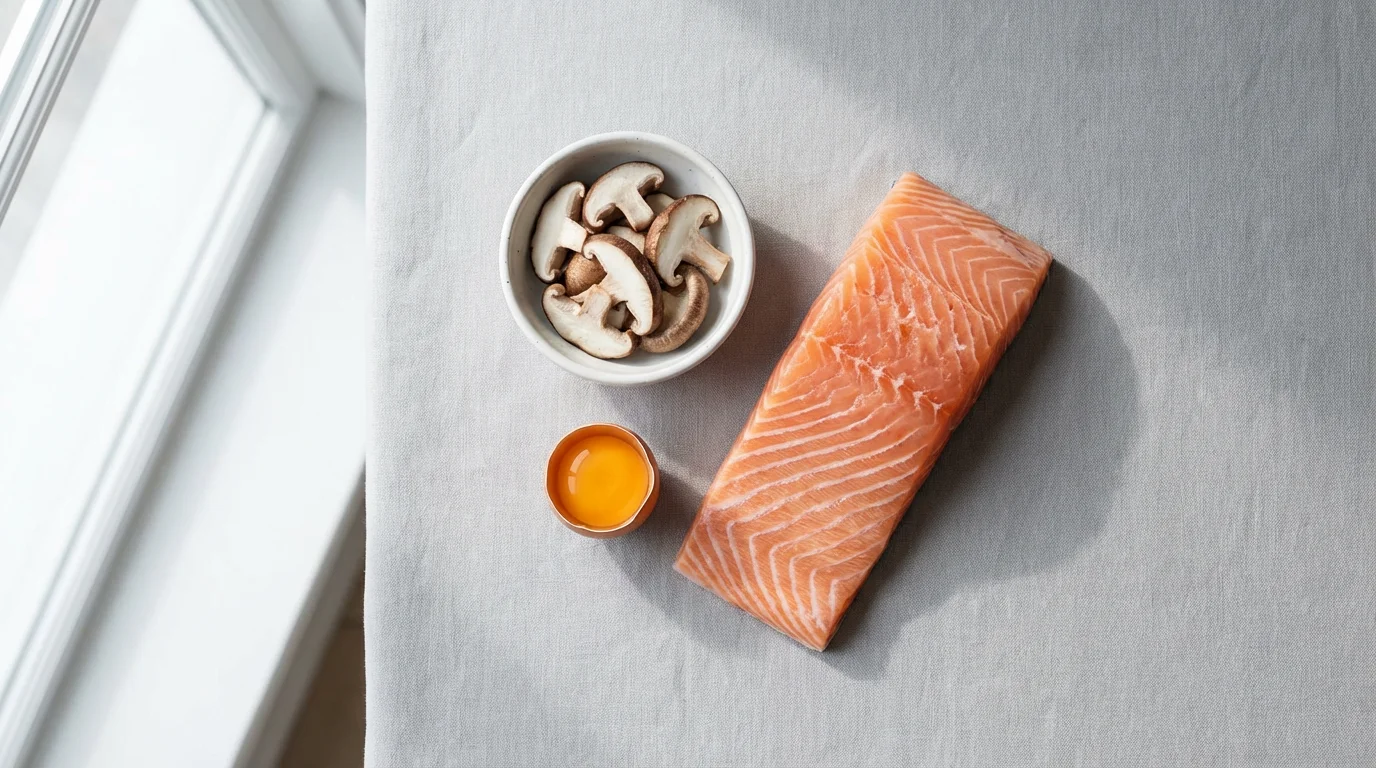
Key Sources of Vitamin D:
- Fatty Fish: Salmon, mackerel, and tuna are among the best natural food sources of vitamin D.
- Fortified Foods: Milk, certain yogurts, orange juice, and cereals frequently contain added vitamin D.
- Egg Yolks: While not as concentrated as fatty fish, egg yolks offer a small amount of vitamin D.
- Mushrooms: Some varieties, especially those exposed to UV light, contain vitamin D.
Beyond Calcium and Vitamin D: A Spectrum of Bone-Building Nutrients
While calcium and vitamin D form the foundation, your bones thrive on a wider array of nutrients. A holistic approach to senior nutrition recognizes the synergistic effects of various vitamins and minerals, each playing a unique role in supporting skeletal strength and integrity.
Magnesium: The Unsung Hero
Magnesium participates in over 300 biochemical reactions in the body, including those vital for bone formation. It influences bone mineral density and helps regulate calcium and vitamin D levels. Many older adults do not consume enough magnesium, making it a nutrient to actively seek in your diet.
Magnesium-Rich Foods:
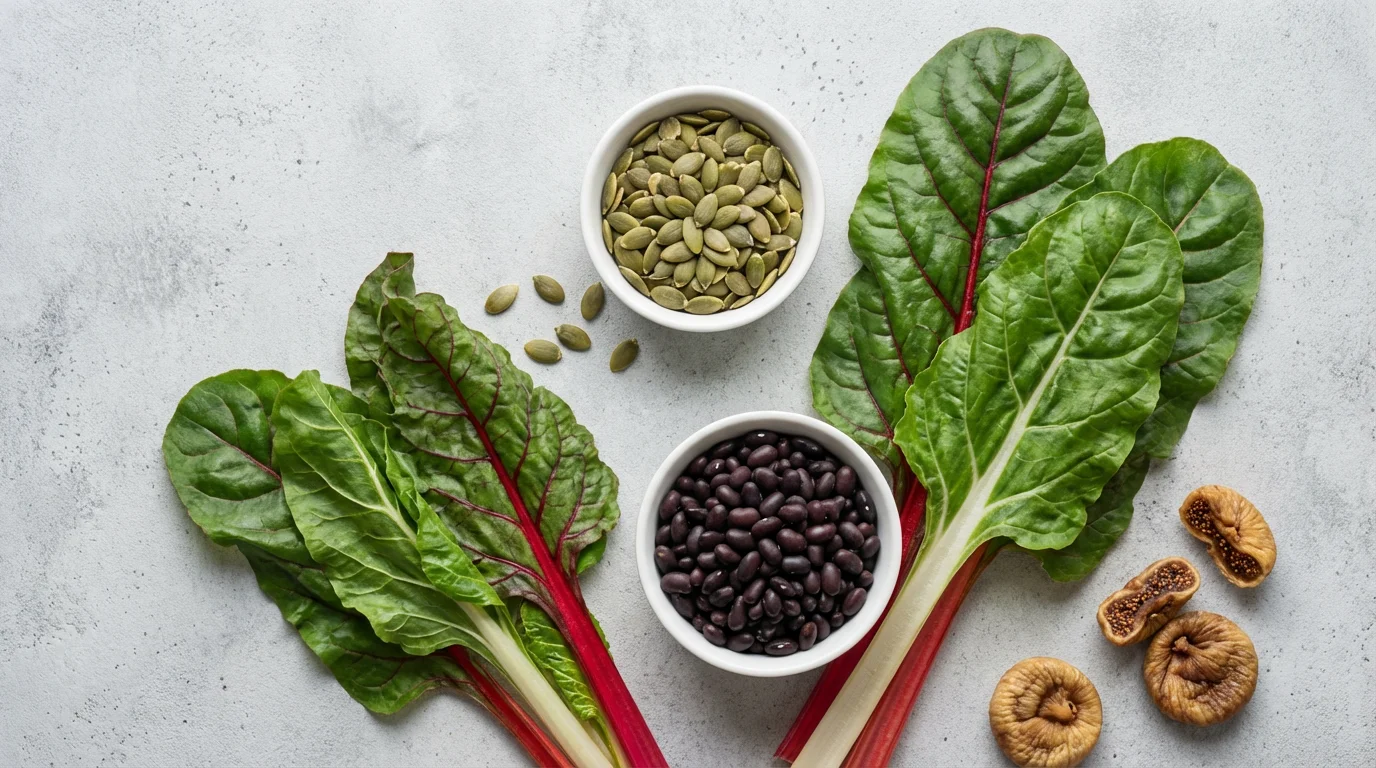
- Dark leafy greens such as spinach and Swiss chard
- Nuts and seeds, including almonds, cashews, and pumpkin seeds
- Legumes like black beans and lentils
- Whole grains such as brown rice and oats
- Avocados and bananas
Vitamin K: Essential for Bone Protein Synthesis
Vitamin K activates proteins critical for bone mineralization, specifically osteocalcin, which helps bind calcium to the bone matrix. Without adequate vitamin K, calcium might not integrate effectively into your bone structure. This vitamin becomes increasingly important for bone health as you age.
Sources of Vitamin K:
- Dark leafy greens such as kale, spinach, and collard greens
- Broccoli and Brussels sprouts
- Certain vegetable oils
Potassium: Counteracting Bone Loss
Research suggests that potassium can help neutralize acids in the body that may leach calcium from bones. A diet rich in potassium supports bone mineral density and may contribute to preventing osteoporosis by preserving calcium within your skeletal system.
Potassium-Rich Foods:
- Fruits like bananas, oranges, and prunes
- Vegetables such as potatoes, sweet potatoes, and spinach
- Beans and lentils
- Yogurt
Protein: The Scaffolding for Strong Bones
Often associated with muscle building, protein is also fundamental for bone health. Bones are composed of a protein matrix, primarily collagen, which provides flexibility and strength. Adequate protein intake supports the production of this matrix, allowing minerals like calcium to be deposited effectively.
High-Quality Protein Sources for Seniors:
- Lean meats, poultry, and fish
- Eggs
- Dairy products like milk, yogurt, and cheese
- Legumes, beans, and lentils
- Nuts and seeds
What Foods Strengthen Bones for Seniors? Your Dietary Blueprint
Building a robust skeletal system involves more than just individual nutrients; it requires a symphony of wholesome foods working together. Crafting a diet rich in variety and nutrient density is your most powerful tool for bone health, directly addressing the question of what foods strengthen bones for seniors. Focus on incorporating these categories into your daily meals.
Daily Dietary Focus for Bone Strength:
- Embrace Dairy or Fortified Alternatives: Aim for 2-3 servings of milk, yogurt, cheese, or calcium-fortified plant-based beverages daily. These provide readily available calcium and often vitamin D.
- Prioritize Leafy Greens: Incorporate dark, leafy greens like kale, spinach, and collard greens into your meals. They offer calcium, vitamin K, and magnesium.
- Include Fatty Fish Regularly: Enjoy salmon, mackerel, or sardines 2-3 times a week for a significant boost in vitamin D and healthy fats.
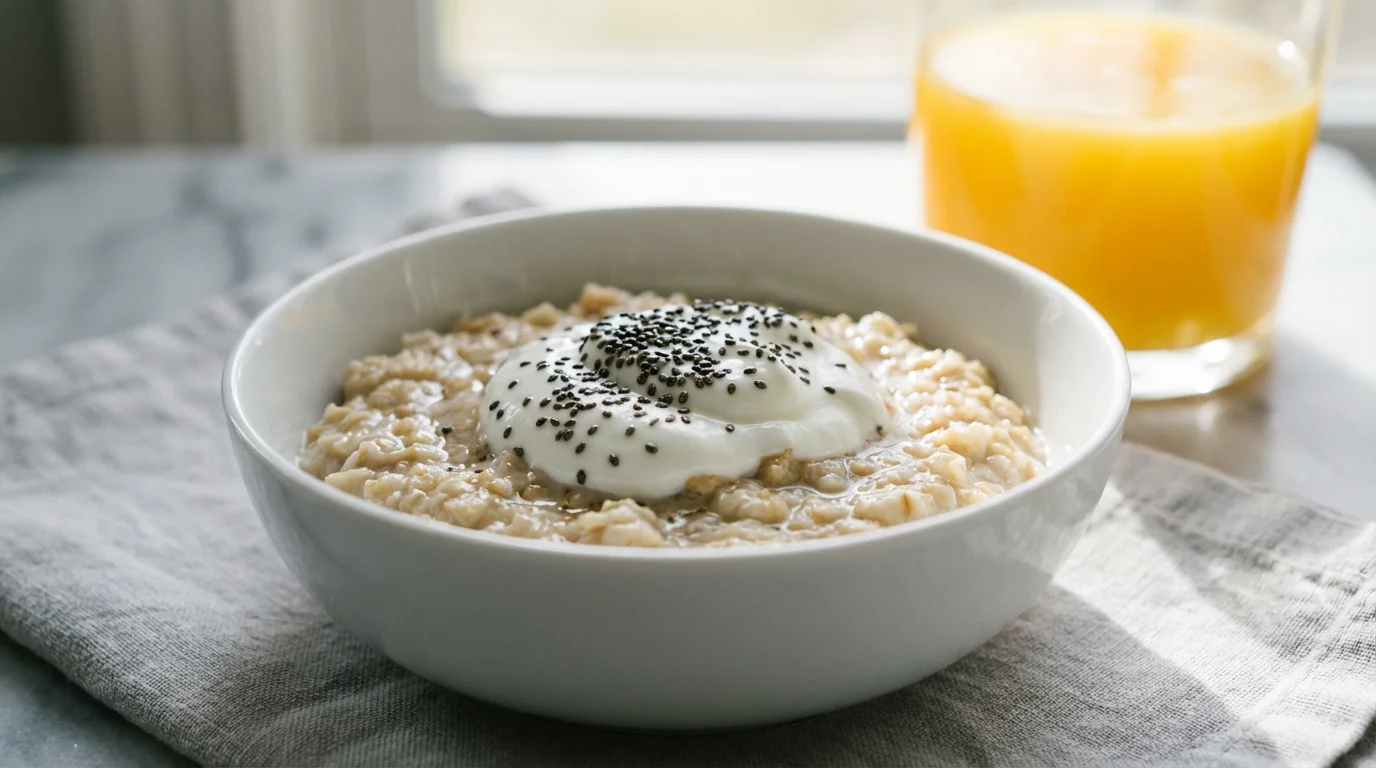
- Snack on Nuts and Seeds: Almonds, chia seeds, and sesame seeds provide magnesium, calcium, and protein. They make excellent additions to yogurt or salads.
- Integrate Legumes and Whole Grains: Beans, lentils, oats, and whole-wheat bread contribute potassium, magnesium, and protein, all vital for bone integrity.
- Diversify with Fruits and Vegetables: A broad spectrum of colorful produce ensures you receive a wide range of vitamins, minerals, and antioxidants that indirectly support overall health, including bone health.
Consider a typical day. For breakfast, you might enjoy oatmeal with fortified milk and berries. Lunch could feature a spinach salad with chickpeas and salmon. Dinner might include baked chicken with steamed broccoli and a side of quinoa. These simple shifts add significant bone-boosting power to your diet.
Lifestyle Factors Supporting Bone Density
Nutrition forms a critical pillar of bone health, yet it works best in concert with other mindful lifestyle choices. Your daily habits significantly influence your bone density, resilience, and overall vitality. Embracing physical activity and making wise personal choices complement your dietary efforts, strengthening your body from the inside out.
Weight-Bearing and Muscle-Strengthening Exercise
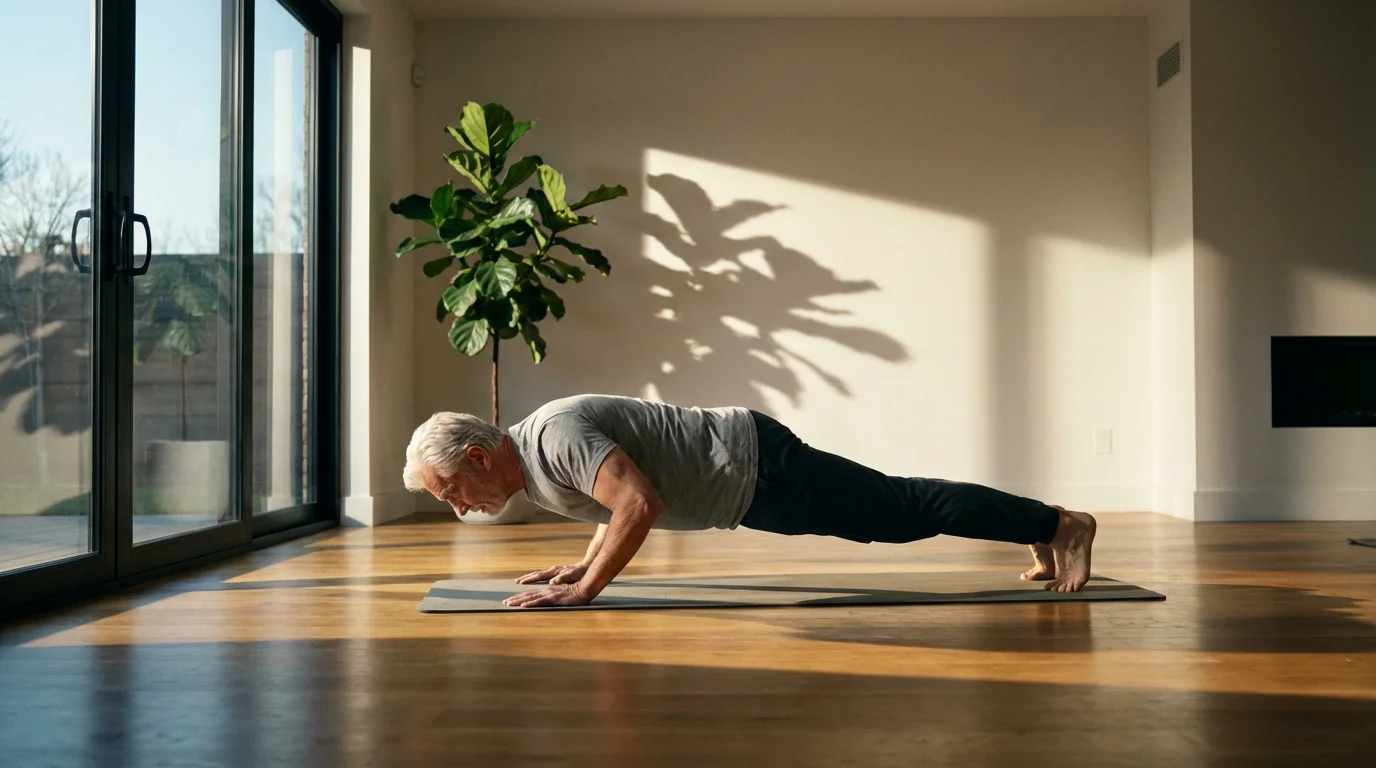
Your bones respond to stress by becoming stronger. Weight-bearing exercises, where your body works against gravity, stimulate bone growth and help maintain density. Muscle-strengthening activities also pull on bones, further enhancing their strength. Harvard Health Publishing emphasizes the importance of regular exercise for healthy aging, including its profound benefits for bone density.
Recommended Exercises for Bone Health:
- Walking: A simple yet effective weight-bearing exercise. Aim for brisk walks most days of the week.
- Dancing: A joyful way to engage in weight-bearing activity, improve balance, and stimulate bone growth.
- Hiking: Offers varied terrain, providing excellent weight-bearing benefits.
- Stair Climbing: Builds bone density in the hips and spine.
- Strength Training: Using light weights, resistance bands, or your body weight builds muscle and places beneficial stress on bones. Consult a professional for proper form.
- Tai Chi and Yoga: While not strictly weight-bearing, these improve balance, coordination, and flexibility, significantly reducing fall risk.
Even small amounts of regular physical activity make a difference. Begin gently and gradually increase intensity and duration as your strength and stamina improve.
Avoidance of Harmful Habits
Certain habits actively undermine your bone health, making them crucial to address for comprehensive osteoporosis prevention. Being mindful of these influences empowers you to protect your skeletal system.
- Smoking: Tobacco use significantly reduces bone density and increases fracture risk. It interferes with calcium absorption and estrogen levels, both vital for bone health.
- Excessive Alcohol Consumption: Heavy drinking can hinder the body’s ability to absorb calcium and vitamin D, and it may also interfere with bone-forming cells. Limit alcohol intake to support bone health.
- Excessive Caffeine: While moderate caffeine intake is generally safe, very high consumption might interfere with calcium absorption, though the impact is typically modest for most individuals.
Fall Prevention Strategies
Preventing falls is as crucial as building strong bones, as a strong bone still needs protection from impact. Enhancing your environment and maintaining physical readiness significantly reduces your risk of fractures. Ensure your living space is well-lit and free of tripping hazards like loose rugs or cluttered walkways.
Consider installing grab bars in bathrooms and using railings on stairs. Regular eye exams and discussions with your doctor about medications that might affect balance are also important. These practical steps safeguard your mobility and independence, allowing you to live your best life at any age.

Crafting Your Personalized Bone Health Plan
A truly effective bone health strategy aligns with your individual lifestyle, preferences, and health needs. There is no one-size-fits-all solution; your unique journey requires a personalized approach. Taking ownership of this plan empowers you to make sustainable changes that support a lifetime of strength and vitality.
Begin by assessing your current habits. Do you consistently consume calcium-rich foods? Are you regularly active? Reflecting on these questions provides a clear starting point for enhancement.
Actionable Steps for Your Personalized Plan:
- Dietary Assessment: Keep a food diary for a few days to identify where you might be lacking in key bone-supporting nutrients. pinpoint areas for improvement.
- Set Realistic Goals: Instead of overhauling your entire diet, choose one or two small, achievable changes. Perhaps you commit to adding a serving of calcium-fortified yogurt daily or taking a 15-minute walk.
- Integrate Variety: Explore new recipes that feature bone-healthy ingredients. Incorporating a broader range of foods ensures you receive a spectrum of nutrients and keeps your meals exciting.
- Schedule Movement: Plan your physical activity as you would any other important appointment. Whether it is a morning walk or an afternoon yoga session, consistency is key.
- Stay Hydrated: Water is essential for every bodily function, including nutrient transport to bones. Make conscious efforts to drink enough water throughout the day.
- Monitor and Adjust: Your body and needs evolve. Regularly review your plan with your healthcare provider or a registered dietitian. Make adjustments as needed to ensure it remains effective and supportive.
Remember, consistency outweighs perfection. Each small, positive choice you make accumulates into significant long-term benefits for your bone health. You are not striving for flawless execution, but for steady, gentle progress toward a stronger, more resilient you.

Navigating Supplements and Medical Guidance
While a nutrient-dense diet and active lifestyle form the bedrock of bone health, supplements and professional medical guidance play crucial supporting roles. Understanding when and how to integrate these elements ensures a comprehensive approach to preventing osteoporosis in your senior years.
When to Consider Supplements
Supplements can bridge nutritional gaps when dietary intake alone proves insufficient. This is particularly relevant for seniors who may have dietary restrictions, absorption issues, or specific health conditions. For example, individuals avoiding dairy might struggle to meet calcium requirements. Similarly, those with limited sun exposure might benefit from vitamin D supplementation.
The decision to take supplements should always involve a conversation with your healthcare provider. They can assess your individual needs, evaluate potential interactions with existing medications, and recommend appropriate dosages. Self-prescribing can lead to imbalances or adverse effects, so professional guidance is essential.
The Role of Bone Density Screenings
Regular bone density screenings, such as DEXA scans, offer invaluable insights into your bone health. These non-invasive tests measure the mineral content of your bones, identifying osteoporosis or osteopenia, a precursor to osteoporosis. For women, these screenings typically begin around age 65, and for men, usually around 70, or earlier if risk factors are present.
Your doctor uses the results of a DEXA scan to determine your fracture risk and to guide preventive or treatment strategies. Early detection allows for timely interventions that can slow or even halt bone loss, preserving your skeletal strength and protecting your independence.
Collaborating with Your Healthcare Team
Your healthcare provider is your most valuable partner in navigating bone health. They can offer personalized advice based on your medical history, current health status, and specific risk factors. This collaboration ensures a tailored approach that integrates diet, exercise, and, if necessary, medical interventions.
Discuss your nutritional habits, activity levels, and any concerns you may have about bone health during your regular check-ups. This open communication fosters a proactive and informed approach, empowering you to make the best decisions for your well-being. Your physician can also recommend specialists, such as a registered dietitian, who can provide further dietary guidance.
Frequently Asked Questions
Can I reverse osteoporosis through diet and exercise alone?
While diet and exercise are fundamental for preventing osteoporosis and slowing its progression, reversing significant bone loss often requires a multi-faceted approach. This approach typically includes medical therapies in conjunction with nutritional and lifestyle changes. Early intervention through proper nutrition and activity can significantly improve bone density and reduce fracture risk.
Are certain types of exercise better for bone health than others?
Yes, weight-bearing exercises and resistance training are most effective for strengthening bones. Weight-bearing activities include walking, jogging, dancing, and climbing stairs. Resistance training involves using weights, resistance bands, or your body weight to build muscle, which in turn pulls on bones and strengthens them. Exercises that improve balance, such as Tai Chi, are also crucial for fall prevention, which directly protects bones.
How much calcium can my body absorb at one time?
Your body typically absorbs approximately 500-600 mg of calcium at one time. If your daily calcium goal is 1200 mg, it is best to spread your intake throughout the day. This could mean consuming calcium-rich foods or supplements in two or three separate servings, maximizing absorption and utilization for bone health.
What are the early warning signs of osteoporosis?
Osteoporosis often shows no symptoms in its early stages, earning it the moniker “silent disease.” The first indication is frequently a fracture from a minor fall or stress that would not typically break a bone in a healthy individual. Other signs can include a loss of height over time, a stooped posture, or back pain caused by fractured or collapsed vertebrae. Regular screenings become essential for early detection.
Do men need to worry about osteoporosis prevention as much as women?
While osteoporosis is more prevalent in women, men are also at significant risk, particularly as they age. Approximately one in four men over 50 will experience an osteoporosis-related fracture in their lifetime. Men typically have larger, stronger bones than women, but their bone density declines with age, making proper nutrition and exercise equally important for male seniors.
A Legacy of Strength and Vitality
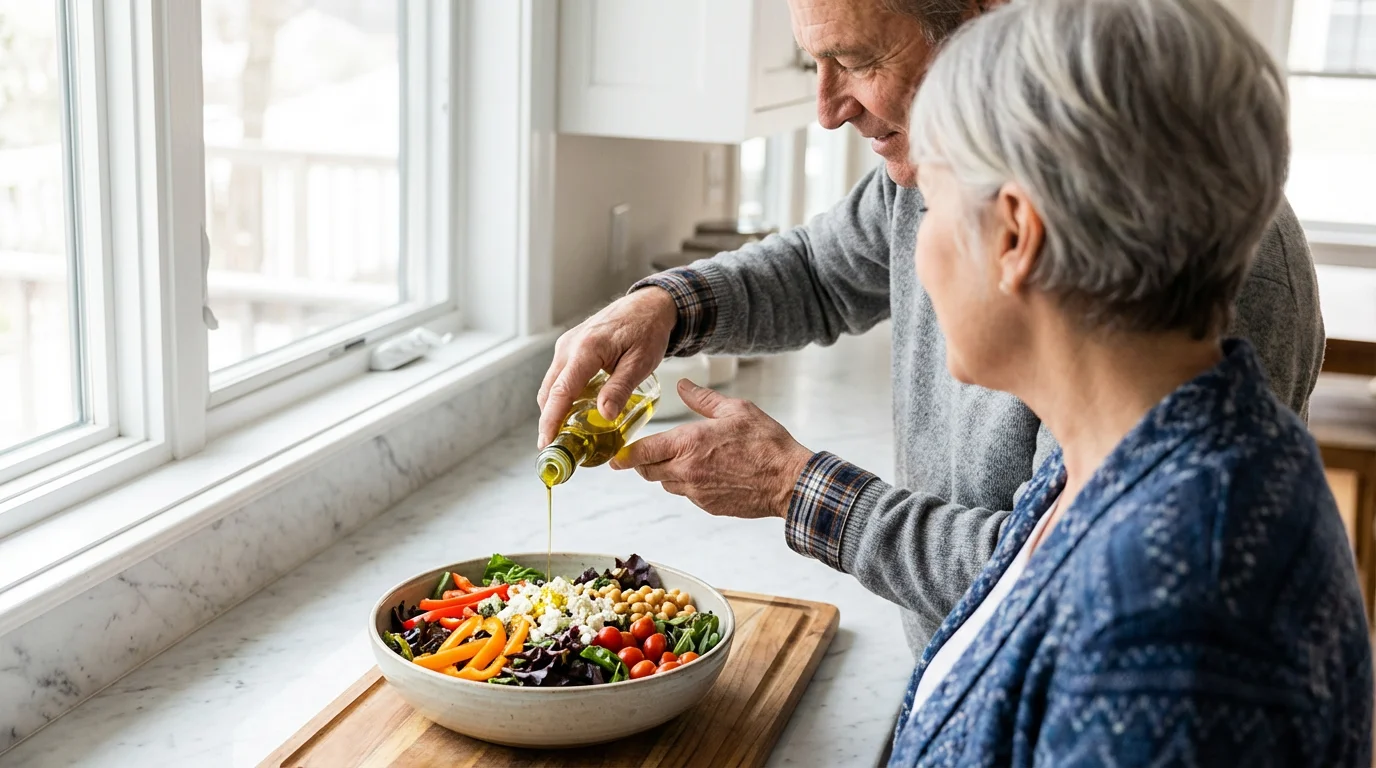
Your journey through retirement is a testament to the life you have built and the wisdom you have gathered. By consciously nourishing your bones, you are not simply engaging in a health regimen; you are investing in the very foundation of your continued independence, your capacity for joy, and your ability to live each day with purpose and grace.
Embrace the power of informed choices. Let each meal be an opportunity to fortify your body, and each movement a celebration of your strength. You are designing a future where your physical vitality matches your vibrant spirit. This commitment allows you to continue writing your story, creating a legacy of strength, resilience, and boundless possibility.
Disclaimer: This article is for informational and inspirational purposes. Life decisions are deeply personal, and we encourage readers to consult with appropriate professionals—whether healthcare providers, counselors, or financial advisors—for guidance specific to their circumstances.








Leave a Reply