
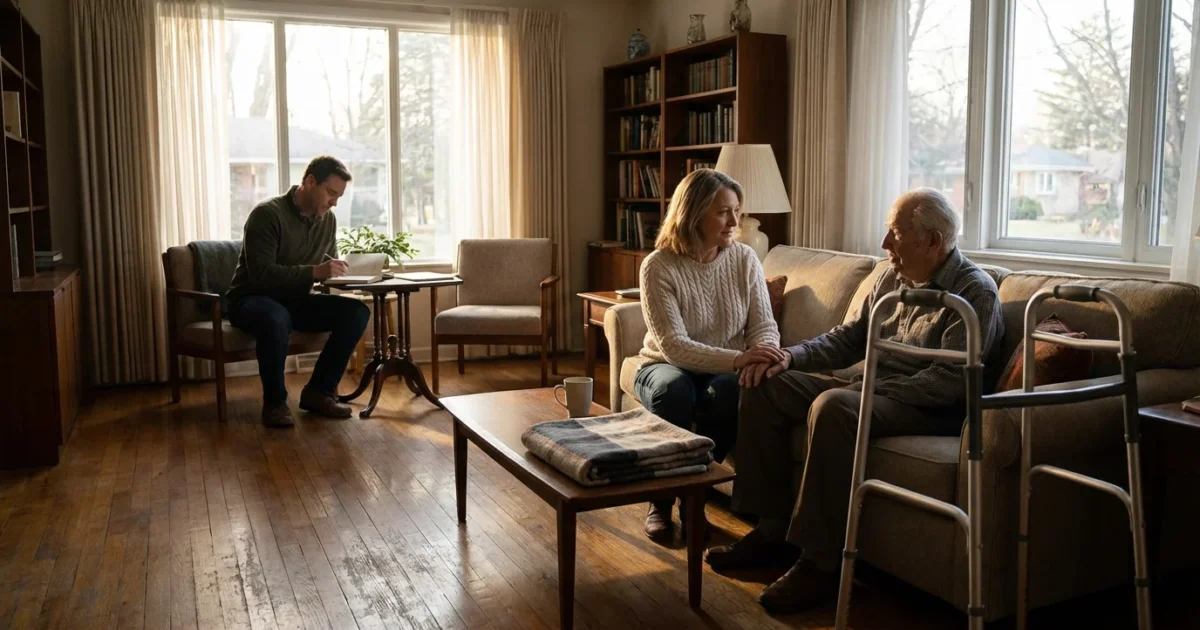
Caregiving is a profound expression of love, commitment, and intergenerational connection. It represents a sacred trust, often undertaken by those in their own golden years, offering support to parents, spouses, or other beloved family members. This journey, while deeply rewarding, also presents unique challenges, requiring a delicate balance between fulfilling the needs of another and preserving your own well-being and vital relationships. Your role as a caregiver is an act of incredible generosity, demanding strength, resilience, and a deep well of compassion.
Embracing this chapter with dignity and purpose means not only providing excellent `elder care` but also recognizing your own inherent worth and needs. This guide offers insights and actionable strategies to help you navigate the complexities of caregiving, ensuring you sustain your spirit, nurture your relationships, and continue living a life filled with meaning and grace.

The Essence of Caregiving: Understanding Your Evolving Role
Your journey into `caregiving` often begins subtly, a gradual increase in assistance that deepens into a comprehensive role. You might find yourself managing medications, coordinating appointments, providing personal care, or simply offering companionship. Each task, no matter how small, contributes significantly to the well-being of your loved one, affirming their dignity and comfort.
The landscape of caregiving is diverse, encompassing both instrumental activities of daily living, such as cooking and cleaning, and more intimate personal care tasks, like bathing and dressing. Understanding the scope of your responsibilities, and how they might evolve, empowers you to plan proactively and seek appropriate support. Research from the National Institute on Aging highlights the prevalence of informal caregiving, emphasizing the crucial role family members play in supporting older adults, often undertaking these duties without formal training or extensive prior experience.
Consider the varied hats you wear as a caregiver. You become a medical advocate, a financial manager, a household coordinator, and most importantly, a source of unwavering love and comfort. This multi-faceted role demands immense personal investment and often requires learning new skills on the fly. Reflect on the depth of your commitment and the profound impact you have on another’s life. This recognition helps you appreciate the true significance of your efforts.

Recognizing the Shadows of Caregiver Burnout
The dedication inherent in `caregiving` can sometimes overshadow your own needs, leading to a state known as `caregiver burnout`. This condition extends beyond simple fatigue, encompassing physical, emotional, and mental exhaustion. It erodes your energy, diminishes your sense of accomplishment, and can even strain the very relationships you strive to nurture.
Identifying the early warning signs of burnout is crucial for your long-term health and your ability to continue providing compassionate care. Ignoring these signals only exacerbates the problem, leading to poorer outcomes for both you and your loved one. Recognize that experiencing these symptoms does not reflect a lack of love or commitment; it signifies a human response to sustained stress.
Look for these common indicators of `caregiver burnout`:
- Physical Exhaustion: Persistent fatigue, difficulty sleeping or sleeping too much, changes in appetite or weight, frequent headaches, and increased susceptibility to illness.
- Emotional Depletion: Feelings of helplessness, hopelessness, irritability, anxiety, depression, resentment towards the care recipient, or a loss of interest in activities you once enjoyed.
- Mental Strain: Difficulty concentrating, memory problems, a sense of being overwhelmed, and an inability to make decisions.
- Social Withdrawal: Isolating yourself from friends and family, neglecting social invitations, and losing touch with your usual support systems.
- Lack of Self-Care: Neglecting personal hygiene, exercise, or hobbies that previously brought you joy.
Taking a moment to honestly assess your own state is a powerful act of self-care. Do you see yourself in any of these descriptions? Acknowledging these feelings is the first step toward addressing them effectively.

Prioritizing Your Well-being: Strategies for Self-Care
Prioritizing your well-being is not a luxury; it is a necessity for sustainable caregiving. Just as an airplane attendant instructs you to secure your own oxygen mask before assisting others, you must tend to your own needs to effectively care for your loved one. Implementing strategies for `how to manage caregiver stress` will empower you to maintain your resilience and provide the best possible care.
Self-care is a proactive and ongoing practice, not a one-time fix. It involves conscious choices that safeguard your physical, emotional, and mental health. These choices become your anchors in the often turbulent waters of caregiving, allowing you to return to your responsibilities refreshed and re-centered.
Consider integrating these practical self-care strategies into your daily routine:
- Schedule Regular Breaks: Even short breaks, like a 15-minute walk or quiet contemplation, can significantly reduce stress. Consistent short breaks are more effective than infrequent, long ones.
- Maintain Physical Health: Prioritize nutritious meals, adequate sleep, and regular physical activity. Even gentle exercise, such as stretching or gardening, elevates mood and energy.
- Practice Mindfulness and Relaxation: Engage in deep breathing exercises, meditation, or gentle yoga. These practices ground you in the present moment, reducing anxiety.
- Pursue Personal Interests: Dedicate time to hobbies or activities that bring you joy. Whether it is reading, painting, listening to music, or connecting with nature, these moments are vital for your spirit.
- Set Boundaries: Learn to say no to additional commitments when your plate is already full. Protect your time and energy fiercely, understanding your limits.
- Seek Professional Support: Consider therapy or counseling if feelings of overwhelm, sadness, or anxiety persist. A mental health professional provides strategies for coping and resilience.
- Engage in Reflective Journaling: Writing down your thoughts and feelings offers an outlet for emotional processing. It clarifies your experiences and validates your efforts.
What small step can you take today to honor your own needs? Even minor adjustments in your routine can yield significant benefits, contributing to your overall sense of peace and capability. Your well-being is not a burden; it is the foundation of your strength.

Nurturing Key Relationships Amidst Caregiving
The demands of `caregiving` can inadvertently strain other important relationships in your life. Your spouse, children, friends, and even the care recipient themselves deserve your continued attention and connection. Achieving `balancing caregiving and relationships` requires intentional effort, open communication, and a willingness to adapt.
Maintaining these bonds prevents isolation and ensures you have a robust support system beyond your caregiving duties. Your loved ones offer different forms of comfort, perspective, and respite, contributing to your holistic well-being. Acknowledging their importance and actively investing in these connections strengthens your emotional foundation.
Implement these strategies to nurture your key relationships:
- Open Communication with Your Spouse/Partner: Regularly discuss your feelings, needs, and the division of caregiving responsibilities. Schedule dedicated “couple time,” even if it is just a quiet meal together at home.
- Involve Your Children and Grandchildren: Encourage them to spend time with the care recipient, fostering intergenerational bonds. This involvement educates them about compassion and family responsibility, and provides you with a break.
- Maintain Friendships: Make an effort to connect with friends, even if it is through short phone calls, video chats, or occasional outings. Friends offer a perspective outside of your caregiving world.
- Communicate with the Care Recipient: Engage in conversations not solely focused on care tasks. Talk about shared memories, interests, or current events. This preserves their dignity and your emotional connection.
- Delegate Tasks: Do not hesitate to ask family members or friends for specific help, such as grocery shopping, running errands, or sitting with your loved one for an hour. Clearly defined requests are easier to fulfill.
- Schedule Family Meetings: If multiple family members are involved, hold regular meetings to discuss care needs, share updates, and distribute responsibilities fairly. This fosters teamwork and reduces misunderstandings.
Which relationship needs a moment of your dedicated attention today? A simple phone call, a thoughtful note, or a shared cup of tea can bridge distances and reinforce the love you share.

Building Your Resilient Support Network
No caregiver should journey alone. Creating a robust support network is paramount for managing responsibilities and preventing `caregiver burnout`. This network can include family, friends, community resources, and professional services, all contributing to your capacity and well-being. Recognizing that seeking help is a sign of strength, not weakness, empowers you to build this vital web of assistance.
Your support system acts as a buffer against stress and provides practical aid. It offers diverse perspectives, emotional solace, and tangible relief, allowing you moments of rest and renewal. Actively cultivating this network strengthens your ability to provide consistent and compassionate care, ensuring longevity in your role.
Explore these avenues for building your support network:
- Family and Friends: Clearly communicate your needs and specific tasks others can assist with. Even an hour of company for your loved one can provide you with much-needed personal time.
- Caregiver Support Groups: Connecting with others who understand your experiences provides validation, practical tips, and emotional encouragement. Organizations like AARP offer resources for finding local and online support groups.
- Professional Respite Care: Utilize services that provide temporary relief, allowing you to take a break. This can range from in-home aides to adult day care centers.
- Geriatric Care Managers: These professionals help navigate complex healthcare systems, coordinate services, and provide guidance on long-term care planning. The Aging Life Care Association offers resources for finding certified care managers.
- Community Programs: Many local senior centers, religious organizations, and non-profits offer programs for older adults and their caregivers, including transportation, meal services, and social activities.
- Online Resources and Forums: Platforms dedicated to caregiving offer a wealth of information, advice, and virtual communities. These can be particularly helpful for specialized needs or for connecting with others in similar situations.
“The afternoon knows what the morning never suspected.” — Robert Frost
This timeless wisdom reminds us that insights and understanding deepen with experience. Your journey as a caregiver brings profound lessons, but you do not need to shoulder them in isolation. Reaching out and accepting help enriches your life and strengthens your ability to care.

Practical Planning and Resource Navigation for Caregivers
Effective `caregiving` extends beyond daily tasks; it involves proactive planning and skillful navigation of various resources. Addressing legal, financial, and medical considerations early reduces stress and ensures your loved one’s wishes are honored. Taking these practical steps empowers you to make informed decisions and secure necessary support.
The complexity of `elder care` demands an organized approach. Understanding available resources and planning for potential future needs safeguards both the care recipient’s well-being and your own peace of mind. Proactive planning minimizes crises and allows you to focus more on the quality of your caregiving relationship.
Consider these practical planning steps and resources:
- Legal Documents: Ensure essential legal documents are in place, such as a Power of Attorney for finances and healthcare, a Living Will, and an Advance Directive. These documents clarify wishes and simplify decision-making during critical times.
- Financial Planning: Assess current and future care costs. Explore options like long-term care insurance, veterans’ benefits, Medicaid, and Medicare. Organizations like the National Council on Aging, NCOA, provide invaluable resources for financial planning and benefit navigation.
- Medical Information Management: Keep a comprehensive record of your loved one’s medical history, medications, allergies, and doctors’ contact information. Use a binder or digital tool for easy access during appointments or emergencies.
- Home Safety Modifications: Evaluate the home environment for safety. Install grab bars, improve lighting, remove tripping hazards, and consider assistive devices to enhance independence and prevent falls.
- Medication Management: Create a system for organizing and dispensing medications. This prevents errors and ensures adherence to prescribed regimens. Automated dispensers or pill organizers can be very helpful.
- Technology for Care Coordination: Utilize apps and online platforms designed for caregivers. These tools help manage schedules, share updates with family, track health data, and organize tasks efficiently.
- Transportation Solutions: Plan for transportation to medical appointments and social outings. This may involve volunteer services, ride-sharing programs, or family assistance.
Which of these areas requires your immediate attention? Addressing them systematically lightens your burden and creates a more stable caregiving environment. Remember, preparation is a cornerstone of graceful living, even amidst challenges.

Finding Purpose and Grace in Your Caregiving Journey
Caregiving, while undoubtedly challenging, also offers profound opportunities for personal growth and finding renewed purpose. It reframes our understanding of love, resilience, and the beauty of human connection. Embracing this journey with grace means recognizing the inherent dignity in both giving and receiving care, transforming daily tasks into acts of deep significance.
This role can deepen your empathy, strengthen your patience, and reveal reservoirs of strength you never knew you possessed. It connects you to a timeless legacy of human kindness and sacrifice. Viewing your `caregiving` through a lens of purpose allows you to navigate its demands not as burdens, but as meaningful contributions to a life well-lived, both for your loved one and for yourself.
Reflect on these aspects of finding purpose and grace:
- Embrace the Present Moment: Find joy in small interactions, a shared smile, a comforting touch, or a moment of quiet companionship. These small moments are the true treasures of caregiving.
- Practice Gratitude: Cultivate an attitude of gratitude for the ability to provide care, for the love you share, and for the lessons you learn. Gratitude shifts perspective from what is difficult to what is meaningful.
- Connect with Your Values: Caregiving often aligns deeply with core values like love, family, compassion, and service. Recognize how your actions reflect these values, reinforcing your sense of purpose.
- Document the Journey: Keep a journal or a photo album. These records preserve memories, acknowledge your efforts, and provide a valuable legacy for your family.
- Accept Imperfection: Recognize that perfection is unattainable. You are doing your best, and that is always enough. Embrace the messiness of life with compassion for yourself and your loved one.
- Seek Moments of Joy: Actively look for and create moments of joy and laughter. Laughter is a powerful antidote to stress and fosters connection.
- Redefine Success: Success in caregiving is not always about grand achievements. It resides in consistent love, comfort, and presence. Redefine what a “good day” means to you.
What unexpected gifts has your caregiving journey brought into your life? How has it shaped you, and what wisdom do you carry forward? Your dedication embodies the highest ideals of humanity, leaving an indelible mark of love and strength.
Frequently Asked Questions
What are the common signs of caregiver burnout?
Common signs include persistent fatigue, increased irritability, feelings of hopelessness, withdrawing from social activities, changes in appetite or sleep patterns, and a general loss of interest in hobbies. Recognizing these signals early helps you seek necessary support and implement self-care strategies before exhaustion becomes overwhelming.
How can I best manage caregiver stress?
Managing caregiver stress involves a combination of strategies: prioritizing self-care through breaks, exercise, and healthy eating; establishing clear boundaries; building a strong support network of family, friends, and professionals; utilizing respite care; and practicing mindfulness. Breaking down large tasks into smaller, manageable steps also reduces feelings of overwhelm, making your caregiving journey more sustainable.
How do I balance caregiving responsibilities with other relationships?
`Balancing caregiving and relationships` requires intentional effort and open communication. Regularly discuss your caregiving role and needs with your spouse and children. Involve other family members in care tasks, even for short periods. Make time for friends, even if it is just a brief phone call. Dedicated time for each relationship, no matter how short, nurtures those vital connections.
Where can I find support for my elder care duties?
Numerous resources exist to support `elder care` providers. These include local caregiver support groups, community senior centers, professional geriatric care managers, respite care services, and online forums. Organizations like AARP, the National Institute on Aging, and the Aging Life Care Association offer comprehensive information and directories to help you find the specific assistance you need.
Is it normal to feel resentment as a caregiver?
Yes, it is entirely normal to experience a range of emotions, including resentment, anger, or guilt, at various points in your caregiving journey. These feelings do not diminish your love for your care recipient; they are natural human responses to prolonged stress, emotional strain, and the sacrifices involved. Acknowledging these emotions without judgment is crucial for processing them and seeking healthy outlets or professional support.
Disclaimer: This article is for informational and inspirational purposes. Life decisions are deeply personal, and we encourage readers to consult with appropriate professionals—whether healthcare providers, counselors, or financial advisors—for guidance specific to their circumstances.









Leave a Reply