
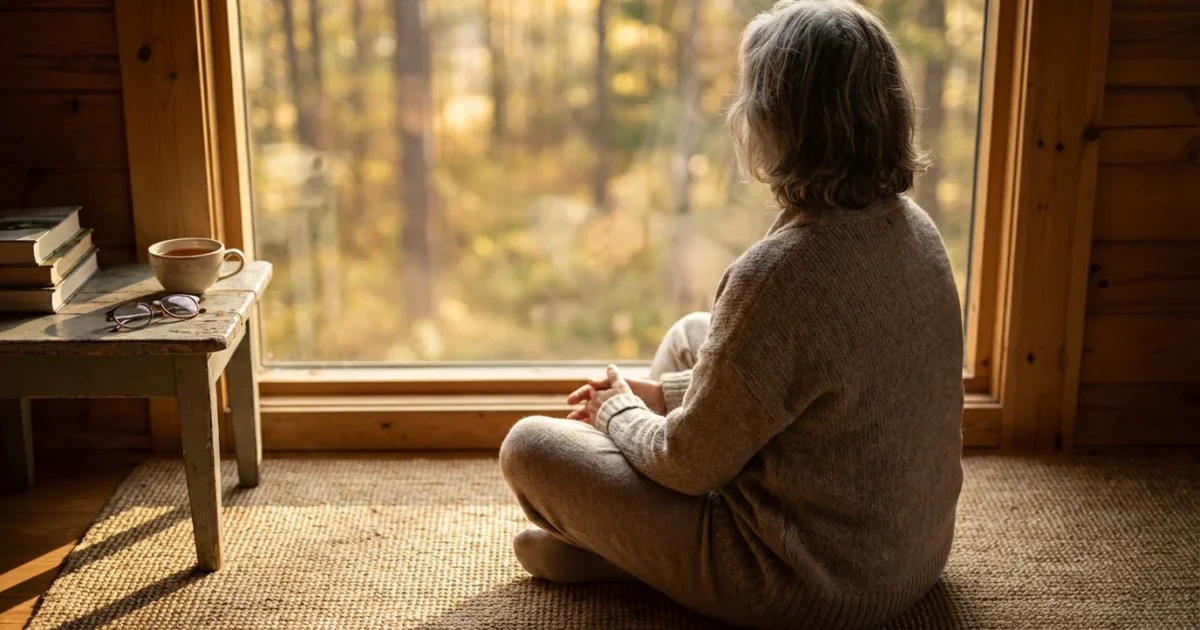
Retirement presents a remarkable opportunity for introspection, growth, and living fully. Yet, this new chapter can also introduce unique challenges. The transition from a structured career to a less defined daily rhythm sometimes brings unexpected `retirement stress`, impacting your sense of purpose and well-being. Finding tools to navigate these shifts gracefully becomes essential.
Embracing `mindfulness` and `meditation techniques` offers a powerful path to `how to reduce stress` and achieve `finding peace of mind` during your golden years. These practices empower you to cultivate a calm, clear mind, allowing you to savor each moment with intention and joy. You gain agency over your inner landscape, transforming potential anxieties into opportunities for deeper engagement with life.
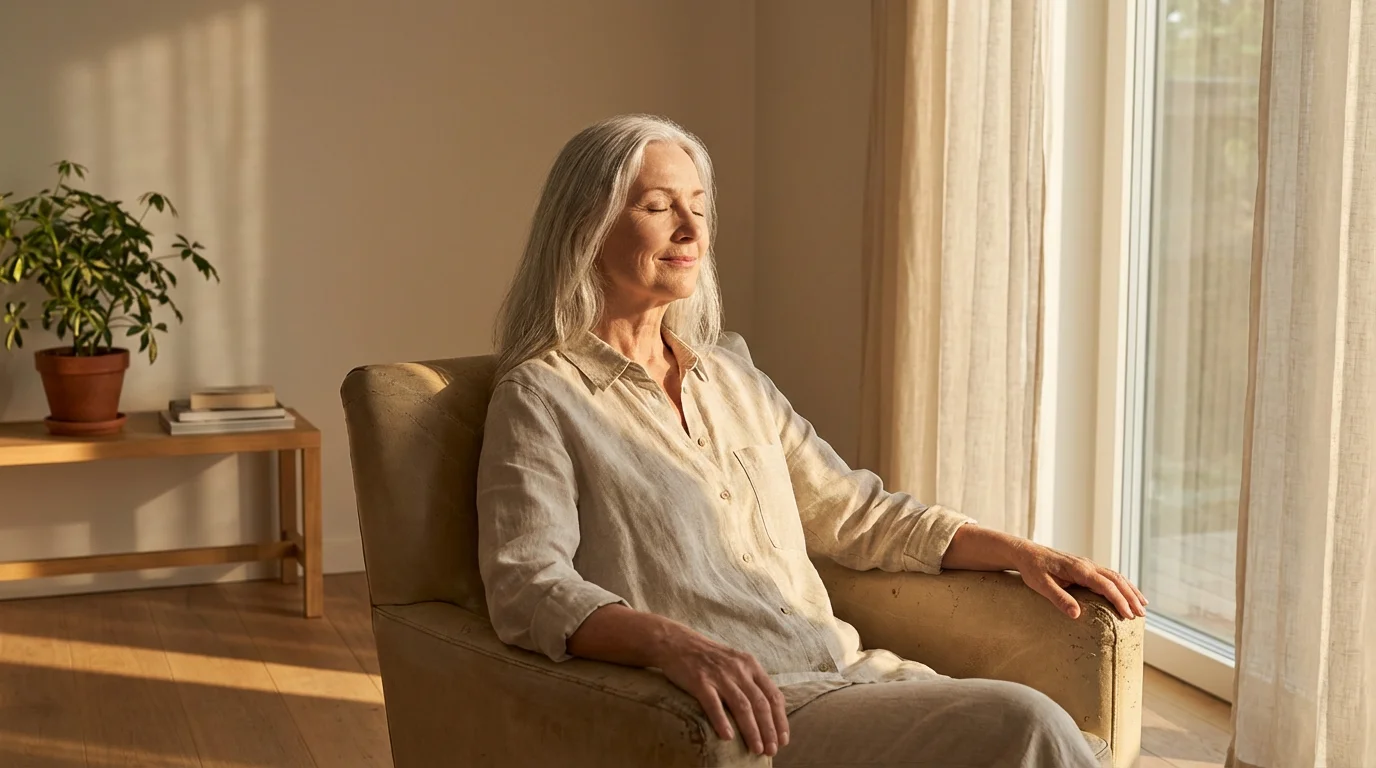
Embracing a New Chapter, Unburdening the Mind
Retirement reshapes your daily life significantly. You might grapple with a changed routine, shifts in social connections, or even a redefinition of your identity outside of work. These substantial life adjustments contribute to `retirement stress`, sometimes manifesting as anxiety, restlessness, or a feeling of being adrift. You are not alone in experiencing these feelings.
Many retirees discover a renewed sense of purpose by actively managing their inner lives. Mindfulness and meditation provide the framework for this vital internal work. They equip you with the mental agility to respond thoughtfully to life’s changes, rather than reacting impulsively. This intentional approach allows you to shape a retirement filled with dignity and peace.

Understanding Mindfulness: Living in the Present Moment
Mindfulness, at its core, means paying attention to the present moment without judgment. It involves observing your thoughts, feelings, and bodily sensations as they arise, without getting caught up in their narrative. You simply notice, cultivating a gentle awareness of your immediate experience. This practice stands in contrast to constantly dwelling on the past or worrying about the future.
This attentive presence offers numerous benefits for your mind and body. Research consistently shows that practicing `mindfulness` reduces anxiety, improves emotional regulation, and enhances cognitive function. It allows you to step back from overwhelming thoughts, creating a valuable space for calm and clarity. You begin to appreciate the richness of everyday experiences.
Consider how often your mind wanders during a conversation or a meal. Mindfulness invites you to bring your attention back to what is happening right now, fostering deeper engagement with life. It is not about emptying your mind, but rather about befriending it.

The Power of Meditation: Cultivating Inner Calm
While mindfulness describes a state of awareness, meditation provides the formal `meditation techniques` to cultivate and deepen this state. Meditation is a dedicated practice where you train your attention and awareness to achieve a mentally clear and emotionally calm state. It is like exercise for your brain, strengthening your capacity for focus and peace.
Consistent meditation practice can profoundly transform your brain. Studies indicate it can lead to increased gray matter in areas associated with attention, introspection, and emotional regulation. This physiological change translates into greater resilience against `retirement stress` and an enhanced ability to `how to reduce stress` in daily life. You actively build pathways for enduring tranquility.
Through regular meditation, you develop a stronger connection to your inner self. You learn to observe thoughts and feelings without being swept away by them, gaining a sense of detachment that liberates you from their grip. This cultivation of inner calm becomes a reliable resource, available to you regardless of external circumstances.
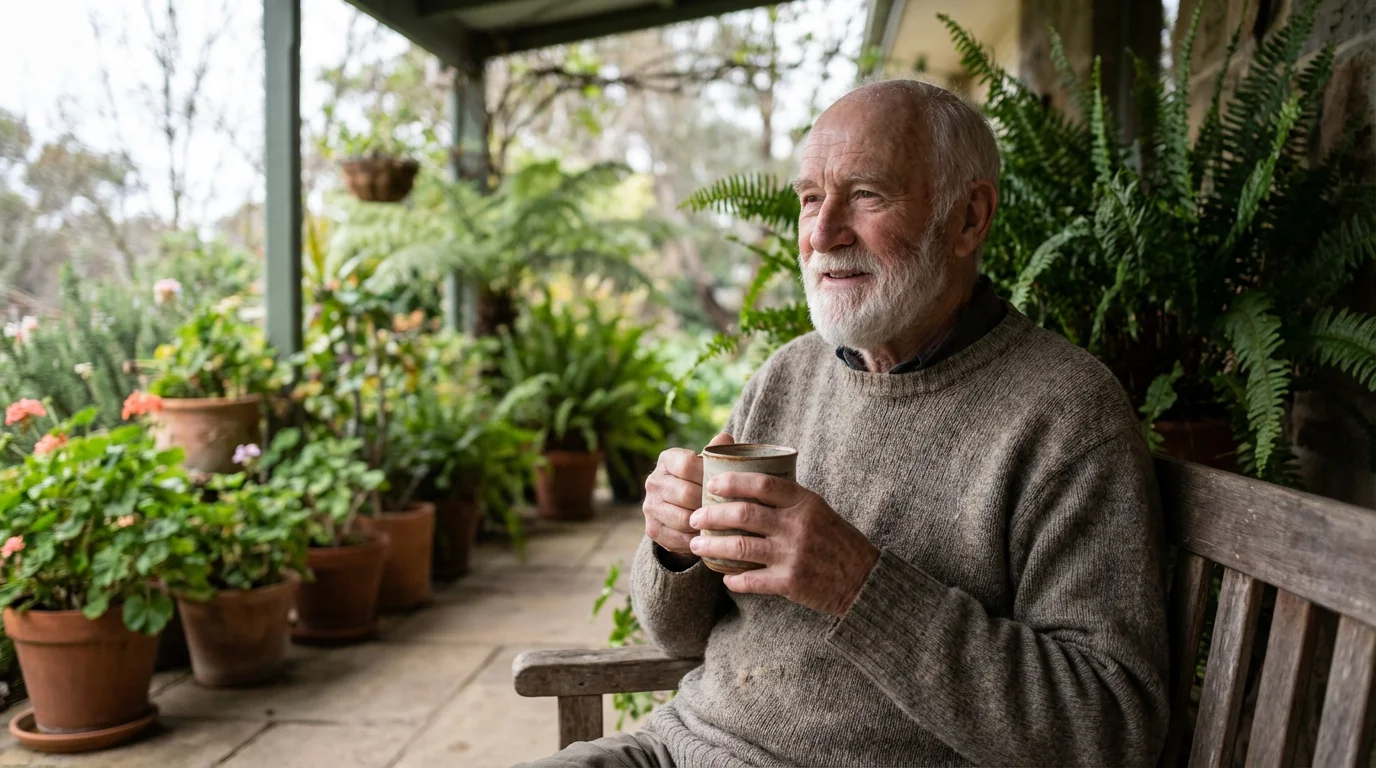
Gentle Beginnings: Simple Mindfulness Practices for Your Day
Integrating `mindfulness` into your daily life does not require hours of dedicated practice. Small, consistent efforts yield significant results. Start by choosing one or two simple practices to incorporate each day. You will find that these brief moments of awareness accumulate, gradually shifting your overall perspective toward `finding peace of mind`.
Here are a few gentle practices to begin your journey:
- Mindful Breathing: Take five minutes to simply notice your breath. Sit comfortably, close your eyes if it feels right, and bring your full attention to the sensation of air entering and leaving your body. Notice the rise and fall of your chest or abdomen. When your mind wanders, gently guide it back to your breath.
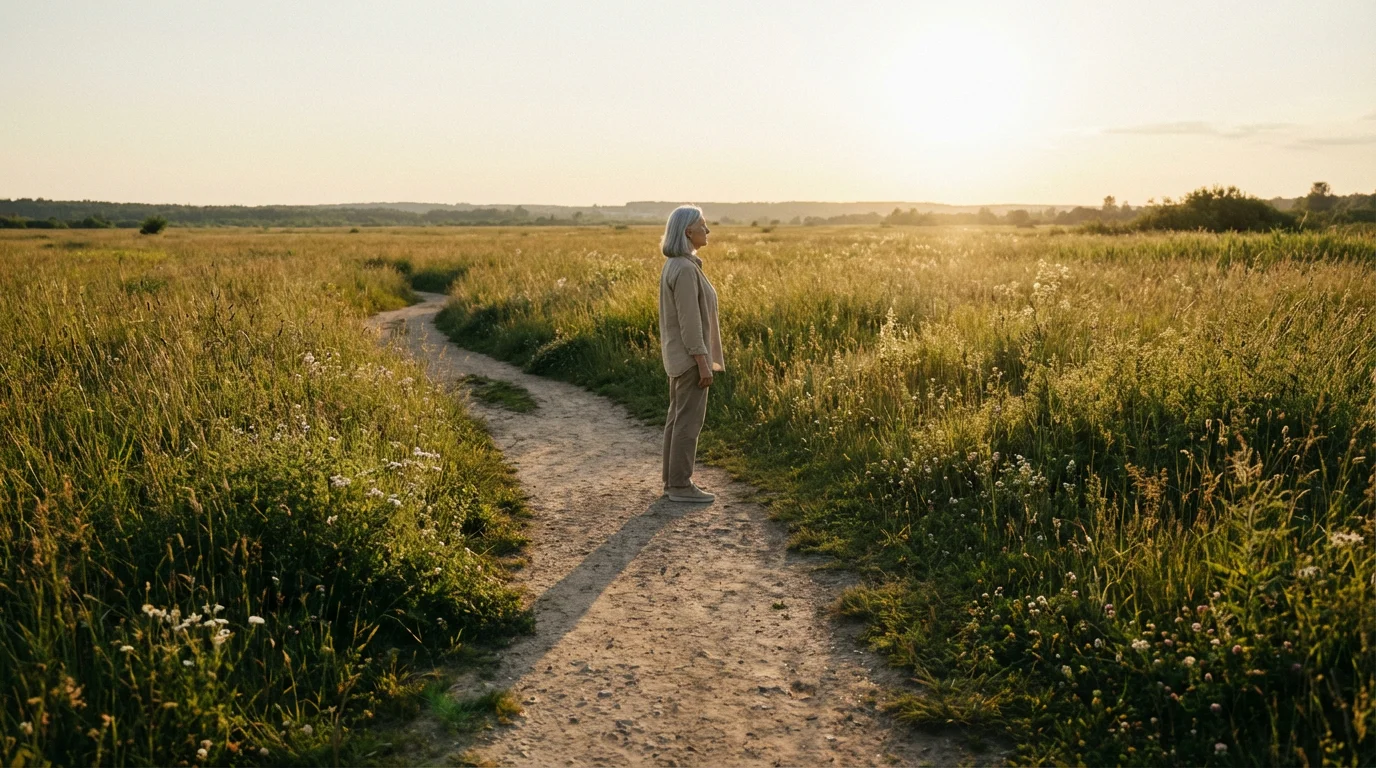
- Mindful Walking: As you walk, bring your awareness to the act of walking itself. Feel your feet making contact with the ground, observe the movement of your legs, and notice the rhythm of your steps. Pay attention to the sights, sounds, and smells around you without judgment.
- Mindful Eating: Before taking a bite, pause to look at your food, noticing its colors, textures, and aromas. Chew slowly, savoring each flavor and sensation. Pay attention to the act of swallowing and how your body responds to the nourishment. This practice enhances enjoyment and digestion.
- A One-Minute Sensation Scan: Throughout your day, take a minute to check in with your body. Notice any areas of tension or relaxation. Simply observe these sensations without trying to change them. This builds awareness of your physical state and helps release stored tension.
These simple exercises lay the groundwork for deeper meditation and help you reduce `retirement stress` by anchoring you in the present.
Step-by-Step Meditation Techniques for a Serene Retirement
Once you feel comfortable with basic mindfulness, you can explore more structured `meditation techniques`. These practices are designed to systematically train your attention, leading to profound states of relaxation and clarity. Remember, consistency is more important than duration. Even 10-15 minutes daily makes a difference.
Follow these steps to establish a regular meditation practice:
- Choose Your Space and Time: Find a quiet spot where you will not be disturbed. This could be a corner of your living room, a spare bedroom, or even a peaceful spot outdoors. Select a consistent time each day, perhaps first thing in the morning or before bed, to make it a habit.
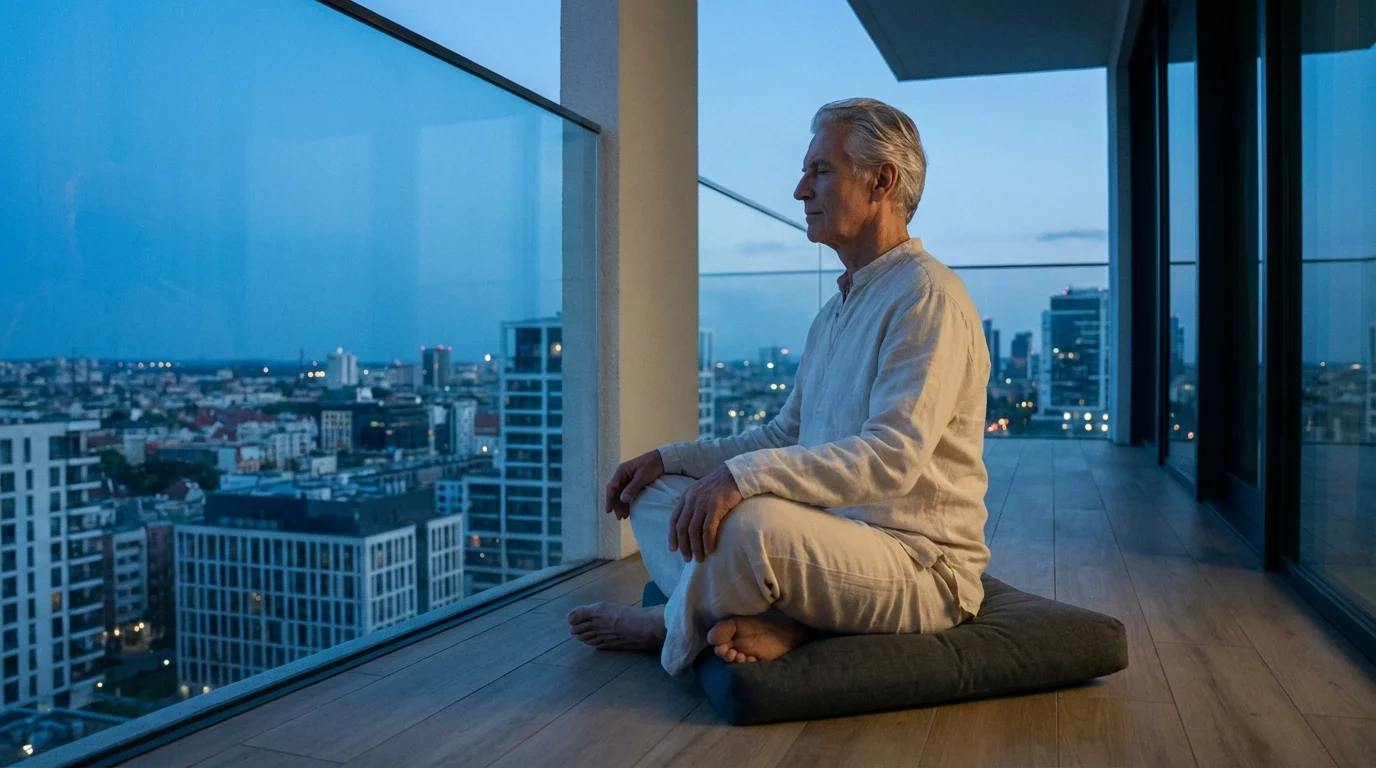
- Comfortable Posture: Sit upright in a chair with your feet flat on the floor, or cross-legged on a cushion. Maintain a dignified posture, with your spine straight but not stiff. Your hands can rest gently on your lap. The goal is to be alert and comfortable, not slouching or overly rigid.
- Set Your Intention: Before you begin, gently remind yourself why you are meditating. Perhaps it is to reduce `retirement stress`, to cultivate peace, or simply to be present. This intention provides gentle guidance for your practice.
- Focus on Your Breath (Anapanasati): Close your eyes softly, or cast your gaze downwards. Bring your attention to the sensations of your breath. Feel the air as it enters and leaves your nostrils, or the gentle rise and fall of your abdomen. This is your primary anchor.
- Observe Your Thoughts: Your mind will inevitably wander. This is normal, not a failure. When you notice your mind has drifted, gently acknowledge the thought, perhaps label it “thinking,” and then softly guide your attention back to your breath. Do this without judgment or frustration.
- Body Scan Meditation: After establishing breath awareness, you can extend your attention to different parts of your body. Starting from your toes, slowly move your awareness up through your feet, legs, torso, arms, and head. Notice any sensations, warmth, tingling, or tension, simply observing them without trying to change anything.
- Loving-Kindness Meditation (Metta): This practice cultivates compassion. Begin by silently repeating phrases of goodwill towards yourself, such as “May I be happy, may I be healthy, may I be free from suffering.” Then extend these wishes to loved ones, neutral individuals, challenging people, and finally, to all beings. This technique deeply supports `finding peace of mind` and enhancing relationships.
- Conclude Gently: When your meditation time is complete, slowly open your eyes if they were closed. Take a moment to sit quietly, noticing the sensations in your body and your surroundings before resuming your activities.
Overcoming Common Hurdles: Sustaining Your Practice
Beginning a new practice like meditation can present challenges. You might encounter a restless mind, a busy schedule, or the belief that you are “doing it wrong.” These experiences are part of the journey. Do not let them deter you from your goal of `how to reduce stress` and achieve `finding peace of mind`.
Here are practical tips for overcoming common hurdles:
- The Busy Mind: Understand that a busy mind is normal. The goal is not to stop thinking, but to change your relationship with your thoughts. Each time you gently return your attention, you strengthen your mental muscle of focus and resilience.
- Finding Time: Start small. Even 5-10 minutes a day is effective. Consider integrating meditation into existing routines, such as before your morning coffee or after a walk. Consistency builds momentum.
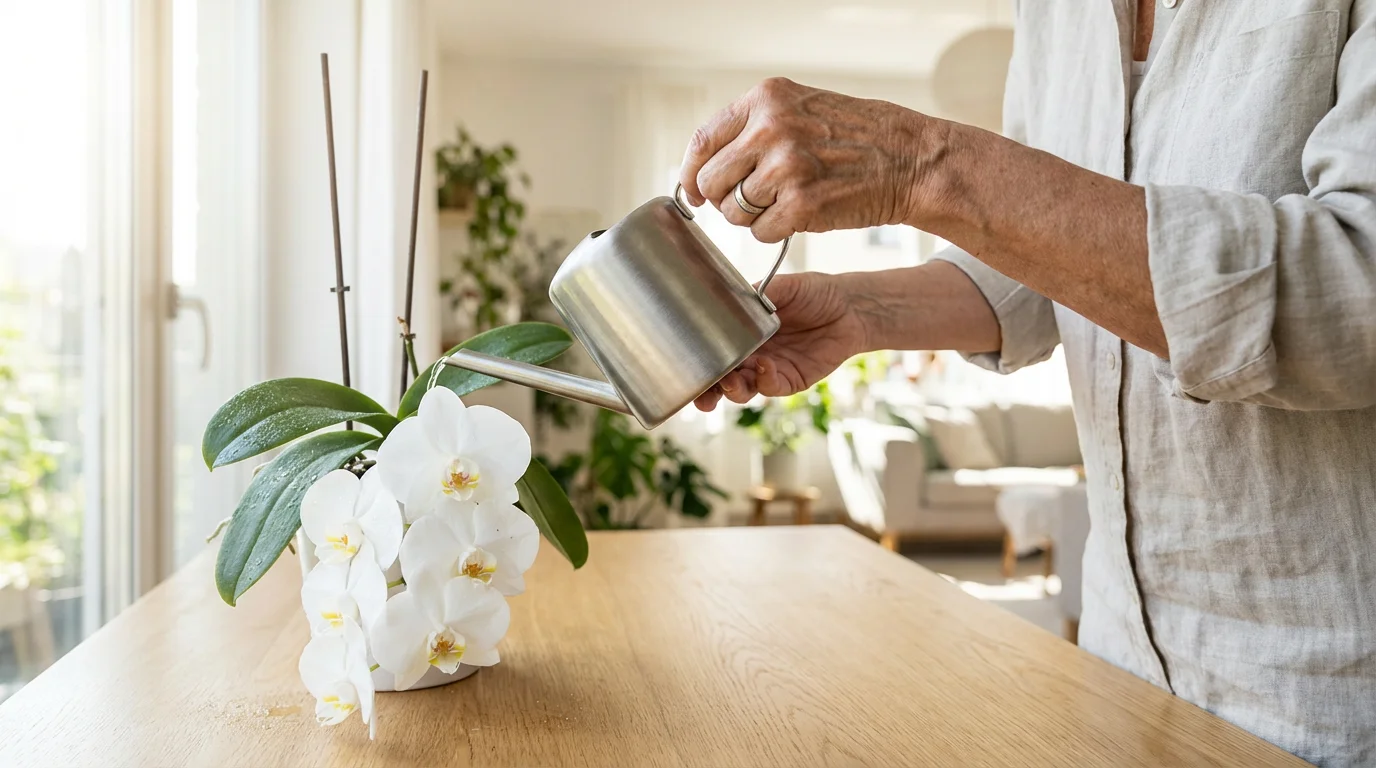
- Patience and Consistency: Cultivating inner peace is a gradual process, not a quick fix. Be patient with yourself and commit to regular practice, even on days when it feels challenging. Think of it as tending a garden; consistent care yields beautiful blooms.
- Seeking Support: Explore guided meditations through reputable apps like Calm or Headspace, or find local meditation groups. Connecting with others who share your interest provides encouragement and shared wisdom. The National Institute on Aging highlights the benefits of social engagement and purposeful activities for older adults, which meditation groups can fulfill.
- Letting Go of Expectations: Release the idea that meditation should always feel a certain way. Some sessions will feel deeply peaceful, others restless. Embrace whatever arises without judgment, recognizing that every practice session offers value.
The Ripple Effect: Benefits Beyond Stress Reduction
The benefits of `mindfulness` and `meditation techniques` extend far beyond simply `how to reduce stress`. Regular practice creates a positive ripple effect throughout your entire life, enhancing your physical health, cognitive function, and emotional well-being. You discover a deeper capacity for joy and contentment in your retirement years.
Consider these profound impacts:
- Improved Sleep Quality: Many practitioners report deeper, more restful sleep. By calming the mind before bed, you can break the cycle of restless thoughts that often disrupt sleep.
- Enhanced Cognitive Function: Research indicates meditation can improve attention span, memory, and focus, helping to maintain sharp cognitive abilities as you age. Harvard Health Publishing frequently discusses the importance of mental activity for brain health, aligning with the cognitive benefits of meditation.
- Stronger Relationships: With greater self-awareness and emotional regulation, you can engage more authentically and empathetically with others. This fosters deeper connections and reduces interpersonal `retirement stress`.
- Greater Life Satisfaction: By cultivating presence and gratitude, you begin to appreciate the simple joys of life more fully. This leads to a profound sense of `finding peace of mind` and overall contentment.
- Pain Management: Mindfulness practices can alter your perception of pain, making it feel less overwhelming. You learn to observe sensations without adding mental distress.
As Mark Twain wisely observed, “Age is an issue of mind over matter. If you don’t mind, it doesn’t matter.” This timeless wisdom underscores the power you hold to shape your experience of aging through your mindset. Mindfulness and meditation empower you to embrace this truth fully.
Cultivating Grace: Integrating Mindfulness into Your Retirement Lifestyle
Your retirement offers a unique canvas for mindful living. You possess the time and wisdom to consciously choose how you spend your moments, integrating these practices into the very fabric of your graceful retirement. This is not about adding another task to your day, but about enriching every activity with conscious awareness.
Consider how you might infuse `mindfulness` into different aspects of your life:
- Mindful Hobbies: Whether gardening, painting, reading, or playing music, engage fully with the activity. Notice the textures of the soil, the colors on your palette, the rhythm of the words, or the sound of each note.
- Mindful Social Interactions: When you converse with loved ones, practice active listening. Give your full attention, truly hearing what they say without planning your response. This deepens connections and enhances the quality of your relationships.
- Mindful Self-Care: Approach your health and wellness routines with awareness. Pay attention to the sensations of gentle exercise, the nourishing qualities of healthy food, and the restorative power of rest.
- Mindful Reflection: Take time each day to reflect on moments of gratitude, joy, or even challenge. Observe your feelings without judgment, allowing yourself to process experiences with wisdom and compassion.
By consciously weaving mindfulness into your retirement, you create a life filled with purpose, presence, and profound peace. You transform `retirement stress` into a catalyst for deeper self-discovery and lasting contentment. This intentional approach ensures you live your golden years with dignity and grace, truly `finding peace of mind` in every moment.
Frequently Asked Questions
What if I cannot stop my mind from wandering during meditation?
A wandering mind is a universal experience during meditation. The practice is not about stopping thoughts, but about noticing when your mind wanders and gently guiding your attention back to your anchor, such as your breath. Each time you do this, you strengthen your focus and awareness. Be patient and kind to yourself; consistency matters more than perfection.
Do I need special equipment or a guru to practice mindfulness and meditation?
No, you do not need special equipment or a guru. Mindfulness and meditation are accessible to everyone, requiring only your attention and a willingness to practice. A comfortable cushion or chair, and a quiet space, are helpful but not essential. Many free resources, including guided meditations, exist online and through apps.
How long should I meditate each day to see benefits?
Even short periods of consistent practice, such as 5-10 minutes daily, can yield significant benefits for reducing `retirement stress` and improving overall well-being. As you become more comfortable, you might naturally extend your sessions to 15-20 minutes or longer. The key is regularity over duration.
Can mindfulness and meditation replace traditional therapy or medical treatment?
Mindfulness and meditation are powerful complementary practices. They effectively `how to reduce stress` and promote mental well-being, but they are not substitutes for professional medical advice, diagnosis, or treatment for serious conditions. Always consult with a qualified healthcare professional for specific health concerns. They can work wonderfully alongside professional care.
Is it ever too late to start a meditation practice?
It is never too late to begin a meditation practice. Many people discover `finding peace of mind` through mindfulness and meditation later in life, realizing profound benefits for physical health, emotional resilience, and cognitive function. The wisdom and experience you bring to this chapter can deepen your practice significantly.
Disclaimer: This article is for informational and inspirational purposes. Life decisions are deeply personal, and we encourage readers to consult with appropriate professionals—whether healthcare providers, counselors, or financial advisors—for guidance specific to their circumstances.









Leave a Reply