

Your journey through life’s later chapters offers a remarkable opportunity for deeper connection with yourself and the world around you. This includes a profound relationship with nourishment, transforming every meal into an act of self-care and enjoyment. Imagine embracing each bite with intention, allowing your body to process food with ease and grace. This practice, known as mindful eating, offers a gentle yet powerful pathway to significantly improved digestion, enhancing your overall vitality and wellbeing.
For individuals navigating their golden years, supporting digestive health becomes increasingly important. Mindful eating is not merely a dietary trend. It represents a conscious approach to food that respects your body’s wisdom, calms your system, and ensures you derive maximum benefit from every nutrient. It is a philosophy that marries pleasure with purpose, making mealtime a truly enriching experience. Let us explore how embracing this practice can bring profound benefits to your digestion and your life.

Understanding Mindful Eating for Better Digestion
Mindful eating is a practice rooted in mindfulness, a state of active, open attention on the present. When you eat mindfully, you approach your food with curiosity and without judgment. This involves truly noticing the physical and emotional sensations experienced before, during, and after eating.
It extends beyond merely slowing down your pace. It means engaging all your senses in the eating experience. You notice the colors on your plate, the aroma rising from your food, the texture against your tongue, and the symphony of flavors with each chew. This heightened awareness allows you to savor your meal fully.
This practice cultivates a deeper connection with your body’s natural hunger and fullness cues. You learn to recognize when you are truly hungry, distinct from emotional cravings or habit. You also become adept at identifying when you feel comfortably satisfied, preventing the discomfort of overeating. This attentiveness directly supports better digestion.
Consider a simple question: When was the last time you truly tasted your meal, savoring each distinct flavor component? For many, meals become routine, consumed quickly amidst distractions. Mindful eating invites you to reclaim this fundamental human experience, making it a source of quiet pleasure and profound health benefits.
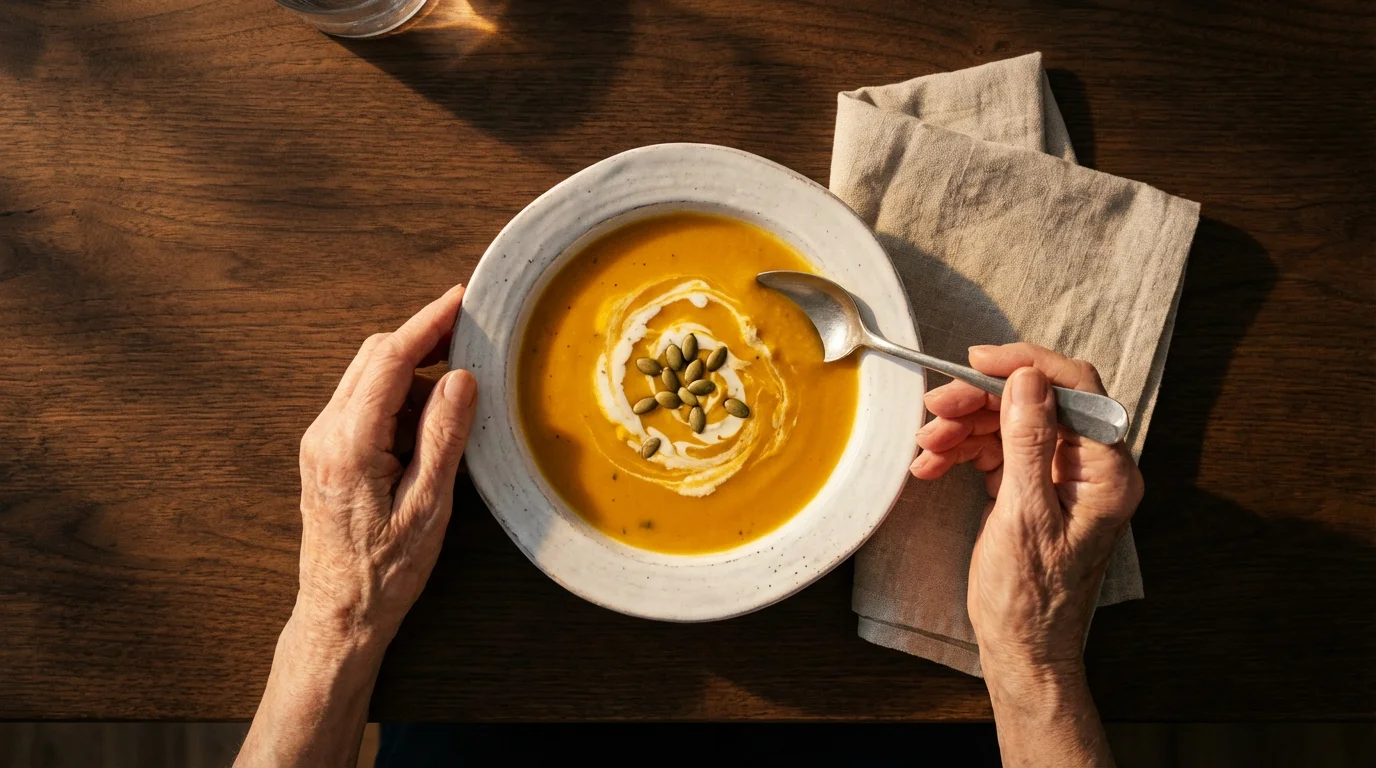
Why Mindful Eating Matters for Senior Digestion
As you gracefully age, your body experiences natural changes, and the digestive system is no exception. These shifts can include a decrease in digestive enzyme production, slower gastrointestinal motility, and sometimes changes in stomach acid levels. These factors can lead to common discomforts such as bloating, indigestion, heartburn, and constipation.
Mindful eating offers a gentle yet effective strategy to mitigate these age-related changes. By slowing down, you give your body the time it needs to prepare for digestion. The simple act of thorough chewing, a cornerstone of mindful eating, is especially vital for senior digestion. It physically breaks down food into smaller, more manageable particles, reducing the workload on your stomach and intestines.
Moreover, mindful eating helps you recognize and respond to your body’s signals more effectively. Many digestive issues stem from eating too quickly, eating too much, or eating foods that your body struggles to process efficiently. Practicing mindfulness at meal times empowers you to make more conscious food choices and adjust your eating habits for optimal comfort and health.
Embracing mindful eating as one of your healthy habits transforms eating from a hurried task into a deliberate act of nourishment. It is a powerful tool to support your digestive wellbeing, ensuring you continue to enjoy a vibrant and comfortable life. This intentional approach can significantly improve how your body processes food, leading to greater energy and fewer digestive complaints.

The Science Behind Slower Eating and Digestion
The benefits of mindful eating are not merely anecdotal; they are supported by a clear understanding of human physiology. Your digestive process begins even before you take the first bite, with the mere anticipation of food. This is known as the cephalic phase of digestion, where your brain signals your stomach to produce digestive juices and your salivary glands to release enzymes.
When you rush through a meal, you bypass crucial steps in this preparatory phase. Chewing, often overlooked in its importance, mechanically breaks down food and mixes it with saliva, initiating carbohydrate digestion. Slow, deliberate chewing also sends signals to your brain, indicating that food is on its way and allowing for adequate release of digestive enzymes in the stomach and pancreas. Harvard Health Publishing emphasizes the importance of eating slowly, noting that it provides your brain sufficient time to register fullness, which can take approximately 20 minutes from the start of a meal. You can read more about healthy aging from their resources: https://www.health.harvard.edu/topics/aging.
“Let food be thy medicine and medicine be thy food.” — Hippocrates
Slower eating also fosters the release of satiety hormones. These hormones, produced in your gut, travel to your brain to signal fullness and satisfaction. When you eat quickly, your body does not have enough time to release these hormones effectively, leading to overeating and subsequent digestive distress. This lag contributes to the feeling of being uncomfortably full long after you have finished your meal.
Furthermore, eating slowly engages your parasympathetic nervous system, often called the “rest and digest” system. In contrast, rapid eating can trigger your sympathetic “fight or flight” response, which redirects blood flow away from your digestive organs. Cultivating a relaxed mealtime environment actively supports efficient digestion, allowing your body to focus its energy where it is needed most. This deliberate pace reduces the likelihood of swallowing excess air, which often contributes to bloating and gas.

Practical Steps to Cultivate Mindful Eating
Integrating mindful eating into your life involves a series of intentional actions. These steps are simple to implement, yet they yield powerful results for your digestion and overall enjoyment of food. Start with one or two, and gradually build your practice.
- Eliminate Distractions: Before you even pick up your fork, create a quiet space. Turn off the television, put away your phone, and step away from your computer. Dedicate your full attention to the act of eating. This immediate shift allows you to truly focus on your food.
- Engage All Your Senses: Before you take the first bite, pause. Observe the colors, shapes, and textures of your food. Inhale its aroma. Notice the steam, the warmth, or the coolness. This sensory engagement deepens your experience and prepares your digestive system.
- Take Small Bites: Avoid overloading your fork or spoon. Smaller portions allow for more thorough chewing and a more deliberate eating pace. This simple adjustment profoundly impacts how your body processes food.
- Chew Thoroughly: Aim for 20-30 chews per bite, or until the food becomes almost liquid. This is perhaps the most critical step for digestion, as it mechanically breaks down food and mixes it with saliva’s digestive enzymes. Feel the texture change in your mouth.
- Put Down Your Utensils Between Bites: After each mouthful, place your fork or spoon back on your plate. This natural pause encourages you to slow down and prevents rapid, unconscious eating. It gives you a moment to process the food you just consumed.
- Notice Hunger and Fullness Cues: Throughout your meal, check in with your body. How hungry are you feeling now? Are you still enjoying the taste? Stop eating when you feel comfortably satisfied, not unpleasantly full. This honors your body’s natural wisdom.
- Reflect on Your Meal: After finishing, take a moment to appreciate the nourishment your body has received. Notice how you feel physically and emotionally. This reflective practice reinforces the positive experience and helps you learn from each meal.
Practicing these steps consistently establishes positive healthy habits around food. You will discover a renewed appreciation for your meals and significant improvements in your senior digestion.

Creating a Mindful Mealtime Environment
Your surroundings significantly influence your ability to eat mindfully. A chaotic or distracting environment makes it challenging to focus on your meal. By consciously curating your mealtime setting, you elevate the experience and enhance its digestive benefits. Think of this as preparing a stage for a cherished performance.
Consider these practical adjustments for your mindful mealtime environment:
- Set the Table: Even for a solo meal, use a placemat, a nice plate, and cutlery. This small act signals that mealtime is special and deserves your attention.
- Control the Lighting: Soft, warm lighting can create a calming atmosphere. Harsh overhead lights often feel jarring. Consider dimming lights or using lamps to create a more intimate setting.
- Minimize Noise: Turn off background television or loud music. If you enjoy music, choose something soft and instrumental that enhances relaxation, rather than distracting you.
- Engage with Companions Mindfully: If you are eating with others, engage in pleasant conversation rather than rushed chatter. Encourage a relaxed pace and shared enjoyment of the food. Make eye contact and truly listen.
- Introduce Natural Elements: A small plant, a vase with fresh flowers, or even a simple piece of art can add beauty and tranquility to your eating space. These touches foster a sense of peace.
- Keep Your Eating Area Clean: A clutter-free space helps to reduce mental distractions. Clear away mail, papers, or other items that do not belong at the dining table.
Crafting a mindful mealtime environment transforms eating from a utilitarian act into a nourishing ritual. It provides a sanctuary where you can fully connect with your food and your body, promoting optimal digestion and deep satisfaction.

Overcoming Common Obstacles to Mindful Eating
While the concept of mindful eating is simple, implementing it consistently can present challenges. Modern life often encourages speed and multitasking, making it difficult to slow down. Recognizing these common obstacles empowers you to develop effective strategies for overcoming them, ensuring your journey toward better senior digestion remains consistent.
You might find yourself facing internal or external hurdles:
- Time Constraints: Many people feel they lack the time for mindful eating. The perception of needing to rush through meals is a significant barrier.
Strategy: Start small. Dedicate just 5-10 minutes of one meal a day to mindful eating. Even a single mindful bite can make a difference. As you experience the benefits, you will naturally find more time.
- Distraction Habit: Eating while watching television, scrolling on a phone, or working at a computer is a deeply ingrained habit for many.
Strategy: Consciously choose a designated eating space free from screens. Make a pact with yourself to put devices away during meal times. The initial discomfort will give way to a sense of calm and presence.
- Emotional Eating: Turning to food for comfort, boredom, or stress relief can disrupt mindful practices.
Strategy: Before eating, pause and ask yourself, “Am I truly hungry, or am I seeking something else?” If it is not physical hunger, explore alternative ways to address your emotions, such as a short walk, a conversation, or a hobby. This awareness is a key benefit of mindful eating.
- Social Pressures: Eating quickly to match others’ pace or feeling awkward eating slowly in a group setting.
Strategy: Communicate your intentions to family or friends. Explain that you are practicing mindful eating for your health. You might even inspire them. If necessary, discreetly practice your techniques, such as putting down your fork between bites, without drawing undue attention.
- Lack of Awareness: Simply forgetting to be mindful because the habit is not yet established.
Strategy: Set gentle reminders. Place a small note near your plate, or use a timer for the first few minutes of your meal. Consistency builds the habit. Remember, progress, not perfection, is the goal.
Each small step you take to overcome these obstacles reinforces your commitment to your wellbeing. You gain mastery over your eating habits, leading to sustained benefits for your digestion and a more peaceful relationship with food. The journey of mindful eating is one of continuous discovery and gentle refinement.

Integrating Mindful Eating into Your Daily Rhythm
Mindful eating is not a temporary diet or a restrictive regimen; it is a profound shift in your relationship with food that becomes a seamless part of your daily rhythm. By consistently applying the principles of mindfulness to your meals, you cultivate healthy habits that nurture your body and soul for years to come. This integration fosters a sense of dignity and purpose in your approach to nourishment.
Begin by choosing one meal each day where you commit to practicing mindful eating. For many, breakfast offers a calm starting point before the day’s demands fully engage. As you gain comfort and confidence, gradually extend this practice to other meals and even snacks. The goal is not perfection in every bite, but rather a consistent intention to bring awareness to your eating experiences.
Think of mindful eating as a form of self-respect. It acknowledges your body’s needs and honors the effort involved in providing nourishment. This practice contributes significantly to your overall quality of life, transforming routine into ritual. The improvements in your senior digestion, energy levels, and general sense of wellbeing become clear indicators of its power.
As you continue this journey, you may find that your food preferences evolve. You might naturally gravitate towards foods that truly nourish you and satisfy your senses. This organic shift aligns with a graceful approach to aging, where choices are made with intention and wisdom. Embrace mindful eating as a cornerstone of your vibrant, purposeful life, allowing it to bring peace and improved health to every day.
Frequently Asked Questions
How does mindful eating aid digestion?
Mindful eating aids digestion by promoting a slower pace of eating, which in turn encourages thorough chewing and increased saliva production. This process breaks down food more effectively, reduces the workload on the stomach, and allows for the timely release of digestive enzymes. Additionally, a relaxed eating environment, typical of mindful eating, activates the “rest and digest” parasympathetic nervous system, optimizing blood flow and enzyme activity to your digestive organs. This holistic approach minimizes discomforts like bloating and indigestion, leading to more efficient nutrient absorption.
What are the benefits of mindful eating?
The benefits of mindful eating are extensive. Beyond significantly improved senior digestion, you experience enhanced satisfaction and enjoyment from your meals. It fosters a stronger connection with your body’s natural hunger and fullness cues, which can aid in healthy weight management. Mindful eating reduces instances of emotional eating and cravings, helping you develop a more balanced relationship with food. Ultimately, it transforms eating into a conscious, calming, and nourishing experience that positively impacts your physical and mental wellbeing.
How can I start practicing mindful eating today?
You can begin practicing mindful eating immediately with simple, actionable steps. Choose one meal today to eat without distractions: turn off screens and focus solely on your food. Before taking a bite, observe its appearance and aroma. Take small bites and chew each mouthful thoroughly, noticing the textures and flavors. Put your fork down between bites to encourage a slower pace. Throughout the meal, check in with your body for feelings of hunger and fullness, stopping when you feel comfortably satisfied. Consistent, small efforts build a lasting and beneficial mindful eating habit.
Disclaimer: This article is for informational and inspirational purposes. Life decisions are deeply personal, and we encourage readers to consult with appropriate professionals—whether healthcare providers, counselors, or financial advisors—for guidance specific to their circumstances.









Leave a Reply