
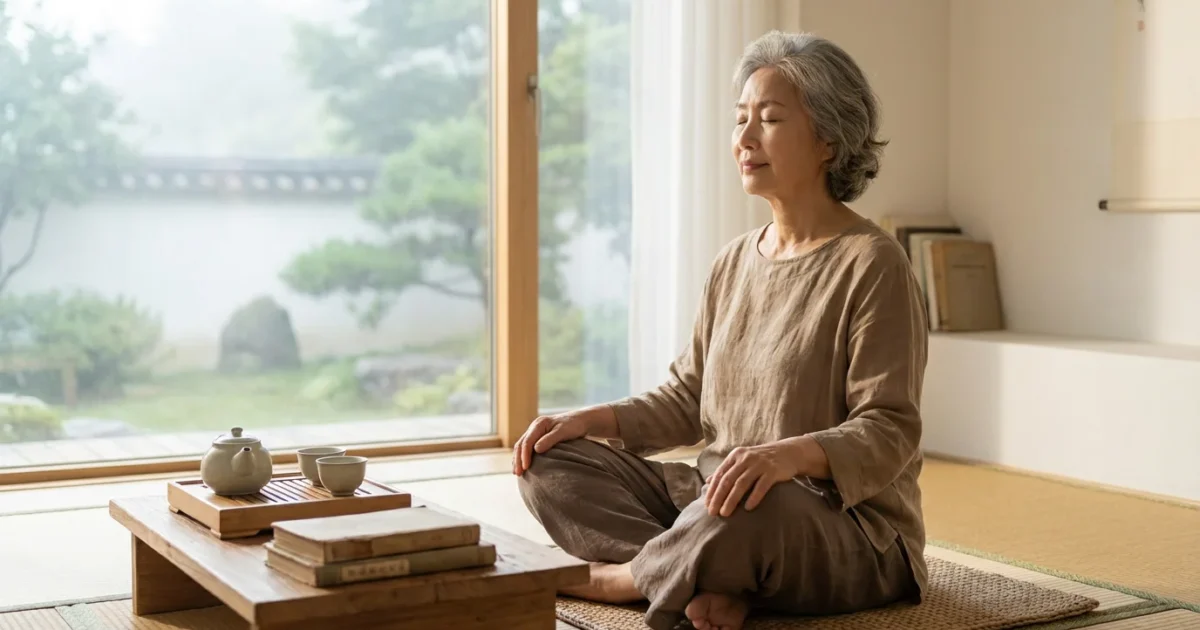
Life’s later chapters offer a profound opportunity for introspection, growth, and the cultivation of inner peace. As you navigate these rich years, the hustle and bustle of previous decades often give way to a desire for deeper meaning and a more tranquil existence. Mindful meditation stands as a powerful practice, inviting you to embrace the present moment with grace and clarity. It is not about escaping life, but rather engaging with it more fully, finding serenity amidst its ever-changing landscape.
Embracing the Quietude: Why Mindful Meditation Now?
Your journey through life has endowed you with wisdom, perspective, and a unique understanding of the world. Now, as you enter your golden years, you possess a precious commodity: time. This time offers a canvas upon which to paint a life rich in purpose and serenity. Mindful meditation provides the brushstrokes, guiding you to connect deeply with each moment.
Many seniors seek ways to enhance their well-being, manage the natural stresses of aging, and maintain mental acuity. Meditation offers a direct path to these goals. It empowers you to cultivate a calm inner state, regardless of external circumstances, fostering a sense of control and peace.
“The afternoon knows what the morning never suspected.” — Robert Frost
This timeless wisdom resonates deeply with the meditative journey. As you age, you gain perspectives previously unavailable. Meditation helps you harness this profound awareness, transforming it into a source of enduring serenity.

The Science of Stillness: How Meditation Benefits Your Well-being
The benefits of meditation extend far beyond anecdotal experiences, with a growing body of scientific evidence supporting its profound impact on senior wellness. This ancient practice actively reshapes the brain, promoting healthier cognitive and emotional functioning. Engaging in regular meditation can significantly enhance your quality of life.
Research consistently shows that mindful meditation reduces stress, a critical factor for seniors. Chronic stress impacts various bodily systems, but meditation offers a powerful antidote. It helps to lower cortisol levels, the primary stress hormone, promoting a more relaxed physiological state.
Beyond stress reduction, meditation improves emotional regulation. It allows you to observe your thoughts and feelings without immediate reaction, fostering a greater sense of calm and resilience. This ability becomes invaluable when navigating life’s inevitable challenges, enabling a more graceful response.
Cognitive benefits are also notable. Studies indicate that regular meditation can improve attention span, focus, and even working memory. For instance, findings published through sources like Harvard Health demonstrate how mindfulness practices contribute to brain health, helping to preserve cognitive function as you age. This makes meditation an excellent tool for maintaining mental sharpness.
Furthermore, consistent meditation practice can lead to better sleep quality. Many seniors experience sleep disturbances, impacting overall health and mood. By calming the mind and reducing anxiety, meditation prepares the body for restful sleep, offering a natural and effective solution. You discover a deeper peace that extends into your resting hours.
Consider these proven benefits of incorporating meditation into your routine:
- Reduced feelings of anxiety and depression.
- Improved immune system function.
- Enhanced pain management, particularly for chronic conditions.
- Greater emotional stability and improved mood.
- Increased self-awareness and self-compassion.
- Better cardiovascular health through lower blood pressure.
These tangible outcomes underscore why meditation serves as a cornerstone for holistic senior wellness. It is an investment in your physical and mental vitality, yielding rich dividends in peace and longevity.

Demystifying Meditation: It’s Simpler Than You Think
Perhaps you imagine meditation as a complex ritual, requiring years of training or specific postures. This perception often deters individuals from exploring its benefits. However, mindful meditation, at its core, is remarkably simple and accessible to everyone, regardless of physical ability or prior experience. You already possess everything you need to begin: your breath and your attention.
Mindful meditation focuses on bringing your awareness to the present moment, observing thoughts, feelings, and sensations without judgment. It is not about emptying your mind, but rather recognizing what occupies it. You become an observer, gently noting what arises, then returning your focus to an anchor, typically your breath.
Dispelling common myths helps clarify the practice:
- Myth 1: You must sit in a lotus position. Reality: You can meditate comfortably in any position, whether seated in a chair, lying down, or even walking. The key is to find a posture that allows you to remain alert and at ease.
- Myth 2: You must clear your mind of all thoughts. Reality: The human mind naturally produces thoughts. Meditation teaches you to observe these thoughts without getting swept away by them. You acknowledge their presence and gently redirect your attention.
- Myth 3: You need hours to meditate effectively. Reality: Even five to ten minutes of daily practice can yield significant benefits. Consistency matters more than duration. You can begin with short sessions and gradually extend them as you feel comfortable.
- Myth 4: Meditation is a religious practice. Reality: While many spiritual traditions incorporate meditation, mindfulness itself is a secular practice. It focuses on mental training and awareness, adaptable to any belief system or none at all.
The beauty of mindfulness lies in its simplicity. You do not need special equipment, a quiet retreat, or advanced skills. You only need a willingness to pause, breathe, and pay attention. This makes it an ideal practice for individuals seeking stress reduction and enhanced senior wellness.

Your First Steps: A Gentle Guide to Beginning Mindful Meditation
Embarking on your meditation journey is a personal and enriching experience. You will discover a natural rhythm and approach that suits you best. This step-by-step guide provides a foundation, making the process accessible and enjoyable. Remember, patience and self-compassion are your most important companions.
Step 1: Find Your Sanctuary and Posture
Choose a quiet space where you feel comfortable and undisturbed. This might be a corner of your living room, a peaceful spot in your garden, or even your favorite armchair. The key is minimal distraction.
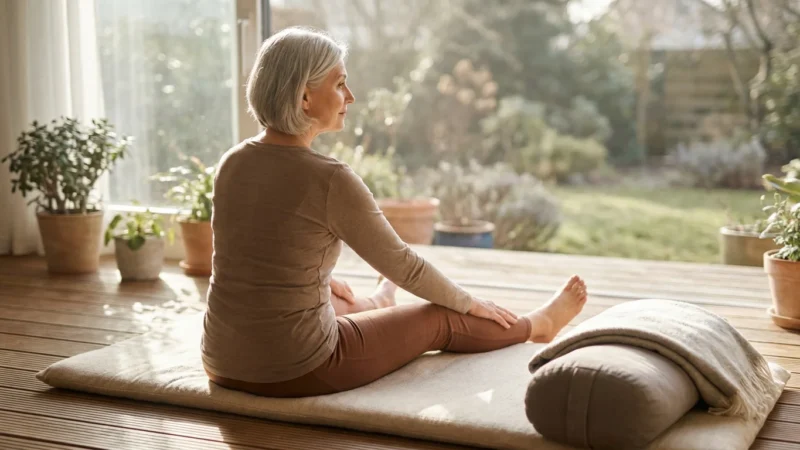
Regarding posture, find one that allows you to be alert yet relaxed. You can sit on a cushion, a chair with your feet flat on the floor, or even lie down. If sitting, keep your spine gently erect but not rigid. Rest your hands comfortably in your lap or on your knees. Close your eyes gently or soften your gaze downwards.
Step 2: Anchor with Your Breath
Bring your attention to your breath. You do not need to change it or control it. Simply notice the natural rhythm of your inhalation and exhalation. Observe the sensation of the air entering and leaving your body. Perhaps you feel it at your nostrils, in your chest, or in the gentle rising and falling of your abdomen.
This breath serves as your anchor, a gentle point of return when your mind wanders. As you focus on this sensation, you begin to ground yourself in the present moment.
Step 3: Observe Your Thoughts Without Judgment
Inevitably, your mind will wander. Thoughts, memories, plans, and feelings will arise. This is perfectly normal and a natural function of the mind. Do not judge yourself for thinking, this is not a failure in meditation.
When you notice your mind has strayed, gently acknowledge the thought. You can mentally label it, such as “thinking” or “planning,” and then, without dwelling on it, kindly return your attention to your breath. Imagine thoughts like clouds passing in the sky, you observe them without getting caught up in their movement.
Step 4: Practice Kindness and Patience
Your mind might wander a hundred times during a ten-minute session. Each time, your practice involves gently bringing your attention back to your breath. This act of returning is the meditation itself. It builds mental resilience and focus. Treat yourself with the same compassion and patience you would offer a dear friend.
Do not strive for a specific outcome or feel frustrated if you do not experience immediate calm. The benefits accumulate over time through consistent effort. Each session is a success simply because you showed up and practiced.
Step 5: Conclude with Grace
As your meditation session draws to a close, gently expand your awareness back to your surroundings. Notice sounds, the feeling of your body against your seat, and the light in the room. Take a few deep breaths, stretching gently if you wish. Carry this newfound sense of calm and presence into the rest of your day.
Here are key elements to remember for your practice:
- Start small: Begin with 5-10 minutes daily.
- Be consistent: Regular practice is more effective than infrequent long sessions.
- Find comfort: Your posture should be stable and relaxed.
- Focus on your breath: It is your primary anchor.
- Observe, do not judge: Acknowledge thoughts and feelings without attachment.
- Be patient: Progress is gradual and personal.
This gentle introduction provides a solid foundation for mastering mindful meditation, bringing you closer to senior serenity.

Integrating Mindfulness: Beyond the Formal Practice
Mindful meditation is not confined to a specific time and place, it is a way of being. The true power of mindfulness lies in extending its principles into every aspect of your daily life. You can transform routine activities into moments of heightened awareness, enriching your experience of the world. This continuous practice deepens your sense of peace and presence.
Think of it as weaving threads of mindfulness into the fabric of your day. Each thread strengthens the whole, creating a tapestry of serenity. You become more attuned to your surroundings and your inner landscape.
Here are practical ways to infuse your daily life with mindfulness:
- Mindful Eating: Before you eat, take a moment to observe your food. Notice its colors, textures, and aromas. Chew slowly, savoring each bite. Pay attention to the sensations of taste and satisfaction. This practice transforms meals into nourishing experiences, enhancing enjoyment and aiding digestion.
- Mindful Walking: As you take a walk, pay attention to the sensation of your feet touching the ground. Notice the rhythm of your steps, the swing of your arms. Observe the sights, sounds, and smells around you without judgment. Feel the air on your skin. This simple act transforms a walk into a moving meditation, connecting you with your environment.
- Mindful Chores: Even mundane tasks like washing dishes or folding laundry can become opportunities for mindfulness. Focus on the sensations: the warmth of the water, the texture of the cloth, the movements of your hands. Engage fully with the task at hand, bringing your complete attention to it. You discover a surprising sense of calm in routine.
- Mindful Listening: When conversing with others, practice truly listening. Give the other person your full attention, without planning your response or getting distracted. Notice their tone of voice, body language, and the words they choose. This deepens your relationships and fosters genuine connection.
- Mindful Pauses: Throughout your day, take short, intentional pauses. These could be just a few breaths between activities, a moment to look out a window, or a brief stretch. Use these pauses to check in with yourself, observe your current state, and gently return to the present.
By intentionally bringing awareness to these moments, you cultivate a continuous state of presence. This practice of integrating mindfulness helps significantly with stress reduction and promotes overall senior wellness. It teaches you that every moment holds the potential for peace, transforming your approach to life.

Digital Companions: The Best Meditation Apps for Seniors
In our modern world, technology can be a powerful ally in your journey towards mindful meditation and senior serenity. A variety of meditation apps offer guided practices, soothing sounds, and programs tailored to different needs, making the practice more accessible and engaging. These digital companions can provide structure, motivation, and a sense of community. They answer the question, “What are the best meditation apps for seniors?” by offering user-friendly interfaces and diverse content.
When selecting an app, consider ease of use, the variety of guided meditations, and whether it offers programs specifically for beginners or those focusing on particular goals, such as sleep or stress reduction. Many apps offer free introductory content or trials, allowing you to explore before committing.
Here are some highly regarded meditation apps that seniors often find beneficial:
- Calm: Known for its soothing interface and extensive library, Calm offers guided meditations for sleep, stress, and anxiety. It features daily guided sessions, sleep stories, and calming music. Its simple design makes it user-friendly, providing a comprehensive toolkit for mindful living.
- Headspace: Headspace breaks down meditation into bite-sized, approachable steps. Its “Basics” course is excellent for beginners, demystifying the practice with clear explanations and engaging animations. They also offer specific meditations for various everyday situations, making mindfulness practical.
- Insight Timer: This app boasts the largest free library of guided meditations, with thousands of tracks from experienced teachers. It also includes a customizable meditation timer for unguided sessions. Its community features allow you to connect with others, fostering a sense of shared practice.
- Ten Percent Happier: Based on the book by Dan Harris, this app focuses on practical, no-nonsense meditation techniques. It features teachings from renowned meditation experts and offers courses on managing stress, improving focus, and cultivating kindness. Its straightforward approach appeals to those seeking tangible results.
- Smiling Mind: A free app developed by psychologists, Smiling Mind offers programs for various age groups, including adults. It provides structured courses that guide you through mindfulness techniques, making it an excellent resource for building a foundational practice without cost.
These apps offer different strengths, but all aim to support your meditation practice, helping you integrate mindfulness into your daily routine. Experiment with a few to discover which voice, style, and features resonate most with your personal journey toward senior wellness and serenity.
Cultivating Consistency: Nurturing Your Practice
The true power of meditation unfolds not in a single, profound experience, but through consistent, gentle practice. Like tending a garden, you sow seeds of mindfulness daily, nurturing them with patience and dedication. Over time, these efforts blossom into a resilient inner peace and enhanced senior wellness. You build a habit that supports your well-being for years to come.
Establishing a consistent meditation routine requires intention and flexibility. Life presents its own demands, but even short moments of mindfulness contribute significantly. Do not let the pursuit of perfection deter you from the practice itself.
Consider these strategies for nurturing a consistent meditation practice:
- Set a Realistic Schedule: Begin with a manageable duration, such as 5-10 minutes each day. Choose a specific time that works for you, whether it is first thing in the morning, during an afternoon break, or before bed. Sticking to a routine makes it easier to form a habit.
- Create a Dedicated Space: Having a specific spot for meditation helps signal to your mind that it is time to practice. It does not need to be elaborate, a comfortable chair, a clean space, and minimal clutter suffice. This environment reinforces your commitment.
- Be Kind to Yourself: There will be days when your mind feels restless, or you miss a session. Acknowledge these moments without self-criticism. Simply return to your practice the next day with renewed intention. Self-compassion is a cornerstone of mindfulness.
- Track Your Progress (Optional): Some people find it motivating to track their meditation sessions, either with an app or a simple journal. This allows you to observe your journey and celebrate your commitment, reinforcing positive habits.
- Find a Community: Connecting with others who meditate can provide encouragement and support. Look for local meditation groups, online forums, or even share your practice with a friend or family member. Shared journeys often strengthen resolve. Stanford’s Center on Longevity, for example, emphasizes the importance of social connection in promoting well-being across the lifespan.
- Vary Your Practice: While formal sitting meditation is foundational, explore other forms of mindfulness like walking meditation, mindful movement, or body scans. This keeps your practice fresh and engaging, preventing monotony.
Remember, meditation is a journey, not a destination. Each time you sit, you are strengthening your capacity for presence, calm, and inner wisdom. You are investing in a future where you approach life’s experiences with greater serenity and grace. This enduring practice serves as a testament to your commitment to vibrant senior wellness.
Frequently Asked Questions
Can meditation truly reduce stress for seniors?
Yes, absolutely. Extensive research confirms meditation’s effectiveness in stress reduction. It helps lower cortisol levels, reduces anxiety, and improves emotional regulation. For seniors, this translates into a more calm and resilient approach to daily life, enhancing overall well-being. Regular practice trains the mind to respond to stressors more skillfully.
What are the best meditation apps for beginners, especially seniors?
Several apps cater wonderfully to beginners and seniors. Calm and Headspace are popular choices for their user-friendly interfaces and guided introductory courses. Insight Timer offers a vast free library of guided meditations, while Ten Percent Happier provides a practical, no-nonsense approach. Exploring a few options allows you to find one that resonates with your learning style.
How long should a meditation session be for optimal benefits?
Even short sessions, as little as 5-10 minutes daily, can yield significant benefits over time. Consistency is more important than duration, especially when starting. As you become more comfortable, you might gradually extend your sessions to 15-20 minutes, or longer if you wish. The key is to find a length that feels sustainable and enjoyable for you.
Is meditation safe for individuals with health conditions?
For most individuals, meditation is a safe and beneficial practice. However, if you have specific health conditions, particularly mental health concerns, it is always wise to consult your healthcare provider before starting a new practice. They can offer personalized advice and ensure it complements your existing health management plan. Generally, gentle mindful meditation is well-tolerated.
What if I cannot stop my mind from wandering during meditation?
A wandering mind is a universal experience in meditation, not a sign of failure. The practice is not about stopping thoughts, but about noticing them without judgment and gently returning your attention to your anchor, usually your breath. Each time you notice your mind has wandered and bring it back, you are strengthening your mental muscle of attention. Be patient and kind to yourself through this process.
Disclaimer: This article is for informational and inspirational purposes. Life decisions are deeply personal, and we encourage readers to consult with appropriate professionals—whether healthcare providers, counselors, or financial advisors—for guidance specific to their circumstances.





Leave a Reply