Life’s journey unfolds with its unique rhythm, bringing both profound joys and unforeseen challenges. For many of us in our golden years, the wisdom we gain allows us to navigate complexities with greater perspective, yet stress remains a pervasive element, subtly impacting our well-being. Modern life, even in retirement, can present anxieties ranging from health concerns and family dynamics to the pressures of an ever-changing world. Ignoring these pressures diminishes the grace and tranquility you deserve in this precious chapter.
You possess an innate ability to find calm amidst the storm, a powerful tool residing within you. This guide explores the profound practice of deep breathing, offering you a pathway to greater serenity and resilience. Deep breathing is more than a simple inhale and exhale, it is a conscious act of reclaiming peace, a cornerstone of effective stress management. By mastering these simple yet transformative techniques, you actively choose to cultivate inner quiet, enhancing your overall senior wellness.

The Unseen Burden: Why Stress Affects Our Golden Years
Aging is a beautiful process of accumulation: wisdom, experience, cherished memories. It also brings new considerations, and with them, potential sources of stress. Perhaps you find yourself navigating changes in health, caring for loved ones, or simply adapting to a different pace of life. These shifts, while often natural, can accumulate, creating an invisible burden that weighs on your spirit and body.
Finding proactive ways of managing financial anxiety is another vital component of protecting your peace of mind during this transition.
Chronic stress manifests in various ways, impacting both your physical and mental vitality. You might experience persistent fatigue, disrupted sleep patterns, digestive issues, or an increased sense of worry and irritability. These are not inevitable aspects of aging. Instead, they signal that your body and mind are working overtime, trying to cope with an elevated stress response. Recognizing these signs empowers you to address them proactively, safeguarding your graceful journey through life.
Understanding the unique stressors of this life stage is the first step toward effective stress management. You are not alone in experiencing these feelings. Acknowledging them gives you the power to seek out strategies that restore balance and joy. The goal is not to eliminate all stress, a near impossibility, but rather to develop robust tools for managing its impact, allowing you to thrive.
Unlocking Calm: How Deep Breathing Transforms Your Well-being
Imagine possessing a personal key to unlock tranquility, accessible anytime, anywhere. Deep breathing offers precisely this power. This ancient practice, often underestimated in its simplicity, profoundly impacts your physiological and psychological state. By intentionally regulating your breath, you send a clear signal to your nervous system: it is safe to relax.
The beauty of deep breathing lies in its accessibility and immediate effect. You do not need special equipment, a particular location, or even extensive training to begin experiencing its benefits. This powerful tool is always with you, residing in your own body. Integrating deep breathing into your daily routine becomes an act of self-care, a deliberate choice to nurture your inner peace.
Many people find that engaging in regular deep breathing practices enhances their overall mood and resilience. It cultivates a sense of mindfulness, bringing your attention to the present moment and away from worrying thoughts about the past or future. This heightened awareness allows you to respond to life’s challenges with greater clarity and less reactivity. Deep breathing is a cornerstone of senior wellness, offering a sustainable path to a calmer, more joyful existence.
The Science of Serenity: What Happens When You Breathe Deeply
The connection between your breath and your well-being is not merely anecdotal, it is deeply rooted in human physiology. Your autonomic nervous system operates two primary branches: the sympathetic, responsible for your “fight or flight” response, and the parasympathetic, which governs “rest and digest.” When you experience stress, your sympathetic system kicks into high gear, releasing hormones like cortisol and adrenaline. This prepares your body for perceived danger, increasing heart rate, blood pressure, and muscle tension.
Similar to focused breathwork, exploring Tai Chi can help bridge the connection between gentle physical movement and nervous system regulation.
Deep breathing actively engages your parasympathetic nervous system, effectively hitting the brakes on your body’s stress response. Research from institutions like Harvard Health demonstrates that slow, deep breaths stimulate the vagus nerve, a critical component of the parasympathetic system. This stimulation helps to lower heart rate, reduce blood pressure, and promote a state of relaxation throughout your body. You are, in essence, consciously telling your body to calm down.
Regular practice of deep breathing also improves oxygen exchange within your body. When you breathe shallowly, typical during stress, only the upper lobes of your lungs receive sufficient air. Deep, diaphragmatic breathing allows your lungs to fully expand, drawing more oxygen into your bloodstream and expelling more carbon dioxide. This enhanced oxygenation contributes to clearer thinking, increased energy levels, and an overall sense of vitality. This explains how can deep breathing reduce stress at a fundamental, biological level.

Preparing for Practice: Creating Your Oasis of Calm
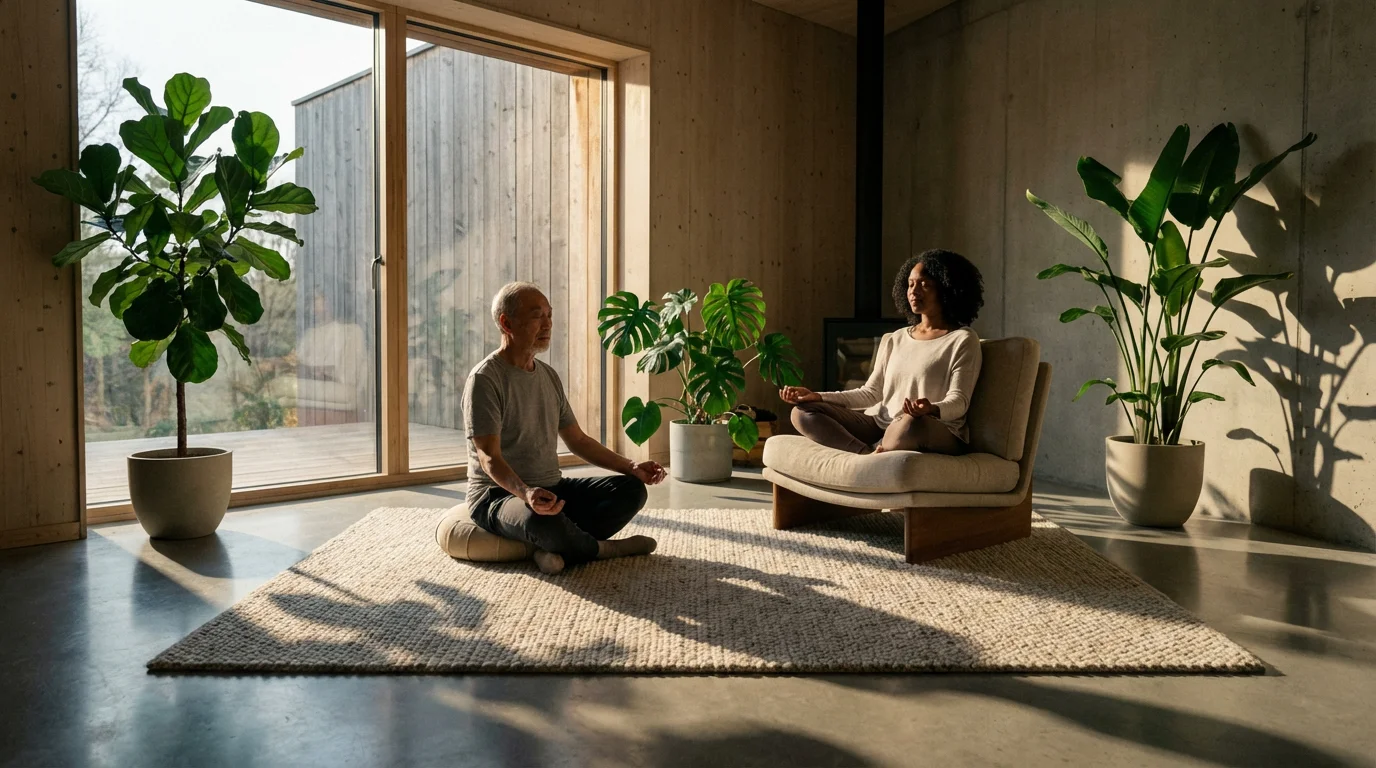
Before diving into specific techniques, setting the stage for a successful practice significantly enhances your experience. Think of this as creating a personal sanctuary, even if for only a few minutes. Your environment plays a powerful role in your ability to relax and focus on your breath. Cultivating a dedicated space reinforces the intention of your practice.
Consider these simple steps to prepare for your deep breathing sessions:
- Find a Quiet Space: Choose a location where you will not face interruptions. This might be a quiet corner of your home, a serene spot in your garden, or even a comfortable chair in your bedroom.
- Ensure Comfort: Sit or lie in a comfortable position that allows your spine to remain straight yet relaxed. You might choose a meditation cushion, a supportive armchair, or even your bed. Loose clothing also helps.
- Minimize Distractions: Turn off your phone or put it on silent. If possible, let others in your household know you need a few moments of undisturbed quiet.
- Gentle Lighting: Soft, natural light or dim artificial lighting can contribute to a calming atmosphere. You might even close your eyes gently.
- Optional Enhancements: Some people find aromatherapy, such as a subtle lavender scent, or soft, instrumental music helpful. Experiment to discover what enhances your personal sense of peace.
Remember, consistency is more important than duration when you begin. Even a few minutes of focused breathing each day builds a powerful habit. Your “oasis” can be portable, accessible whenever you feel the need to recenter yourself.

Founditudinal Technique: Diaphragmatic Breathing, Step by Step
Diaphragmatic breathing, often called belly breathing, is the cornerstone of deep breathing techniques. It encourages you to breathe deeply into your abdomen, rather than shallowly into your chest. Mastering this technique forms the basis for more advanced practices and provides immediate stress relief. This is one of the most effective techniques for stress management.
Follow these steps to practice diaphragmatic breathing:
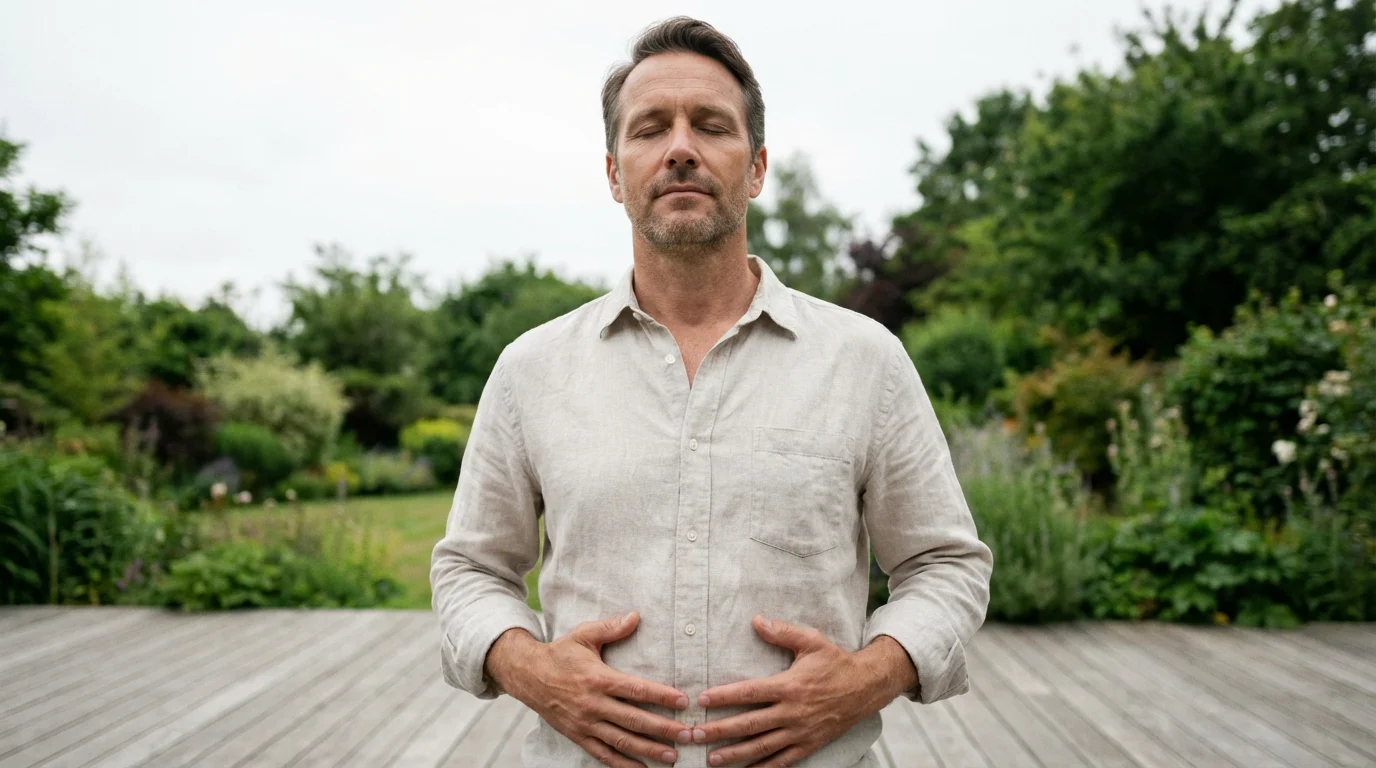
- Find Your Position: Lie on your back on a flat surface, such as a bed or the floor, with your knees bent and a pillow under your head for comfort. If lying down is uncomfortable, sit in a chair with good back support.
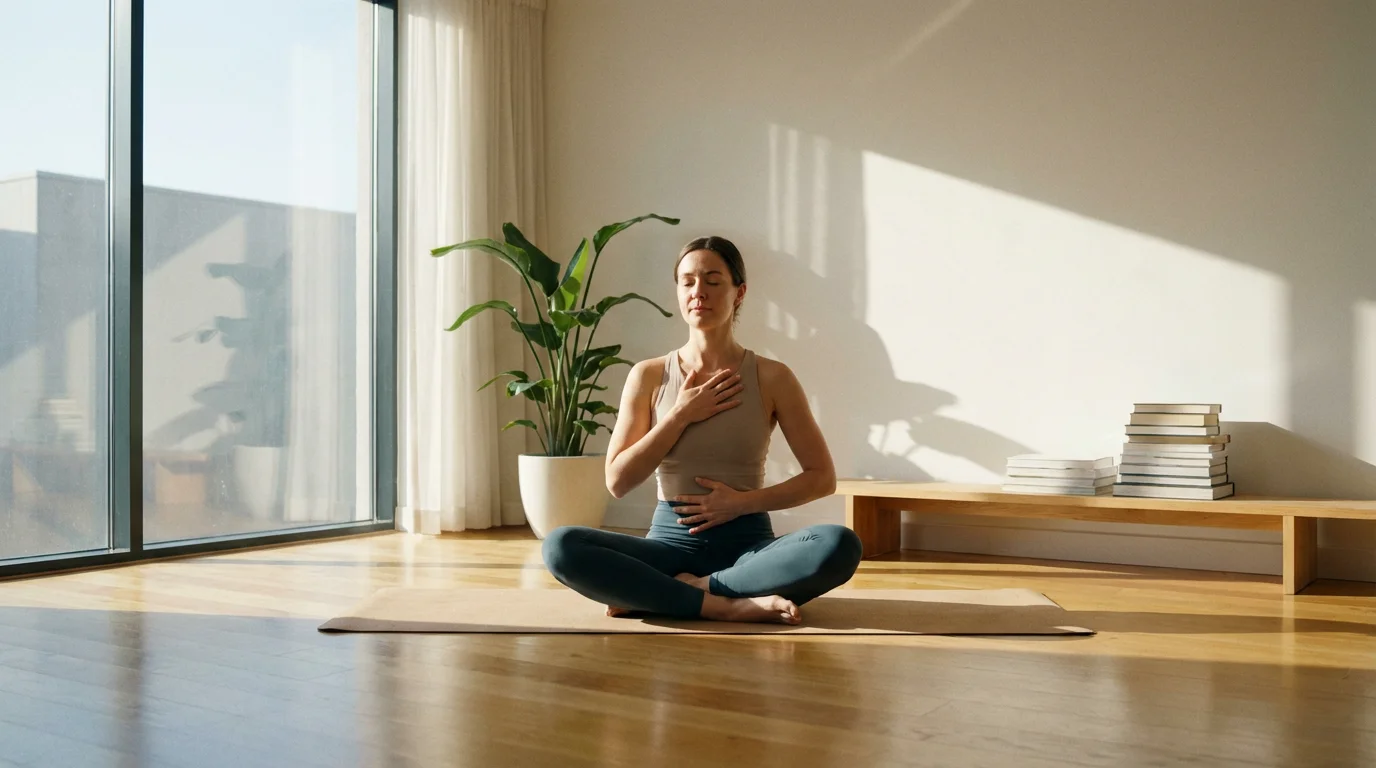
- Hand Placement: Place one hand on your upper chest and the other hand on your abdomen, just below your rib cage. This placement helps you feel the movement of your diaphragm.
- Inhale Slowly and Deeply: Breathe in slowly and gently through your nose. As you inhale, feel the hand on your abdomen rise, while the hand on your chest remains relatively still. Your belly should expand, like a balloon filling with air.
- Exhale Slowly and Deliberately: Purse your lips slightly, as if you are blowing through a straw, and exhale slowly through your mouth. Gently contract your abdominal muscles, feeling the hand on your abdomen lower. Exhale completely, pushing all the stale air out.
- Focus and Repeat: Continue this cycle for 5 to 10 minutes. Concentrate solely on the rhythm of your breath and the rising and falling of your abdomen. If your mind wanders, gently bring your focus back to your breath.
- Practice Regularly: Aim to practice diaphragmatic breathing for 5 to 10 minutes, two to three times a day. You can gradually increase the duration as you become more comfortable.
This technique is simple, yet incredibly powerful. Regular practice helps to retrain your breathing patterns, making deep, calming breaths your natural default, even in stressful situations.
Advanced Practices: Expanding Your Breathwork Repertoire
Once you feel comfortable with diaphragmatic breathing, you might explore other deep breathing techniques that offer unique benefits. These practices build upon your foundational understanding, further enhancing your ability to manage stress and cultivate inner peace. What are some deep breathing techniques that extend beyond the basics?
Here are a few practices you might consider incorporating:
- Box Breathing (Four-Square Breathing): This technique involves inhaling, holding, exhaling, and holding for equal counts, typically four.
- Exhale completely to a count of four.
- Hold your breath for a count of four.
- Inhale deeply through your nose for a count of four.
- Hold your breath again for a count of four.
- Repeat the cycle for several minutes.
This method is excellent for sharp focus and immediate calm.
- 4-7-8 Breathing Technique: Developed by Dr. Andrew Weil, this method is particularly effective for promoting relaxation and sleep.
- Place the tip of your tongue against the ridge of tissue just behind your upper front teeth, and keep it there throughout the entire breathing process.
- Exhale completely through your mouth, making a “whoosh” sound.
- Close your mouth and inhale quietly through your nose to a mental count of four.
- Hold your breath for a count of seven.
- Exhale completely through your mouth, making a “whoosh” sound to a count of eight.
- This completes one breath. Inhale again and repeat the cycle three more times for a total of four breaths.
This technique powerfully calms the nervous system.
- Alternate Nostril Breathing (Nadi Shodhana): This ancient yogic practice helps balance the two hemispheres of the brain, promoting mental clarity and reducing anxiety.
- Sit in a comfortable position with a straight spine.
- Close your right nostril with your right thumb. Inhale slowly and deeply through your left nostril.
- Close your left nostril with your ring finger, releasing your thumb from your right nostril. Exhale slowly through your right nostril.
- Inhale through your right nostril.
- Close your right nostril with your thumb, releasing your ring finger from your left nostril. Exhale slowly through your left nostril.
- Continue alternating for 5-10 minutes.
This practice brings a profound sense of equilibrium.
Experiment with these techniques to discover which ones resonate most with you and best support your stress management goals. Your breath is a versatile tool, capable of many different rhythms and patterns to serve your needs.
“Stress management is not about getting rid of stress, but about learning how to cope with it in healthier ways.”
— National Institute on Aging

Integrating Breath into Daily Life: Small Moments, Big Impact
The true power of deep breathing lies in its integration into your everyday existence, not just during dedicated practice sessions. You have countless opportunities throughout your day to pause, reset, and re-center yourself using your breath. These small moments accumulate, creating a significant impact on your overall stress management and senior wellness.
Consider these practical ways to weave deep breathing into your daily routine:
- Morning Awakening: Before you even get out of bed, take a few minutes for diaphragmatic breathing. This sets a calm tone for your day.
- Mealtime Mindfulness: Before taking your first bite, pause for three deep breaths. This helps you slow down, savor your food, and promote better digestion.
- Transition Moments: Use transitions, such as moving from one activity to another, waiting in line, or driving, as cues to take several slow, deep breaths. This prevents stress from building up.
- Before Challenging Conversations: If you anticipate a difficult discussion, take five deep breaths. This helps you approach the conversation with greater composure and clarity.
- Evening Wind-Down: Practice deep breathing for 10-15 minutes before bed. This signals to your body that it is time to relax and prepare for restful sleep.
- During Moments of Frustration: When you feel anger or frustration rising, immediately turn your attention to your breath. A few slow exhalations can de-escalate your emotional response.
You hold the power to transform ordinary moments into opportunities for peace. Each conscious breath is an affirmation of your commitment to a life lived with greater grace and purpose. Regular, small doses of breathwork are more effective than infrequent, long sessions.
Beyond the Breath: Holistic Approaches to Senior Wellness
While deep breathing is an exceptionally powerful tool for stress management, it functions best as part of a broader, holistic approach to senior wellness. Your well-being is a tapestry woven from many threads, and addressing each aspect strengthens the whole. Consider how these additional practices can complement your breathwork.
- Mindful Movement: Gentle exercises like walking, tai chi, yoga, or swimming not only keep your body strong but also act as potent stress reducers. Physical activity releases endorphins, natural mood lifters.
- Nutritious Eating: Fueling your body with whole, unprocessed foods provides the energy and nutrients it needs to manage stress effectively. Avoid excessive caffeine and sugar, which can exacerbate anxiety.
- Quality Sleep: Prioritize 7-9 hours of restful sleep each night. Establish a consistent sleep schedule and create a calming bedtime routine. Deep breathing before bed significantly aids this.
- Social Connection: Nurture your relationships with friends, family, and community. Social interaction provides emotional support and reduces feelings of isolation, a common stressor. Organizations like Encore.org celebrate the power of purpose and connection in later life.
- Engaging Your Mind: Pursue hobbies, learn new skills, or engage in stimulating activities that bring you joy and a sense of purpose. A fulfilled mind often experiences less stress.
- Time in Nature: Spending time outdoors, whether in a park, by a lake, or simply in your garden, has proven benefits for reducing stress and improving mood. Connect with the natural world around you.
- Professional Support: Do not hesitate to seek help from healthcare professionals, therapists, or counselors if stress feels overwhelming. They offer valuable strategies and support tailored to your needs.
You have the capacity to create a life rich in vitality and peace. By embracing deep breathing as one of many intentional practices, you actively design a retirement filled with dignity, purpose, and profound grace.
Frequently Asked Questions
Can deep breathing really reduce stress immediately?
Yes, deep breathing can offer immediate relief from stress. By activating the parasympathetic nervous system, it helps to lower heart rate and blood pressure, calming the body’s fight or flight response almost instantly. A few minutes of focused deep breathing can quickly shift your physiological state.
How often should I practice deep breathing for the best results?
For optimal results in stress management, aim for short, consistent practices throughout the day. Starting with 5-10 minutes, two to three times daily is an excellent goal. You can gradually increase the duration as it feels comfortable and natural for you.
Are there any risks associated with deep breathing exercises?
Deep breathing exercises are generally safe for most individuals. However, if you have severe respiratory conditions, heart problems, or other serious health concerns, it is wise to consult your doctor before starting any new breathing regimen. Listen to your body and stop if you feel dizzy or uncomfortable.
What if I cannot focus during deep breathing, and my mind keeps wandering?
It is perfectly normal for your mind to wander during deep breathing, especially when you are new to the practice. The key is not to judge yourself. Simply acknowledge the thought, and gently bring your attention back to your breath. Consistency in practice will gradually strengthen your focus over time.
How does deep breathing help with sleep?
Deep breathing techniques, particularly the 4-7-8 method, prepare your body for sleep by calming the nervous system. This reduces the mental and physical arousal that can prevent you from falling asleep. Regular practice before bed signals to your body that it is time to rest, promoting deeper, more restorative sleep.
Disclaimer: This article is for informational and inspirational purposes. Life decisions are deeply personal, and we encourage readers to consult with appropriate professionals—whether healthcare providers, counselors, or financial advisors—for guidance specific to their circumstances.







Leave a Reply