
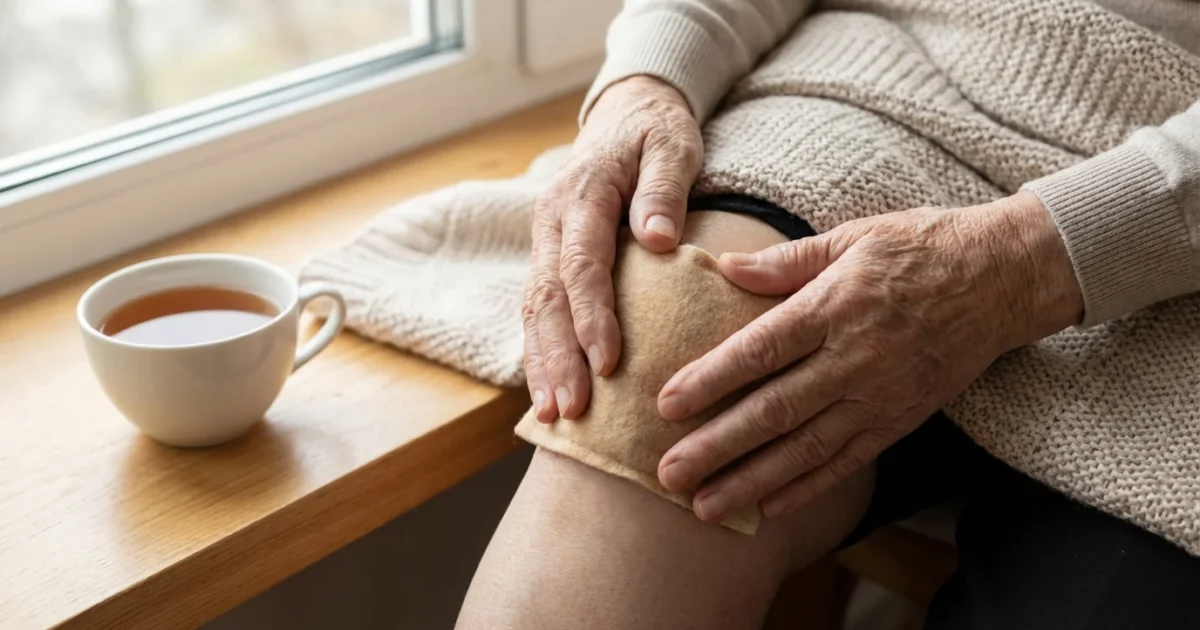
As you navigate your golden years, life often presents new challenges and opportunities for growth. Among these, managing chronic pain can sometimes feel like an uninvited companion, casting shadows on the vibrant life you envision. However, embracing this chapter with dignity and purpose means actively seeking strategies to alleviate discomfort, allowing your spirit to shine brightly.
This article offers practical, actionable insights and inspiration to help you understand, address, and transcend the limitations that chronic pain might impose. You possess the wisdom and resilience to live a rich, fulfilling life, even when discomfort arises. Let us explore pathways to greater comfort and well-being together.

Embracing Grace Amidst Discomfort
Aging gracefully means accepting the natural changes that come with time, but it does not mean surrendering to discomfort. Your golden years should be a period of joy, exploration, and meaningful connection. Chronic pain, however, can disrupt these aspirations, limiting mobility, sleep, and overall engagement with life.
Consider how pain influences your daily routines and emotional landscape. It is essential to acknowledge these impacts without allowing them to define your identity. You hold the power to seek solutions and cultivate a life that transcends physical limitations.

Understanding Chronic Pain in Later Life
Chronic pain persists for months or even years, often originating from conditions such as arthritis, nerve damage, or previous injuries. Unlike acute pain, which signals immediate injury, chronic pain can become a condition in itself. Understanding its nature marks the first step toward effective pain management.
Data suggests that a significant percentage of older adults experience chronic pain. For example, studies by the National Institute on Aging indicate that chronic pain affects approximately 50% of older adults living independently. This prevalence underscores the importance of proactive and comprehensive strategies. You are not alone in this experience.

Partnering with Your Healthcare Team
Effective pain management begins with a strong partnership with your medical professionals. Your doctor, specialists, and even therapists form a crucial support network. Open communication with them about your symptoms, concerns, and lifestyle goals empowers them to provide the most tailored care.
When discussing your pain, provide specific details. Describe its location, intensity on a scale of 1-10, what makes it better or worse, and how it impacts your daily activities. This comprehensive information guides your team in developing an individualized treatment plan.
Tips for an Effective Healthcare Partnership:
- Prepare questions before appointments.
- Keep a pain journal to track patterns and triggers.
- Advocate for your needs and ask for explanations of treatments.
- Consider bringing a trusted family member or friend to appointments for support and note-taking.
Exploring Conventional Pain Management
Modern medicine offers a range of strategies to address chronic pain. These often form the foundation of your treatment plan, working to reduce inflammation, block pain signals, and improve functionality. It is crucial to explore these options carefully with your doctor.
Common Conventional Approaches:
- Medications: This category includes over-the-counter pain relievers such as acetaminophen or NSAIDs, prescription medications like stronger anti-inflammatories, nerve pain medications, and sometimes opioids for severe, short-term relief under strict supervision. Your doctor will weigh benefits against potential side effects, especially considering other health conditions and medications you may take.
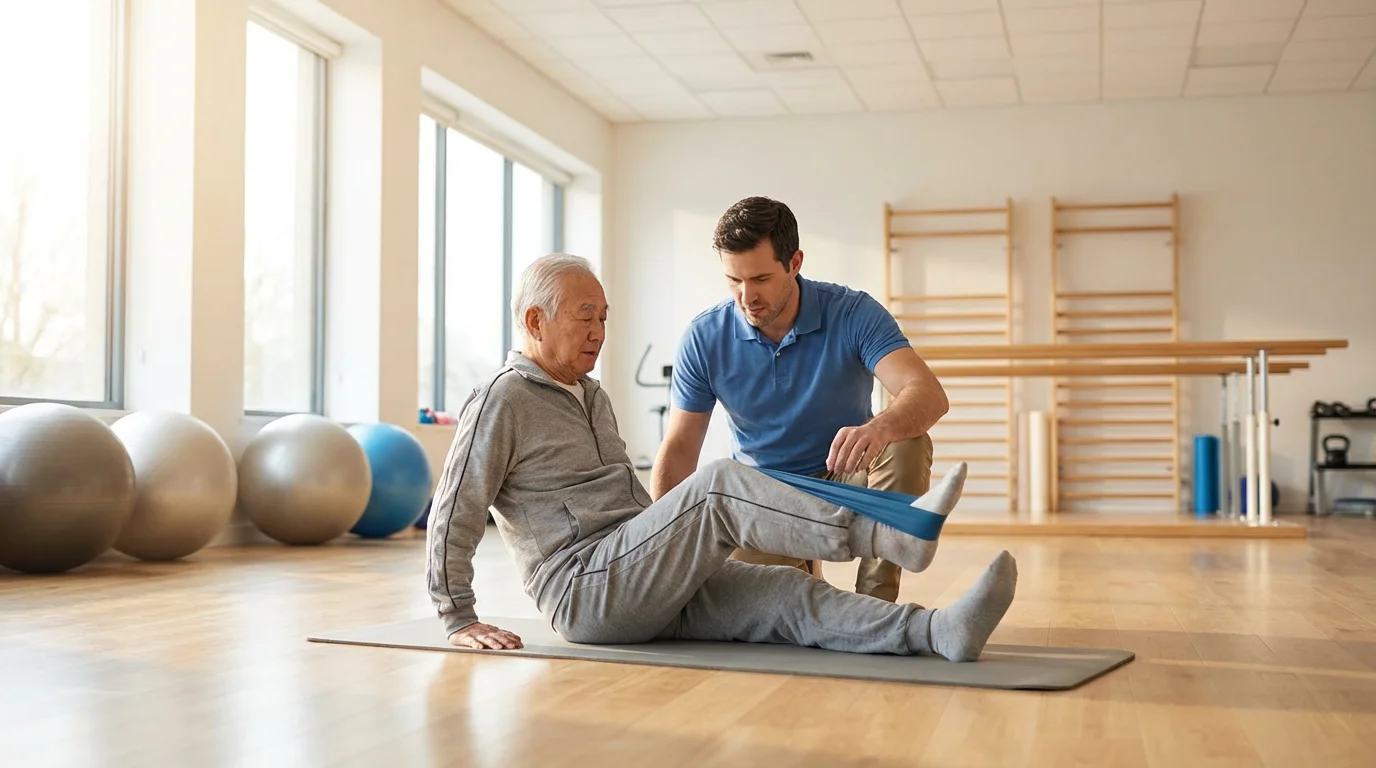
- Physical Therapy: A physical therapist designs exercises to strengthen muscles, improve flexibility, and restore mobility. They also educate you on proper body mechanics to protect joints and reduce strain. Many people find significant relief and functional improvement through consistent physical therapy, helping them understand how to manage arthritis pain effectively.
- Injections: For localized pain, injections of corticosteroids or nerve blocks can provide temporary relief by reducing inflammation or interrupting pain signals. These are often used when other methods have not been fully effective.
- Surgery: In specific cases, when conservative treatments fail, surgery might be considered to repair damaged joints, decompress nerves, or correct structural issues contributing to pain. This is typically a last resort, carefully evaluated with your surgical team.
Each approach carries its own considerations regarding risks and benefits. Discuss these thoroughly with your physician to make informed decisions that align with your health goals and lifestyle.
Harnessing Complementary and Alternative Therapies
Beyond conventional medicine, a wealth of complementary and alternative pain relief methods can support your well-being. These therapies often focus on the whole person, integrating mind, body, and spirit. Many individuals find remarkable comfort and improved quality of life through these approaches.
Effective Alternative Pain Relief Methods:
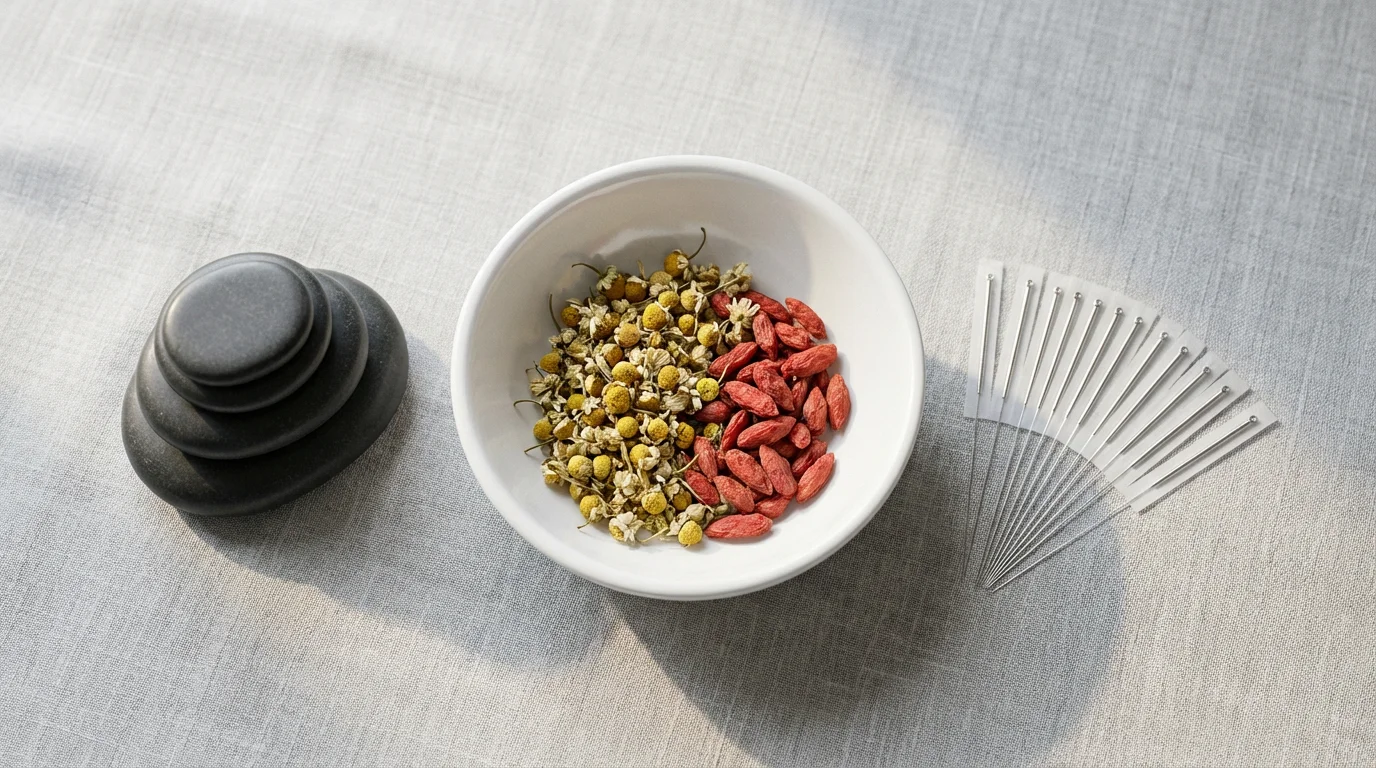
- Acupuncture: This ancient Chinese practice involves inserting thin needles into specific points on the body. Many studies suggest acupuncture can reduce pain by stimulating the body’s natural pain-relieving chemicals and altering pain pathways.
- Massage Therapy: Therapeutic massage can alleviate muscle tension, improve circulation, and promote relaxation. It is particularly beneficial for musculoskeletal pain and stress reduction.
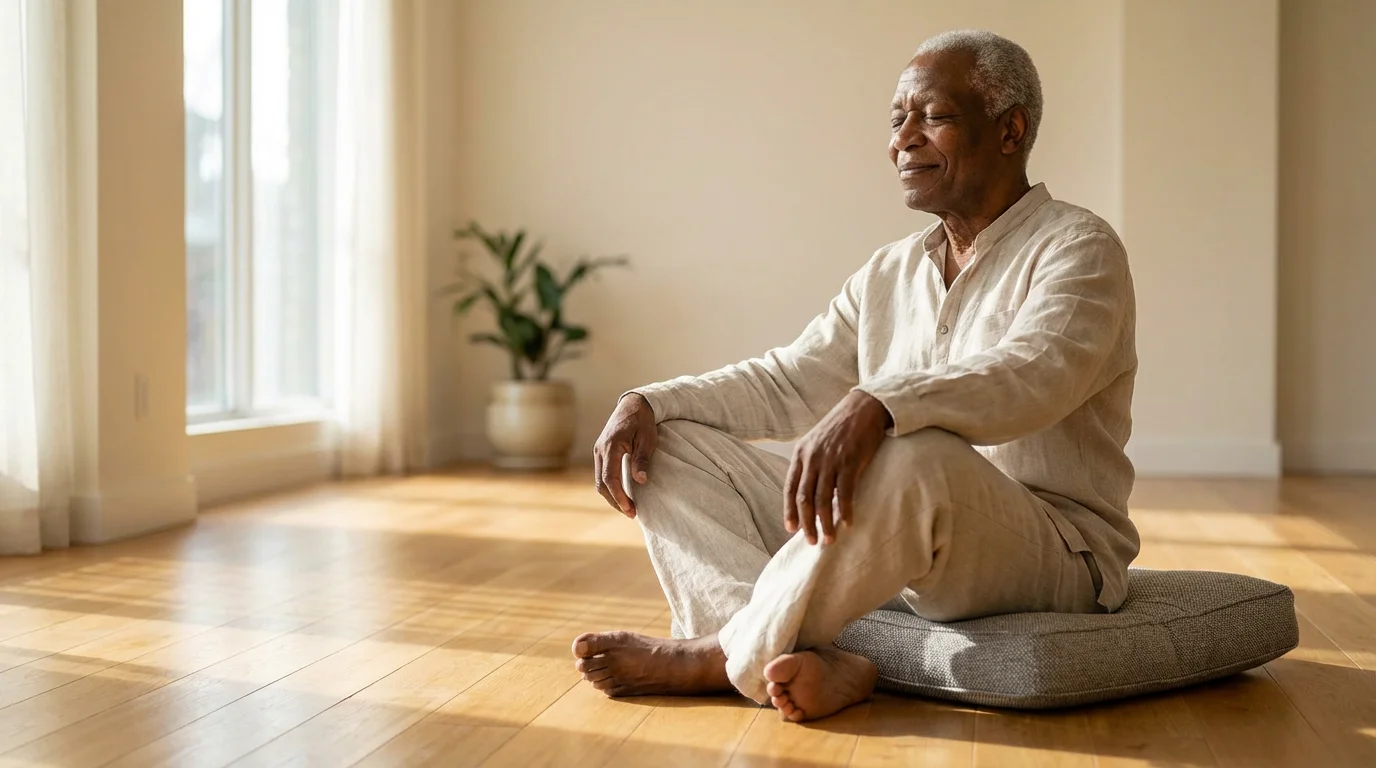
- Mindfulness and Meditation: Practices like mindfulness meditation teach you to observe pain without judgment, altering your relationship with discomfort. Research from Harvard Health Aging indicates these practices can significantly reduce perceived pain intensity and improve coping mechanisms.
- Yoga and Tai Chi: These gentle movement practices enhance flexibility, strength, balance, and mental calm. They are excellent for easing chronic joint pain and improving overall physical function without high impact.
- Herbal Remedies and Supplements: Certain herbs, such as turmeric or ginger, and supplements like glucosamine and chondroitin, possess anti-inflammatory properties. Always discuss these with your doctor, as they can interact with prescribed medications.
Explore what resonates with you and integrate these methods thoughtfully. Remember, the goal is to build a personalized toolkit for managing your pain effectively.

Lifestyle Cornerstones for Pain Reduction
Your daily habits play a profound role in how your body experiences and processes pain. By consciously cultivating supportive lifestyle choices, you can create an environment that minimizes discomfort and promotes healing. These are not merely suggestions, but powerful levers for change.
Key Lifestyle Adjustments:
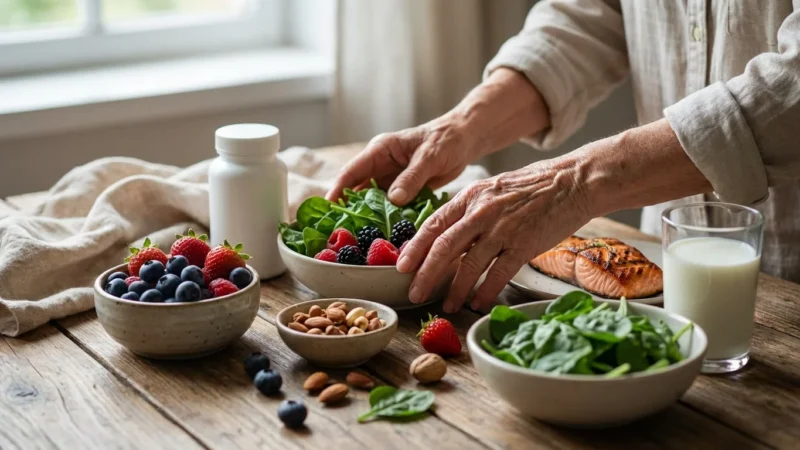
- Nourishing Nutrition: Adopt an anti-inflammatory diet rich in fruits, vegetables, whole grains, and lean proteins. Limit processed foods, sugar, and unhealthy fats, which can exacerbate inflammation. Consider consulting a dietitian for personalized guidance.
- Regular, Gentle Movement: Engage in low-impact activities like walking, swimming, or cycling. Even short, consistent bursts of movement can improve circulation, strengthen muscles, and release endorphins, your body’s natural painkillers. Find activities you enjoy to ensure sustainability.
- Restorative Sleep: Prioritize 7-9 hours of quality sleep each night. Chronic pain often disrupts sleep, and poor sleep can intensify pain perception. Establish a consistent sleep schedule, create a relaxing bedtime routine, and optimize your sleep environment for darkness and quiet.
- Hydration: Drink plenty of water throughout the day. Proper hydration supports joint lubrication, muscle function, and overall cellular health, all of which contribute to pain reduction.
- Stress Management: Chronic stress elevates cortisol levels and can heighten pain sensitivity. Integrate stress-reducing practices into your day, such as deep breathing, spending time in nature, or engaging in hobbies.
These cornerstones build a foundation of well-being that can significantly diminish the impact of chronic pain on your life.
The Mind-Body Connection: A Powerful Tool
The intricate link between your mind and body means that emotional states directly influence physical sensations. When experiencing chronic pain, anxiety, depression, or stress can amplify discomfort. Harnessing the power of your mind can be one of your most effective pain management strategies.
Your thoughts and feelings are not merely reactions to pain, they actively shape your experience of it. Embracing techniques that foster mental calm and emotional resilience can shift your perspective and even reduce physical symptoms. For deeper exploration of this connection, resources like Psychology Today Aging offer valuable insights.
Age is an issue of mind over matter. If you don’t mind, it doesn’t matter.
— Mark Twain
Consider the wisdom in this perspective. While physical pain is real, your attitude and mental approach profoundly influence its perceived severity and your ability to cope.
Practices to Strengthen Your Mind-Body Connection:
- Cognitive Behavioral Therapy (CBT): A therapist helps you identify and challenge negative thought patterns related to pain, replacing them with more constructive ones. CBT empowers you to reframe your relationship with pain.
- Guided Imagery: Through audio recordings or a therapist, you visualize calming scenes or imagine your pain diminishing. This technique can distract from pain and promote relaxation.
- Biofeedback: Learn to control involuntary bodily functions, such as heart rate or muscle tension, through monitoring devices. Gaining conscious control over these responses can help reduce pain.
- Journaling: Expressing your feelings and experiences in a journal provides an outlet for emotions and can help you identify pain triggers and coping mechanisms.
By tending to your emotional and psychological health, you unlock a powerful dimension of healing and pain relief.
Cultivating Social Connections and Support
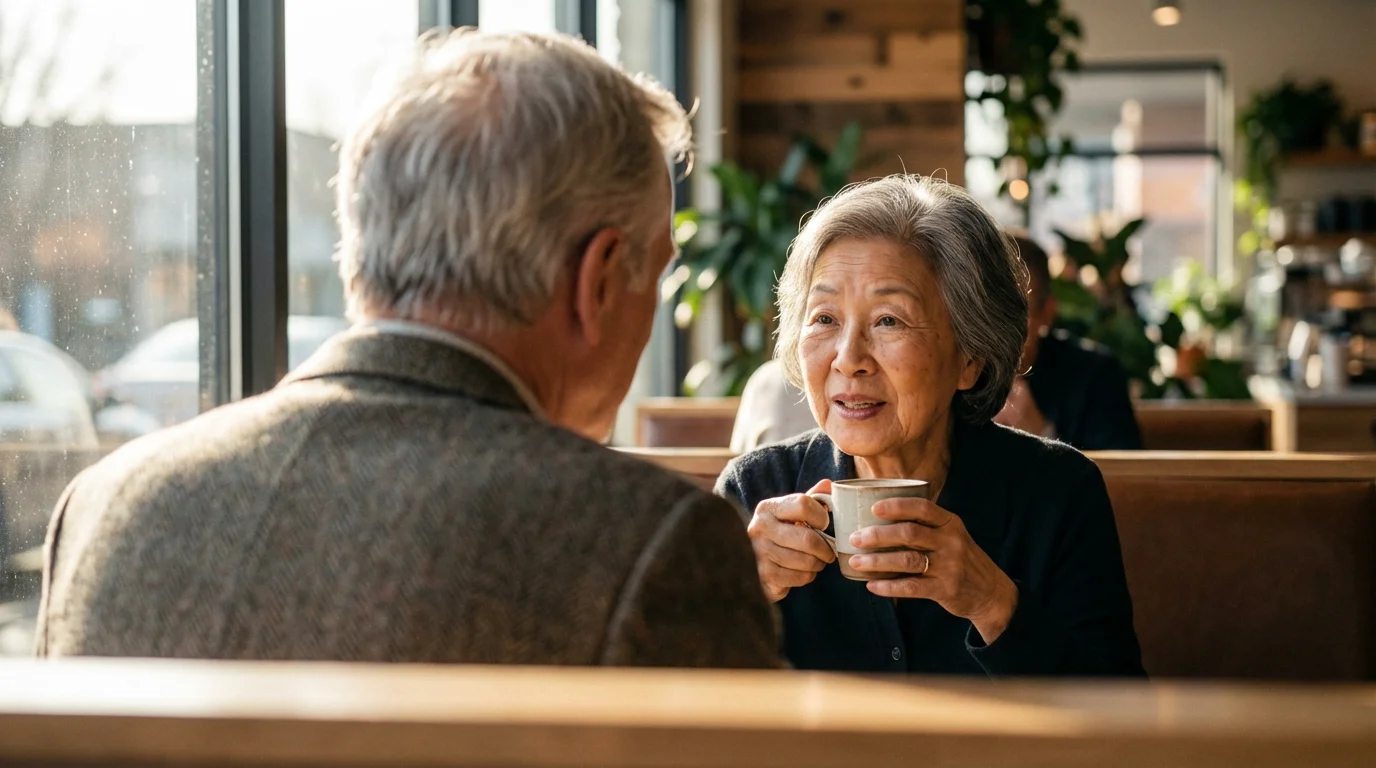
Living with chronic pain can sometimes lead to isolation, as discomfort might make social activities seem daunting. However, maintaining strong social bonds and seeking support are vital for your emotional resilience and overall well-being. Human connection offers a powerful antidote to the psychological burden of pain.
Proactively maintaining social connections provides a vital emotional buffer that can help you cope with the daily realities of physical discomfort.
Sharing your experiences with trusted friends, family, or support groups provides validation and practical advice. Knowing you are understood and supported can significantly reduce feelings of loneliness and helplessness. Consider reaching out to local senior centers or community groups for opportunities to connect.
Ways to Enhance Your Support Network:
- Schedule regular calls or visits with loved ones.
- Join a support group for individuals with chronic pain; sharing experiences can be incredibly validating.
- Engage in hobbies or activities that bring you joy and naturally connect you with others.
- Volunteer for a cause you care about; contributing to your community can boost mood and purpose.
Remember, nurturing your relationships is not a luxury, it is a fundamental component of graceful aging and effective pain management.
Tailored Strategies for Common Conditions
While general pain management principles apply widely, specific conditions benefit from targeted approaches. For instance, addressing how to manage arthritis pain often requires particular attention to joint health and mobility. Understanding these nuances empowers you to seek the most appropriate interventions.
Managing Arthritis Pain:
Arthritis, particularly osteoarthritis, is a prevalent source of chronic pain in older adults. It involves the breakdown of cartilage, leading to joint stiffness and pain. Effective strategies combine movement, medication, and supportive therapies.
- Gentle Exercise: Low-impact activities like swimming, cycling, or walking keep joints mobile and strengthen surrounding muscles, providing stability.
- Heat and Cold Therapy: Applying heat can relax stiff muscles and increase blood flow, while cold packs can reduce inflammation and numb pain.
- Weight Management: Maintaining a healthy weight significantly reduces stress on weight-bearing joints like knees and hips, slowing progression and reducing pain.
- Assistive Devices: Canes, walkers, or joint braces can reduce strain and improve mobility, enabling you to remain active and independent.
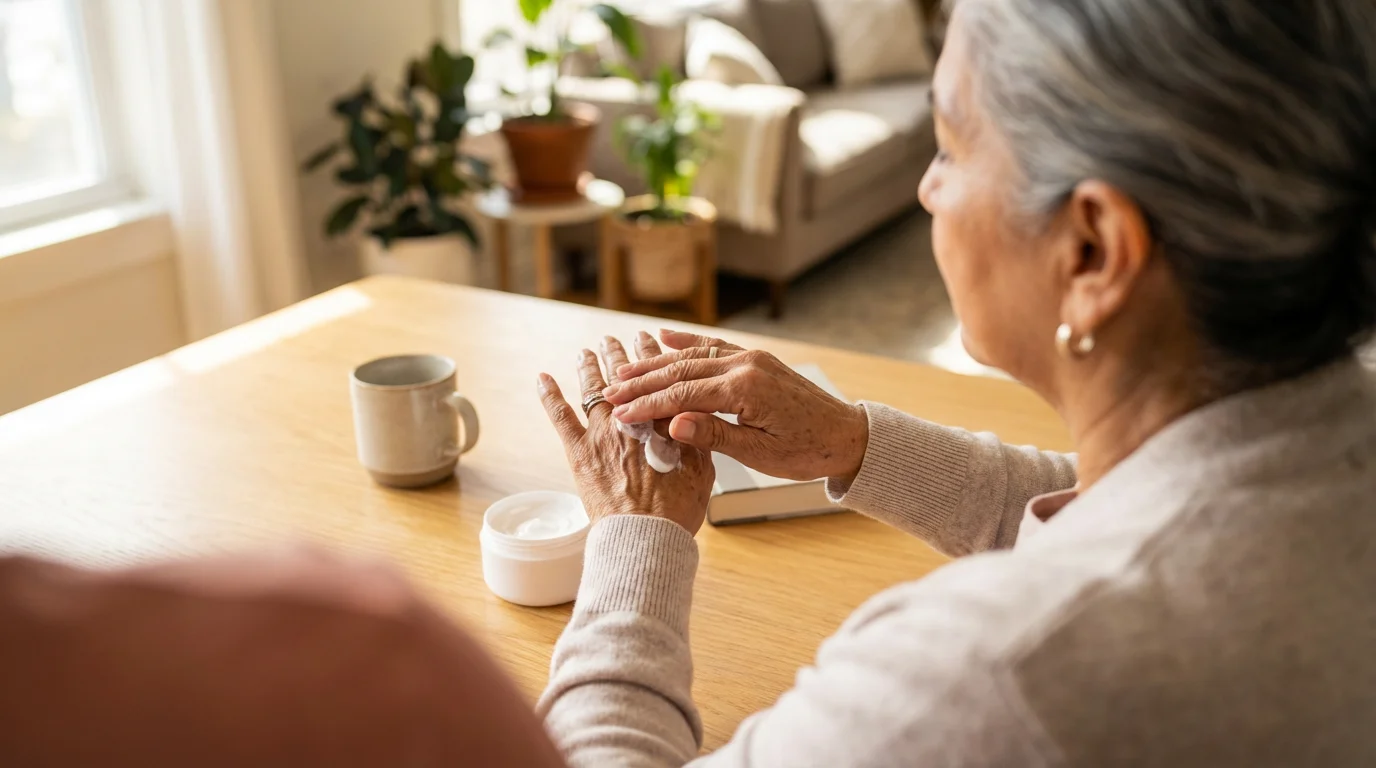
- Topical Pain Relievers: Creams or gels containing NSAIDs or capsaicin can offer localized relief directly at the painful joint.
Each condition presents its unique challenges. Work closely with your healthcare provider to develop a personalized plan that addresses your specific diagnosis and symptoms.

Living a Purposeful Life Beyond Pain
The essence of graceful retirement is not the absence of challenges, but your capacity to meet them with wisdom and intentionality. While chronic pain demands attention, it should not overshadow your pursuit of purpose and joy. You define your life, not your condition.
Focusing on finding purpose after retirement allows you to shift your attention from physical limitations toward activities that bring genuine joy and fulfillment.
Reflect on what truly brings meaning to your days. Is it spending time with loved ones, pursuing a long-held passion, volunteering, or learning something new? Actively engaging in these pursuits, even with adaptations, can shift your focus from pain to purpose, enriching your golden years immeasurably.
Embracing Purpose and Joy:
- Re-engage with Hobbies: Adapt activities you love. If gardening is difficult, try container gardening or involve family members.
- Learn Something New: Take an online course, learn a musical instrument, or delve into a new language. Mental engagement can distract from pain and foster growth.
- Volunteer Your Time: Contributing to a cause you believe in provides a sense of accomplishment and connection.
- Cultivate Gratitude: Regularly reflect on the blessings in your life. A gratitude practice can shift your perspective and enhance overall well-being.
- Set Achievable Goals: Break down larger aspirations into smaller, manageable steps. Celebrating small victories builds momentum and fosters a sense of agency.
Your golden years are a testament to a life well-lived. Embrace the journey with courage, curiosity, and an unwavering commitment to your well-being. You possess the inner strength to navigate chronic pain with grace and continue to live a life rich in meaning.
Frequently Asked Questions
Is chronic pain inevitable as I age?
No, chronic pain is not an inevitable part of aging, though its prevalence increases with age. Many factors contribute to chronic pain, and while some are age-related, effective pain management strategies and lifestyle interventions can significantly reduce its impact. You can proactively manage your health to minimize discomfort.
What are the risks of long-term pain medication use for seniors?
Long-term use of pain medications, particularly opioids or NSAIDs, carries risks for seniors including gastrointestinal issues, kidney problems, cardiovascular risks, and cognitive impairment. Always discuss medication risks and benefits thoroughly with your doctor, exploring the lowest effective dose and alternative pain relief methods. Regular reviews of your medication regimen are essential.
How can I stay active if my chronic pain limits my mobility?
Even with limited mobility, you can find ways to stay active. Focus on low-impact exercises tailored to your condition, such as chair yoga, water aerobics, or gentle stretching. Consult with a physical therapist to develop a safe and effective exercise plan that respects your limitations while building strength and flexibility. Consistency, even in small increments, yields significant benefits.
Can diet truly impact my chronic pain levels?
Yes, diet plays a significant role in managing chronic pain. An anti-inflammatory diet rich in omega-3 fatty acids, antioxidants, fruits, and vegetables can reduce systemic inflammation, which often contributes to pain. Conversely, diets high in processed foods, sugar, and unhealthy fats can exacerbate inflammation. Making thoughtful dietary choices provides a powerful tool in your pain management strategy.
Where can I find support groups for chronic pain in my community?
You can find support groups through several avenues. Your doctor or local hospital often maintains lists of community resources. Organizations like the Arthritis Foundation or other disease-specific groups offer local chapters and online forums. Senior centers and community health organizations are also excellent resources for connecting with others who share similar experiences, providing valuable emotional and practical support.
Disclaimer: This article is for informational and inspirational purposes. Life decisions are deeply personal, and we encourage readers to consult with appropriate professionals—whether healthcare providers, counselors, or financial advisors—for guidance specific to their circumstances.






Leave a Reply