
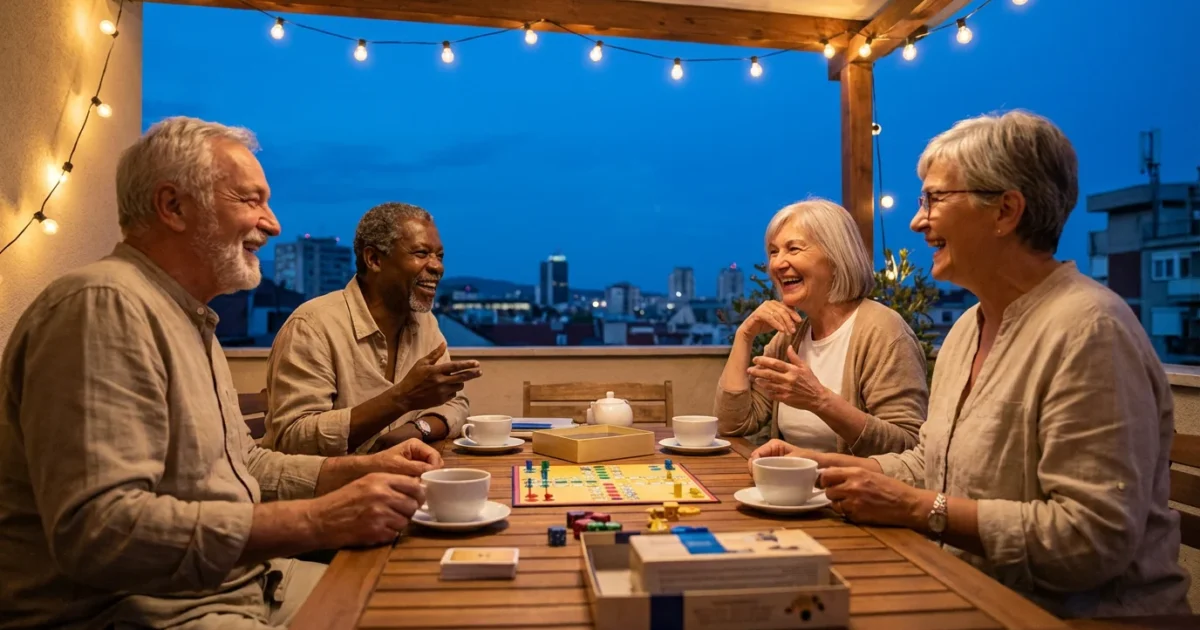
The transition into retirement marks a profound shift, offering newfound freedom and opportunities. You might envision days filled with hobbies, travel, or quiet contemplation. Yet, for many, this period also brings an unexpected challenge: the feeling of **retirement loneliness**. The structure of daily work, casual colleagues, and familiar routines often provide an inherent framework for social interaction. When these disappear, a quiet void can emerge.
This article explores how you can proactively build and maintain vibrant social connections, ensuring your golden years are rich with companionship, purpose, and joy. You possess the wisdom and grace to navigate this change, transforming potential solitude into spirited engagement.

Understanding the Shift in Your Social Landscape
Retirement alters the very fabric of your daily life, especially your social patterns. The constant hum of the workplace, with its incidental conversations and shared goals, vanishes. You might find yourself missing the quick chats at the water cooler, the lunch breaks with colleagues, or even the familiar faces you saw on your commute. This sudden decrease in routine **social interaction** can feel disorienting.
Learning to prioritize yourself in retirement is a crucial part of managing this lifestyle shift with poise and intention.
Furthermore, many retirees relocate, leaving behind long-established networks of friends, family, and community groups. This geographic separation adds another layer to the challenge of maintaining connection. The initial excitement of a new location can sometimes give way to quiet moments of longing for the familiar faces of your past. Acknowledging this natural shift prepares you to address it with intention.
Research highlights that while individuals adapt differently, a significant portion report increased feelings of loneliness in the early stages of retirement. Your awareness of this common experience empowers you to seek solutions actively.
The Profound Benefits of Robust Social Interaction
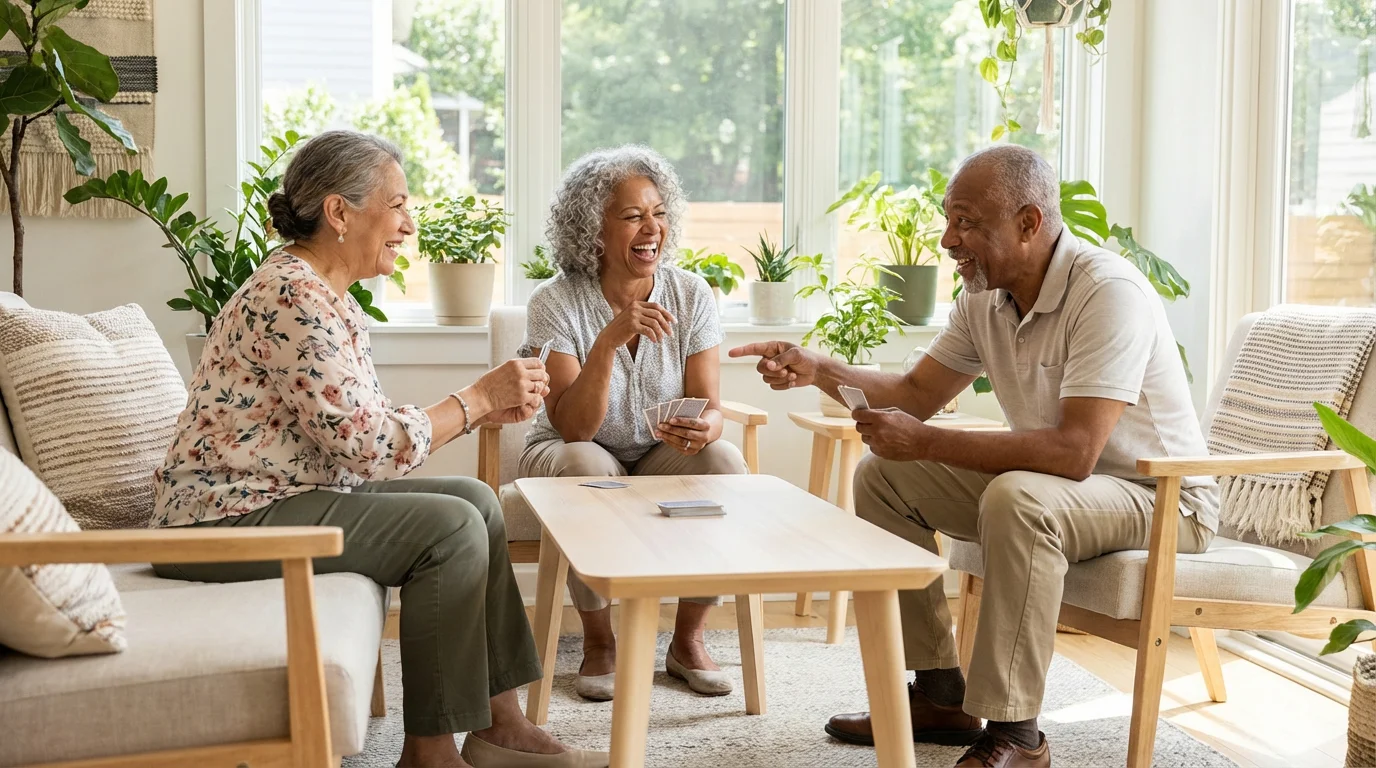
Cultivating strong social ties extends far beyond simply avoiding **retirement loneliness**. It forms a cornerstone of a healthy, purposeful, and graceful retirement. The advantages are multi-faceted, touching every aspect of your well-being. Consider how your connections enrich your life.
Cultivating these connections is one of the 7 habits of highly effective agers that helps maintain vitality and mental sharpness.
Strong social engagement significantly improves both physical and mental health outcomes. Studies indicate that individuals with active social lives often experience lower rates of depression and anxiety. They also tend to have better cardiovascular health and cognitive function, supporting the idea that a connected mind is a resilient mind.
Your social network provides a vital support system. It offers comfort during challenging times, celebrates your successes, and shares in the everyday joys that make life meaningful. This emotional scaffolding is indispensable for navigating the later chapters of life with grace and strength. The shared laughter, deep conversations, and simple presence of others contribute immensely to your overall happiness and sense of belonging.
Reigniting Your Social Spark: Nurturing Senior Friendships
Making new friends and strengthening existing bonds requires a thoughtful, proactive approach. You have a wealth of life experience to share, and others yearn for genuine connection as well. Embrace this chapter as an opportunity to cultivate meaningful relationships.
Start by identifying your passions and interests. These often serve as natural conduits for meeting like-minded individuals.
- Reconnect with old acquaintances: Reach out to former colleagues, neighbors, or long-lost friends. A simple phone call, email, or social media message can rekindle a cherished connection.
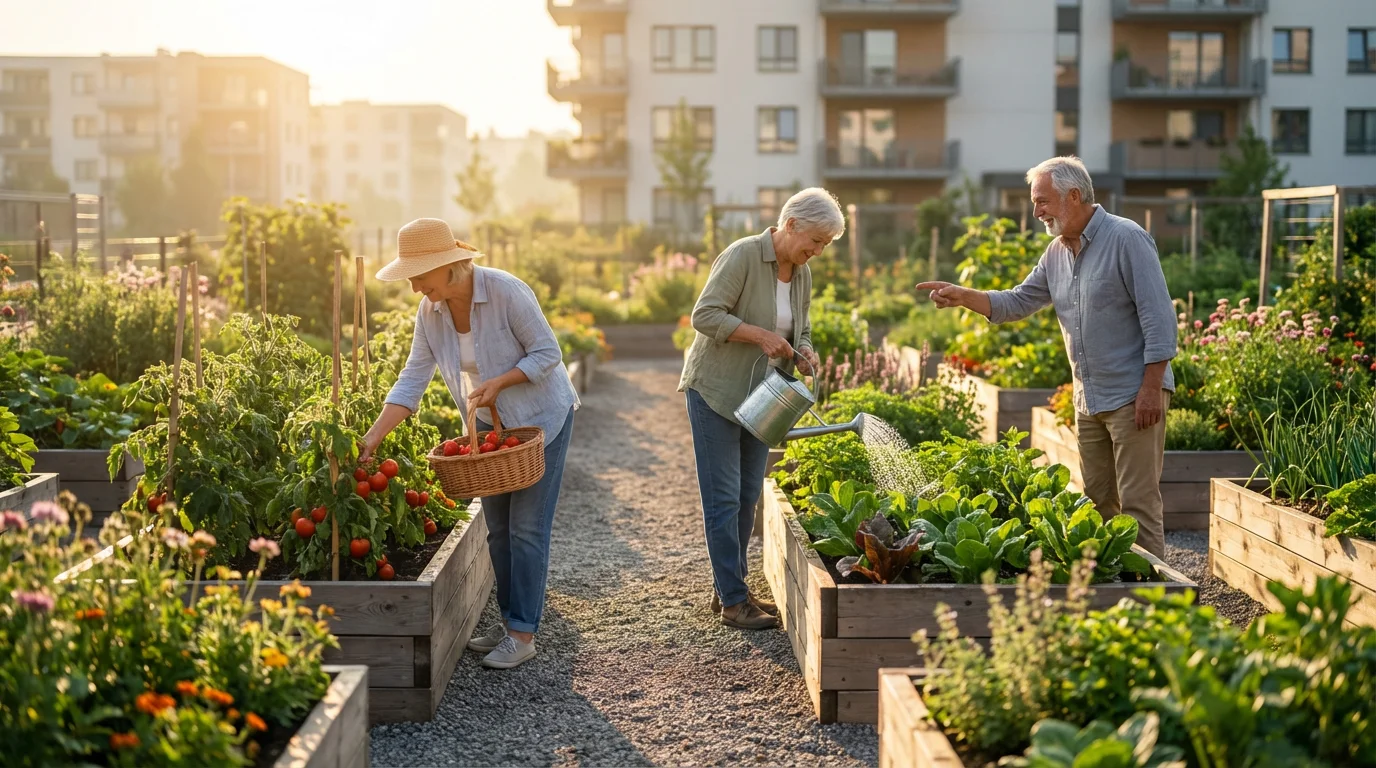
- Join clubs or groups: Explore local community centers, libraries, or senior organizations that host activities aligned with your hobbies, such as book clubs, gardening groups, or craft circles.
- Volunteer your time: Dedicate hours to a cause you believe in. Volunteering provides purpose and introduces you to others who share your values. Research from the National Institute on Aging consistently points to the benefits of volunteering for social engagement and overall well-being.
- Take a class: Enroll in an adult education course, whether it is for a new language, painting, or computer skills. Learning alongside others creates a natural environment for conversation and camaraderie.
- Be a regular: Frequent a local coffee shop, park, or library at the same time each day or week. Familiar faces can evolve into friendly acquaintances.
Remember that building strong **senior friendships** takes time and effort. Be open, be present, and let your authentic self shine through. A genuine smile or an engaging question can open doors to new connections.
“The afternoon knows what the morning never suspected.”

Expanding Your Circle: Building Community After Retirement
Beyond individual friendships, actively **building community after retirement** significantly enriches your life. A strong sense of community provides a broader network of support, shared experiences, and a feeling of belonging to something larger than yourself. This collective spirit fosters resilience and joy.
A wonderful way to start is by joining social groups that align with your long-held interests or new curiosities.
Consider these pathways for integrating into a wider community:
- Engage with local religious or spiritual organizations: Many churches, synagogues, mosques, and temples offer a rich tapestry of social programs, volunteer opportunities, and support groups beyond their primary services.
- Participate in local government or civic groups: Attend town hall meetings, join a neighborhood watch, or contribute to local improvement initiatives. These avenues connect you with engaged citizens who care about your area.
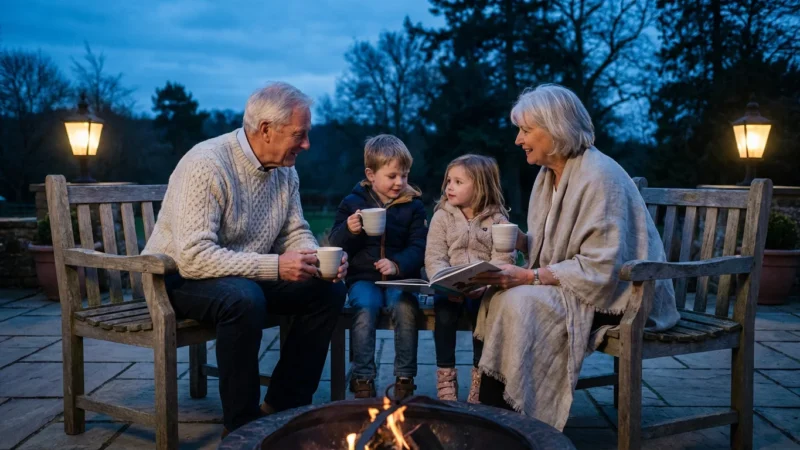
- Explore intergenerational programs: Some communities offer programs that pair seniors with younger generations for mentorship, storytelling, or shared activities. These initiatives bridge age gaps and offer unique perspectives.
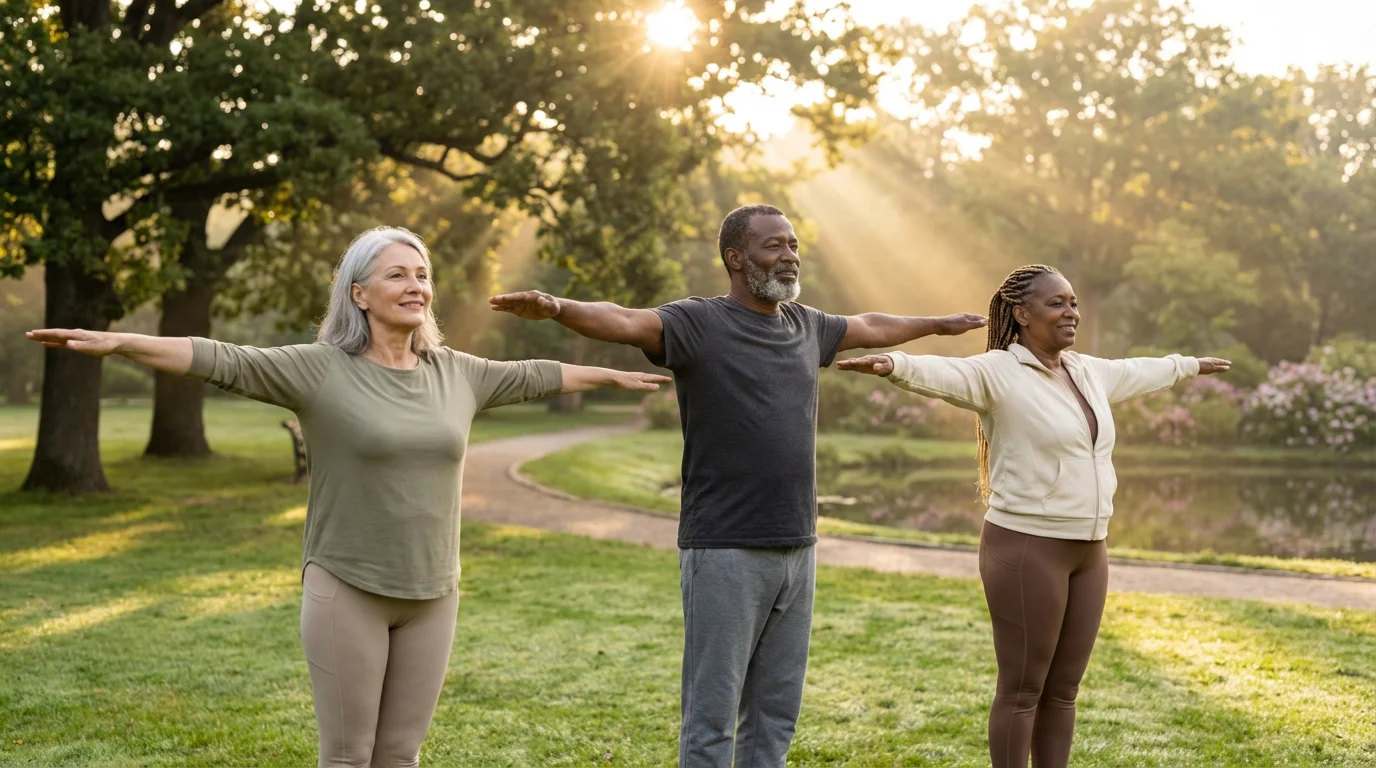
- Join a fitness or wellness center: Group exercise classes, swimming, or simply spending time in a gym environment can lead to casual conversations and new connections. Many centers cater specifically to older adults.
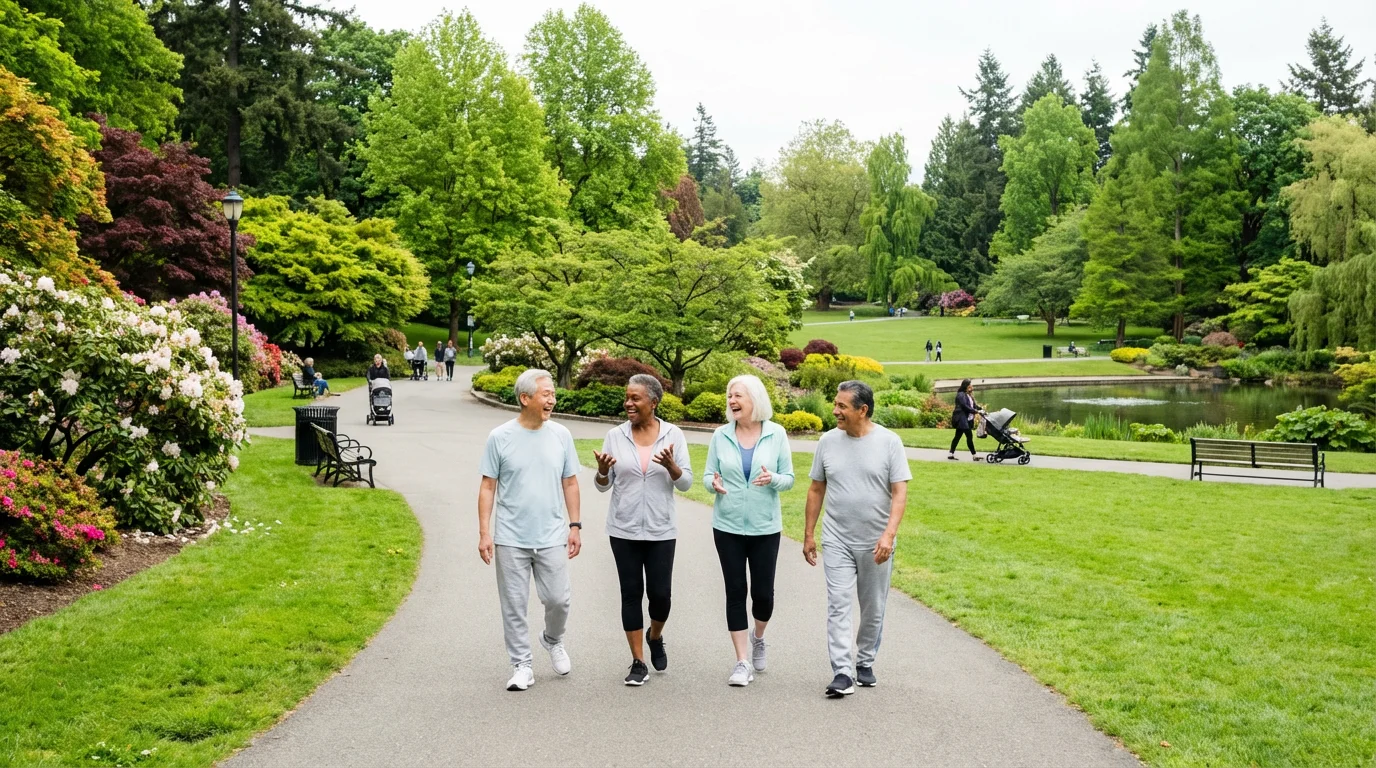
- Form or join a neighborhood group: Organize block parties, walking groups, or regular coffee gatherings with your immediate neighbors. A strong neighborhood network creates a sense of security and companionship.
A sense of belonging within a community reduces feelings of isolation and fosters a supportive environment. It transforms your surroundings into a vibrant extension of your social life.

Leveraging Technology for Connection: A Modern Approach
In today’s interconnected world, technology offers powerful tools to combat loneliness and enhance your social life. Do not view these as replacements for in-person interactions, but rather as valuable complements. Learning to **how to stay social** using digital platforms can open up new avenues for connection.
Video calls, for instance, allow you to see the faces and hear the voices of loved ones who live far away. Grandchildren can share their latest adventures, and old friends can reminisce as if they were in the same room. These visual and auditory cues are far more enriching than a simple phone call. Platforms like Zoom, FaceTime, or Google Meet have become indispensable for maintaining these vital connections.
Social media groups can connect you with people who share niche interests, regardless of geographic location. Whether you are passionate about vintage cars, bird watching, or a specific historical period, an online community likely exists. These groups facilitate discussions, sharing of resources, and even virtual meet-ups, proving that shared interests transcend physical boundaries.
For those new to technology, many community centers and libraries offer free classes and workshops. Embrace the learning process with curiosity and patience. Mastering these tools gives you greater independence and expands your world.
Overcoming Barriers to Social Engagement
Despite your best intentions, various factors can sometimes impede your efforts to connect. Recognizing these common barriers allows you to develop strategies to overcome them gracefully. You have the resilience to navigate these challenges.
As you navigate these obstacles, cultivating gratitude can help you appreciate the connections you do have while staying open to new ones.
Taking these small steps is essential for combating isolation and ensuring you feel supported throughout this transition.
One significant hurdle might be a feeling of shyness or apprehension about initiating new conversations. Remember that many people, regardless of age, share this sentiment. Start small; a simple smile, a brief compliment, or an open-ended question can break the ice. Join groups where interaction is a natural part of the activity, reducing the pressure on you to initiate.
Health concerns or mobility challenges can also limit your ability to participate in certain activities. If transportation is an issue, explore local senior transport services, ride-sharing options, or carpooling with friends. Look for activities that accommodate your physical capabilities, such as seated exercise classes, virtual events, or accessible community spaces. Many communities offer programs designed specifically for varying mobility levels.
Financial constraints can also present a barrier. Fortunately, many social opportunities are low-cost or free. Libraries, parks, community centers, and volunteer organizations often provide a wealth of free activities. Focus on events that align with your budget, proving that rich social lives do not require significant expenditures.
Cultivating a Mindset of Openness and Grace
Ultimately, maintaining social connections in retirement stems from an internal commitment to openness, positivity, and continuous growth. Your attitude shapes your experiences. Embrace this period of life with a heart full of grace and anticipation.
Cultivate curiosity about others. Ask open-ended questions, listen actively, and show genuine interest in their stories and experiences. Everyone has a unique journey, and by engaging with others’ narratives, you enrich your own understanding of the world. This curious mindset makes you more approachable and engaging.
Practice self-compassion. If you experience moments of loneliness, acknowledge them without judgment. It is a natural human emotion. Use these feelings as a gentle nudge to seek out connection rather than retreating. Your worth is not defined by the number of people around you, but by the kindness and wisdom you carry within.
Remember that aging is not a process of diminishment, but a continued unfolding of wisdom and character. Each new connection, each shared laugh, and each moment of camaraderie adds depth and vibrancy to your life’s rich tapestry. Approach every day with a spirit of generous engagement, and you will find your social world blossoming beautifully.
Frequently Asked Questions
Is retirement loneliness a common experience?
Yes, feelings of loneliness are quite common for many individuals transitioning into retirement. The abrupt loss of daily work routines, workplace social interactions, and established social networks can create a significant void. Acknowledging this as a widespread experience can help you approach it proactively and without self-blame.
What are the biggest benefits of staying socially active in retirement?
Staying socially active offers numerous benefits, including improved mental health by reducing risks of depression and anxiety, enhanced cognitive function, and better physical health outcomes. Social interaction provides emotional support, a sense of purpose, and deepens your enjoyment of life, contributing to overall well-being and a greater sense of belonging.
How can I make new friends if I am shy?
If you are naturally shy, begin by joining groups or activities centered around a shared interest. This provides a built-in topic for conversation and reduces pressure for small talk. Start with simple gestures like smiling, making eye contact, and offering brief compliments. Attending events regularly also helps familiar faces become comfortable acquaintances. Consider taking a class in a new skill, as the shared learning experience can foster natural connections.
Can technology truly help combat loneliness, or is it a poor substitute for in-person contact?
Technology serves as a powerful complement to in-person interactions, not a complete replacement. Video calls allow you to maintain visual and auditory connections with distant loved ones, preserving the richness of those relationships. Online groups focused on shared hobbies can introduce you to new people and ideas, bridging geographic gaps. When used thoughtfully, technology significantly expands your opportunities for connection and reduces feelings of isolation.
What if my friends are no longer able to be as active as I am?
This is a common challenge as individuals age. While cherishing existing friendships, also seek out new connections with people who share your current activity levels and interests. You can maintain different circles of friends for different types of activities. Consider activities that can accommodate varying energy levels, like book clubs, movie outings, or simply sharing a meal and conversation.
Disclaimer: This article is for informational and inspirational purposes. Life decisions are deeply personal, and we encourage readers to consult with appropriate professionals—whether healthcare providers, counselors, or financial advisors—for guidance specific to their circumstances.






Leave a Reply