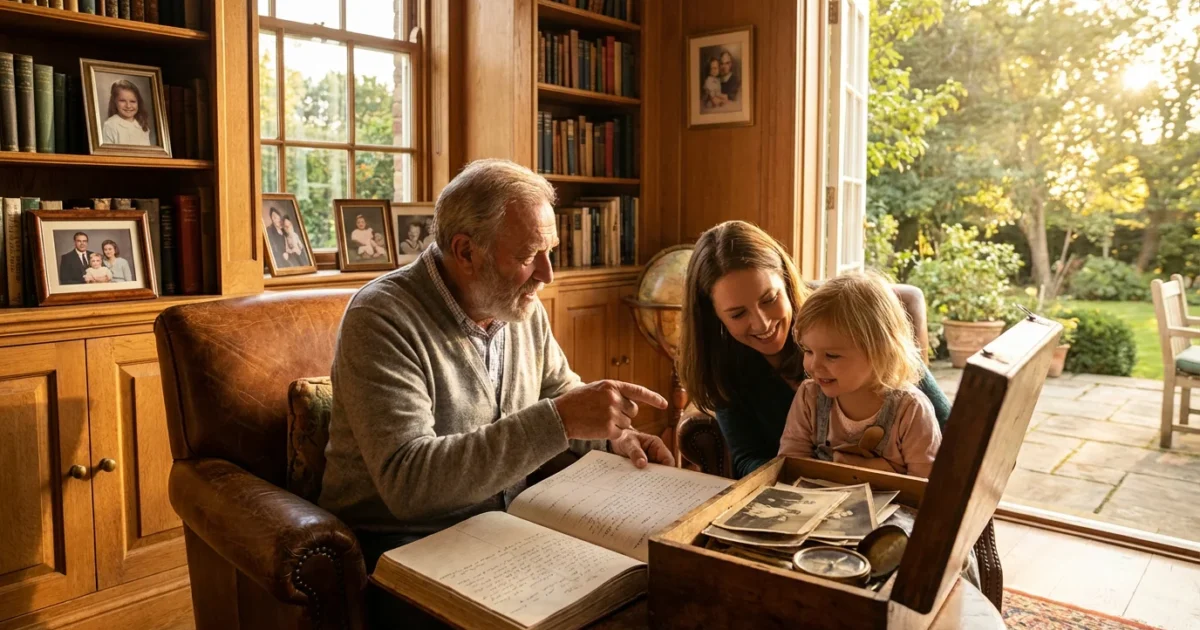
As you navigate the rich tapestry of your later years, a unique opportunity presents itself: to consider the enduring echo of your life. Legacy planning extends far beyond financial assets. It encompasses the invaluable treasures of your wisdom, experiences, and the deeply held family values that have shaped who you are.
You possess a wealth of knowledge, a lifetime of lessons learned, and a distinctive perspective. Sharing these with future generations offers a profound gift, enriching their lives while providing you with immense purpose and satisfaction. This article explores how you can intentionally pass on your essence, creating a legacy that truly reflects your spirit and continues to inspire for years to come.

Beyond Assets: Understanding True Legacy
You may associate legacy planning primarily with wills, trusts, and financial inheritances. While these components are important, a true legacy encompasses so much more. It involves the intentional transmission of your identity, your insights, and your core principles to those who follow.
This focus on non-financial wealth is a key part of reinventing yourself in retirement for a more fulfilling second act.
In addition to emotional wealth, it is important to address the broader legal considerations for retirees to ensure your comprehensive plan is legally sound.
Consider the qualities you admire in your own elders or mentors. Often, their greatest gifts were not material, but rather the lessons they imparted, the stories they shared, and the enduring values they modeled. Your legacy is the imprint you leave on the world, shaping the character and future of your family and community.
This holistic approach to legacy ensures your influence transcends generations. It allows your spirit, not just your possessions, to live on. You define this rich tapestry, weaving together memories, wisdom, and an unwavering commitment to your foundational beliefs.

Unearthing Your Unique Legacy: Values, Virtues, and Visions
Beginning your legacy journey requires a thoughtful period of introspection. What defines you? What principles have guided your life? Take time to reflect on the core elements you wish to pass on, the very essence of your being.
Your unique legacy comprises the values you championed, the virtues you practiced, and the vision you held for a meaningful life. Identifying these elements forms the bedrock of your legacy plan. This self-discovery process illuminates the threads you want to weave into the fabric of your family’s future.
Consider these reflective questions to help clarify your legacy:
- What are the top three values you hope your grandchildren or future generations embody?
- What life lessons have proven most impactful for you?
- Which personal achievements or challenges provided the greatest growth?
- How do you wish to be remembered by your family and friends?
- What traditions or stories from your own family history do you cherish most?
Pinpointing these elements creates a clear roadmap for sharing your wisdom and values. It transforms an abstract idea into a concrete, actionable plan for enduring impact.
The Profound Power of Your Story: Why Oral History Matters
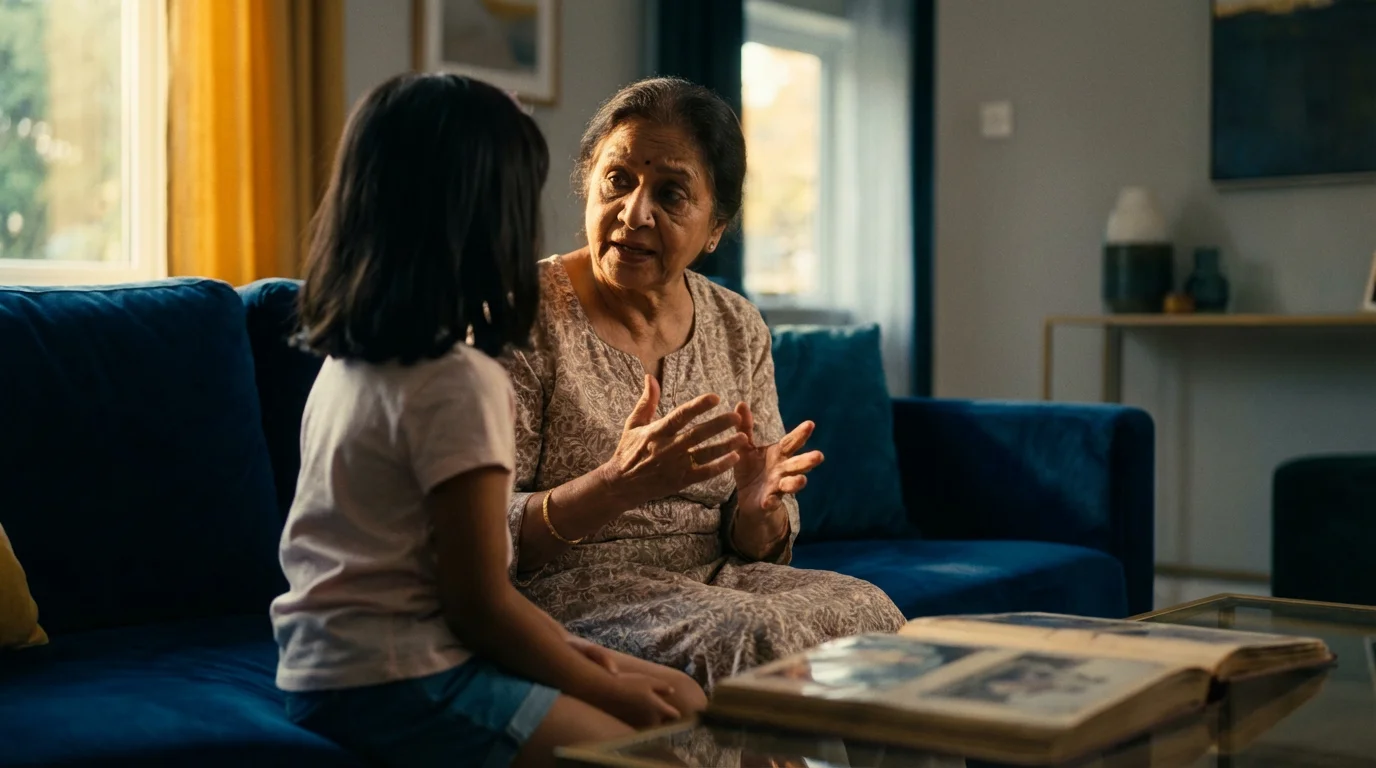
Your personal narrative, your oral history, is an irreplaceable treasure. It provides context, resilience, and a sense of belonging to your descendants. Through your stories, they gain insight into their heritage, understanding the journey that led to their existence.
Research consistently shows the benefits of intergenerational connection. Sharing your stories fosters empathy, strengthens family bonds, and provides crucial role models for younger generations. A study highlighted by the Stanford Center on Longevity emphasizes that purposeful engagement in later life, which includes sharing life experiences, contributes significantly to well-being and a sense of contribution.
You offer more than just anecdotes; you impart resilience, problem-solving skills, and a deeper appreciation for their roots. Your triumphs and struggles, articulated through your voice, become powerful teaching tools. They learn that challenges are surmountable, and that courage and perseverance yield profound rewards.
“The afternoon knows what the morning never suspected.” — Robert Frost
This wisdom, garnered over a lifetime, is a unique gift only you can give. It enriches their understanding of who they are and where they come from.

Crafting Your Narrative: Practical Approaches to Oral History
You have many accessible ways to capture and share your oral history, ensuring your stories resonate for years to come. The key is to choose methods that feel comfortable and sustainable for you. Start small, and let your narrative unfold naturally.
Consider these practical approaches to preserve your family history:
- Recorded Interviews: Engage a family member or a trusted friend to interview you. Use a simple audio recorder or smartphone. Focus on specific periods, significant events, or particular themes like your career, marriage, or favorite memories.
- Written Memoirs or Journals: Put pen to paper or fingers to keyboard. You do not need to be a professional writer. Share anecdotes, reflections, and insights. This offers a deeply personal and reflective way to document your thoughts.
- Video Testimonials: A video recording captures your voice, expressions, and gestures, adding another dimension to your story. These can be short snippets on a particular topic or longer, more comprehensive interviews.
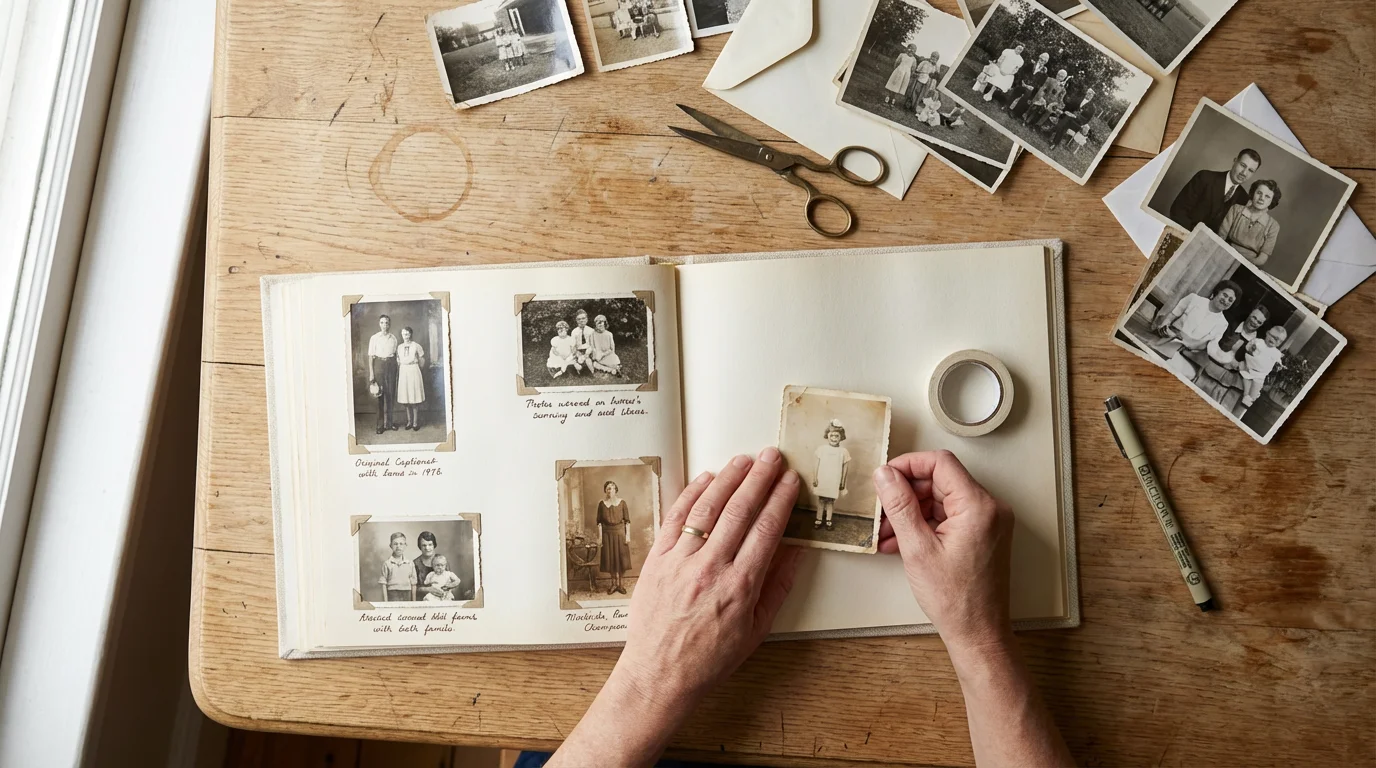
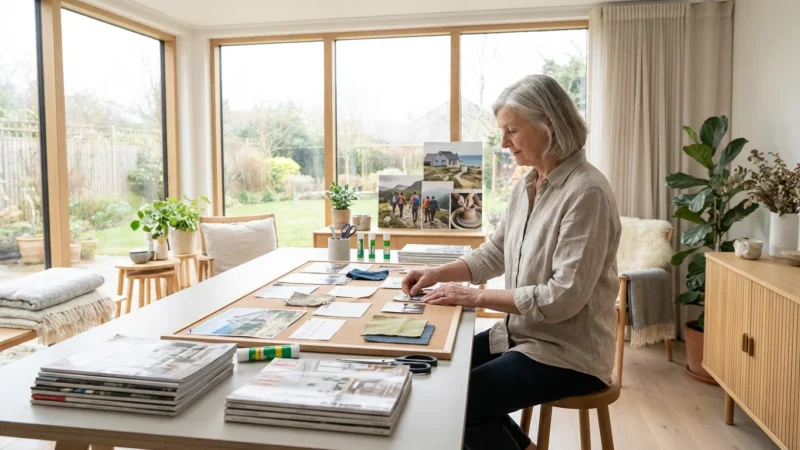
- Photo Albums with Annotations: Go through old photographs and write down the stories behind them. Who are the people? What was the occasion? What emotions does the image evoke? This transforms a collection of pictures into a rich historical document.
- “Life Story” Prompts: Use guided questions or prompts to help structure your narrative. Many online resources and books offer excellent starting points, making the process less daunting.
Remember, the goal is authenticity, not perfection. Your genuine voice is the most valuable aspect of your legacy. Choose one method to begin, and allow the process to evolve at your own pace. You are creating a living document that strengthens family ties and clarifies who you are.

Passing On Your Values and Traditions: Intentional Nurturing
Beyond stories, you possess the power to actively pass on values and traditions that will guide future generations. This requires intentionality and consistent engagement. Your actions and words serve as powerful examples, shaping the character of those you influence.
To nurture these connections, focus on integrating your values into everyday interactions. This might mean sharing stories that illustrate a particular value, explaining the origins of family traditions, or involving younger relatives in activities that reflect your core principles. For instance, if kindness is a key value, discuss specific instances where kindness made a difference, or engage in community service together.
Here are actionable ways to instill your family values and traditions:
- Share Moral Dilemmas and Solutions: Discuss difficult choices you faced and how your values guided your decisions. This offers practical application of abstract principles.
- Involve Them in Family Rituals: Explain the significance behind holiday customs, recipes, or annual gatherings. Let them participate in preparing or leading these traditions.
- Mentor and Guide: Offer your wisdom when younger family members face challenges. Share your perspective, but empower them to find their own solutions, guided by the values you share.
- Create a “Values Capsule”: Write letters to future generations outlining your core values and the reasons they are important to you. You can seal these to be opened at specific milestones.
- Lead by Example: Live your values visibly. Your integrity, compassion, and resilience will speak volumes, often more powerfully than words alone.
You actively shape the moral compass of your family. This deliberate transmission of values provides a strong foundation for their lives, equipping them with tools for navigating an ever-changing world.

Digital Footprints and Future Echoes: Modern Legacy Tools
In our increasingly digital world, new avenues for legacy planning have emerged. You can leverage technology to preserve your stories, photos, and insights, ensuring they remain accessible for generations to come. Embrace these tools to create a lasting digital footprint.
Exploring the world of digital storytelling can help you organize these memories into a format that is easily shared with distant relatives.
Online platforms and digital archives offer secure and organized ways to store your valuable content. Websites like StoryWorth or services that digitize old media can help you gather and arrange your materials. Consider creating a private family website or cloud folder where you can upload recordings, written anecdotes, and scanned documents.
Think about these modern approaches to extend your legacy:
- Cloud Storage and Digital Archives: Utilize services like Google Drive, Dropbox, or dedicated family history platforms to store digital files securely. Organize them clearly with descriptive folder names.
- Video Storytelling Apps: Some apps allow you to easily record short video answers to prompts, compiling them into a personal history film. This is often user-friendly and engaging for both creators and viewers.
- Online Genealogy Platforms: Sites like Ancestry.com allow you to not only trace your family tree but also upload photos, documents, and written stories, connecting your personal narrative to a broader family history.
- Curated Social Media Accounts: While less formal, a private social media group or blog can be a space to share memories and photos with family. Establish clear privacy settings and purpose for these platforms.
- Digital Photo Restoration: Old, faded photographs can be digitally restored and preserved. This revitalizes visual memories, making them vibrant for future viewing.
Remember to consider digital ethics and accessibility. Designate a “digital executor” who understands your wishes for your online presence and digital assets. This proactive planning ensures your digital legacy is managed with care and intention.
Overcoming Obstacles: Making Legacy Planning Accessible
The idea of legacy planning can feel daunting, leading to procrastination or a sense of overwhelm. You might wonder where to begin, or if your family will even be interested. It is natural to encounter these feelings, but practical strategies can help you overcome them.
The most crucial step is simply to start. Do not aim for perfection; aim for progress. Even small, consistent efforts build a rich legacy over time. Your family might not immediately grasp the full value of your efforts, but they will cherish them in the future.
Consider these approaches to simplify the process and make it more manageable:
- Start Small: Dedicate 15-30 minutes once a week to legacy activities. Write one memory, record a short story, or label a few photos. Consistency over intensity yields better results.
- Focus on Specific Prompts: Instead of “write your life story,” try “write about your favorite childhood memory,” or “describe your first job.” Specificity reduces the feeling of being overwhelmed.
- Involve Family Gradually: Share one story at a family dinner, or show a photo album. Gauge their interest and let them lead with questions. Their curiosity often sparks greater engagement.
- Utilize Technology for Ease: If writing is difficult, use voice recording apps. If organizing photos is a chore, focus on digitizing them first. Choose tools that simplify the task for you.
- Accept Imperfection: Your legacy is about authenticity, not a polished publication. Embrace your unique voice and narrative. Your family will appreciate your genuine effort more than any perceived flaws.
You hold the power to shape your legacy. By breaking the process into smaller, manageable steps, you can confidently embark on this enriching journey. Your wisdom and values are waiting to be shared.
Frequently Asked Questions
What is legacy planning beyond financial considerations?
Legacy planning, in its broader sense, involves intentionally passing on your wisdom, experiences, values, and traditions to future generations. It is about sharing your life story and the principles that have guided you, creating an enduring non-material inheritance.
Why is sharing personal stories, or oral history, so important?
Sharing personal stories, or oral history, is crucial because it fosters intergenerational connection, provides context for family identity, and imparts valuable life lessons. It strengthens family bonds, offers role models, and helps younger generations understand their roots and resilience. Research from the National Institute on Aging highlights the benefits of social engagement and meaningful activities in later life, which sharing stories certainly embodies.
How can I start preserving my family history if I feel overwhelmed?
Begin by taking small, manageable steps. Dedicate a short, consistent time each week, perhaps 15-30 minutes, to record a memory, write a short anecdote, or label a few photos. You can also focus on specific prompts rather than trying to document your entire life at once. The key is consistent progress, not immediate perfection.
What if my family members do not seem interested in my legacy efforts?
Do not be discouraged. Interest can grow over time. Continue to create your legacy for yourself, and share elements of it gently and naturally. Sometimes, the true value of these stories and insights becomes apparent to family members later in life or when they face their own significant milestones. Your effort is a gift that often appreciates in value over time.
Are there modern digital tools to help with legacy sharing?
Yes, numerous digital tools can assist you. Cloud storage services like Google Drive or Dropbox can store digital files. Specialized platforms like StoryWorth provide prompts for written or audio stories. Online genealogy sites allow you to link personal narratives to family trees. You can also digitize old photos and videos to preserve them. Remember to plan for a digital executor to manage these assets.

Embrace Your Role as a Storyteller and Guide
Your journey through life has endowed you with unique perspectives, invaluable lessons, and a rich narrative waiting to be shared. You stand at a pivotal moment, poised to leave an imprint far more profound than any material inheritance. Embrace your role as a storyteller, a guide, and a keeper of your family’s spirit.
By intentionally planning your legacy, you are not simply documenting the past; you are actively shaping the future. You provide a compass for those who follow, instilling in them a sense of purpose, identity, and belonging. This act of sharing is a testament to your grace, your wisdom, and your enduring love.
Begin today, in your own way. Your legacy is not a destination, but a beautiful, ongoing conversation across generations. It is a testament to a life well-lived, a gift that keeps on giving, and a profound expression of your timeless spirit.
Disclaimer: This article is for informational and inspirational purposes. Life decisions are deeply personal, and we encourage readers to consult with appropriate professionals—whether healthcare providers, counselors, or financial advisors—for guidance specific to their circumstances.







Leave a Reply