
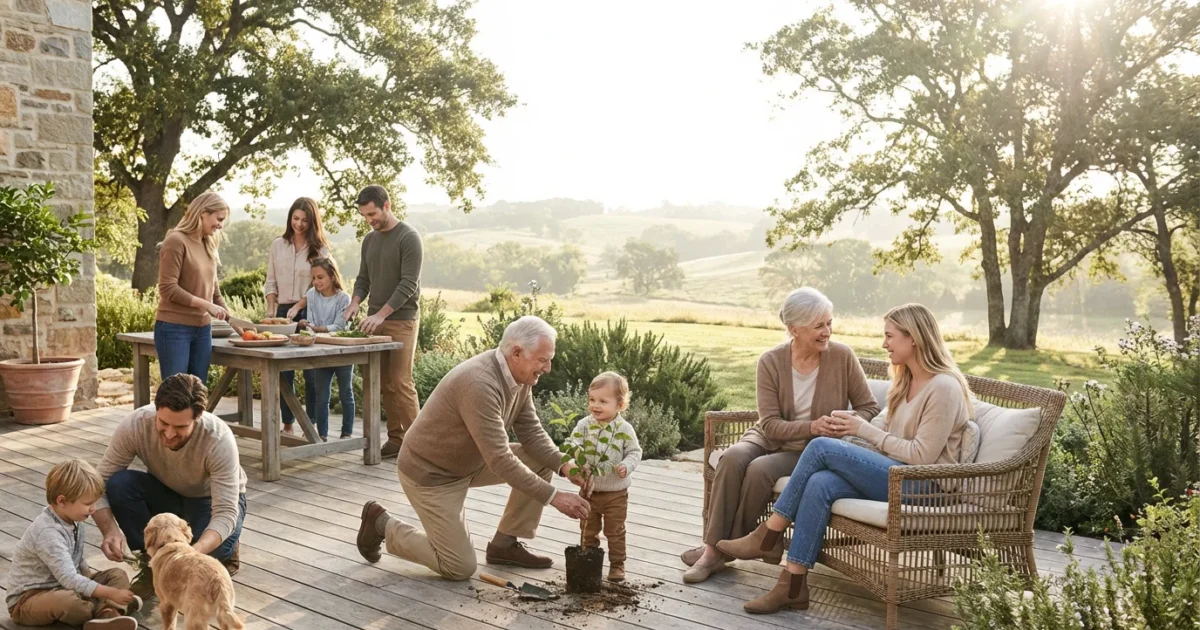
Becoming a grandparent ushers in one of life’s most profound and rewarding chapters. This isn’t merely an addition to your family; it’s an expansion of your heart, a new landscape of purpose, and an unparalleled opportunity to strengthen family bonds across generations. You hold a unique position, one of wisdom, experience, and unconditional love, ready to enrich the lives of your grandchildren and support your adult children.

The Evolving Role of Grandparents
Today’s grandparent is far from the traditional image of quiet observation. You often play an active, vital role in your grandchildren’s lives, offering emotional support, practical assistance, and a stable presence. This engagement provides benefits far beyond mere babysitting; it enriches your own life with renewed purpose and joy.
While focusing on family is rewarding, many seniors also find balance by finding a community through social groups and shared interests.
Staying active and engaged with younger generations is one of the habits of highly effective agers that leads to a more fulfilling retirement.
Strengthening these intergenerational connections is often enhanced by cultivating gratitude within the family unit.
Research highlights the positive impact of involved grandparenting on both generations. Active participation in your grandchildren’s lives can reduce feelings of loneliness and depression for older adults, fostering a stronger sense of well-being. This significant connection also offers children a greater sense of security and belonging.

Building Bridges: Nurturing Your Unique Grandparenting Style
Every grandparent-grandchild relationship is unique, shaped by personalities, family dynamics, and geographical proximity. Your goal is to find a style that resonates with you, your adult children, and your grandchildren. This journey begins with intention and an open heart.
Consider what you uniquely offer as a grandparent. Is it storytelling, a love for nature, a talent for baking, or perhaps a calm, listening ear? Embrace these strengths to forge special connections. Your authentic self is the greatest gift you give.
Here are ways to cultivate your distinctive grandparenting approach:
- Define your role collaboratively: Discuss expectations and boundaries with your adult children. Understanding their parenting styles helps you align your support.
- Embrace your individuality: Do not feel pressured to be a specific type of grandparent. Your unique personality and interests offer valuable contributions.
- Be a consistent presence: Regular interactions, whether in person, via video calls, or through letters, build trust and strengthen the bond. Consistency matters more than grand gestures.
- Learn new things together: Show your grandchildren you are open to their world. Learn about their favorite games, music, or hobbies. This mutual learning strengthens intergenerational connections.
Engaging Generations: Activities That Build Lasting Bonds
Meaningful activities are the cornerstone of strong family relationships. These moments create shared memories and traditions that your grandchildren will cherish for years to come. Focus on experiences that promote interaction, learning, and fun.
Activities for Shared Discovery and Learning:
- Storytelling Sessions: Share tales from your childhood, family history, or imaginative adventures. Encourage your grandchildren to tell their own stories, fostering their creativity and communication skills.
- Cooking and Baking Together: Teach them family recipes or experiment with new ones. This hands-on activity offers lessons in following instructions, measuring, and enjoying the fruits of their labor.
- Gardening Adventures: Plant seeds, tend to a garden, or explore local botanical gardens. This teaches patience, appreciation for nature, and provides a tangible sense of accomplishment.
- Creative Arts and Crafts: Engage in drawing, painting, sculpting, or simple DIY projects. These activities spark imagination and provide a wonderful outlet for self-expression.
- Exploring Local Landmarks: Visit museums, historical sites, parks, or community events. Learning about your local area together expands horizons and creates shared experiences.
Activities for Play and Connection:
- Board Games and Puzzles: Classic games like chess, checkers, or cooperative board games teach strategy, sportsmanship, and problem-solving. Puzzles offer quiet, collaborative engagement.
- Outdoor Exploration: Go for nature walks, bike rides, or picnics. Simple outdoor play, like tossing a ball or building sandcastles, promotes physical activity and joy.
- Reading Aloud: Share books from your childhood or discover new favorites together. Reading fosters literacy, imagination, and creates a cozy, intimate connection.
- “Grandparent-Grandchild Day” Adventures: Dedicate a specific day each month for a special outing or activity you both choose. This builds anticipation and special traditions.
These activities are not merely time fillers; they are opportunities to impart wisdom, share laughter, and demonstrate love. They deepen intergenerational connections in tangible, memorable ways.

Communication is Key: Fostering Open Dialogues
Effective communication underpins all strong relationships, especially within the family. As a grandparent, your ability to listen, express yourself clearly, and adapt to evolving needs strengthens your ties with both your adult children and your grandchildren. Building rapport requires patience and understanding.
Practicing mindful meditation can help you remain present and patient during these deep intergenerational conversations.
Strategies for Clear Communication:
- Active Listening: Truly hear what your grandchildren and adult children say, both verbally and non-verbally. Show you value their thoughts and feelings.
- Openness and Honesty: Share your feelings and thoughts respectfully. Encourage your grandchildren to express themselves, creating a safe space for dialogue.
- Bridge the Technology Gap: Utilize video calls, messaging apps, or even email to stay connected, especially if you live far apart. Technology offers powerful tools for maintaining closeness.
- Empathy and Validation: Acknowledge and validate your grandchildren’s emotions, even if you do not fully understand them. “I see you are feeling frustrated” is more helpful than dismissing their feelings.
Remember, communication is a two-way street. Create an environment where everyone feels heard and respected.

Setting Boundaries with Love and Respect
Graceful grandparenting involves understanding and respecting boundaries. This applies to your relationship with your adult children as much as it does to your interactions with your grandchildren. Clear boundaries protect relationships, prevent misunderstandings, and ensure harmony.
Ultimately, prioritizing self-care ensures that you have the emotional energy to give your best to those you love.
When boundaries are crossed, handling conflicts with adult children requires a delicate balance of honesty and mutual respect.
Navigating these shifting roles can sometimes lead to difficult family dynamics that require patience and grace to resolve.
Practical Boundary-Setting Approaches:
- Discuss Expectations Early: Have open conversations with your adult children about your role, rules for grandchildren’s visits, and any specific parenting approaches they prefer you follow.
- Respect Parenting Choices: Even if you disagree with certain parenting decisions, support your adult children’s authority. Your role is to be a loving supplement, not a replacement parent.
- Communicate Your Own Limits: It is perfectly acceptable to say no to requests that overextend you. Graceful grandparenting means knowing your capacity and communicating it kindly. For example, “I can babysit on Tuesday, but Wednesday is not possible for me.”
- Maintain Consistency: Once boundaries are established, adhere to them consistently. This builds trust and predictability for everyone involved.
Clear boundaries are not barriers; they are guardrails that help family relationships flourish, ensuring respect and understanding flow freely.

Passing Down Legacies: Values and Stories
Your life experiences, values, and stories form an invaluable legacy you can pass to your grandchildren. This goes beyond material inheritance; it is about sharing wisdom, character, and a sense of belonging. You provide a living link to their past, anchoring their identity.
Many older adults find renewed purpose in sharing their life’s journey. Research from the Stanford Center on Longevity emphasizes the importance of intergenerational storytelling for both the storyteller and the listener. It fosters emotional resilience and a stronger sense of self in younger generations.
“The afternoon knows what the morning never suspected.”
Consider these ways to share your unique legacy:
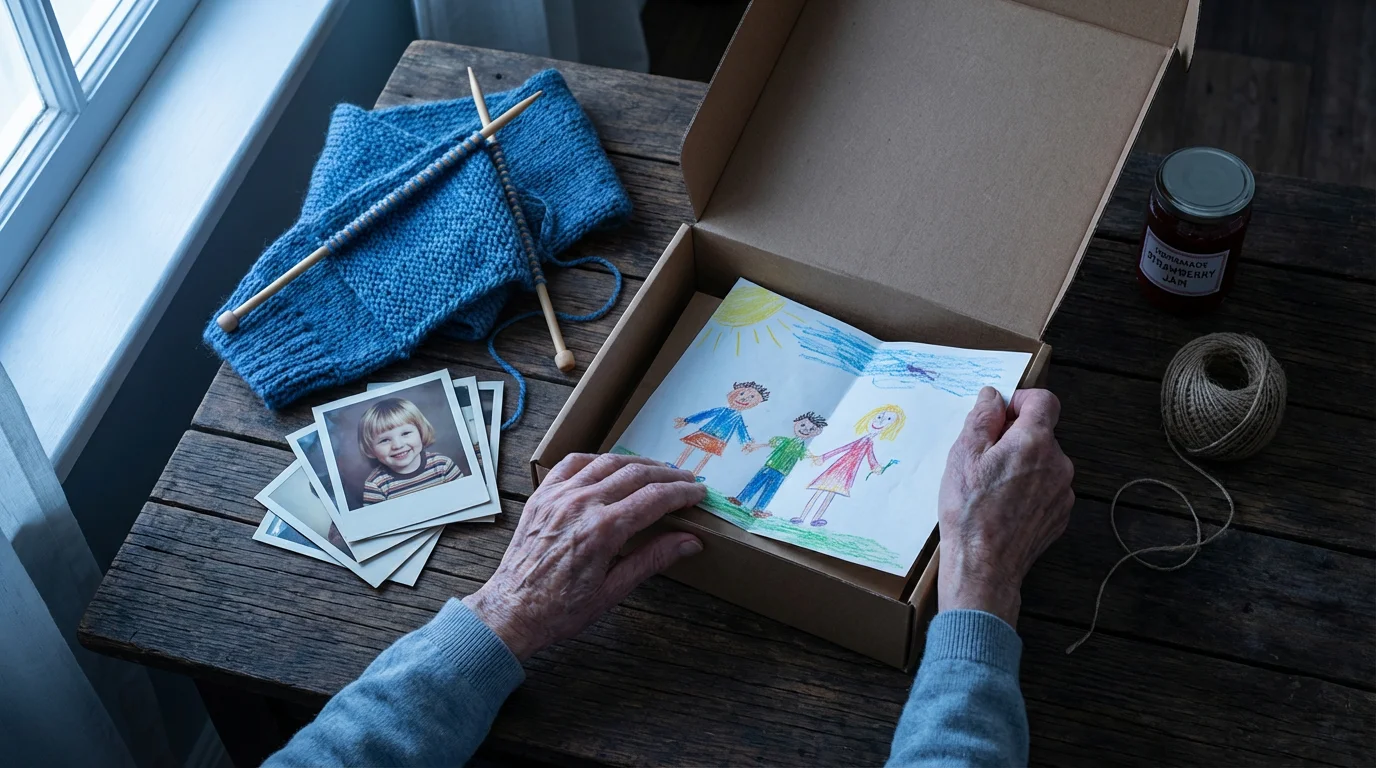
- Share Family History: Narrate stories about ancestors, family traditions, and significant events. Use old photographs or heirlooms to bring these tales to life.
- Teach Life Skills: Impart practical skills like budgeting, sewing, basic repairs, or a favorite craft. These hands-on lessons offer lasting value.
- Instill Core Values: Discuss values like kindness, perseverance, integrity, and gratitude through stories and everyday examples. Show them, do not just tell them.
- Create a “Legacy Project”: Work together on a family tree, a scrapbook of memories, or a video interview. This collaborative effort creates a tangible artifact of your shared history.
Your stories and values are powerful anchors, providing your grandchildren with perspective, resilience, and a deep sense of who they are.

Navigating Challenges: Supporting Your Adult Children and Grandchildren
While grandparenting brings immense joy, it can also present challenges. These may include navigating differing parenting styles, managing geographical distance, or offering support during difficult family transitions. Approach these moments with grace, empathy, and a solutions-oriented mindset.
This supportive approach is especially vital when handling conflicts with adult children regarding boundaries or parenting choices.
Thoughtful Support in Difficult Times:
- Offer Practical Help: Sometimes the best support is practical. This could mean preparing meals during a family illness, helping with school pickups, or offering financial guidance if appropriate and requested.
- Be a Listening Ear: Provide a non-judgmental space for your adult children to vent or seek advice. Often, they just need to feel heard and understood.
- Model Resilience: Your grandchildren observe how you handle challenges. Demonstrate grace under pressure, adaptability, and optimism, teaching them valuable life lessons.
- Seek Outside Resources When Needed: If complex issues arise, encourage your family to seek professional guidance from counselors or family therapists. You can support this process without taking over.
Your steadfast presence and measured support can be an invaluable source of strength during turbulent times, reinforcing your role as a family pillar.

Embracing the Joy: The Reciprocal Gifts of Grandparenting
The profound impact of grandparenting flows both ways. While you give wisdom, love, and support, your grandchildren bestow upon you an equally precious set of gifts. They bring fresh perspectives, boundless energy, and an opportunity to revisit the world through innocent eyes. This reciprocal relationship enriches your retirement years immeasurably.
Many older adults report enhanced well-being and a stronger sense of purpose directly attributable to their grandparenting roles. The joy of witnessing your family grow and thrive provides deep satisfaction. As AARP has extensively documented, active social engagement, including family connections, is a significant predictor of healthy aging.
Consider these profound gifts you receive:
- Renewed Perspective: Grandchildren help you see the world with wonder and curiosity again, reminding you of life’s simple joys.
- Unconditional Love: The pure affection from a grandchild is a heartwarming and deeply fulfilling experience.
- Increased Physical Activity: Playing with grandchildren often encourages more movement and outdoor time, benefiting your physical health.
- A Sense of Legacy: You witness your family’s future unfolding, knowing you play a direct role in shaping it. This provides a deep sense of continuity and meaning.
- Joy and Laughter: Grandchildren bring light-heartedness and abundant laughter into your home, brightening every day.
Embrace this joyful, multifaceted role. Grandparenting with grace allows you to deepen family relationships, contribute meaningfully, and live your golden years with a profound sense of purpose and boundless love. What a truly remarkable journey it is.
Frequently Asked Questions
How can I be a good grandparent, especially if I live far away?
Being a good grandparent means being present in spirit, even if not always in person. Focus on consistent communication through video calls, sending thoughtful letters or small packages, and planning special visits. Create traditions, like reading the same book at the same time each week, or having regular “virtual dinner dates.” Your consistent effort shows your love and strengthens your family relationships.
What activities can I do with grandchildren that are engaging and educational?
Engage in activities that foster curiosity and shared experience. Try cooking a new recipe together, starting a small garden, exploring a local museum, or reading aloud. Craft projects, storytelling sessions about family history, and even simple board games can be incredibly enriching. These activities provide opportunities for learning, bonding, and creating lasting intergenerational connections.
How do I navigate differing parenting styles with my adult children?
Approach this with respect and open communication. Have a gentle conversation with your adult children about their parenting preferences and boundaries. Your role is to support their lead as parents, providing love and care within their established guidelines. Focus on being a loving, consistent presence rather than a disciplinarian, respecting their authority over their children.
What if my grandchildren are teenagers and seem less interested in spending time with me?
Teenagers naturally seek more independence, but your role remains vital. Instead of structured activities, offer opportunities for casual connection. This might involve inviting them for a movie night, a favorite meal, or simply being available to listen without judgment. Share your wisdom gently, and respect their need for space. Your consistent love and availability are what matter most.
Disclaimer: This article is for informational and inspirational purposes. Life decisions are deeply personal, and we encourage readers to consult with appropriate professionals—whether healthcare providers, counselors, or financial advisors—for guidance specific to their circumstances.









Leave a Reply