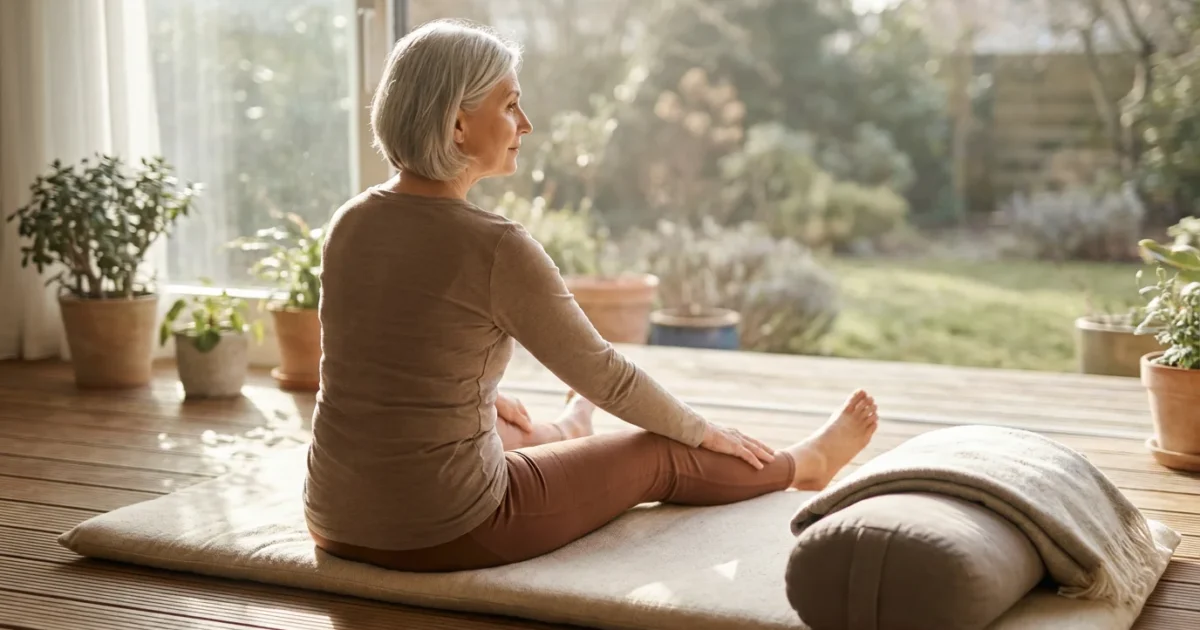
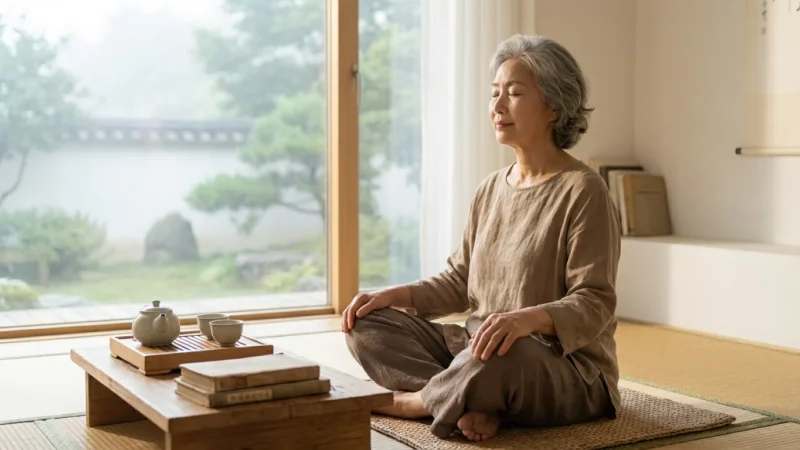
As you embrace the richness of your golden years, maintaining physical vitality becomes a cornerstone of graceful living. Many find themselves seeking avenues for comfort and renewed movement, especially as the body undergoes natural changes. Gentle yoga offers a profound path to reclaim flexibility, alleviate discomfort, and cultivate a deeper sense of well-being, enhancing every aspect of your retirement journey.
Nurturing your body through movement is just as important as savoring each bite for better health and digestion.
Feeling physically agile also makes dressing with confidence after 60 more rewarding as you move through your day with ease.
This practice is not about complex poses or strenuous exertion. Instead, gentle yoga focuses on mindful movement, breath awareness, and accessible postures that honor your body’s wisdom. It provides a sanctuary where you can rediscover ease in motion and reduce the aches and stiffness that often accompany aging, fostering a vibrant and purposeful life.
Why Gentle Yoga is Your Ally After 60
The human body is an incredible testament to resilience, yet it naturally experiences shifts in flexibility, bone density, and muscle strength over time. These changes can sometimes manifest as stiffness, reduced range of motion, and persistent aches, making everyday tasks feel more challenging. You might wonder if regaining that youthful ease is truly possible.
Maintaining physical health is a key part of reinventing yourself in retirement and finding your rhythm in this new chapter.
If you enjoy low-impact movement, you might also find success by exploring the world of tai chi as a complementary practice for balance.
Gentle yoga directly addresses these age-related changes, offering a holistic approach to maintaining your physical and mental health. It encourages a mindful connection between your breath and movement, which is crucial for overall wellness. This practice does more than just stretch your muscles, it nurtures your joints, enhances balance, and calms your nervous system.
Research supports the profound impact of physical activity on healthy aging. The National Institute on Aging consistently highlights the importance of staying active to preserve cognitive function, maintain independence, and improve quality of life. Gentle yoga perfectly aligns with these recommendations, providing a low-impact yet highly effective form of Senior Fitness. It empowers you to counteract the effects of gravity and time, fostering a body that feels more comfortable and capable.
Understanding the Benefits: Flexibility, Strength, and Pain Relief
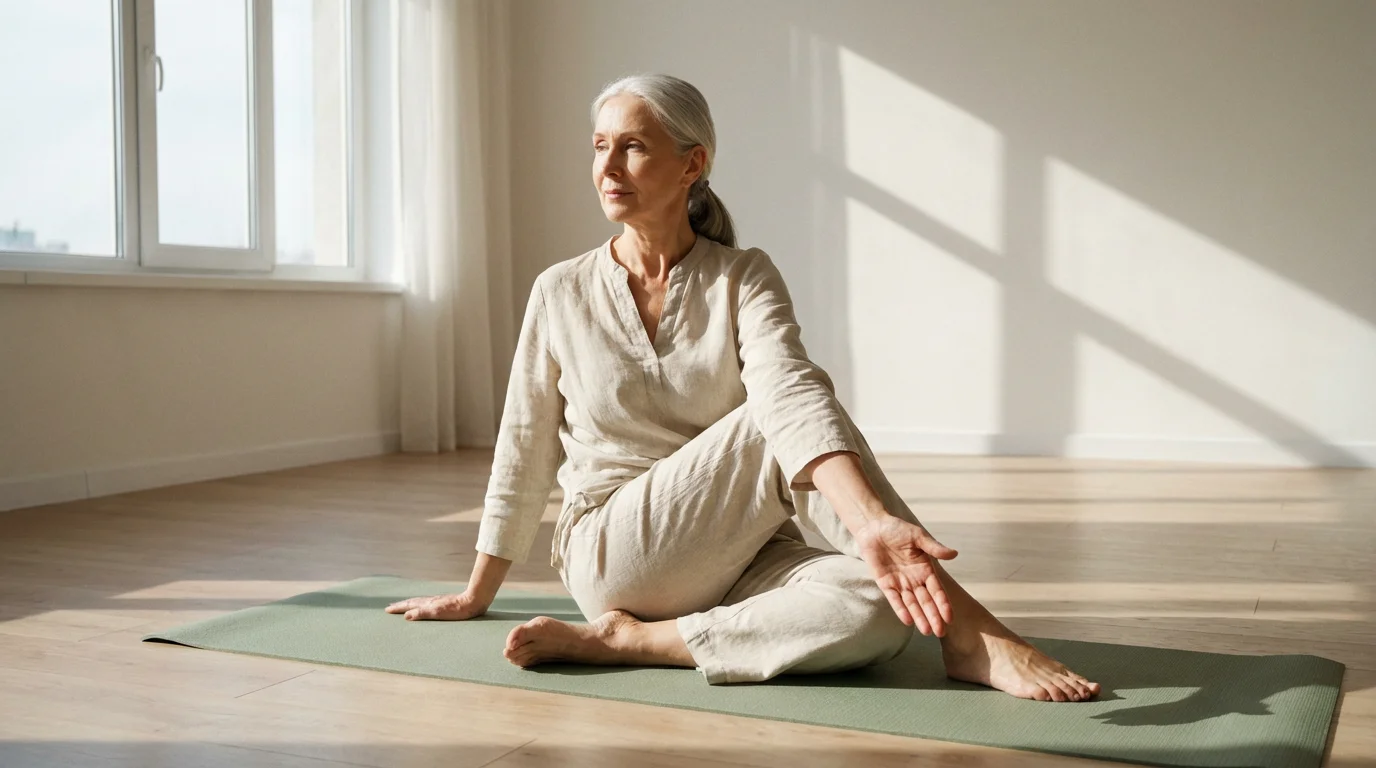
Embracing gentle yoga opens the door to a cascade of benefits that significantly enhance your daily experience. You will discover improved physical capabilities and a profound sense of inner peace. These advantages extend far beyond the physical realm, touching your emotional and mental well-being too.
While yoga strengthens the body, cultivating gratitude serves as a powerful tool to strengthen your mindset and overall happiness.
How does yoga improve flexibility after 60? Gentle yoga systematically works through major muscle groups and joints, encouraging a healthy range of motion. Each pose is an opportunity to gently lengthen muscles, lubricate joints, and improve the elasticity of connective tissues. Consistent practice gradually reclaims lost flexibility, making movements like bending, reaching, and twisting feel more fluid and less restricted.
Consider the impact of improved flexibility on your everyday life. Simple actions, such as tying your shoes, reaching for items on a high shelf, or turning to check your blind spot while driving, become easier and less painful. This enhanced mobility translates directly into greater independence and confidence in navigating your world.
Beyond flexibility, gentle yoga also builds functional strength. Poses often require you to support your own body weight, engaging core muscles and stabilizing joints. This subtle strengthening contributes to better posture, improved balance, and a reduced risk of falls, a significant concern for many older adults. It is not about lifting heavy weights, but about cultivating resilient, supportive muscles.
Finally, the Pain Relief aspect of gentle yoga is often its most compelling draw. Many individuals experience chronic back pain, knee discomfort, or stiff necks. Yoga uses controlled movements and sustained stretches to release tension in tight areas, improve circulation, and reduce inflammation. The emphasis on breath work also helps to calm the nervous system, diminishing your perception of pain. You learn to listen to your body, recognizing the difference between discomfort and pain, and respond with nurturing movements rather than resistance.
“Age is an issue of mind over matter. If you don’t mind, it doesn’t matter.”
— Mark Twain
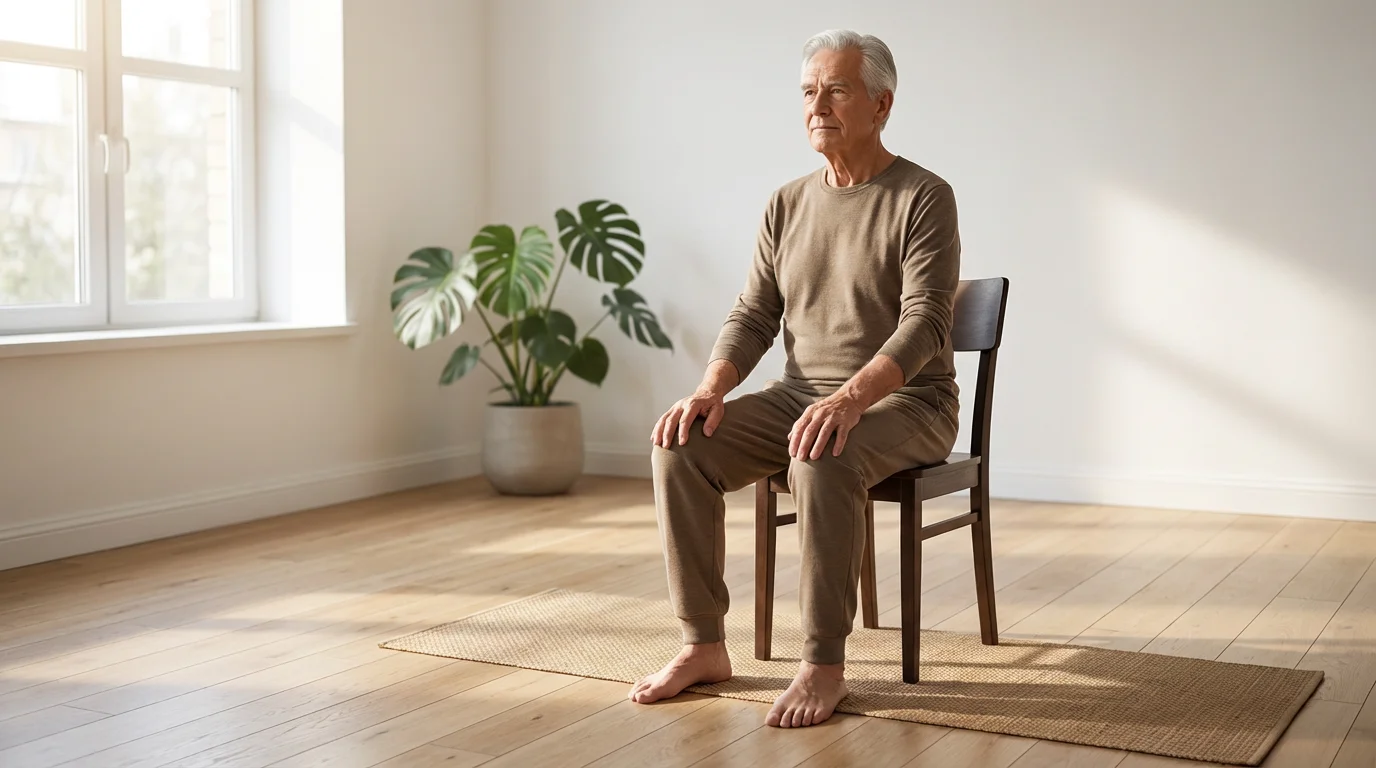
Preparing for Your Gentle Yoga Journey
Beginning any new physical activity requires thoughtful preparation, and gentle yoga is no exception. Taking these steps ensures your practice is safe, enjoyable, and maximally beneficial. Your body deserves respect and careful attention as you embark on this rewarding path.
Just as optimizing your bedroom for rest improves sleep, setting up a dedicated yoga space enhances your practice.
Here are essential considerations before you begin:
- Consult Your Doctor: Always speak with your healthcare provider before starting a new exercise regimen, especially if you have pre-existing conditions, recent surgeries, or chronic pain. They can offer personalized advice and identify any specific movements to avoid.
- Choose the Right Environment: Find a quiet, comfortable space where you feel relaxed and have enough room to move freely. A smooth, non-slip surface is ideal.
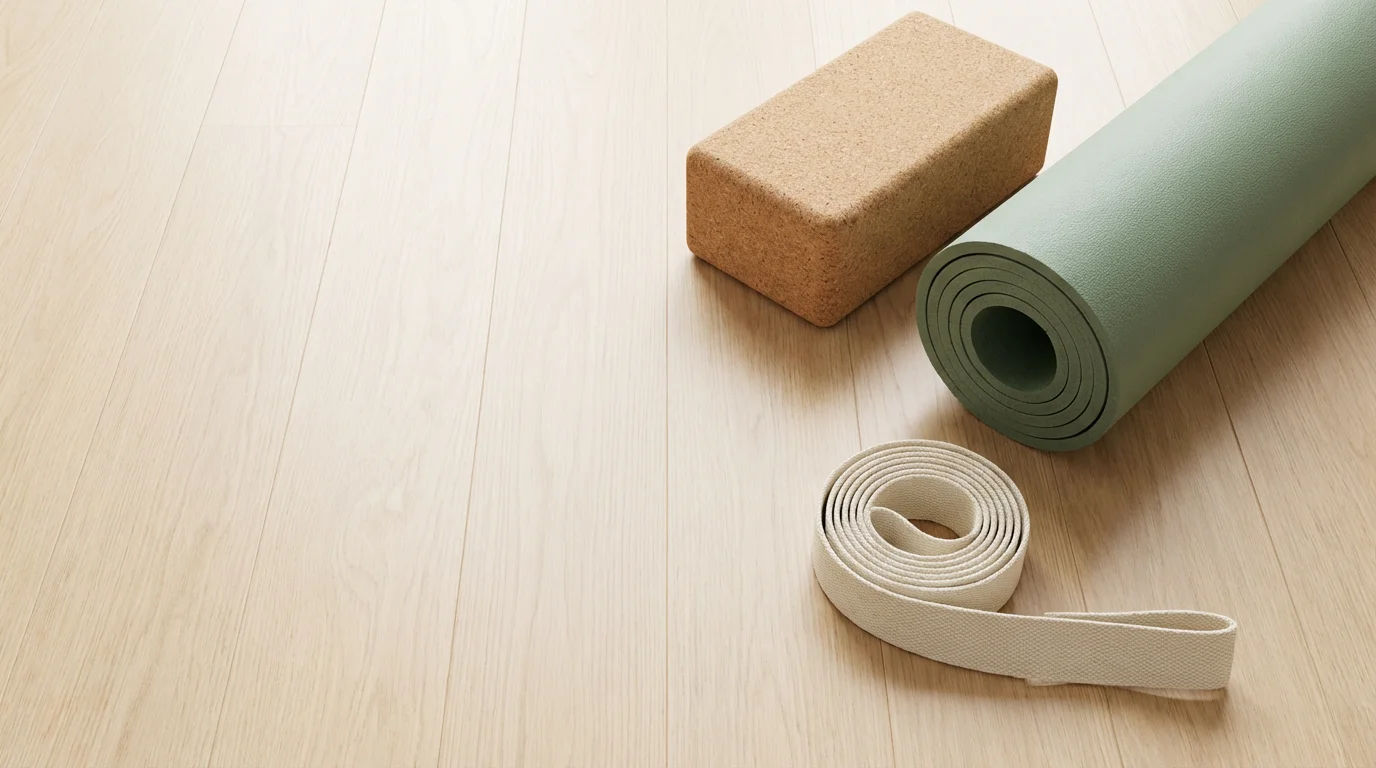
- Gather Your Props: While not strictly necessary for every pose, props enhance comfort and accessibility.
- Yoga Mat: Provides cushioning and prevents slipping.
- Yoga Blocks: Offer support and help bring the floor closer, making poses more accessible.
- Yoga Strap (or a long belt/scarf): Extends your reach, useful for stretching tight hamstrings or shoulders.
- Chair: An excellent prop for seated poses and for support in standing balances.
- Blanket or Cushion: Adds comfort for seated or kneeling positions.
- Listen to Your Body: This is perhaps the most crucial instruction in gentle yoga. Never push into pain. Sensations are normal, but sharp pain signals you to ease back or stop. Your practice is unique to you each day.
- Focus on Your Breath: Deep, conscious breathing is integral to yoga. It calms the mind, oxygenates the body, and helps you relax into stretches. Try to breathe slowly through your nose, both inhaling and exhaling.
Remember, your yoga journey is a personal exploration of movement and self-awareness. Approach it with curiosity and kindness, allowing yourself to learn and grow at your own pace.

What Are the Best Yoga Poses for Seniors?
Now, let us explore some foundational Gentle Yoga poses perfectly suited for enhancing flexibility and providing Pain Relief. These postures focus on gentle stretching, strengthening, and improving balance, all while being adaptable to various mobility levels. Always move slowly and mindfully, prioritizing comfort over depth.
1. Chair Cat-Cow Stretch (Marjaryasana-Bitilasana)
This pose gently mobilizes the spine, relieving stiffness in the back and neck.
- Sit tall in a sturdy chair with your feet flat on the floor, hips-width apart. Place your hands on your knees or thighs.
- Inhale, arch your back slightly, draw your shoulder blades together, and lift your chest, gazing gently upwards (Cow).
- Exhale, round your spine, tuck your chin towards your chest, and let your head release forward (Cat).
- Repeat for 5-8 breaths, coordinating movement with breath.
2. Seated Spinal Twist (Parivrtta Sukhasana)
A gentle twist that improves spinal mobility and massages internal organs.
- Sit comfortably in your chair, feet flat. Inhale and lengthen your spine.
- Exhale, gently twist your torso to the right. Place your right hand on the back of the chair and your left hand on your right knee.
- Keep your spine long. Look gently over your right shoulder if comfortable for your neck.
- Hold for 3-5 breaths, then slowly unwind on an inhale.
- Repeat on the left side.
3. Wall Push-Ups (Modified Chaturanga)
Builds upper body and core strength, beneficial for posture and daily tasks.
- Stand facing a wall, about arm’s length away. Place your palms flat on the wall, shoulder-width apart, at shoulder height.
- Keep your body in a straight line from heels to head.
- Inhale, then exhale as you slowly bend your elbows, bringing your chest towards the wall. Keep your elbows pointing slightly down and back.
- Inhale and push back to the starting position.
- Repeat for 8-10 repetitions. Adjust your distance from the wall to modify intensity.
4. Reclined Bound Angle Pose (Supta Baddha Konasana)
Opens the hips and inner thighs, promoting relaxation and relieving tension in the lower back.
- Lie on your back on your mat or bed, with knees bent and feet flat on the floor.
- Let your knees gently fall open to the sides, bringing the soles of your feet together.
- You can place blocks or pillows under your knees for support if the stretch feels too intense.
- Rest your hands comfortably on your belly or by your sides.
- Breathe deeply for 5-10 minutes, allowing gravity to gently open your hips.
5. Seated Forward Fold (Paschimottanasana in Chair)
Stretches the hamstrings and spine, calming the nervous system.
- Sit at the edge of your chair, feet flat on the floor, hips-width apart.
- Inhale, lengthen your spine.
- Exhale, slowly hinge forward from your hips, keeping your back long. Let your torso rest towards your thighs.
- Allow your hands to reach for your ankles or the floor. Let your head hang heavy, releasing tension in your neck.
- Breathe deeply for 5-8 breaths, feeling the stretch in your lower back and hamstrings.
- Inhale slowly to roll back up to a seated position.
6. Standing Side Bend (Parsva Konasana Prep)
Stretches the sides of the torso, improving spinal flexibility.
- Stand tall with your feet about hip-width apart, arms by your sides.
- Inhale, reach your right arm up towards the ceiling.
- Exhale, gently lean to your left, stretching your right side. Keep both feet grounded and avoid collapsing forward.
- Breathe for 3-5 breaths, feeling the stretch.
- Inhale to return to center. Repeat on the other side.
7. Supported Bridge Pose (Setu Bandhasana with Support)
Gently strengthens the back of the body, opens the chest, and can relieve lower back discomfort.
- Lie on your back with your knees bent, feet flat on the floor, hips-width apart, and heels close to your sitting bones.
- Press into your feet, lift your hips slightly, and slide a yoga block or a firm cushion under your sacrum (the flat bone at the base of your spine).
- Allow your hips to rest fully on the support. Let your arms rest by your sides, palms up or down.
- Breathe deeply and relax into the pose for 3-5 minutes.
- To exit, gently lift your hips, remove the block, and slowly lower your spine to the floor, one vertebra at a time.
Remember to consult the seed keyword “What are the best yoga poses for seniors?” when practicing these movements. Each pose is a gentle invitation to explore your body’s capabilities and boundaries.
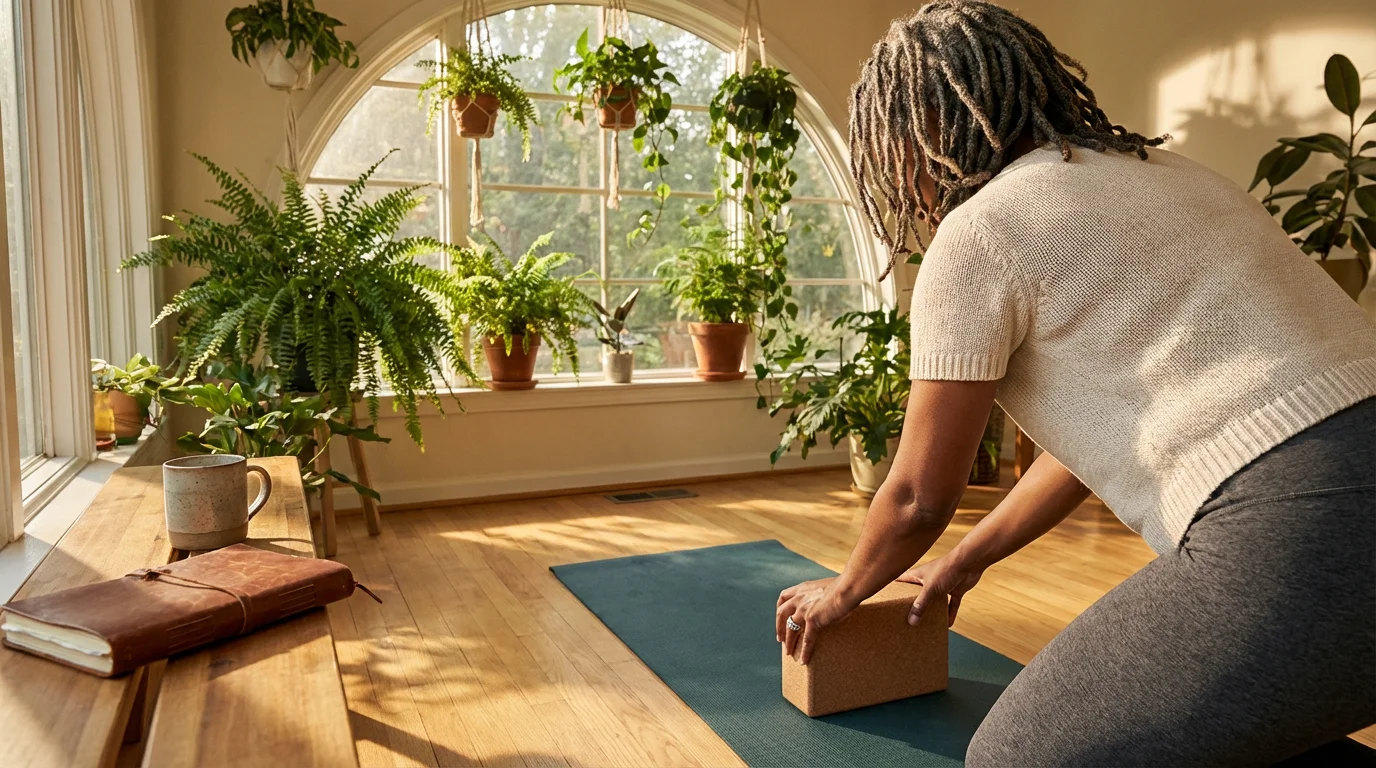
Integrating Gentle Yoga into Your Daily Life
The true power of gentle yoga unfolds when you weave it into the fabric of your everyday existence. It is not merely an activity; it becomes a practice, a way of being. Consistent, even brief, engagement offers profound cumulative benefits for Senior Fitness and overall well-being.
Pairing your yoga routine with other active hobbies, such as gardening for wellness, can further enhance your connection to nature and physical health.
Consider these practical tips for establishing a sustainable practice:
- Start Small: You do not need an hour-long session to reap rewards. Even 10-15 minutes of gentle movement and breath work daily can make a significant difference in your flexibility and pain management.
- Find Your Rhythm: Experiment with different times of day. Some prefer morning yoga to awaken the body, while others find an evening session helps unwind and prepare for restful sleep.
- Consistency Over Intensity: Regular, gentle practice yields far greater results than sporadic, intense sessions. Make it a habit you look forward to.
- Listen to Your Body’s Wisdom: Some days you will feel more energetic, others less so. Adjust your practice accordingly. Respect your energy levels and any discomfort you feel. This self-awareness is a hallmark of graceful aging.
- Mindfulness Off the Mat: Carry the principles of yoga into your daily activities. Practice mindful breathing while walking, maintain good posture while sitting, and move with intention throughout your day.
As you consistently engage in gentle yoga, you will notice shifts not just in your physical body, but also in your mental landscape. You might find yourself less reactive to stress, more present in conversations, and possessing a deeper sense of calm. This holistic transformation is a testament to the integrated nature of the practice. What small step can you take today to invite more mindful movement into your routine?
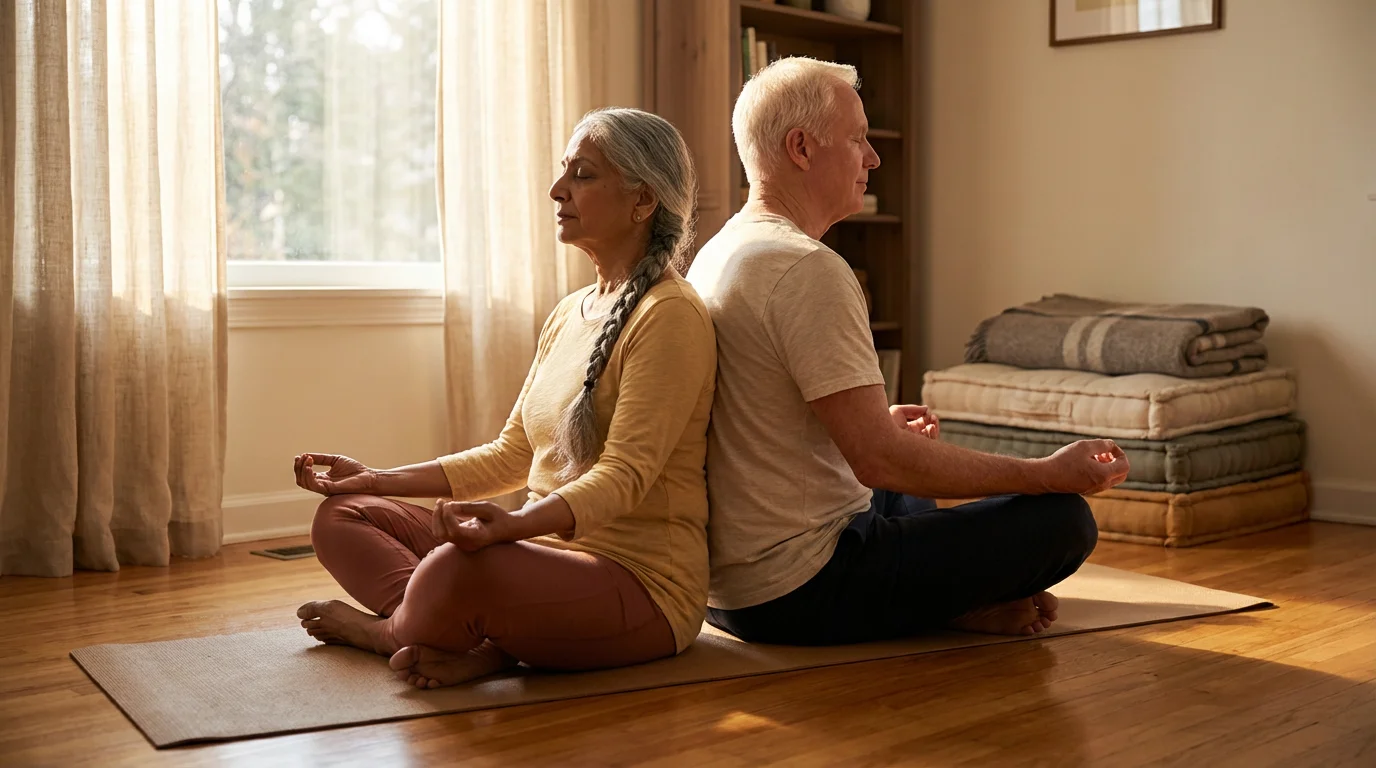
Addressing Common Concerns and Finding Support
It is natural to have questions or hesitations when embarking on a new journey, especially one involving physical movement. Many wonder, “Am I too old to start yoga?” or “What if I am not flexible enough?” These are valid inquiries, and addressing them openly helps clear the path for your empowering practice.
Consider joining a local senior yoga class to foster new relationships, as finding community is essential for a vibrant social life.
You are never too old to begin gentle yoga. The very nature of this practice makes it accessible and adaptable to all levels of mobility and experience. Forget any preconceived notions of what a “yoga body” should look like. Your body, exactly as it is today, is perfect for gentle yoga. Starting with modifications and props is not a sign of weakness, but a smart and effective way to build strength and flexibility safely.
Finding the right support system significantly enhances your yoga journey. While this guide offers a solid foundation, consider seeking guidance from experienced professionals.
Ways to find support:
- Qualified Instructors: Look for yoga teachers specifically trained in senior yoga, chair yoga, or therapeutic yoga. They understand the nuances of the aging body and can provide personalized modifications and guidance. Many community centers, senior living facilities, and local yoga studios offer specialized classes.
- Online Resources: Numerous online platforms provide gentle yoga classes tailored for seniors. Look for instructors who emphasize safety, modifications, and a slow, mindful pace. Reading reviews and trying introductory classes can help you find a good fit.
- Community: Practicing with others, even virtually, can provide encouragement and a sense of connection. Sharing experiences and progress creates a supportive environment.
- Listen to Your Body, Always: This remains your most important guide. If a pose causes pain, stop or modify it. Your goal is comfort and gentle exploration, not pushing boundaries at the risk of injury.
Embracing gentle yoga is an act of self-care and a commitment to your well-being. It is a journey of rediscovery, proving that grace, strength, and vitality are vibrant possibilities at any age. As you move with intention, breathe with awareness, and listen to your body’s wisdom, you cultivate a life rich in purpose and free from unnecessary discomfort.
Frequently Asked Questions
Is gentle yoga effective for chronic pain relief?
Yes, gentle yoga can be highly effective for chronic pain relief. Its focus on mindful movement, gentle stretching, and breath work helps release muscle tension, improve circulation, and reduce inflammation. The practice also cultivates a stronger mind-body connection, which can alter your perception of pain and increase your coping mechanisms. Consistency is key for lasting relief.
How often should seniors practice gentle yoga for flexibility?
For significant improvements in flexibility and overall well-being, seniors should aim for 3-5 sessions of gentle yoga per week. Even short, consistent practices of 15-20 minutes can yield substantial benefits. Listening to your body and allowing for rest days is also important to prevent overexertion and encourage muscle recovery.
What are the common risks of yoga for seniors?
While gentle yoga is generally safe, potential risks for seniors include overstretching, loss of balance leading to falls, or exacerbating existing conditions if proper modifications are not used. Always consult your doctor before starting, practice with a qualified instructor, use props for support, and never push into pain. Prioritizing safety and listening to your body minimizes these risks.
Can yoga help with balance and fall prevention in older adults?
Absolutely. Many gentle yoga poses and sequences are specifically designed to improve balance, strengthen core muscles, and enhance proprioception, your body’s sense of its position in space. Regular practice can significantly reduce the risk of falls, a major concern for older adults, by improving stability and coordination. Chair yoga, in particular, offers a safe way to build balance skills.
How quickly can I expect to see improvements in flexibility after 60 with gentle yoga?
You may begin to notice subtle improvements in your flexibility and a reduction in minor aches within a few weeks of consistent gentle yoga practice. More significant changes in range of motion and sustained pain relief typically become evident after 2-3 months. Progress varies for everyone, so focus on consistency and patience rather than specific timelines. Celebrate every small gain.
Disclaimer: This article is for informational and inspirational purposes. Life decisions are deeply personal, and we encourage readers to consult with appropriate professionals, whether healthcare providers, counselors, or financial advisors, for guidance specific to their circumstances.



Leave a Reply