
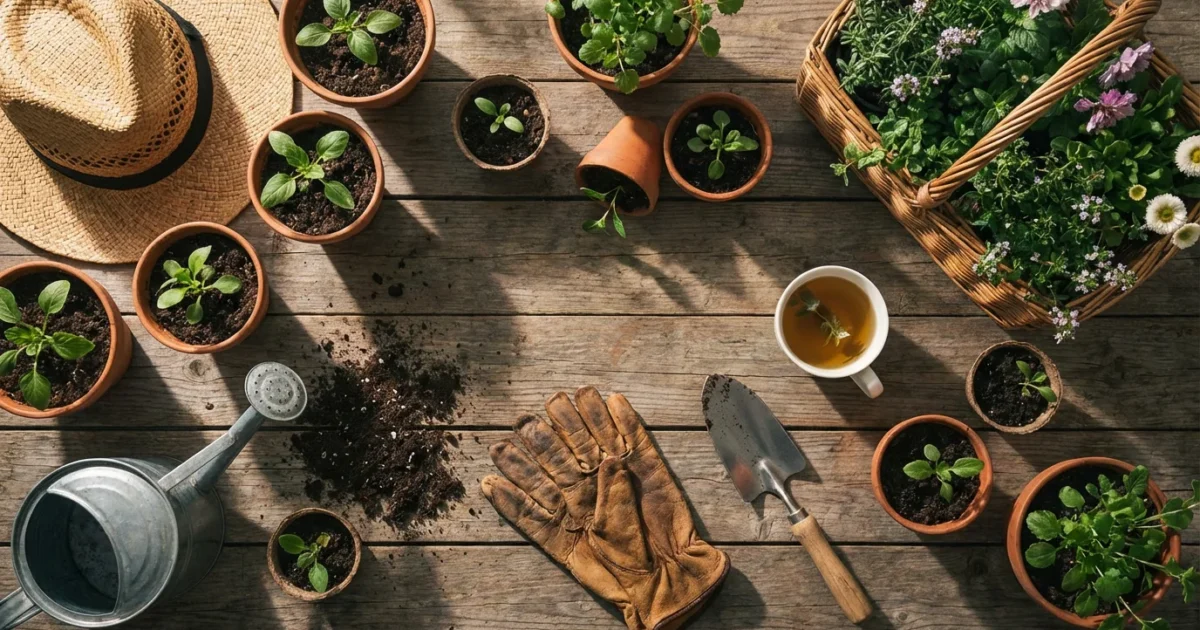
As you navigate your golden years, discovering activities that enrich your life and foster well-being becomes paramount. Gardening, an age-old practice, offers a profound pathway to cultivate not just plants, but also peace, purpose, and robust health. This gentle yet powerful pursuit connects you to nature, provides meaningful engagement, and helps you embrace the later chapters of life with vibrancy and intention.
In addition to the physical activity, the improved air quality and exposure to nature can help in creating a sleep sanctuary for more restorative nights.
Gardening is just one way to embrace new beginnings and find fresh purpose in this stage of life.
Embracing senior gardening allows you to reap a bounty of benefits, from physical vitality to mental clarity and emotional serenity. It provides a structured yet flexible routine, a creative outlet, and a tangible sense of accomplishment. You sow seeds of possibility, watching them grow, mirroring your own continuous capacity for growth and renewal.
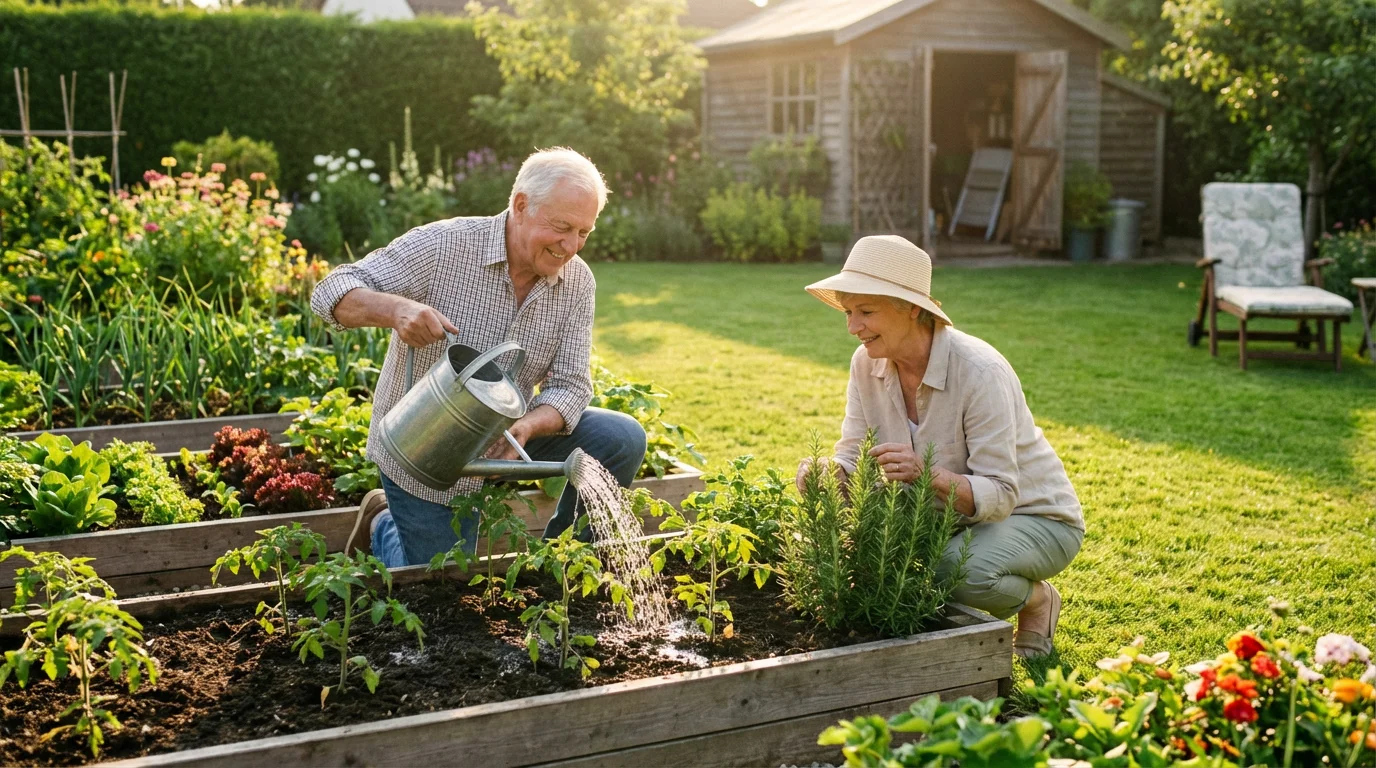
Cultivating Joy and Purpose in Your Golden Years
The act of gardening offers a profound sense of purpose, a vital component for a fulfilling retirement. Nurturing a plant from seed to harvest creates a daily rhythm and a responsibility that enriches your life. This engagement transcends mere hobby, evolving into a meaningful pursuit.
Consider the quiet satisfaction that comes from tending to a living thing, watching it thrive under your care. This connection to the life cycle provides a powerful affirmation of your own capacity to contribute and create. What new purpose might you discover as you tend to a blossoming garden?
Therapeutic gardening gives you a reason to wake up each morning, anticipating the progress in your plot. It fosters patience and resilience, as you learn to work with nature’s rhythms, celebrating successes and accepting occasional setbacks. This constant learning keeps your mind active and engaged.
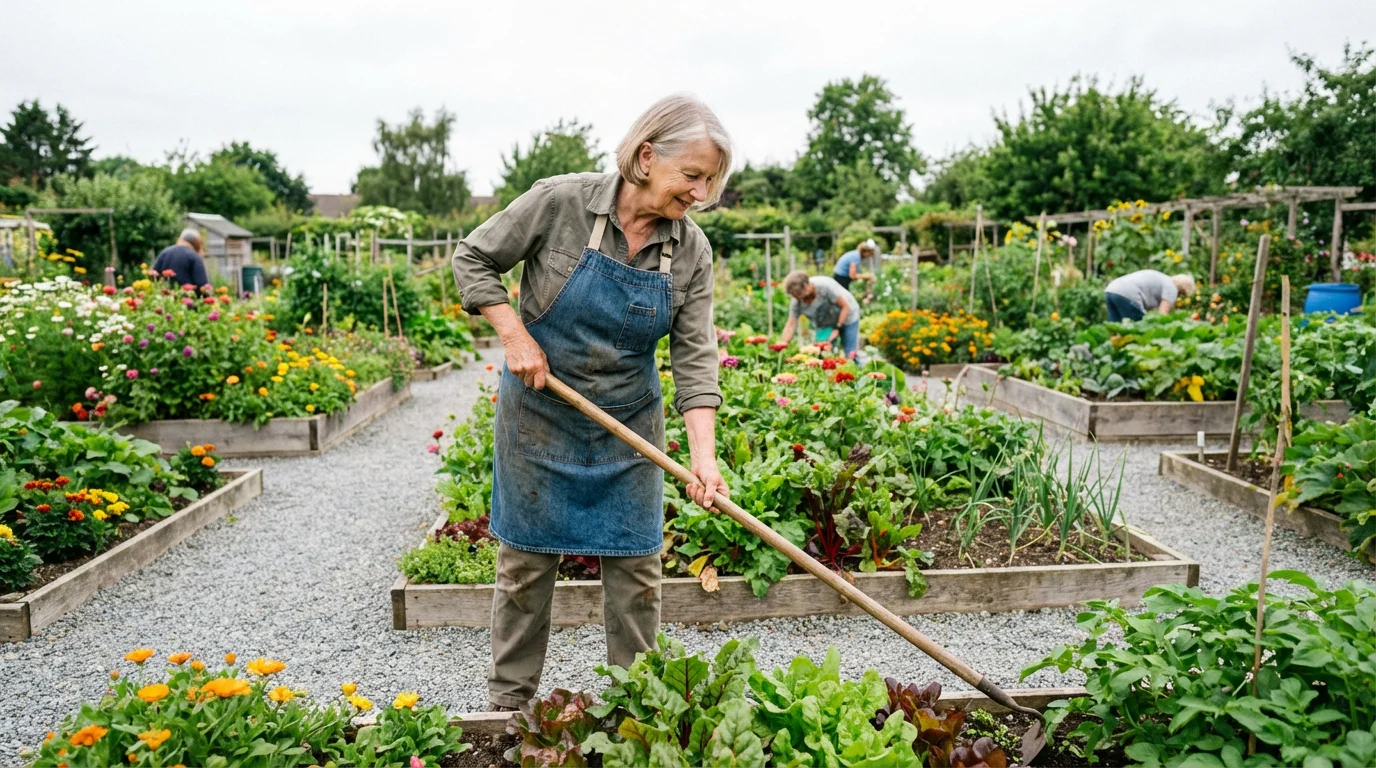
The Tangible Health Benefits of Senior Gardening
Engaging in gardening provides a wealth of physical advantages that contribute directly to your overall well-being. It is a gentle, low-impact form of exercise, perfect for maintaining mobility and strength as you age. Activities like digging, planting, and weeding engage various muscle groups without excessive strain.
For those managing chronic pain, the low-impact nature of gardening provides a safe way to stay active without overexertion.
Combining your time in the soil with gentle yoga for flexibility can further improve your physical resilience and range of motion.
Research consistently shows that regular physical activity, even moderate, supports cardiovascular health and can help manage weight. Gardening naturally integrates these movements into your routine, promoting better circulation and flexibility. This active engagement offers significant gardening benefits, keeping your body limber and strong.
Exposure to sunlight while gardening provides a natural boost of Vitamin D, essential for bone health and immune function. A study published in Harvard Health Publishing highlighted that regular exercise, including gardening, contributes to stronger bones and reduced risk of osteoporosis. Always remember to practice sun safety by wearing protective clothing and sunscreen.
Moreover, the varied movements involved in tending a garden improve balance and coordination. This proactive approach to physical health helps prevent falls, a common concern for older adults. By embracing how to start a garden senior, you invest directly in your physical vitality.
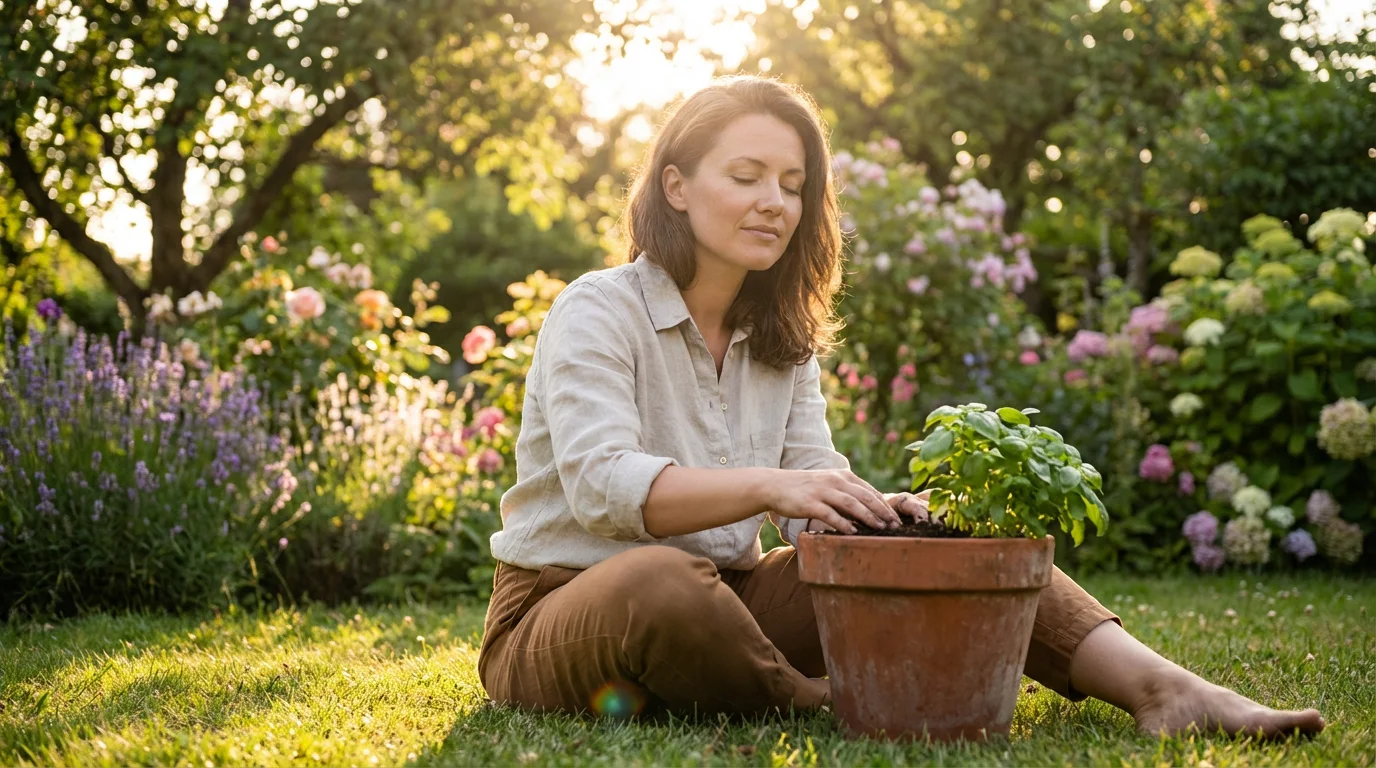
Nurturing the Mind: Cognitive and Emotional Rewards
Beyond the physical, gardening offers profound cognitive and emotional benefits, making it truly therapeutic gardening. The act of planning a garden, remembering plant care, and problem-solving cultivates mental acuity. It provides stimulating challenges that keep your brain active and engaged.
Viewing your time in the garden as a form of essential self-care allows you to prioritize your own emotional needs effectively.
Gardening is a powerful stress reliever. The sensory experience of touching soil, smelling fresh earth, and observing vibrant colors can significantly reduce cortisol levels, the body’s primary stress hormone. Spending time outdoors in a natural setting fosters a sense of calm and well-being, helping to alleviate anxiety and improve mood, a finding often explored in Psychology Today articles on aging.
This connection to nature also promotes mindfulness. As you focus on the task at hand, whether it is pruning a rose or watering herbs, you become fully present in the moment. This mindful engagement can reduce rumination and provide a welcome respite from daily worries, leading to greater emotional balance.
For individuals facing cognitive changes, gardening offers a familiar and comforting activity that can stimulate memory and recall. Remembering where you planted specific seeds, identifying different plant types, and following care routines provides gentle cognitive exercise. This regular mental engagement supports overall brain health.
Building Connections: Social and Community Aspects
Gardening can transform into a wonderful avenue for fostering social connections and a sense of community. While often a solitary activity, it also opens doors to shared experiences, knowledge exchange, and camaraderie with like-minded individuals. These connections are vital for graceful aging.
Sharing these simple gifts is an excellent way of cultivating gratitude for the abundance your garden provides.
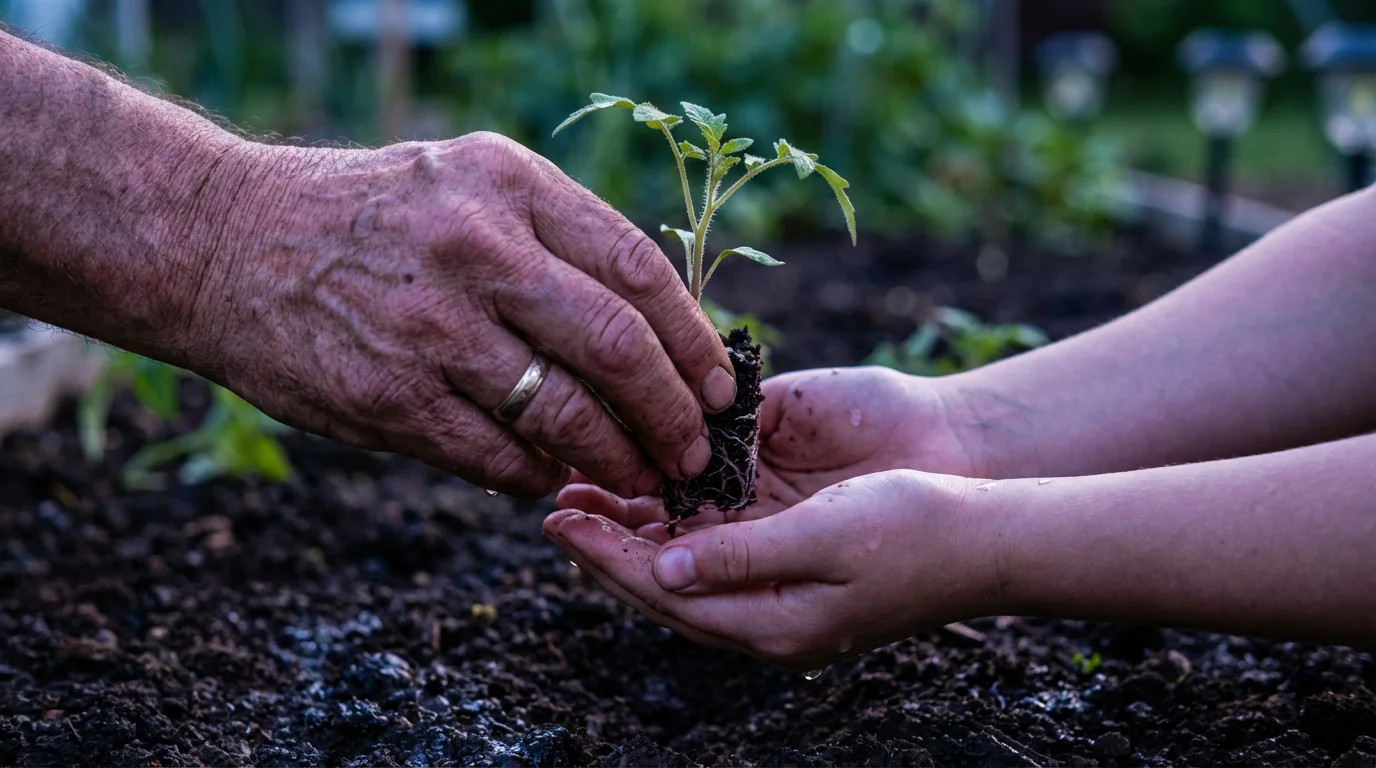
This social aspect is also a perfect opportunity for strengthening bonds across generations by teaching grandchildren the wonders of nature.
Many communities offer shared garden plots or volunteer opportunities at local botanical gardens. Participating in these initiatives allows you to meet new people, share tips, and enjoy the collective effort of growing. These shared endeavors combat feelings of isolation and build strong community ties.
Consider the joy of sharing your harvest with neighbors, friends, or family. A basket of freshly picked tomatoes or a bouquet of vibrant flowers becomes a gesture of care and connection. This sharing of abundance strengthens relationships and spreads joy, highlighting the benefits of gardening for seniors beyond personal gain.
“The glory of gardening: hands in the dirt, head in the sun, heart with nature. To nurture a garden is to feed not just the body, but the soul.”
Intergenerational gardening projects can also bridge gaps between age groups. Sharing your gardening wisdom with younger generations, or learning new techniques from them, enriches everyone involved. These exchanges create invaluable bonds and pass on valuable skills.

Starting Your Garden Journey: Practical Steps for Seniors
Embarking on your gardening journey does not require vast experience or a large plot of land. You can begin small and gradually expand as your confidence and enthusiasm grow. The key is to start with what feels manageable and enjoyable for you.
Here are practical steps on how to start a garden senior:
- Assess Your Space: Determine if you have a sunny balcony, a small patio, or a section of your yard that receives at least 6 hours of sunlight daily. This dictates your gardening style.
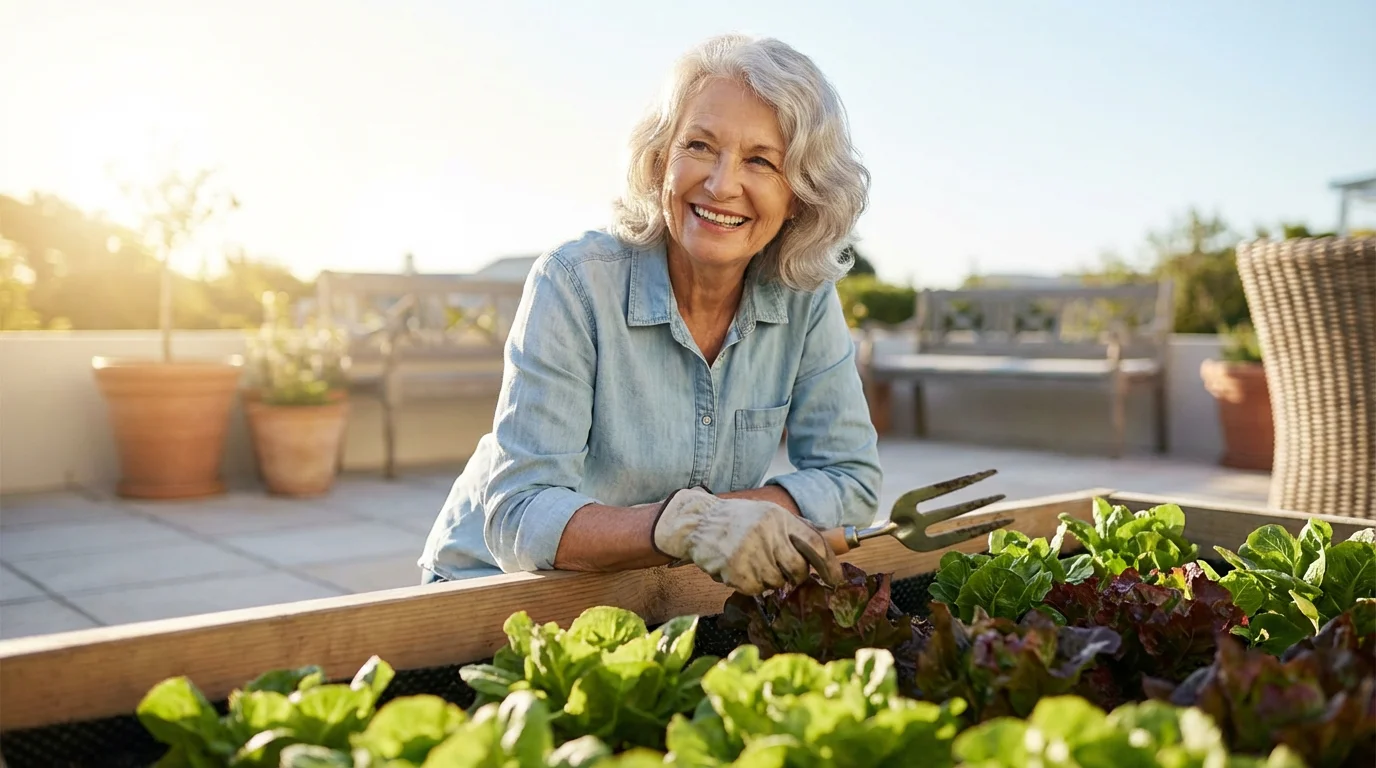
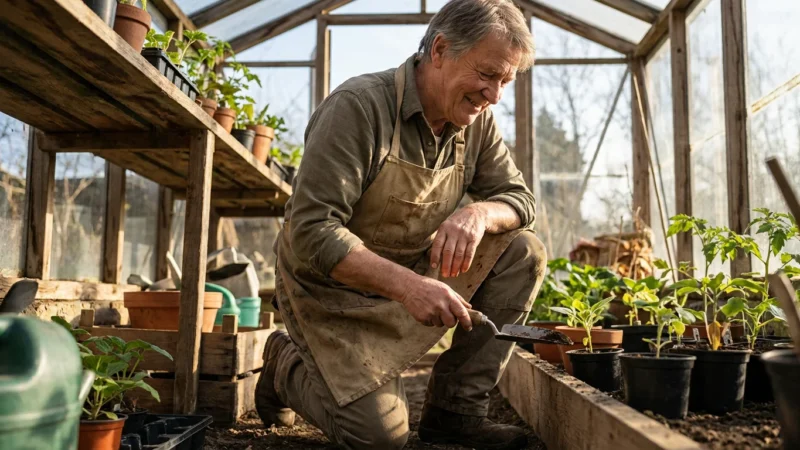
- Choose Your Method: Consider container gardening for limited spaces, raised garden beds for easier access, or a traditional in-ground plot if physical limitations allow. Raised beds minimize bending and kneeling, offering significant senior gardening advantages.
- Select Easy-to-Grow Plants: Begin with resilient vegetables like lettuce, radishes, cherry tomatoes, or herbs such as basil and mint. Flowers like marigolds or zinnias are also forgiving for beginners.
- Gather Essential Tools: Invest in ergonomic tools designed for comfort and ease of use. Look for lightweight, long-handled tools and knee pads or a gardening stool to protect your joints.
- Prepare Your Soil: Healthy soil is the foundation of a thriving garden. Use good quality potting mix for containers or amend your garden beds with compost to provide nutrients.
Remember, the goal is enjoyment, not perfection. Embrace the learning process and celebrate every small success. Your initial efforts will lay the groundwork for a rewarding and fulfilling new passion.
Essential Tips for Sustainable and Enjoyable Senior Gardening
To ensure your gardening experience remains a source of joy and well-being, integrate smart practices that prioritize your comfort and the longevity of your garden. These senior gardening tips focus on sustainability, ease, and personal safety.
Here are practical tips for sustainable and enjoyable senior gardening:
- Pace Yourself: Break gardening tasks into smaller, manageable segments. Do not try to accomplish everything in one session. Listen to your body and take frequent breaks to prevent fatigue.
- Stay Hydrated and Protected: Always have water nearby and drink regularly, especially on warm days. Wear a wide-brimmed hat, sunglasses, and appropriate sun protection to shield yourself from UV rays.
- Utilize Raised Beds and Containers: These options reduce bending and stooping, making gardening more accessible and less strenuous. You can customize their height to suit your comfort level.
- Choose Drought-Tolerant Plants: Selecting plants that require less water reduces your watering duties and promotes environmental sustainability. Succulents, lavender, and certain native plants are excellent choices.
- Practice Companion Planting: Grow certain plants together to naturally deter pests and enhance growth, minimizing the need for chemical interventions. This ecological approach supports the environment and your health.
- Consider Vertical Gardening: Use trellises, hanging baskets, or vertical planters to maximize space and bring plants up to a comfortable working height. This is an excellent way to enjoy gardening benefits in smaller spaces.
By implementing these strategies, you create a sustainable and enjoyable gardening environment that supports both your physical well-being and the health of your plants. This mindful approach ensures your garden remains a sanctuary.
Beyond the Harvest: Life Lessons from the Garden
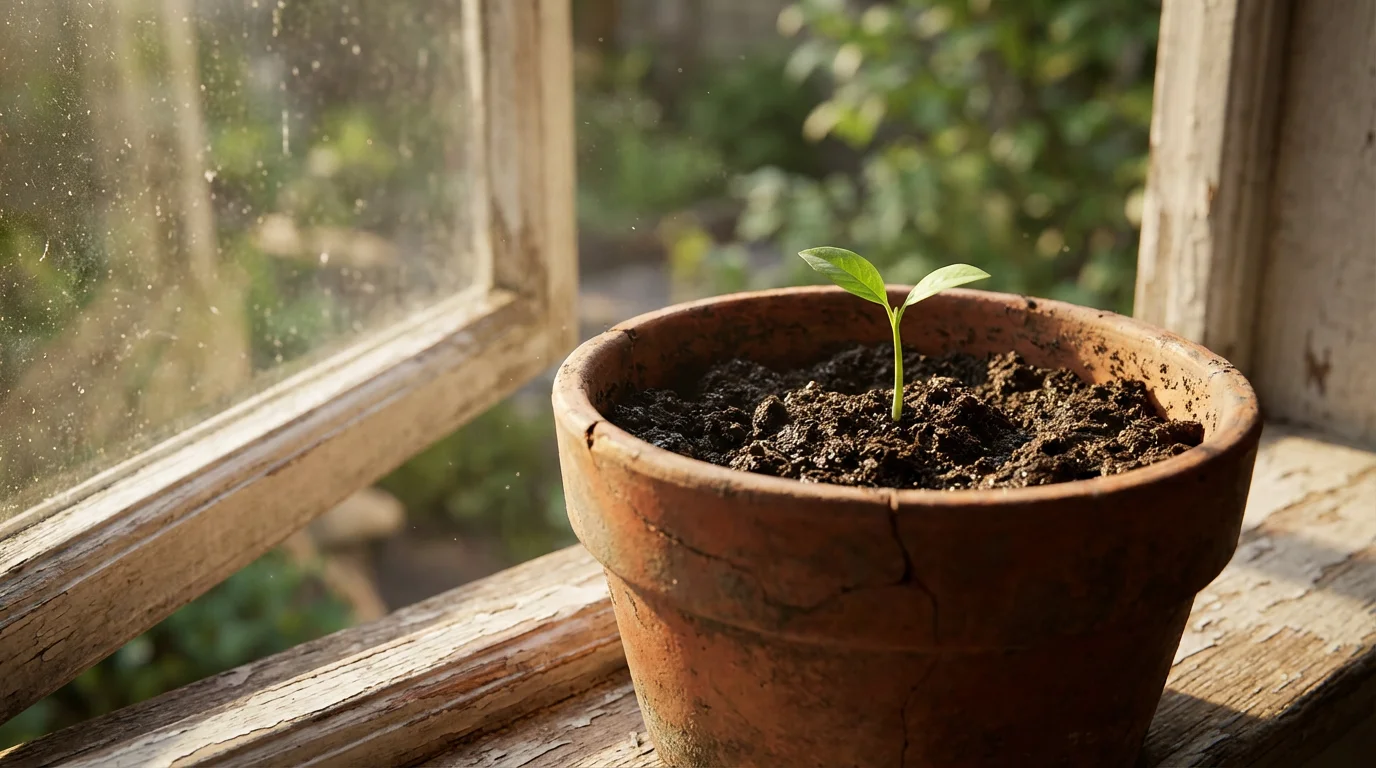
A garden offers more than just fresh produce and beautiful blooms; it provides profound life lessons that resonate deeply with the wisdom gained in your golden years. It teaches patience, demonstrating that growth takes time and consistent care. You learn to trust the process, understanding that some things cannot be rushed.
The garden exemplifies resilience. Plants endure changing weather, pests, and unexpected challenges, yet they persist, pushing towards the sun. This mirrors your own capacity to adapt and thrive through life’s inevitable seasons, reminding you of your inherent strength.
Gardening fosters a deep sense of gratitude for nature’s bounty and the simple miracles of life. You witness the intricate dance of pollination, the magic of a seed transforming into sustenance, and the sheer beauty of the natural world. This appreciation enhances your overall sense of contentment.
Ultimately, your garden becomes a metaphor for life itself, constantly evolving, offering both challenges and immense rewards. It teaches acceptance of what you cannot control, encouraging you to focus your energy on what you can influence. This philosophy is a cornerstone of graceful living.
Frequently Asked Questions
What are the primary benefits of gardening for seniors?
Senior gardening offers a range of benefits, including improved physical health through moderate exercise, enhanced cognitive function, stress reduction, and increased opportunities for social engagement. It also provides a strong sense of purpose and connection to nature, contributing to overall well-being in retirement.
Do I need a large yard to enjoy therapeutic gardening?
Absolutely not. You can enjoy therapeutic gardening in various settings, even without a large yard. Container gardening on a patio or balcony, raised garden beds, or even a few houseplants can provide significant benefits. The size of your garden is less important than the act of nurturing and engaging with plants.
What types of plants are easiest for beginners in senior gardening?
For beginners, especially in senior gardening, choose plants known for their resilience and ease of care. Excellent choices include leafy greens like lettuce and spinach, herbs such as basil, mint, and rosemary, and vegetables like radishes and bush beans. Marigolds and impatiens are also forgiving floral options.
How can I make gardening more accessible if I have mobility challenges?
Many solutions exist to make gardening accessible. Utilize raised garden beds that minimize bending, choose ergonomic gardening tools with long handles, and consider a gardening stool or knee pads. Vertical gardening systems and hanging baskets also bring plants up to a comfortable working height, making the activity enjoyable regardless of mobility.
Can gardening help with feelings of loneliness or isolation?
Yes, gardening can be a powerful antidote to loneliness. Joining a community garden, volunteering at a local park, or simply sharing your harvest with neighbors creates opportunities for social interaction and connection. These shared experiences foster a sense of belonging and community, which are crucial for mental and emotional health.
The journey of senior gardening is one of continuous discovery, growth, and graceful engagement with the world around you. By embracing this timeless pursuit, you cultivate not only a flourishing garden but also a flourishing life.
Disclaimer: This article is for informational and inspirational purposes. Life decisions are deeply personal, and we encourage readers to consult with appropriate professionals—whether healthcare providers, counselors, or financial advisors—for guidance specific to their circumstances.





Leave a Reply