
Retirement often feels like a crossroads, a moment marking the end of one life chapter and the beginning of another. For many, it presents a profound opportunity to redefine purpose, cultivate new passions, and embrace a life rich with meaning. You stand at the threshold of these golden years, eager not just to rest, but to flourish.
The quest for sustained joy and engagement during retirement brings us to an ancient, yet remarkably relevant, concept from Japan: Ikigai. This philosophy offers a guiding light for navigating the expanse of post-career life, encouraging you to uncover your unique reason for being. It champions the belief that every day holds potential for contentment and contribution.

Embracing Retirement as a New Beginning
Retirement marks a powerful transition, a chance to author your next great chapter. You gain the freedom to pursue long-held dreams, explore novel interests, and contribute in ways that truly resonate with your spirit. This stage of life invites intentionality, prompting you to design a future filled with vitality and significance.
To gain clarity on your future, consider crafting a retirement vision board to help visualize your goals and aspirations.
Many people view retirement as a culmination, but it functions more effectively as a fresh start. You possess a wealth of experience, wisdom, and untapped potential. This period represents an unparalleled opportunity to invest in yourself and your community, cultivating a life of continued growth and engagement.
Consider the possibilities that unfold when you shed the daily demands of a career. You can now dedicate time to personal development, rekindling forgotten hobbies, or embarking on entirely new adventures. The challenge lies in harnessing this newfound freedom to create a meaningful and joyful existence.
What is Ikigai? Unpacking the Japanese Philosophy
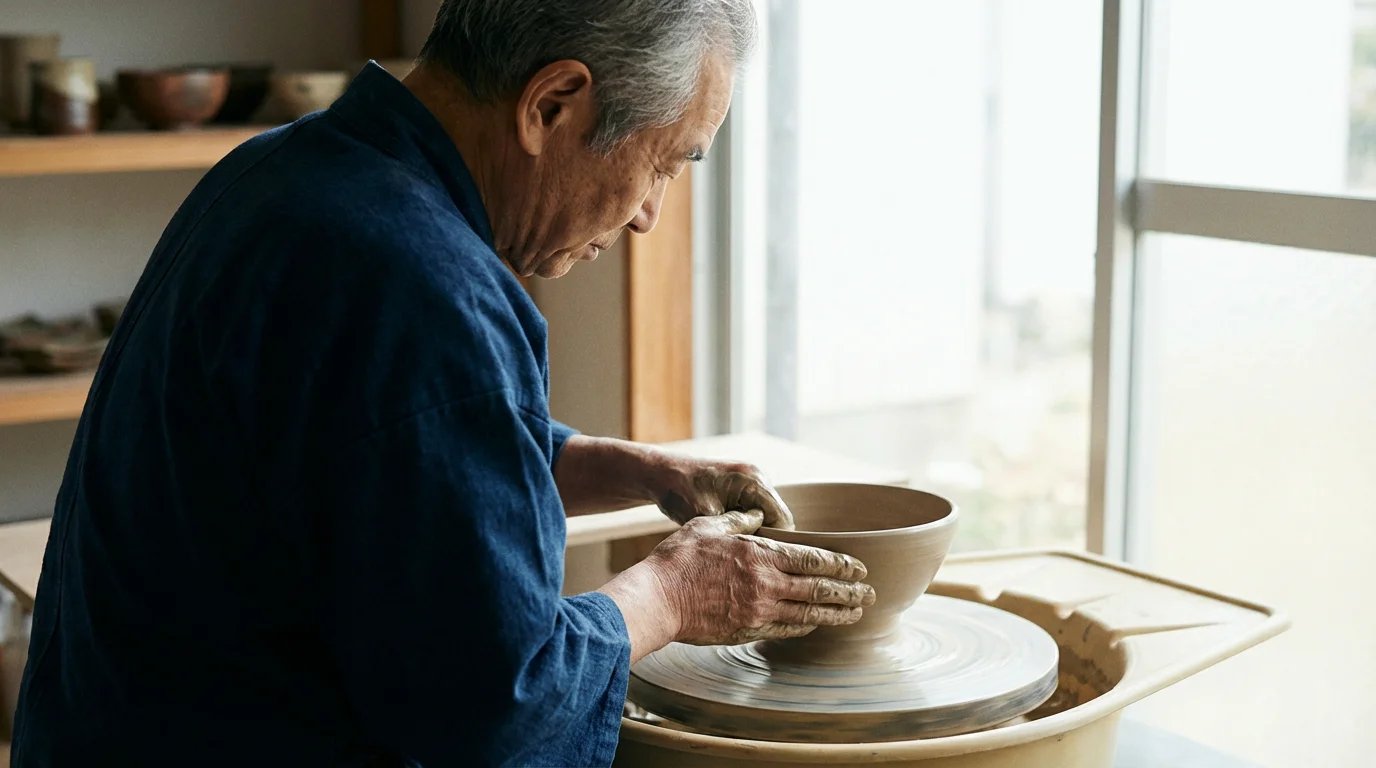
The term Ikigai originates from Okinawa, a region in Japan renowned for its centenarians and their remarkable longevity. Simply translated, it means “a reason for being,” or “the happiness of always being busy.” It represents the intersection where your passions, talents, contributions, and potential livelihood converge.
This powerful Japanese philosophy provides a framework for finding profound satisfaction in daily life. It guides you toward discovering what truly makes life worth living, encouraging a deep dive into your inner landscape. Understanding Ikigai helps you align your actions with your innermost values and desires.
At its core, Ikigai identifies four overlapping domains that contribute to a fulfilling life. When you intentionally explore these areas, you uncover your unique purpose. This exploration becomes particularly potent during retirement, offering a roadmap for purpose-driven living.
In retirement, the “What You Can Be Valued For” quadrant often expands beyond traditional paid employment. It might encompass volunteer work, mentorship, creative pursuits that bring joy to others, or even the profound value you add to your family and social circles. This adaptability makes Ikigai an ideal philosophy for your golden years.

The Four Pillars of Your Ikigai in Retirement
Uncovering your Ikigai involves a thoughtful examination of four key areas. Each pillar holds significant weight in shaping a life of purpose and joy. You gain clarity by reflecting on how these elements manifest in your current life and how you wish them to evolve in retirement.
Cultivating new hobbies, such as gardening for wellness, can provide both physical activity and a profound sense of accomplishment.
What You Love
This pillar delves into your passions, those activities that bring you immense joy and make time seem to melt away. Think about what truly ignites your spirit, the pursuits you engage in simply for the pleasure of it. These are the foundations of your intrinsic happiness.
- What hobbies or interests have you always wanted to pursue but lacked time for?
- What topics captivate your curiosity and compel you to learn more?
- Which activities leave you feeling energized and deeply satisfied?
- What brings you a sense of wonder, peace, or exhilaration?
These reflections help you pinpoint your deepest affections, guiding you toward activities that nourish your soul. Embrace the opportunity to dedicate more time to these cherished loves.
What You Are Good At
This domain encompasses your strengths, skills, and talents, both professional and personal. You have accumulated a lifetime of abilities, insights, and wisdom. Recognize and value these competencies, understanding how you can leverage them in new contexts.
- What skills have you honed throughout your career that you still enjoy using?
- What natural talents or aptitudes do you possess, even if you do not consider them “work-related”?
- What do others frequently seek your advice or assistance for?
- What knowledge or experience do you feel confident sharing with others?
Your unique combination of skills forms a powerful asset, ready for deployment in novel ways. Do not underestimate the value of your practical abilities or your seasoned perspective.
What the World Needs
This pillar connects your personal aspirations to a broader sense of contribution and community. It asks how you can make a positive difference, however small, in the lives of others or the world around you. Your desire to contribute finds fertile ground in retirement.
- What problems or causes in your community deeply concern you?
- How can you use your time or talents to support others or a mission you believe in?
- What legacy do you hope to build or contribute to?
- What kind of impact do you wish to have on future generations?
Many retirees discover immense satisfaction in giving back. Organizations like Encore.org celebrate individuals who find purpose through social impact roles, demonstrating how your experience truly benefits society. The Purpose Prize specifically recognizes innovators over 50 who are creating positive change.
What You Can Be Valued For
While often associated with income, in retirement, this pillar broadens to encompass any activity or contribution for which you receive appreciation, recognition, or a sense of worth. It reflects how your efforts are acknowledged and esteemed by others, whether through payment, gratitude, or mutual exchange.
- Are there opportunities for part-time work or consulting that align with your passions and skills?
- How can you share your expertise in a way that others appreciate, such as mentorship or teaching?
- What activities bring you a sense of reciprocal value, where you both give and receive?
- What non-monetary forms of appreciation or acknowledgment do you find most rewarding?
This aspect of Ikigai highlights the importance of feeling valued and recognized for your contributions. It reinforces your inherent worth and the significance of your efforts, even if they are not financially compensated.

Practical Steps to Discover Your Ikigai
The journey to finding your Ikigai is an active process, a blend of introspection and experimentation. You embark on a personal quest, guided by curiosity and a willingness to explore. These steps offer a tangible path forward.
As you embark on this journey of discovery, it is essential that you are also prioritizing yourself through self-care to maintain the energy required for new pursuits.
1. Reflect and Journal Deliberately
Dedicate time to quiet reflection, allowing your thoughts and feelings to surface. Journaling provides a powerful tool for self-discovery, helping you articulate your desires and observe patterns. Use the questions from the four pillars as prompts, writing freely without judgment.
- Create a “Love List”: Document everything that brings you joy, from simple pleasures to profound passions.
- Inventory Your Strengths: List your skills, knowledge, and life experiences that empower you.
- Identify Community Needs: Research local volunteer opportunities or causes that resonate with you.
- Envision Your Valued Contributions: Imagine how you want to be appreciated for your efforts.
Consistent reflection helps you connect the dots between your inner world and potential external actions.
2. Explore New Avenues with Curiosity
Your Ikigai may not immediately reveal itself; often, it emerges through active engagement and new experiences. Step outside your comfort zone and try activities that pique your interest. Embrace a beginner’s mind, open to learning and discovery.
- Enroll in a class: Learn a new language, instrument, or craft.
- Volunteer for a cause: Experience different roles and communities.
- Join a club or group: Connect with people sharing similar interests.
- Travel and experience new cultures: Broaden your perspective and challenge assumptions.
Exposure to new environments and ideas helps you uncover hidden talents and passions. You might surprise yourself with what you discover.
3. Connect and Share Your Wisdom
Human connection forms an essential part of a fulfilling life and can significantly contribute to your Ikigai. Share your thoughts and experiences with trusted friends, family, or mentors. Their perspectives can offer valuable insights and encouragement.
- Seek out conversations with people who inspire you.
- Consider mentorship, sharing your accumulated wisdom with younger generations.
- Join a discussion group or book club to engage in stimulating dialogue.
- Build a strong social network, as meaningful social connections greatly enhance well-being and longevity, a concept explored by Psychology Today Aging.
Engaging with others helps you refine your ideas and find collaborative ways to express your Ikigai.
4. Embrace Iteration and Evolution
Your Ikigai is not a static destination; it represents an evolving journey. As you grow, learn, and experience new things, your sense of purpose may shift and deepen. Remain flexible and allow your Ikigai to transform alongside you.
- Regularly reassess your priorities and passions.
- Be open to letting go of activities that no longer serve your purpose.
- View setbacks as opportunities for learning and redirection.
- Celebrate small discoveries and adjustments along the way.
This adaptability ensures your life remains dynamic and responsive to your authentic self. Your Ikigai truly reflects your current self, not just a past identity.
Nurturing Your Ikigai for Sustained Joy
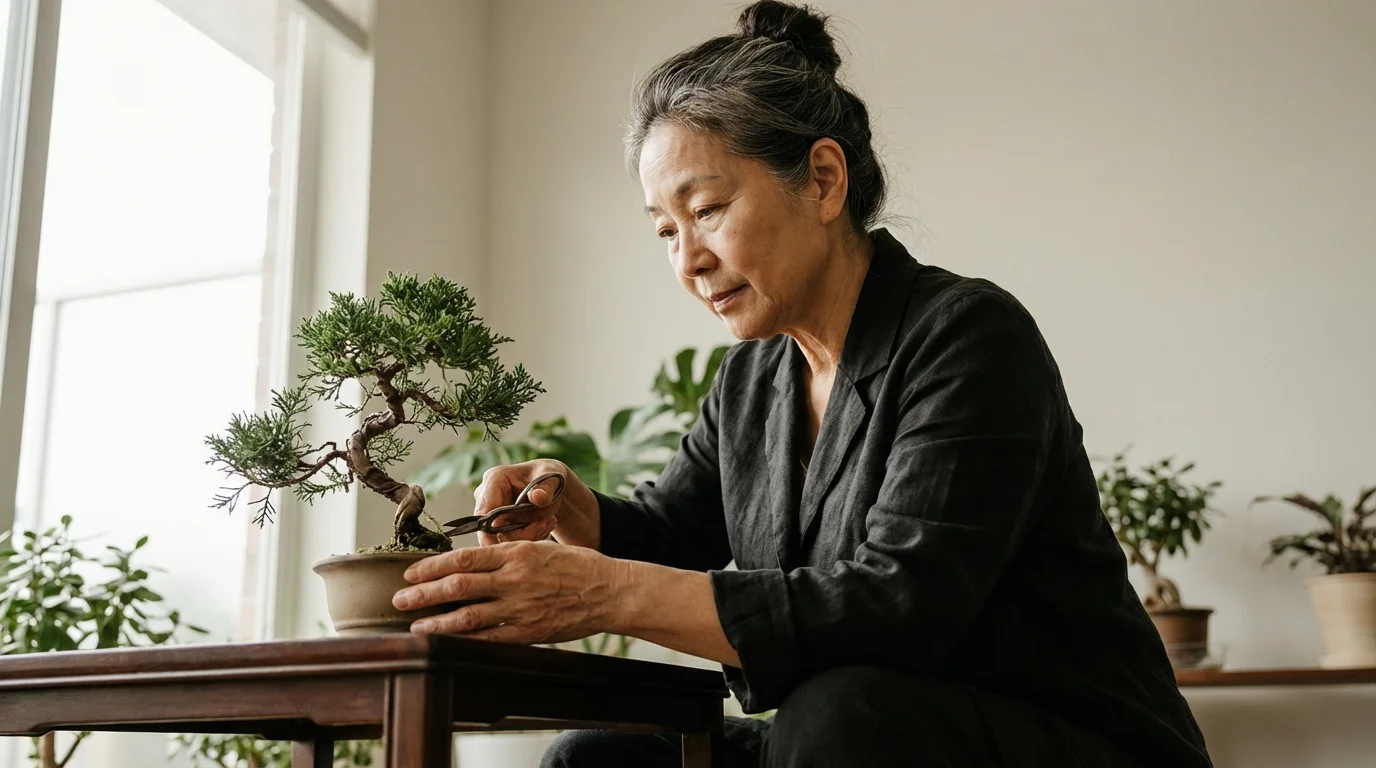
Discovering your Ikigai marks a significant milestone, but nurturing it ensures sustained joy and purpose. This involves consistent effort and a commitment to integrating your Ikigai into your daily life. It becomes a practice, not a one-time event.
In addition to your daily pursuits, cultivating gratitude remains a vital practice for maintaining long-term fulfillment and emotional health.
One vital aspect involves continuous learning and intellectual engagement. Keeping your mind active helps maintain cognitive health and opens new pathways for purpose. Research from the National Institute on Aging consistently highlights the benefits of lifelong learning for brain health. Engage with books, documentaries, online courses, or new skills.
Balance also plays a crucial role. While pursuing your Ikigai brings satisfaction, ensure you maintain a holistic approach to well-being. This includes physical activity, proper nutrition, adequate rest, and time for relaxation. A balanced life fuels your capacity to engage with your purpose fully.
“The afternoon knows what the morning never suspected.” — Robert Frost
This timeless wisdom underscores the depth of understanding and perspective that later life brings. You possess an unparalleled opportunity to leverage your accumulated insights, turning them into a source of enduring purpose and contribution.

The Profound Impact of a Purpose-Driven Retirement
Living a life guided by Ikigai in retirement offers far-reaching benefits beyond personal satisfaction. It profoundly impacts your overall well-being, longevity, and quality of life. You create a ripple effect, inspiring those around you and contributing to a more vibrant community.
Research consistently shows a strong correlation between purpose in life and improved health outcomes in older adults. Engaging in meaningful activities reduces stress, boosts mental acuity, and fosters a greater sense of resilience. The Stanford Center on Longevity conducts extensive studies on factors contributing to a longer, healthier life, often emphasizing the role of purpose.
Consider the stories of individuals who embrace their Ikigai later in life. A retired teacher might volunteer as a literacy tutor, finding renewed joy in nurturing young minds. A former engineer could dedicate time to designing adaptive equipment for local seniors, applying their technical skills to a critical community need. These examples demonstrate the tangible ways a purpose-driven retirement enriches both the individual and society.
Your Ikigai provides a compass, guiding you through the varied terrain of retirement with grace and determination. It transforms your golden years into a period of profound growth, continuous learning, and meaningful contribution. You do not merely retire from something; you retire to something greater.
Frequently Asked Questions
Is Ikigai only for new retirees?
No, the concept of Ikigai applies to individuals at any stage of life, including those who have been retired for many years. It is a philosophy for finding purpose and joy, which remains relevant no matter your age or current life situation. You can discover or rediscover your Ikigai at any time.
What if I have multiple interests and passions?
Having multiple interests is a wonderful asset. Your Ikigai does not require you to narrow down to a single pursuit. It can be a blend of several passions, talents, and contributions. You might cycle through different focuses or integrate various interests into a multifaceted purpose. The goal is coherence and satisfaction, not singularity.
How do I overcome feeling stuck or uninspired?
Feeling stuck is a common experience, especially during significant life transitions. Start by taking small, manageable steps. Revisit the reflection questions, try a new low-commitment activity, or talk with a trusted friend. Sometimes, even a minor change in routine or perspective can unlock new possibilities. Remember, this journey unfolds gradually.
Does finding my Ikigai require significant financial resources?
Absolutely not. While some aspects of Ikigai might involve financial considerations, many expressions of purpose and joy are entirely free or low-cost. Volunteerism, learning new skills through free online resources, nurturing relationships, and pursuing simple hobbies require little to no financial outlay. Your Ikigai thrives on intention and creativity, not wealth.
Can my Ikigai change over time?
Yes, your Ikigai absolutely can and often does change throughout your life. As you evolve, gain new experiences, and develop different perspectives, your priorities and passions may shift. Embrace this fluidity. Regularly reassess your relationship with the four pillars, allowing your Ikigai to adapt and grow alongside you.
Your retirement years represent a unique opportunity for profound self-discovery and meaningful contribution. By embracing the principles of Ikigai, you unlock a path to a life brimming with purpose, sustained joy, and elegant grace. You hold the power to craft a vibrant and fulfilling existence, enriching both your life and the lives of those around you. Step forward with confidence, for your reason for being awaits your embrace.
Disclaimer: This article is for informational and inspirational purposes. Life decisions are deeply personal, and we encourage readers to consult with appropriate professionals—whether healthcare providers, counselors, or financial advisors—for guidance specific to their circumstances.









Leave a Reply