
Retirement represents more than an end to a career. It ushers in a profound opportunity for renewal, a chance to explore dimensions of yourself you may have postponed. You stand at the threshold of a new chapter, ready to design a life rich with meaning and personal fulfillment. This era invites you to discover what truly ignites your spirit, moving beyond past professional identities to embrace a future defined by choice and intention.

Embracing Retirement’s New Chapter
Your retirement marks a significant life transition, often bringing a mix of anticipation and introspection. Many people find themselves contemplating their daily rhythm and their broader contributions. This period offers an unparalleled opportunity to reflect on your deepest values and redesign your daily existence around them.
Securing your future with a comprehensive retirement roadmap provides the freedom to explore these new chapters without financial hesitation.
Consider this transition a liberation, freeing you from rigid schedules and external demands. It allows you to become the architect of your own time and energy. You possess the wisdom of years, and now you gain the freedom to apply it in ways that resonate most profoundly with your authentic self.

The Myth of the Empty Calendar
A common misconception about retirement involves endless leisure with little to occupy your time meaningfully. However, research consistently shows that individuals who maintain engagement and pursue new challenges report higher levels of satisfaction and well-being in their later years. A study published by the National Institute on Aging highlights the importance of social engagement and productive activities for cognitive health and overall life satisfaction.
Beyond staying busy, cultivating gratitude for each day’s possibilities is a fundamental key to finding lasting happiness in this stage.
Many retirees find that finding your Ikigai offers a beautiful framework for balancing passion, mission, and vocation.
You are not retiring from life, but rather into a different, often richer, phase of living. This stage invites you to fill your calendar with pursuits that genuinely excite you, rather than activities dictated by necessity. It is a chance to cultivate a meaningful life on your own terms.

Unearthing Your Dormant Passions
Identifying your retirement purpose often begins with a journey inward, exploring interests you once cherished or new curiosities that have emerged. Think back to activities that always brought you joy, even if you never had time for them. This introspective process helps uncover your true inclinations.
As you dive into these new interests, remember that prioritizing self-care ensures you have the physical and mental vitality to enjoy them to the fullest.
Begin by asking yourself a series of reflective questions:
- What activities make you lose track of time?
- What problems in the world stir your compassion?
- If money and obligation were not factors, what would you spend your days doing?
- What skills or knowledge do you possess that you rarely used in your career?
- What new subjects or hobbies have you always wanted to learn?
These questions act as a compass, pointing you towards your unique wellspring of enthusiasm. Your passions often hide in plain sight, awaiting your recognition and cultivation.
Consider the diverse forms passion can take:
- Creative Arts: Painting, writing, music, sculpture, photography.
- Intellectual Pursuits: Learning a new language, studying history, joining a book club, scientific exploration.
- Physical Activities: Hiking, gardening, dancing, yoga, competitive sports.
- Social Engagement: Mentoring, volunteering, community organizing.
- Experiential Learning: Travel, cultural immersion, culinary exploration.
Do not dismiss any interest as too trivial or too grand. Every spark holds potential.

Connecting Purpose with Action
Once you identify potential areas of interest, the next step involves translating them into actionable plans. A purpose remains an abstract idea until you give it concrete form through action. This transition from thought to deed energizes your retirement.
To better articulate these desires, consider crafting a retirement vision board to visually map out your future aspirations.
Consider a structured approach to exploring your rediscovered interests:
- Start Small: Enroll in an introductory class, attend a public lecture, or join a local group. Avoid overwhelming yourself.
- Experiment Widely: Do not commit fully to one path immediately. Try several activities to see what truly resonates.
- Document Your Experiences: Keep a journal of what you enjoy, what challenges you, and what feels most fulfilling. This provides valuable insights.
- Set Realistic Goals: Understand that progress takes time. Celebrate small achievements along the way.
Research from the Stanford Center on Longevity emphasizes that engaging in challenging, novel activities contributes to brain health and a sense of vitality in older adults. Pursuing a passion is not just about enjoyment, it actively enhances your well-being.
The Power of Contribution
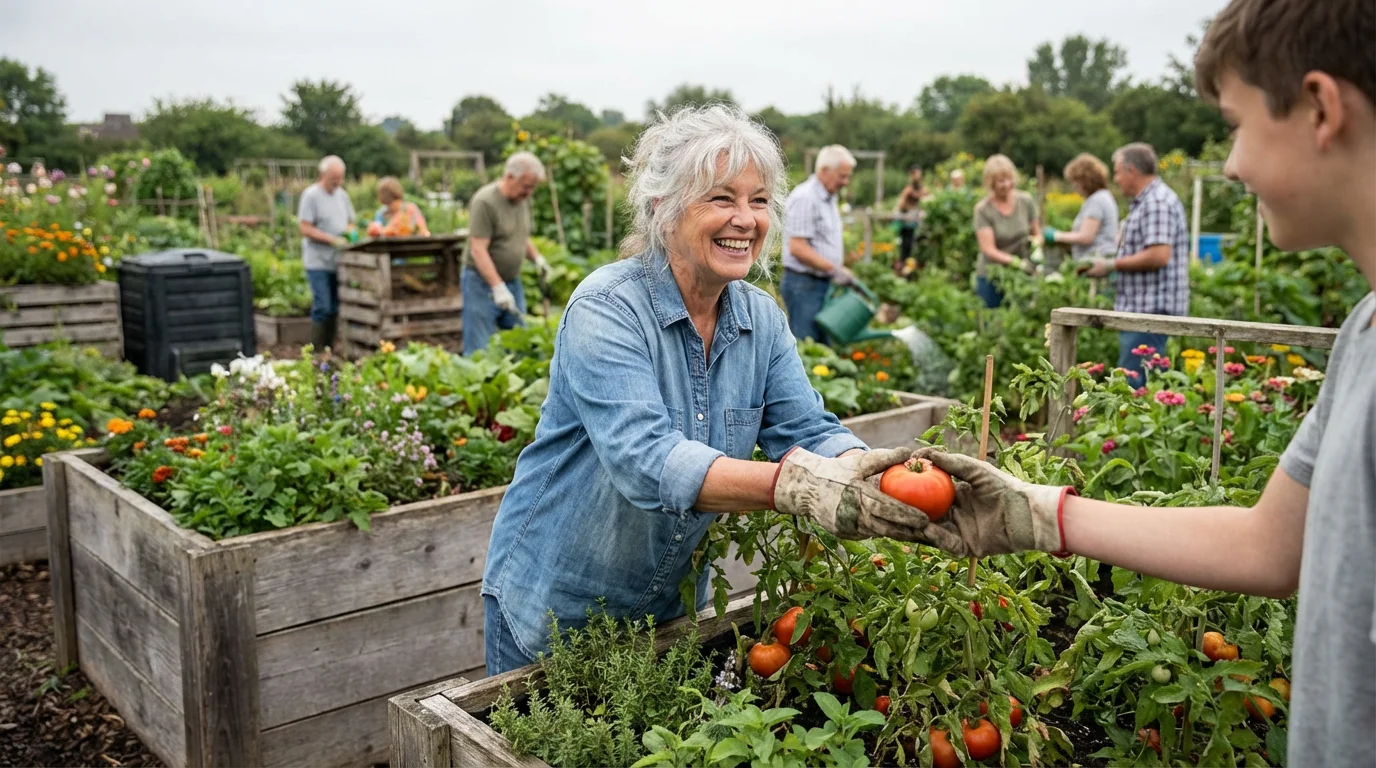
Many individuals find their deepest purpose in giving back to their communities or sharing their accumulated wisdom. This form of engagement offers profound personal satisfaction and enriches the lives of others. Volunteering, mentoring, or even starting a “encore career” provides valuable avenues for contributing.
Encore.org champions the idea of “encore careers,” where experienced individuals apply their skills and passions to make a positive social impact in their second acts. Their Purpose Prize initiative celebrates those who dedicate their retirement to tackling significant social challenges. You possess a lifetime of experience and skills; imagine the impact you can make by deploying them for a cause you care deeply about.
Ways you can contribute your time and talents:
- Volunteer with Non-Profits: Offer your administrative, financial, or leadership skills to a local charity.
- Mentor Younger Generations: Share your professional wisdom with students or emerging professionals.
- Community Activism: Advocate for local issues, environmental causes, or social justice.
- Civic Engagement: Serve on local boards, commissions, or participate in local governance.
- Support a Passion Project: Dedicate time to a cause related to one of your personal interests, such as animal welfare or arts promotion.
This type of engagement provides a sense of daily structure, fosters new social connections, and elevates your overall sense of self-worth. It transforms the concept of retirement into a vibrant period of purposeful living.

Nurturing Growth and Learning
The desire to learn does not diminish with age; it often intensifies. Retirement presents a golden opportunity to embrace lifelong learning without the pressures of career advancement. Pursuing new knowledge keeps your mind agile and your spirit curious.
Developing the habits of highly effective agers can help ensure your mind and body remain ready for these new intellectual adventures.
Engage in activities that stretch your intellect and creativity:
- Formal Education: Enroll in university courses, community college classes, or online learning platforms. Many institutions offer discounts or free courses for seniors.
- Skill Development: Learn a musical instrument, take up a new craft, or master a new technology.
- Reading and Discussion: Join book clubs, attend literary events, or simply devote more time to reading diverse genres.
- Travel and Cultural Immersion: Explore new places, learn about different cultures, and broaden your global perspective.
Psychology Today articles on aging frequently emphasize the positive correlation between continuous learning and cognitive vitality. Keeping your brain active and challenged represents a powerful strategy for maintaining mental sharpness and enjoying a robust quality of life. Embrace the opportunity to become a perpetual student of life.
“Age is an issue of mind over matter. If you don’t mind, it doesn’t matter.” — Mark Twain
This timeless wisdom reminds us that your perspective on aging shapes your experience of it.

Building a Supportive Community
A strong social network profoundly impacts your well-being, particularly in retirement. Meaningful connections provide emotional support, opportunities for shared activities, and a sense of belonging. Actively cultivating these relationships becomes a vital part of finding and sustaining your purpose.
Your social circle may evolve as your life changes. Make intentional efforts to nurture existing friendships and forge new ones. This involves reciprocity, empathy, and a willingness to share your own journey.
Strategies for strengthening your social connections:
- Join Clubs and Groups: Participate in hobby groups, volunteer organizations, or community centers.
- Connect with Family: Dedicate time to grandchildren, children, and extended family members.
- Reconnect with Old Friends: Reach out to former colleagues or friends you have lost touch with.
- Be Open to New People: Engage in conversations with new acquaintances you meet through activities.
- Host Gatherings: Invite friends and neighbors for meals, game nights, or casual get-togethers.
Maintaining robust social ties protects against feelings of isolation and enriches your daily life with laughter, camaraderie, and shared experiences. These connections are not merely pleasant; they are fundamental to a purposeful and joyful retirement.

Overcoming Obstacles to Purpose
Even with the best intentions, you may encounter challenges on your journey to finding purpose after retirement. These can include self-doubt, fear of the unknown, health concerns, or financial limitations. Acknowledging these obstacles is the first step toward overcoming them.
Address potential roadblocks directly:
- Challenge Self-Doubt: Recognize that it is normal to feel uncertain in new territory. Remind yourself of past achievements and your capacity for growth.
- Manage Fear of the Unknown: Break down large goals into smaller, manageable steps. This reduces intimidation and builds confidence.
- Adapt to Health Changes: If physical limitations arise, explore modified activities or seek adaptive solutions. Purpose can still thrive within new constraints.
- Navigate Financial Concerns: Look for low-cost or free activities, volunteer opportunities, or part-time work that aligns with your passions. Many impactful pursuits require little financial outlay.
Remember, your journey is unique. Be patient with yourself, seek support when needed, and celebrate every step forward. The pursuit of purpose is a continuous process, not a destination.
Frequently Asked Questions
Is it too late to find a new purpose after retirement?
No, it is never too late to find a new purpose. Your retirement years offer a unique period of freedom and accumulated wisdom, making it an ideal time for self-discovery and pursuing new passions. Many individuals report their most fulfilling experiences begin in later life.
How do I know if I have found my true purpose?
You often recognize your true purpose by the sense of joy, energy, and fulfillment it brings. You may find yourself losing track of time while engaged in the activity, feeling a deep connection to others, or experiencing a profound sense of contribution and meaning. It resonates deeply with your values.
What if my purpose changes over time?
It is perfectly normal for your purpose to evolve. Life is dynamic, and your interests and priorities may shift. Embrace this fluidity, allowing yourself the freedom to explore new avenues and redefine your purpose as you continue to grow and change. It is a journey, not a fixed point.
Can my purpose be something quiet and personal, not necessarily grand?
Absolutely. Purpose does not always involve grand gestures or public recognition. It can be deeply personal, such as cultivating a beautiful garden, mastering a complex skill, or dedicating yourself to personal growth and family well-being. Any activity that brings you profound meaning constitutes a valid purpose.

Your Graceful Next Chapter
Your retirement truly opens a vibrant new chapter, full of potential for growth, contribution, and profound personal satisfaction. Embrace this stage with optimism and a spirit of inquiry. The journey to rediscovering your passion and finding your unique retirement purpose is a deeply rewarding one.
You possess the wisdom, the experience, and now, the invaluable gift of time. Use it to craft a life that reflects your deepest desires, inspires those around you, and fills your days with grace and enduring meaning. Your best chapters are still waiting to be written.
Disclaimer: This article is for informational and inspirational purposes. Life decisions are deeply personal, and we encourage readers to consult with appropriate professionals—whether healthcare providers, counselors, or financial advisors—for guidance specific to their circumstances.








Leave a Reply