
Retirement often marks a profound transition, inviting you to rediscover purpose, nurture relationships, and embrace life’s later chapters with renewed intention. While the prospect of newfound freedom excites many, a common concern emerges: maintaining and building social connections. Human beings are inherently social, and a vibrant community enriches your life, supports your well-being, and adds immense joy to your golden years. This guide offers practical, actionable insights on finding and joining social groups, empowering you to cultivate a fulfilling social tapestry.

The Essence of Community in Your Golden Years
Community forms the bedrock of a rich and fulfilling life. As you step into retirement, your social landscape may shift, presenting both challenges and incredible opportunities. You might find more time for leisure, but also less structured interaction that professional life once provided.
This phase of life serves as a beautiful opportunity for reinventing yourself in retirement while you explore a different social landscape.
This period offers a unique chance to redefine your social world on your terms. You can explore new passions, deepen existing friendships, and forge entirely new connections based on shared interests and values. It is about actively shaping an environment where you feel seen, valued, and connected.

Unlocking the Benefits: Why Social Connections Thrive in Retirement
The advantages of a robust social life extend far beyond simple enjoyment. Research consistently demonstrates a strong link between social engagement and overall well-being, particularly in later life. Engaging with others actively contributes to your physical health, mental acuity, and emotional resilience.
Understanding how to address loneliness and isolation proactively ensures that your social network remains a source of strength.
A study published by the National Institute on Aging highlights that strong social ties can reduce your risk of depression, lower blood pressure, and even prolong your lifespan. These connections provide a buffer against stress and loneliness, which unfortunately can become more prevalent if proactive steps are not taken in retirement.
Age is an issue of mind over matter. If you don’t mind, it doesn’t matter. – Mark Twain
Consider the profound impact on your cognitive health. Regular social interaction stimulates your brain, challenges your perspectives, and keeps your mind sharp. Engaging in conversations, learning new things with others, or collaborating on projects all contribute to cognitive vitality.
Here are key benefits you gain from building a new social circle:
- Improved Mental Health: Reduced feelings of loneliness, anxiety, and depression.
- Enhanced Physical Health: Studies show social engagement correlates with better cardiovascular health and increased longevity.
- Cognitive Stimulation: Active social lives keep your brain engaged and may protect against cognitive decline.
- Sense of Purpose: Contributing to a group or helping others can provide profound meaning.
- Emotional Support: A strong network offers comfort and understanding during life’s inevitable ups and downs.
Investing in your social life is not merely a leisure activity, it is a crucial component of graceful aging.

Defining Your Path: Identifying Interests and Passions
The first step in finding community involves a moment of self-reflection. What truly ignites your spark? What activities bring you joy, challenge you, or fulfill a deeper sense of purpose? Your unique interests are the most natural gateways to connecting with like-minded individuals.
Crafting a retirement vision board can help you visualize the types of social connections you wish to foster.
Exploring creative outlets and artistic hobbies can be a wonderful way to find common ground with fellow enthusiasts.
Think back to hobbies you once enjoyed but set aside. Or perhaps consider new areas you always wanted to explore. Retirement offers the luxury of time to pursue these inclinations without the pressures of work or raising a family. Your passions provide a natural filter, guiding you toward groups where you will genuinely belong.
Ask yourself these reflective questions:
- What activities did you love as a child or young adult?
- What skills or knowledge do you possess that you enjoy sharing?
- Is there a cause or issue you feel passionate about contributing to?
- What new skill have you always wanted to learn, such as painting, a new language, or an instrument?
- Do you prefer quiet, introspective activities or more energetic, collaborative ones?
Once you identify a few key interests, you have a compass pointing towards potential social groups. This clarity empowers your search for meaningful connections.

Where to Look: Practical Avenues for Finding Social Groups
Now that you have a sense of your interests, where do you begin your search? Many avenues exist for discovering social groups, both familiar and new. The key is to be proactive and open to exploring different options. You are looking for opportunities where your passions intersect with organized group activities.
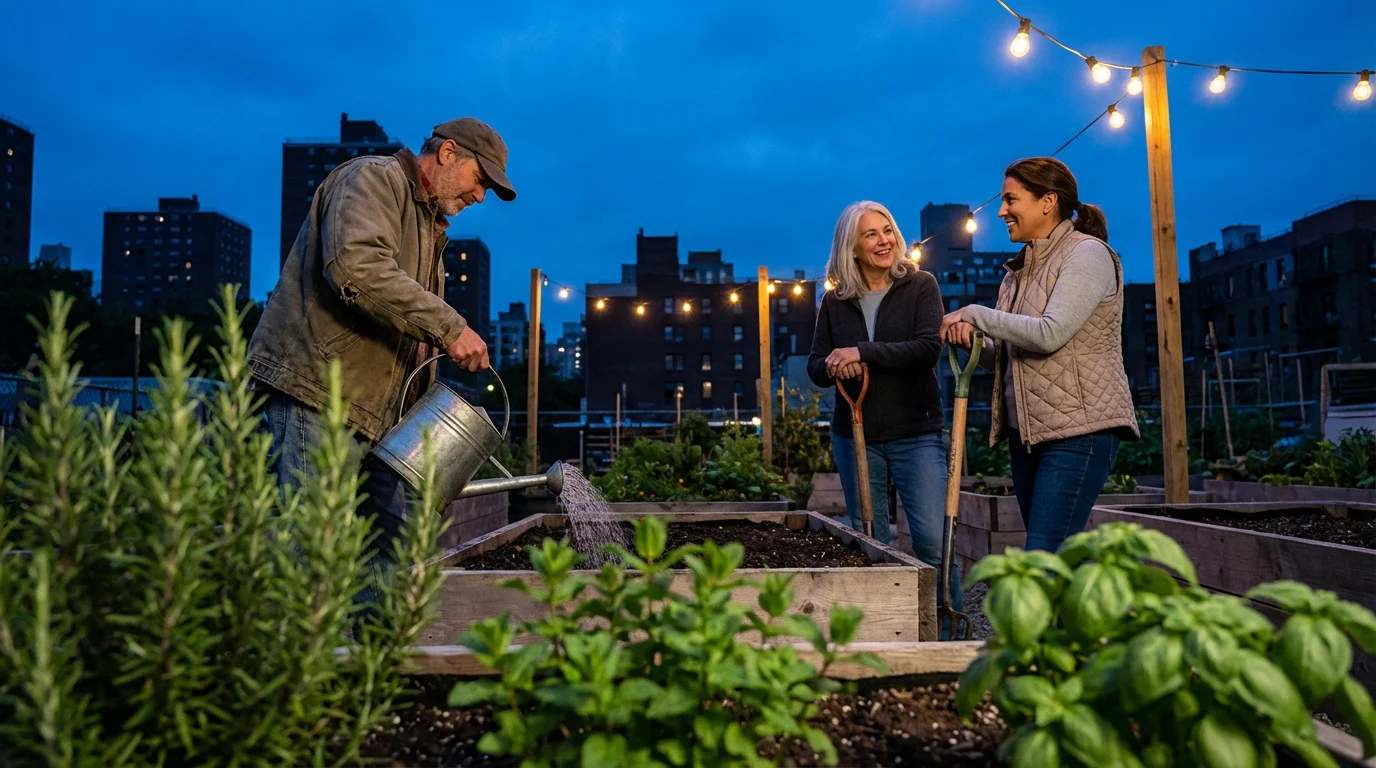
Many retirees find that gardening for wellness provides a natural bridge to community gardens and local plant societies.
Consider these practical approaches for finding social groups near you:
- Local Senior Centers and Community Centers: These hubs often host a diverse array of retirement activities, from fitness classes and card games to book clubs and crafting groups. Many offer calendars online or in print.
- Libraries: Beyond books, local libraries frequently host workshops, lectures, discussion groups, and even film screenings. Check their event schedules for opportunities.
- Religious and Spiritual Organizations: Churches, synagogues, temples, and other faith-based groups provide built-in communities with various social activities, volunteer opportunities, and support networks.
- Volunteer Organizations: Giving back is an excellent way to meet people who share your values. Organizations like AARP and Encore.org provide platforms and resources for finding purpose-driven volunteer roles, connecting you with others who want to make a difference.
- Hobby-Specific Clubs: Search for clubs dedicated to your specific interests, such as garden clubs, birdwatching groups, photography clubs, hiking groups, or genealogy societies. A quick online search for “[your hobby] club near me” can yield surprising results.
- University or College Continuing Education: Many local colleges offer non-credit courses for seniors, ranging from history and literature to art and technology. These are fantastic for learning and meeting intellectually curious individuals.
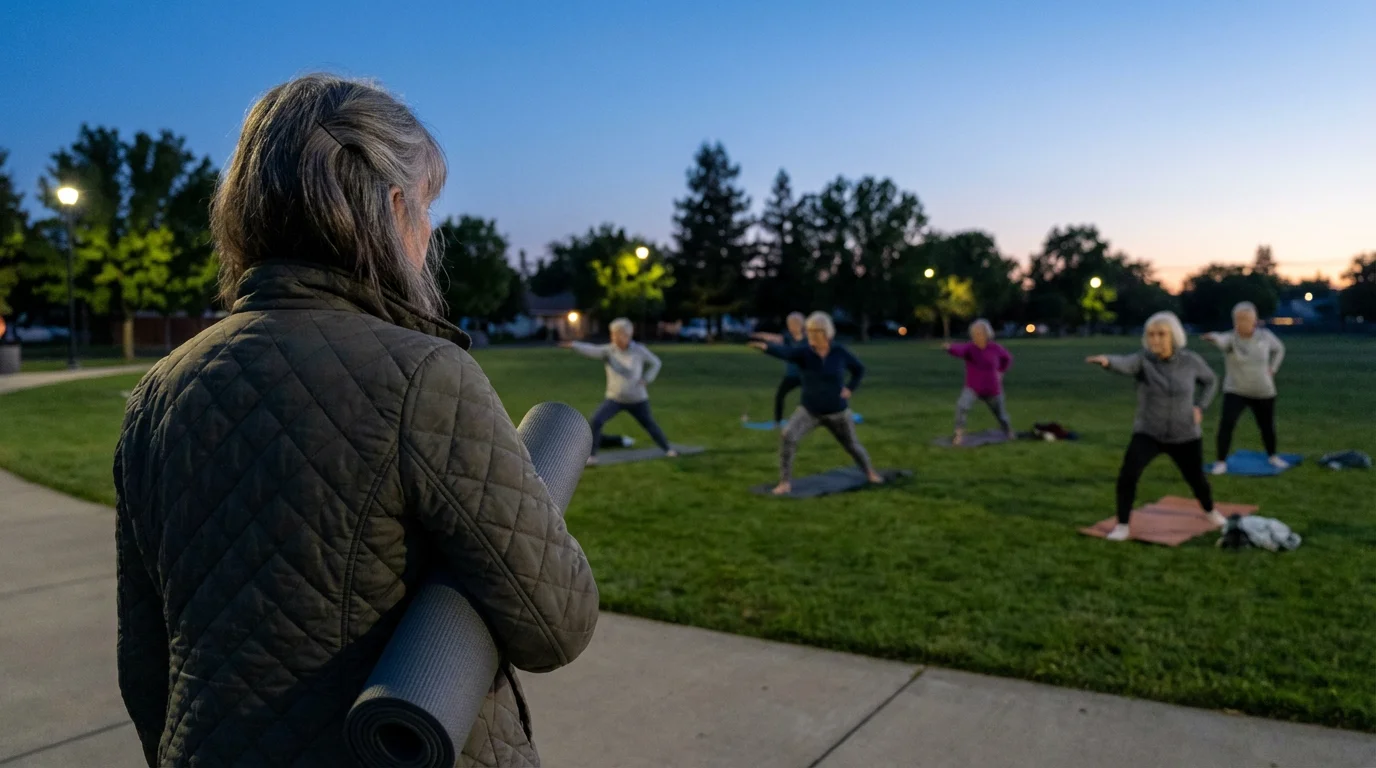
- Fitness Centers and Health Clubs: Group exercise classes like yoga, Zumba Gold, water aerobics, or walking clubs provide both physical benefits and social interaction.
- Professional and Alumni Associations: If you were part of a professional organization or attended a particular university, their alumni or retiree chapters can be excellent places to reconnect and build new social circles.
The important thing is to cast a wide net initially. Explore several options and allow yourself the freedom to try something new, even if it feels a little outside your comfort zone at first.

Taking the First Step: Engaging with New Communities
Identifying potential social groups is one thing, but actively engaging with them requires a degree of courage and intention. Remember, everyone in a new group was new at some point. Most groups welcome newcomers, especially those who show genuine interest.
Prepare for your first visit or meeting. Learn about the group’s typical activities, perhaps by visiting their website or calling ahead. This small step can alleviate some initial nervousness. Approach your first interaction with an open mind and a friendly demeanor.
Practical tips for making your initial engagement successful:
- Attend consistently: Try to attend a few meetings or events before deciding if a group is right for you. It takes time to feel comfortable and for others to get to know you.
- Introduce yourself: A simple, “Hi, I’m [Your Name], it’s my first time here,” opens the door for conversation.
- Ask open-ended questions: Inquire about the group’s activities, how long others have been members, or what they enjoy most about it. This shows interest and encourages dialogue.
- Offer to help: If appropriate, volunteer for a small task. This integrates you into the group’s dynamics and allows you to interact naturally.
- Be yourself: Authenticity resonates. Let your personality shine through, and you will attract genuine connections.
- Manage expectations: Not every group will be a perfect fit, and that is perfectly fine. The goal is to find connections that genuinely enrich your life.
Your willingness to take this initial step is a testament to your commitment to a rich and connected retirement. It is an act of self-care and an investment in your future well-being.
Cultivating Deeper Bonds: Nurturing Your New Social Circle
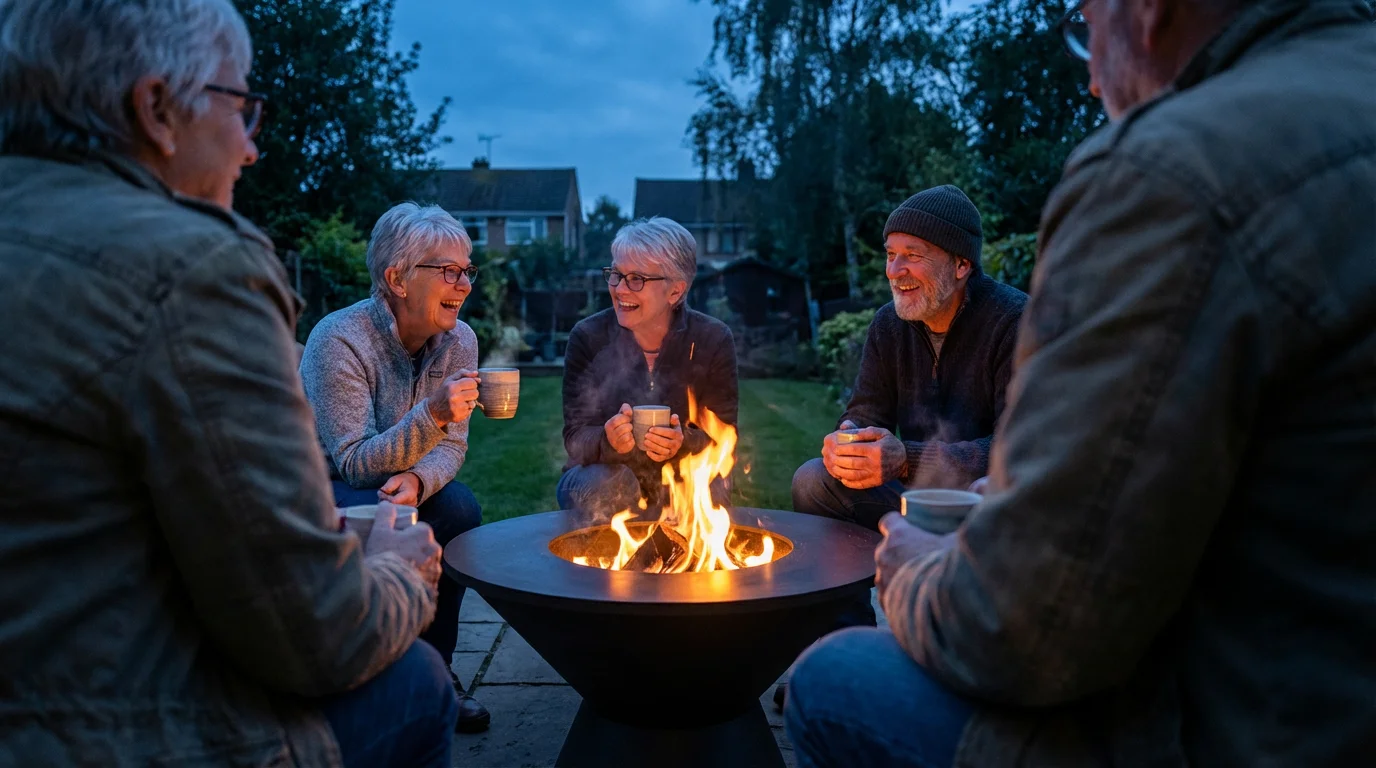
Joining a group is the beginning, but nurturing those connections into genuine friendships requires ongoing effort and intention. True community blossoms when individuals move beyond superficial interactions to share more deeply and authentically. This cultivation is a rewarding process, built on mutual respect and shared experiences.
Additionally, cultivating gratitude for these new interactions can significantly enhance your happiness during this transition.
Consider these strategies for deepening your new social connections:
- Follow up: If you enjoy talking with someone, suggest exchanging contact information or meeting for coffee outside of the group setting.
- Listen actively: Show genuine interest in what others share. Remember details about their lives, hobbies, and families.
- Be reliable and present: Attend meetings and events consistently. Your presence demonstrates your commitment to the group and its members.
- Share openly, but appropriately: Reveal aspects of yourself as you grow more comfortable. Vulnerability fosters deeper connections.
- Offer support: Be there for others when they need a listening ear, a helping hand, or a kind word. Reciprocity strengthens bonds.
- Organize informal gatherings: Suggest a potluck, a movie night, or a walk in the park with a few members. These casual interactions often lead to stronger friendships.
Building a new social circle takes time, but each shared laugh, empathetic conversation, and collaborative effort weaves threads into the rich tapestry of your new community. Enjoy the process of discovery and connection.
Navigating Challenges: Overcoming Barriers to Connection
Even with the best intentions, you might encounter hurdles when trying to find community. Shyness, past experiences, or simple logistical issues can sometimes feel daunting. Recognize these challenges as common, and know that you possess the resilience and wisdom to navigate them gracefully.
One common barrier is the feeling of being an “outsider.” Existing groups often have established dynamics and friendships. Remember that this is natural, and persistence is key. Your consistent presence and genuine effort will eventually integrate you into the fabric of the group.
Here are common challenges and strategies to overcome them:
- Shyness or introversion: Start small. Attend larger events where you can observe before actively participating. Focus on one-on-one conversations rather than large group interactions. Remind yourself that others are likely feeling similar anxieties.
- Feeling unwelcome or ignored: If a group does not feel like a good fit after several attempts, it is okay to move on. Your time and energy are valuable. Seek out groups that actively foster inclusion and welcome new members.
- Logistical issues (transportation, accessibility): Research groups that are easily accessible or offer carpooling options. Explore online communities if physical access is a significant barrier. Many organizations, like AARP, provide resources and programs for older adults facing such challenges.
- Fear of rejection: This fear is universal. Remember that rejection is rarely personal. Focus on the positive experiences and connections you do make, rather than dwelling on any perceived setbacks.
- Time constraints: Even in retirement, your schedule can become busy. Prioritize a few key groups or activities rather than spreading yourself too thin. Quality over quantity applies to social engagement too.
Every challenge presents an opportunity for growth. Your determination to overcome these barriers speaks volumes about your commitment to a vibrant social life.

Embracing Digital Doors: Virtual Communities and Online Engagement
In today’s interconnected world, social groups extend beyond physical locations. Online platforms offer incredible opportunities to find community, especially if you have niche interests, live in a remote area, or face mobility challenges. Embracing digital tools can significantly expand your reach and connections.
Virtual communities are particularly beneficial for connecting with people who share very specific hobbies or intellectual pursuits. You can find groups for almost any interest imaginable, from ancient history discussions to advanced knitting patterns. These platforms allow you to connect with individuals from across the globe, enriching your perspective.
Ways to explore online social groups:
- Social Media Groups: Facebook has countless groups dedicated to hobbies, local neighborhoods, age-specific interests, and more. Search for topics that resonate with you.
- Online Forums and Discussion Boards: Websites dedicated to specific interests often host active forums where members share knowledge, ask questions, and build camaraderie.
- Virtual Classes and Workshops: Many organizations and individuals offer online classes in everything from cooking to coding. These provide structured interaction and shared learning experiences.
- Video Call Platforms: Organize virtual coffee chats or book club meetings with friends and family who live far away. This maintains existing bonds and fosters new ones.
- Meetup.com: While often facilitating in-person meetings, Meetup also lists many online events and groups, allowing you to sample virtual gatherings before committing to a physical one.
While digital interactions do not fully replace in-person connections, they are a powerful complement. They allow you to maintain mental engagement, learn new skills, and feel connected, regardless of geographical distance.
Sustaining Your Social Tapestry: Long-Term Strategies
Building a new social circle is an ongoing process, not a one-time event. Just as you cultivate a garden, your social tapestry requires consistent attention and care to flourish. Longevity in social connections relies on authenticity, reciprocal effort, and a willingness to adapt as life changes.
Commit to nurturing your friendships and community ties over the long term. This means reaching out, being present, and making an effort even when life gets busy or challenging. Strong relationships are built on a foundation of shared experiences and mutual support.
Strategies for maintaining and strengthening your community over time:
- Stay engaged: Continue participating in group activities and suggesting new ones. Your consistent presence reinforces your commitment.
- Plan regular check-ins: Make it a habit to call, text, or email friends periodically, even if just to say hello.
- Celebrate milestones: Acknowledge birthdays, anniversaries, or other significant events for your friends. These small gestures mean a great deal.
- Be a connector: Introduce friends from different circles to each other. This expands your network and strengthens the overall community.
- Adapt to changes: As friends move or circumstances change, be open to finding new ways to connect, whether through virtual means or new activities.
- Practice forgiveness and understanding: All relationships have their moments. Approach misunderstandings with grace and a desire to resolve them.
Your graceful retirement is a journey, and a vibrant community makes that journey richer, more joyful, and deeply meaningful. You have the power to weave a beautiful social tapestry that supports and inspires you for years to come.
Frequently Asked Questions
Why is community so important in retirement?
Community is vital in retirement because it provides crucial emotional support, reduces feelings of loneliness, and significantly boosts mental and physical well-being. Strong social ties keep your mind active, encourage a healthy lifestyle, and offer a sense of belonging and purpose after the routines of work life conclude.
What if I feel shy about joining new groups?
Feeling shy is a common experience. Start by attending group activities where you can observe before actively participating, such as a lecture or a large social event. Focus on initiating one-on-one conversations rather than engaging a whole group. Remember that most people are welcoming, and taking a small step can lead to big rewards.
How can I ensure a group is a good fit for me?
To ensure a good fit, attend a few meetings or events before making a judgment. Pay attention to the group’s dynamics, the personalities of its members, and whether the activities genuinely align with your interests and values. Trust your instincts, and do not hesitate to explore other options if a group does not feel right.
Are there options for virtual social connection?
Yes, numerous virtual options exist for social connection. You can join online forums, participate in social media groups, take virtual classes, or organize video calls with friends and family. These digital avenues are excellent for connecting with people who share niche interests or when physical attendance is challenging.
How long does it typically take to build a new social circle?
Building a new social circle is a gradual process that varies for everyone. It often takes several months of consistent engagement to move from initial introductions to forming genuine friendships. Patience and persistent participation are key to cultivating deeper and more meaningful connections.
Disclaimer: This article is for informational and inspirational purposes. Life decisions are deeply personal, and we encourage readers to consult with appropriate professionals—whether healthcare providers, counselors, or financial advisors—for guidance specific to their circumstances.









Leave a Reply