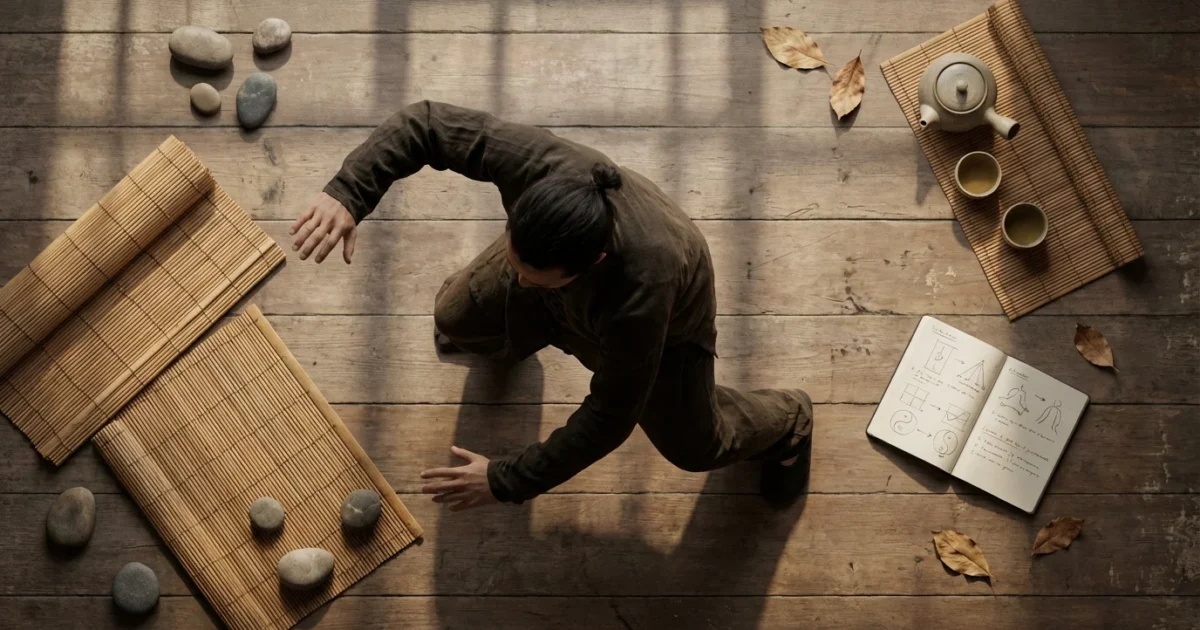
As you navigate the graceful journey of your golden years, maintaining vitality and a sense of calm becomes paramount. You seek activities that nurture your body, sharpen your mind, and uplift your spirit. Many vibrant paths exist for achieving this holistic well-being, and one ancient practice stands out for its profound benefits: Tai Chi.
This gentle martial art, often described as “meditation in motion,” offers an elegant approach to enhancing your physical balance, increasing flexibility, and fostering a profound sense of inner peace. It invites you to move with intention, connecting breath with movement in a way that truly enriches your life. Discover how this timeless practice can transform your daily experience, empowering you with greater stability and a renewed sense of purpose.
Understanding Tai Chi: A Gentle Art for Life
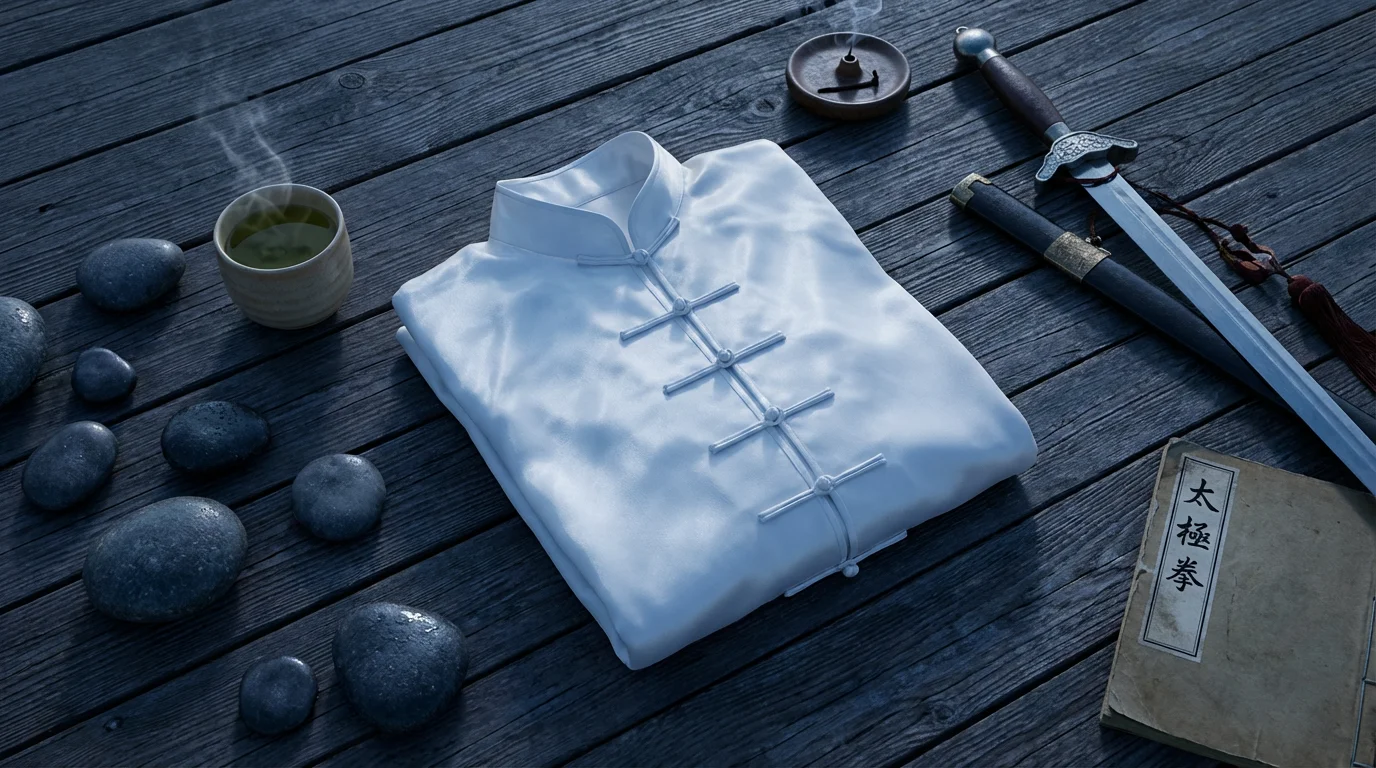
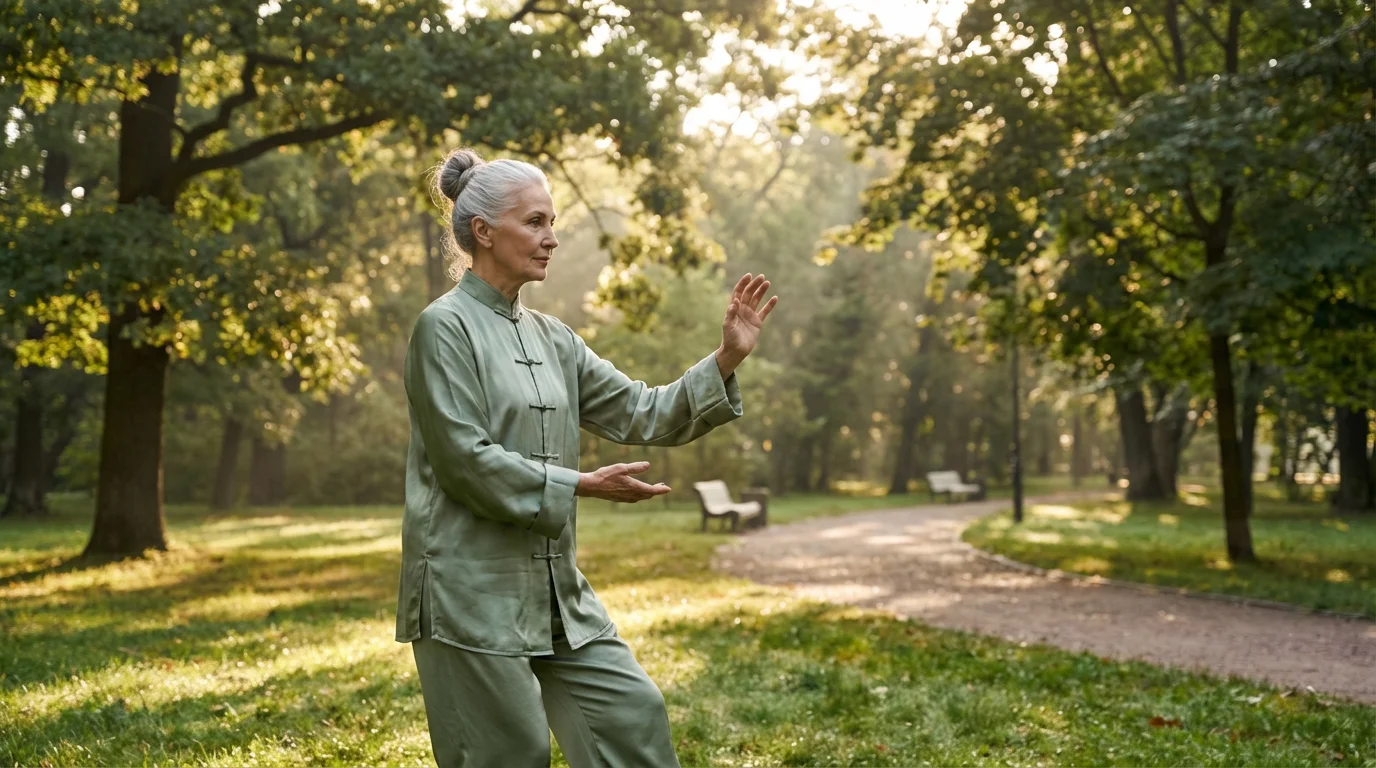
Tai Chi, pronounced “tie-chee,” originates from ancient China, rooted in philosophical principles of balance and harmony. It comprises a series of slow, continuous, and flowing movements, often performed with deep breathing. You execute these forms with grace and precision, emphasizing a continuous, circular motion.
Learning the intricate forms of this art can be a gateway to finding purpose after retirement as you master a new skill.
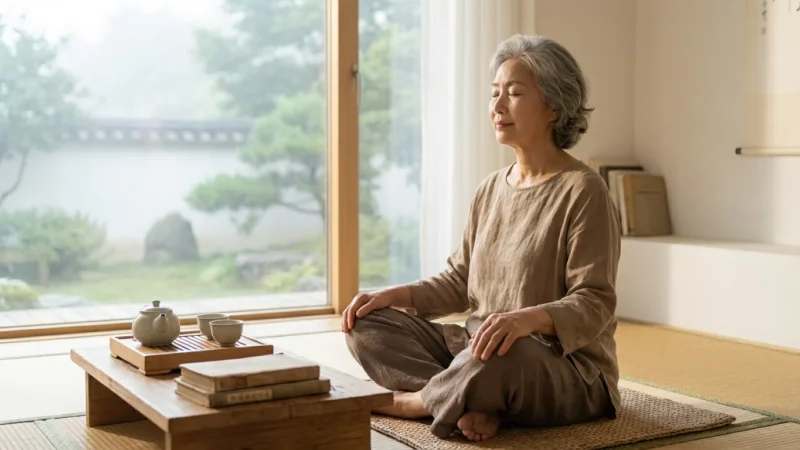
This practice embodies a moving meditation, connecting your mind, body, and spirit. It is neither purely an exercise nor solely a meditative discipline. Instead, Tai Chi uniquely blends physical conditioning with mental focus, creating a powerful synergy for your overall well-being. People of all ages and fitness levels can embrace its low-impact nature, making it an ideal senior exercise.
Tai Chi forms vary in complexity and duration, but all share core principles. These include maintaining an upright posture, relaxing the joints, and coordinating movements with your breath. You learn to direct your internal energy, known as ‘Qi’, fostering a sense of vitality throughout your body.
“Tai chi is often described as meditation in motion, but it could well be called ‘medication in motion.’ There is growing evidence that this mind-body practice, which originated in China as a martial art, has value in treating or preventing many health problems.”
— Harvard Health Publishing
The Science of Stability: How Tai Chi Improves Balance
One of the most compelling reasons to explore Tai Chi is its remarkable ability to enhance your balance. As you age, concerns about falls often increase, influencing your confidence and independence. Tai Chi directly addresses these concerns through multiple physiological pathways, offering a gentle yet powerful solution.
Maintaining physical stability and core strength is among the foundational habits of highly effective agers who enjoy long-term vitality.
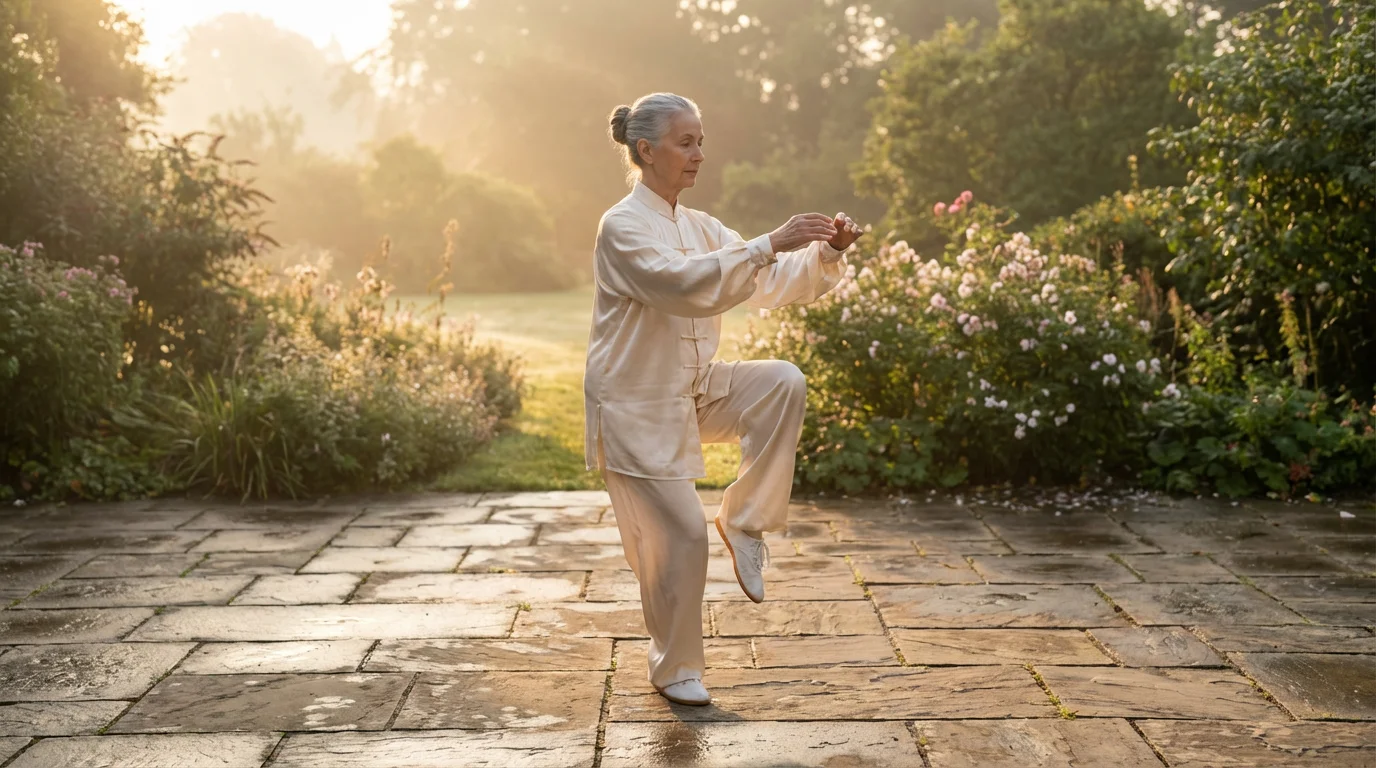
So, how does Tai Chi improve balance? The slow, deliberate movements strengthen the muscles essential for stability, particularly those in your core and legs. You practice shifting your weight smoothly and intentionally, which trains your body to react more effectively to unexpected shifts in equilibrium. This constant, controlled weight transfer significantly improves proprioception, your body’s awareness of its position in space.
Research consistently highlights these benefits. For instance, studies published by the National Institute on Aging emphasize Tai Chi’s effectiveness in reducing fall risk among older adults. You develop better coordination and agility, which translates directly into safer, more confident movement in your daily life. This vital balance improvement becomes a cornerstone of graceful living.
Consider these key mechanisms contributing to improved balance:
- Strengthens Core and Leg Muscles: The sustained stances and movements build foundational strength in your lower body, crucial for stability.
- Enhances Proprioception: You become more aware of your body’s position and movement, allowing for quicker adjustments to maintain equilibrium.
- Improves Ankle Flexibility and Strength: Tai Chi movements gently articulate the ankles, enhancing their range of motion and strengthening the small muscles that support balance.
- Boosts Reflexes and Reaction Time: While movements are slow, the practice improves your ability to subtly adjust posture in response to minor imbalances.
- Fosters Mental Focus: The meditative aspect reduces distraction and heightens your concentration, which is vital for safe movement.
Embracing Tai Chi means investing in your physical autonomy. You gain not only greater stability but also a renewed sense of confidence in your steps, allowing you to move through your world with greater ease and security.
Beyond Equilibrium: The Broader Benefits of Tai Chi
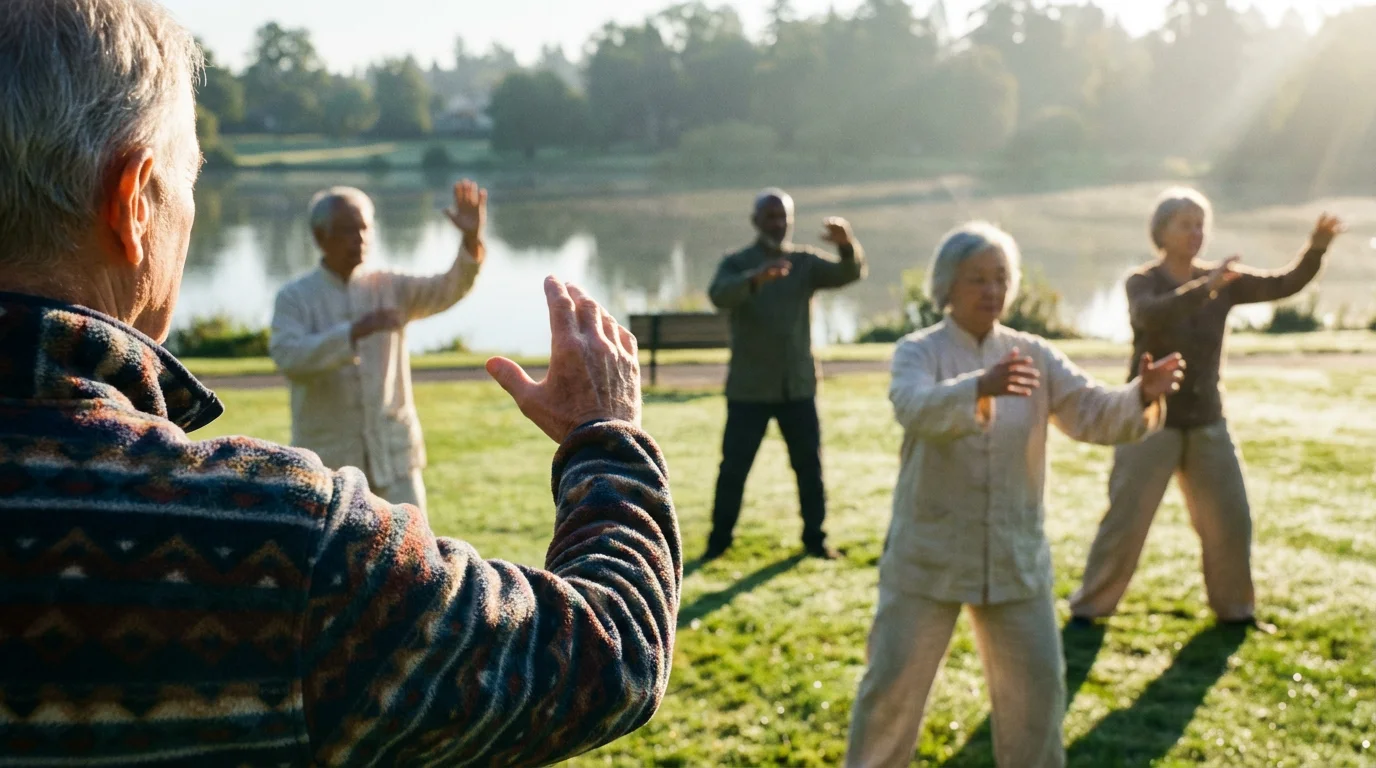
While balance improvement is a significant advantage, Tai Chi offers a cascade of other benefits that enrich your life holistically. This ancient practice nourishes your physical body, sharpens your mental acuity, and calms your emotional landscape. It represents a powerful tool for comprehensive well-being in your retirement years.
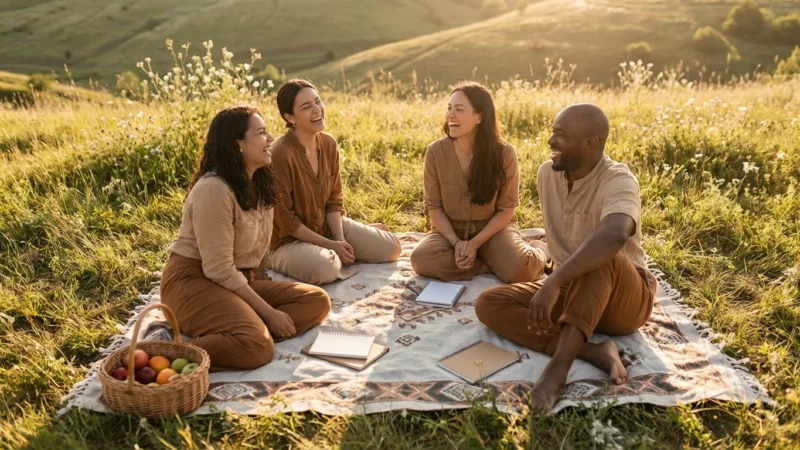
Engaging in local classes also offers a beautiful opportunity for maintaining social connections with like-minded individuals.
This meditative discipline also plays a vital role in maintaining cognitive function as you age by sharpening mental focus and concentration.
What are the benefits of Tai Chi that extend beyond physical stability? The gentle, flowing movements increase your flexibility and range of motion, alleviating stiffness in joints and muscles. This improved mobility helps you perform daily tasks with greater comfort and independence. You move more freely, experiencing less discomfort and more fluidity in your actions.
Tai Chi also significantly impacts mental and emotional health. The meditative focus inherent in the practice reduces stress, anxiety, and even symptoms of depression. You cultivate a sense of calm and present-moment awareness, which can profoundly improve your quality of life. Many practitioners report enhanced mental clarity and a more positive outlook.
Here are some additional profound advantages you can gain from regular Tai Chi practice:
- Reduced Joint Pain: The low-impact nature makes it ideal for individuals with arthritis or other joint conditions, promoting joint lubrication and reducing inflammation.
- Improved Cardiovascular Health: While gentle, consistent Tai Chi can contribute to lower blood pressure and improved circulation.
- Enhanced Sleep Quality: The calming effect on the nervous system often translates into more restful and restorative sleep.
- Stronger Immune System: Some studies suggest that regular Tai Chi practice can bolster your body’s natural defenses.
- Greater Body Awareness: You develop a deeper connection to your body, understanding its movements and sensations with increased sensitivity.
- Stress Reduction: The combination of movement, breathing, and meditation effectively lowers cortisol levels, promoting relaxation.
Imagine experiencing improved physical comfort, a quieter mind, and a more joyful spirit. These are the transformative gifts Tai Chi can offer you, enriching every aspect of your daily existence.
Finding Your Flow: Getting Started with Tai Chi
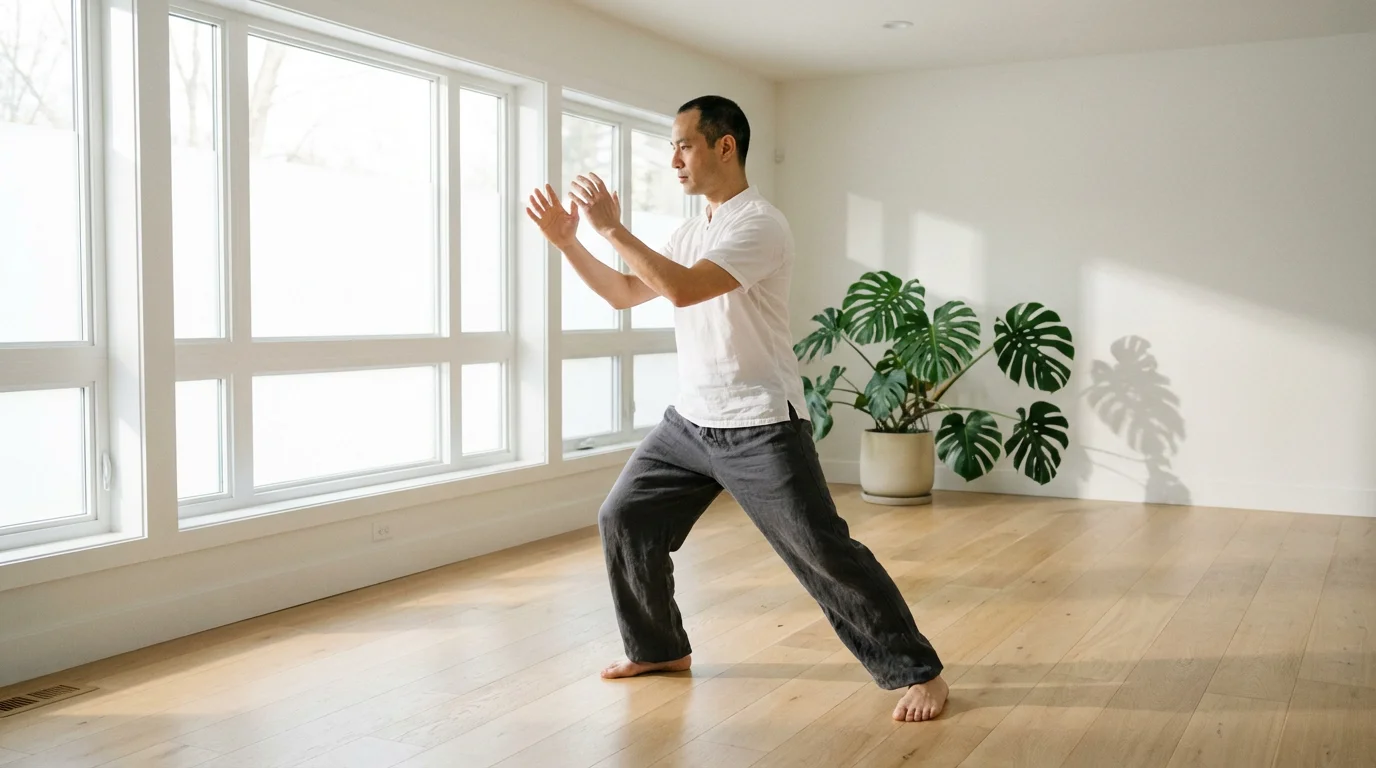
Embarking on your Tai Chi journey is an exciting step towards greater well-being. The beauty of this practice lies in its accessibility. You do not need special equipment, and you can practice it almost anywhere. The most crucial element is your willingness to learn and commit to a new, enriching experience.
There are several styles of Tai Chi, each with unique characteristics, though all share fundamental principles. The most common styles include Yang, Wu, Sun, and Chen. The Yang style is often recommended for beginners due to its slow, expansive movements and emphasis on health benefits. You may find that different instructors favor different styles, so exploring what feels right for you is key.
To begin, consider these practical steps:
- Find a Qualified Instructor: Look for classes specifically designed for older adults or beginners. A good instructor provides clear guidance on posture and movement, ensuring your safety and proper technique. Check local community centers, senior living facilities, or health clubs.
- Start with Short Sessions: Begin with 15-20 minute sessions, gradually increasing duration as your stamina and comfort grow. Consistency is more important than intensity.
- Wear Comfortable Clothing: Choose loose-fitting clothing that allows for a full range of motion. Flat, supportive shoes are ideal, or you can practice barefoot if preferred and safe.
- Practice in a Quiet Space: Find a peaceful environment where you can focus without distraction. This could be a corner of your living room, a quiet park, or a dedicated studio.
- Listen to Your Body: Tai Chi is gentle, but always respect your body’s limits. Never force a movement that causes pain. The goal is fluid, comfortable motion.
Many resources exist to help you start. Online videos and books can be supplementary tools, but direct instruction from a teacher often proves invaluable for grasping the subtleties of the forms. Remember, your journey into Tai Chi is personal and evolves at your own pace.
Integrating Tai Chi into Your Daily Rhythm
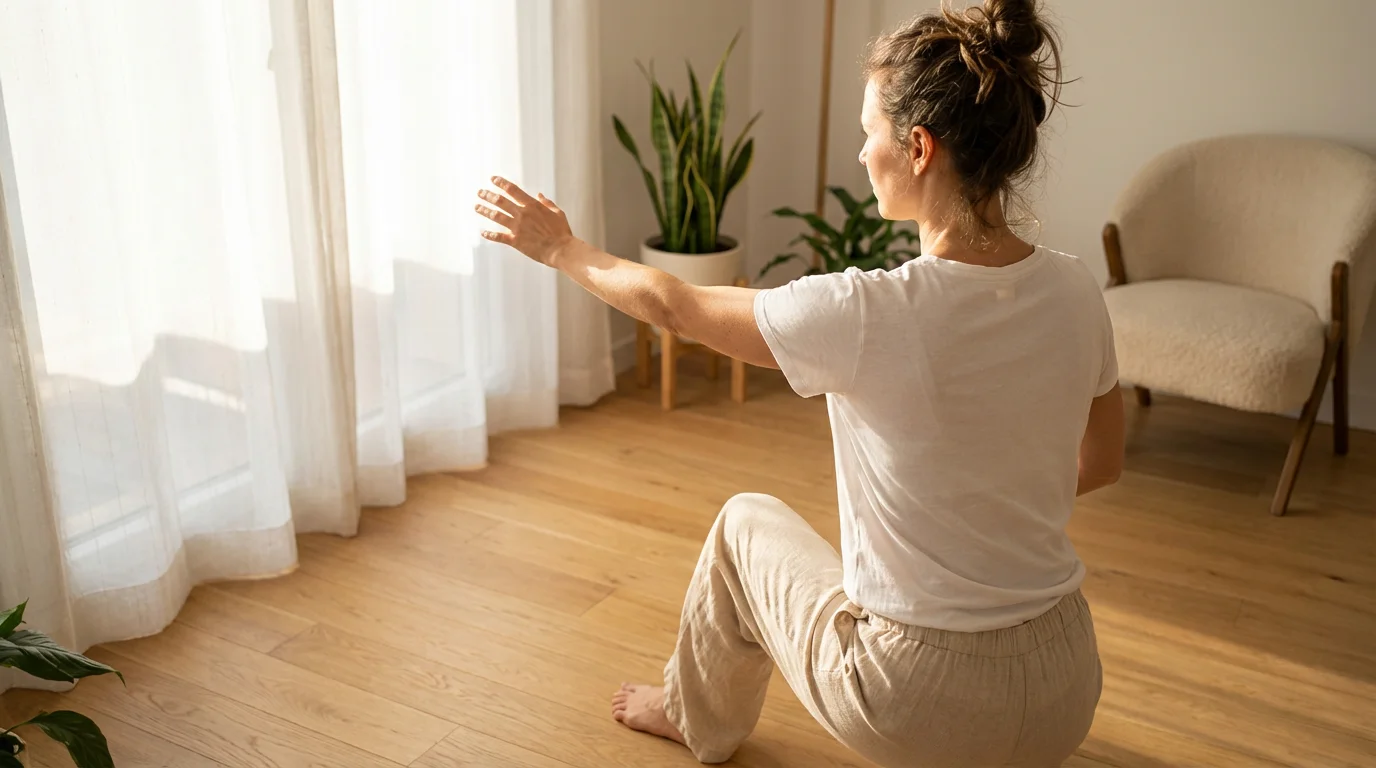
Making Tai Chi a consistent part of your life transforms it from an occasional activity into a cherished ritual. You will find that regular practice deepens its benefits, allowing you to experience enhanced balance, greater flexibility, and profound peace more consistently. Consistency unlocks the full potential of this powerful practice.
This daily practice helps you slow down, which is essential for cultivating gratitude for your body’s capabilities.
Begin by scheduling dedicated time for your practice, just as you would any important appointment. Even short, consistent sessions yield significant results. Consider practicing in the morning to energize your day or in the evening to unwind and prepare for restful sleep. Creating a routine helps solidify your commitment.
Beyond formal practice, you can infuse the principles of Tai Chi into your everyday movements. Imagine walking with the same mindful awareness, shifting your weight deliberately, and maintaining an upright, relaxed posture. This conscious application extends the benefits beyond your practice sessions, enriching every step you take.
Consider these ideas for seamless integration:
- Morning Ritual: Dedicate 15-20 minutes each morning to a few Tai Chi forms to start your day with calm and clarity.
- Mindful Walking: Apply Tai Chi principles to your daily walks, focusing on smooth weight transfers, relaxed shoulders, and deep breathing.
- Mid-Day Refresh: If you feel stiffness or mental fatigue, take a short break to perform a few simple Tai Chi movements or stretches.
- Bedtime Wind-Down: Practice gentle forms before bed to calm your nervous system and promote deeper sleep.
- Community Practice: Join a local Tai Chi group. The camaraderie and shared experience can boost motivation and provide valuable feedback.
Tai Chi is more than just an exercise; it is a philosophy of mindful movement and living. By weaving it into your daily rhythm, you actively choose a path of greater awareness, balance, and graceful strength, empowering yourself to live your best life.
Cultivating Mindfulness and Inner Peace Through Tai Chi
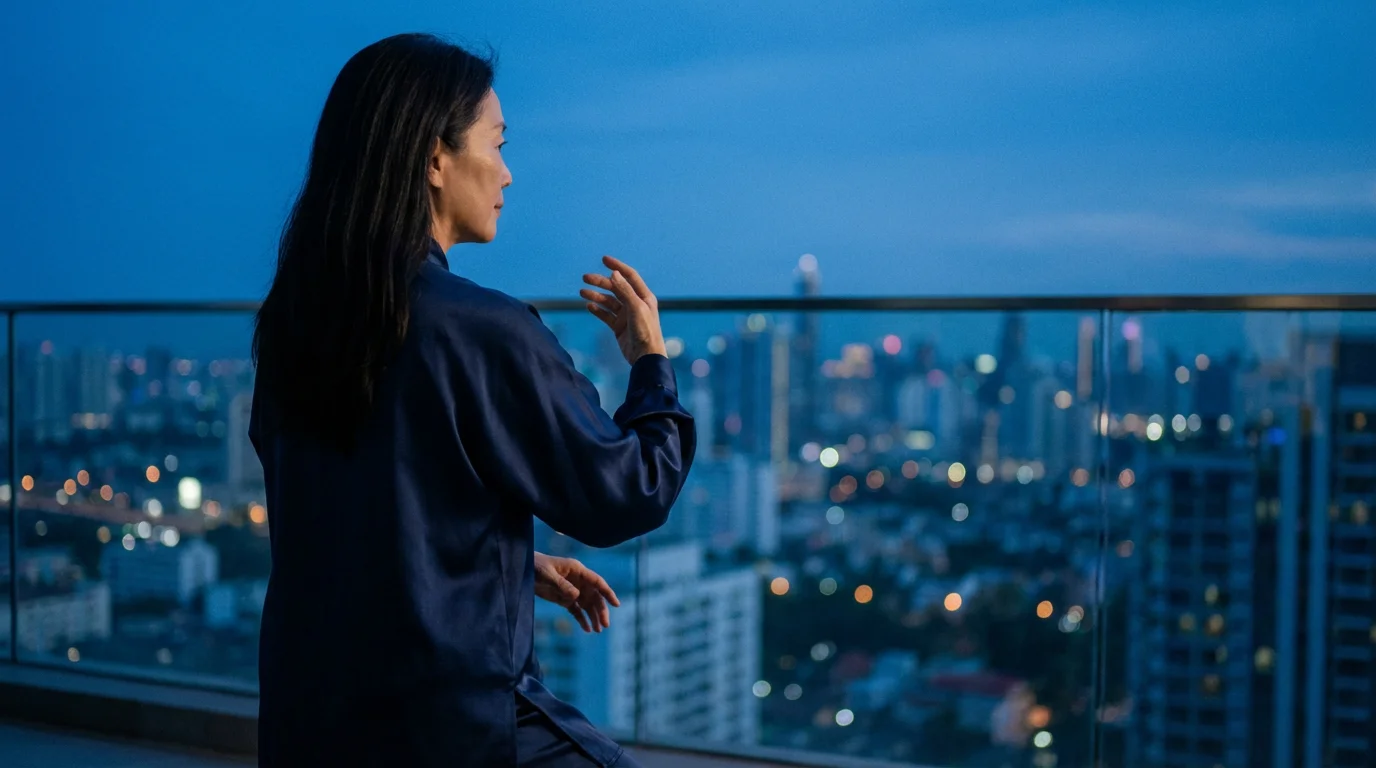
The physical benefits of Tai Chi are undeniable, yet its profound impact on your mental and emotional landscape often goes unstated. It offers a unique pathway to cultivate mindfulness and achieve inner peace, qualities that become increasingly valuable as you navigate life’s later chapters. You learn to be fully present, connected to each moment.
Each slow, deliberate movement in Tai Chi requires your full attention, anchoring you in the present moment. This focus on breath and body naturally quiets the mental chatter that often accompanies daily life. You practice observing your thoughts without judgment, gently guiding your attention back to the rhythm of your movements. This is mindfulness in action.
This regular practice of presence reduces stress and anxiety, fostering a deep sense of calm. As you release tension from your body, your mind also finds greater tranquility. You discover a wellspring of inner strength and resilience, empowering you to approach challenges with a more centered and peaceful perspective.
Reflect on these questions as you deepen your practice:
- How does focusing on your breath during Tai Chi shift your internal state?
- What sensations do you notice in your body as you move with intention?
- How does the practice of slow, deliberate movement translate into greater patience in other areas of your life?
- Do you find moments of true quietude and mental clarity during your sessions?
Tai Chi becomes a sanctuary, a place where you can consistently return to your inner self, finding solace and rejuvenation. It teaches you to move through life with not only physical balance but also an unwavering sense of inner equilibrium, regardless of external circumstances.
Frequently Asked Questions
Is Tai Chi suitable for everyone, regardless of age or physical condition?
Tai Chi is remarkably adaptable, making it suitable for almost everyone. Its low-impact nature means it places minimal stress on joints. You can modify movements to accommodate various physical conditions, including limited mobility or chronic pain. Always consult your doctor before starting any new exercise regimen, particularly if you have underlying health concerns.
How often should I practice Tai Chi to see benefits?
Consistency is key. Many experts recommend practicing at least 2-3 times per week, with sessions lasting 20-30 minutes. Even short daily practices, around 10-15 minutes, can yield significant benefits over time. You will notice improvements in balance, flexibility, and stress reduction more quickly with regular engagement.
Do I need any special equipment for Tai Chi?
No, you do not need any special equipment for Tai Chi. Wear comfortable, loose-fitting clothing that allows for a full range of motion. Flat, supportive shoes are ideal, or you can practice barefoot if you prefer and feel stable doing so. The most important “equipment” is your openness to learn and your willingness to dedicate time.
What is the difference between Tai Chi and Qigong?
Tai Chi is a specific form of Qigong, which means “cultivation of life energy.” Qigong is a broader category encompassing various traditional Chinese health exercises, including breathing techniques, meditation, and movements. Tai Chi is a more complex and structured martial art form within the larger Qigong umbrella, emphasizing specific forms and sequences that often take longer to learn.
Can Tai Chi help with fall prevention?
Yes, numerous studies, including those supported by organizations like the National Institute on Aging and Harvard Health, confirm that Tai Chi significantly helps with fall prevention among older adults. It improves balance, coordination, muscle strength, and proprioception, all crucial factors in reducing the risk of falls. Consistent practice makes your steps more secure and confident.
Embrace the Gentle Path to Graceful Living
Your journey into Tai Chi is an invitation to embrace a practice that has enriched lives for centuries. It offers a graceful pathway to enhance your physical vitality, sharpen your mental focus, and cultivate a profound sense of inner peace. You discover that strength does not always mean intensity, and true power often resides in gentle, consistent effort.
Imagine moving through your days with greater confidence, your steps more stable, your body more flexible, and your mind more serene. This is the promise of Tai Chi. It empowers you to live your golden years not just with dignity, but with an active, vibrant engagement in life’s beautiful unfolding. You deserve this harmony, this balance, this renewed sense of self.
We encourage you to take this gentle step towards a more balanced, flexible, and fulfilling life. Explore a class, try a guided session, and allow the ancient wisdom of Tai Chi to infuse your journey with grace and purpose. Your best life, at any age, awaits your mindful embrace.
Disclaimer: This article is for informational and inspirational purposes. Life decisions are deeply personal, and we encourage readers to consult with appropriate professionals—whether healthcare providers, counselors, or financial advisors—for guidance specific to their circumstances.


Leave a Reply