
Living a graceful retirement means embracing each day with intention, joy, and profound peace of mind. Part of cultivating this serenity involves thoughtfully planning for the future, ensuring your wishes are honored and your loved ones are cared for. Estate planning is not a task to dread, but an act of love, responsibility, and empowerment. It is how you ensure your legacy reflects the life you have diligently built.
Understanding the broader legal considerations for retirees can help you navigate the complexities of your rights and assets beyond simple distribution.
This essential preparation allows you to navigate your golden years with confidence, knowing you have put your affairs in order. It removes potential burdens from your family during difficult times, offering them clarity and comfort. Consider this journey an extension of your life’s wisdom, a final gift of foresight and compassion.

Embracing Peace of Mind: Why Estate Planning Matters Now
Retirement offers a splendid opportunity to reflect on your life’s journey and prepare for its continued unfolding. Estate planning, often perceived as a task for later, becomes a vital component of a truly stress-free retirement. It is the cornerstone of preserving your dignity and ensuring your intentions are upheld.
Making these future-oriented arrangements is a profound act of prioritizing yourself in retirement and ensuring your autonomy is respected.
Taking control of your future brings immense peace. You actively decide how your assets will be distributed, who will make decisions if you cannot, and what kind of legacy you wish to leave. This proactive stance eliminates uncertainty and potential family discord, fostering harmony among your loved ones.

Understanding the Pillars of Your Estate: Wills and Trusts
At the heart of any comprehensive estate plan lie two fundamental documents: wills and trusts. While both serve to direct the distribution of your assets, they operate differently and offer distinct advantages. Understanding their roles empowers you to make informed choices.
Defining these pillars allows you to focus on finding purpose after retirement without the weight of unresolved legal matters.
Wills: Your Final Voice
A will, or last will and testament, is a legal document outlining how your property should be distributed after your passing. It also allows you to name an executor, the person responsible for carrying out your wishes, and appoint guardians for minor children, if applicable. Creating a will is often the first step in establishing an estate plan.
For many, the question, “how do I create a simple will?”, represents a starting point. This process typically involves identifying your assets, designating beneficiaries, and formally signing the document with witnesses according to state law. This critical document gives you a voice beyond your years.
Trusts: Flexible Management and Privacy
A trust is a legal arrangement where you, as the grantor, transfer assets to a trustee. This trustee manages those assets for the benefit of designated beneficiaries. Trusts offer more flexibility and control over how and when assets are distributed, potentially avoiding the probate process, which can be lengthy and public.
You might establish different types of trusts, such as a revocable living trust, which you can modify or revoke during your lifetime, or an irrevocable trust, which offers greater asset protection but cannot be easily changed. Trusts provide a sophisticated layer of protection and control for your estate.

Beyond Wills: Essential Legal Documents for Retirement
While wills and trusts are foundational, a truly robust estate plan extends further. Several other legal documents are needed for retirement to ensure your well-being and honor your preferences during your lifetime. These documents address medical decisions, financial management, and even the digital aspects of your life.
Consider the following critical elements for your peace of mind:
- Durable Power of Attorney: This document grants a trusted individual the authority to make financial decisions on your behalf if you become incapacitated. It ensures your bills are paid and investments are managed without interruption.
- Healthcare Power of Attorney (or Medical Power of Attorney): Designate someone to make medical decisions for you if you are unable to communicate your wishes. This person, your healthcare agent, will advocate for your care in accordance with your values.
- Living Will (Advance Directive): This document outlines your preferences regarding medical treatments, such as life support, in the event you become terminally ill or permanently unconscious. It is a powerful expression of your autonomy.
- HIPAA Release: A HIPAA authorization allows specified individuals, usually your healthcare agent, to access your medical information. Without it, even your appointed agent might face barriers.
- Beneficiary Designations: Review and update beneficiary designations for accounts like IRAs, 401(k)s, and life insurance policies. These designations often supersede your will, making them crucial to your overall plan.
- Letter of Instruction: While not legally binding, this informal document provides your loved ones with practical details. It includes information on your digital accounts, safe deposit box locations, funeral wishes, and contact information for your advisors.
These documents work in concert to protect your interests and provide clarity for your family during challenging times. They are expressions of thoughtful preparation and love.

Creating Your Legacy: A Step-by-Step Approach to Estate Planning
Embarking on estate planning can feel overwhelming, but approaching it systematically simplifies the process. Remember, you are building a legacy, piece by piece, ensuring your wishes are clear and actionable. This journey is about empowerment, not complexity.
A thorough inventory of assets often leads to the helpful step of downsizing for a simpler retirement and a more manageable lifestyle.
Here is a practical, step-by-step guide to help you create a plan that provides security and comfort for your retirement and beyond:
- Assess Your Assets and Liabilities: Begin by cataloging everything you own and owe. This includes real estate, bank accounts, investments, retirement funds, life insurance policies, valuable personal property, and any debts. A clear picture of your financial landscape is essential.
- Identify Your Goals and Wishes: Reflect on what you want your estate plan to achieve. Do you wish to support specific family members, contribute to charities, or establish a trust for a grandchild’s education? Consider your desires for end-of-life care and who you trust to make decisions on your behalf.
- Choose Your Key Players: Select individuals for critical roles such as executor, trustee, durable power of attorney, and healthcare agent. Choose people you trust implicitly, who understand your values, and who possess the capacity to fulfill these responsibilities. Discuss these roles with them beforehand to ensure they are willing and able.
- Draft Your Documents: Work with a qualified estate planning attorney to draft your will, trusts, powers of attorney, and advance directives. Professional guidance ensures these documents comply with state laws and accurately reflect your intentions. This is especially important for complex family situations or significant assets.
- Fund Your Trusts (If Applicable): If you establish a trust, you must formally transfer ownership of assets into the trust. This process, known as “funding the trust,” is crucial for the trust to function as intended. Many overlook this step, rendering their trust ineffective.
- Review and Update Regularly: Estate planning is not a one-time event. Life changes, laws evolve, and your wishes may shift. Establish a schedule to review your documents every few years or after significant life events, such as marriage, divorce, births, deaths, or major financial changes.
This structured approach provides a clear path forward, transforming a potentially daunting task into an achievable project. You are building clarity for your future.

Choosing Your Champions: Executors, Trustees, and Guardians
The individuals you select to manage your affairs and care for your loved ones are your champions. Their roles are significant, requiring integrity, reliability, and an understanding of your wishes. Choose wisely, and empower them with your trust and clear instructions.
Choosing your representatives wisely is among the habits of highly effective agers who manage their golden years with foresight.
Your choices in these roles reflect your confidence in specific individuals. This decision is not merely about assigning a task; it is about entrusting a vital aspect of your legacy and your family’s future to someone. Consider their capacity, temperament, and willingness.
- Executors: This person manages your estate through probate, pays debts, and distributes assets according to your will. They should be organized, detail-oriented, and capable of navigating legal processes.
- Trustees: If you establish a trust, the trustee manages the trust’s assets for your beneficiaries. They must possess financial acumen, a strong ethical compass, and the ability to act in the best interests of the beneficiaries.
- Healthcare Agents: Your healthcare agent will make medical decisions for you if you cannot. Select someone who understands your values regarding medical care and can advocate for your wishes under pressure.
- Guardians (for Minor Children): If you have minor children, naming a guardian is one of the most profound decisions you will make. This person will raise your children, so choose someone whose parenting philosophy aligns with yours and who can provide a stable, loving home.
Openly discuss these roles with your chosen champions. Ensure they understand the responsibilities and are willing to serve. This conversation reinforces your trust and provides them with essential context.
“The best way to predict the future is to create it.”
This timeless wisdom applies perfectly to estate planning. You are actively shaping your future and the future of your loved ones through thoughtful preparation.
The Living Document: Reviewing and Updating Your Plan
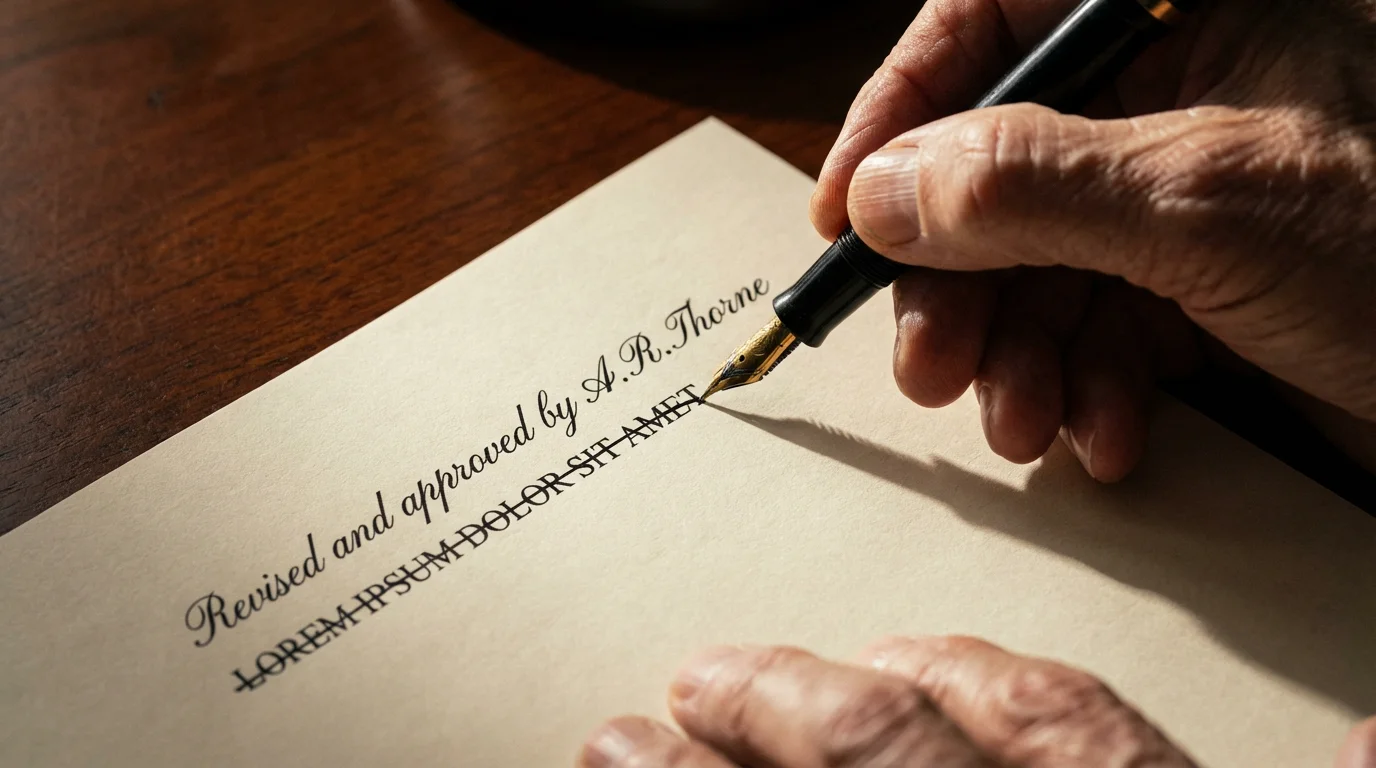
Your estate plan is not a static document; it is a living reflection of your life’s journey, evolving as your circumstances and desires change. Just as you adapt to new seasons of life, your plan must adapt to remain effective and truly representative of your intentions.
As your life evolves, perhaps by reinventing yourself in retirement, your estate plan should be updated to match your new direction.
Life is dynamic. Significant milestones, such as births, deaths, marriages, divorces, or the acquisition of new assets, all warrant a review of your estate plan. Changes in tax laws or state regulations can also impact its effectiveness. Regular review ensures your plan remains current and robust.
Consider these occasions as opportune moments for a review:
- Every three to five years, even without major life events.
- After a marriage, divorce, or remarriage.
- Upon the birth or adoption of a child or grandchild.
- When a named executor, trustee, or guardian becomes unwilling or unable to serve.
- Following a significant inheritance, sale of a business, or substantial change in assets.
- When you move to a different state, as estate laws vary significantly.
- After any changes in tax laws that might affect your estate.
Proactive reviews prevent your meticulously crafted plan from becoming outdated or ineffective. This simple act of periodic maintenance protects your legacy and ensures your peace of mind persists.

Navigating the Nuances: Common Misconceptions and Considerations
Even with a clear understanding of the basics, certain nuances and common misconceptions can create confusion around estate planning. Dispelling these myths empowers you to approach the process with greater clarity and confidence.
For instance, many believe estate planning is only for the wealthy. This is far from true. Everyone, regardless of asset size, benefits from clearly outlining their wishes. It is about control and care, not just wealth.
- “My family knows what I want”: Verbal wishes are rarely legally binding. Without clear documentation, your family might face difficult decisions and potential disagreements.
- “I am too young to need estate planning”: Accidents and unexpected events can occur at any age. Having a plan in place provides protection regardless of your current life stage.
- “A will avoids probate”: While a will directs asset distribution, assets typically still go through probate. Trusts, on the other hand, can often bypass probate, offering a faster and more private transfer of assets.
- “My spouse will automatically inherit everything”: Not necessarily. State intestacy laws vary, and your spouse may not inherit all assets, especially if you have children from a previous marriage. Beneficiary designations on accounts also often supersede wills.
Understanding these points helps you avoid pitfalls and build a truly effective plan. Your proactive engagement makes all the difference.

Professional Guidance: When to Seek Expert Help
While understanding the basics is empowering, navigating the complexities of estate law and personal finances often requires expert guidance. Engaging qualified professionals ensures your plan is legally sound, comprehensive, and tailored to your unique circumstances. This collaboration is an investment in your peace of mind.
Estate planning attorneys specialize in crafting legally enforceable documents that reflect your specific wishes and comply with state laws. Financial advisors can help you assess your assets, plan for tax implications, and align your estate plan with your broader financial goals. You do not have to embark on this journey alone.
Consider consulting with:
- Estate Planning Attorneys: They draft wills, trusts, powers of attorney, and advance directives. They understand the nuances of state laws and can advise on complex situations.
- Financial Advisors: These professionals help you identify and value your assets, understand the tax implications of your estate, and integrate your estate plan with your investment strategies.
- Accountants/CPAs: They can provide tax advice related to your estate, including potential estate taxes or inheritance taxes.
- Elder Law Attorneys: If long-term care or specific needs of aging are a concern, an elder law attorney can offer specialized advice.
Research from AARP emphasizes the importance of professional advice for estate planning, noting that simple online templates may not adequately address complex personal situations or changing legal requirements. Their resources highlight the value of personalized legal counsel. Seeking professional help ensures your wishes are not only documented, but also effectively implementable.
Frequently Asked Questions
What is the difference between a will and a living will?
A will dictates how your assets are distributed after your death and appoints guardians for minor children and an executor for your estate. A living will, also known as an advance directive, specifies your medical treatment preferences, such as life support, should you become unable to communicate your wishes during your lifetime.
How often should I update my estate plan?
You should review your estate plan every three to five years, or immediately following significant life events. These events include marriage, divorce, birth or death of a beneficiary, major changes in assets, or relocation to a different state. Regular updates ensure your plan remains current and reflective of your desires.
Can I create my own will without an attorney?
While it is legally possible to create a will using online templates or kits, it is generally not recommended for most people. These DIY options may not account for the specific complexities of your personal situation, state laws, or potential tax implications. A qualified estate planning attorney ensures your will is legally sound, comprehensive, and minimizes future complications for your loved ones.
What happens if I die without an estate plan?
If you pass away without a valid will or other estate planning documents, your estate will be distributed according to your state’s intestacy laws. This means the state, not you, determines who inherits your assets, and your family may face a lengthy and potentially costly probate process. This outcome can lead to unintended distributions and family disagreements.
Are trusts only for the wealthy?
No, trusts are beneficial for people of various financial situations. While they can be valuable for large estates to minimize taxes and avoid probate, they also offer advantages for more modest estates. Trusts provide privacy, control over asset distribution, and can protect assets for beneficiaries with special needs or ensure minor children inherit at a mature age.
Disclaimer: This article is for informational and inspirational purposes. Life decisions are deeply personal, and we encourage readers to consult with appropriate professionals—whether healthcare providers, counselors, or financial advisors—for guidance specific to their circumstances.









Leave a Reply