

Retirement presents a remarkable opportunity, a season ripe for personal growth, renewed purpose, and the profound joy of living intentionally. As you transition into this fulfilling chapter, one practice rises to paramount importance: self-care. It moves beyond mere indulgence, evolving into a fundamental pillar of senior wellbeing, empowering you to live your best life with vitality and grace.
Prioritizing yourself now is not selfish, it is essential. It is the foundation upon which all other aspects of a vibrant retirement are built. This article guides you through embracing a holistic approach to self-care, offering practical steps and actionable insights to nourish your mind, body, and spirit.
The Golden Age of Self-Care
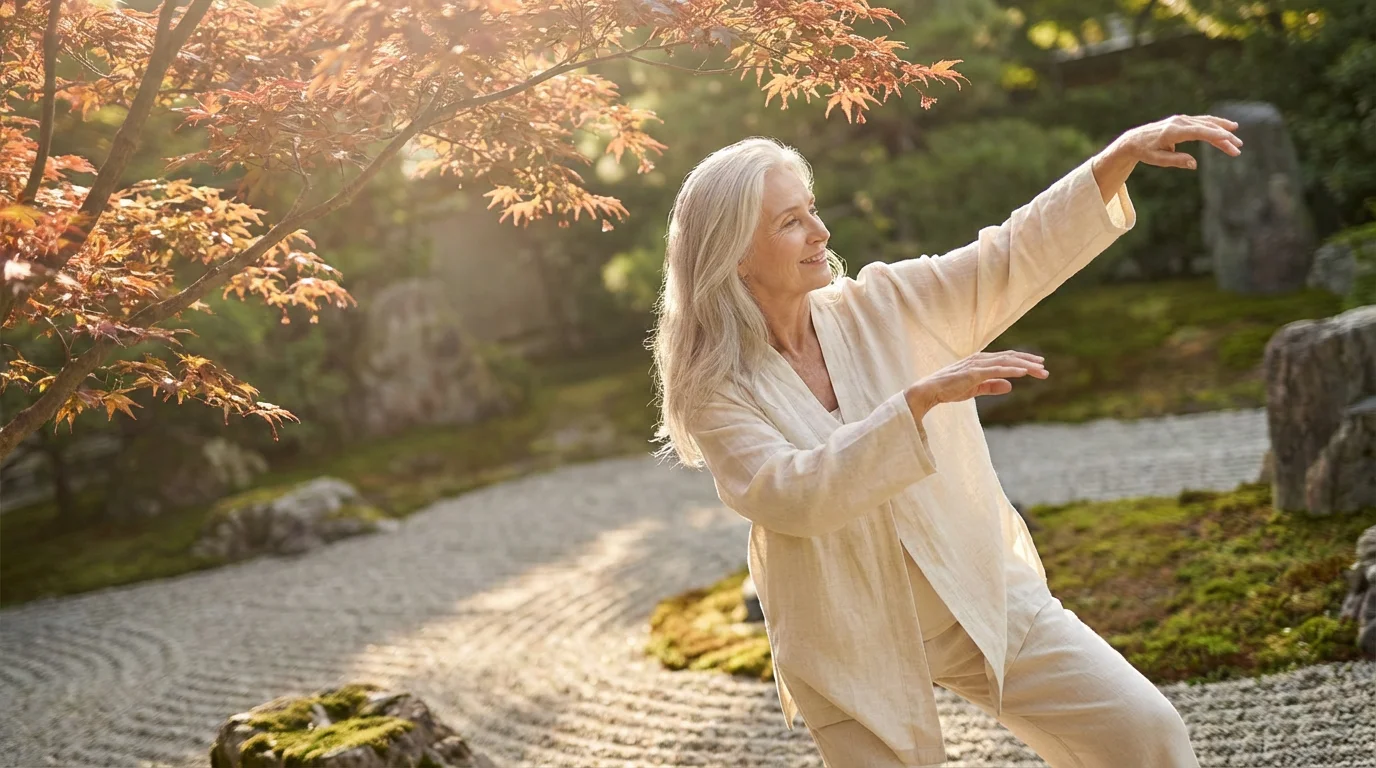
Retirement truly marks a golden age for self-care. You possess the gift of time, freedom from many previous professional demands, and the accumulated wisdom of a lifetime. This unique convergence creates an ideal environment to dedicate yourself to personal flourishing.
Many individuals spend their careers caring for others, whether family, colleagues, or clients. Now, the focus shifts inward, allowing you to replenish your own wellspring of energy and joy. Embracing self-care in your later years ensures you approach each day with renewed vigor and enthusiasm.
Consider this period an investment in yourself. Just as you planned for financial security, planning for your emotional, mental, and physical wellbeing is equally vital. This proactive approach ensures a retirement filled with vitality and meaning.

Redefining Self-Care in Retirement
Self-care often evokes images of spa days or luxurious getaways. While these activities can be wonderful, true self-care encompasses a much broader, deeper commitment to your overall senior wellbeing. It involves conscious choices that support your physical, mental, emotional, and spiritual health every day.
It means listening to your body, honoring your needs, and creating boundaries that protect your peace. It is about understanding what truly recharges you and making space for those activities. This deliberate prioritization helps prevent burnout, reduces stress, and enhances your capacity for joy.
“To keep the body in good health is a duty… otherwise we shall not be able to keep our mind strong and clear.” — Buddha
This wisdom underscores the interconnectedness of our physical and mental states. As you age, maintaining this balance becomes even more critical for a thriving existence. Recognize that self-care is not a luxury, it is a necessity for graceful aging.
Crafting Your Personalized Self-Care Routine
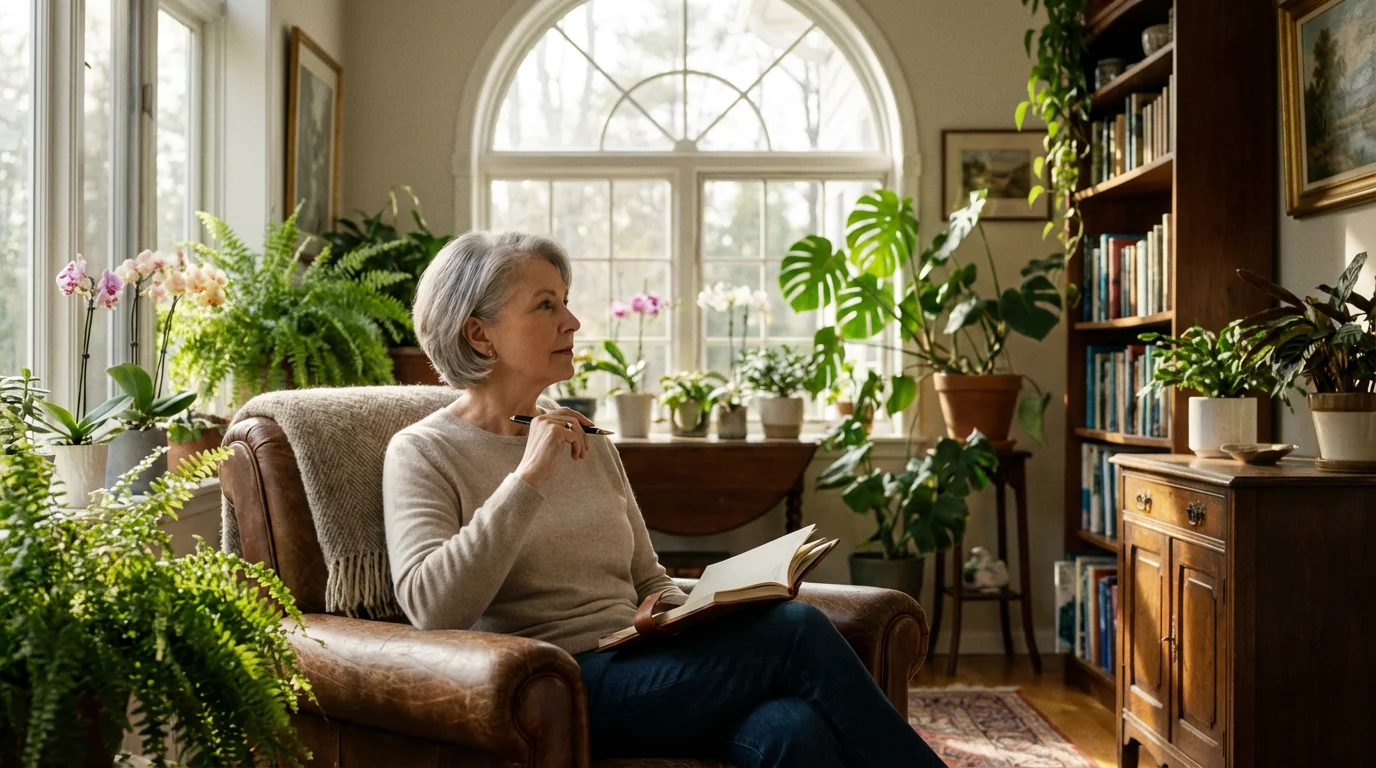
Creating a self-care routine begins with introspection. What truly makes you feel vibrant, centered, and content? Your routine should reflect your unique preferences and evolving needs. It is a dynamic process, not a rigid set of rules.
To better define what these needs look like for you, consider crafting a retirement vision board to visualize your ideal lifestyle.
How to create a self-care routine? Start by identifying areas of your life that need more attention. Do you feel drained? Overwhelmed? Or perhaps uninspired? A balanced self-care routine addresses all dimensions of your being.
Consider these steps when building your routine:
- Assess Your Current Habits: Spend a week observing how you spend your time and energy. Note what energizes you and what depletes you.
- Identify Your Needs: Reflect on your physical, emotional, mental, and spiritual requirements. Do you need more sleep, quiet time, social connection, or creative expression?
- Start Small: Introduce one or two new self-care practices at a time. Consistency is more important than intensity in the beginning.
- Schedule It: Block out dedicated time in your calendar for self-care activities. Treat these appointments with yourself as non-negotiable.
- Be Flexible: Life happens. Your routine should adapt to changes, not become a source of stress. Adjust it as your circumstances or preferences shift.
Remember, your personalized routine is a living document, evolving with you. Regularly check in with yourself to ensure it continues to serve your wellbeing effectively.
Cultivating Peace: Relaxation Techniques for a Calmer You
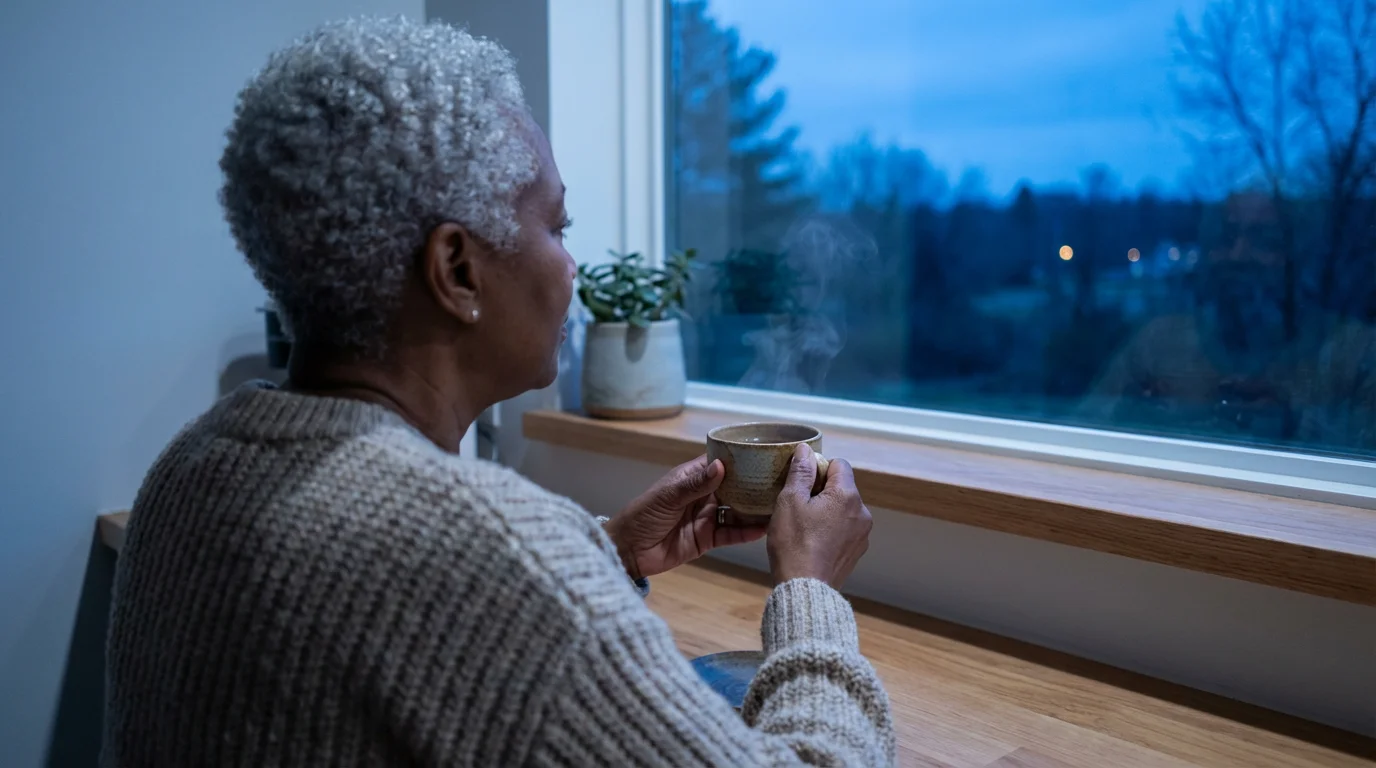
The pace of modern life, even in retirement, can sometimes feel overwhelming. Integrating effective relaxation techniques into your daily life is crucial for managing stress and fostering inner calm. These practices do not require significant time or resources, offering profound benefits for your senior wellbeing.
What are some relaxing self-care activities? Many options exist, catering to different preferences and needs. Experiment to discover what truly resonates with you.
Consider incorporating these relaxation techniques:
- Mindful Breathing: Take several slow, deep breaths, focusing solely on the sensation of air entering and leaving your body. This simple act can quickly calm your nervous system.
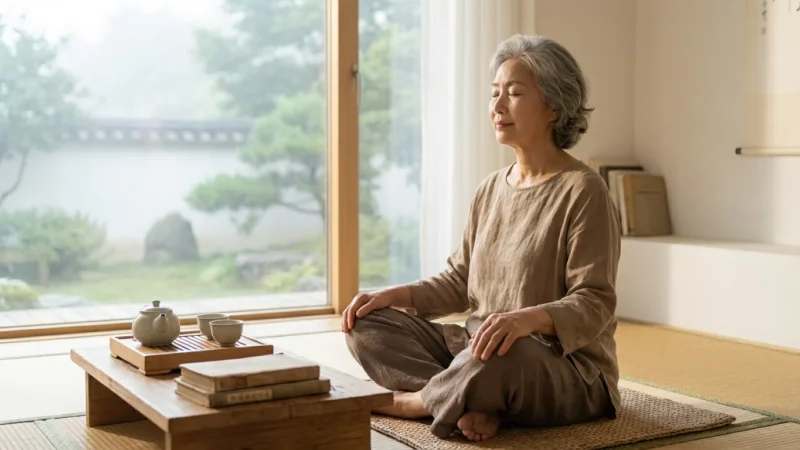
- Meditation: Even 5-10 minutes of daily meditation can reduce stress, improve focus, and promote emotional balance. Guided meditations are readily available online for beginners.
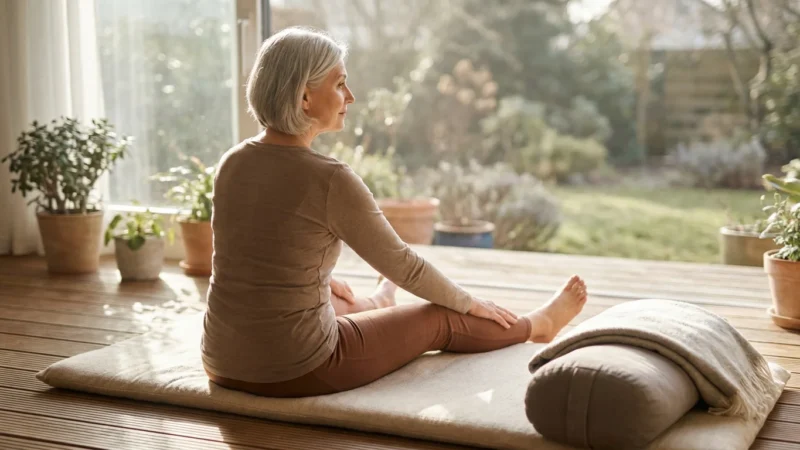
- Gentle Yoga or Tai Chi: These practices combine movement, breath, and mindfulness, enhancing flexibility, balance, and mental serenity. They are particularly beneficial for maintaining physical health in later years.
- Progressive Muscle Relaxation: Tense and then relax different muscle groups in your body, noticing the contrast. This technique helps release physical tension.
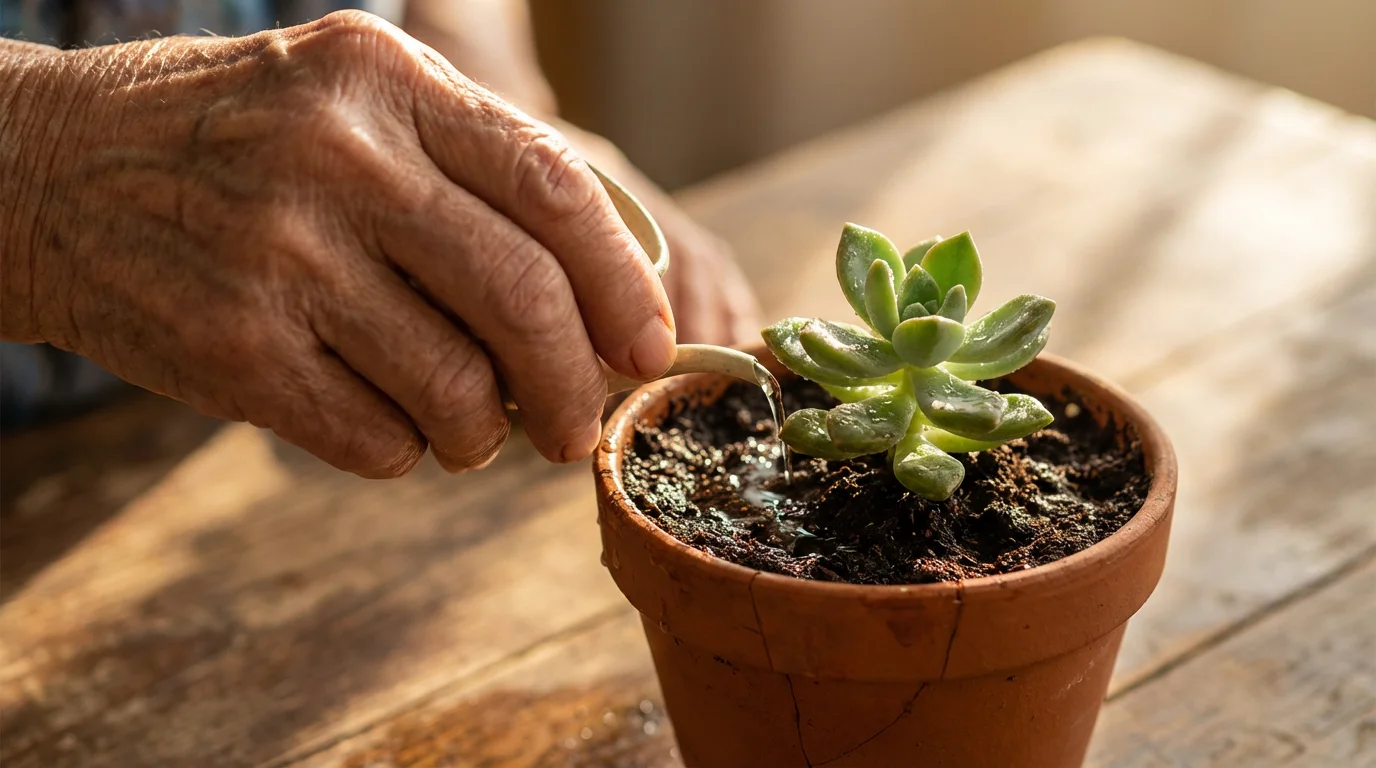
- Spending Time in Nature: Connecting with the natural world has documented calming effects. A walk in a park, gardening, or simply sitting outdoors can be profoundly restorative.
- Listening to Calming Music: Certain types of music can lower heart rate and blood pressure, creating a tranquil environment for your mind.
Consistency is key to experiencing the full benefits of these practices. Make them a regular part of your day, even for short durations, to build resilience against stress.
Nourishing Your Body: The Cornerstone of Wellbeing
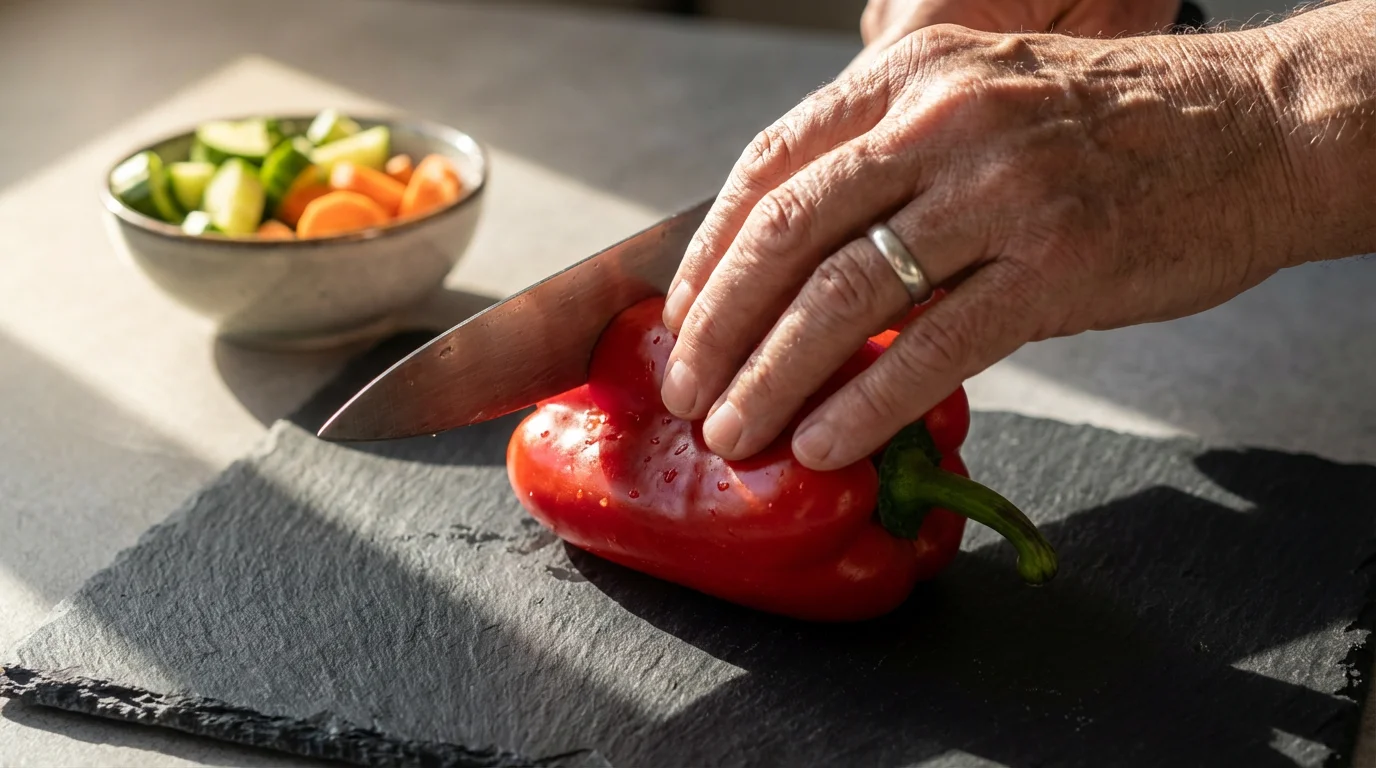
Physical self-care forms the bedrock of your overall senior wellbeing. Attending to your body with intention ensures you have the energy and vitality to pursue your passions. This goes beyond just diet and exercise, encompassing sleep, hydration, and preventative care.
Prioritize these aspects for robust physical self-care:
- Balanced Nutrition: Focus on nutrient-rich whole foods, including plenty of fruits, vegetables, lean proteins, and healthy fats. Proper nutrition fuels your body and supports cognitive function. For reliable guidance on healthy eating as you age, explore resources from the National Institute on Aging.
- Regular Physical Activity: Engage in a mix of cardiovascular exercise, strength training, and flexibility exercises. This improves mood, boosts energy, maintains muscle mass, and supports bone health. Even moderate activity, such as brisk walking, offers significant benefits.
- Adequate Sleep: Aim for 7-9 hours of quality sleep per night. Good sleep is crucial for cognitive function, mood regulation, and physical recovery. Establish a consistent sleep schedule and create a restful bedroom environment.
- Hydration: Drink plenty of water throughout the day. Proper hydration supports every bodily function, from digestion to joint health and mental clarity.
- Preventative Health: Schedule regular check-ups, screenings, and follow your healthcare provider’s advice. Early detection and management are vital for maintaining long-term health. The Administration for Community Living emphasizes the importance of preventative measures for independent living.
Your body is your vessel for experiencing life. Treat it with the care and respect it deserves to ensure a vibrant and active retirement.
Engaging Your Mind and Spirit for Purposeful Living
Self-care extends deeply into the realms of your mind and spirit, influencing your sense of purpose, connection, and joy. Nurturing these aspects prevents cognitive decline, fosters emotional resilience, and brings a profound richness to your retirement years.
Cultivate mental and spiritual wellbeing through:
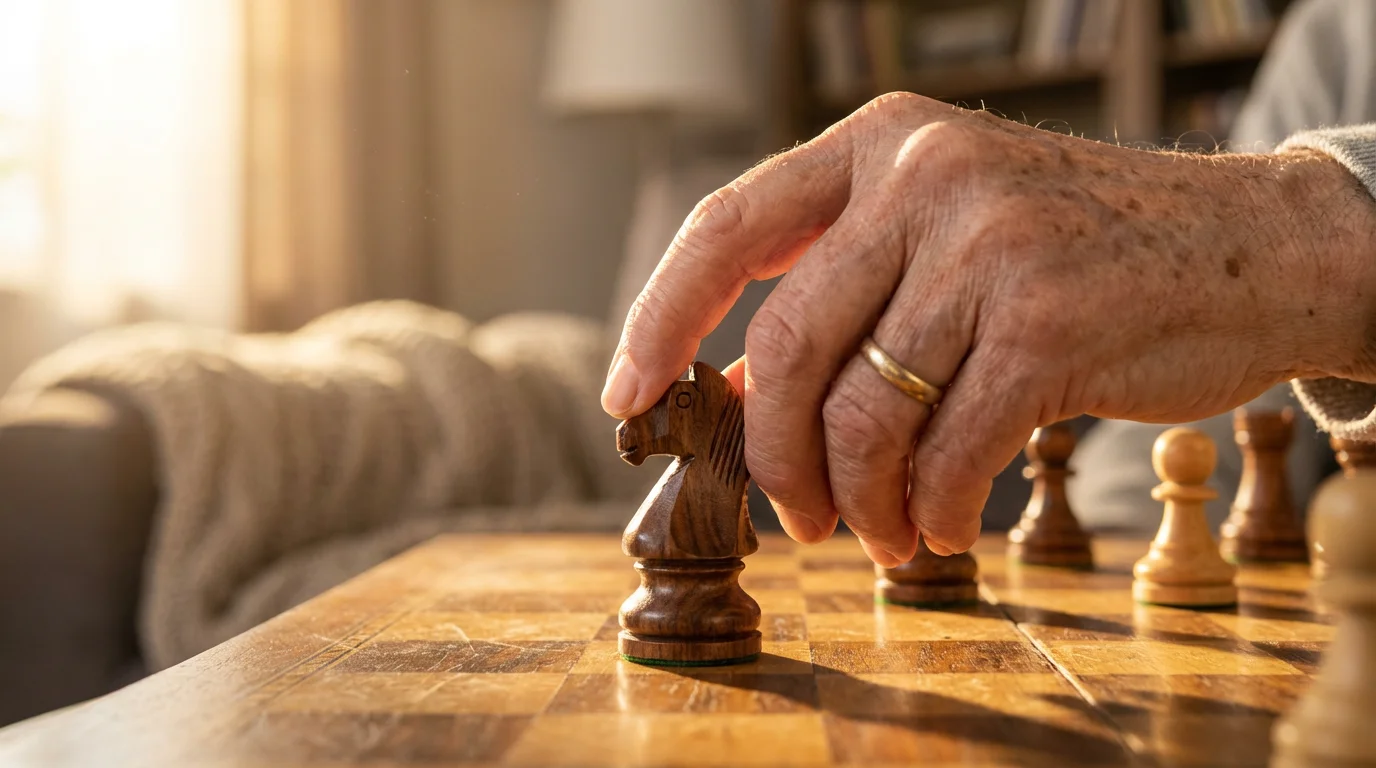
- Lifelong Learning: Keep your brain active by learning new skills, taking courses, reading widely, or engaging in stimulating hobbies. Mental challenges enhance cognitive function and memory.
- Creative Expression: Pursue artistic endeavors such as painting, writing, playing an instrument, or crafting. Creativity offers a powerful outlet for emotions and fosters a sense of accomplishment.
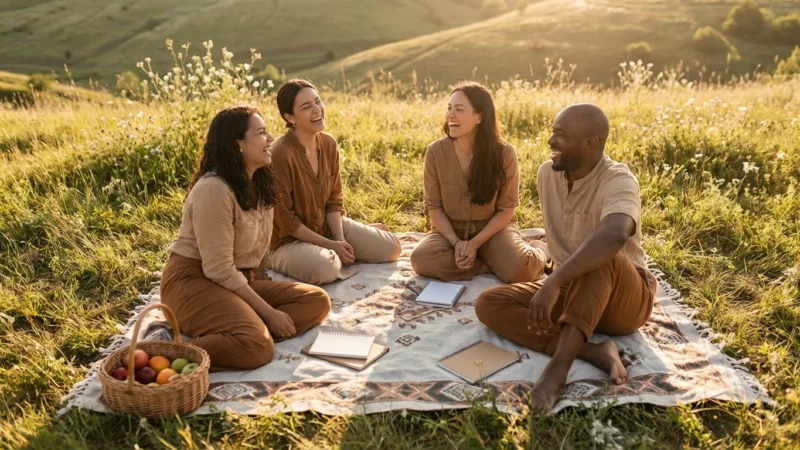
- Social Connection: Maintain strong relationships with family and friends. Join clubs, volunteer groups, or community organizations. Social interaction combats loneliness and provides a vital sense of belonging. Research from Stanford’s Center on Longevity highlights the critical role of social engagement in healthy aging.
- Finding Purpose: Identify activities that give your life meaning and contribute to something larger than yourself. This could involve mentoring, volunteering, or pursuing a long-held passion. Encore.org champions the idea of a “second act” of purpose in later life.
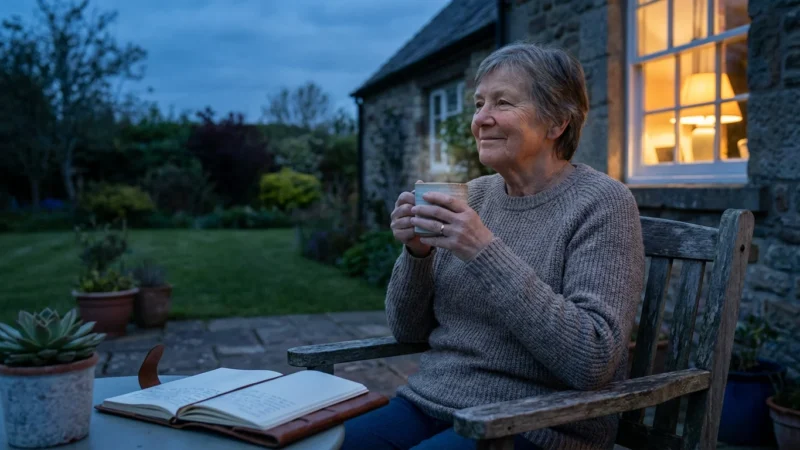
- Practicing Gratitude: Regularly acknowledge the blessings in your life. A gratitude journal or daily reflection can shift your perspective toward positivity and contentment.
- Time for Reflection: Set aside moments for quiet contemplation, whether through journaling, prayer, or simply enjoying stillness. This helps you process thoughts and connect with your inner self.
Engaging your mind and spirit is not merely about staying busy, it is about cultivating a life rich in meaning and personal fulfillment.

Overcoming Common Barriers to Self-Care
Even with the best intentions, you might encounter obstacles to consistent self-care. Recognizing these common barriers allows you to develop strategies to navigate them effectively, ensuring your commitment to senior wellbeing remains steadfast.
Common barriers and strategies to overcome them:
- Feeling Guilty: Many retirees feel guilty taking time for themselves after a lifetime of prioritizing others.
- Strategy: Reframe self-care as essential fuel for giving back to others without depletion. Explain to loved ones that prioritizing your wellbeing ultimately benefits everyone.
- Lack of Motivation: It can be challenging to start new habits, particularly if you feel overwhelmed or tired.
- Strategy: Begin with very small, achievable steps. Focus on enjoying the process, not just the outcome. Remind yourself of the positive feelings self-care brings.
- Perception of Time: Even in retirement, you might feel like you do not have enough time.
- Strategy: Integrate self-care into existing routines. A 10-minute walk, a short meditation, or mindful eating can be woven into your day. Schedule it like an important appointment.
- Financial Constraints: Some self-care activities are perceived as expensive.
- Strategy: Focus on free or low-cost options: nature walks, library books, home cooking, free online exercise classes, or meditation apps.
- Physical Limitations: Age-related changes or health conditions can make certain activities difficult.
- Strategy: Adapt activities to your capabilities. Consult with a doctor or physical therapist for safe, modified exercises. Focus on what you can do, not what you cannot.
Be patient and compassionate with yourself. Developing new habits takes time and consistent effort. Celebrate small victories and learn from setbacks, continually adapting your approach.
Sustaining Your Self-Care Journey
Self-care is not a destination, it is an ongoing journey. To sustain your practices over the long term, build in systems of accountability, adaptability, and celebration. This continuous commitment ensures lasting senior wellbeing and a thriving retirement.
Tips for long-term self-care maintenance:
- Regularly Review Your Routine: Periodically assess what works and what does not. Your needs will change, so your self-care practices should evolve too.
- Seek Support: Share your self-care goals with a trusted friend, family member, or join a group with similar interests. Mutual encouragement can be a powerful motivator.
- Practice Self-Compassion: There will be days when you fall off track. Instead of self-criticism, offer yourself kindness and gently redirect back to your practices.
- Educate Yourself: Stay informed about new approaches to health and wellbeing. Read articles, attend workshops, or listen to podcasts on topics that interest you.
- Celebrate Your Progress: Acknowledge your commitment and the positive changes you experience. Recognizing your efforts reinforces positive habits.
- Embrace Variety: Introduce new activities to keep your self-care routine fresh and engaging. This prevents boredom and encourages exploration.
Your commitment to self-care is a testament to your desire for a life lived fully and gracefully. It empowers you to navigate the golden years with resilience, joy, and profound personal peace.
Frequently Asked Questions
What is self-care in the context of retirement?
Self-care in retirement involves intentionally prioritizing your physical, mental, emotional, and spiritual wellbeing. It is about actively making choices that replenish your energy, reduce stress, and enhance your overall quality of life, allowing you to fully enjoy your golden years with vitality and purpose.
How can I make time for self-care if my retirement is still busy?
Even a busy retirement allows for self-care by integrating small, consistent practices. Start by scheduling short blocks of time, perhaps 10-15 minutes, for activities like mindful breathing, a short walk, or quiet reflection. Look for ways to combine activities, such as listening to an audiobook during a gentle stretch or a phone call with a friend while gardening.
Are there specific relaxation techniques particularly beneficial for seniors?
Many relaxation techniques are highly beneficial for seniors. Gentle yoga and Tai Chi improve balance and flexibility while calming the mind. Mindful breathing exercises, guided meditation, and spending time in nature are excellent for reducing stress and promoting mental clarity. Progressive muscle relaxation can also effectively alleviate physical tension.
How does self-care impact overall senior wellbeing?
Self-care significantly enhances overall senior wellbeing by improving physical health, boosting mental clarity, fostering emotional resilience, and strengthening a sense of purpose. Consistent self-care helps manage chronic conditions, reduces the risk of depression and anxiety, and enables greater engagement with life, leading to a more graceful and fulfilling retirement.
What if I feel guilty prioritizing myself?
It is common to feel guilt when shifting focus to personal needs after a lifetime of caring for others. Reframe self-care as essential, not selfish. Recognizing that a well-cared-for you is better equipped to enjoy time with loved ones and engage with the world can help alleviate this guilt. Your wellbeing is a gift you give to yourself and to those around you.
Disclaimer: This article is for informational and inspirational purposes. Life decisions are deeply personal, and we encourage readers to consult with appropriate professionals—whether healthcare providers, counselors, or financial advisors—for guidance specific to their circumstances.





Leave a Reply